Nantes, France: The Ultimate Travel Guide 2026
Nantes France
Nantes France

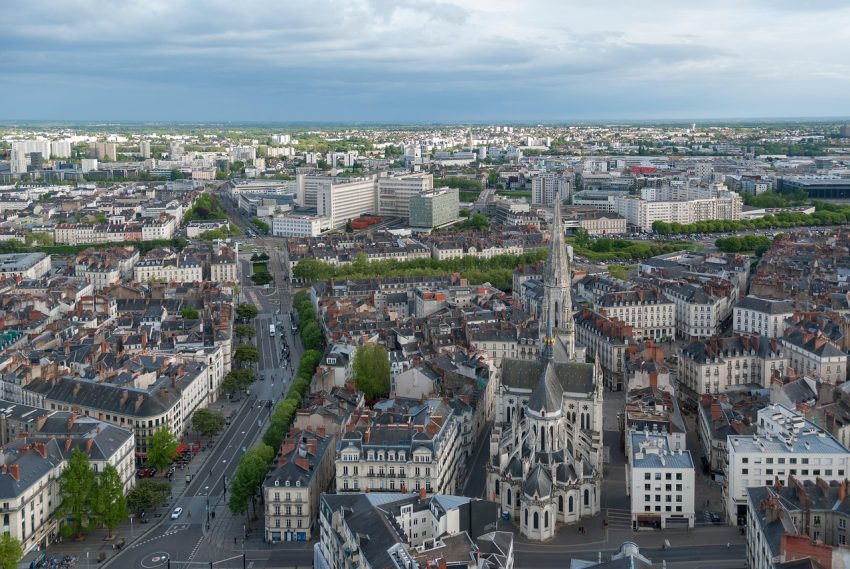
Nantes is a dynamic city on the Loire River, known for its blend of modernity and rich cultural heritage. Visitors can explore its picturesque parks, trendy boutiques, and a thriving food scene that showcases local specialties. The Les Machines de l'île amusement park, featuring the mechanical elephant and other fantastical creatures, is a must-see for families and those interested in unique, interactive experiences. Nantes is also home to beautiful green spaces such as Parc de Procé and Jardin des Plantes, perfect for leisurely walks or relaxing in nature.

In addition to its lively urban atmosphere, Nantes offers plenty of cultural attractions, including art museums, historic buildings, and the stunning Château des Ducs de Bretagne. The city's riverside location makes it a great base for enjoying boat tours along the Loire, or even exploring nearby vineyards and coastal towns. Whether you're enjoying a vibrant festival, visiting the many galleries, or simply wandering through its vibrant neighborhoods, Nantes provides a balance of cultural exploration and relaxing experiences.

History of Nantes

Early History of Nantes

Nantes traces its origins back to ancient times when it was originally a settlement of the Veneti tribe. It became an important trade and port city during the Roman era, benefiting from its location along the Loire River. The town grew steadily over the centuries, laying the foundation for its later prominence in French history.

Nantes in the Middle Ages

During the medieval period, Nantes emerged as a key administrative and economic center. In the 9th century, it became part of the Duchy of Brittany and grew in importance as a port city. The construction of Nantes Castle in the 13th century solidified its role as both a commercial hub and a political stronghold in the region.

Nantes in the Renaissance and Early Modern Period

The 16th century was a period of prosperity for Nantes, particularly as it became a focal point for the Atlantic slave trade and maritime commerce. It was during this time that Nantes’ wealth grew significantly, and the city gained prominence as a center for shipbuilding and trading. The 17th and 18th centuries saw continued growth, with the city’s impressive buildings and infrastructure being constructed during this period.

Nantes in the 19th and Early 20th Centuries

In the 19th century, Nantes became an industrial center, particularly in the areas of shipbuilding and textiles. The city was heavily affected by the French Revolution, but it quickly recovered and played a role in France’s industrial expansion. By the early 20th century, Nantes had evolved into a modern urban center with advancements in transportation, including railroads and the expansion of its port.

Nantes in the 20th and 21st Centuries

The 20th century brought significant changes to Nantes, with the decline of the traditional industries such as shipbuilding, but a rise in services, technology, and culture. The city saw rebuilding efforts following World War II, during which it suffered some damage. Today, Nantes is a vibrant city that combines historical significance with modern urban developments, offering a rich cultural scene and economic growth.

Moira & Andy
Moira & Andy

Hey! We're Moira & Andy. From hiking the Camino to trips around Europe in Bert our campervan — we've been traveling together since retirement in 2020!

Read our full story here

Visiting Nantes for the first time and wondering what are the top places to see in the city? In this complete guide, I share the best things to do in Nantes on the first visit. To help you plan your trip, I have also included an interactive map and practical tips for visiting!

This website uses affiliate links which earn a small commission at no additional cost to you.
Powered by GetYourGuide

16 Best places to See in Nantes

This complete guide to Nantes not only tells you about the very best sights and tourist attractions for first-time visitors to the city but also provide insights into a few of our personal favorite things to do.

This is a practical guide to visiting the best places to see in Nantes and is filled with tips and info that should answer all your questions!

1. Cathédrale Saint-Pierre-et-Saint-Paul de Nantes
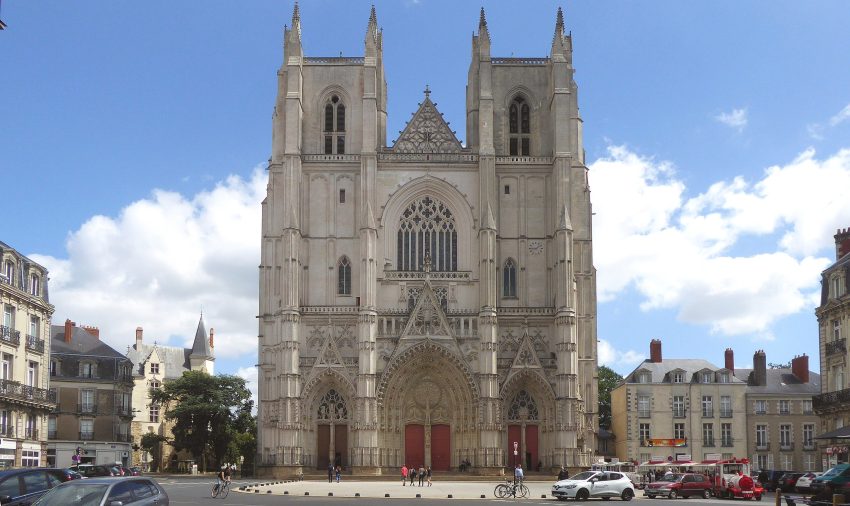
Cathédrale Saint Pierre et Saint Paul de Nantes
CC BY-SA 3.0 / Wolfgang Pehlemann
Cathédrale Saint-Pierre-et-Saint-Paul is a vast Gothic cathedral whose pale stone interior and twin-towered façade speak to centuries of ambition and repair. Construction began in 1434 and wasn’t finished until 1891, yet the result feels remarkably coherent, with a richly carved west front and a nave rising to nearly 38 metres that draws your eyes upward. Inside, light filters through jewel-toned stained glass, sharpening the sense of brightness visitors often remark on. Don’t miss the Carrara-marble tomb of François II, last Duke of Brittany, and Marguerite de Foix, carved by Michel Colombe and ringed with allegorical virtues. Crypts below trace the site back to an earlier Romanesque church, while ongoing restoration recalls the building’s survival through war damage and later fires.
Location: Cathédrale Saint-Pierre-et-Saint-Paul de Nantes, Impasse Saint-Laurent, Nantes, France | Hours: Daily: 9:00 to 19:00. | Price: Free | Website | Distance: 0.2km

We recommend to rent a car in France through Discover Cars, they compare prices and review multiple car rental agencies. Book your rental car here.

2. Jungle Intérieure

Jungle Intérieure
Jungle Intérieure
CC BY-SA 2.0 / Jean-Pierre Dalbéra
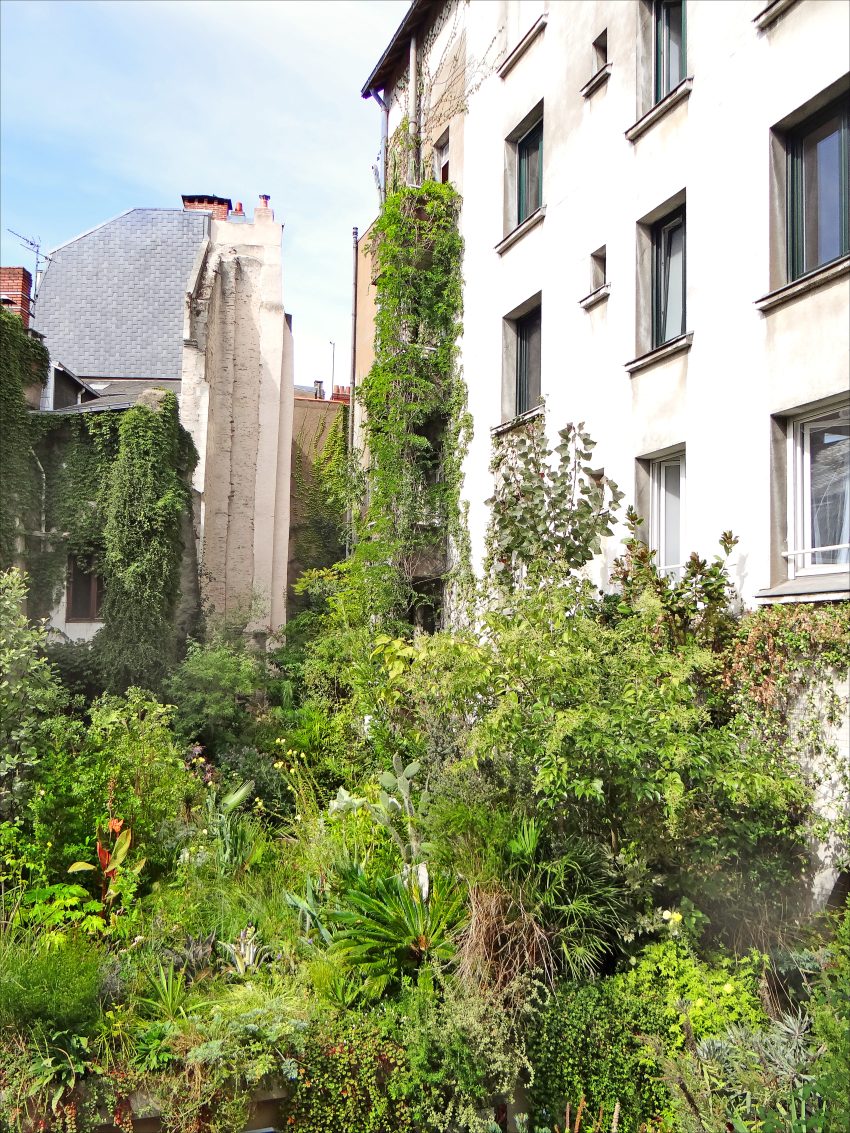
Jungle Intérieure is a hidden rooftop-and-courtyard garden installation in Passage Bouchaud near Place du Bouffay, where artist Evor has been building a suspended “jungle” since 2006. Spread over roughly 600 square metres, it layers balconies, ledges, and rooftops with pots holding more than 2,300 plant species—tree ferns, papyrus, cacti, and rarities gathered from far beyond Nantes. Visitors climb a plain wooden staircase to look down into a dense canopy, noticing the contrast of terracotta pots and old stone swallowed by green. Kept free of chemical fertilizers and sustained by drip irrigation, it feels like a living artwork—quiet, surprising, and oddly calming in the middle of the city.
Location: Jungle interieure, Voyage à Nantes, Passage Bouchaud, Nantes, France | Hours: Monday to Saturday, 10:00 to 19:00. Closed Sundays and public holidays | Price: Free to visit as part of the public Le Voyage à Nantes route | Website | Distance: 0.3km

Here is a complete selection of hotel options in Nantes. Feel free to review each one and choose the stay that best suits your needs.

3. Eglise Sainte-Croix

Eglise Sainte Croix Nantes
CC BY-SA 2.0 / Gilles Messian
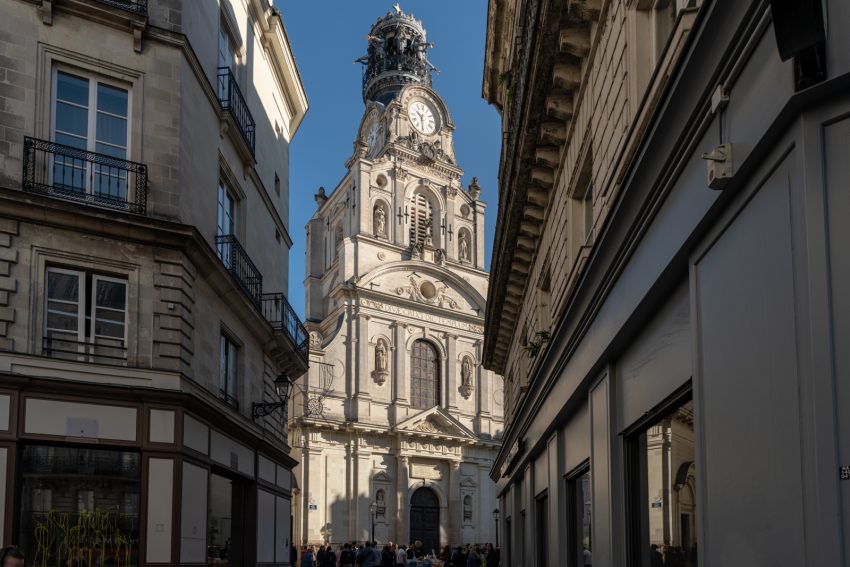
Église Sainte-Croix is a parish church in the Bouffay quarter, a calm interior tucked behind busy cafés and cobbled lanes. Built in 1669–1685 on the site of an 11th-century Benedictine priory, it mixes Classical balance with lingering Gothic verticality, topped by a bell tower added in 1860 where angels appear to sound trumpets. Inside, stained glass throws shifting colour across stone and wood beneath a warm, semi-circular wooden vault, and a Louis XV mahogany pulpit stands out for its deep tone and carving. Look, too, for a rare surviving 7th-century altar, an unexpected link to the region’s earliest Christian past.
Location: Église Sainte-Croix, Nantes, France | Hours: Generally open during daytime hours. | Price: Free | Website | Distance: 0.3km

Traveling to a country with a different currency? Avoid ATM transaction fees and pay in local currency with a Wise Card. Having used it for over 5 years, we've saved loads on fees!

4. Porte Saint-Pierre

Porte Saint Pierre,Nantes
CC BY-SA 3.0 / Selbymay
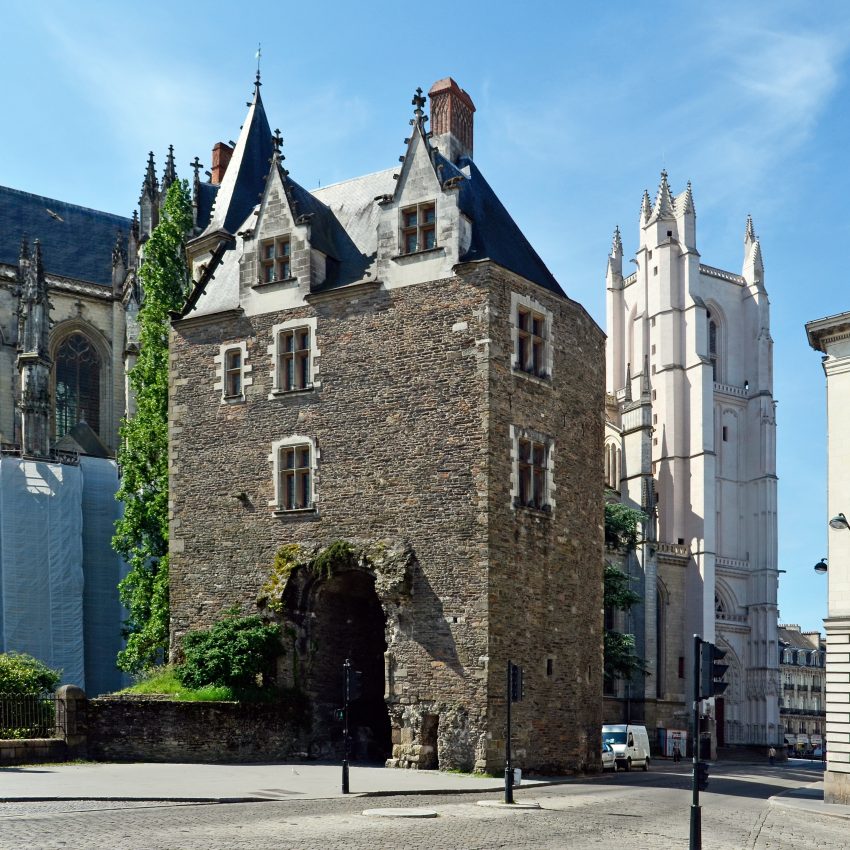
Porte Saint-Pierre is a compact 15th-century stone gate that once pierced Nantes’ medieval fortifications on the eastern edge of the Bouffay district. Built to control movement and trade coming in from the Loire routes and nearby countryside, it’s one of the few surviving, walk-through fragments of the old wall. Up close, visitors notice the thick masonry and the tight curve of the arched passage, details that hint at its defensive purpose. Passing beneath the arch feels like a clean seam between streetscapes: narrow, cobbled Bouffay lanes on one side and broader avenues toward the cathedral on the other. A pause here makes it easy to picture merchants and processions funneled through the same opening centuries ago.
Location: Porte Saint-Pierre, Place Maréchal-Foch, Nantes, France | Hours: Accessible at all times as an open thoroughfare, though it is most enjoyable during daylight and early evening. | Price: Free; Porte Saint-Pierre is a public city gate that forms part of the streetscape. | Distance: 0.3km

Explore Nantes at your own pace with our self-guided walking tour! Follow our curated route to discover must-see sights and local secrets that makes Nantes one of the best places to visit in France.

5. Nantes History Museum

Nantes History Museum, Chateau des Ducs de Bretagne
CC BY-SA 3.0 / pjacquet
Housed inside the Château des Ducs de Bretagne, this city-history museum turns a medieval-turned-Renaissance fortress—complete with ramparts and a moat—into part of the story. A seven-part circuit unfolds across 32 rooms in the restored castle buildings, moving from ducal Brittany and royal power to maritime expansion, industrial change, wartime upheaval, and the contemporary city. Displays mix objects, scale models, archival documents, and multimedia so the narrative stays tangible as you pass staircases, windows, and thick stone walls. The sections addressing the Atlantic slave trade are direct and sobering, set alongside everyday life and social movements to show how prosperity and injustice intertwined.
Location: Musée d'histoire de Nantes 4 Pl. Marc Elder 44000 Nantes France | Hours: Tuesday to Sunday: 10:00 to 18:00, closed Mondays | Price: Adults: €9 | Website | Distance: 0.4km

6. Château des Ducs de Bretagne
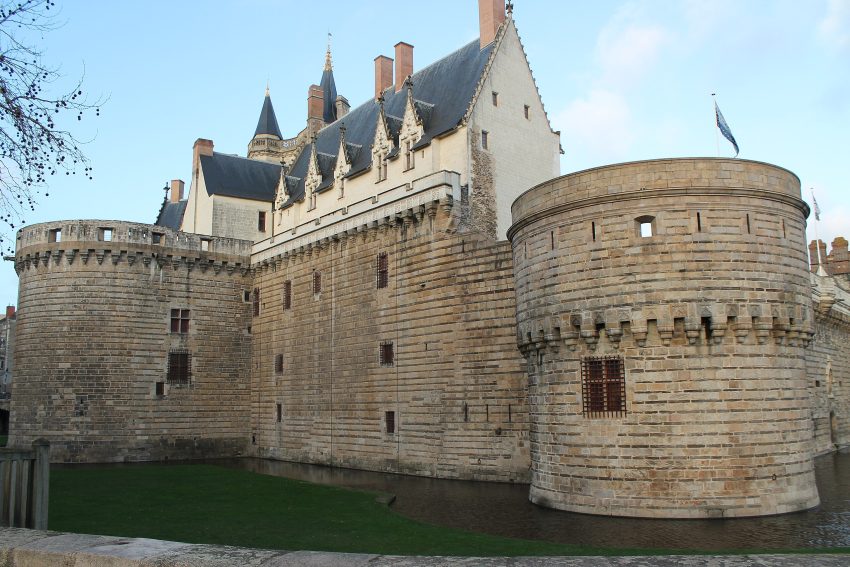
Château des ducs de Bretagne Nantes
CC BY-SA 42.0 / John Samuel
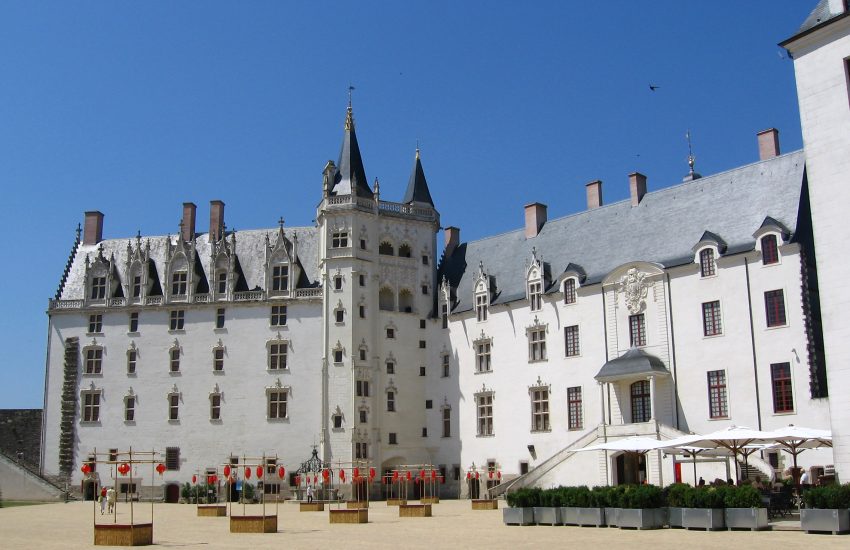
Ringed by a green moat and reflecting pools, the Château des Ducs de Bretagne is a late-15th-century fortress-palace begun by François II and shaped by Anne of Brittany, where heavy granite defenses meet pale tufa façades and Renaissance loggias. The inner courtyard feels unexpectedly serene—an easy place to pause and study coats of arms, sculpted dormers, and the shift from medieval to early Renaissance design. A rampart walk traces towers and old gunports and opens wide views across rooftops and tram lines. Inside, the Musée d’Histoire de Nantes spreads through 32 rooms with artefacts, models, films, and interactive displays that confront the port’s Atlantic trade and slavery alongside industry, war, and modern urban life.
Location: Château des ducs de Bretagne, Place Marc Elder, Nantes, France | Hours: Tuesday to Sunday: 10:00 to 18:00, closed Mondays | Price: Adults: €9.00. Museum Pass: €15 (Jules Verne Museum, the Natural History Museum, the Museum of Fine Arts, the History Museum (Château des Ducs de Bretagne), and the Chronograph. | Website | Distance: 0.4km

7. Musée d'Arts de Nantes
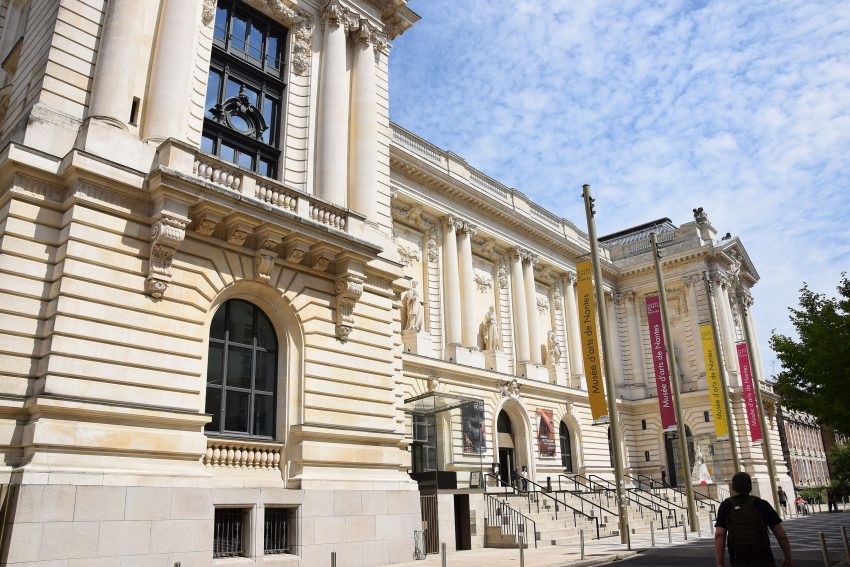
Musée d'Arts de Nantes
Musée d’Arts de Nantes
CC BY-SA 4.0 / Chatsam
Set between the cathedral and the Jardin des Plantes, the Musée d’Arts de Nantes pairs a 19th-century palais with a crisp modern addition nicknamed the Cube, creating galleries washed with natural light and long, easy sightlines. The collection spans Western art from the 13th to the 21st century, so you can move from old-master drama to modern abstraction in a single, coherent circuit. Look for standouts such as Artemisia Gentileschi’s “Diana the Huntress,” Ingres’ “Portrait of Madame de Senonnes,” and Monet’s “Water Lilies,” then cross into the Cube for works by Kandinsky, Soulages, and Kapoor. Reopened after a major redesign in 2017, the building’s wide corridors and calm pacing encourage slow looking.
Location: Musée d’arts de Nantes, Rue Georges Clemenceau, Nantes, France | Hours: Every day, from 11am to 7pm, except Tuesday, open until 9pm on Thursday. | Price: Adults: €9.00. Museum Pass: €15 (Jules Verne Museum, the Natural History Museum, the Museum of Fine Arts, the History Museum (Château des Ducs de Bretagne), and the Chronograph. | Website | Distance: 0.5km

8. Place Royale
Place Royale, Nantes
CC BY-SA 4.0 / Chabe01
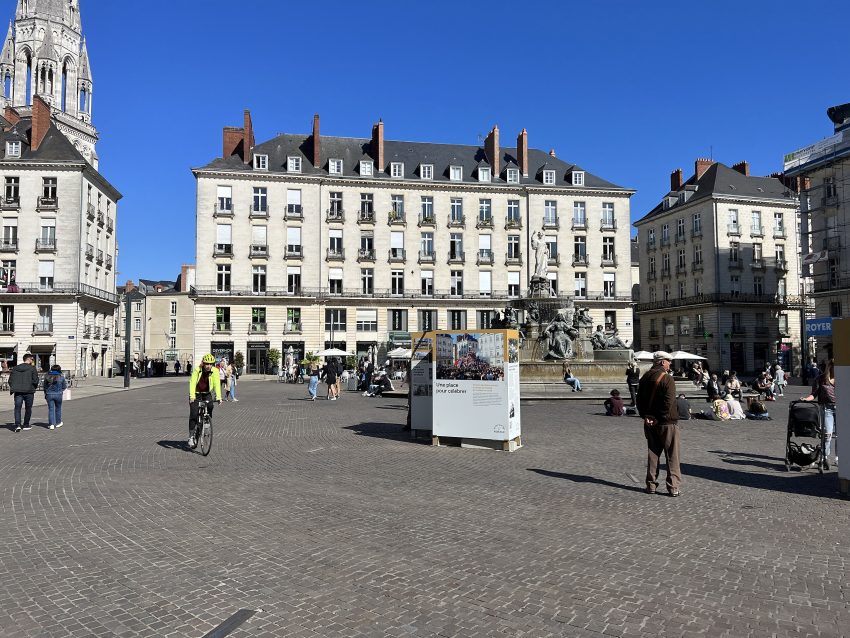
Place Royale is an 18th-century classical square shaped in two moods: a more rectangular east side and a semicircular west that creates an unexpectedly graceful “mirror” outline. Designed by Mathurin Crucy in 1786 and finished in 1790 after the medieval ramparts were cleared, it signals the city’s shift toward a modern, open centre. The eye goes straight to the 1865 fountain, where water spills down a pyramid-like stack into three granite basins, ringed by allegorical figures of the Loire and its tributaries and a crowned personification holding a trident. Around it, symmetrical facades sit above busy cafés and shops, and visitors often linger on the fountain steps to watch the square’s everyday rhythm.
Location: Place Royale, Pl. Félix Fournier, Nantes, France | Hours: Accessible at all times as an open public space, though shops and cafés follow their own business hours. | Price: Free; Place Royale is a public square open to everyone. | Distance: 0.6km

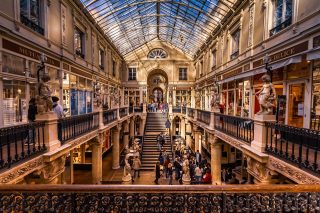
9. Passage Pommeraye
Passage Pommeraye
Passage Pommeraye
CC BY-SA 4.0 / GO69
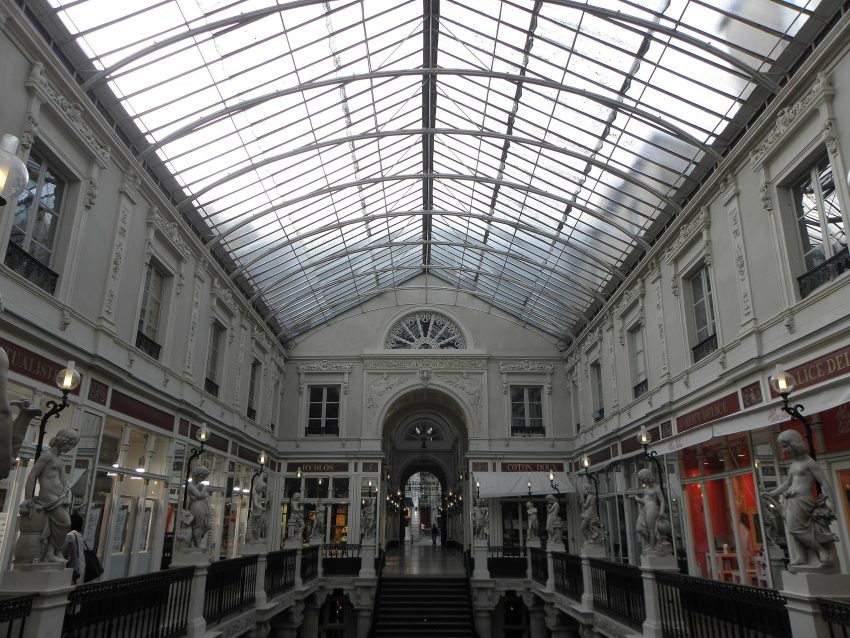
Passage Pommeraye is a 19th-century covered shopping arcade in central Nantes, linking Rue Crébillon and Rue de la Fosse while solving a steep 9.4-metre change in level. Built in 1840–1843 for notary Louis Pommeraye, it stacks three galleries around a grand central staircase, turning the climb into the main spectacle. Under a glass roof, daylight slides over stone and stucco, wrought-iron railings, and polished shopfronts, while allegorical sculptures for commerce, industry, and the arts watch from above. The mix of neoclassical and Louis-Philippe styling feels theatrical—quieting the street outside—and today you’ll notice boutiques, cafés, and visitors lingering to study the ornate details and stairs.
Location: Passage Pommeraye, Passage Pommeraye, Nantes, France | Hours: Monday to Saturday 8:00 to 20:00; Sunday 9:00 to 20:00 | Price: Free | Website | Distance: 0.7km

10. Jardin des Plantes
Lille jardin des plantes entree
CC BY-SA 4.0 / Velvet
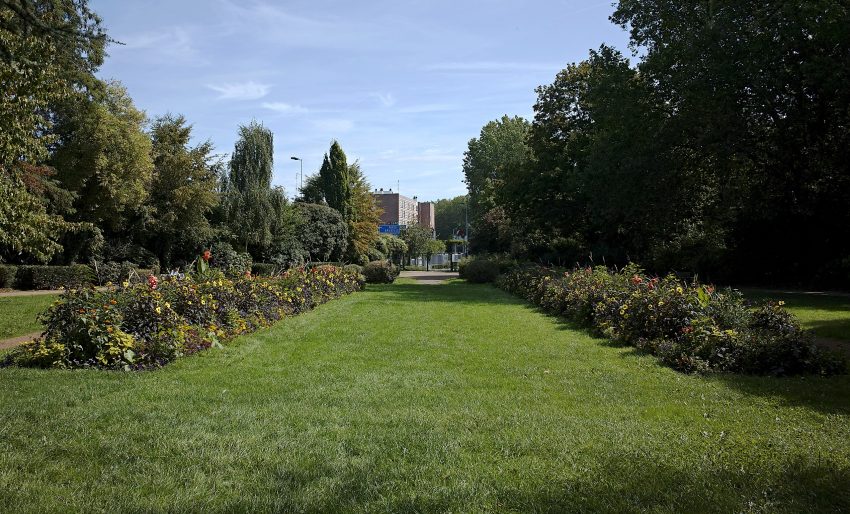
Just opposite the main railway station, the Jardin des Plantes is a seven-hectare botanical garden that feels like a small, self-contained world of winding paths, ponds, and quiet lawns. Begun in 1688 as an apothecaries’ garden, it grew into a major 19th-century collection shaped by botanists including Jean-Marie Ecorchard and is now home to around 10,000 species and a standout camellia collection with the “Remarkable Garden” label. Historic glasshouses add a different atmosphere, especially the 1895 Palmarium with tropical and subtropical plants. Along the way, Claude Ponti’s playful sculptures pop up beside rockeries and water, while ducks and shaded benches make lingering easy.
Location: Jardin des Plantes, Rue Stanislas Baudry, Nantes, France | Hours: Open daily, with hours varying by season—typically from early morning to early evening. | Price: Free entry to the garden and many areas. | Distance: 0.8km

11. Place Graslin
Place Graslin
Place Graslin
CC BY-SA 4.0 / Avi1111
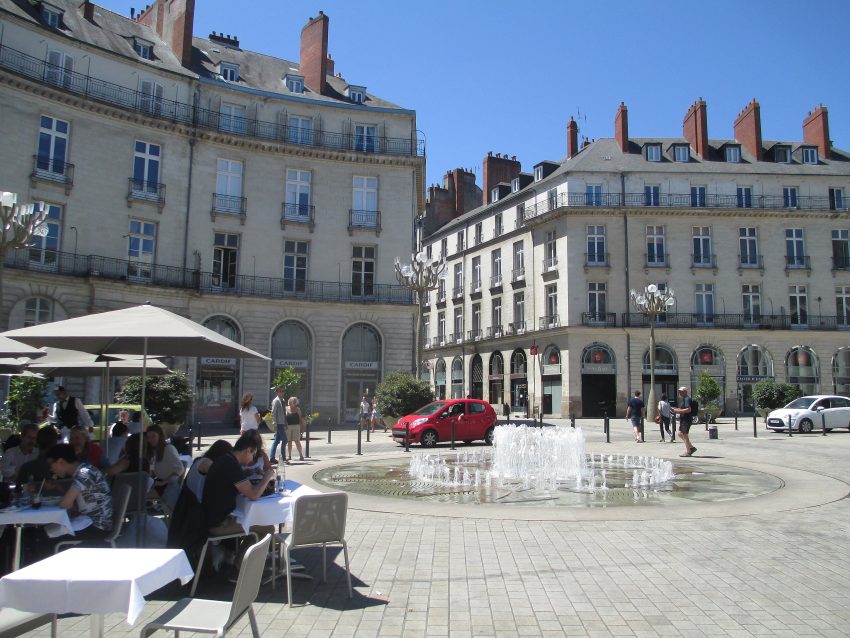
Place Graslin is an elegant late-18th-century square shaped as a semi-circular bowl of neoclassical facades, created when Jean-Joseph-Louis Graslin and architect Mathurin Crucy turned a rocky hillside into a planned cultural quarter. The scene is anchored by the Théâtre Graslin (opened 1788), its temple-like front lined with Corinthian columns and topped with statues of the Muses; even without a performance, the steps feel like a stage for city life. Around the curve, uniform buildings keep the space visually calm while cafés and terraces add a steady hum. Step into La Cigale for a jolt of Art Nouveau exuberance against the square’s restrained geometry.
Location: Place Graslin, Nantes, France | Hours: Free to enjoy the square itself. | Price: The square is accessible at all times as a public space; theatre and restaurant hours vary by programme and season. | Distance: 0.9km

12. Natural History Museum of Nantes
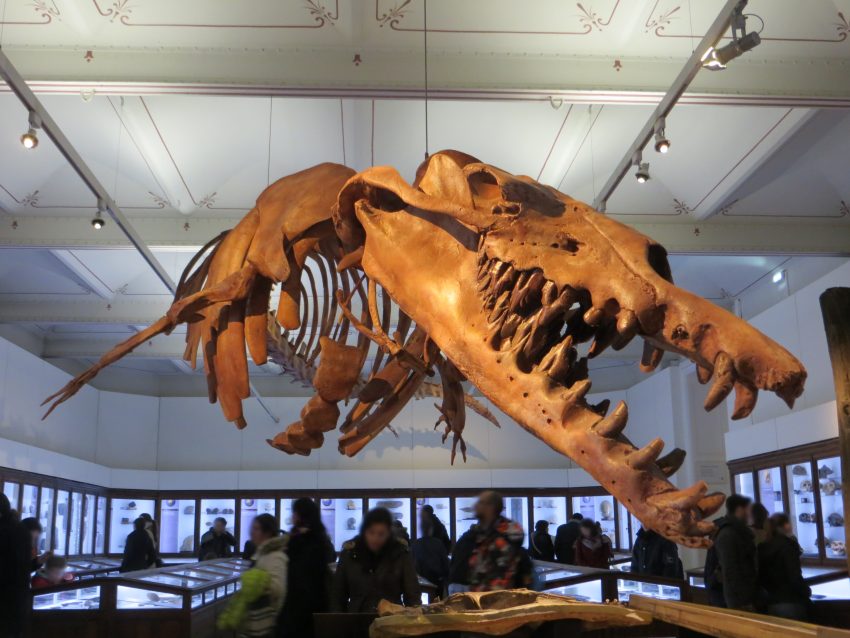
Basilosaurus isis fossil, Nantes History Museum
CC BY-SA 4.0 / Asmoth
The Natural History Museum of Nantes (Muséum d’Histoire Naturelle) is a long-running scientific museum founded in 1810 and housed since 1875 in a purpose-built building on Rue Voltaire, where lofty galleries and old display cases create a classic cabinet-of-curiosities feel. Its collections range across zoology, geology, botany, and ethnology, mixing historic specimens with newer interpretive displays. Visitors tend to remember the 18-metre fin whale skeleton suspended overhead, as well as rooms of minerals, fossils, and meteorites that make deep time feel tangible. A small vivarium, established in 1955, adds live reptiles and amphibians to the otherwise specimen-filled experience. The museum is currently closed until 2029.
Location: Natural History Museum, Rue Voltaire, Nantes, France | Hours: Reopening 2029 | Website | Distance: 1.1km

13. Musée Thomas Dobrée
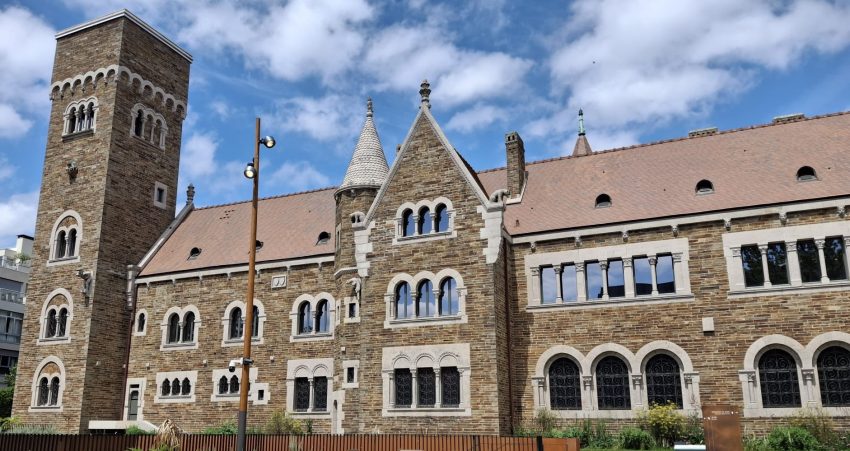
Musée Thomas Dobrée Nantes
CC BY-SA 4.0 / ThimGui
Musée Thomas Dobrée feels like entering a 19th-century collector’s dream, housed across the 15th-century Manoir de la Touche and a turreted neo-medieval palace built for Thomas Dobrée’s treasures. Recently restored and reopened in 2024, the complex mixes historic rooms with sleek new galleries and multimedia displays, all set beside an Anglo-Norman garden. Inside, themed displays draw from an immense collection—manuscripts, coins, sculptures, jewelry, weapons, and rare documents—spanning five continents and vast stretches of time. Don’t miss the reliquary containing the heart of Anne of Brittany, a small object with outsized emotional pull. Visitors often linger for hours, and the building itself is part of the experience.
Location: Musée Thomas Dobrée, Place Jean V, Nantes, France | Hours: Open Wednesday to Sunday: 10:00 am – 6:00 pm; July/August, 10:00 am – 7:00 pm | Price: Adults: €9.00 | Website | Distance: 1.2km

14. Mémorial de l'Abolition de l'Esclavage
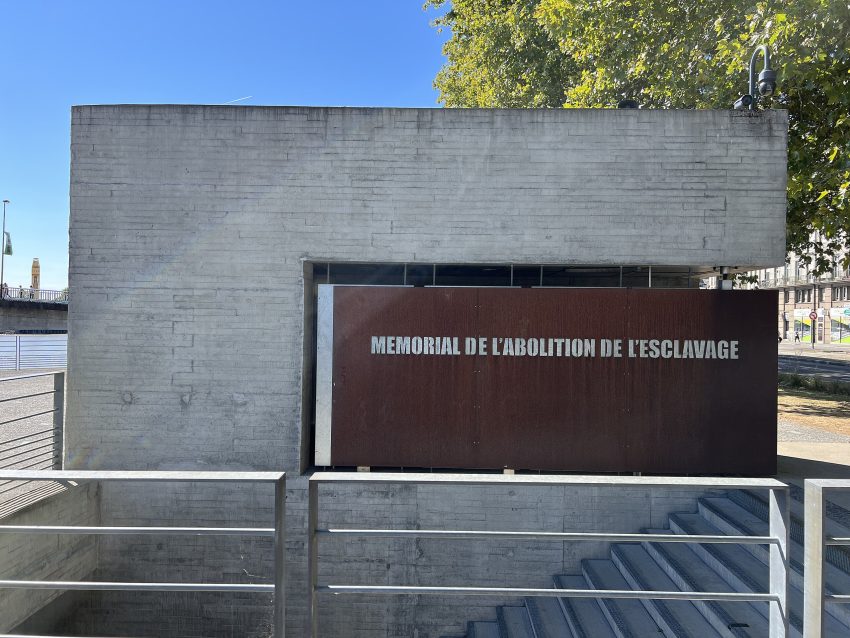
Mémorial Abolition Esclavage Nantes
CC BY-SA 4.0 / Chabe01
On the Quai de la Fosse in Nantes, the Mémorial de l’Abolition de l’Esclavage is a riverside monument (opened in 2012) that confronts the city’s role as France’s leading 18th-century slave-trading port. Above ground, a long esplanade is set into the quay, studded with 2,000 flush glass plaques—many listing Nantes slave ships with departure dates, others naming linked ports in Africa, the Caribbean, and the Americas. A discreet descent leads into a dim, concrete corridor that runs beside the Loire, where the Universal Declaration of Human Rights appears alongside “liberty” in 47 languages. The underground scale and low light make the space feel stark, intimate, and deliberately unsettling.
Location: Mémorial de l'abolition de l'esclavage, Quai de la Fosse, Nantes, France | Hours: Winter: 9:00 to 18:00; Summer: 9:00 to 20:00 | Price: Free | Website | Distance: 1.4km

15. Les Machines de l'Île
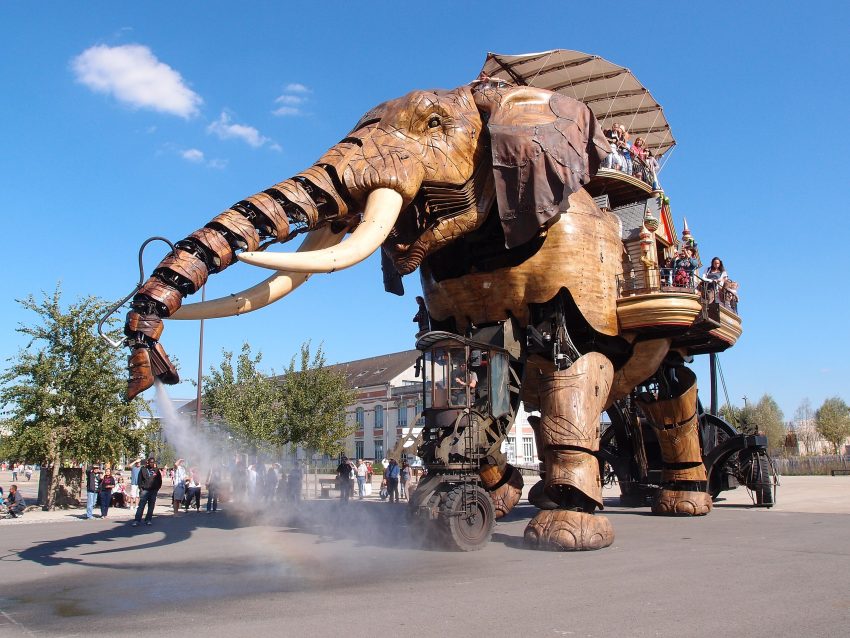
Les Machines de l'Île in Nantes
Les Machines de l’Île in Nantes
CC BY-SA 2.0 / Guilhem Vellut
Set in the former shipyards on the Île de Nantes, Les Machines de l’Île is a working art-and-engineering playground where industrial workshops now build moving sculptures inspired by Jules Verne and Leonardo da Vinci. The unforgettable centerpiece is the 12-metre Grand Éléphant: a creaking, trumpet-blasting machine that lumbers along the quays and sometimes sprays water from its trunk, with riders perched on its back. Nearby, the three-level Carrousel des Mondes Marins spins with climbable sea creatures—crabs, fish, and deep-sea oddities—each tier like a different underwater world. In the Galerie des Machines, machinists demonstrate mechanical animals and plants, inviting you close to gears, pistons, and levers as they come alive.
Location: Les Machines de l'Île, Boulevard Léon Bureau, Nantes, France | Hours: Winter: 2pm to 6pm Summer: 10am to 7pm | Price: Adults: €12.00; Reduced: €8.00 | Website | Distance: 1.6km

16. Musée Jules Verne
Jules Verne Museum, Nantes
CC BY-SA 3.0 / Adam Bishop
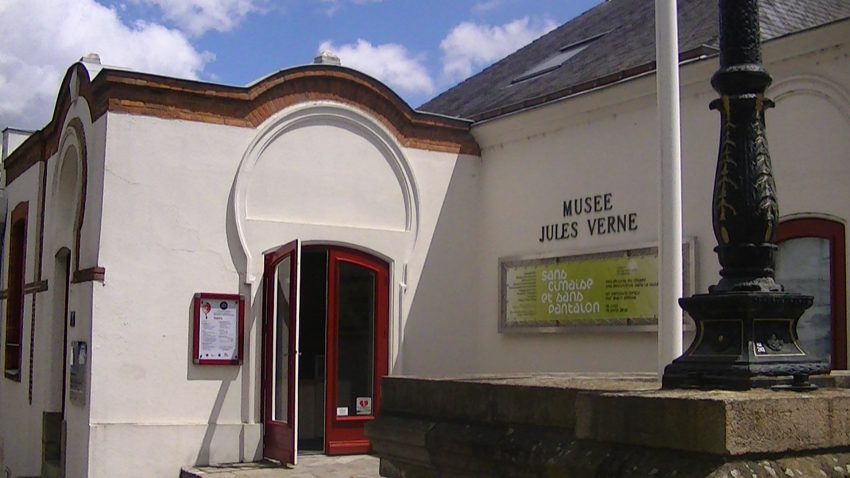
Perched on Sainte-Anne hill above the Loire, the Musée Jules Verne is a small, atmospheric museum devoted to the author’s life and the imaginative machinery of his novels. Opened in 1978 for the 150th anniversary of his birth, it occupies a 19th-century house chosen for its resemblance to his family’s country home, with windows that frame the river views that fed his seafaring daydreams. Rooms trace his childhood, travels, and worldwide influence through first editions, handwritten pages and letters, personal objects, and period illustrations. Scale models and replicas of submarines, balloons, and other fanciful vehicles add a tactile, storybook feel, and most visitors linger about an hour.
Location: Musée Jules Verne, Rue de l'Hermitage, Nantes, France | Hours: Daily: 2pm-6pm; Saturday: 10am-12pm / 2pm-6pm; Tuesday: Closed | Price: Adults: €4.00. Museum Pass: €15 (Jules Verne Museum, the Natural History Museum, the Museum of Fine Arts, the History Museum (Château des Ducs de Bretagne), and the Chronograph. | Website | Distance: 2.6km

Best Day Trips from Nantes

A day trip from Nantes offers the perfect opportunity to escape the urban rhythm and discover the surrounding region's charm. Whether you're drawn to scenic countryside, historic villages, or cultural landmarks, the area around Nantes provides a variety of easy-to-reach destinations ideal for a one-day itinerary. If you are looking to rent a car in France I recommend having a look at Discover Cars, first, as they compare prices and review multiple car rental agencies for you.

1. Angers
Anger France
Anger France
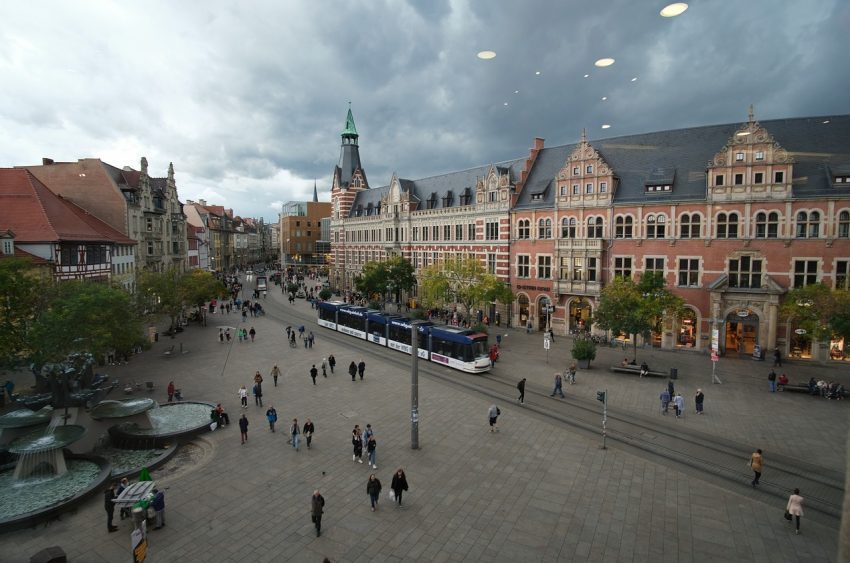
Angers is a charming city located in the Pays de la Loire region, offering a blend of historic landmarks, vibrant culture, and beautiful landscapes. Visitors can explore the impressive Château d'Angers, home to the famous Tapisserie de l'Apocalypse, and enjoy a walk through its stunning gardens. The city’s lively atmosphere is further enhanced by its vibrant squares, lively markets, and…
Visiting Angers
Powered by GetYourGuide

2. Rennes

Rennes France
Rennes France
Rennes, in the Brittany region, offers a perfect mix of traditional character and modern flair. Rennes is one of the most underrated cities in France. Its half-timbered houses, winding streets, and lively squares create a charming backdrop for exploring on foot. The city feels youthful and energetic, thanks in part to its large student population and vibrant cultural scene. Beyond…
Visiting Rennes
Powered by GetYourGuide

3. Vannes

vannes
vannes
Vannes is a picturesque town in Brittany that effortlessly blends medieval charm with the easygoing spirit of coastal life. Its compact old town is filled with half-timbered houses, flower-draped balconies, and cobbled streets that invite slow wandering. The marina, just beyond the historic walls, connects the town to the stunning Gulf of Morbihan, offering a fresh sea breeze and plenty…
Visiting Vannes
Powered by GetYourGuide

4. Vitré

Vitré château
Vitré château
CC BY-SA 3.0 / VIGNERON
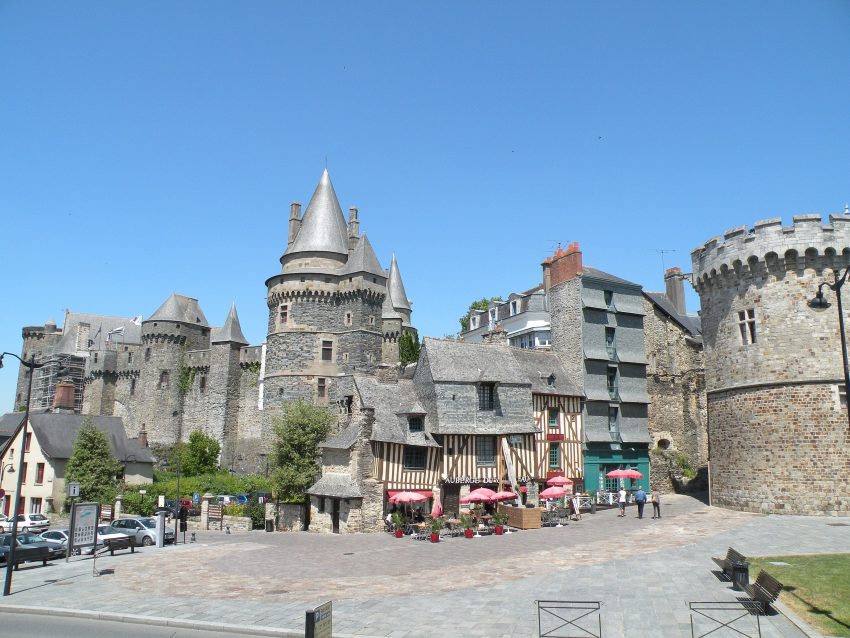
Visiting Vitré is like stepping into the pages of a medieval storybook. The moment you arrive, the cobbled streets and half-timbered houses set the tone for a town that has preserved its charm without feeling staged. The Château de Vitré dominates the skyline, its towers rising above the rooftops like a watchful sentinel. But it’s the smaller details—the creaking wooden…
Visiting Vitré

5. La Rochelle

La Rochelle, France
La Rochelle, France
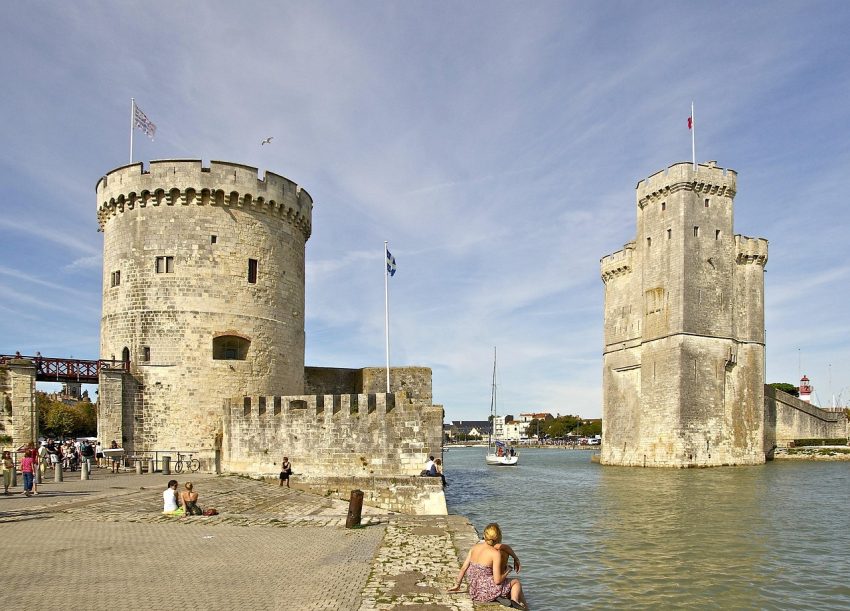
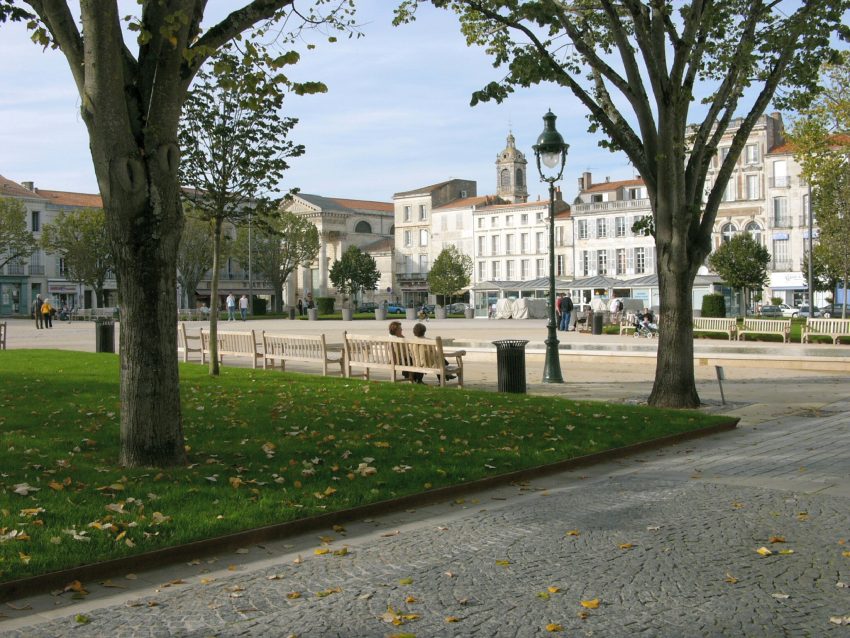
La Rochelle is a beautiful coastal city on the west coast of France, known for its picturesque harbor and vibrant atmosphere. Visitors can enjoy wandering through the charming old town with its narrow streets, colorful buildings, and bustling markets. The city is a great destination for those interested in seafood, as many restaurants line the waterfront offering fresh, local dishes.…
Visiting La Rochelle
Powered by GetYourGuide

6. Dinan

visit dinan
visit dinan
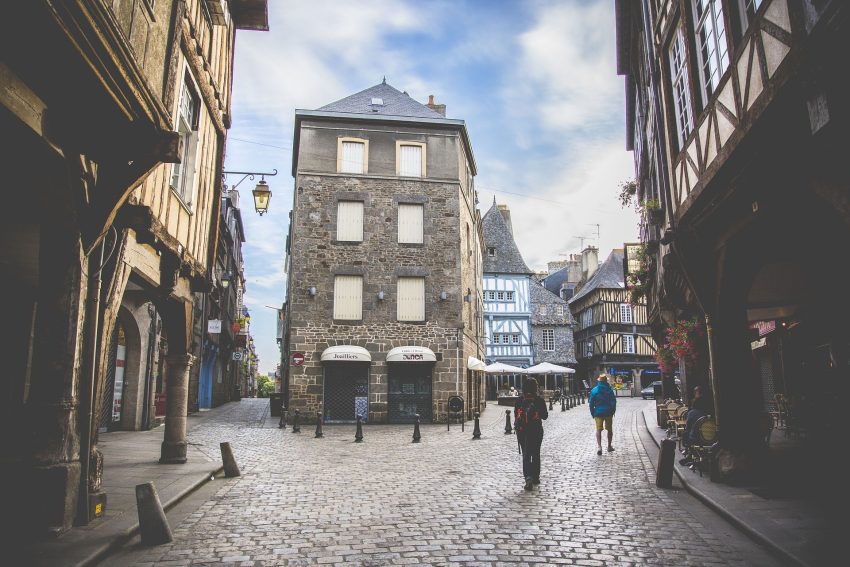
Dinan, nestled on a hill with sweeping views of the Rance Valley, resides in Upper Brittany within the Côtes-d'Armor department. This ancient Town of Art and History, encircled by impressive ramparts stretching over three kilometres, traces its roots back to the Celtic period. However, it was in the 9th century that monks first established themselves along the Rance River. The…
Visiting Dinan
Powered by GetYourGuide

7. Rochefort

Place Colbert Rochefort
CC BY-SA 3.0 / Patrick Despoix
Rochefort, located in the Charente-Maritime department of the Nouvelle-Aquitaine region, welcomes visitors with its riverside charm and maritime heritage. Stroll along the Charente River quays to admire the elegant façades of 18th-century hôtels particuliers and watch traditional bateaux-mouches glide by. The atmospheric Place Colbert, lined with cafés and terraces, makes for an ideal spot to sip a coffee while soaking…
Visiting Rochefort

8. Mont Saint Michel
Mont Saint Michel
Mont Saint Michel
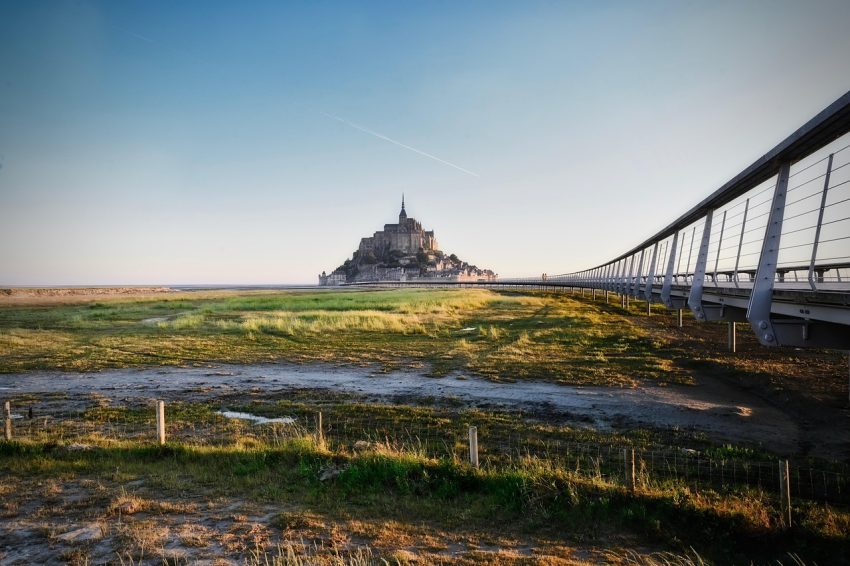
Visiting Mont Saint Michel is an unforgettable experience, with its breathtaking beauty and captivating atmosphere. The island commune, perched atop a rocky hill, is surrounded by tidal waters and offers stunning panoramic views from its ramparts. As you approach, the abbey rises majestically into the sky, while the charming cobbled streets and medieval architecture draw visitors into a world frozen…
Visiting Mont Saint Michel
Powered by GetYourGuide

9. Le Mans

Le Mans France
Le Mans France
CC BY-SA 3.0 / Selbymay
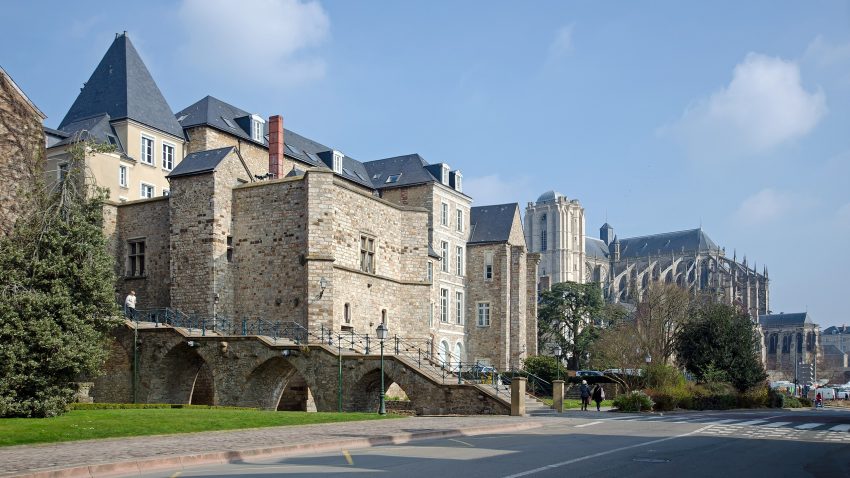
Le Mans is a captivating city located in the Pays de la Loire region, known for its blend of modern and medieval charm. The city is best known for its annual 24 Hours of Le Mans race, drawing motorsport enthusiasts from around the globe. Beyond the excitement of racing, visitors can explore the cobbled streets of the Old Town, with…
Visiting Le Mans
Powered by GetYourGuide

10. Poitiers

poitiers
poitiers
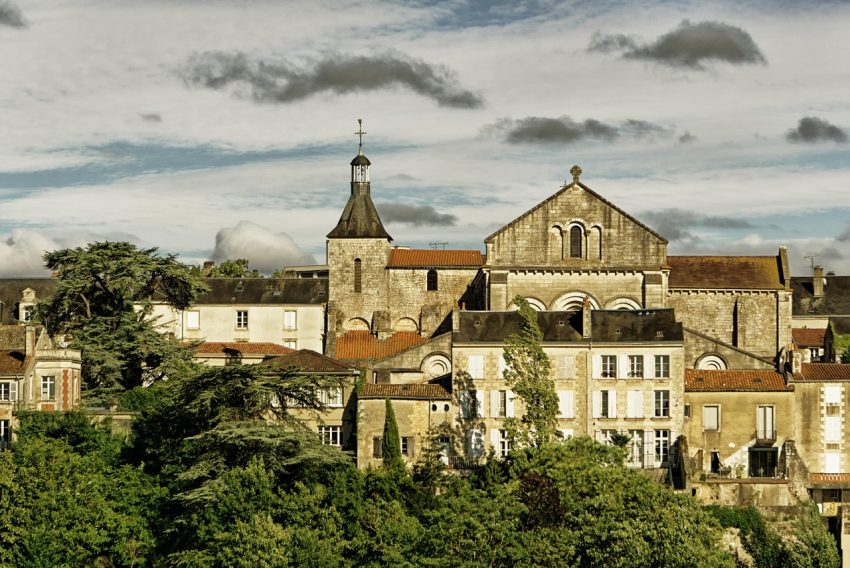
Visiting Poitiers in the Nouvelle-Aquitaine region, offers travelers a delightful mix of charm, culture, and walkable elegance in the heart of western France. The city’s compact old town is perfect for exploring on foot, with winding streets, lively squares, and impressive architecture around every corner. Whether you're sipping coffee in Place du Maréchal-Leclerc or browsing the boutiques along Rue de…
Visiting Poitiers
Powered by GetYourGuide

Where to Stay in Nantes

In the medieval heart of Nantes, around the winding lanes of Bouffay and the elegant squares of Île Feydeau, intimate city-centre stays immerse you in centuries of history. Hôtel Saint-Pierre occupies a 17th-century townhouse where exposed beams and stone walls meet modern amenities, while Hôtel Cambronne blends minimalist décor with antique furnishings and a quiet courtyard garden. Just a short stroll away, Hôtel des Arts offers bright, art-filled rooms and a rooftop terrace overlooking the cathedral spires.

A little further north, the Graslin and Commerce districts buzz with theatres, shops and café terraces, making them ideal for those who want to be at the centre of the action. Hôtel Mercure Nantes Centre-Graslin looks directly onto the historic opera house and features sound-proofed rooms alongside a refined bar. Around the corner, Hôtel Palais de la Bourse occupies an elegant Haussmannian building, with classic décor and a morning lounge that spills onto the square.

On the banks of the Loire and along the creative hub of Île de Nantes, contemporary lodgings capture the city’s inventive spirit and river views. La Maison du Quai provides loft-style suites with floor-to-ceiling windows and direct access to riverside promenades and street-art trails. Nearby, Sozo Hôtel brings playful design, a social lounge and bicycle rentals, perfect for exploring the Machines de l’Île and the nearby hangar-turned-gallery district.

Using the our Hotel and Accomodation map, you can compare hotels and short-term rental accommodations in Nantes. Simply insert your travel dates and group size, and you’ll see the best deals for your stay.

Nantes Accommodation Map

Best Time to Visit Nantes

Visiting Nantes in Spring

Spring (March to May) is a wonderful time to visit Nantes, with mild temperatures and blooming flowers bringing the city’s parks and gardens to life. The pleasant weather is perfect for outdoor activities such as walking along the Loire River or exploring the city’s many green spaces. Additionally, the spring months offer fewer tourists, making it a more peaceful time to explore Nantes.

Visiting Nantes in Summer

Summer (June to August) is the peak season in Nantes, with warm weather ideal for outdoor events, festivals, and enjoying the city’s vibrant atmosphere. The city comes alive with activities, from boat tours on the river to outdoor markets and concerts. However, it’s also the busiest time of the year, so expect more tourists and higher accommodation rates.

Visiting Nantes in Autumn

Autumn (September to November) is an excellent time to visit Nantes, as the weather remains mild and the fall foliage creates beautiful scenic views in the city’s parks and along the river. The crowds thin out, and the city takes on a more relaxed atmosphere, perfect for exploring museums, galleries, and local attractions. Autumn is also a great season to enjoy Nantes’ culinary offerings, with seasonal produce and food festivals.

Visiting Nantes in Winter

Winter (December to February) in Nantes is quieter, offering a serene atmosphere perfect for visitors seeking a more tranquil experience. While temperatures are cooler, the city’s festive lights and Christmas markets create a magical ambiance. Winter is ideal for exploring the city’s indoor attractions, such as museums and historic buildings, without the usual crowds.

Annual Weather Overview

  • January 9°C
  • February 11°C
  • March 13°C
  • April 18°C
  • May 20°C
  • June 24°C
  • July 29°C
  • August 28°C
  • September 25°C
  • October 19°C
  • November 13°C
  • December 11°C

How to get to Nantes

Getting to Nantes

Nantes is a well-connected city with various transportation options available for travelers arriving from different locations. Whether you’re arriving by air, train, or car, it’s easy to reach Nantes and explore the city and its surroundings.

By Air

Nantes Atlantique Airport (NTE) serves as the primary international airport for the city, located about 8 kilometers southwest of the city center. It offers both domestic and international flights, with connections to many major cities in Europe. From the airport, you can take a taxi, shuttle bus, or rent a car to get to the city center.

By Train

Nantes is well-connected by the French railway system, with the Gare de Nantes being the main train station in the city. High-speed TGV trains from cities like Paris, Lyon, and Bordeaux make it easy to travel to Nantes by rail. The station is conveniently located near the city center, making it easy to reach accommodations and attractions upon arrival. You can use SNCF Connect to check schedules, compare routes, and purchase tickets for National (SNCF ) and regional trains (TER). For a more streamlined experience, we recommend using Omio, which allows you to easily compare prices, schedules, and book tickets for both National and Regional travel across all of Europe, all in one place.

By Car

Renting a car provides flexibility for exploring Nantes and the surrounding region at your own pace. The city is accessible via the A83 and A11 highways, which connect Nantes to other major cities in France. Driving in Nantes is straightforward, with several parking facilities available throughout the city. If you are looking to rent a car in France I recommend having a look at Discover Cars, first, as they compare prices and review multiple car rental agencies for you.

Getting Around Nantes

Nantes is a pedestrian-friendly city with an efficient public transport system. The Tramway and Bus networks are operated by Tan, making it easy to travel within the city. For a more convenient and personalized experience, consider renting a bicycle or using taxis and ride-sharing services.
More from this area