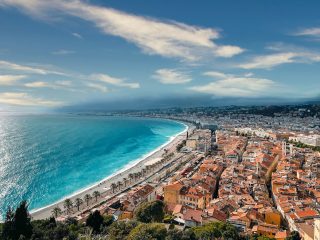
Saint-Malo, France: The Ultimate Travel Guide 2026

Saint Malo France
Saint Malo France

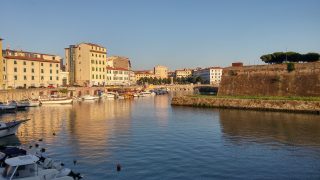
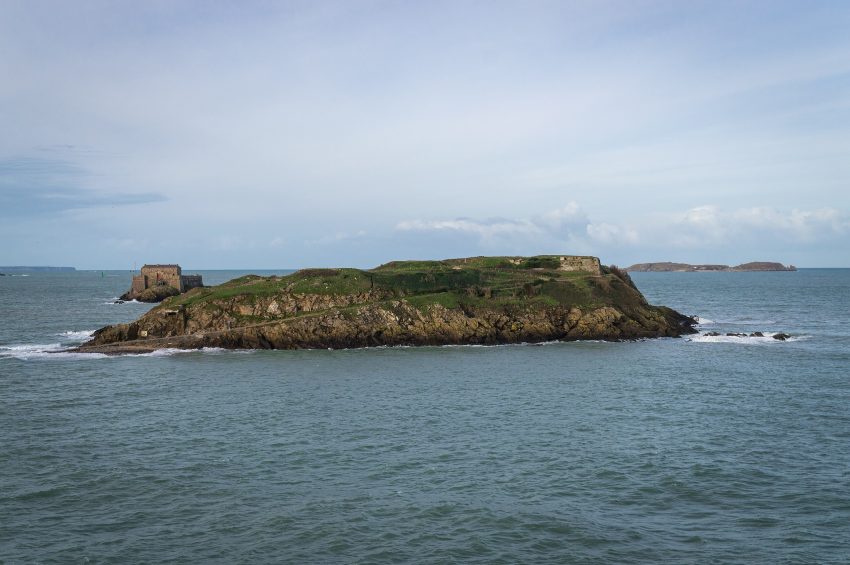
Saint-Malo, located in the Brittany region, is a walled coastal city known for its striking views, lively harbor, and dramatic tides. Walking along the ramparts offers sweeping panoramas of the sea, nearby islands, and the charming rooftops within the old town. Its mix of maritime energy and medieval architecture makes it a captivating place to explore on foot.

The town has a relaxed yet adventurous feel, with fresh seafood restaurants, sandy beaches, and a vibrant local culture. Whether you're wandering through the cobbled streets of the Intra-Muros, taking a boat trip, or relaxing by the sea, Saint-Malo offers a rich blend of coastal beauty and Breton character. It's also a great base for discovering nearby spots like Dinard and Mont-Saint-Michel.

History of Saint-Malo

Saint-Malo in Ancient and Roman Times (Before 5th Century)

The area around Saint-Malo was originally settled by Celtic tribes and later influenced by Roman occupation. While it wasn’t a major Roman city, its coastal location made it strategically important. Early communities thrived through fishing and maritime trade.

Saint-Malo in the Early Middle Ages (5th – 10th Century)

During the early medieval period, Saint-Malo developed as a small fortified settlement centered around a Christian monastic community. The town began to grow in significance as a religious and defensive site. Its early development was shaped by both its spiritual role and need for protection.

Saint-Malo in the High Middle Ages (11th – 14th Century)

Saint-Malo expanded as a key port and became known for its autonomy and strong-willed population. The town’s strategic location helped it flourish through trade, fishing, and maritime activity. Its growing wealth and independence began to define its identity during this era.

Saint-Malo in the Renaissance and Early Modern Period (15th – 18th Century)

This period marked the golden age of Saint-Malo, with the rise of merchant sailors and privateers who brought great wealth and notoriety to the town. Fortifications were strengthened, and Saint-Malo became known for defending its interests fiercely. It gained a reputation as a strong, independent port with a bold maritime spirit.

Saint-Malo in the 19th Century

Saint-Malo continued to thrive as a commercial and fishing port during the 19th century. Tourism also began to develop, with visitors drawn to its walled city, seascapes, and historical character. The town balanced growth with preservation of its unique identity.

Saint-Malo in the 20th Century to Present

During World War II, Saint-Malo suffered extensive damage but was carefully reconstructed after the war. Since then, it has become a popular destination for travelers seeking coastal beauty, history, and Breton culture. Today, Saint-Malo is admired for its blend of restored heritage, vibrant port life, and stunning natural surroundings.

Moira & Andy
Moira & Andy

Hey! We're Moira & Andy. From hiking the Camino to trips around Europe in Bert our campervan — we've been traveling together since retirement in 2020!

Read our full story here

Visiting Saint-Malo for the first time and wondering what are the top places to see in the city? In this complete guide, I share the best things to do in Saint-Malo on the first visit. To help you plan your trip, I have also included an interactive map and practical tips for visiting!

This website uses affiliate links which earn a small commission at no additional cost to you.
Powered by GetYourGuide

22 Best places to See in Saint-Malo

This complete guide to Saint-Malo not only tells you about the very best sights and tourist attractions for first-time visitors to the city but also provide insights into a few of our personal favorite things to do.

This is a practical guide to visiting the best places to see in Saint-Malo and is filled with tips and info that should answer all your questions!

1. Étoile du Roy

Etoile du Roy
Etoile du Roy
CC BY-SA 4.0 / Ibex73
Moored at Quai Duguay-Trouin on Saint-Malo’s harbour edge, Étoile du Roy is a full-scale modern replica of an 18th-century corsair frigate built to make the city’s privateer past tangible. From the quay, the three masts, broad hull, and rows of cannons already set the scene, but the real experience is moving through the ship’s working spaces from deck down to the hold. Inside, the narrow corridors, low ceilings, and tight transitions between levels make you notice how little room sailors had for sleeping, storage, and daily routines at sea. The layout and structure emphasise speed and firepower, turning abstract maritime history into something you can feel underfoot.
Location: L’Étoile du Roy, Quai Duguay-Trouin, Saint-Malo, France | Hours: Daily: 10:00–13:00 & 14:00–17:30. | Price: Adults: €7 | Website | Distance: 0.2km

We recommend to rent a car in France through Discover Cars, they compare prices and review multiple car rental agencies. Book your rental car here.

2. Place Chateaubriand

Place Chateaubriand, St Malo
CC BY-SA 3.0 / tiger rus
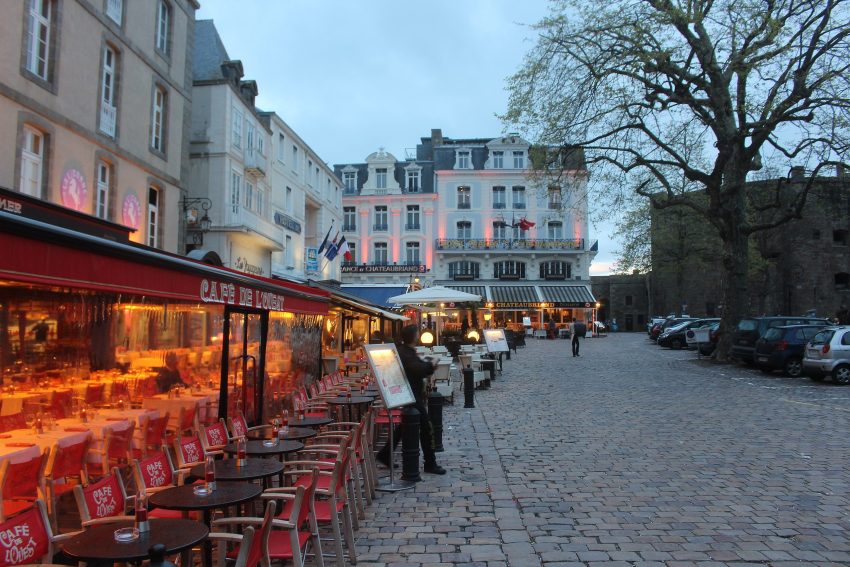
Place Chateaubriand is the broad, busy square just inside Porte Saint-Vincent, often the first open space you step into when entering Saint-Malo’s Intra-Muros. It matters less as a monument than as a hinge point: cafés and hotel façades frame a “city room” where arrivals regroup, routes get decided, and the mood shifts from morning calm to evening aperitifs. The name nods to François‑René de Chateaubriand, and some visitors seek out the modest birthplace connection—a simple house marked by a plaque, with notes about a birth-room window facing rue Vauban. Others simply linger, as one reviewer put it, stopping here on every trip, sometimes leaving a rose.
Location: Place Chateaubriand, St Malo, France | Hours: 24 Hours | Price: Free | Distance: 0.4km

Here is a complete selection of hotel options in Saint-Malo. Feel free to review each one and choose the stay that best suits your needs.

3. Château de Saint-Malo

Chateau de Saint Malo
CC BY-SA 2.0 / Pline
Château de Saint-Malo is a granite fortress anchoring the eastern edge of Intra-Muros, positioned like a gatekeeper between the mainland approach and the walled town. Built from the 15th century by the Dukes of Brittany, it was as much about controlling Saint-Malo’s stubborn independence as defending the port. From street level, the thick curtain walls and towers tell a story of evolving warfare, from the Grand Donjon (1424) to Anne of Brittany’s Tour Quic-en-Groigne, whose defiant name still raises a smile. Parts later served civic roles, and with museum displays no longer reliably accessible, most visitors remember it as a powerful exterior to circle, read, and photograph.
Location: Château de Saint-Malo, Saint-Malo, France | Hours: 24 Hours - Exterior and viewpoints are always accessible (open-air monument); interior access varies because parts are integrated with the Hôtel de Ville, and the former city museum spaces have been closed since 2019. | Price: Free to see from outside and around the ramparts | Website | Distance: 0.4km

Traveling to a country with a different currency? Avoid ATM transaction fees and pay in local currency with a Wise Card. Having used it for over 5 years, we've saved loads on fees!

4. Porte Saint-Vincent

Porte St Vincent St Malo
CC BY-SA 2.0 / Dennis G. Jarvis
Porte Saint-Vincent is the grand ceremonial gate into Saint-Malo’s Intra-Muros, a thick-granite threshold where the harbor air gives way to tight, fortress-like streets. Built in the early 18th century (1708–1710) during a modernization of the town defenses, it marks the shift from medieval walls to a more planned, Vauban-influenced fortification. Passing under its imposing arch, you can spot carved coats of arms that read like a civic signature for this seafaring city. Outside, the quays and boat activity frame the gate; inside, the flow spills straight into Place Chateaubriand, with café terraces and cobbles that make you slow down. Travelers often linger for the sense of “arrival” and for photos looking back toward the port.
Location: Porte Saint-Vincent, St Malo, France | Hours: 24 Hours (public city gate) | Price: Free | Distance: 0.4km

5. Saint-Malo Ramparts
Saint Malo Remparts
Saint Malo Remparts
CC BY-SA 4.0 / Zairon
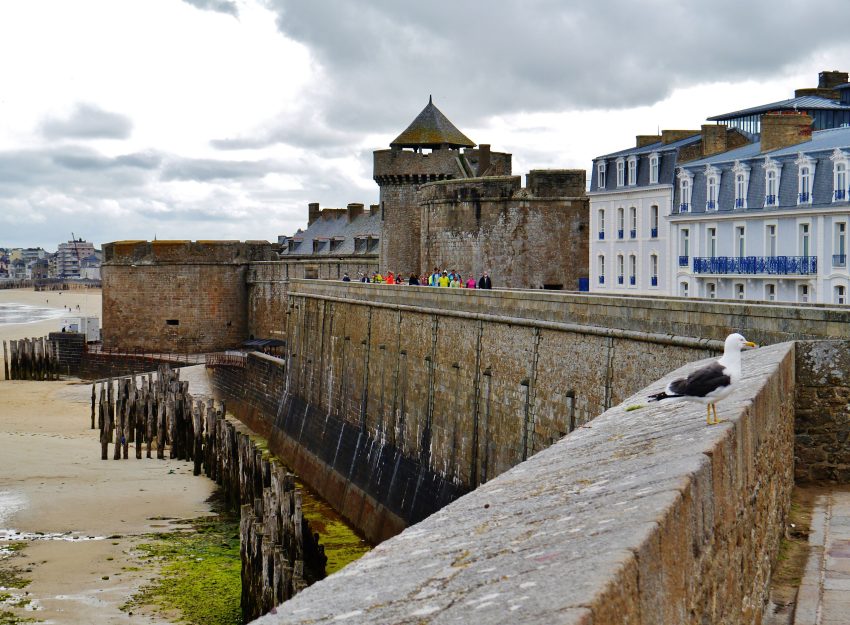
The Saint-Malo Ramparts are the granite defensive walls you can walk atop as they loop almost all the way around Intra-Muros, giving the city its “fortress at sea” feel. From the narrow parapet walkway, the view swings between rooftops inside the walls and the Atlantic edge outside—harbor basins, shifting tides, and beaches like Plage de Bon-Secours. Much of what you see today reflects major 17th–18th century rebuilding in the Vauban-era style, with thick bastions and artillery platforms meant to control approaches from the water. Pause at Bastion de la Hollande for cannons and a broad lookout, and near Tour Bidouane to sense the old powder-and-sentry logic. On windy days, the sea can feel startlingly close and loud from up here.
Location: Saint Malo Ramparts, Saint-Malo, France | Hours: Open access, 24 Hours | Price: Free | Website | Distance: 0.4km

6. La Demeure de Corsaire
La Demeure de Corsaire
CC BY-SA 3.0 / Pymouss
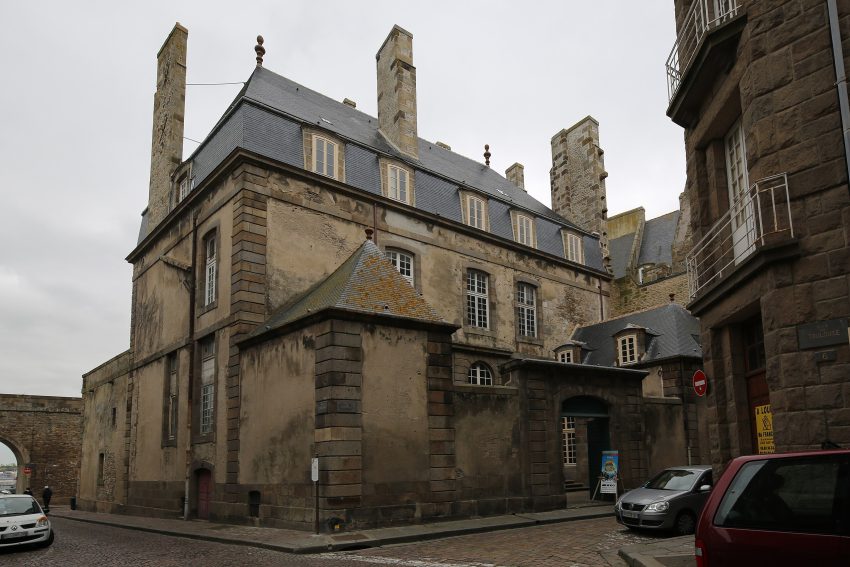
La Demeure de Corsaire (Hôtel Magon) is a 1723 merchant mansion tucked behind an unassuming façade inside Saint-Malo’s Intra-Muros, where the city’s privateer era is felt in domestic spaces rather than on ramparts. Built for shipowner François‑Auguste Magon de la Lande, its grand salons suggest the confidence of maritime wealth, while concealed passages and oddly turning staircases reveal a house designed for privacy and control. The mood shifts in the lower levels: atmospheric cellars hint at how trade, risk, and power were managed out of sight. It’s also one of the few interiors to have survived World War II in a city that was heavily damaged and rebuilt.
Location: La Demeure de Corsaire, Rue d'Asfeld, Saint-Malo, France | Hours: (Summer) July – August; French school holidays: Daily: 10:00–11:30 & 14:30–17:00. Closed on Sunday morning. (Winter) 07 February – 30 November (excluding July – August and school holidays): Daily: 15:00–16:15. Closed on Monday. | Price: Adults: €8.50 | Website | Distance: 0.5km

7. Plage de l'Éventail
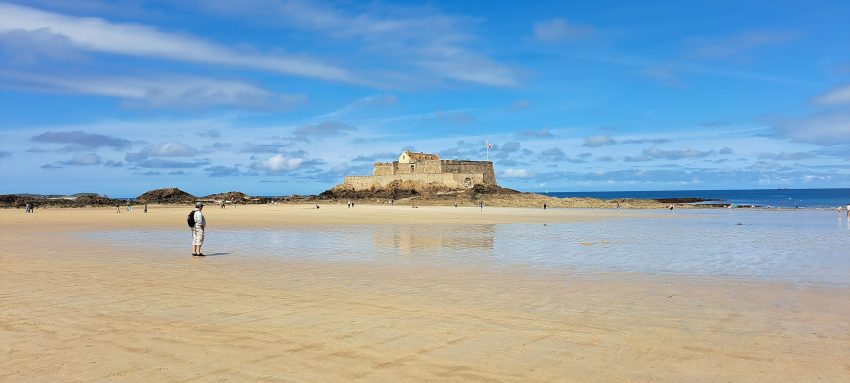
Plage de l'Eventail
Plage de l’Eventail
CC BY-SA 4.0 / Selmoval
Plage de l’Éventail is the broad sandy beach pressed right up against Saint-Malo’s granite ramparts, where the walled city feels almost within arm’s reach of the sea. Fort National sits offshore as a constant focal point, and when the tide drops the shoreline opens wide, turning the bay into a shifting, walkable expanse. The dramatic tidal swing is part of the experience—water can retreat far enough to change the mood from sea-breeze swim spot to vast, exposed sand. Visitors remember the strong wind, the cold, clear water on calmer days, and the way light plays across the blues of the bay. After rough weather, seaweed and tide-line debris can be noticeable.
Location: Plage de l’éventail, Chaussée du Sillon, Saint-Malo, France | Hours: 24 Hours | Price: Free. | Website | Distance: 0.5km

8. Saint-Vincent Cathedral
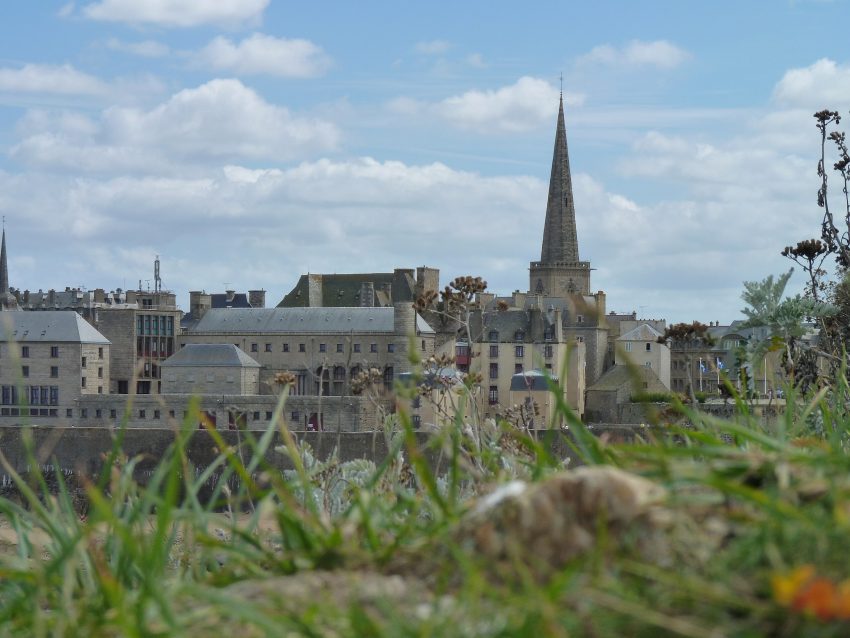
Cathédrale Saint Vincent de Saragosse
CC BY-SA 3.0 / Libriothecaire
Saint-Vincent Cathedral is the working cathedral within Saint-Malo’s Intra-Muros, a stone refuge that shifts from tight streets to cool, hushed space as soon as you enter. Begun in the 12th century, it blends Romanesque heft with Gothic height, and its post–Second World War restoration is most visible in the newer stained glass that throws colored light across the nave. Look for the rose window, side chapels with carved details, and the large organ at the west end. Visitors often notice the contrast between the calm interior and the busy lanes outside, plus the warm glow of candlelight and the small shop selling rosaries and medals. Entry is free, with donations welcomed.
Location: Cathédrale Saint-Vincent de Saint-Malo, Saint-Malo, France | Hours: Mon 09:30–19:00; Tue–Thu 09:30–18:30; Fri 09:30–18:00; Sat 09:30–18:30; Sun 10:00–19:00 | Price: Free | Website | Distance: 0.6km

9. Maison du Québec
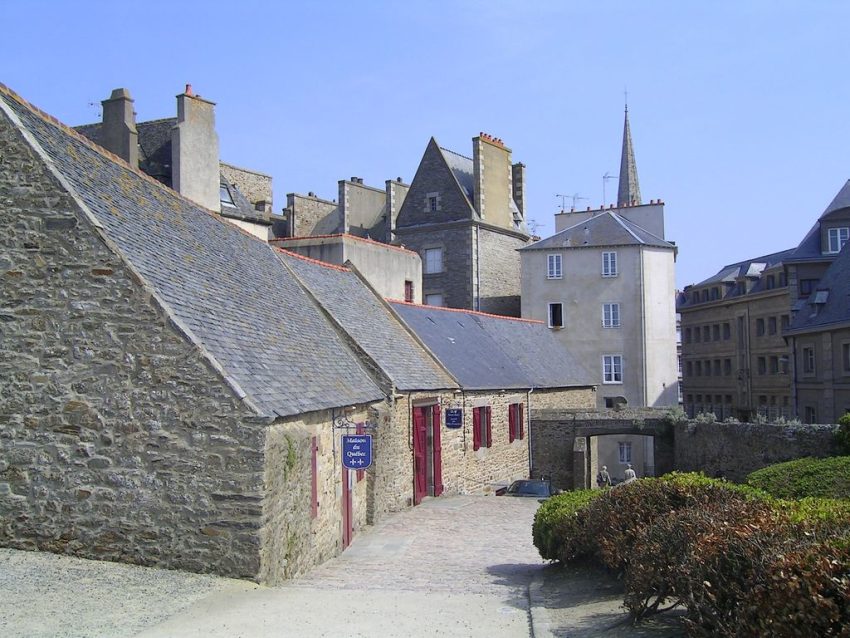
Saint Malo Maison du Quebec
CC BY-SA 3.0 / Maryanna
Maison du Québec is a compact cultural house inside Saint-Malo’s Intra-Muros that explores the ongoing links between Brittany and Québec, with Jacques Cartier as the historical hinge. Set near the ramparts by Tour Bidouane and Place du Québec, it feels like a quick, curious detour rather than a long museum circuit. Visitors often encounter a short introductory film alongside small, changeable displays—photo exhibits, talks, or screenings—that foreground contemporary Québec as much as the past. The atmosphere is informal and conversation-friendly, and staff are frequently praised for being helpful, though French tends to dominate. Expect a small space with a modest gift corner and a visit that can be brief unless an event draws you in.
Location: Maison du Québec, Rue des Champs Vauverts, St Malo, France | Hours: (Summer) May – August: Daily: 12:00–19:00. Closed on Tuesday. (Winter) September – April: Closed. | Price: Free. | Website | Distance: 0.7km

10. Fort National
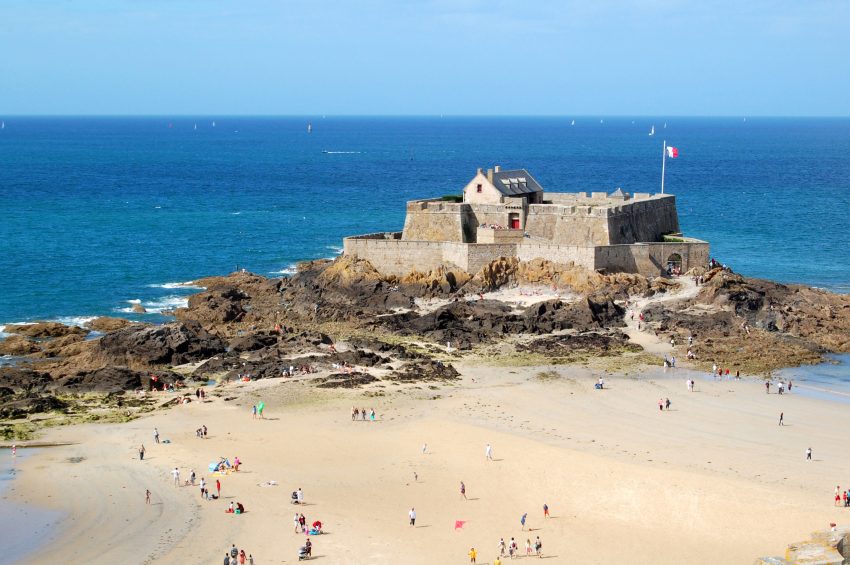
Fort National, Saint Malo, France
CC BY-SA 2.0 / Pline
Fort National is a Vauban-built stone fortress (1689) perched on a rocky islet just off Saint-Malo’s seawall, positioned to defend the harbor approaches while staying separate from the city. The approach is part of the experience: at low tide a sandy causeway appears, and the crossing can feel like a small expedition as the sea withdraws and returns quickly. Up close, the fort’s thick granite walls, dry moat, and drawbridge-style entrance read as pure military engineering rather than ornament. From the ramparts you get wide views over the bay and shifting waterlines—on clear days, a “shades of blue” seascape; on others, wind, algae, and tidal mud underfoot. Its later wartime use as a prison adds a sobering layer to the stonework.
Location: Fort National, Saint-Malo, France | Hours: Seasonal and tide-dependent; open during Easter and All Saints school holidays, long weekends, and daily from 1 June to 30 September, with daily times varying by tides (the fort is generally open when the French flag is hoisted). | Price: Adults: €5 | Website | Distance: 0.7km

11. Plage de Bon-Secours
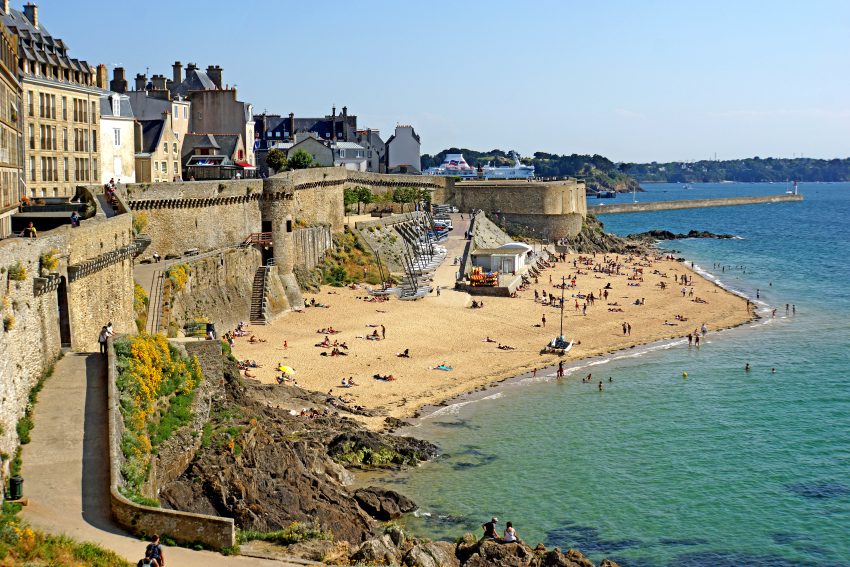
Bonsecours Bathing Beach
CC BY-SA 2.0 / Dennis G. Jarvis
Plage de Bon-Secours is a sandy beach tucked directly below Saint-Malo’s ramparts, where the walled city drops straight into the bay. Its standout feature is a seawater swimming pool that stays full even when the tide retreats and the surrounding flats widen, turning low tide into an easy swim rather than a long walk to the water. A diving board adds a playful note, and you’ll often see swimmers timing their dips to the changing shoreline. From the sand and pool edge, the views take in Grand Bé and Petit Bé, with the fortifications rising sharply above, making the sea-level perspective feel unusually dramatic.
Location: Bon Secours beach, Rue de la Crosse, Saint-Malo, France | Hours: Daily: Open access (24/7). | Price: Free. | Website | Distance: 0.8km

12. Bastion de la Hollande
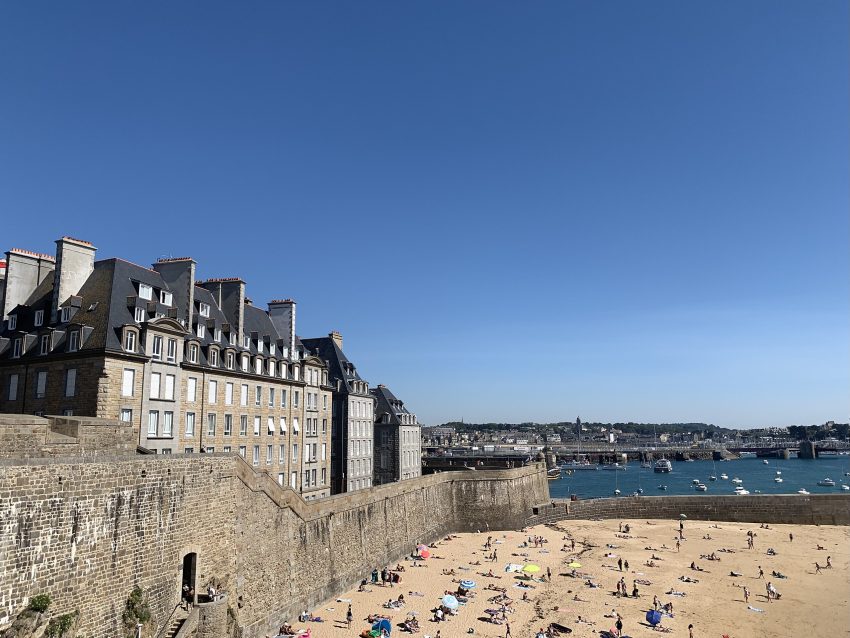
Bastion de la Hollande, Saint Malo
CC BY-SA 2.0 / Sergei Gussev
Bastion de la Hollande is a broad, grassy esplanade built into Saint-Malo’s western ramparts, where the city’s defenses open onto the sea. Constructed in the 17th century (often dated to 1674) to guard the port against naval threats, it still reads clearly as military design, with cannons and a layout meant to command the bay. Today visitors come for the long views toward the offshore islets and forts, and across the water toward Dinard, with tides and weather changing the scene minute by minute. A 1905 statue of Jacques Cartier adds a distinctly Malouin note, linking the lookout to the city’s seafaring identity. It’s a place to linger—especially at sunset—rather than just grab a photo.
Location: Bastion de la Hollande, Rampe des Moulins Colin, Saint-Malo, France | Hours: 24 Hours - Always accessible (outdoor esplanade on the ramparts) | Price: Free | Website | Distance: 0.8km

13. Tour Bidouane
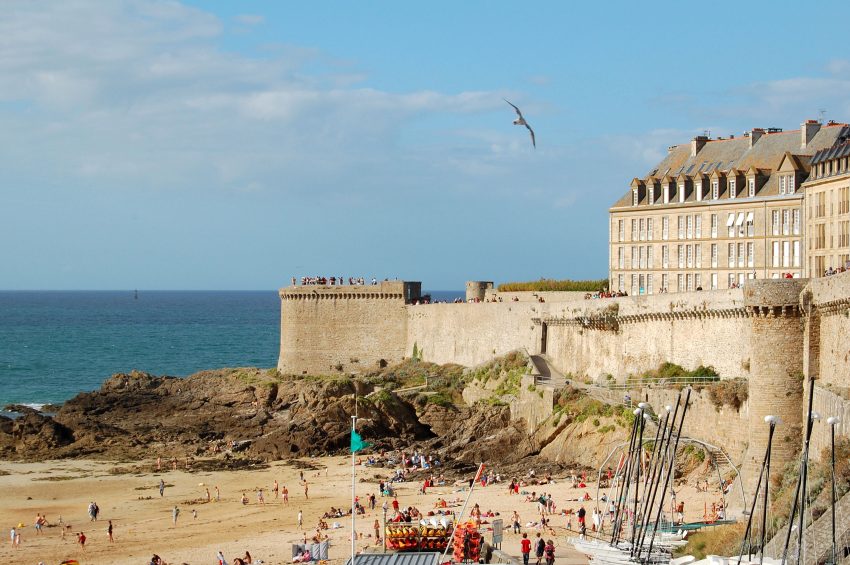
Rempart St Malo cote mer Tour Bidouane
CC BY-SA 2.0 / Pline
Tour Bidouane is a stout, horseshoe-shaped artillery tower built into Saint-Malo’s ramparts on the Intra-Muros seaward edge, where the walls start to feel exposed to wind and spray. Dating to the 15th century, its curved plan and thick masonry were designed for cannon-era defense, and it later served for long periods as a powder magazine—an unglamorous role that underlines how seriously the city treated its fortifications. The climb to the upper platform is short, then suddenly opens to wide views over the tidal islets of Grand Bé and Petit Bé and the coastline beyond. Up top, you notice the compact openings and heavy stonework, built to endure storms and attack rather than comfort.
Location: Tour Bidouane, Passage de la Poudrière, Saint-Malo, France | Hours: Open access (24/7), via the Saint-Malo ramparts | Price: Free | Website | Distance: 0.8km

14. Môle Des Noires Lighthouse
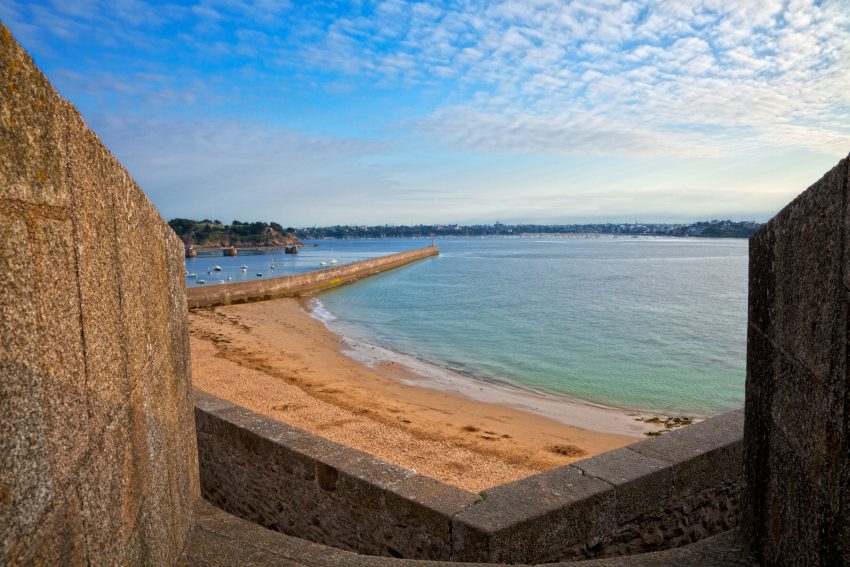
Môle des Noires, Saint Malo, France
CC BY-SA 2.0 / Nicolas Raymond
Môle des Noires Lighthouse (Phare du Môle des Noires) stands at the tip of Saint-Malo’s long breakwater, marking where the sheltered harbour entrance meets open water. The memorable part is the sea-level walk out along the jetty, with waves on both sides and the walled Intra-Muros skyline pulling back into a stony backdrop. Up close, the lighthouse reads as a working navigational marker—built for accuracy in a place of strong tides and shifting conditions—rather than a monument. From the end, you can watch boats line up for the channel and take in wide views across the Rance estuary toward Dinard and back to Saint-Malo’s fortress-like ramparts. On windy days, sea spray and gusts add a bracing edge to the experience.
Location: Môle des Noires, Saint-Malo, France | Hours: 24 Hours | Price: Free | Distance: 1km

15. Plage du Sillon
Sain Malo plage
Sain Malo plage
CC BY-SA 4.0 / Juliette Jourdan
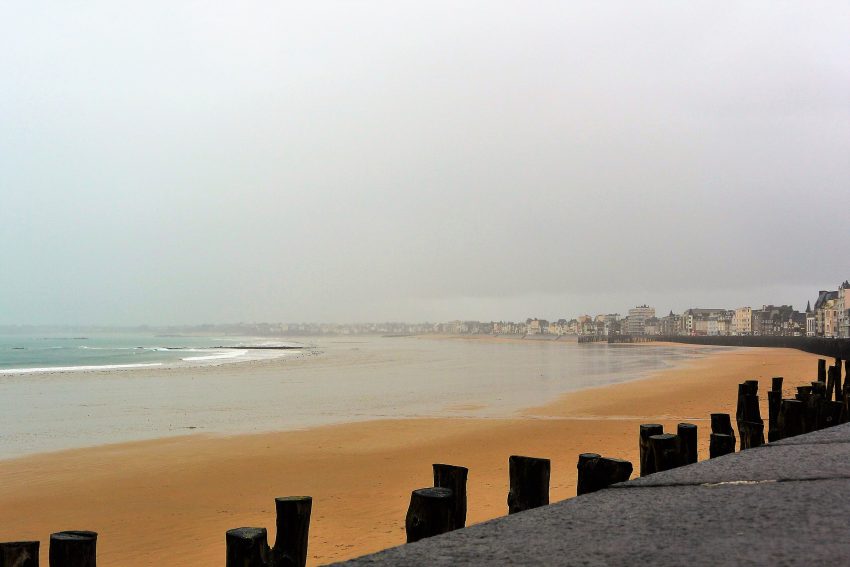
Plage du Sillon is Saint-Malo’s long, wind-swept beach on France’s Emerald Coast, stretching from the walled city toward the quieter Pointe de Rochebonne. What stands out is the huge tidal range: at low tide the sand widens into a broad, firm plain for long walks and runs, then the sea rushes back to redraw the shoreline. Along the edge, a promenade lined with elegant seaside villas keeps the mood distinctly urban, while rows of wooden breakwaters (“brise-lames”) reveal how the coast is engineered against Atlantic storms. Come for crisp sea air, shifting light at sunset, and the kite- and sail-filled spectacle when the wind picks up.
Location: Grande Plage du Sillon, France | Hours: Daily: Open access (24/7). | Price: Free | Distance: 1.3km

16. Cité d’Alet
La Muraille Romaine d Aleth
CC BY-SA 4.0 / Erwan Corre
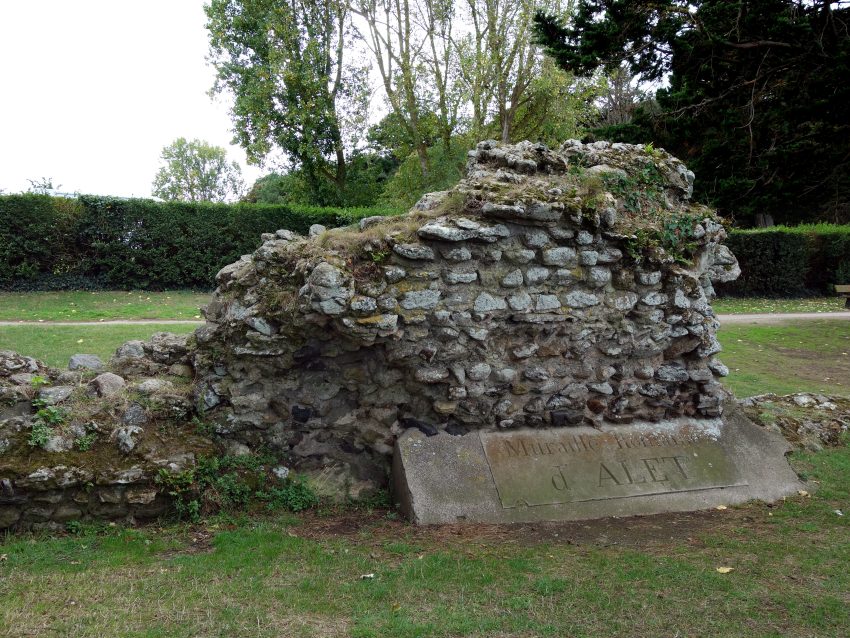
Cité d’Alet is a rocky peninsula in Saint-Servan, Saint-Malo, where the landscape explains the town’s defensive logic at a glance: water on three sides and wide, wind-swept viewpoints over the Rance estuary, the bay, and the coastline toward Dinard. Paths loop through open headlands and quieter wooded stretches that feel more like a local park than the crowded old town. Along the way you’ll notice layers of occupation—modest traces of Roman-era foundations and, more starkly, WWII German bunkers with thick concrete, narrow openings, and purposeful sightlines. The contrast between big skies and enclosed fortifications is what tends to linger, especially for photographers.
Location: La Cité d'Alet, Place Saint-Pierre, Saint-Malo, France | Hours: 24 Hours | Price: Free | Distance: 1.4km

17. Mémorial 39-45

Memorial 39 45
Memorial 39 45
CC BY-SA 3.0 / TCY
Perched on the Cité d’Alet above the Rance estuary, the Mémorial 39-45 in Saint-Malo is a Second World War site set inside German bunkers built into an older fortification, making the experience feel immediate and enclosed. You move through thick concrete corridors, command rooms, and defensive spaces that explain how this Atlantic Wall position watched the approaches to the bay and the city. Exhibits are rooted in the material reality of the occupation and the fighting around August 1944, with uniforms, equipment, photographs, and everyday objects that keep the story grounded. Many visitors note the dense, privately assembled collection—more “nuts and bolts” than spectacle—and the striking contrast between today’s calm viewpoints and their former use as military sightlines.
Location: La Cité d'Alet, Place Saint-Pierre, 35400 Saint-Malo, France | Hours: (Winter) Tours: 14:30, 15:15 & 16:30; Closed on Monday. (Summer) Tours: 10:15, 11:00, 14:00, 15:00, 16:00 & 17:00. | Price: Adults: €6.80 | Website | Distance: 1.6km

18. Tour Solidor

Tour Solidor
Tour Solidor
CC BY-SA 2.0 / Pline
Tour Solidor is a compact medieval fortress of three linked round towers guarding the Saint-Servan waterfront where the River Rance opens into a tide-shaped estuary. Built in the late 1300s under Duke John IV of Brittany, it was positioned to watch and control boat traffic moving between inland routes and the open sea. From the quayside and Port Solidor marina, the stone cylinders read differently with each angle—part keep, part sculptural landmark—set against shifting water and moored boats. Visitors linger on nearby benches or follow the small path under the arches toward the bay for wide views and a quieter, local feel away from the busiest streets.
Location: Tour Solidor, Quai Sébastopol, Saint-Malo, France | Hours: 24 Hours | Price: Free (exterior) | Website | Distance: 1.8km

19. Promenade du Clair de Lune, Dinard
Dinard Promenade du moulinet
CC BY-SA 2.0 / Jean-Louis Vandevivère
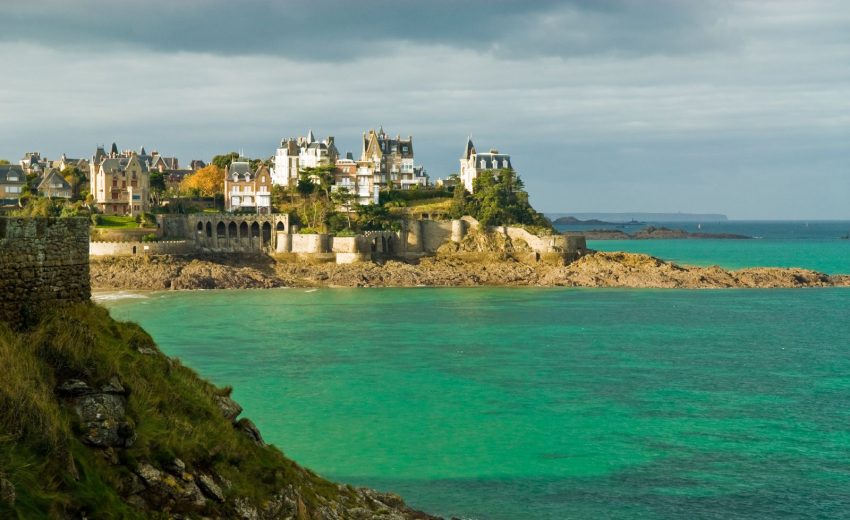
The Promenade du Clair de Lune is Dinard’s curving seafront walkway, tracing the shore from Plage du Prieuré toward the coves near Pointe du Moulinet, with Saint-Malo’s ramparts framed across the bay. It matters because it captures Dinard’s resort-era idea of leisure: a shoreline designed for slow strolling, viewpoints, and villas set above the path like a backdrop. What visitors remember is the unexpectedly Mediterranean planting—palms, agaves, and other exotics—softening the Breton coastline and making the route feel sheltered. Late-day light turns the water a shifting grey-green-blue, and in summer the evening illumination can feel almost stage-lit. Reviews often mention the simple pleasure of the views and an easy, unhurried walk.
Location: Clair de Lune, Dinard | Hours: 24 Hours | Price: Free | Distance: 3km

20. Parc de la Briantais

La Briantais, Saint Malo
CC BY-SA 2.0 / Edward Knapczyk
Parc de la Briantais is a spacious public park in Saint-Servan, Saint-Malo, spread around the 19th-century Château de la Briantais on a rise above the Rance estuary. Designed as an English-style landscape, it mixes broad lawns with wooded paths that alternately open to long, tidal views where boats shift on the widening water toward the bay. The estate once belonged to private shipowning circles, but the city acquired it in 1999, turning the former domain into a calm, everyday green refuge. Visitors tend to remember the contrast between shaded, mature trees and sudden lookout points, plus small ornamental touches along the routes. Reviews often note how well-kept and easy the grounds feel for an unhurried walk.
Location: Château de la Briantais, Saint-Malo, France | Hours: (Summer) 01 April – 31 October: Daily: 09:00–19:00. (Ville de Saint-Malo) (Winter) 01 November – 31 March: Daily: 09:00–18:00. | Price: Free. | Website | Distance: 3.5km

21. Grand Aquarium de Saint-Malo

Grand Aquarium Saint Malo
CC BY-SA 3.0 / MaxTab
Grand Aquarium de Saint-Malo is an indoor marine aquarium in the La Madeleine area that gives Saint-Malo’s sea-driven identity a close-up, all-weather counterpart to the coast. Opened in 1996, it’s arranged as a sequence of themed environments—from local Breton waters to tropical and deeper, colder zones—so the mood shifts as you move through. The most memorable space is the 360° “ring” tank where sharks and sea turtles circle above and beside you, inviting long, slow watching. Hands-on visitors gravitate to the touch pool, while the submarine-style Expédition Nautibus ride adds a playful, story-led descent at the end. Reviews often mention the creative ride, a broad mix of fish and crustaceans, and a lively, family-heavy atmosphere.
Location: Grand Aquarium Saint Malo, Rue du Général Patton, Saint-Malo, France | Hours: Daily: 10:00–17:30 | Price: Adult €19.90 | Website | Distance: 3.7km

22. Musée Jacques Cartier

Musée Jacques Cartier
CC BY-SA 2.0 / Saint-Malo
Musée Jacques Cartier, set in the 15th-century Manoir de Limoëlou in Rothéneuf, is Saint-Malo’s most intimate link to the navigator who shaped France’s Atlantic ambitions. Cartier bought the manor in 1541, and the visit leans into a domestic, Renaissance-scale setting rather than a grand gallery, with period-styled rooms that make life between voyages feel concrete. Expect a short introductory film, then objects and visuals such as maps and navigation-instrument reproductions that translate exploration into practical decisions and risks. Travelers note the museum’s small size but careful presentation, and families often find simple activities that keep kids engaged while they wait.
Location: Musée Jacques Cartier, Rue David Macdonald Stewart, Saint-Malo, France | Hours: (Summer) Monday – Saturday: 10:00–12:00 & 14:30–18:00. Closed on Sunday. (Winter) Tuesday – Saturday: Guided tours at 10:00 & 15:00. Closed on Sunday, Monday & public holidays. | Price: Adults €6.80; children (8+) & students €3.40; under 8 free; family ticket (2 adults + 2–4 children) €18.00. | Website | Distance: 4.7km

Best Day Trips from Saint-Malo

A day trip from Saint-Malo offers the perfect opportunity to escape the urban rhythm and discover the surrounding region's charm. Whether you're drawn to scenic countryside, historic villages, or cultural landmarks, the area around Saint-Malo provides a variety of easy-to-reach destinations ideal for a one-day itinerary. If you are looking to rent a car in France I recommend having a look at Discover Cars, first, as they compare prices and review multiple car rental agencies for you.

1. Cancale

Cancale
Cancale
Cancale is a charming fishing village nestled on the edge of the Brittany coastline, best known for its oysters, sea views, and relaxed atmosphere. A visit here offers a peaceful yet flavorful experience, especially if you arrive in the morning when the tide is out and the oyster beds stretch across the bay. The waterfront promenade, lined with traditional seafood…
Visiting Cancale
Powered by GetYourGuide

2. Pointe du Grouin

Sunset, Pointe du Grouin
CC BY-SA 4.0 / John Samuel
Pointe du Grouin is the rugged, windswept headland at the edge of Cancale where Brittany suddenly feels bigger: cliffs, open water, and a horizon that stretches across Mont Saint-Michel Bay. It’s one of the top sights in Cancale for pure scenery, the kind of place where you arrive for “a quick look” and end up staying far longer than planned…
Location: Pointe du Grouin, Cancale, France | Hours: 24 Hours | Price: Free | Website | Distance: 14.3km
Visiting Pointe du Grouin

3. Château du Guildo
Créhen Château du Guildo
CC BY-SA 3.0 / Thor19
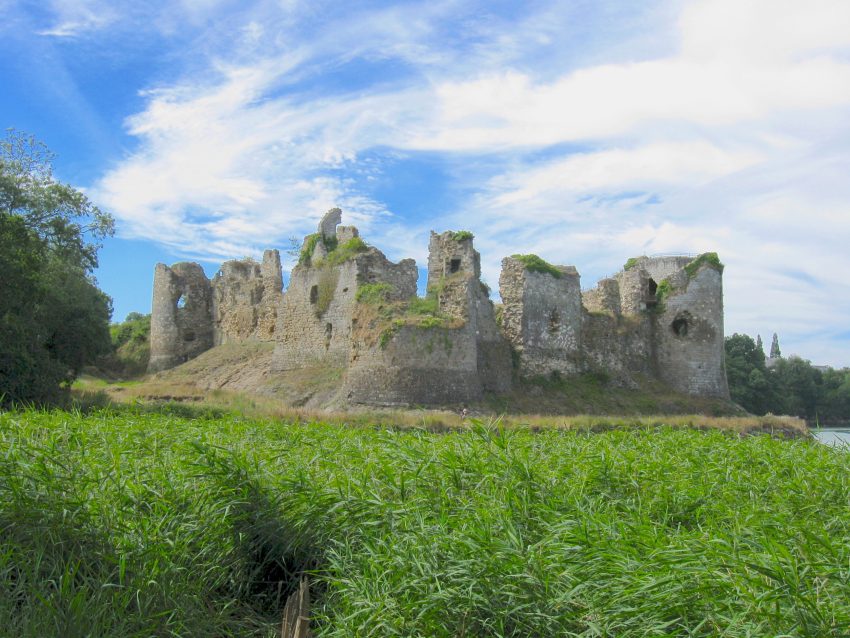
Château du Guildo is a dramatic medieval ruin perched high above the Arguenon River, just outside the village of Le Guildo within Saint-Cast-le-Guildo on Brittany’s north coast. With its crumbling towers, thick curtain walls, and estuary panoramas, it feels like a place you “discover” rather than a site you simply tick off—quiet, windswept, and full of atmosphere. Part of what…
Location: Chateau du Guildo, Rue du Vieux Château, Saint-Jacut-de-la-Mer, France | Hours: 24 Hours | Price: Free | Website | Distance: 16.1km
Visiting Château du Guildo

4. Fort La Latte
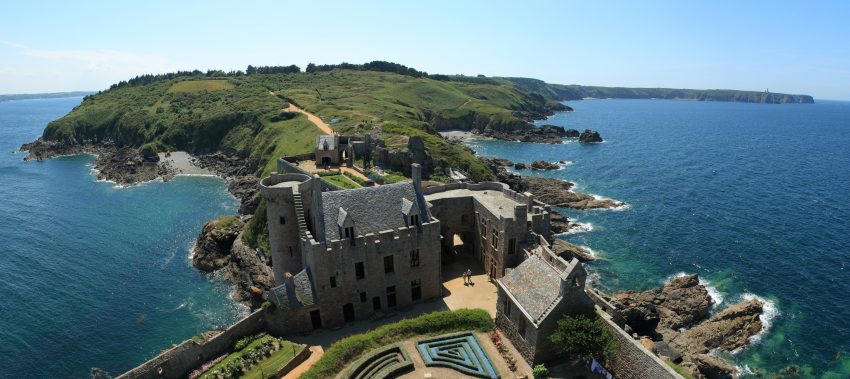
Cote Emeraude Fort La Latte
CC BY-SA 3.0 / Benh LIEU SONG
Fort La Latte (also known as Château de la Roche Goyon) is the sort of place that feels like it was designed for drama: a medieval fortress planted on a rocky headland, with cliffs dropping straight into the sea and the horizon doing its best to steal your attention. The pinkish stone, the drawbridge approach, and the constant salt air…
Location: Fort la Latte, Château de La Roche Goyon, château de la Roche Goyon, rue de la Latte, Plévenon, France | Hours: (Summer + Holidays) Daily: 10:30–18:30. (Winter) Daily: 11:00–17:00. Closed Part November & December: | Price: Adults: €8.50 | Website | Distance: 19.7km
Visiting Fort La Latte

5. Dinan
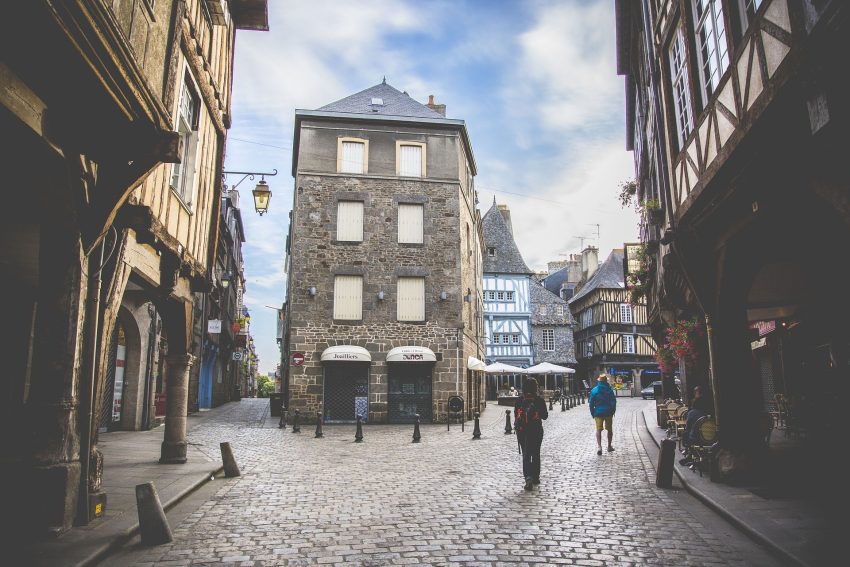
visit dinan
visit dinan
Dinan, nestled on a hill with sweeping views of the Rance Valley, resides in Upper Brittany within the Côtes-d'Armor department. This ancient Town of Art and History, encircled by impressive ramparts stretching over three kilometres, traces its roots back to the Celtic period. However, it was in the 9th century that monks first established themselves along the Rance River. The…
Visiting Dinan
Powered by GetYourGuide

6. Phare du Cap Fréhel, Plévenon

Cap Fréhel lighthouse
CC BY-SA 4.0 / W. Bulach
Perched on the wild headland of Cap Fréhel in Plévenon, the Phare du Cap Fréhel is the kind of place that makes you stop mid-step, look out over the sea, and realise you’ve found the “postcard Brittany” you were hoping for. The lighthouse rises from a sweep of heathland and cliffs, with the coastline unfurling in both directions—on clear days…
Location: Cap Fréhel lighthouse, Plévenon, France | Hours: (Winter) Thursday – Sunday: 14:00–17:30. (Summer + school holidays) Daily: 14:00–17:30. | Price: Adults: €3 | Website | Distance: 22.4km
Visiting Phare du Cap Fréhel, Plévenon

7. Château de Combourg

Combourg chateau
Combourg chateau
CC BY-SA 3.0 / Calips
Château de Combourg is the landmark that defines the little town of Combourg: a rugged medieval fortress rising above the water’s edge, with towers and crenellations reflected in the calm surface of Lac Tranquille. The setting feels deliberately romantic, but it’s the real kind of romance that comes from age, weathered stone, and a landscape that hasn’t been overpolished. For…
Location: Château de Combourg, Rue des Princes, Combourg, France | Hours: April – June: Monday – Friday: 10:00–12:30 & 14:00–18:00. Sunday: 14:00–18:00. Saturday: Closed (open on selected public-holiday bridge Saturdays and during school holidays). July – August: Daily: 10:00–12:30 & 14:00–18:30. September – November: Monday – Friday: 10:00–12:30 & 14:00–18:00. Sunday: 14:00–18:00. Saturday: Closed (open during school holidays). The tours are conducted in French, but multilingual pamphlets are available | Price: €13.70 | Website | Distance: 33.2km
Visiting Château de Combourg

8. Mont Saint Michel
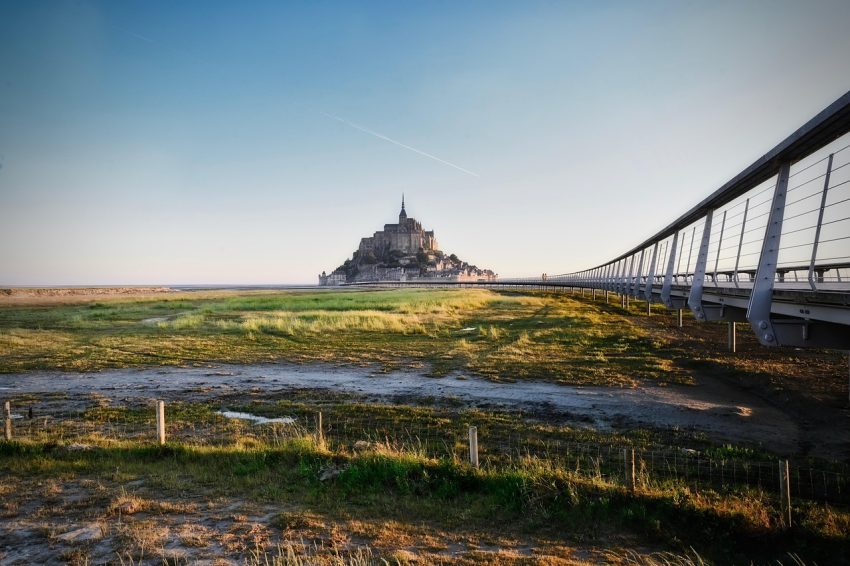
Mont Saint Michel
Mont Saint Michel
Visiting Mont Saint Michel is an unforgettable experience, with its breathtaking beauty and captivating atmosphere. The island commune, perched atop a rocky hill, is surrounded by tidal waters and offers stunning panoramic views from its ramparts. As you approach, the abbey rises majestically into the sky, while the charming cobbled streets and medieval architecture draw visitors into a world frozen…
Visiting Mont Saint Michel
Powered by GetYourGuide

9. Rennes

Rennes France
Rennes France
Rennes, in the Brittany region, offers a perfect mix of traditional character and modern flair. Rennes is one of the most underrated cities in France. Its half-timbered houses, winding streets, and lively squares create a charming backdrop for exploring on foot. The city feels youthful and energetic, thanks in part to its large student population and vibrant cultural scene. Beyond…
Visiting Rennes
Powered by GetYourGuide

10. Château de La Roche-Jagu

Château de la Roche Jagu
CC BY-SA 4.0 / GO69
Château de La Roche-Jagu is one of the top attractions in Ploëzal, a commanding 15th-century fortress perched high above the Trieux River. Built to control movement along the waterway, its austere stone façade, defensive corridors, and elevated position reveal its strategic purpose. Yet today, the château is equally admired for its cultural programming and expansive gardens, making it a destination…
Location: Château de la Roche-Jagu, Ploëzal, France | Hours: From January 6 to May 7, 2025: Castle closed From May 8 to June 30: Open every day 10 a.m.-12 p.m. / 2 p.m.-6 p.m. (closed Wednesday mornings) From July 1st to August 31st: Open every day 10am-12:30pm / 2pm-7pm From September 1st to 28th:​​Open every day 10am-12pm / 2pm-6pm (closed Wednesday mornings) Park open all year | Price: €6.50 | Website | Distance: 83.7km
Visiting Château de La Roche-Jagu

11. Vitré
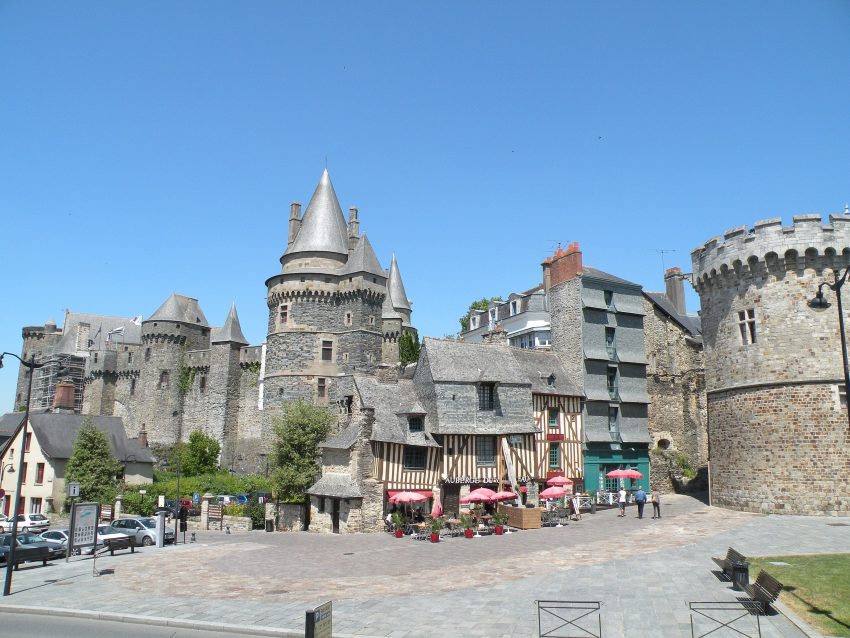
Vitré château
Vitré château
CC BY-SA 3.0 / VIGNERON
Visiting Vitré is like stepping into the pages of a medieval storybook. The moment you arrive, the cobbled streets and half-timbered houses set the tone for a town that has preserved its charm without feeling staged. The Château de Vitré dominates the skyline, its towers rising above the rooftops like a watchful sentinel. But it’s the smaller details—the creaking wooden…
Visiting Vitré

12. Pointe de Plougrescant

Pointe de Plougrescant
Pointe du Château is the dramatic northern tip of Plougrescant on Brittany’s Côte d’Ajoncs, where jagged granite boulders meet the open sea and the coastline feels raw and elemental. The landscapes here are all sharp edges and shifting light: rocky outcrops, foaming channels, and viewpoints that open toward the Jaudy estuary, Île d’Er, and the long line of the Sillon…
Location: Castel Meur, Plougrescant, France | Hours: 24 Hours | Price: Free | Website | Distance: 92.2km
Visiting Pointe de Plougrescant

13. Ploumanac’h Lighthouse

Ploumanach lighthouse
Ploumanac’h Lighthouse, also known as Mean Ruz Lighthouse, is one of the must-see places in Perros-Guirec, standing proudly among the surreal pink-granite formations of the Côte de Granit Rose. Built from the same stone that shapes the coastline, the lighthouse blends seamlessly into its dramatic landscape, marking the entrance to the channel leading into the port of Ploumanac’h. It is…
Location: Ploumanac'h lighthouse, Perros-Guirec, France | Distance: 109.4km
Visiting Ploumanac’h Lighthouse

14. Bayeux

Bayeux
Bayeux
Visiting Bayeux feels like stepping into a picture-perfect postcard, with its cobbled streets, half-timbered houses, and the gentle flow of the Aure River adding to the town’s charm. It's a town best explored on foot—meandering through the old town, stopping in little artisan shops, and finding a quiet café terrace to take in the atmosphere. The towering cathedral catches your…
Visiting Bayeux
Powered by GetYourGuide

15. Vannes

vannes
vannes
Vannes is a picturesque town in Brittany that effortlessly blends medieval charm with the easygoing spirit of coastal life. Its compact old town is filled with half-timbered houses, flower-draped balconies, and cobbled streets that invite slow wandering. The marina, just beyond the historic walls, connects the town to the stunning Gulf of Morbihan, offering a fresh sea breeze and plenty…
Visiting Vannes
Powered by GetYourGuide

16. Caen

Caen France
Caen France
Caen, located in Normandy, is a charming and vibrant city that offers visitors a blend of cultural attractions, beautiful parks, and a lively atmosphere. Caen is one of the most underrated cities in France. The city is known for its impressive medieval architecture, including the stunning Caen Castle, which offers panoramic views over the city and surrounding areas. Strolling through…
Visiting Caen
Powered by GetYourGuide

17. Fort du Grand Bé & Petit Bé

Saint Malo Grand Bé and Petit Bé
CC BY-SA 1.0 / rail fox
Grand Bé and Fort du Petit Bé are two of Saint-Malo’s most memorable “only here” experiences, because the sea controls your schedule. From the beaches beneath the ramparts, you can walk across the sand at low tide to Grand Bé, a rocky tidal islet that feels instantly removed from the city even though it sits just offshore, and it rewards…
Location: Rue du Grand Bé & Allée de Belle Île, Montigny-le-Bretonneux, France | Hours: Grand Bé: Daily: Low-tide access only (use the 3-hour window: 1 hour 30 minutes before–1 hour 30 minutes after the day’s low-tide time). Fort du Petit Bé: Daily: 11:00–18:00 (guided visits, weather & tide permitting). | Price: Grand Bé: Free. Fort du Petit Bé: Guided tour €5; reduced €3; under 7 free. | Website | Distance: 296.7km
Visiting Fort du Grand Bé & Petit Bé

Where to Stay in Saint-Malo

In the heart of the walled Citadel (Intra-Muros), narrow cobbled lanes hide a handful of atmospheric boutiques where history and comfort meet. La Villefromoy occupies a timber-framed house just off Place Chateaubriand, its rooms opening onto flower-draped balconies that look out over slate rooftops. Not far away, Hôtel des Marins blends Breton charm with maritime flair: think navy-trimmed wood paneling, porthole windows and hearty breakfasts in vaulted cellars. For a truly historic stay, Hôtel Vauban sits opposite the cathedral, offering panoramic rampart views and antique-furnished rooms that evoke the town’s golden age of privateers.

Along the beachfront belt of Plage du Sillon, sleek modern hotels frame sweeping sea vistas and direct beach access. Hôtel Le Sillon perches on the promenade with floor-to-ceiling windows and a sun-lit lounge for evening apéritifs. A short stroll east, Hôtel & Spa Le Nouveau Monde combines Art Deco elegance with a Thalgo spa and rooftop terrace overlooking the tidal flats, making it perfect for both surf days and sunset soaks. Nearby, Hôtel Océania Saint-Malo offers contemporary rooms and a heated indoor pool just steps from the sand.

On the quieter Rocabey peninsula and in Saint-Servan, former fishing hamlets have been reborn as serene residential quarters. Hôtel Le Nautilus nestles beside the Solidor Tower, its nautical-inspired décor echoing the boat-lined estuary. Across the marina, Les Charmettes offers pastel-hued rooms in a converted 19th-century building, with a garden courtyard perfect for lazy breakfasts before coastal walks.

Just beyond the city limits, the surrounding countryside and salt-marsh fringes of Cherrueix and Minihic-sur-Rance reveal peaceful retreats. Manoir de la Foulerie occupies a lovingly restored manor amid apple orchards, with gardens, an outdoor pool and a table d’hôtes serving Breton specialities. A bit farther afield, La Ferme de Marie welcomes guests into stone-built cottages overlooking tidal creeks, offering kayak rentals and secluded walking trails through the Rance valley.

Using the our Hotel and Accomodation map, you can compare hotels and short-term rental accommodations in Saint-Malo. Simply insert your travel dates and group size, and you’ll see the best deals for your stay.

Saint-Malo Accommodation Map

Best Time to Visit Saint-Malo

Visiting Saint-Malo in Spring (March to May)

Spring is a lovely time to visit Saint-Malo, with milder temperatures and fewer crowds. The sea air is crisp, and the city begins to come alive with open terraces and blooming gardens. It’s a great season for walking the ramparts and exploring the nearby coastline in peace.

Visiting Saint-Malo in Summer (June to August)

Summer is the most popular time to visit Saint-Malo, thanks to warm weather, beach days, and vibrant festivals. The town is lively, with plenty of outdoor dining and activities, especially along the seafront. While it’s the busiest season, the energy and long evenings make it especially enjoyable.

Visiting Saint-Malo in Autumn (September to November)

Autumn in Saint-Malo offers cooler temperatures and a calmer pace, ideal for relaxed sightseeing. The sea remains impressive, and the changing skies give the town a dramatic beauty. It’s a great time for enjoying local seafood and coastal walks without the summer crowds.

Visiting Saint-Malo in Winter (December to February)

Winter in Saint-Malo is quiet and atmospheric, with a more local and reflective vibe. Stormy seas and moody skies add to the coastal drama, especially when viewed from the ramparts. It’s a cozy time for exploring the town’s history and enjoying warm cafés by the harbor.

Annual Weather Overview

  • January 9°C
  • February 10°C
  • March 11°C
  • April 14°C
  • May 16°C
  • June 19°C
  • July 22°C
  • August 22°C
  • September 21°C
  • October 17°C
  • November 13°C
  • December 11°C

How to get to Saint-Malo

How to Visit Saint-Malo by Air

The nearest airport to Saint-Malo is in Dinard, just a short drive away, with additional options in Rennes and Nantes. Flights connect to several French and European cities. Renting a car at the airport is a smart option for exploring Saint-Malo and the surrounding coastal region.

How to Visit Saint-Malo by Train

Saint-Malo has a well-connected train station served by regional and high-speed trains, including direct routes from Paris. The station is located close to the city center, making arrival easy. Train travel is a convenient choice if you're staying within the town itself. You can use SNCF Connect to check schedules, compare routes, and purchase tickets for National (SNCF ) and regional trains (TER). For a more streamlined experience, we recommend using Omio, which allows you to easily compare prices, schedules, and book tickets for both National and Regional travel across all of Europe, all in one place.

How to Visit Saint-Malo by Car

Driving to Saint-Malo allows flexibility and access to scenic routes along the Brittany coast. The roads are well-maintained, and parking is available near the walled city and outer neighborhoods. Renting a car is ideal if you want to explore nearby towns, beaches, and countryside. If you are looking to rent a car in France I recommend having a look at Discover Cars, first, as they compare prices and review multiple car rental agencies for you.

How to Visit Saint-Malo by Ferry

Saint-Malo is a popular ferry port with connections to the UK and Channel Islands. The ferry terminal is close to the city center, making it convenient for foot passengers and those arriving by car. It’s a unique and scenic way to arrive, especially for international travelers.

Getting Around Saint-Malo

Saint-Malo’s old town is compact and walkable, with its highlights easily explored on foot. Buses and local transport connect to nearby areas, but a car offers greater flexibility for regional travel. Renting a car is especially useful for visiting coastal villages, beaches, and countryside beyond the city.
More from this area