Reims, France: The Ultimate Travel Guide 2026

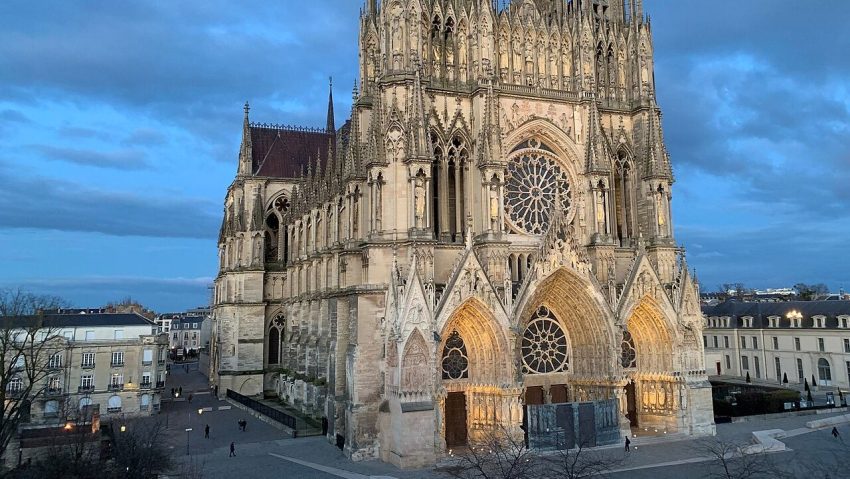
Reims cathedral
Reims cathedral

Reims is a vibrant city in the Grand Est region of northeastern France, celebrated for its deep connections to Champagne production and its impressive Gothic architecture. Nestled amidst rolling vineyards, Reims serves as the unofficial capital of the Champagne wine-growing area, and many visitors come to tour the renowned Champagne houses such as Veuve Clicquot, Taittinger, and Pommery. Cellar tours and tastings are a highlight, offering a glimpse into centuries-old winemaking traditions that remain central to the city's identity.

A visit to Reims is also a feast for lovers of architecture and culture. The towering Notre-Dame de Reims Cathedral is a masterpiece of Gothic art, famed for its stained glass and intricate sculptures. Just nearby, the Palace of Tau and the Saint-Remi Basilica add further grandeur to the cityscape. Beyond these highlights, Reims features wide boulevards, elegant squares, and a growing collection of museums and galleries. Cafés and bistros line the pedestrian streets, making the city both accessible and inviting for a relaxed stroll.

Despite its refined atmosphere, Reims is also a lively university city with a youthful energy. It offers a balance between tradition and modern life, with regular cultural events, lively food markets, and a dynamic dining scene. Thanks to its position on high-speed rail lines, Reims is just 45 minutes from Paris by TGV, making it an easy day trip or a convenient base for exploring the Champagne region and nearby parts of the Grand Est.

History of Reims

Reims in Antiquity and Roman Times

Reims began as a settlement of the Remi tribe, who allied with Julius Caesar during the Gallic Wars. Under Roman rule, it became the prosperous city of Durocortorum, one of the largest in Gaul. It featured major civic buildings, an amphitheatre, aqueducts, and an extensive road network. The city’s early adoption of Christianity further enhanced its stature, with the establishment of one of the first bishoprics in Gaul by the 3rd century.

Reims in the Early Middle Ages

With the decline of Roman authority, Reims retained its importance due to its Christian foundation. In 496, Clovis I, king of the Franks, was baptized in Reims by Saint Remigius—a pivotal moment that laid the groundwork for Reims’ role as the traditional site for the coronation of French kings. The city’s ecclesiastical significance grew, and it became a major religious centre in the Frankish kingdom. Its archbishops played influential roles in both spiritual and political affairs.

Reims in the High and Late Middle Ages

From the 11th century onwards, Reims thrived as a centre of ecclesiastical power and trade. The construction of the Reims Cathedral began in 1211 on the site of earlier churches, and it soon became the coronation site of nearly all French kings. The Gothic cathedral was an architectural marvel and symbol of royal legitimacy. The surrounding town flourished due to its fairs, wool trade, and proximity to fertile agricultural land. Despite periodic conflict and unrest, Reims maintained its prominence throughout the medieval era.

Reims in the Renaissance and Ancien Régime

During the Renaissance, Reims saw both cultural enrichment and challenges. The city’s university attracted scholars, and its religious institutions gained wealth and influence. However, the Wars of Religion in the 16th century brought tension, as did struggles between royal and ecclesiastical authorities. By the 17th and 18th centuries, Reims was also gaining a reputation for its production of sparkling wine, the early forerunner of what would become Champagne.

Reims in the 19th and Early 20th Centuries

The 19th century brought industrialisation and modernization to Reims, particularly in textiles and Champagne production. Rail connections strengthened its economic ties with Paris and other cities. However, during World War I, Reims suffered extensive destruction. The cathedral was heavily damaged by artillery fire, symbolising the cultural loss of the war. Post-war reconstruction was extensive and aimed to restore the city’s historic character.

Reims in the Modern Era

Reims played a key role in World War II when, on May 7, 1945, the German High Command signed the unconditional surrender to the Allies at the city’s former school of war. In the post-war decades, Reims rebuilt and expanded, blending modern development with its historic heritage. Today, it is known both for its monumental cathedral and its central role in Champagne production, preserving its legacy as a city of both kings and culture.

Moira & Andy
Moira & Andy

Hey! We're Moira & Andy. From hiking the Camino to trips around Europe in Bert our campervan — we've been traveling together since retirement in 2020!

Read our full story here

Visiting Reims for the first time and wondering what are the top places to see in the city? In this complete guide, I share the best things to do in Reims on the first visit. To help you plan your trip, I have also included an interactive map and practical tips for visiting!

This website uses affiliate links which earn a small commission at no additional cost to you.

Powered by GetYourGuide

21 Best places to See in Reims

This complete guide to Reims not only tells you about the very best sights and tourist attractions for first-time visitors to the city but also provide insights into a few of our personal favorite things to do.

This is a practical guide to visiting the best places to see in Reims and is filled with tips and info that should answer all your questions!

1. Reims Cryptoporticus
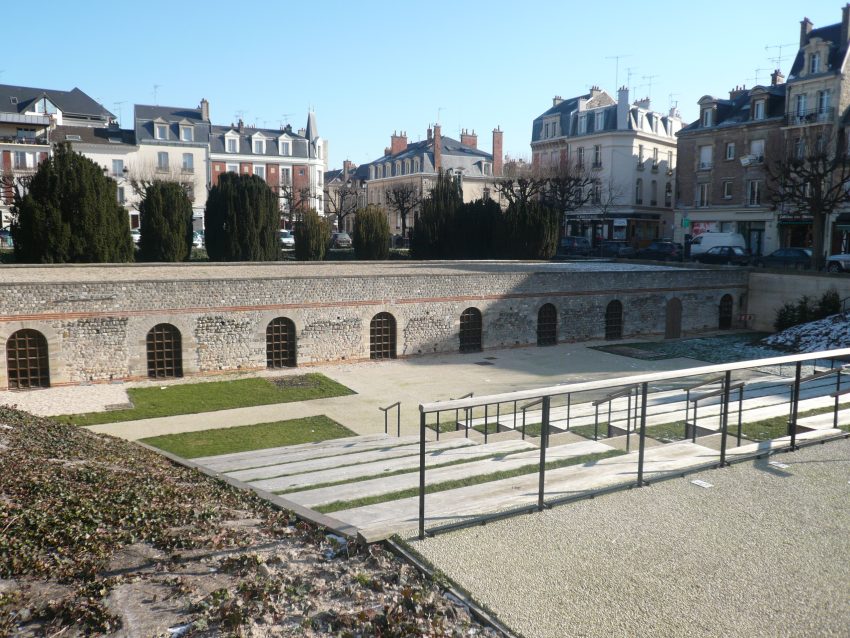
Reims Cryptoporticus
CC BY-SA 4.0 / ADT Marne
Reims Cryptoporticus is a preserved Roman cryptoporticus—a cool, semi-underground vaulted corridor dating to the 3rd century AD, when Reims was Durocortorum. Thought to have bordered the city’s forum complex, it shows how Roman engineers used long, arched galleries to support the civic buildings above while creating a sheltered passage below. Walking through, you notice the steady rhythm of repeating arches and bays, the way light slips in from higher openings, and how the vaulting changes the acoustics into a muted hush. Subtle shifts in masonry and the structure’s contact with the earth make it feel like infrastructure you can inhabit, not just ruins behind glass.
Location: Cryptoportique, Place du Forum, Reims, France | Hours: Access can vary | Price: Free. | Distance: 0.2km

We recommend to rent a car in France through Discover Cars, they compare prices and review multiple car rental agencies. Book your rental car here.

2. Musée Hôtel Le Vergeur

Musee hotel Le Vergeur
CC BY-SA 3.0 / Johan Bakker
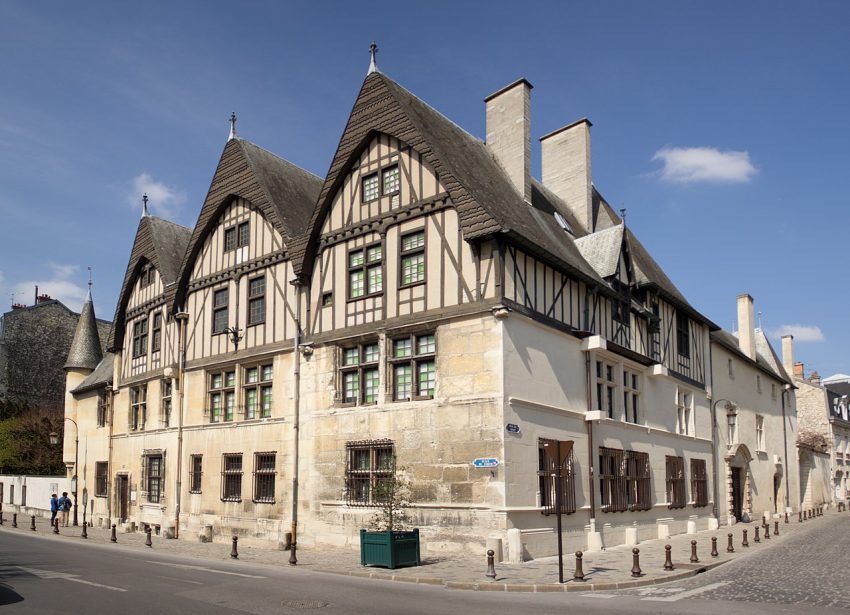
Musée Hôtel Le Vergeur is a house museum in Reims set inside a preserved hôtel particulier, where the building’s staircases and intimate rooms feel like stepping into a private home. Named for the Vergeur family who owned it until the 16th century, it later took on a second life through collector Hugues Krafft, whose restoration and travel-bought decorative arts give the interiors a layered, lived-in character. Visitors move room to room through furniture, objects, and architectural details rather than big gallery walls. Alongside the atmospheric rooms, prints and paintings connect the house to Reims’ past, including coronation-era imagery, and the engraving holdings include works associated with Albrecht Dürer.
Location: Musée-Hôtel Le Vergeur, Place du Forum, Reims, France | Hours: Tuesday - Sunday. Hours are from 10am until 12 noon and 2pm until 6pm. | Price: €5.50 | Website | Distance: 0.2km


Here is a complete selection of hotel options in Reims. Feel free to review each one and choose the stay that best suits your needs.

3. Porte de Mars

Porte de Mars
Porte de Mars
CC BY-SA 2.0 / Carole Raddato
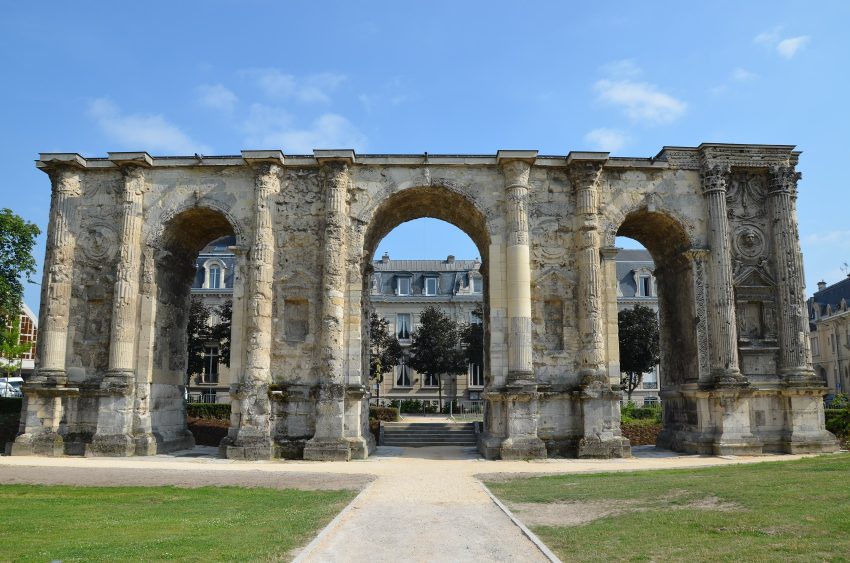
Porte de Mars is a colossal Roman triumphal arch from the early 3rd century AD, a surviving fragment of Reims’ Gallo-Roman past when the city was Durocortorum. Set near the edge of the centre, it feels surprisingly approachable: you can walk right up to its three aligned openings and read the stone at close range. Look up inside the passageways, where the carved ceilings hold much of the drama—mythic scenes, symbolic figures, and hints of everyday labour worked into the reliefs. The arch was later absorbed into medieval fortifications and only fully revealed after later walls were removed, a reminder of how much of Reims lies layered beneath later centuries.
Location: Porte Mars, Place de la République, Reims, France | Hours: Open-air monument with unrestricted viewing; access may vary if areas are fenced for maintenance. | Price: Free. | Distance: 0.3km

Traveling to a country with a different currency? Avoid ATM transaction fees and pay in local currency with a Wise Card. Having used it for over 5 years, we've saved loads on fees!

4. Place Royale

Place Royale Reims
Place Royale Reims
Public Domain / PD-self
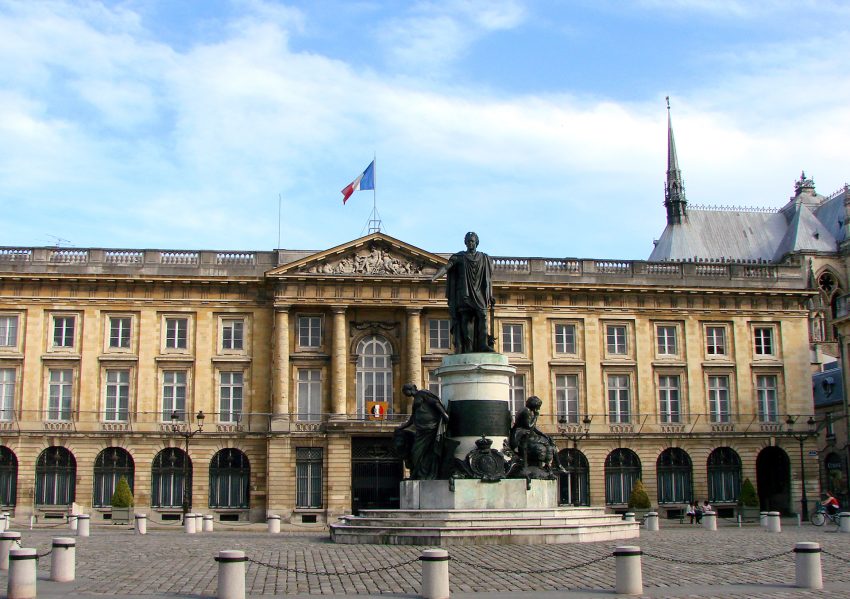
Place Royale is a restrained classical square in central Reims, where symmetrical façades and a measured scale create a calm pause from the busier streets. It matters because this space aligns with the ancient crossroads of Roman Durocortorum—the meeting of the cardo and decumanus—so you’re standing on ground that has functioned as the city’s centre for centuries. At its heart is a bronze Louis XV by Jean-Baptiste Pigalle, unveiled on 26 August 1765, showing the king in Roman dress with a laurel wreath and an outstretched hand. Circle the statue to catch the deliberate staging: clean sightlines, balanced edges, and stone that photographs beautifully in soft light.
Location: Place Royale, Reims, France | Hours: Open access at all times. | Price: Free. | Distance: 0.4km

Explore Reims at your own pace with our self-guided walking tour! Follow our curated route to discover must-see sights and local secrets that makes Reims one of the best places to visit in France.

5. Joan of Arc Statue

Statue de Jeanne dArc
CC BY-SA 3.0 / Clelie Mascaret
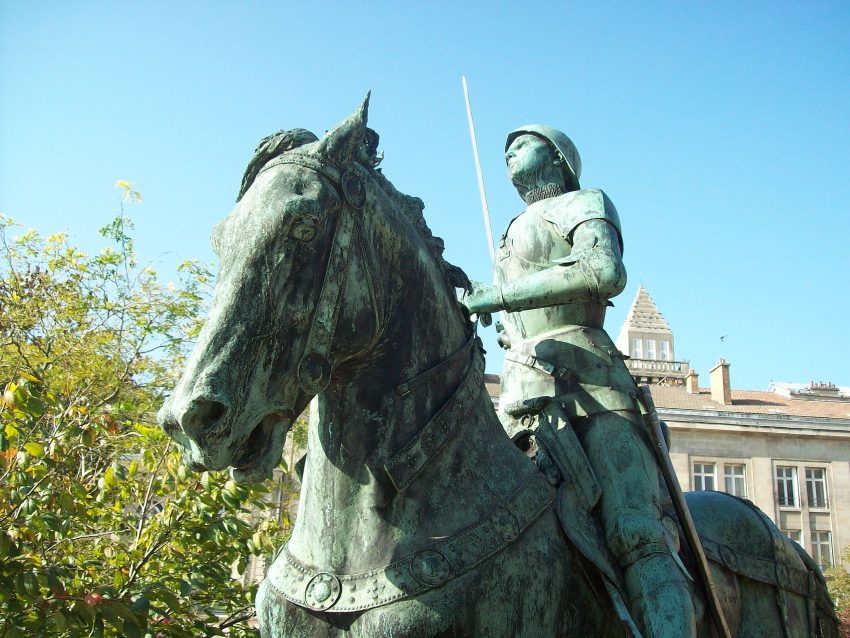
The Joan of Arc Statue in Reims is a bronze equestrian monument set right beside Reims Cathedral, and the pairing is the point: Joan’s focused, forward-leaning presence reads differently when you lift your eyes to the Gothic towers behind her. Created in the French Third Republic and associated with sculptor Paul Dubois, it presents her as alert and human rather than remote, with a calm intensity that suggests both faith and readiness. From a distance, the statue and cathedral form a single stage-like scene; up close, the tension between her steady posture and the horse’s coiled energy stands out. The surrounding square is lively, with places to sit and photograph the monument from multiple angles.
Location: Statue de Jeanne d'Arc Canton de Reims-1, 51100 Reims France | Hours: Open access at all times. | Price: Free. | Distance: 0.5km

Click here to read our blog about The Champagne Houses of Reims (2026): A Sparkling Experience

6. Reims Cathedral

Cathedrale Notre Dame, Reims
CC BY-SA 4.0 / Tontonflingueur
Reims Cathedral (Cathédrale Notre-Dame de Reims) is the city-centre Gothic cathedral where French kings were crowned, giving the building a national, ceremonial weight as well as architectural grandeur. The west façade reads like stone lace: three deep portals packed with sculpture, a large rose window, and a long Gallery of Kings that turns the front into a carved stage set. Look for the small “Smiling Angel,” a surprisingly human detail amid the severity. Inside, the mood shifts to height and light as sun pours through stained glass, including modern panels that sit comfortably within the medieval structure. Visitors often notice the calm, sometimes with gentle music, and linger in the bright nave.
Location: Cathédrale Notre-Dame de Reims, Notre Dame de Reims, Place du Cardinal Luçon, Reims, France | Hours: Daily: 7:30am until 7:30pm | Price: Adults: €8.00 | Website | Distance: 0.5km

Click here to read our blog about Best Places to Visit in Reims 2026: Champagne, Cathedrals & Culture

7. Musée de la Reddition

Musee de la Reddition World War II Museum
CC BY-SA 4.0 / G.Garitan
Musée de la Reddition in Reims is a compact, sobering museum housed in the former Allied headquarters used by General Eisenhower, preserved where events unfolded. Its core is the war room where German General Alfred Jodl signed the unconditional surrender on 7 May 1945, effectively closing the war in Europe. Visitors typically begin with a short introductory film in English, then move through small rooms of photographs, documents, and period uniforms that trace Occupation, Liberation, and the choices of the Resistance. The surrender room’s unchanged layout makes the moment feel immediate, and many people leave quieter than they arrived. Expect about 60–90 minutes if you read closely.
Location: Musée de la Reddition, Rue du Président Franklin Roosevelt, Reims, France | Hours: Every day from 10:00 to 18:00. Closed on Tuesdays. | Price: Adults: €5.50 | Website | Distance: 0.6km

8. Musée des Beaux-Arts
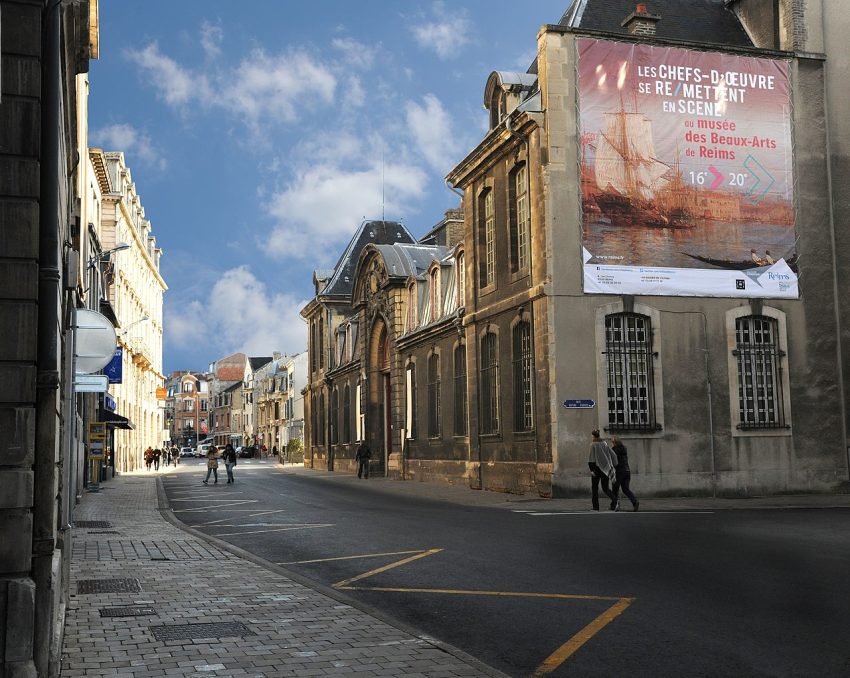
Musee des Beaux Arts
CC BY-SA 4.0 / LC51-1920
The Musée des Beaux-Arts in Reims is the city’s municipal fine-arts museum, a quiet counterpoint to Reims’ cathedral grandeur and a way to see how local civic culture preserved European painting across centuries. Its galleries move from devotional and classical works through 19th‑century landscapes—often associated with Camille Corot—toward early 20th‑century modern design cues that echo the city’s later Art Déco character. Visitors tend to remember the “digestible” upstairs circuit spanning the Middle Ages to the dawn of the 1900s, with the occasional surprise like a Renoir. The building itself is handsome but has been described as a bit worn, and reviews note periods of major renovation and closures.
Location: Musée des Beaux-Arts, Rue Chanzy, Reims, France | Hours: Reopening 2027 | Price: €5: Fine Arts Museum and Foujita Chapel | Website | Distance: 0.6km

9. Palais du Tau
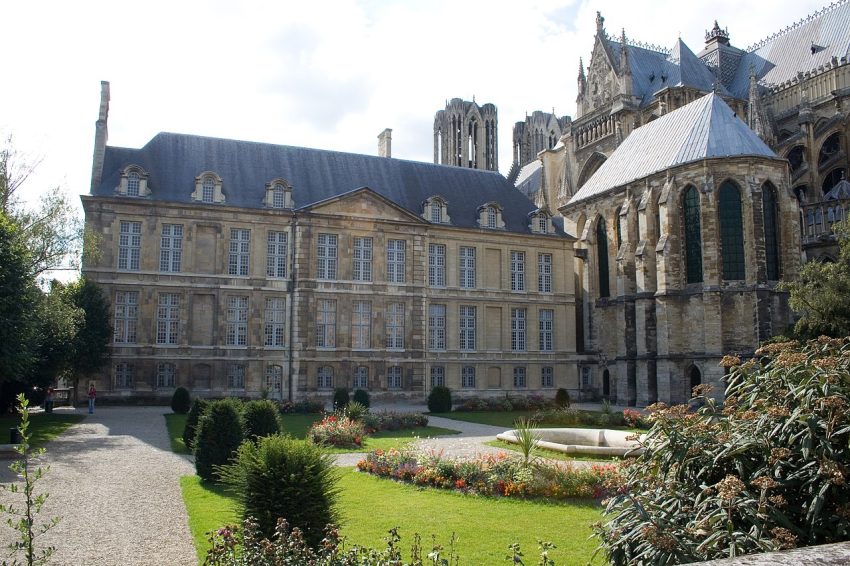
Palais du Tau et cathedrale
CC BY-SA 3.0 / Ludovic Péron
Palais du Tau is the former archbishops’ palace beside Reims Cathedral, integral to French coronations as the place where monarchs stayed, prepared, and later feasted after the ceremony next door. Its architecture layers a strong 17th-century neoclassical shell over preserved medieval rooms, so the visit shifts between austere stone spaces and more courtly settings. Spend time in the Salle du Tau, the historic banquet hall, where Arras tapestries narrating the story of Clovis draw you in with densely worked scenes. The Chapelle Palatine and treasury add a closer, object-level sense of ritual and authority, with pieces traditionally linked to figures such as Charlemagne and Saint Rémi. Visitors often remember the “mystical” atmosphere and the depth of the artifact collection.
Location: Palais du Tau, Place du Cardinal Luçon, Reims, France | Hours: May–Aug Tues–Sun 9:30am–6:30pm; Sept–Apr Tues–Sun 9:30am–12:30pm and 2–5:30pm | Price: Adults: €8.00 | Website | Distance: 0.6km

10. La Maison Mumm
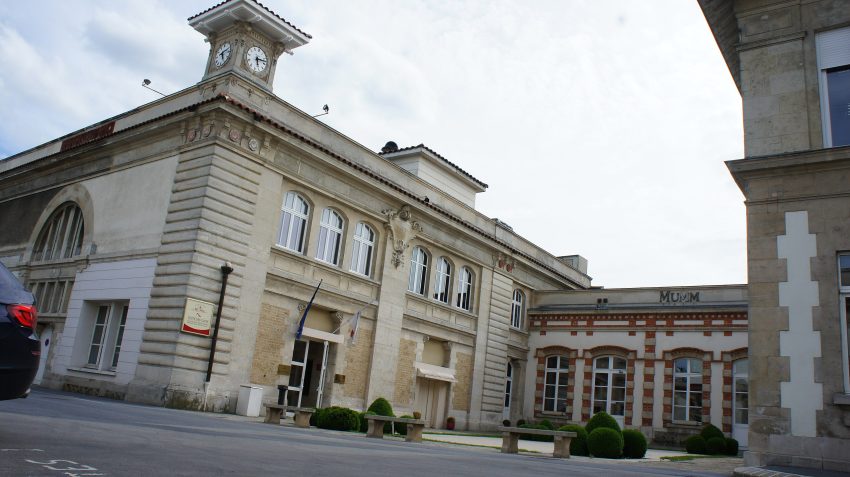
Mumm
Mumm
CC BY-SA 3.0 / G.Garitan
La Maison Mumm (G.H. Mumm) is a Champagne house in Reims that shows how a large maison maintains a consistent style while trading on a strong visual identity. Founded in 1827 by the Mumm brothers, it’s closely associated with the Cordon Rouge—its red ribbon motif, inspired by the sash of France’s Legion of Honour. Visitors move through cool, quiet cellars where long ageing and orderly bottle storage make the scale of production tangible, then finish with a tasting that links the brand story to freshness, structure, and a clean finish in the glass. Reviews often mention welcoming staff and an engaging, clear explanation of the process.
Location: G.H. Mumm, Rue du Champ de Mars, Reims, France | Hours: Tours at 10:30 & 15:00 | Price: Cordon Rouge Experience: €30 | Website | Distance: 0.7km

11. Carnegie Library of Reims
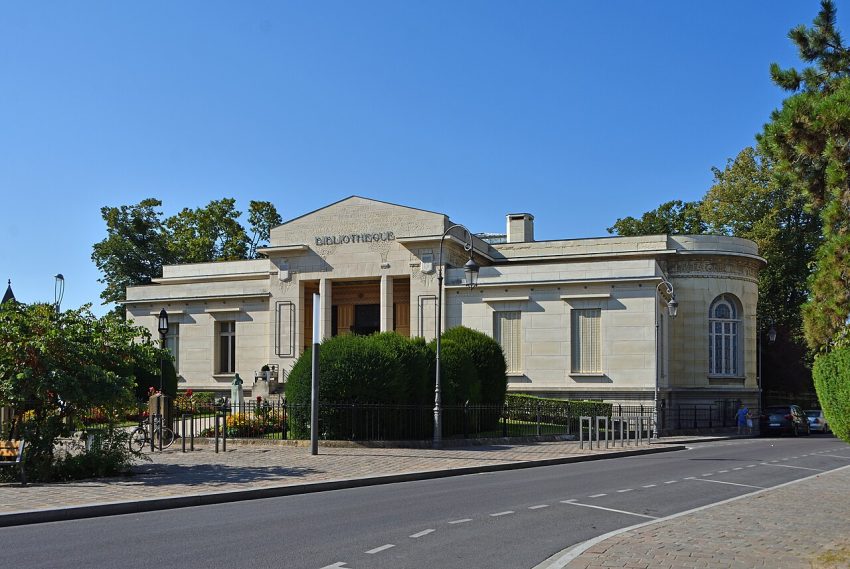
Reims CarnegieLibrary
CC BY-SA 4.0 / Ludvig14
The Carnegie Library of Reims is a public library and protected historic monument that embodies the city’s post–World War I rebuilding through disciplined Art Deco design. Built in the 1920s with support linked to Andrew Carnegie’s library philanthropy, it was created to serve everyday readers while safeguarding heritage collections. Visitors notice the building’s measured proportions, clean geometry, and controlled ornament—details that make the interior feel calm rather than ceremonial. Inside, look for repeated decorative motifs, strong symmetry, and the play of light across materials; some days include small exhibits. It’s free to enter, and even a short pause to read beneath its distinctive fixtures can be memorable.
Location: Bibliothèque Carnegie, Place Carnegie, Reims, France | Hours: Daily: 10:00 - 13:00 PM & 14:00- 19:00 PM. Closed Sundays | Price: Free (public library access) | Website | Distance: 0.7km

12. Chapelle Foujita
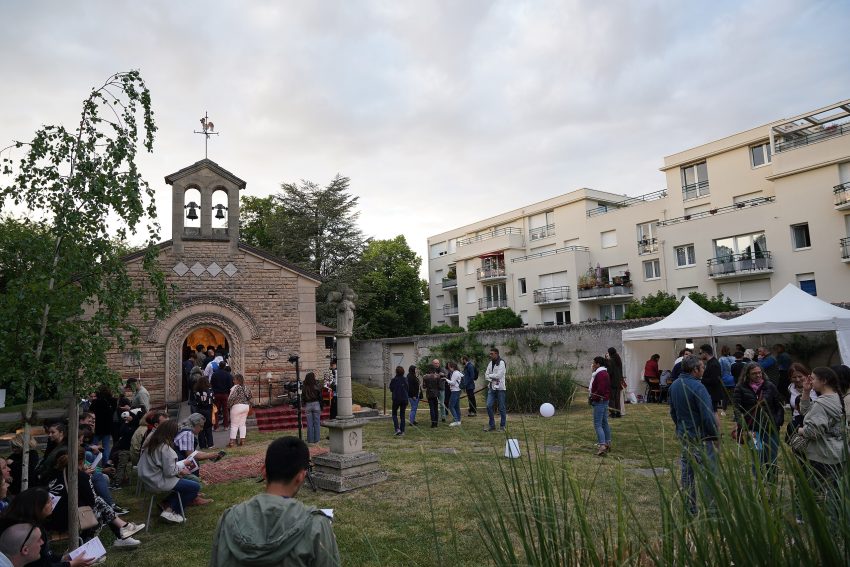
Chapelle Foujita
Chapelle Foujita
CC BY-SA 4.0 / Gérald Garitan
Chapelle Foujita is a small, Romanesque-inspired chapel in Reims, built in 1965 by the artist Tsuguharu Foujita after his 1959 baptism here under the name Léonard. Unlike most sacred spaces, it feels like stepping into one person’s complete, private universe: Foujita shaped the architecture and details, then covered the interior with his own fresco program, especially concentrated around the choir. The modest scale pulls you close to the painted scenes and makes the light, surfaces, and decoration read as a single composition rather than separate parts. Visitors often remember the quiet, French–Japanese atmosphere and the sense of faith filtered through an artist’s hand. Check opening times—seasonal closures are common.
Location: Chapelle Foujita, Rue du Champ de Mars, Reims, France | Hours: Every day from 10 a.m. to 12 p.m. and from 2 p.m. to 6 p.m. Closed on Tuesday. | Price: Adults: €5.50 | Website | Distance: 0.8km

13. Reims Champagne Automobile Museum
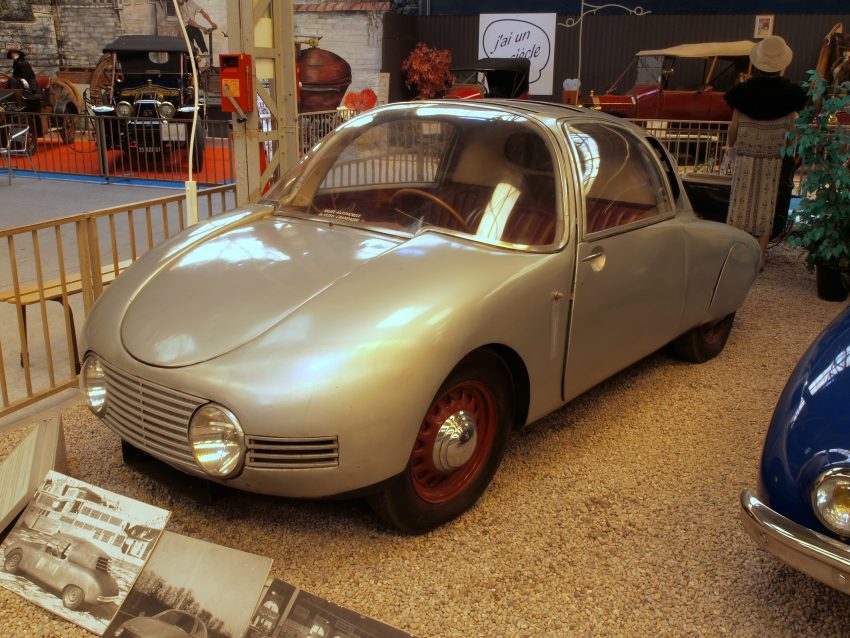
Car in Musee Automobile Reims Champagne
CC BY-SA 1.0 / AlfvanBeem
The Reims Champagne Automobile Museum in Reims, France is a collector-run trove of motoring history housed in former industrial workshops, where the setting suits the smell-of-grease story behind the machines. Around 230 vehicles—cars, motorcycles, and smaller curiosities—trace the shift from early 1900s motoring to later everyday designs, with plenty of close-up details like badges, dashboards, and coachwork lines. One of the most memorable pieces is the rare 1908 SCAR, a local survivor that anchors the collection in the Champagne region. Visitors also linger over cabinets of model and toy cars and pedal-car oddities, and many note the sheer density of vehicles packed into the space.
Location: Musée Automobile Reims Champagne, Avenue Georges Clemenceau, Reims, France | Hours: From May 1 to October 31: 10:00 - 12:00 & 14:00 - 18:00 From November 1 to April 30: 10:00 - 12:00 & 14:00 - 17:00 | Price: Adults: €10.00 | Website | Distance: 1.6km

14. Musée Saint-Rémi
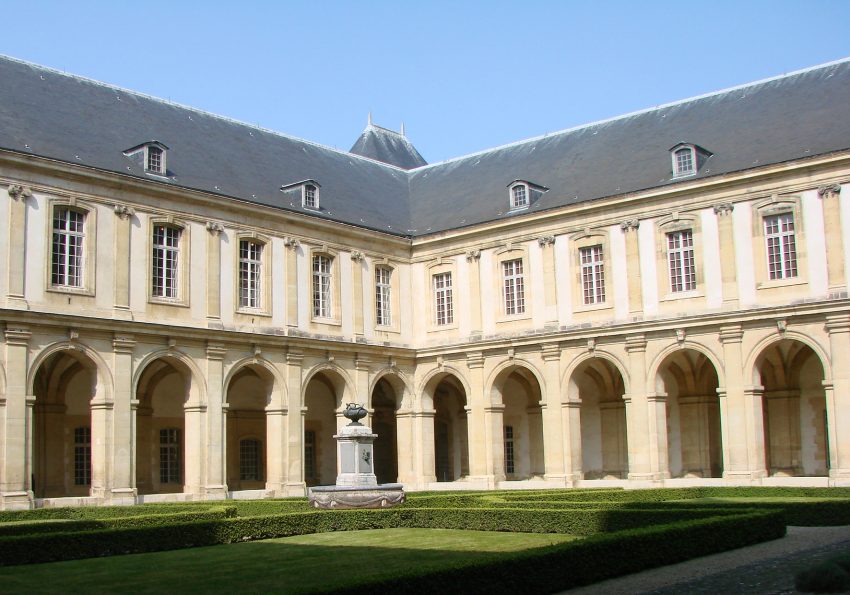
Reims Musee St Remi
Reims Musee St Remi
Public Domain / PD-self
Musée Saint-Rémi is a history museum in Reims housed in the former Saint-Remi Royal Abbey beside the basilica, where the abbey’s role in safeguarding the Holy Ampulla links the site to France’s royal anointing tradition. The visit begins with the building itself—quiet cloister-like corridors and a courtyard where visitors often pause on benches. Galleries move in a clear timeline from Roman Durocortorum through the Middle Ages and toward the Renaissance, with Gallo-Roman artifacts and mosaics that make the city’s pre-cathedral life tangible. Later rooms shift into military collections, including French army uniforms and helmets from the 18th–19th centuries. Restored medieval tapestries and Gothic-era sculpture are memorable standouts.
Location: Musée Saint-Remi, Rue Simon, Reims, France | Hours: Daily from 10 a.m. to 6 p.m. | Price: €5.50 | Website | Distance: 1.8km

15. Basilique Saint-Rémi
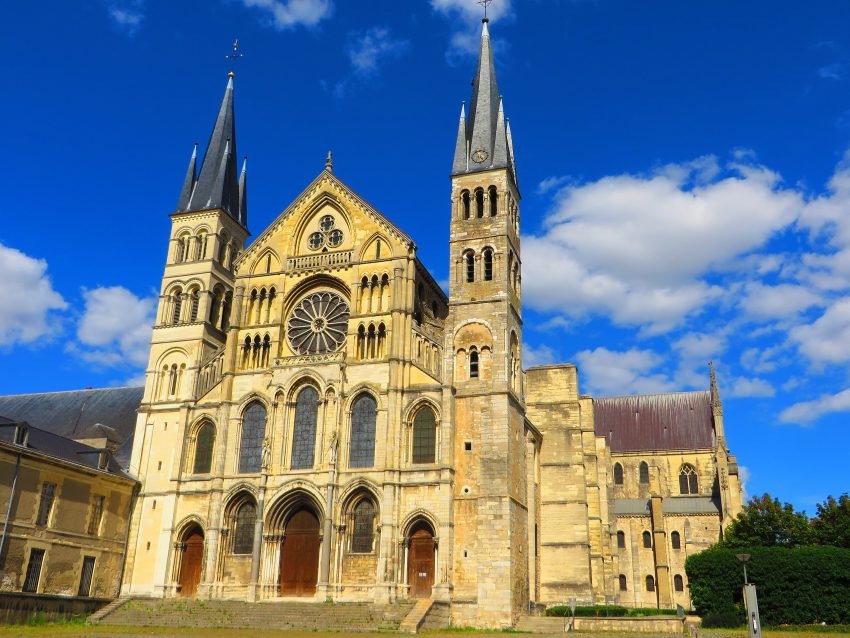
Reims basilique Saint Remi
CC BY-SA 4.0 / Aimelaime
Basilique Saint-Rémi, set slightly away from Reims’ busiest center, is an 11th-century abbey church where the city’s spiritual story feels tangible and unhurried. Inside, the Romanesque nave stands out for its balanced proportions and steady cadence of arches, creating a calm, almost rhythmic sense of space that rewards slow walking. Near the choir, later Gothic touches and stained glass shift the mood as warm light slides across pale stone. The basilica’s focal point is the tomb of Saint Rémi, linked to the baptism of Clovis and the sacred oil tradition associated with French coronations. Visitors often remember the hush, the scale, and occasional concerts or immersive evening shows that make the acoustics come alive.
Location: Basilique Saint-Remi, Rue Saint-Julien, Reims, France | Hours: Daily: 8:00 to 19:00 | Price: Free Entry, Audio Guide €6.00 | Website | Distance: 1.8km

16. Taittinger
Tattinger caves
Tattinger caves
CC BY-SA 4.0 / Victor Grigas
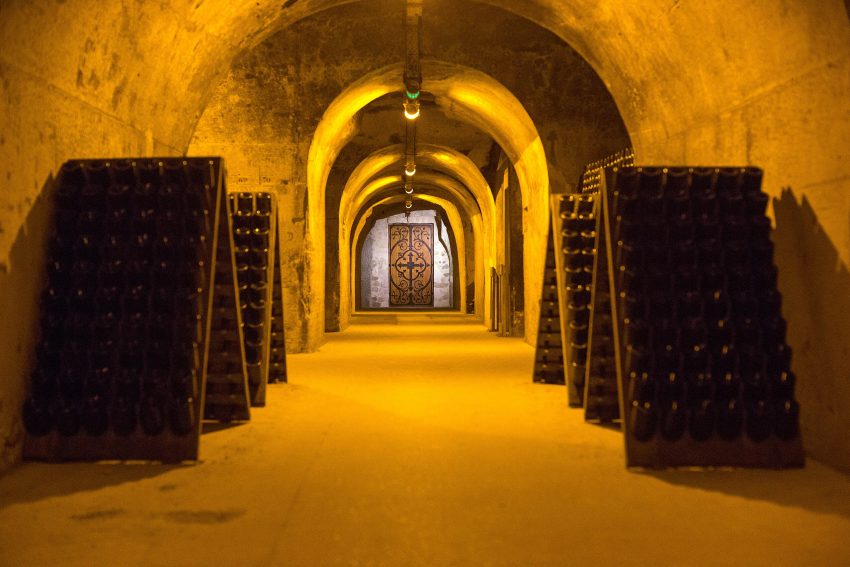
Champagne Taittinger is a major Champagne house in Reims, rooted in the city’s old Abbey of Saint-Nicaise and its long tradition of working with the ground beneath it. The visit is defined by the descent into the crayères—chalk cellars cut into the earth that read like an underground network of tunnels and galleries. Down there, the air turns cool and gently humid, sound softens, and the chalk walls and low light make time feel slowed to the pace of ageing bottles. It’s a vivid way to grasp how Reims’ geology shaped Champagne, and how a controlled natural environment supports long, steady maturation. The experience typically ends with a tasting that links what you’ve just felt underground to what you notice in the glass.
Location: Champagne Taittinger - Visites des Caves, Place Saint-Nicaise, Reims, France | Hours: Advance booking is often required | Price: Tastings: €37 | Website | Distance: 1.9km

17. Villa Demoiselle
Reims Villa Demoiselle
CC BY-SA 2.0 / Morio60
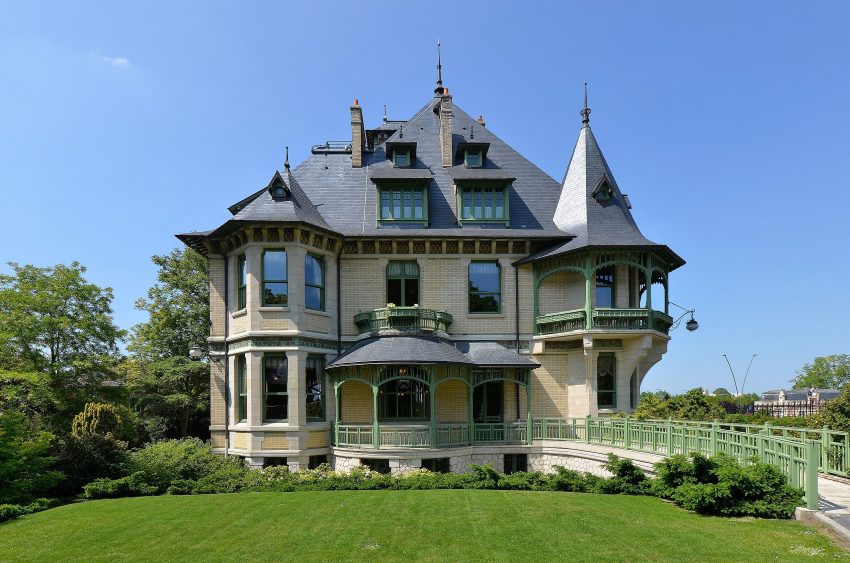
Villa Demoiselle is a restored Belle Époque mansion on Boulevard Henry Vasnier beside Domaine Pommery, built as a reception house where Champagne-era confidence was staged in décor. Inside, the visit is all about lingering room by room: intricate woodwork, ceramics, and furniture are arranged with a collector’s eye, and the style shifts between Art Nouveau’s nature motifs and the cleaner lines that anticipate Art Deco. Look for the villa’s dragonfly theme and the theatrical lighting that makes the interiors feel like a set. Many visitors pair the house tour with a Champagne tasting, and reviews often mention the warm welcome and the pleasure of finishing with a glass and dessert.
Location: Villa Demoiselle, Boulevard Henry Vasnier, Reims, France | Hours: Wed-Sun 10.00-18:00 | Price: €35 | Website | Distance: 2.1km

18. Maison Ruinart
Maison Ruinart
Maison Ruinart
Public Domain / Tangopaso
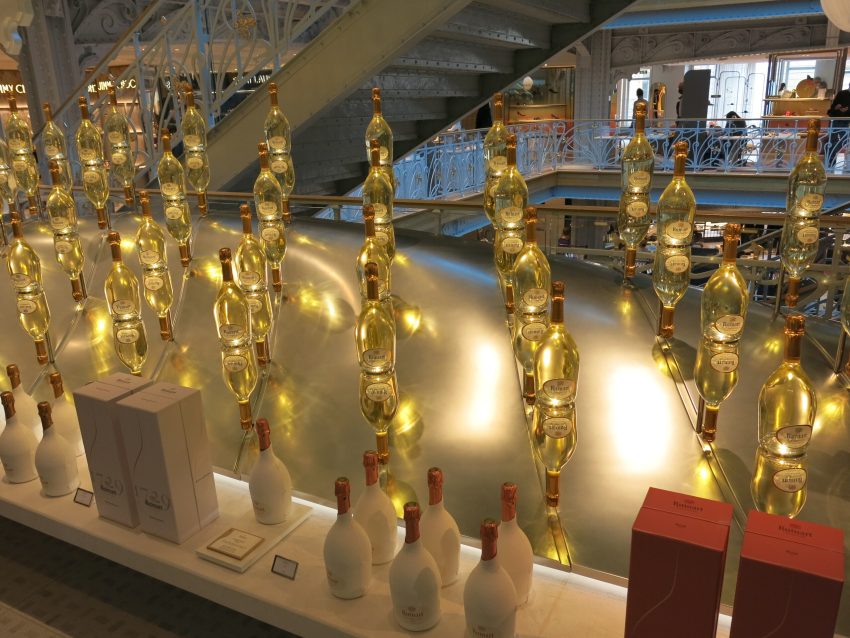
Maison Ruinart in Reims is a Champagne house founded in 1729 and often cited as the oldest maison dedicated solely to Champagne, making it a key stop for understanding how “house style” is shaped over centuries. Visits revolve around the cellars: cool, quiet spaces where long ageing and blending decisions become tangible as you move through historic underground passages. Above ground, the architecture and reception areas feel deliberately pared-back and design-forward, with an elegant boutique that mirrors the brand’s emphasis on clarity and craft. Many visitors notice the art-and-design thread woven through the experience, from installations in the caves to a tasting set in a living-room-like space. Tastings tend to foreground a crisp, luminous house signature rather than sheer power.
Location: Champagne Ruinart, Rue des Crayères, Reims, France | Hours: Tours at: 09:30, 14:40, 16:00, 17:20 | Price: Cellar Visit: €90 | Website | Distance: 2.2km

19. Champagne Pommery
Reims Champagne Pommery
CC BY-SA 40 / Aimelaime
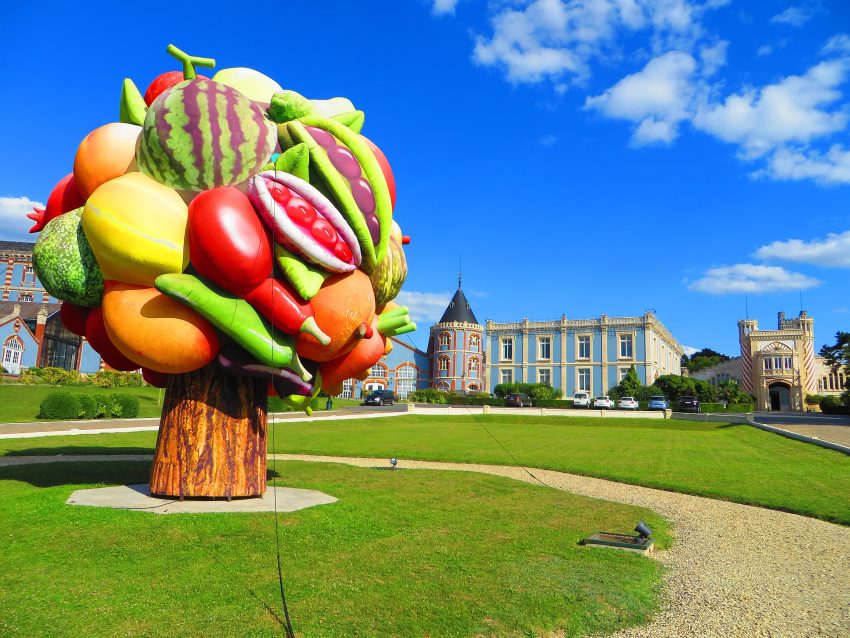
Champagne Pommery in Reims is a major Champagne house founded in 1858, best known for its descent into deep chalk crayères that function as naturally cool, humid ageing cellars. The visit shifts mood as you go underground: echoing corridors open into vast quarry-like galleries lined with long stacks of bottles, turning production into something you can physically sense. Contemporary art installations are threaded through the tunnels, using light and scale to play off the rough white chalk walls in surprising ways. Back above ground, tastings connect what you’ve seen to what’s in the glass, and visitors often mention the cellar “city” feeling and the art as the most memorable parts.
Location: Domaine Vranken Pommery, Place du Général Gouraud, Reims, France | Hours: Monday and Tuesday: 10 a.m. to 5 p.m. ; Wednesday, Thursday and Sunday: 10 a.m. to 5 p.m. ; Friday and Saturday from 10 a.m. to 5:30 p.m. | Price: €26 Self Guided Tour / €32 Guided Tour | Website | | Distance: 2.2km

20. Maison Veuve Clicquot
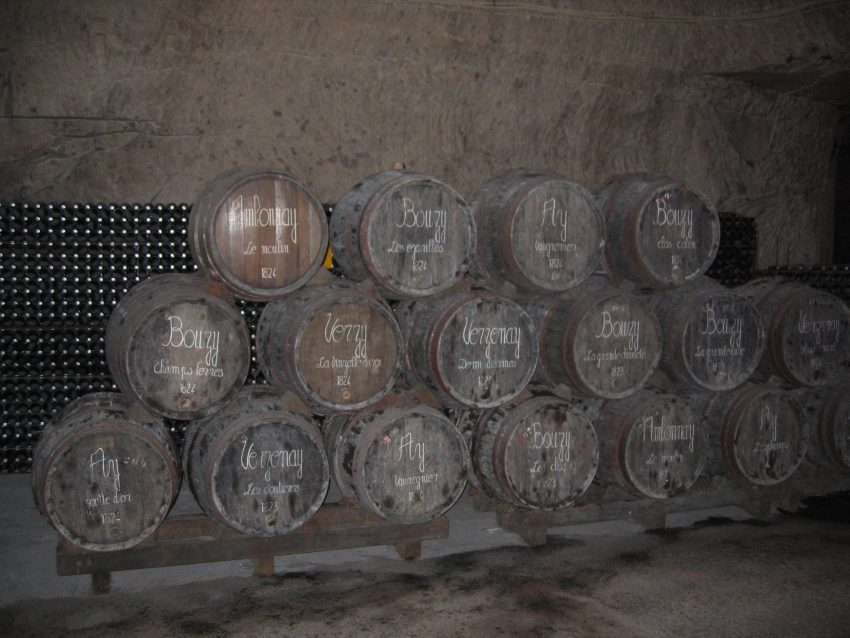
Barrels in Veuve Clicquot cellars
CC BY-SA 2.0 / Tomas er
Maison Veuve Clicquot is a Champagne house in Reims whose identity is inseparable from Madame Clicquot, the widow who took over in the early 1800s and helped shape modern Champagne through practical innovations and firm business choices. The visit is defined by the descent into the crayères—vast chalk-quarry cellars where dim corridors, pale walls, and long galleries create a hushed, cool underground world lined with bottles ageing in steady conditions. What stays with most visitors is the sense of scale and the way geology dictates the rhythm of production, making “time in the cellar” feel tangible. A tasting at the end invites you to connect the house style—freshness, structure, and fine mousse—to what you’ve just seen below ground.
Location: Champagne Veuve Clicquot - Centre de Visite, Rue Albert Thomas, Reims, France | Hours: Advance booking is often required | Price: From €35 | Website | | Distance: 2.3km

21. Parc de Champagne
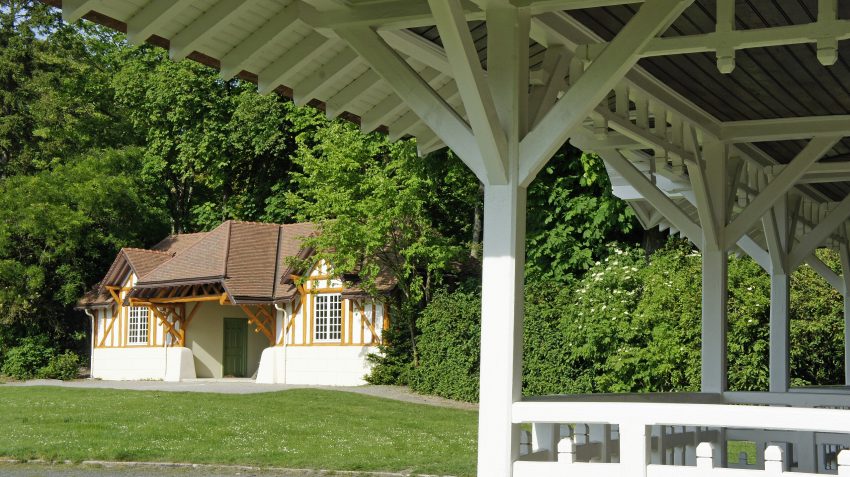
Parc de champagne
Parc de champagne
CC BY-SA 3.0 / Garitan
Parc de Champagne is Reims’ big, lived-in green escape, a spacious early‑20th‑century park where the city’s pace slows down. Opened in 1910 and laid out by Reims landscape architect Édouard Redont with backing from the Champagne world, it was later damaged in World War I and restored, keeping its original bones of broad paths, lawns, and mature trees. Visitors notice the sense of scale—long avenues for strolling or jogging, quieter groves, and open grass that still feels calm even with crowds. Locals use it for everyday recreation: large children’s playgrounds, outdoor fitness machines, and even a sand “beach” area with beach volleyball. It’s also notably dog-friendly, with an off-leash zone.
Location: Parc de Champagne, Avenue du Général Giraud, Reims, France | Hours: Open daily; access hours can vary seasonally. | Price: Free. | Distance: 2.6km
Powered by GetYourGuide

Best Day Trips from Reims

A day trip from Reims offers the perfect opportunity to escape the urban rhythm and discover the surrounding region's charm. Whether you're drawn to scenic countryside, historic villages, or cultural landmarks, the area around Reims provides a variety of easy-to-reach destinations ideal for a one-day itinerary. If you are looking to rent a car in France I recommend having a look at Discover Cars, first, as they compare prices and review multiple car rental agencies for you.

1. Fort de la Pompelle
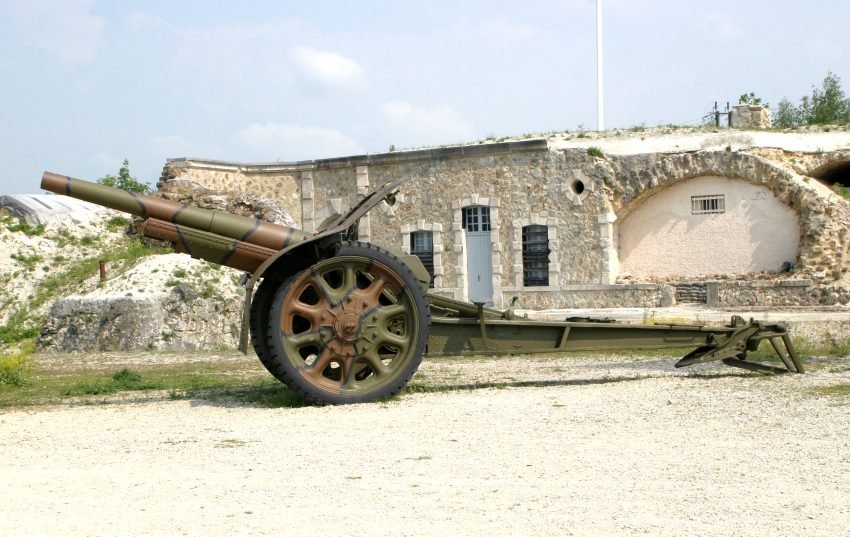
Fort de la Pompelle
Fort de la Pompelle
CC BY-SA 3.0 / Les Meloures
Fort de la Pompelle is one of the most moving places to visit near Reims because it brings the First World War out of abstract dates and into a physical landscape you can walk through. Sitting on the edge of the city’s wartime defensive ring, it feels exposed and purposeful, with battered masonry and open spaces that still suggest the…
Location: Fort de la Pompelle, Puisieulx, France | Hours: 10 a.m. to 6 p.m. Closed on Mondays | Price: Adults: €5.50 | Website | Distance: 8.5km
Visiting Fort de la Pompelle

2. Moët & Chandon

Moet  Chandon caves
Moet Chandon caves
CC BY-SA 4.0 / Victor Grigas
Moët & Chandon is the headline Champagne-house visit in Épernay, the town many travellers know as the “Capital of Champagne.” Set on the prestigious Avenue de Champagne, the maison’s grand frontage feels like a statement of place and tradition, and stepping inside quickly shifts the mood from street-level glamour to the quiet, chalk-cool world beneath your feet. For first-timers, it’s…
Location: Moët & Chandon, Rue Pupin, Épernay, France | Price: Dinner: €520,00! | Website | Distance: 24.4km
Visiting Moët & Chandon

3. Troyes

Troyes France
Troyes France
Troyes is one of those French cities that rewards slow wandering: a compact historic core, photogenic half-timbered streets, and a river-threaded old centre where you can stitch together your own walking loop without needing a rigid plan. It sits in the Grand Est region, and it makes an excellent “small city break” stop if you want something characterful between bigger…
Visiting Troyes

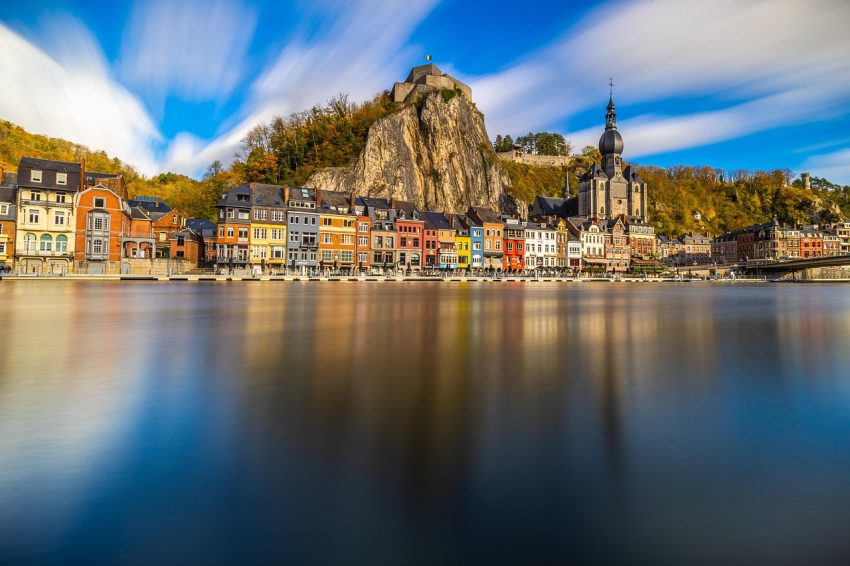
4. Dinant

Dinant Belgium
Dinant Belgium
Visiting Dinant offers a captivating experience nestled in the scenic Meuse Valley, an area known for its stunning river views and dramatic cliffs. The town’s compact size makes it perfect for exploring on foot, with charming streets lined by colorful houses and quaint shops. Dinant’s location along the Meuse River means visitors can enjoy leisurely walks along the waterfront, taking…
Visiting Dinant
Powered by GetYourGuide

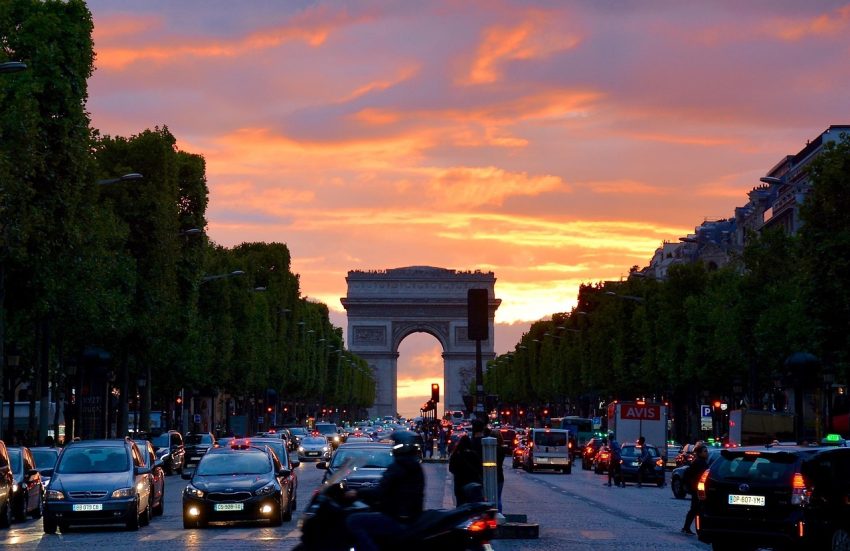
5. Paris

Driving in Paris
Driving in Paris
Paris, in the Île-de-France region, is a city that effortlessly blends classic beauty with vibrant, modern life. Whether you’re walking along the Seine, sipping coffee at a café, or admiring the Eiffel Tower at sunset, the atmosphere is unmistakably stylish and romantic. The city’s neighborhoods each have their own charm, from the artistic vibe of Montmartre to the elegance of…
Visiting Paris
Powered by GetYourGuide

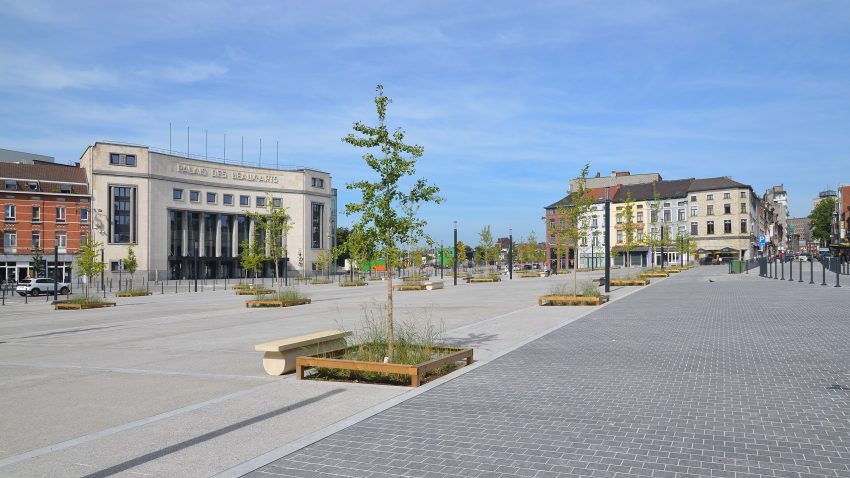
6. Charleroi

Charleroi Place du Manège
CC BY-SA 4.0 / Jmh2o
Visiting Charleroi offers a unique experience in the Walloon region of Belgium, known for its industrial heritage and evolving urban culture. The city provides a mix of old and new, with post-industrial architecture sitting alongside contemporary art spaces and revitalized neighborhoods. It’s a destination where visitors can explore authentic Belgian life beyond the more typical tourist spots, making it an…
Visiting Charleroi

7. Mons

Mons
Mons
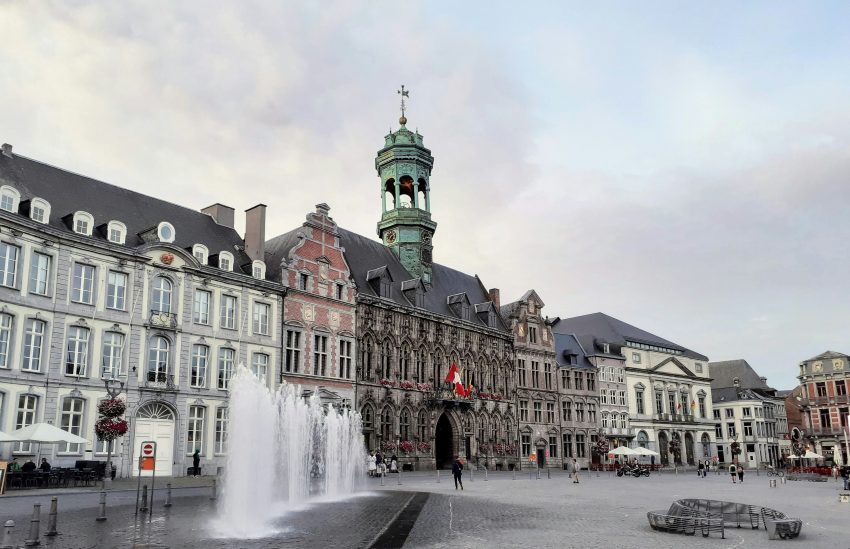
Visiting Mons offers a delightful experience in the heart of the Wallonia region, where historic charm blends seamlessly with modern culture. The city’s compact center makes it easy to explore on foot, with picturesque streets, vibrant squares, and lively cafés inviting visitors to soak up the local atmosphere. Mons is well known for its cultural events and festivals, making it…
Visiting Mons
Powered by GetYourGuide

8. Beauvais

beauvais
beauvais
Visiting Beauvais offers a refreshing mix of charm, elegance, and a sense of quiet authenticity. When you arrive, the first thing that strikes you is the peaceful rhythm of the town, with its relaxed pace that feels far from the rush of bigger cities. The centerpiece, of course, is the magnificent Beauvais Cathedral — towering and incomplete, yet breathtaking in…
Visiting Beauvais

9. Amiens

Amiens cathedral
Amiens cathedral
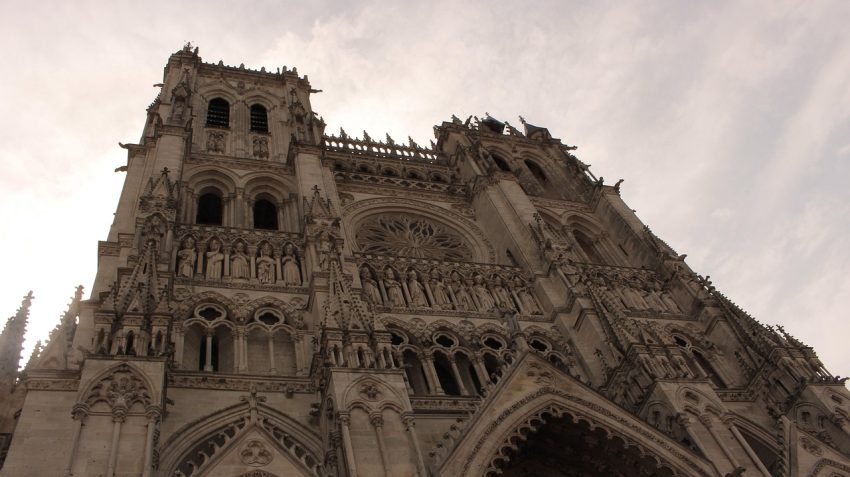
Amiens is a delightful city in the Hauts-de-Franc region that offers a peaceful yet engaging stop on any northern France itinerary. Its lively yet relaxed atmosphere is shaped by a charming mix of canal-side cafés, open-air markets, and pedestrian-friendly streets. A visit to Amiens wouldn't be complete without spending time along the Somme River, where you can enjoy a boat…
Visiting Amiens
Powered by GetYourGuide

10. Namur

Namur
Namur
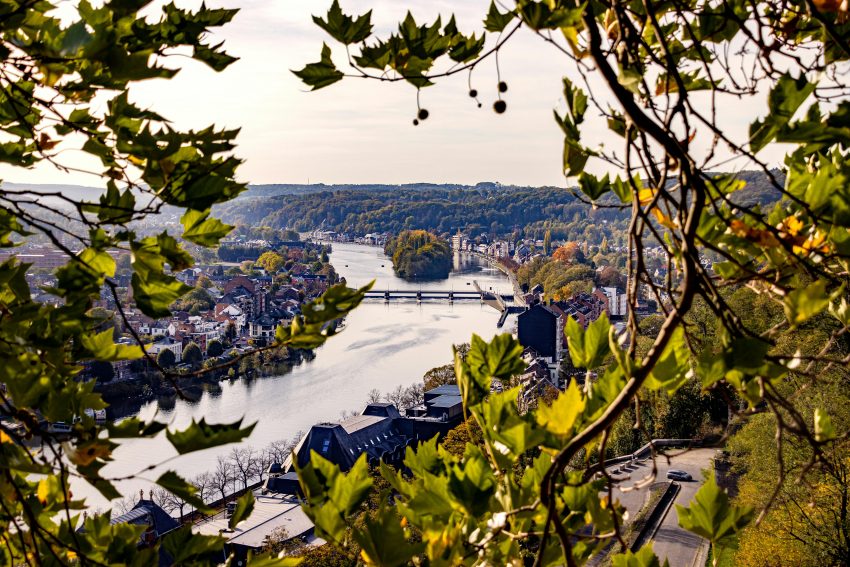
Visiting Namur offers a delightful blend of cultural charm and natural beauty, making it a standout destination in the Wallonia region. The city sits at the confluence of the Meuse and Sambre rivers, providing picturesque views and plenty of opportunities for riverside walks and boat trips. Namur’s compact city centre is easily walkable, filled with quaint streets, lively squares, and…
Visiting Namur
Powered by GetYourGuide

11. La Roche-en-Ardenne

La Roche en Ardenne
La Roche en Ardenne
CC BY-SA 3.0 / Jean-Pol GRANDMONT
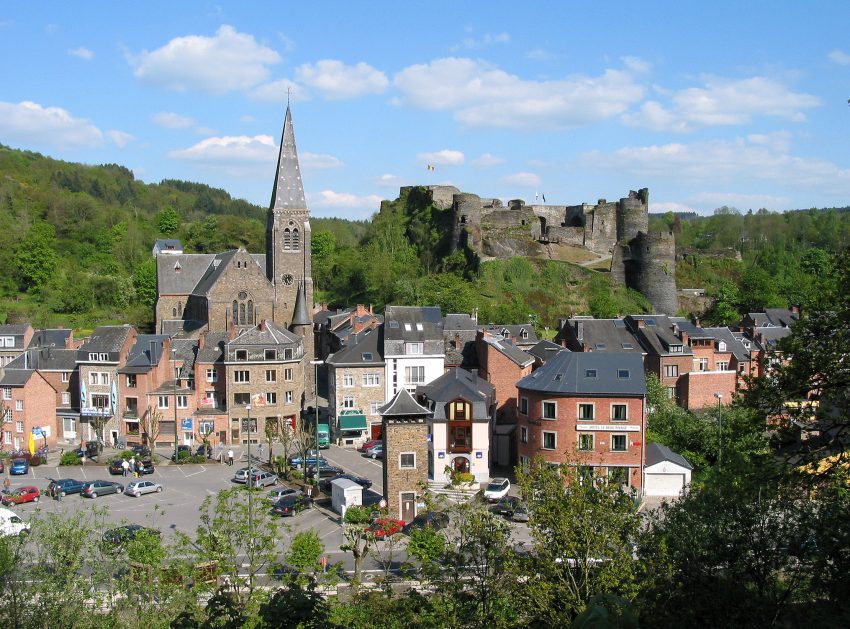
Visiting La Roche-en-Ardenne offers a wonderful opportunity to explore a picturesque town nestled in the heart of the Ardennes region. Known for its natural beauty, the area is surrounded by dense forests, rolling hills, and the winding Ourthe River, making it a perfect destination for outdoor enthusiasts. Whether you enjoy hiking, kayaking, or simply soaking in tranquil landscapes, La Roche-en-Ardenne…
Visiting La Roche-en-Ardenne

12. Metz
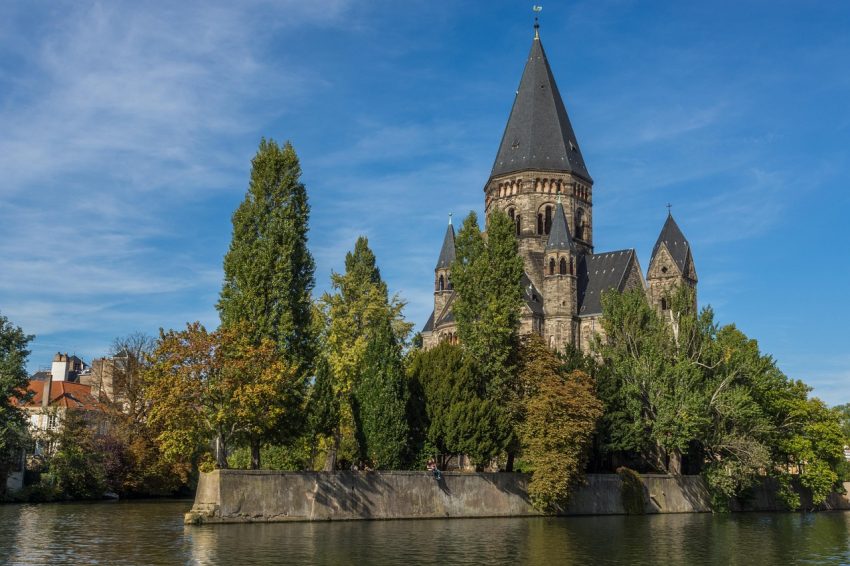
Metz France
Metz France
Metz is a vibrant city located in northeastern France, offering a blend of history, culture, and natural beauty. Visitors can enjoy the stunning architecture of the Cathédrale Saint-Étienne, one of the most impressive Gothic cathedrals in France, and take a walk around the city’s many parks and gardens. The Centre Pompidou-Metz, a branch of the famous Parisian museum, offers a…
Visiting Metz
Powered by GetYourGuide

Where to Stay in Reims

In the heart of Reims, the city centre is ideal for visitors who wish to be close to major attractions like the Notre-Dame Cathedral and the Palace of Tau. Staying here provides easy access to shops, restaurants, and cultural sites. For a luxurious experience, La Caserne Chanzy Hotel & Spa, Autograph Collection offers elegant rooms with cathedral views and a full-service spa. Another excellent option is Best Western Premier Hôtel de la Paix, known for its modern amenities, including an indoor pool and a stylish bar.

For those seeking a more tranquil setting, the Montagne de Reims area, just outside the city, offers serene landscapes amidst vineyards. Domaine Les Crayères is a renowned château hotel featuring opulent rooms and a two-Michelin-starred restaurant, Le Parc. This location is perfect for wine enthusiasts and those looking to explore the Champagne region’s natural beauty.

Travelers arriving by train might consider staying near the Reims train station for convenience. Novotel Suites Reims Centre offers spacious suites and is just a short walk from the station, making it ideal for business travelers or those on a tight schedule. Similarly, Holiday Inn Reims - City Centre provides comfortable accommodations with the added benefit of a rooftop restaurant offering panoramic city views.

For a countryside retreat, the village of Sacy, located approximately 9 km from Reims, provides a peaceful escape. Château de Sacy combines historic charm with modern luxury, offering rooms with vineyard views and a gourmet restaurant. This setting is ideal for couples seeking a romantic getaway or travelers wanting to immerse themselves in the region’s winemaking heritage.

Using the our Hotel and Accomodation map, you can compare hotels and short-term rental accommodations in Reims. Simply insert your travel dates and group size, and you’ll see the best deals for your stay.

Reims Accommodation Map

Best Time to Visit Reims

Visiting Reims in Spring

March to May is one of the most comfortable windows: longer days, mild temperatures, and fewer tour groups than summer. It’s a strong season for Champagne-house tours and day trips into the vineyards without the peak-season pricing pressure. If you want a festival anchor, the city’s Joan of Arc celebrations (Fêtes Johanniques) typically land in late May or early June and bring medieval-themed events and a lively atmosphere around the cathedral area.

Visiting Reims in Summer

June to August offers the longest opening hours, the most energy in the city, and dependable weather for walking between landmarks and champagne houses. The key trade-off is crowds—especially on weekends—so pre-booking cellar tours becomes more important. Festival-wise, the Flâneries Musicales fills late June to mid/late July with classical concerts staged in heritage venues across Reims, which can be a major draw if you want culture alongside tastings.

Visiting Reims in Autumn (Best)

September to October combines vineyard atmosphere with comfortable sightseeing weather, and it’s the season most visitors associate with “Champagne time.” Harvest timing varies year to year, but in recent years it has often started from mid-August into September across the region; if you catch it, it’s a memorable backdrop for a visit. The practical note: some houses may reduce visitor access during the busiest harvest days, so your best strategy is to lock in appointments early and keep a shortlist of alternatives.

Visiting Reims in Winter

November to February is the quietest period for crowds and can be excellent value for accommodation, with a more local, unhurried feel in the city. The standout reason to come is the Christmas season: Reims hosts a large Christmas market that typically runs from late November through late December, with festive lighting and easy pairing with cellar visits. If you want the most “winter magic,” target late November to mid-December rather than after Christmas, when activity drops.

Annual Weather Overview

  • January 7°C
  • February 8°C
  • March 12°C
  • April 17°C
  • May 19°C
  • June 23°C
  • July 26°C
  • August 28°C
  • September 23°C
  • October 18°C
  • November 10°C
  • December 8°C

How to get to Reims

Getting to Reims by Plane

Though there are no direct flights to Reims, it's easy to get here from Paris. There are two airports you can arrive at when flying to Paris: The most convenient is Charles de Gaulle (CDG) international airport which is directly connected by train to Reims and only 30 minutes away. The train departs from CDG 2 train station. It is recommended to book your ticket in advance. The second airport is Orly international airport (ORY) and then travel to Gare de l'est (Paris-East train station) where you can catch the train to Reims. Reims is located 45 mins from Gare de l'est.

Visit Reims by Train

It is easy to travel to Reims from Paris as it is only 45minutes by TGV from Gare de l'Est. Reims is served by two main railway stations: Gare de Reims in the city centre, the hub for regional transport, and the new Gare de Champagne-Ardenne TGV 5 km southwest of the city with high speed rail connections to Paris, Metz, Nancy and Strasbourg. The motorwaysA4 (Paris-Strasbourg) and A26 (Calais-Langres) intersect near Reims.

Getting Around Reims

Reims is a city that can be conveniently explored on foot. Another pleasant option for enjoying sunny days is to rent a bicycle. However, one of the most convenient and cost-effective means of getting around Reims is to purchase a daily bus ticket. These tickets provide access to various modes of public transportation, including trams, regular buses, and 100% electric shuttles. You can obtain these tickets at the Office de Tourisme de Reims located on boulevard Général Leclerc, as well as on board the buses. Information about schedules and directions is clearly displayed on all buses and at bus stops for your convenience.
If you are looking to rent a car in France I recommend having a look at Discover Cars, first, as they compare prices and review multiple car rental agencies for you.

Powered by GetYourGuide

More from this area