Phnom Penh, Cambodia: The Ultimate Travel Guide 2026
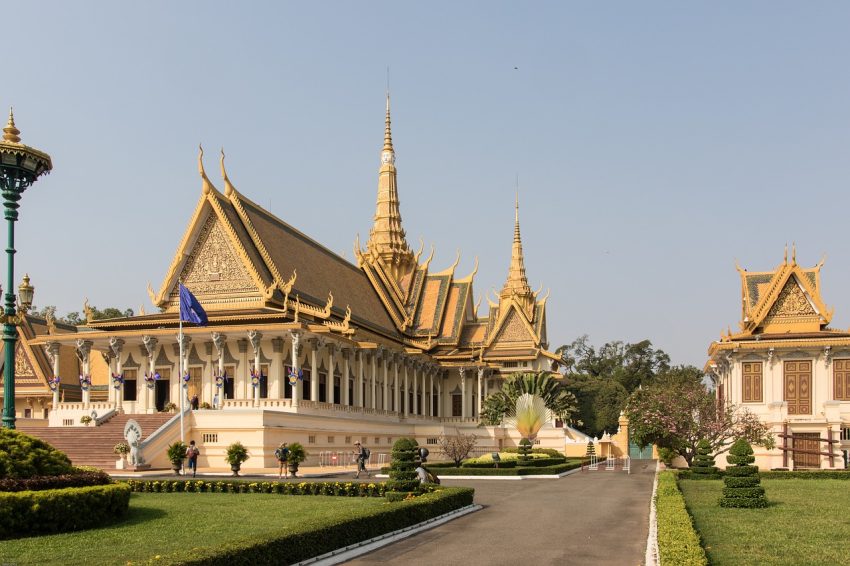
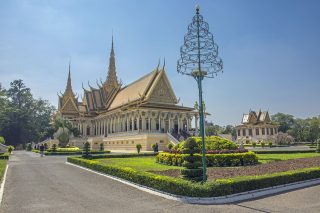
Visiting Phnom Penh offers a captivating mix of cultural exploration and urban charm. Start your day by exploring the city's iconic landmarks, such as the Royal Palace and Silver Pagoda, where intricate Khmer architecture and stunning relics like the Emerald Buddha statue await. Nearby, the National Museum of Cambodia provides a fascinating insight into the country's artistic heritage, featuring a collection of Angkorian artifacts. For a more relaxed experience, stroll along the scenic Sisowath Quay, where the riverside promenade is lined with cafes, restaurants, and vibrant local markets.
Phnom Penh's culinary scene is a highlight for any visitor. Indulge in traditional Khmer dishes such as fish amok and beef lok lak at local eateries or upscale restaurants. The city also boasts an exciting nightlife, from rooftop bars with sweeping views of the Mekong to lively night markets brimming with street food and handmade crafts. If you have more time, consider taking a sunset cruise on the Mekong River to see the city from a different perspective. Whether you're exploring cultural sites, enjoying the food, or soaking in the atmosphere, Phnom Penh promises a rich and rewarding experience.
Table of Contents
- History of Phnom Penh
- The Origins of Phnom Penh: A City Rooted in Legend
- Phnom Penh Through Colonialism and Modern Transformations
- 11 Best places to See in Phnom Penh
- 8 Best Day Trips from Phnom Penh
- Where to Stay in Phnom Penh
- Best Time to Visit Phnom Penh
- Visiting Phnom Penh in the Dry Season
- Experiencing Phnom Penh in the Hot Season
- Exploring Phnom Penh During the Rainy Season
- How to get to Phnom Penh
History of Phnom Penh
The Origins of Phnom Penh: A City Rooted in Legend
Phnom Penh’s history begins with a legend. The city’s name, meaning “Hill of Penh,” is derived from Daun Penh, a widow who discovered sacred Buddha statues inside a tree trunk that washed ashore. Believing it to be a divine sign, she placed the statues on a man-made hill and built Wat Phnom, a temple that became the spiritual center around which the city grew. By the 15th century, Phnom Penh’s strategic location at the confluence of the Mekong and Tonlé Sap rivers made it an ideal choice as the capital of the Khmer Empire. This transition marked the city’s rise as a significant hub for trade and governance.
Phnom Penh Through Colonialism and Modern Transformations
In the 19th century, Phnom Penh fell under French colonial rule, which brought European-style infrastructure, including roads, schools, and the Central Market. After Cambodia gained independence in 1953, the city flourished culturally and economically, earning the title “Pearl of Asia.” However, Phnom Penh’s vibrant era was disrupted during the Khmer Rouge regime in 1975, when much of its population was forcibly relocated to rural areas, and many cultural landmarks suffered. After liberation in 1979, the city began rebuilding, and today, Phnom Penh has transformed into a bustling metropolis blending tradition and modernity, symbolizing Cambodia’s resilience and progress.

Moira & Andy
Hey! We're Moira & Andy. From hiking the Camino to trips around Europe in Bert our campervan — we've been traveling together since retirement in 2020!
Visiting Phnom Penh for the first time and wondering what are the top places to see in the city? In this complete guide, I share the best things to do in Phnom Penh on the first visit. To help you plan your trip, I have also included an interactive map and practical tips for visiting!
This website uses affiliate links which earn a small commission at no additional cost to you.
More from this area
11 Best places to See in Phnom Penh
This complete guide to Phnom Penh not only tells you about the very best sights and tourist attractions for first-time visitors to the city but also provide insights into a few of our personal favorite things to do.
This is a practical guide to visiting the best places to see in Phnom Penh and is filled with tips and info that should answer all your questions!
1. Independence Monument
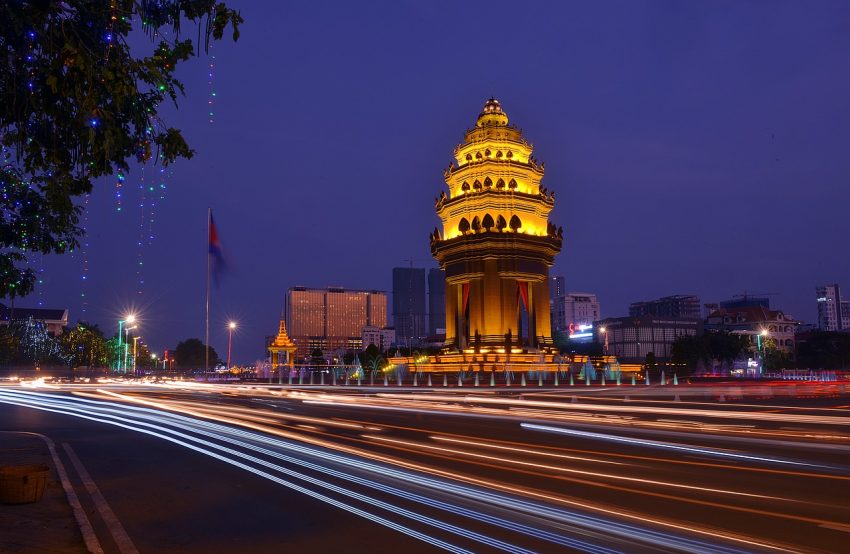
Location: Independence Monument, 41, Phnom Penh, Cambodia | Hours: The monument and park can be viewed at any time from the surrounding pavements. | Price: There is no fee to view the monument and surrounding park | Distance: 0km


2. Wat Langka
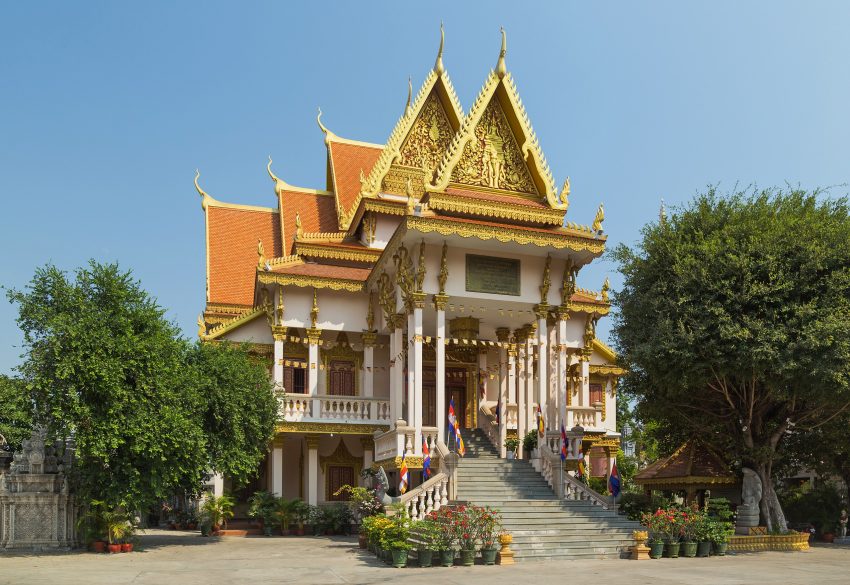
Location: Wat Langka, Samdach Louis Em, Phnom Penh, Cambodia | Hours: Daily from 6 am to 7 pm | Price: Entry is free, though small donations in the boxes around the temple are appreciated. | Distance: 0.1km
3. Royal Palace of Cambodia
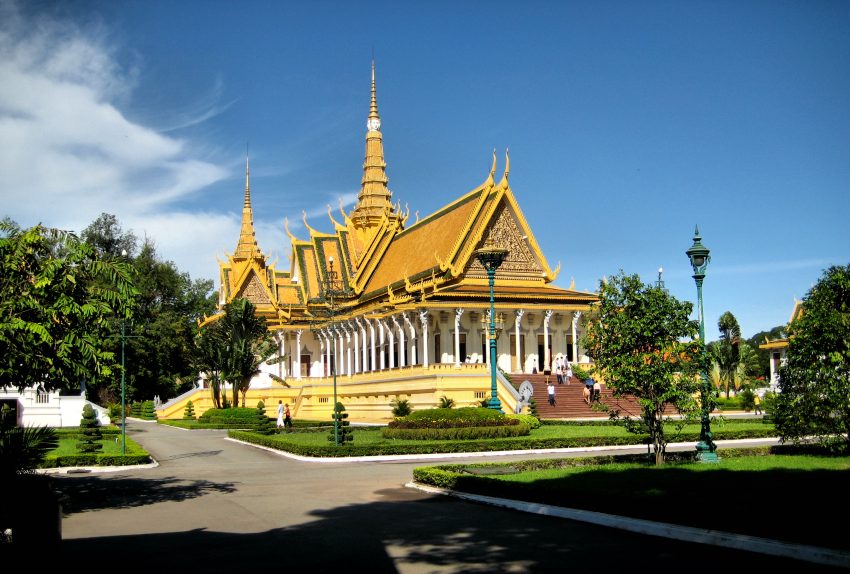
Location: Royal Palace, Samdach Sothearos Boulevard (3), Phnom Penh, Cambodia | Hours: 8–10:30am & 2–5pm daily | Price: Adults: $10.00 | Website | Distance: 0.9km
4. National Museum of Cambodia

Location: Preah Ang Eng Street 13, Phnom Penh, Cambodia | Hours: Daily from 8am to 5pm. Last admission tickets are sold at 4.30pm. | Price: Adults: $5.00 | Website | Distance: 1.1km
5. Wat Ounalom
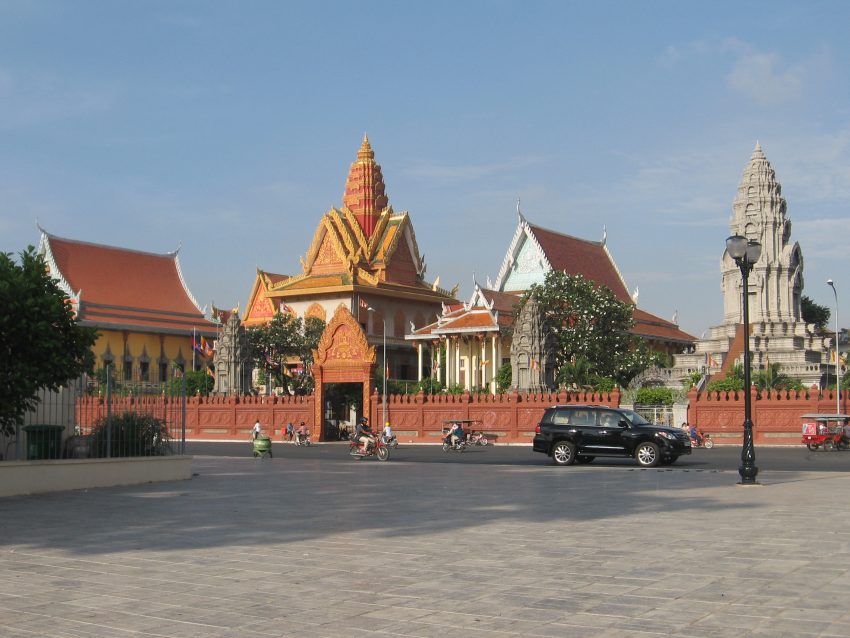
Location: Wat Ounalom Monastery, Preah Ang Eng St. (13), Phnom Penh, Cambodia | Hours: Daily from 6 am to 6 pm | Price: Entrance is free, though donations placed in marked boxes are appreciated and help support the temple. | Distance: 1.3km
6. Tuol Sleng Genocide Museum
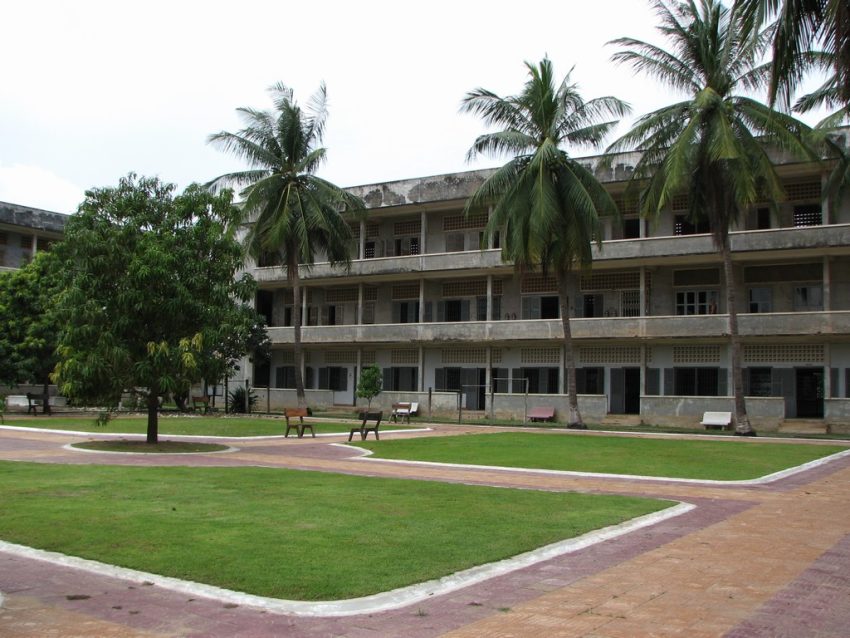
Location: Tuol Sleng Genocide Museum St.113, Boeung Keng Kang III, Boeung Keng Kang Phnom Penh, Cambodia | Hours: Every day from 8:00am – 5:00pm | Price: Adults: $5.00, Audio guide: +$5.00 | Website | Distance: 1.4km
7. Central Market (Phsar Thmey)
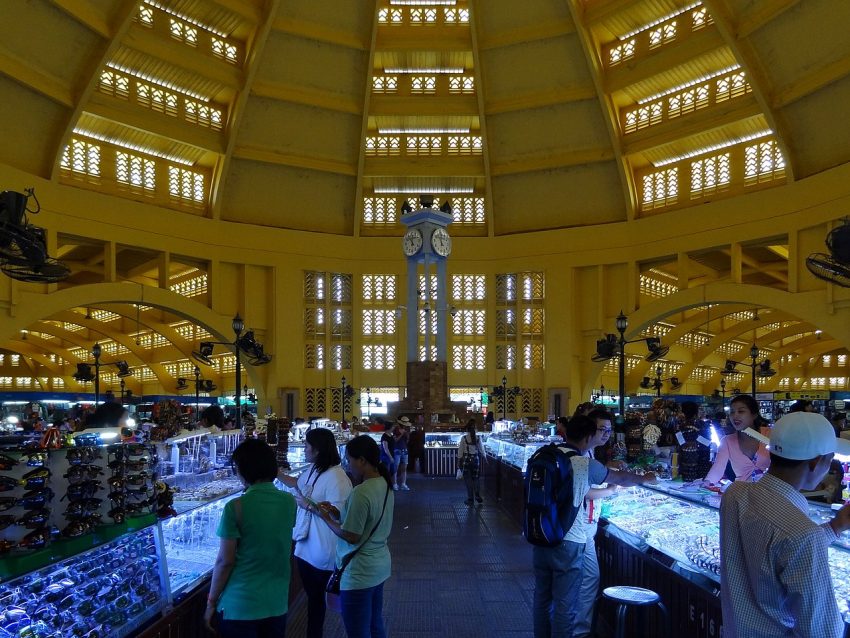
Location: Central Market, Central Market, Phsar Thmei, Street 51, Phnom Penh, Cambodia | Hours: Daily from 7 am to 6 pm | Price: Free | Distance: 1.7km
8. Sisowath Quay
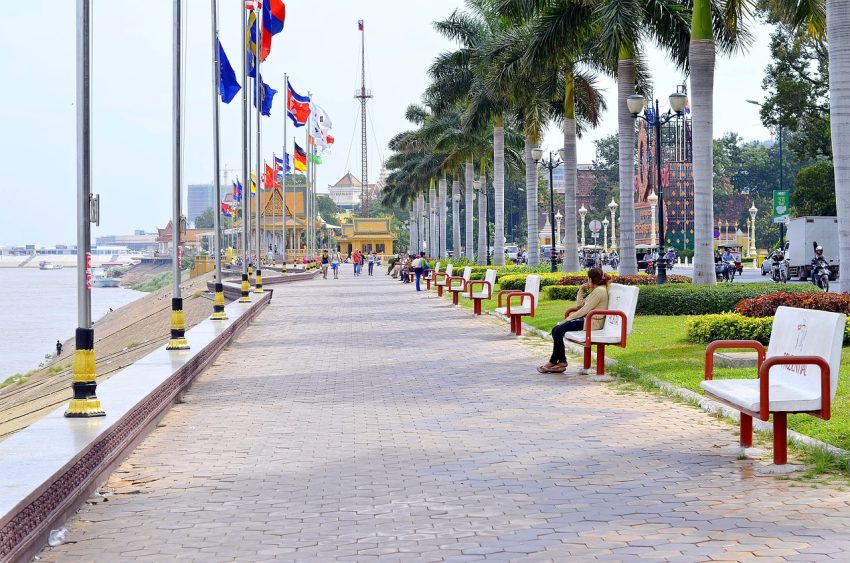
Location: Sisowath Quay, Phnom Penh, Cambodia | Hours: The promenade is accessible at all hours | Price: There is no fee to walk along Sisowath Quay | Distance: 1.8km
9. Phnom Penh Night Market
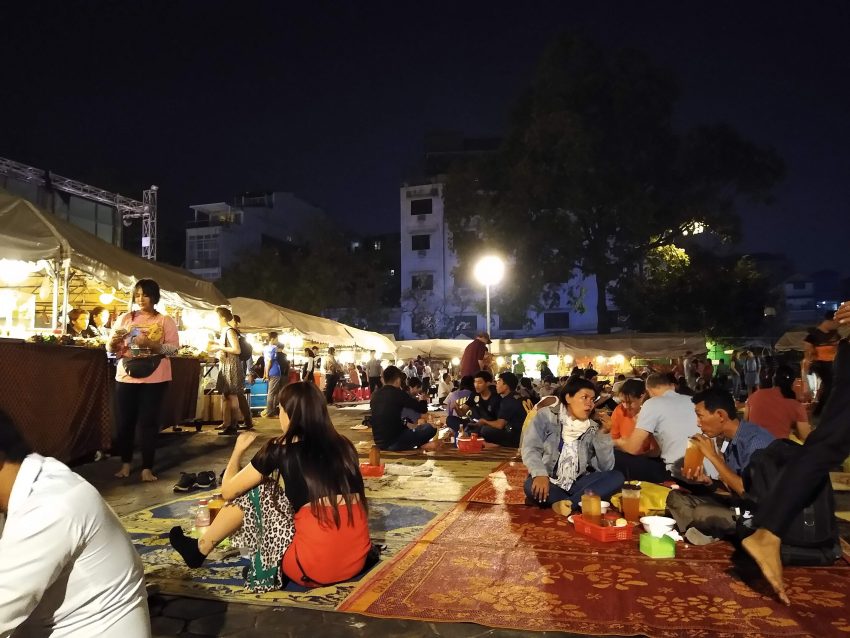
Location: Phnom Penh Night Market, Preah Sisowath Quay, Phnom Penh, Cambodia | Hours: Typically open every evening from late afternoon until late night | Price: There is no fee to enter the market itself; you only pay for what you eat and buy. | Distance: 2km
10. Russian Market (Phsar Toul Tum Poung)

Location: Russian Market Corner of St. 163 St 440 Phnom Penh 12310, Cambodia | Hours: Typically open daily from early morning until late afternoon or early evening, with some stalls opening or closing at different times. | Price: There is no entrance fee to visit the Russian Market; you only pay for your purchases and any food or drinks. | Distance: 2.3km
11. Wat Phnom
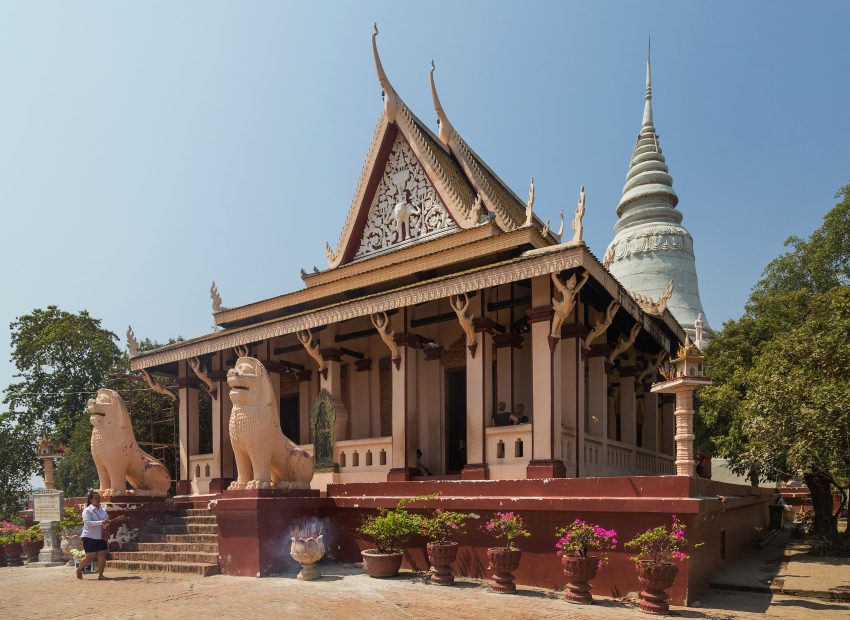
Location: Wat Phnom, ផ្លូវវត្តភ្នំ, Phnom Penh, Cambodia | Hours: Usually open daily during daylight hours | Price: Foreign visitors pay a small entrance fee | Distance: 2.3km
Best Day Trips from Phnom Penh
A day trip from Phnom Penh offers the perfect opportunity to escape the urban rhythm and discover the surrounding region's charm. Whether you're drawn to scenic countryside, historic villages, or cultural landmarks, the area around Phnom Penh provides a variety of easy-to-reach destinations ideal for a one-day itinerary.
1. Choeung Ek, Killing Fields
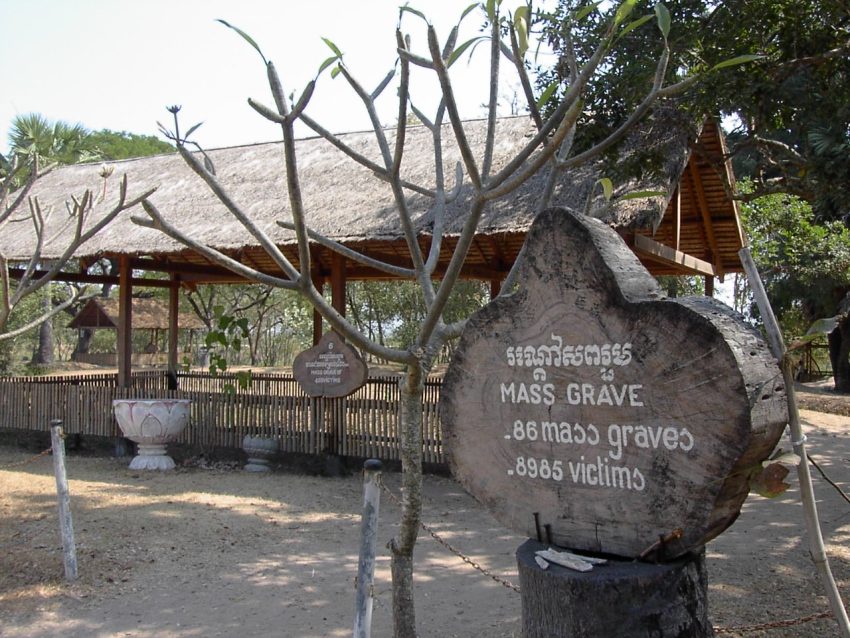
Location: Choeung Ek Killing Fields, Phnom Penh, Cambodia | Hours: Daily 7:30 to 17:30 | Price: Adults: $6.00 – including the audio guide | Distance: 8.5km
Visiting Choeung Ek, Killing Fields
2. Mekong Island

Location: Silk Island JWRQ+38H Phnom Penh Cambodia | Hours: Accessible year-round during daylight hours | Price: There is no entrance fee for the island itself. | Website | Distance: 9.4km
Visiting Mekong Island
3. Tonle Bati
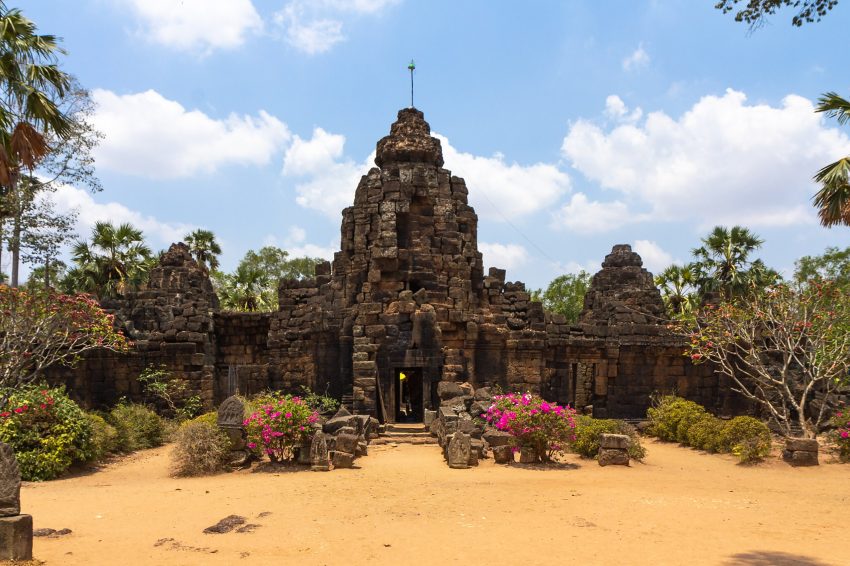
Location: Tonle Bati, Cambodia | Hours: The temple and lake area are generally accessible during daylight hours. | Price: Adults: $35 | Website | Distance: 26.2km
Visiting Tonle Bati
4. Oudong
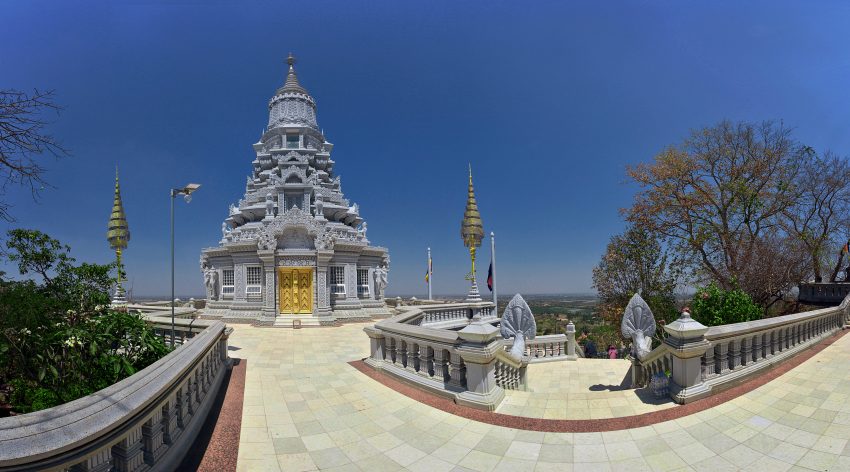
Location: Oudong, Cambodia | Hours: Accessible during daylight hours | Price: There is usually no formal ticket, but small donations for the pagodas and upkeep are appreciated. | Distance: 35.6km
Visiting Oudong
5. Kampong Cham
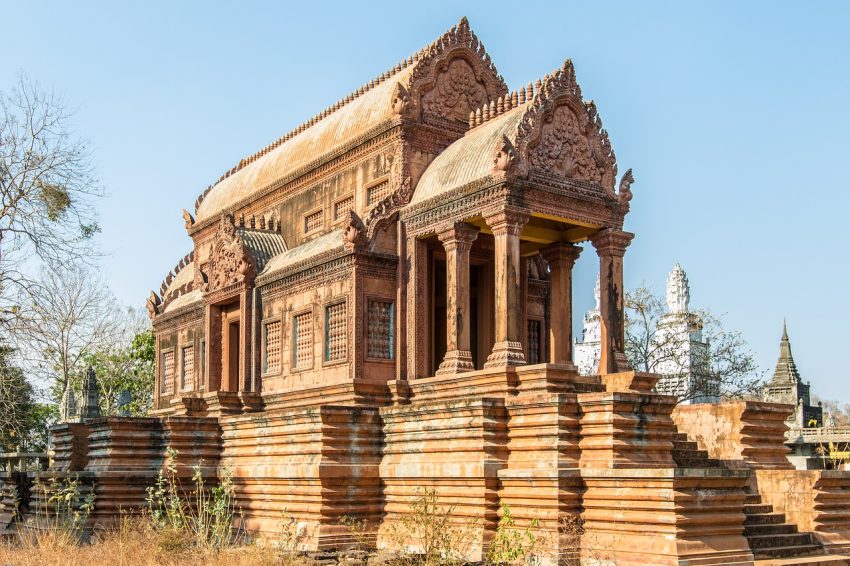
Visiting Kampong Cham
6. Kampot

Visiting Kampot
7. Kep
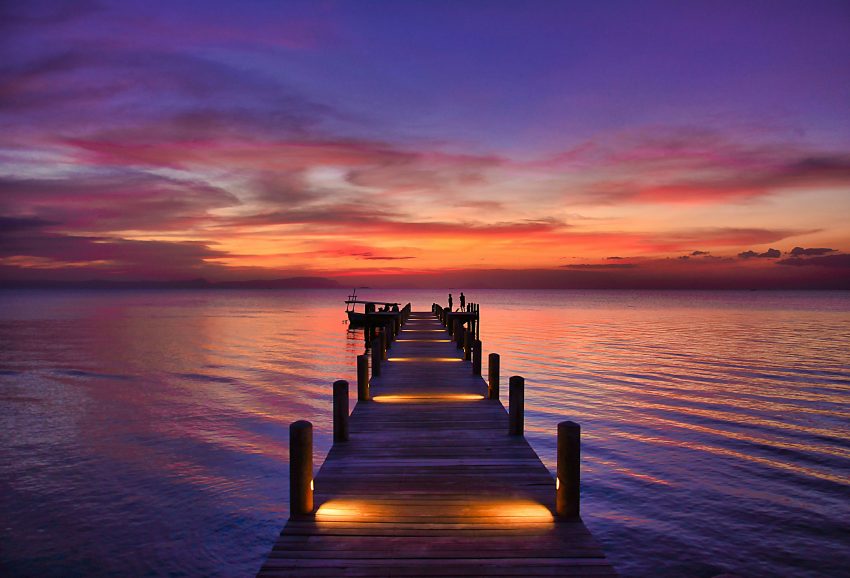
Visiting Kep
8. Sambor Prei Kuk

Location: Sambor Prei Kuk, Prasat Sambour District, Cambodia | Hours: 7.30 am to 5.30 pm | Price: USD 10 | Distance: 146.7km
Visiting Sambor Prei Kuk
Where to Stay in Phnom Penh
Staying along the Riverside (Sisowath Quay) offers a lively atmosphere with hotels, restaurants, and views of the Mekong River. For a quieter stay, BKK1 or Toul Tom Poung provide boutique hotels and a more residential setting.
A 2 to 3-day stay is enough for exploring the Royal Palace, Killing Fields, and bustling markets. A 4-day stay allows for a slower-paced experience with day trips to Silk Island or Oudong Mountain.
Using the our Hotel and Accomodation map, you can compare hotels and short-term rental accommodations in Phnom Penh. Simply insert your travel dates and group size, and you’ll see the best deals for your stay.
Phnom Penh Accommodation Map
Best Time to Visit Phnom Penh
Visiting Phnom Penh in the Dry Season (November to March)
The best time to visit Phnom Penh is during the dry season, particularly from November to March. These months feature cooler, less humid weather, making it ideal for exploring the city’s outdoor attractions, such as the Royal Palace, Wat Phnom, and the riverside promenade. With average daytime temperatures around 25–30°C (77–86°F), the comfortable climate allows visitors to enjoy city tours, cycling, and sunset cruises along the Mekong River. This period also aligns with Cambodia’s peak tourist season, meaning that while attractions are livelier, advanced bookings for accommodations and tours are recommended.
Experiencing Phnom Penh in the Hot Season (April to June)
From April to June, Phnom Penh experiences its hottest months, with temperatures often exceeding 35°C (95°F). While the heat can be intense, it’s a great time to enjoy indoor activities like visiting the National Museum or browsing Phnom Penh’s many markets, such as the Central Market or Russian Market. Mornings and late afternoons are more comfortable for outdoor excursions, and it’s a quieter period for tourists, offering fewer crowds and lower prices for accommodations and services.
Exploring Phnom Penh During the Rainy Season (July to October)
The rainy season, lasting from July to October, transforms Phnom Penh into a lush and vibrant city. While afternoon downpours are common, mornings are typically dry, offering a chance to explore without disruption. The rains bring cooler temperatures and stunning scenery, especially along the rivers and parks. This off-peak season means fewer crowds and more affordable travel options. Just pack waterproof gear, and you’ll find this an excellent time to experience a more tranquil Phnom Penh.
Annual Weather Overview
- January 29°C 93°F
- February 31°C 98°F
- March 34°C 101°F
- April 35°C 105°F
- May 31°C 98°F
- June 29°C 94°F
- July 29°C 94°F
- August 30°C 94°F
- September 31°C 92°F
- October 31°C 91°F
- November 31°C 91°F
- December 31°C 91°F
How to get to Phnom Penh
Phnom Penh, Cambodia’s bustling capital, is accessible by various modes of transportation, depending on your location and preferences. Whether you’re flying in, crossing borders by land, or exploring the Mekong by boat, the city is well-connected to international and domestic destinations. Here’s a breakdown of how to reach Phnom Penh.
Getting to Phnom Penh by Air
Phnom Penh International Airport (PNH) is the primary gateway for international visitors.
- Direct International Flights: The airport offers direct connections to major cities in Asia, including Bangkok, Singapore, Kuala Lumpur, and Ho Chi Minh City.
- Domestic Flights: There are also domestic routes connecting Phnom Penh to other Cambodian destinations like Siem Reap and Sihanoukville.
From the airport, taxis and ride-hailing apps like Grab provide convenient options for reaching the city center, located about 10 kilometers (6 miles) away.
Getting to Phnom Penh by Land
Phnom Penh is accessible by road from neighboring countries and within Cambodia itself:
- From Thailand: Overland travelers can cross the border at Poipet and take a bus or taxi to Phnom Penh.
- From Vietnam: Buses and private transfers are available from Ho Chi Minh City, with a border crossing at Bavet/Moc Bai.
- From Laos: The border at Stung Treng allows entry into Cambodia, followed by bus services to Phnom Penh.
Within Cambodia, well-developed bus routes connect Phnom Penh with major cities like Siem Reap, Battambang, and Kampot.
Getting to Phnom Penh by Water
For a unique travel experience, you can arrive in Phnom Penh by boat via the Mekong River. High-speed ferries operate between Phnom Penh and Chau Doc in Vietnam, offering scenic views of the river and surrounding countryside.
Traveling Around Phnom Penh
Once in Phnom Penh, navigating the city is easy. Tuk-tuks are the most popular way to get around, while taxis, ride-hailing apps, and motorbike rentals are also widely available. The compact nature of the city makes it convenient for visitors to explore its historical landmarks, markets, and vibrant neighborhoods.