Ohrid, North Macedonia: The Ultimate Travel Guide 2026
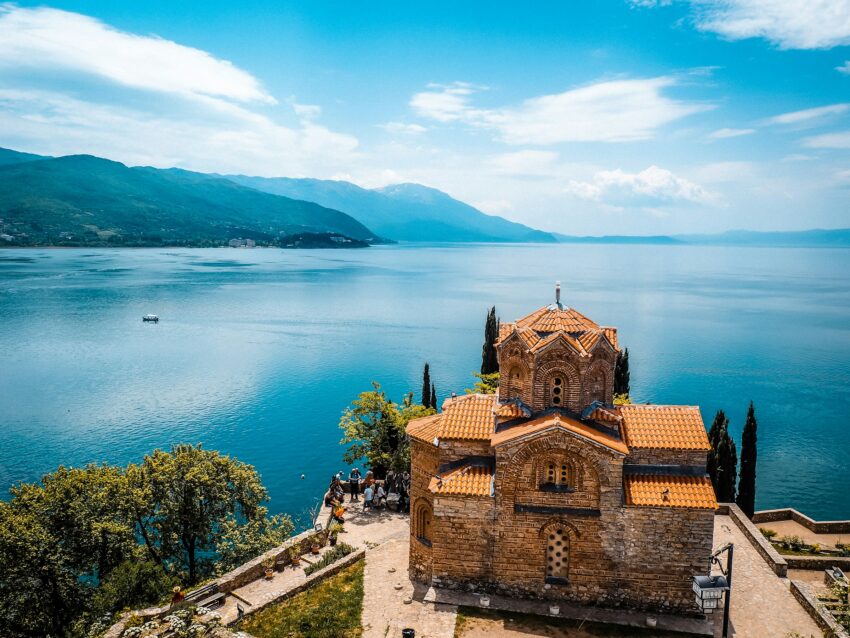
Ohrid sits on the northeastern shore of Lake Ohrid in southwestern North Macedonia, where steep cobbled lanes drop from a hilltop Old Town to a long lakeside promenade. The city feels both intimate and lively: fishermen's boats bob beside café terraces, while church domes and stone houses peek out from cypress trees above. You come for the lake's clear water, the layered skyline of bell towers and fort walls, and the easy rhythm of days split between swimming and sightseeing. It suits travelers who like places with a strong sense of place-photographers, couples, and anyone who enjoys wandering without a strict plan. Even in peak season, you can slip into quiet backstreets and viewpoints within minutes.
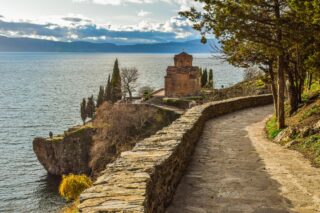
The urban character is a mix of resort-town energy along the waterfront and a museum-like calm in the upper Old Town, where traffic thins and the streets turn into stairways. Ohrid's main draws cluster close together: the lakeside boardwalk, small beaches, the ancient theater, and a chain of churches culminating at the iconic cliffside St. John at Kaneo. Food and nightlife are straightforward rather than flashy-grilled trout, shopska salad, local wine, and late-night strolls with families and students. If you like compact destinations, Ohrid works well because you can see a lot on foot and still have time for the water. It's also a good base for day trips around the lake and into nearby villages.
What makes Ohrid special is how naturally the lake and the town interlock: viewpoints always end in water, and boat rides feel like an extension of walking the streets. The atmosphere shifts by hour-quiet mornings with church bells and fishermen, bright afternoons on the beaches, and golden evenings when the promenade fills for gelato and sunsets. Travelers who enjoy culture without heavy logistics will appreciate how accessible the highlights are, while outdoorsy visitors can add kayaking, hikes, and spring excursions. Expect plenty of steps in the Old Town and bring shoes with grip for polished stones. If you're sensitive to crowds, aim for late spring or early autumn when the lake is still inviting but the streets breathe more easily.
Table of Contents
- History of Ohrid
- 20 Best places to See in Ohrid
- Haji Turgut
- Ali Pasha Mosque
- Holy Virgin Mary Kamensko
- Ohrid Main Square
- Zeynel Abedin-Pasha Mosque
- Old Bazaar Street
- Upper Gate
- Ancient Theatre of Ohrid
- St. Bogorodica Perivlepta Church
- Waterfront Park
- King Samoil Fortress
- St. Clement Monument
- Memorial House of Hristo Uzunov
- Robevi House. National Museum
- Lapidarium Museum
- Lower Gate
- Church of St. Sophia
- Plaošnik Archaeological Site
- St. Nicholas Church
- Church of St. John at Kaneo
- 10 Best Day Trips from Ohrid
- Where to Stay in Ohrid
- Best Time to Visit Ohrid
- How to get to Ohrid
History of Ohrid
Ancient Lychnidos and the Roman era
Long before it was known as Ohrid, the settlement was called Lychnidos, positioned on a strategic corridor linking the Adriatic coast with the Balkans’ interior. Its lakeside location supported trade, fishing, and movement of people, while the nearby hills offered defensible ground. Under Roman influence, the town grew in importance as routes and administration stabilized the region. Visitors today still sense this early urban footprint in the way the Old Town clings to the slope above the water.
Public life in antiquity left durable traces, including the idea of Ohrid as a place of gathering and performance. The ancient theater, later reshaped and reused across centuries, reflects how the city’s spaces were continually adapted rather than abandoned. This pattern—building, reusing, and rebuilding—became a defining feature of Ohrid’s physical character. The compact historic core you walk now is the product of many such layers.
Early medieval transformation and Christianization
As the region shifted through early medieval power changes, Ohrid became a key center for Slavic literacy and Christian culture. Religious institutions expanded, and the town’s hilltop and lakeside sites were gradually marked by churches and monastic complexes. This era set the template for Ohrid’s identity as a city of sanctuaries, manuscripts, and learning. The density of churches in and around the Old Town is a direct inheritance of these centuries.
Urban life reorganized around ecclesiastical landmarks, with neighborhoods and paths forming between sacred sites and the waterfront. The city’s relationship to the lake also deepened, as pilgrims, traders, and local communities moved along the shore and across the water. Many of the viewpoints that feel “made for postcards” today were originally chosen for visibility, symbolism, and access. Ohrid’s spiritual geography still shapes how visitors navigate the city.
Imperial frontiers: Byzantine and Bulgarian periods
Ohrid’s fortunes rose and fell as empires contested the region, and the city often functioned as a frontier hub with outsized cultural influence. Administrative and church authority concentrated here, reinforcing the town’s role beyond its size. Fortifications were strengthened and maintained, and the hilltop became a focal point for defense and governance. The presence of Samuel’s Fortress above the Old Town reflects this long emphasis on controlling the lake and surrounding routes.
These centuries also encouraged a distinctive local style in church building and decoration, with repeated cycles of repair after conflict or disaster. As rulers changed, institutions adapted, keeping Ohrid’s religious and civic life continuous even when politics were not. For visitors, the result is a cityscape where walls, gates, and church courtyards sit unusually close together. The tight clustering is not accidental—it is the imprint of living on a contested crossroads.
Ottoman Ohrid and the reshaping of the town
Under Ottoman rule, Ohrid remained a regional town with a mixed population and a working lakeside economy. The urban fabric shifted toward the residential architecture you notice today: whitewashed upper floors, wooden bay windows, and narrow lanes designed for shade and privacy. Craft and trade continued, and the waterfront stayed central to daily life. The Old Town’s domestic scale—houses pressed close, streets turning abruptly—owes much to this period.
Religious life persisted alongside new administrative realities, and many older sites were maintained, altered, or rebuilt as needed. The city’s identity became less about imperial grandeur and more about continuity—families, guilds, and local institutions keeping the town functioning. This is why Ohrid feels lived-in rather than monumental, even when you’re standing beside a major church. The atmosphere of a historic neighborhood, not an open-air museum, is a legacy of these centuries.
Modern era: Yugoslav period to independent North Macedonia
In the 20th century, Ohrid’s role expanded as roads improved and the lakeshore became a destination for domestic tourism. The promenade, beaches, and hospitality infrastructure grew, while the Old Town’s heritage value became more formally recognized and protected. This created a dual identity: a summer resort on the water and a historic city on the hill. Visitors experience that split in the easy transition from swim spots to stone stairways and church courtyards.
After North Macedonia’s independence, Ohrid continued to balance preservation with tourism pressures, especially in peak summer. Restoration projects and stricter attention to the historic core aimed to protect the character that draws travelers in the first place. At the same time, cafés, boat operators, and small hotels multiplied along the lake, making the city more visitor-friendly. What you see today—an active waterfront paired with a carefully guarded Old Town—is the outcome of this modern negotiation.

Moira & Andy
Hey! We're Moira & Andy. From hiking the Camino to trips around Europe in Bert our campervan — we've been traveling together since retirement in 2020!
Visiting Ohrid for the first time and wondering what are the top places to see in the city? In this complete guide, I share the best things to do in Ohrid on the first visit. To help you plan your trip, I have also included an interactive map and practical tips for visiting!
This website uses affiliate links which earn a small commission at no additional cost to you.
20 Best places to See in Ohrid
This complete guide to Ohrid not only tells you about the very best sights and tourist attractions for first-time visitors to the city but also provide insights into a few of our personal favorite things to do.
This is a practical guide to visiting the best places to see in Ohrid and is filled with tips and info that should answer all your questions!
1. Haji Turgut
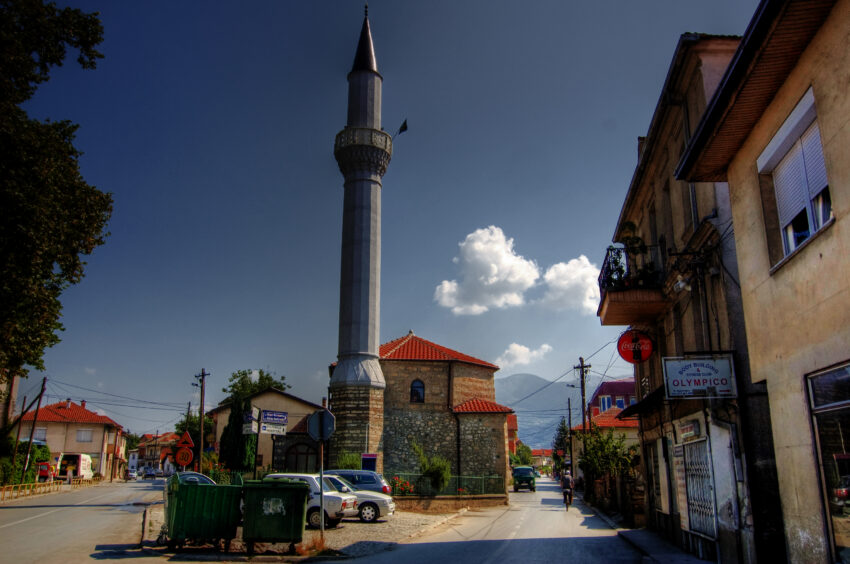
Location: 7-mi Noemvri 146-164, Ohrid 6000, 7-ми Ноември 146-164, Ohër 6000, North Macedonia | Price: Free. | Website | Distance: 0.6km

2. Ali Pasha Mosque
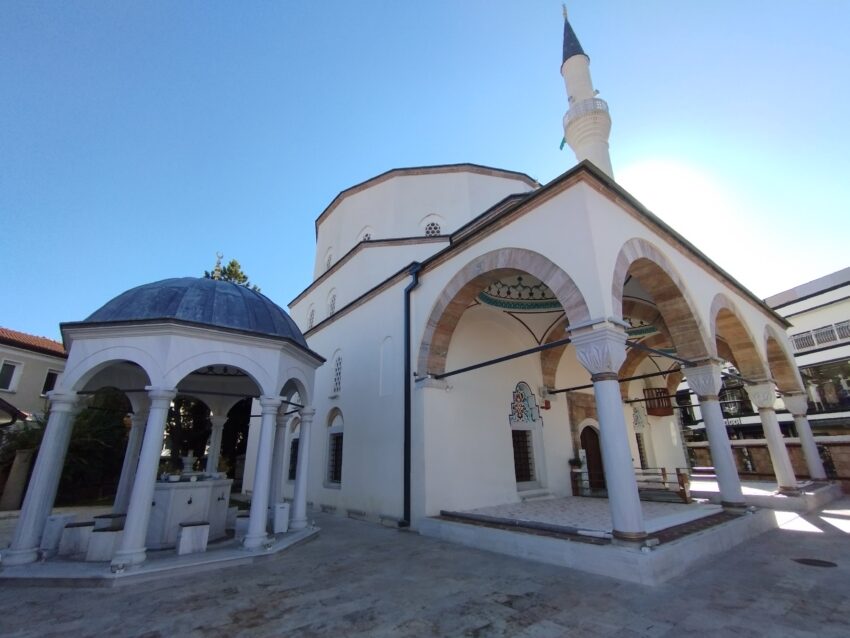
Location: 4R82+55X, St Clement of Ohrid, Ohrid 6000, North Macedonia | Hours: 24 Hours. | Price: Free. | Distance: 0.8km
3. Holy Virgin Mary Kamensko
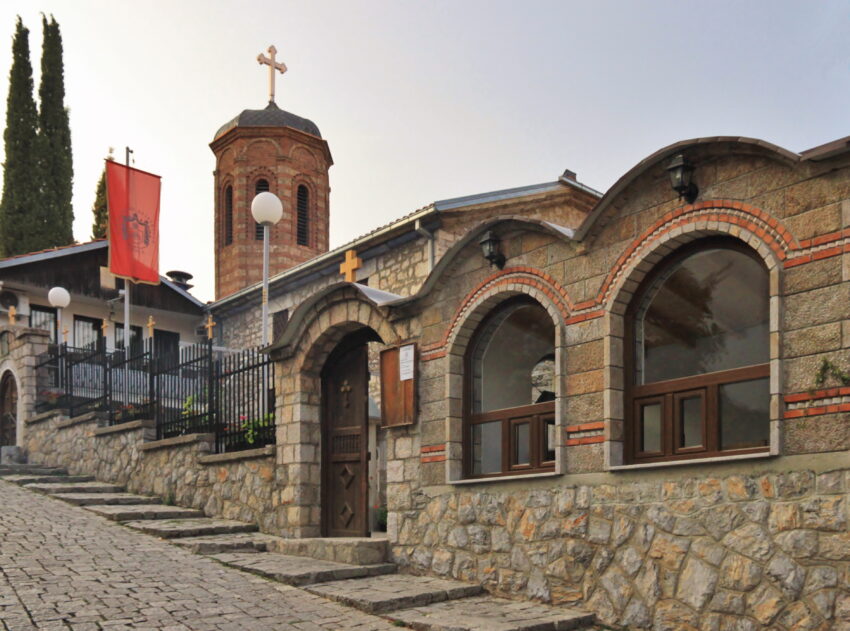
Location: Dimche Malenko, Ohrid 6000, North Macedonia | Hours: Check official website. | Price: Free; donations appreciated. | Distance: 0.8km
4. Ohrid Main Square
Location: St. Clement of Ohrid, St Clement of Ohrid, Ohrid 6000, North Macedonia | Hours: 24 Hours. | Price: Free. | Distance: 0.8km
5. Zeynel Abedin-Pasha Mosque
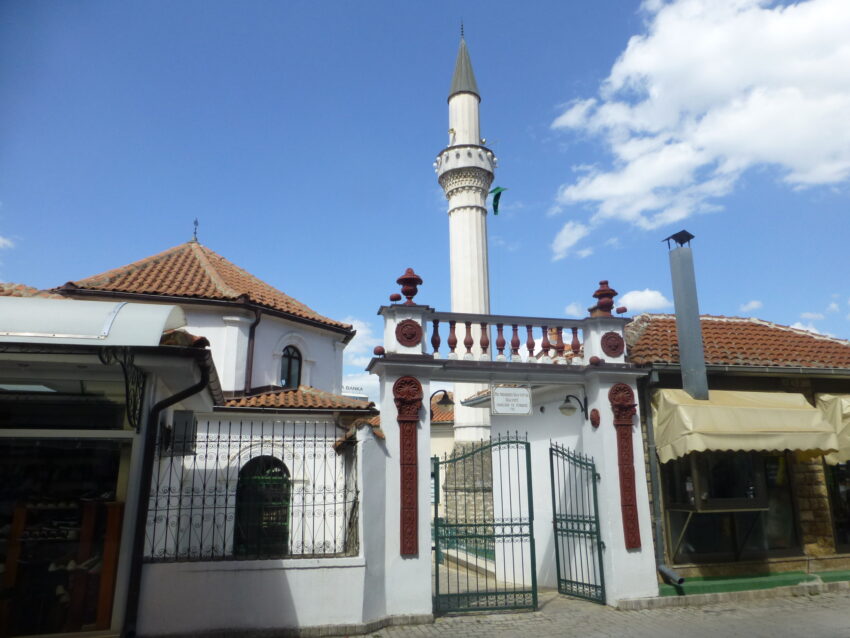
Location: 4R82+H2P, Ohrid, North Macedonia | Hours: 24 Hours. | Price: Free. | Distance: 0.8km
6. Old Bazaar Street
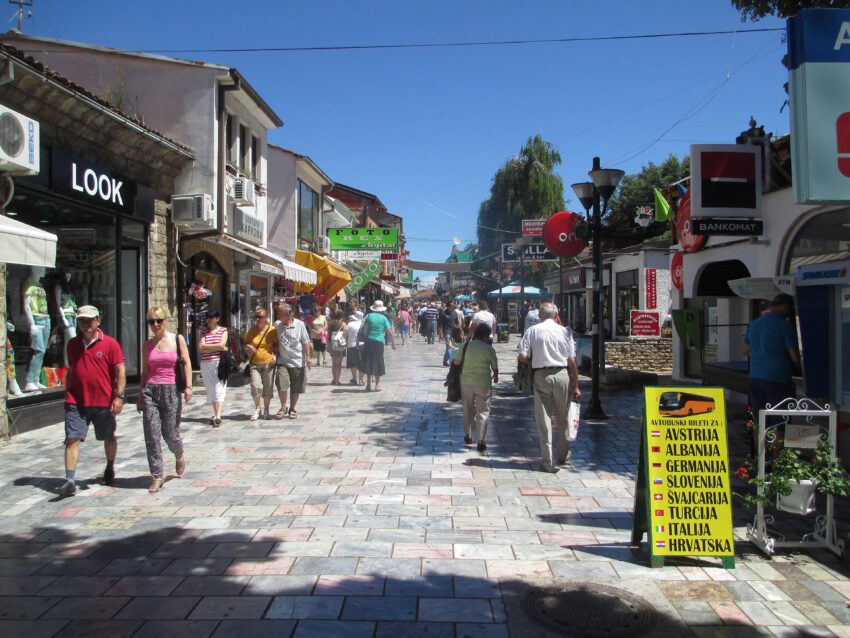
Location: 4Q7X+FV9, St Clement of Ohrid, Ohrid 6000, North Macedonia | Hours: 24 Hours. | Price: Free. | Distance: 0.9km
7. Upper Gate
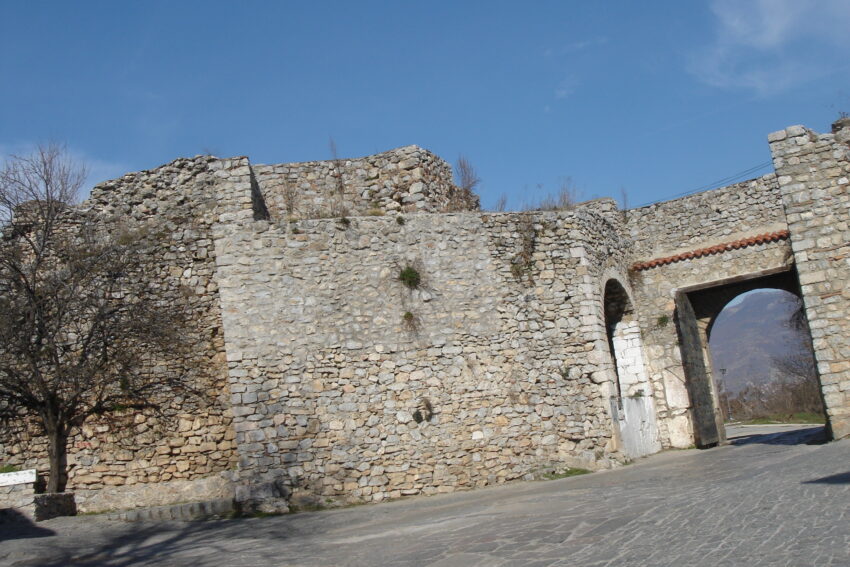
Location: Upper Gate, Ilindenska, Ohrid, North Macedonia | Hours: 24 Hours. | Price: Free. | Distance: 1km
8. Ancient Theatre of Ohrid

Location: Ilindenska, Ohrid 6000, North Macedonia | Hours: 24 Hours. | Price: Free. | Distance: 1.1km
9. St. Bogorodica Perivlepta Church
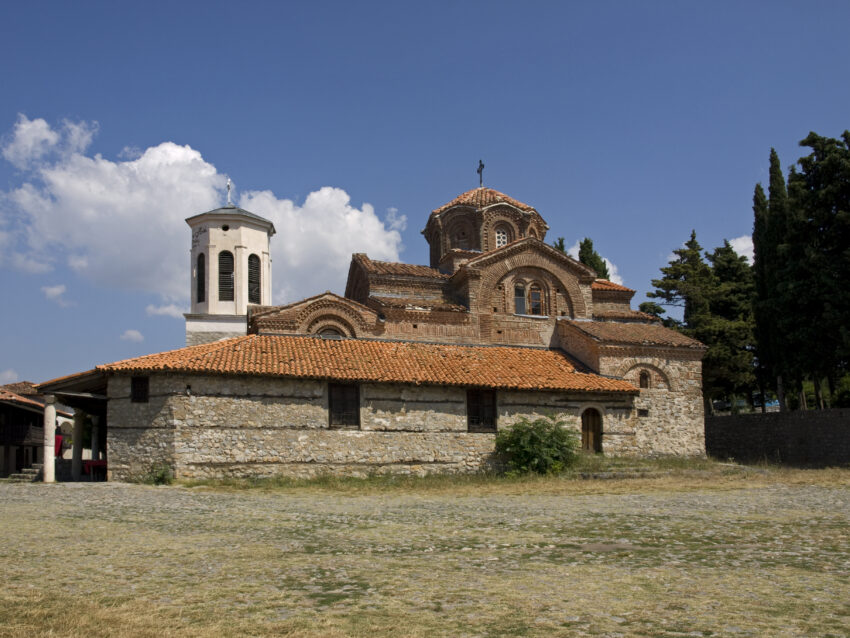
Location: 4Q7W+M5P, Clement's University, Ohrid 6000, North Macedonia | Hours: Check official website. | Price: Free; donations appreciated. | Distance: 1.1km
10. Waterfront Park
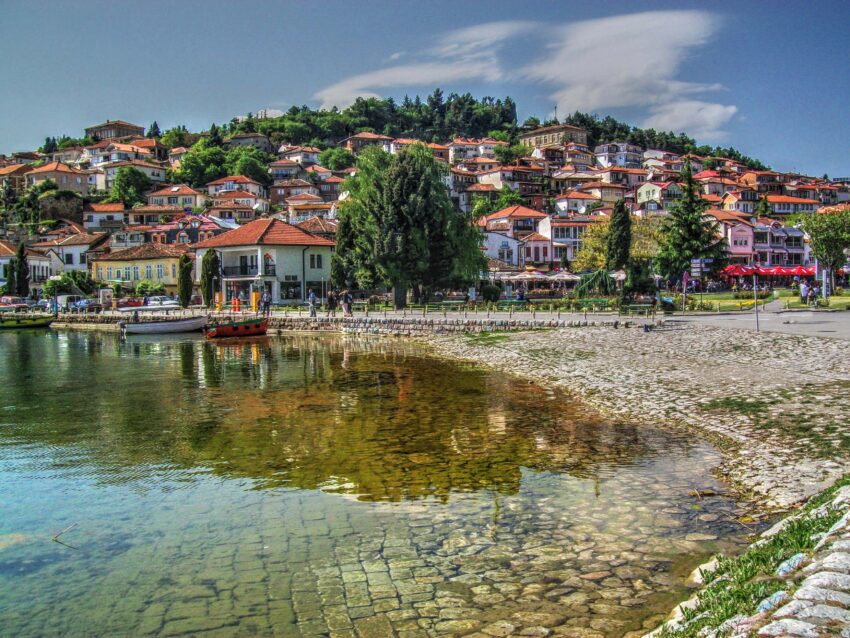
Location: 4Q7R+F5X, Ohrid 6000, North Macedonia | Hours: 24 Hours. | Price: Free. | Distance: 1.2km
11. King Samoil Fortress
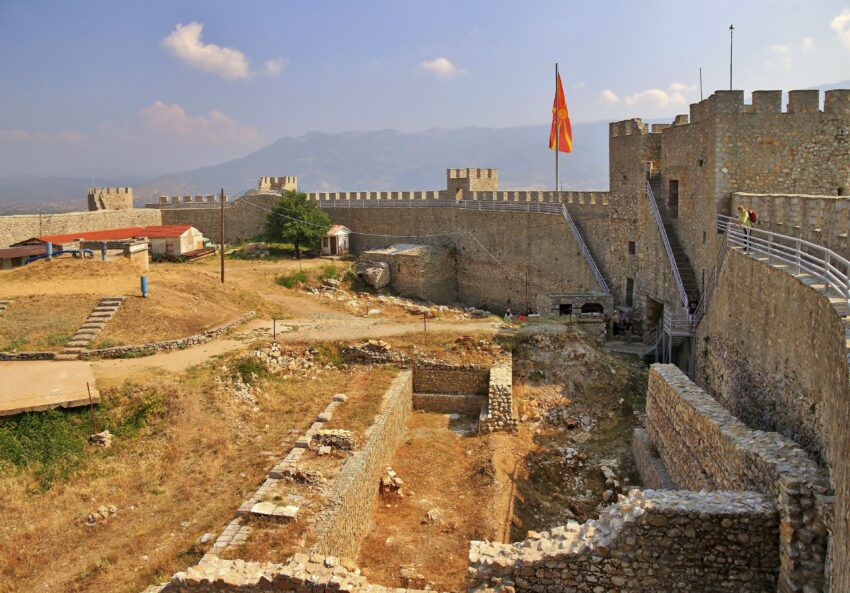
Location: 4Q7R+XCW, Kuzman Kapidan, Ohrid 6000, North Macedonia | Hours: 24 Hours. | Price: Free. | Distance: 1.2km
12. St. Clement Monument
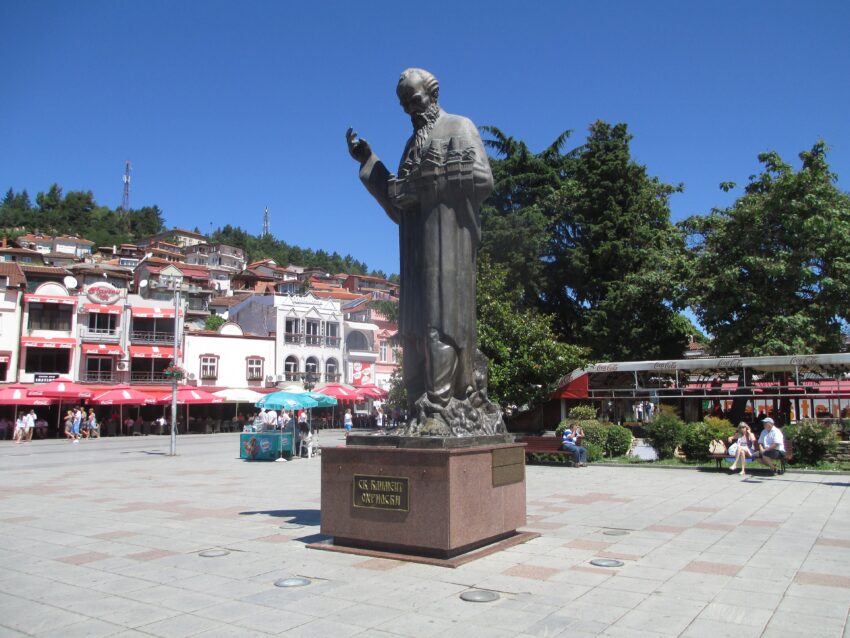
Location: 4Q7X+3RF, Ohrid, North Macedonia | Hours: 24 Hours. | Price: Free. | Distance: 1.2km
13. Memorial House of Hristo Uzunov
Location: Car Samoil 49, Ohër 6000, North Macedonia | Hours: Check official website. | Price: Free. | Distance: 1.3km
14. Robevi House. National Museum
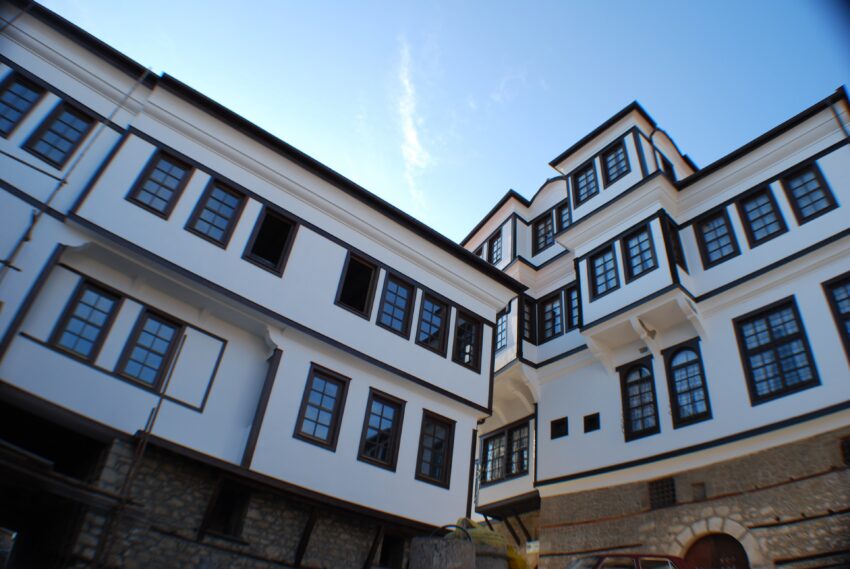
Location: 4Q6W+WFR, Ohrid, North Macedonia | Hours: Check official website. | Price: Free. | Distance: 1.3km
15. Lapidarium Museum
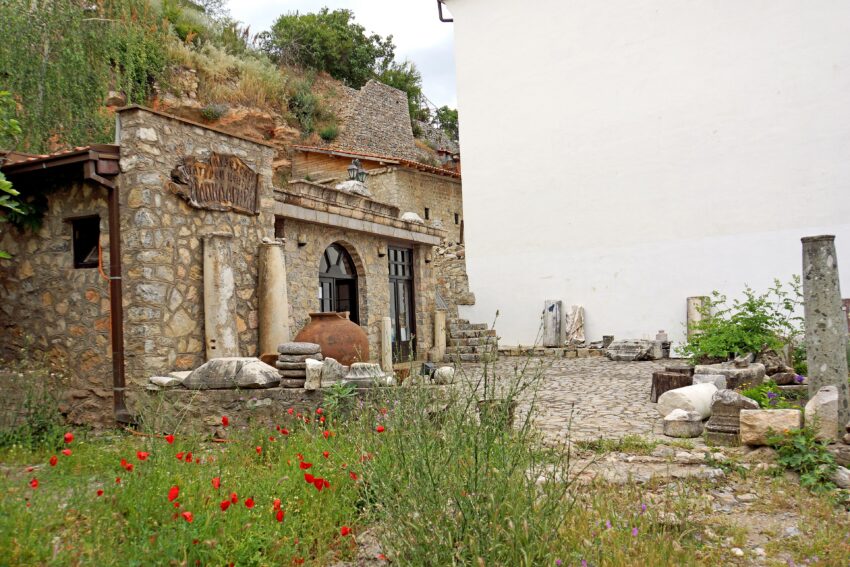
Location: Car Samoil 64, Ohër 6000, North Macedonia | Hours: Check official website. | Price: Free. | Distance: 1.3km
16. Lower Gate
Location: Lower Gate, Ohrid, North Macedonia | Hours: 24 Hours. | Price: Free. | Distance: 1.3km
17. Church of St. Sophia
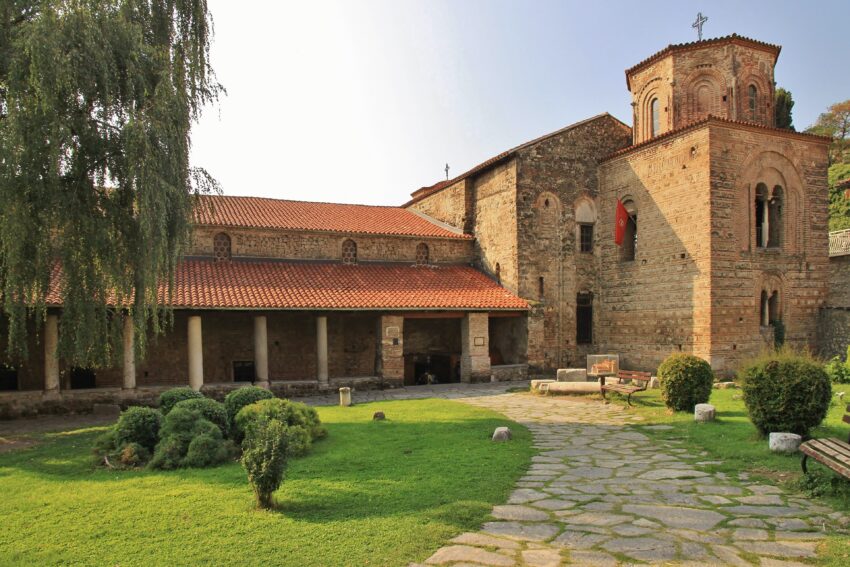
Location: Цар Самоил 88, Ohrid 6000, North Macedonia | Hours: 24 Hours. | Price: Free; donations appreciated. | Distance: 1.3km
18. Plaošnik Archaeological Site
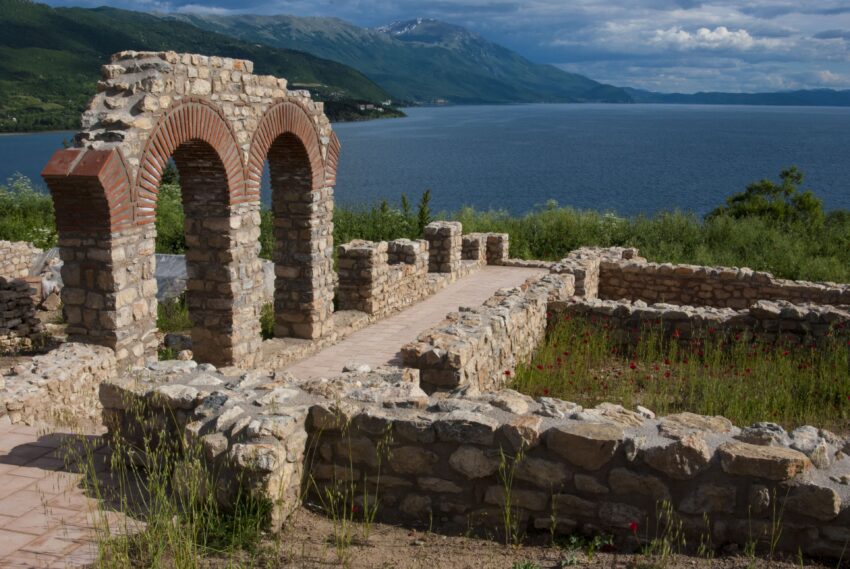
Location: 4Q7R+483, Kaneo Plaosnik Pateka, Ohrid 6000, North Macedonia | Hours: 24 Hours. | Price: Free. | Distance: 1.4km
19. St. Nicholas Church
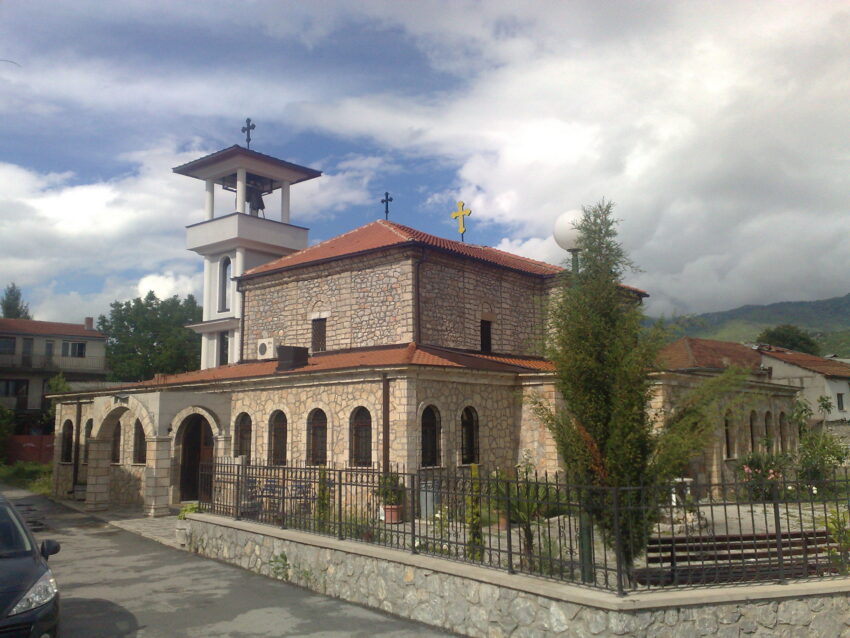
Location: 4Q7W+69G, Ohrid, North Macedonia | Hours: 24 Hours. | Price: Free; donations appreciated. | Distance: 1.5km
20. Church of St. John at Kaneo
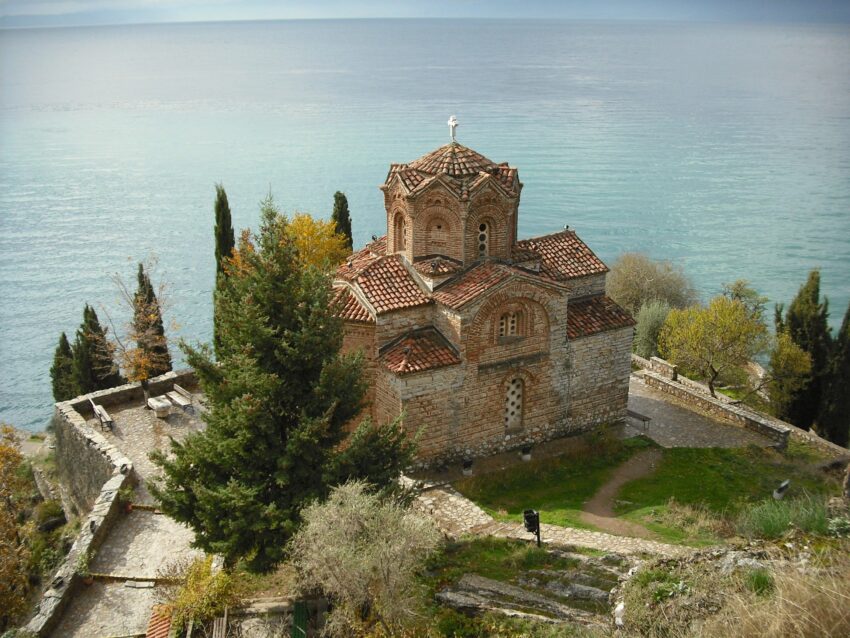
Location: 4Q6Q+CGJ, Kocho Racin, Ohrid 6000, North Macedonia | Hours: 24 Hours. | Price: Free; donations appreciated. | Distance: 1.7km
Best Day Trips from Ohrid
A day trip from Ohrid offers the perfect opportunity to escape the urban rhythm and discover the surrounding region's charm. Whether you're drawn to scenic countryside, historic villages, or cultural landmarks, the area around Ohrid provides a variety of easy-to-reach destinations ideal for a one-day itinerary.
1. Pogradec
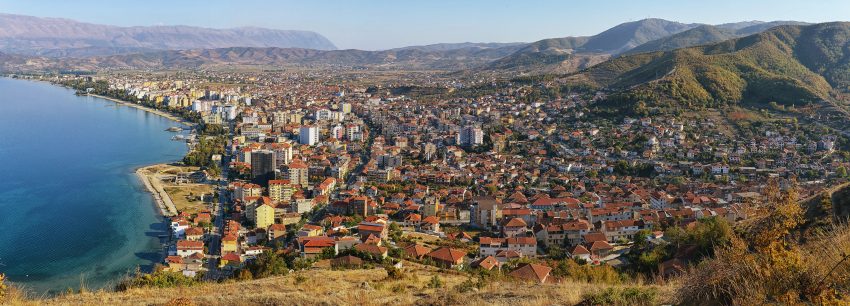
Visiting Pogradec
2. Librazhd

Visiting Librazhd
3. Korçë
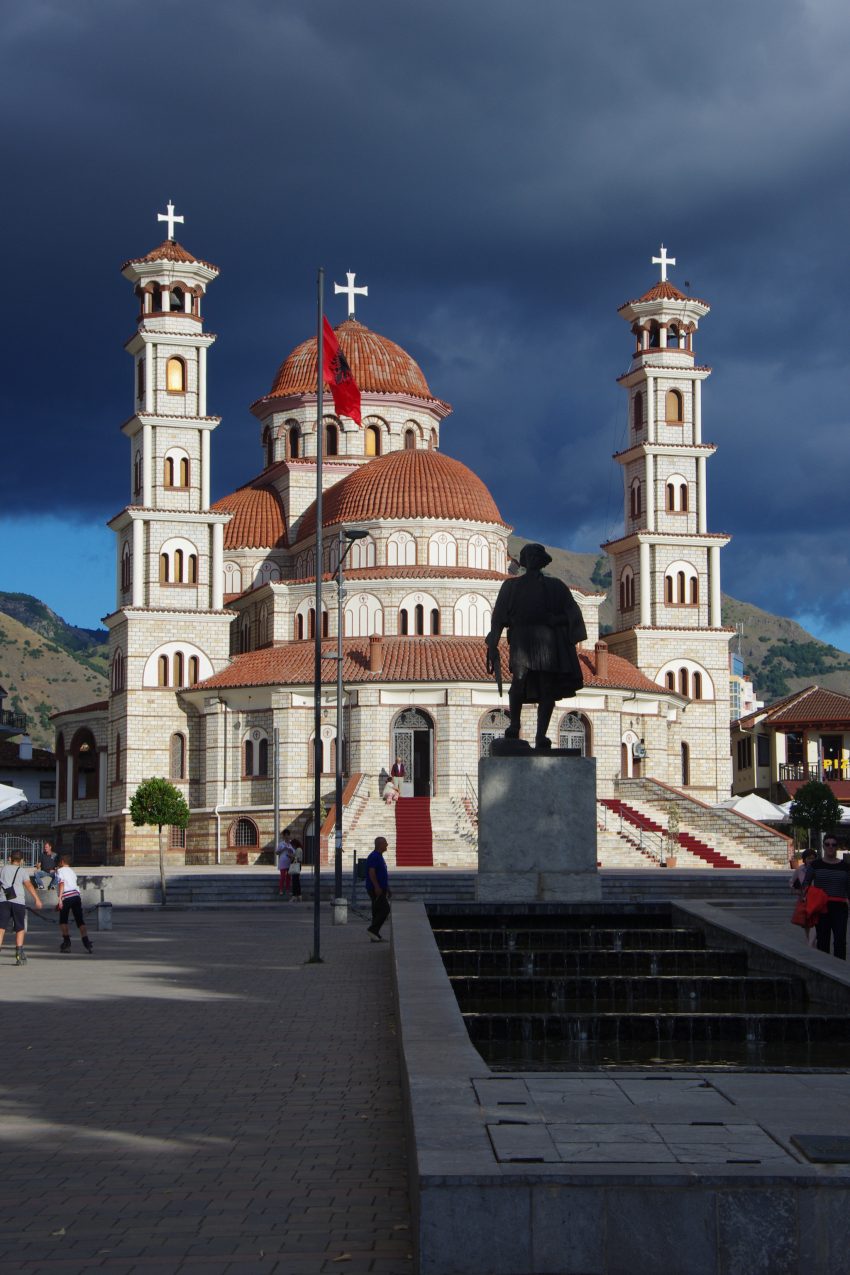
Visiting Korçë
4. Gramsh
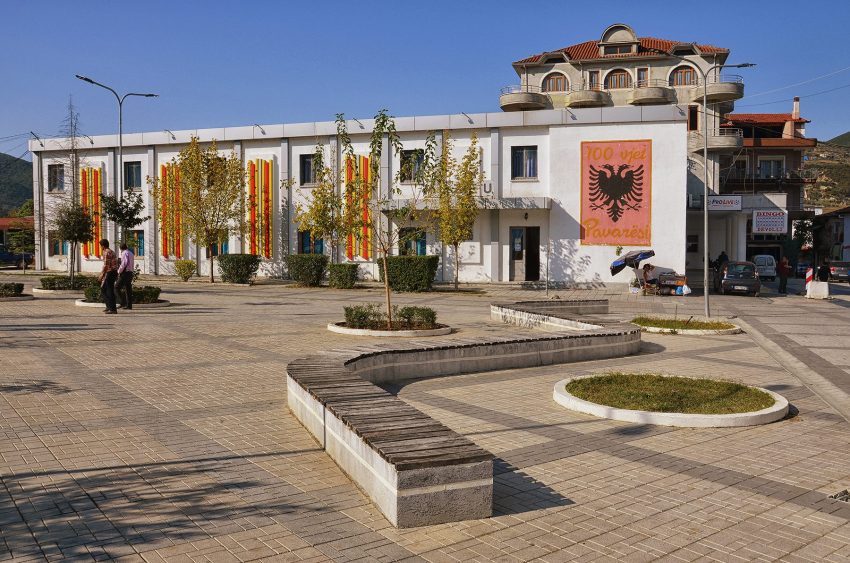
Visiting Gramsh
5. Elbasan

Visiting Elbasan
6. Peshkopi

Visiting Peshkopi
7. Çorovodë
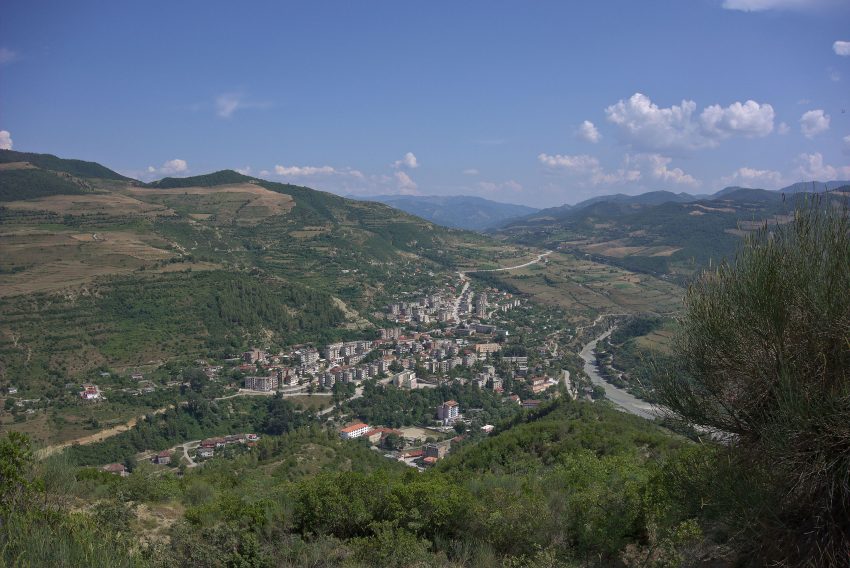
Visiting Çorovodë
8. Burrel

Visiting Burrel
9. Tirana

Visiting Tirana
10. Berat
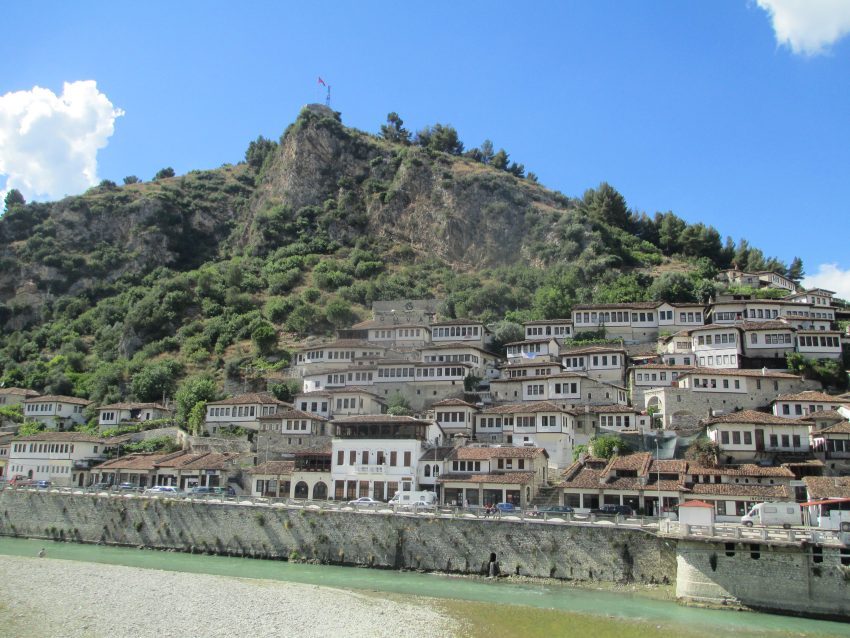
Visiting Berat
Where to Stay in Ohrid
For first-time visitors who want to walk everywhere, stay near the lakeside promenade and the lower town: you’ll be close to restaurants, boat operators, and evening strolls, with easy access to taxis. This area suits travelers who like convenience and a lively atmosphere, though it can be noisy in July and August. A comfortable, central option to look at is Hotel Tino, which places you right by the water for early-morning walks.
If you’re coming for character and views, choose the Old Town on the hill. You’ll trade car access and flat streets for stone lanes, balconies, and sunsets that feel cinematic, plus quick walks to Kaneo and the fortress. It’s best for couples, photographers, and anyone happy to climb steps, but pack light because some stays require carrying bags up cobbles. A well-known base in this zone is Villa Varosh.
For a quieter, more resort-like stay with swimming close by, look toward the Gorica lakeside stretch and the greener edges of town. This suits families and travelers who want space, easier parking, and a calmer night’s sleep while still being a short taxi ride from the Old Town. You’ll also be better positioned for morning runs or bike rides along the lake. Consider Park Lakeside Hotel for a modern, relaxed base near the water.
Budget travelers and longer-stay visitors often do best in guesthouses and apartments just behind the main promenade, where prices drop a bit but you’re still within a 10–15 minute walk of the lake. These neighborhoods are practical for self-catering, with small shops and bakeries nearby, and they keep you out of the loudest waterfront strip. If you want a simple, good-value hotel feel, Villa Chingo can be a quieter alternative slightly above town, especially if you have a car or don’t mind taxis.
Using the our Hotel and Accomodation map, you can compare hotels and short-term rental accommodations in Ohrid. Simply insert your travel dates and group size, and you’ll see the best deals for your stay.
Ohrid Accommodation Map
How to get to Ohrid
Getting to Ohrid by air
Nearest airports: Ohrid St. Paul the Apostle Airport (OHD) is the closest, with seasonal and limited year-round connections; Skopje International Airport (SKP) offers more routes and is a common alternative. From OHD, Ohrid is a short drive and taxis are readily available, while SKP requires a longer road transfer across the country. In summer, flight schedules can change week to week, so confirm arrival times before booking accommodation check-in. If you land in Skopje, consider a pre-booked transfer if arriving late, as bus options may be less convenient at night.
Getting to Ohrid by train
Ohrid does not have a practical passenger rail connection, and trains are not the usual way to reach the city. If you want to include rail travel in North Macedonia, you can use MŽ Transport for routes such as Skopje–Bitola, then continue by bus or car toward Ohrid. This adds time and transfers, so it works best for travelers who enjoy slow travel rather than those on a tight schedule. For most visitors, direct buses from Skopje, Bitola, or nearby towns are simpler than stitching together train segments.
Getting to Ohrid by Car
Driving to Ohrid is straightforward on the main roads from Skopje and Bitola, with scenic stretches as you approach the lake. Parking is the main challenge: the Old Town has narrow lanes and restrictions, so aim for signed public lots near the lower town and walk up. In peak summer, arrive earlier in the day to avoid circling for a space, and keep small cash handy for attendants. If you plan to explore villages and viewpoints around the lake, a car is a big advantage for flexibility.
Travelling around Ohrid
The waterfront and lower town are easy on foot, while the Old Town involves steep steps and uneven cobbles, so comfortable shoes matter. Taxis are inexpensive for short hops, useful for returning uphill after sunset or reaching beaches outside the center. Boat taxis and short cruises are a practical way to move between lakeside points when services are running, especially in summer. For day trips to places like Sveti Naum or nearby villages, you can use buses, organized tours, or a rental car depending on your schedule.