Noto, Italy: The Ultimate Travel Guide 2026
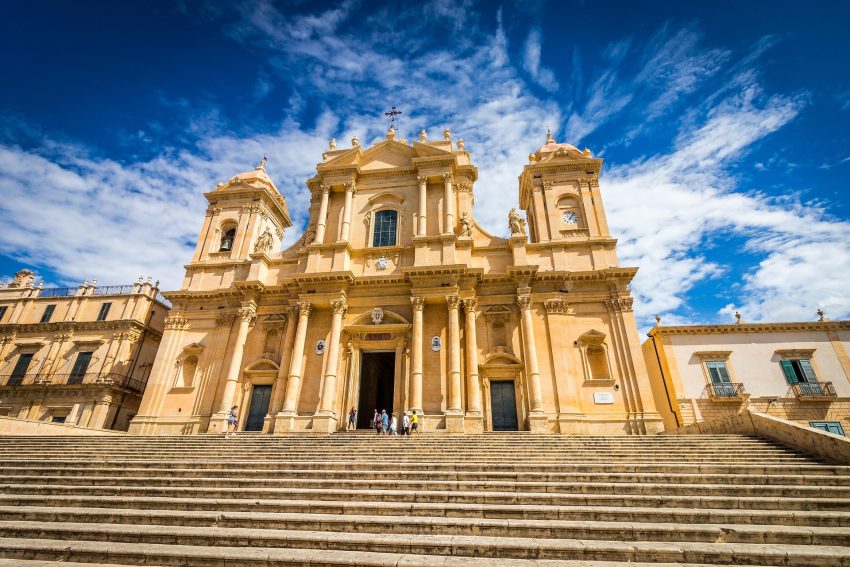
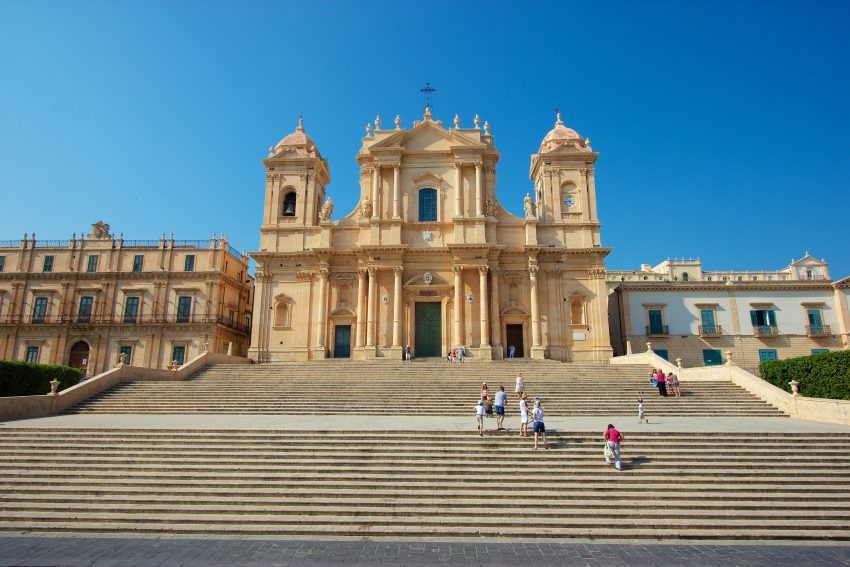
The Cathedral of San Nicolò in Noto, Sicily, a masterpiece of Baroque architecture
The Complete Guide to Noto

Noto is the definitive crown jewel of the Val di Noto. Rebuilt entirely in the wake of the devastating 1693 earthquake, this UNESCO World Heritage site is a rare example of a city designed with a singular, harmonious vision. Known as the “Stone Garden,” the city is famous for its glowing, honey-colored limestone that seems to radiate warmth long after the Sicilian sun has set. Whether you are a photography enthusiast chasing the golden hour or a history buff exploring the height of 18th-century architecture, Noto offers a masterclass in urban beauty.

Walking through the Porta Reale and onto the Corso Vittorio Emanuele feels less like entering a modern town and more like stepping onto a meticulously preserved film set. The city's layout is defined by its grand Baroque churches, aristocratic palazzos, and sweeping staircases that lead to panoramic viewpoints. Unlike the crowded coastal hubs of Taormina or Cefalù, Noto retains a refined, aristocratic atmosphere where the primary activities are slow strolls, admiring the ornate balconies of Palazzo Nicolaci, and marveling at the sheer scale of the Noto Cathedral.

Despite its museum-like appearance, Noto is a living city with a deep-rooted culinary soul. It serves as an ideal base for exploring South-Eastern Sicily, offering easy access to the pristine beaches of Vendicari and the neighboring Baroque towns of Modica and Ragusa. In this complete guide, we’ll help you navigate the “Golden Heart of Sicily,” from identifying the best time for that perfect cathedral photo to finding the most authentic granita in town.

History of Noto

Noto in Antiquity and Early Settlements

The earliest communities connected to Noto developed in the wider Hyblaean landscape, where indigenous Sicel populations and later Greek influence shaped local life. Over time, settlement patterns shifted between defensible high ground and more accessible routes, reflecting changing political pressures and trade networks.

Noto Under Greek and Roman Influence

As Mediterranean powers expanded, Noto’s surrounding territory was drawn into broader economic and administrative systems. Agricultural production and regional exchange became increasingly important, while governance and infrastructure evolved under successive rulers.

Noto in the Medieval Period

During the medieval centuries, Noto experienced the typical transitions of southern Italy: shifting feudal control, fortified life, and the growth of ecclesiastical institutions. The town’s strategic value and local autonomy rose and fell with the fortunes of larger kingdoms and noble families.

Noto and the 1693 Earthquake

A defining turning point came with the catastrophic earthquake of 1693, which devastated many towns in the region. The destruction prompted a decision to rebuild Noto on a new site, enabling a planned urban layout rather than a purely organic medieval street pattern.

Noto’s Baroque Rebuilding and 18th-Century Flourish

Reconstruction unfolded over decades, producing the cohesive Baroque cityscape that defines Noto today. Architects and craftsmen developed a distinctive local style, using warm limestone and dramatic façades, while churches, civic buildings, and aristocratic residences expressed renewed confidence and patronage.

Noto from the 19th Century to the Present

Modernization brought social and economic changes, including new transport links and evolving industries. In recent decades, conservation efforts and cultural tourism have helped restore key monuments and revive public spaces, reinforcing Noto’s reputation as a landmark of late Baroque urban design.

Moira & Andy
Moira & Andy

Hey! We're Moira & Andy. From hiking the Camino to trips around Europe in Bert our campervan — we've been traveling together since retirement in 2020!

Read our full story here

Visiting Noto for the first time and wondering what are the top places to see in the city? In this complete guide, I share the best things to do in Noto on the first visit. To help you plan your trip, I have also included an interactive map and practical tips for visiting!

This website uses affiliate links which earn a small commission at no additional cost to you.
Powered by GetYourGuide

17 Best places to See in Noto

This complete guide to Noto not only tells you about the very best sights and tourist attractions for first-time visitors to the city but also provide insights into a few of our personal favorite things to do.

This is a practical guide to visiting the best places to see in Noto and is filled with tips and info that should answer all your questions!

1. Teatro comunale Tina Di Lorenzo
Teatro comunale Tina Di Lorenzo
CC BY-SA 3.0 / Lantus
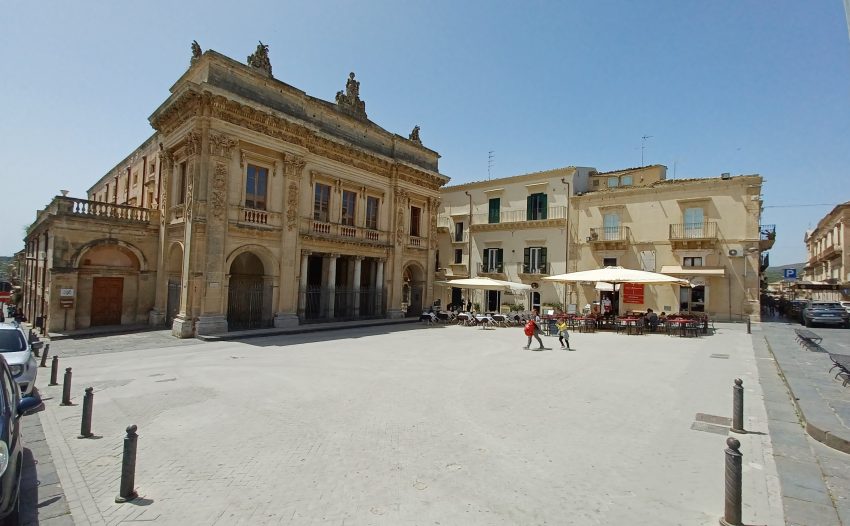
Teatro comunale Tina Di Lorenzo is Noto’s 1870 municipal theatre, a small-scale playhouse that shows how the rebuilt city invested in culture after the 1693 earthquake. Its two-storey façade is framed by Corinthian pilasters and a tetrastyle portico, with carved instruments—harps, violins, and trumpets—mixed with floral ornament. Inside, the horseshoe auditorium feels like a jewel box: four tiers of boxes wrap close to the stage, picked out with white-and-gold gilding and medallions featuring lyres, hippogriffs, and festoons. In the vestibule, look for Giuliano Palazzolo’s allegorical sandstone statue of Music. Visitors often remark on the intimate, time-capsule atmosphere.
Location: Piazza XVI Maggio, 7, 96017 Noto SR, Italy | Hours: Tuesday – Friday: 09:30–12:00. Tuesday & Thursday: 15:30–17:00. On show days: 09:30–12:00 & 15:30–showtime. | Price: Prices vary by show. | Website | Distance: 0.3km


We recommend to rent a car in Italy through Discover Cars, they compare prices and review multiple car rental agencies. Book your rental car here.

2. Church of San Domenico

Church of San Domenico
CC BY-SA 4.0 / Ottantafame
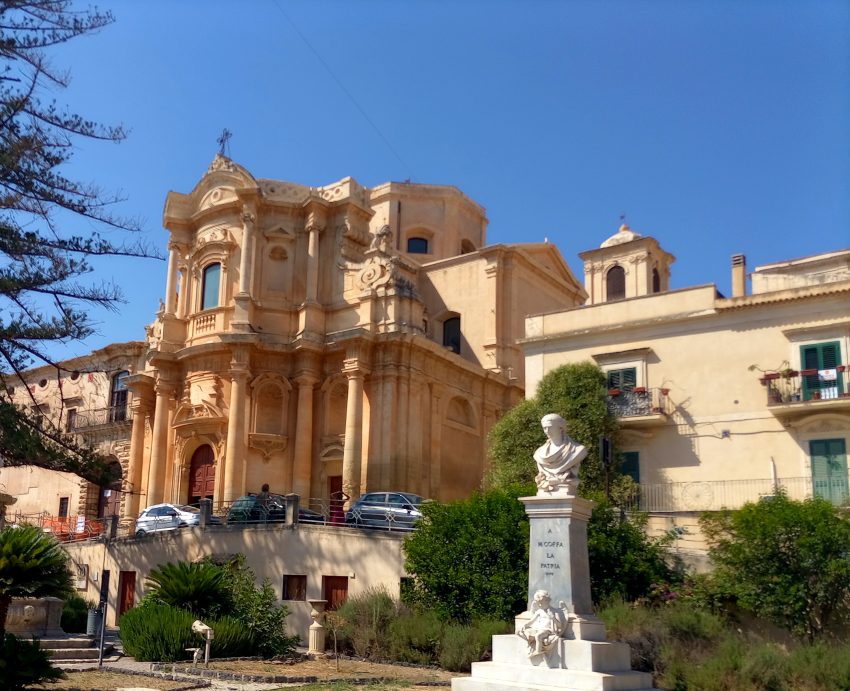
The Church of San Domenico is an 18th-century Baroque church in Noto, designed by Rosario Gagliardi and tied to the adjoining Convento di San Domenico within the UNESCO-listed Val di Noto. From Piazza XVI Maggio, visitors first notice the façade’s bold convex swell toward the street, framed by twin bell towers and a theatrical sense of movement. Inside, the Greek-cross plan opens into three naves under five decorated domes, with intricate stucco inspired by devotion to the Madonna of the Rosary. The main altar centers on a Madonna del Rosario statue by Vito d’Anna, alongside Passion scenes in marble and other 18th-century paintings. Some travelers also seek out the crypt for its unusual Dominican burial traditions.
Location: Piazza XVI Maggio, 96017 Noto SR, Italy | Hours: Check official website. | Price: Free; donations appreciated. | Website | Distance: 0.3km

Here is a complete selection of hotel options in Noto. Feel free to review each one and choose the stay that best suits your needs.

3. Via Corrado Nicolaci

Via Corrado Nicolaci
CC BY-SA 4.0 / Pasquale Relvini
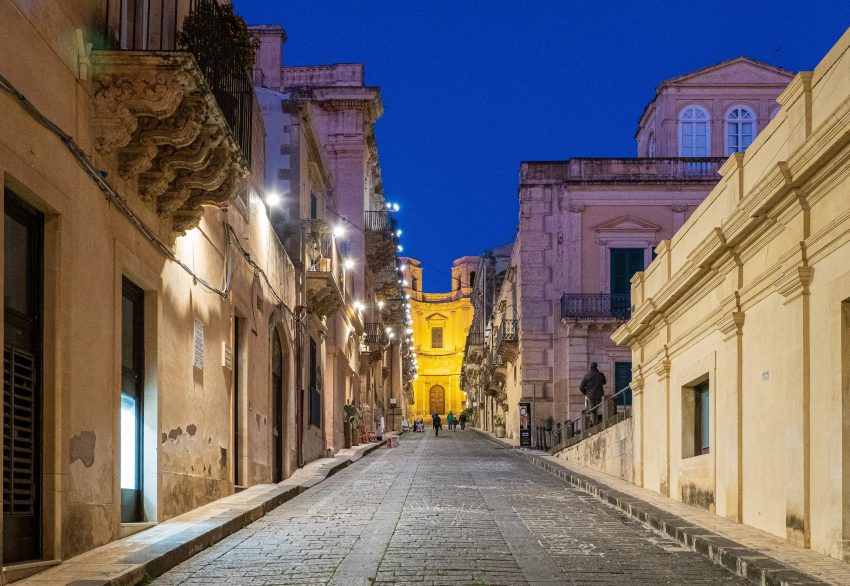
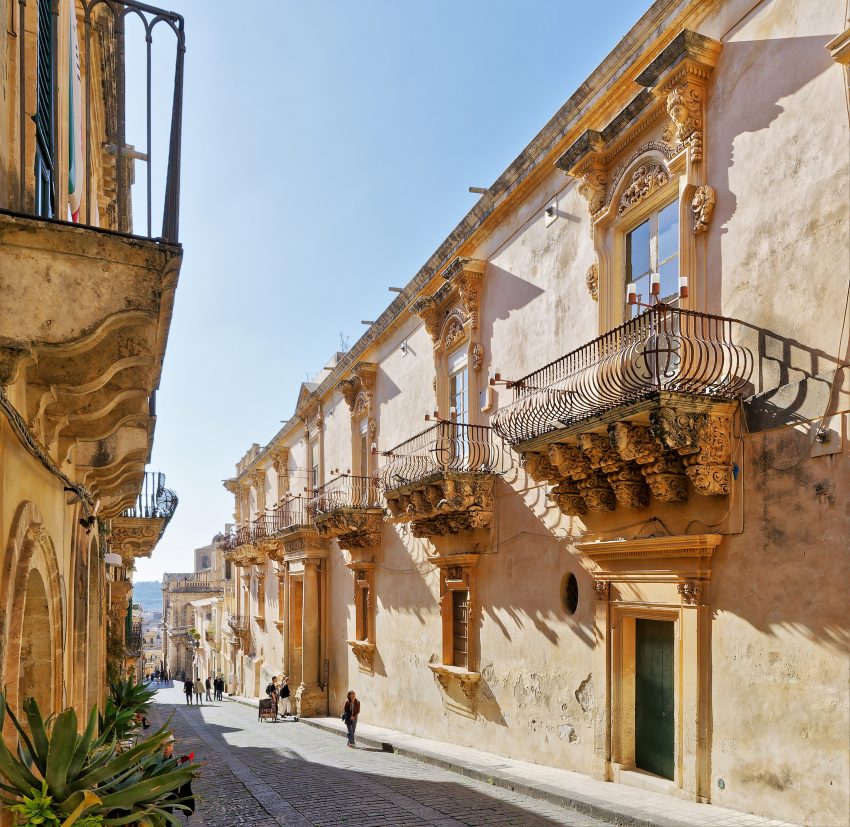
Via Corrado Nicolaci is a short, steep street in Noto’s historic center where aristocratic palazzos crowd close together and the architecture does the talking. What visitors remember most are the balcony fronts: deep-carved stone brackets, masks, and sculpted figures that seem to hold the railings aloft as you climb. Palazzo Nicolaci anchors the scene, and at the upper end the Church of Montevergine gives the lane a quiet finish before the view drops back down the slope. In summer, the street becomes the route of Noto’s flower festival (Infiorata), when a themed “carpet” of petal mosaics covers the roadway and turns the Baroque backdrop into a living stage.
Location: Via Corrado Nicolaci, 96017 Noto SR, Italy | Hours: 24 Hours. | Price: Free. | Distance: 0.4km

Traveling to a country with a different currency? Avoid ATM transaction fees and pay in local currency with a Wise Card. Having used it for over 5 years, we've saved loads on fees!

4. Church of San Carlo al Corso

Church of San Carlo al Corso
CC BY-SA 3.0 / sailko
The Church of San Carlo al Corso is a compact Sicilian Baroque church on Noto’s main Corso, built after the 1693 earthquake and linked to the Jesuit college beside it. Its concave, three-tier façade stacks Doric, Ionic, and Corinthian columns and finishes with a floral oculus that’s easy to miss until you stop and look up. Inside, the long nave is topped by a barrel vault, with 18th-century altarpieces, a wooden image of Saint Aloysius Gonzaga, and a main altar flanked by marble figures of Faith and Hope by Giuseppe Giuliano. Ceiling frescoes by Costantino Carasi add theatrical color overhead. Many visitors pay a few euros to climb the narrow stairs to the tower terrace for rooftop views, especially at sunset.
Location: Corso V. Emanuele, 121, 96017 Noto SR, Italy | Hours: Check official website. | Price: Free; tower/terrace viewpoint may require a small fee. | Distance: 0.4km

Explore Noto at your own pace with our self-guided walking tour! Follow our curated route to discover must-see sights and local secrets that makes Noto one of the best places to visit in Italy.

5. Palazzo Nicolaci

Palazzo Nicolaci
Palazzo Nicolaci
CC BY-SA 4.0 / Holger Uwe Schmitt
Palazzo Nicolaci (Palazzo Nicolaci di Villadorata) is Noto’s largest 18th-century noble residence, begun in 1737 for the Nicolaci family as the rebuilt city asserted its Baroque ambition after the 1693 earthquake. The exterior is what most visitors remember: a run of balconies on Via Corrado Nicolaci with wrought-iron railings and corbels carved as mermaids, sphinxes, winged horses, and plump masks that seem to act out a stone theater. Inside, only part of the original 48-room palace is open, but the grand ballroom delivers the big visual payoff with its ceremonial décor and a balcony looking back over the historic center. The ground floor also houses the Principe di Villadorata municipal library, known for Spanish and Latin manuscripts.
Location: Via Corrado Nicolaci, 20, 96017 Noto SR, Italy | Hours: Daily: 10:00–13:00 & 15:00–19:00. | Price: Adults: €4. | Website | Distance: 0.4km

6. Ducezio Palace
Ducezio Palace
Ducezio Palace
CC BY-SA 2.0 / Ralf Steinberger
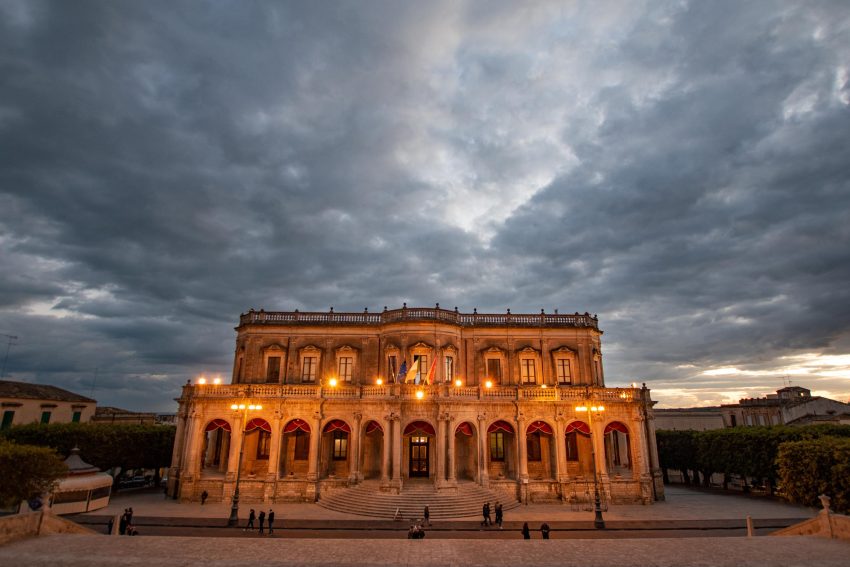
Ducezio Palace (Palazzo Ducezio) is Noto’s town hall, facing the cathedral across Piazza del Municipio, and it anchors the city’s late-Baroque civic stage. Begun in 1746 by architect Vincenzo Sinatra and finished in 1830, it was later enlarged with a second floor in the early 1900s. Visitors remember the convex façade with its long run of arches and Ionic-capped columns, then step inside for the oval Hall of Mirrors, dressed in late-19th-century stucco and glittering glass. Look up for Antonio Mazza’s 1826 ceiling fresco, “The Foundation of Neas,” an allegory tied to Ducezio, the Sicel leader the palace is named for. Many people linger most on the terrace view straight onto the cathedral and square.
Location: Corso V. Emanuele, 96017 Noto SR, Italy | Hours: Check official website. | Price: Check official website. | Website | Distance: 0.5km

7. Noto Cathedral
Noto Cathedral
Noto Cathedral
CC BY-SA 2.0 / Alexander Baxevanis
Noto Cathedral (Cattedrale di San Nicolò) is the city’s Roman Catholic centerpiece, rebuilt in the Baroque reconstruction that followed the 1693 earthquake. Its honey-colored stone façade rises above Piazza Municipio on a broad staircase, with a symmetrical composition: Corinthian columns framing the main portal and a rose window set above. Step inside and the mood shifts to a spacious nave dressed with stucco, frescoes, and a high altar dedicated to Saint Nicholas of Myra, where light plays across pale surfaces rather than heavy gilding. The dome dominates the skyline, and when access is available, the rooftop terrace gives a memorable look over Noto’s orderly Baroque streets.
Location: Piazza del Municipio, 96017 Noto SR, Italy | Hours: Daily: 09:00–20:00. | Price: From €2.50 (may vary by areas open). | Website | Distance: 0.5km

8. Scalinata Mariannina Coffa
Scalinata Mariannina Coffa
CC BY-SA 4.0 / Ввласенко
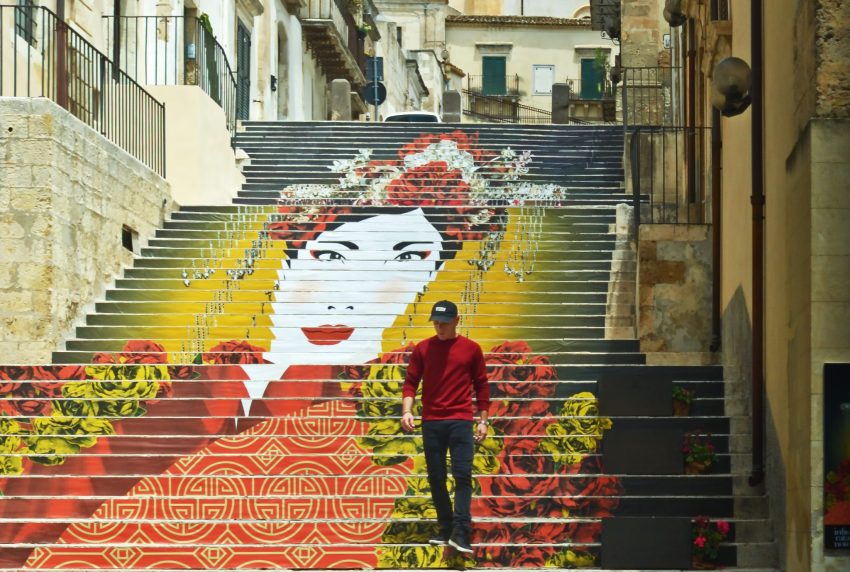
Scalinata Mariannina Coffa is a short staircase in Noto’s Baroque historic center, linking two street levels in the city’s honey-colored stone maze. It’s best known for periodic creative makeovers—often tied to an annual flower-themed display—when the steps are covered in changing artistic or floral patterns that turn a simple connection into a photo stop. The name honors Mariannina Coffa Caruso, a 19th-century poet from Noto whose brief, difficult life reflects the obstacles faced by women writers of her era. When decorations aren’t maintained, visitors may find ordinary steps with traces of glue or printed strips, so the experience can feel transient and seasonal.
Location: Via Mariannina Coffa, 8-3, 96017 Noto SR, Italy | Hours: 24 Hours. | Price: Free. | Distance: 0.6km

9. Basilica Santissimo Salvatore
Basilica Santissimo Salvatore
CC BY-SA 1.0 / Effems
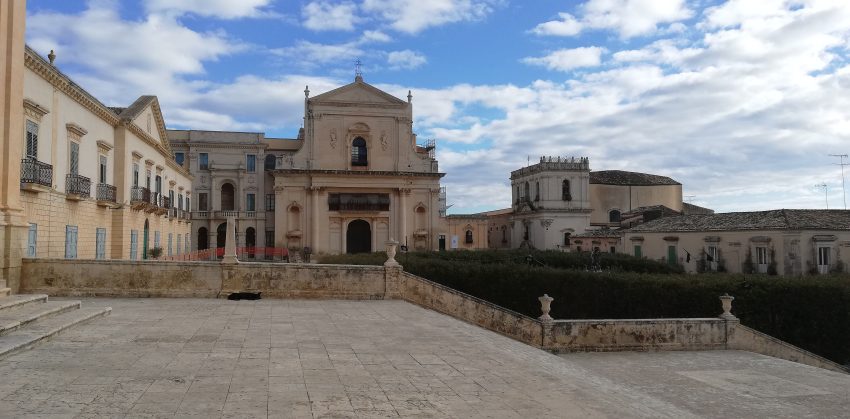
Basilica Santissimo Salvatore is a Roman Catholic church in Noto’s historic center, paired with a former Benedictine convent that now functions as the diocesan seminary. Its 1791 façade, attributed to Antonio Mazza, leans toward a restrained neoclassical look, with second-story balconies and ornate iron grilles once used by cloistered nuns to follow Mass apart from the congregation. Step inside for the recently restored interior, where Mazza’s vault fresco of the Holy Spirit descending dominates the space. The adjoining complex still feels layered—part church, part institution—and the climb up to the bell tower rewards you with a wide rooftop view that many visitors mention as one of Noto’s best.
Location: Corso V. Emanuele, 128, 96017 Noto SR, Italy | Hours: Daily: 10:00–18:00. | Price: Church entry: Free; Bell tower/terrace access: €2.50. | Distance: 0.6km

10. Chiesa di Santa Chiara
Chiesa di Santa Chiara
CC BY-SA 4.0 / Holger Uwe Schmitt
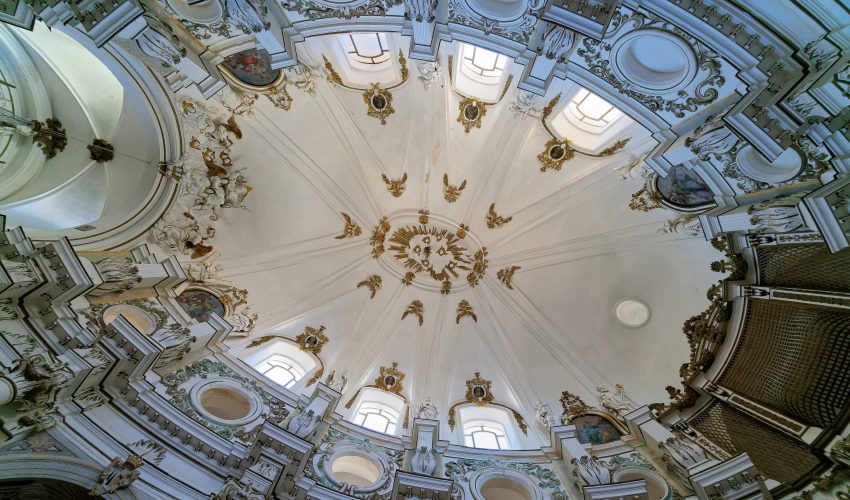
Chiesa di Santa Chiara (Santa Maria Assunta) is a compact Sicilian Baroque church in central Noto, designed by Rosario Gagliardi in 1730 and completed in 1758, once linked to a Benedictine convent. Its original Corso Vittorio Emanuele entrance was raised by 19th-century excavations and became unusable; today you enter from Via Capponi via a small stair to a rectangular façade with Tuscan columns topped by Iblean stone cups and a bell tower above. Inside, the single ovoid nave is ringed by twelve hefty stone columns, each paired with an Apostle statue amid dense stucco, cherubs, and ornament. Many visitors remember the climb to the upper terraces for a rooftop panorama that lines up dramatically with Noto Cathedral.
Location: Corso V. Emanuele, 96017 Noto SR, Italy | Hours: Check official website. | Price: Check official website. | Distance: 0.6km

11. Chiesa di San Francesco d'Assisi all'Immacolata
Chiesa di San Francesco d’Assisi all’Immacolata
CC BY-SA 4.0 / Berthold Werner
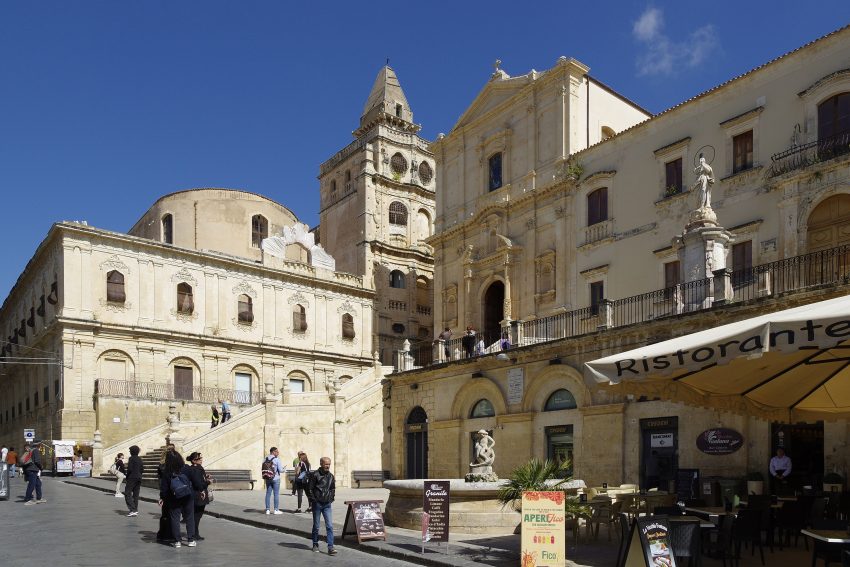
Chiesa di San Francesco d’Assisi all’Immacolata is a Sicilian Baroque church in Noto, set dramatically atop a three-flight staircase on Corso Vittorio Emanuele. Built between 1704 and 1750 under architects linked to Rosario Gagliardi and Vincenzo Sinatra, its façade rises in two tiers of pilasters with Corinthian capitals, finished by a tympanum and a richly carved portal with foliate columns. Inside, the single-nave, Latin-cross plan feels hushed, with 18th-century paintings and funerary monuments drawing your eye along the chapels. In the apse, look for the gilded wooden Immaculate Virgin dated 1504 and attributed to Antonio Monachello, while two side chapels feature ornate stucco work by Giuseppe Gianforma.
Location: Corso V. Emanuele, 142, 96017 Noto SR, Italy | Hours: Check official website. | Price: Free; donations appreciated. | Distance: 0.7km

12. Porta Reale
Porta Reale
Porta Reale
CC BY-SA 4.0 / Holger Uwe Schmitt
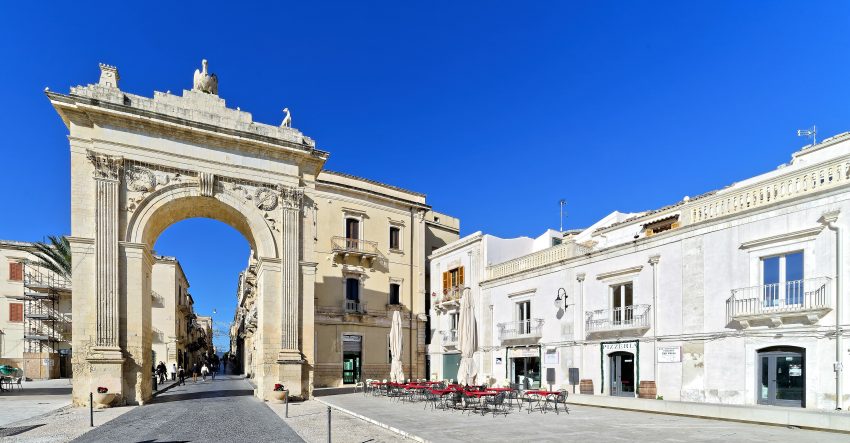
Porta Reale is the ceremonial city gate marking the entrance to Noto’s historic center at the start of Corso Vittorio Emanuele III. Raised during Noto’s post-1693 rebuilding, it reads as a theatrical threshold: a grand arch dressed with Baroque flourishes, including floral carvings, sculpted cherubs, and the royal coat of arms of the Kingdom of Sicily. Look up for the Latin inscription honoring Ferdinand IV of Bourbon, a detail many visitors miss until they pause beneath the façade. Passing through, the view snaps into Noto’s honey-colored streetscape, making the gate feel less like a monument to linger in and more like a moment of arrival.
Location: Corso V. Emanuele, 182, 96017 Noto SR, Italy | Hours: 24 Hours. | Price: Free. | Distance: 0.8km

13. Corso Vittorio Emanuele III
Corso Vittorio Emanuele III
CC BY-SA 3.0 / trolvag
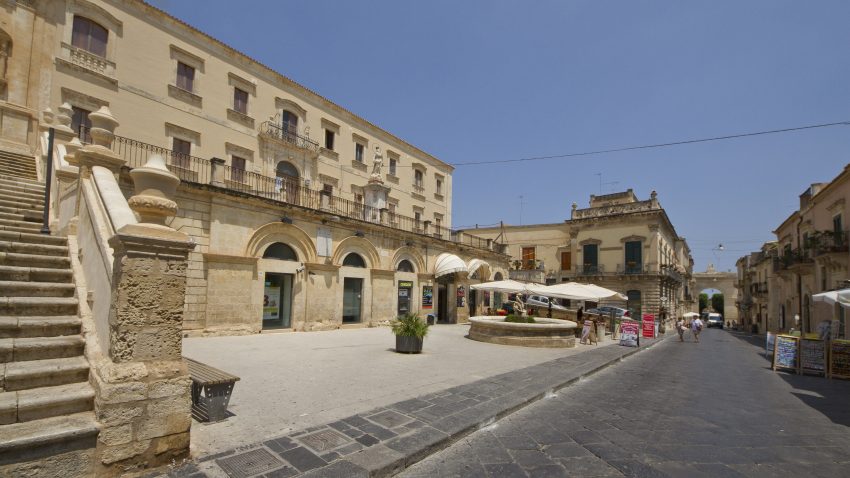
Corso Vittorio Emanuele III is Noto’s main thoroughfare, cutting through the historic center and threading together the city’s UNESCO-listed Baroque core. Rebuilt after the 1693 earthquake, the street reads like a continuous façade of honey-colored stone—ornate balconies, carved portals, and grand stairways stacked in perspective. As you walk, major landmarks appear almost back-to-back, including Noto Cathedral, the Church of San Domenico, and Palazzo Ducezio (the town hall with a small museum). Between the monumental buildings, the corso stays lively with cafés, shops, and the easy rhythm of an evening passeggiata.
Location: Corso V. Emanuele, 97, 96017 Noto SR, Italy | Hours: 24 Hours. | Price: Free. | Distance: 0.9km

14. Statue of San Corrado
Statue of San Corrado
CC BY-SA 3.0 / trolvag
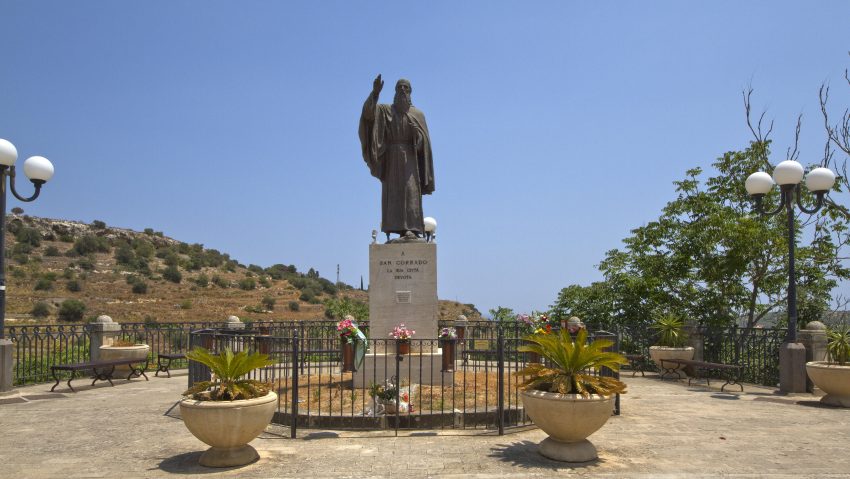
Just outside Noto’s historic core, the Statue of San Corrado is a 1955 bronze monument by Tuscan sculptor Mario Ferretti honoring Corrado Confalonieri, the city’s patron saint. About two meters tall and set on a marble base, it depicts the saint with a raised hand in blessing, a simple image that locals still read as a civic marker of devotion. The real memory for visitors is the terrace setting: it looks out toward Cozzo Marotta Hill, with wide greenery at the town’s edge and, on the ridge, traces of rock-cut tombs from the ancient necropolis of Noto Antica. Many people linger briefly for photos and the open-air panorama, a stop often praised for its view.
Location: Via Napoli, 1, 96017 Noto SR, Italy | Hours: 24 Hours. | Price: Free. | Distance: 1.1km

15. The Greek Heerons
The Greek Heerons
The Greek Heerons
CC BY-SA 3.0 / Codas2
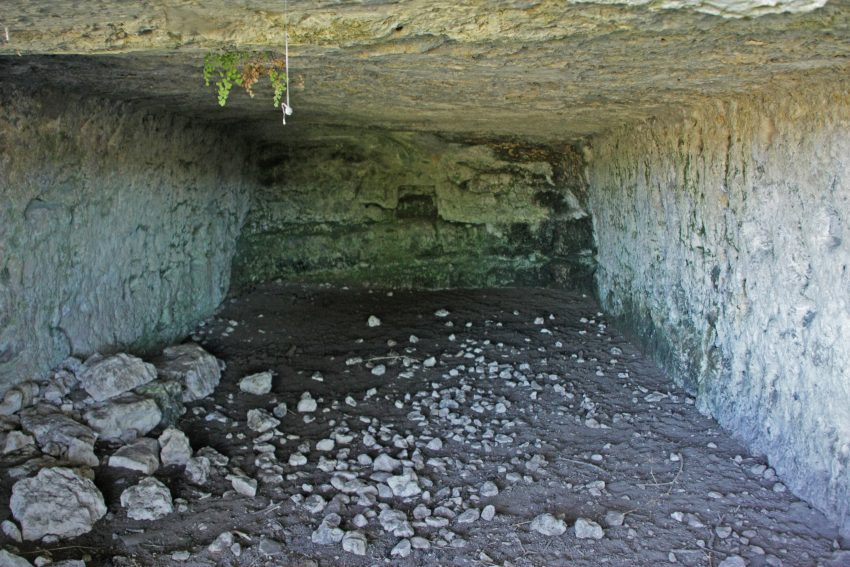
The Greek Heerons at Noto Antica, on Monte Alveria above modern Noto, are rock-cut hero shrines from the Greek era, likely dating to the 3rd century BCE. Reached by a winding path that drops from near the Carmine church toward the valley, the site centers on two large cave-like chambers with unusually smooth, rectangular walls. Inside, rows of rectangular niches once held votive plaques in terracotta, wood, or stone, left in honor of revered dead. With a lamp and patient eyes, you can still pick out faint engravings, traces of painted decoration, and occasional inscriptions. A later sarcophagus hints that these spaces were reused long after their original cult purpose.
Location: 96017 Noto, Free municipal consortium of Syracuse, Italy | Hours: 24 Hours. | Price: Free. | Distance: 5.9km

16. Eremo di Santa Maria della Provvidenza
Eremo di Santa Maria della Provvidenza
CC BY-SA 3.0 / Mboesch
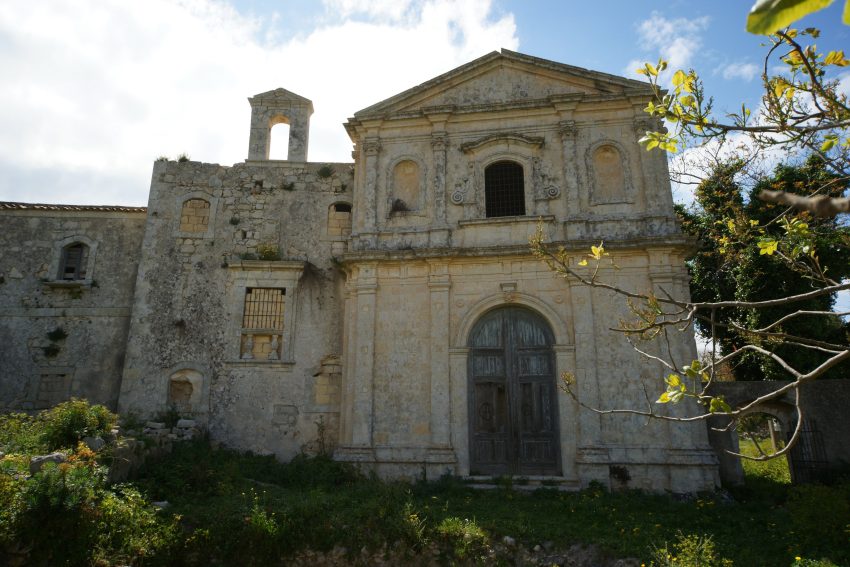
Eremo di Santa Maria della Provvidenza is a 1723 hermitage-and-church complex on the southern edge of Noto Antica, built over an earlier sanctuary ruined by the 1693 earthquake and later left behind when the city shifted to modern Noto. Once run by Carmelite sisters until about 1800, it now sits in a state of quiet decay, with a sturdy Baroque façade still standing against open countryside. Inside, time and occasional vandalism have taken a toll, yet you can still make out stucco work and painted decoration on the vaulted ceilings. What lingers most is the wind-and-birdsong silence and the wide view across the Valle dell’Asinaro toward Pachino and Capo Passero on clear days.
Location: 96017 Noto, Free municipal consortium of Syracuse, Italy | Hours: 24 Hours. | Price: Free; donations appreciated. | Distance: 5.9km

17. Chiesa del Carmine
Chiesa del Carmine
Chiesa del Carmine
CC BY-SA 3.0 / Codas2
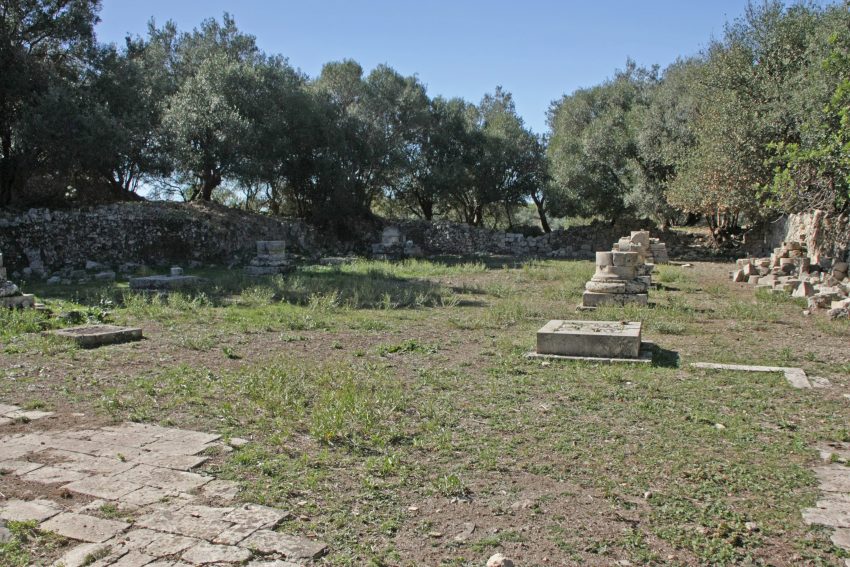
Chiesa del Carmine in Noto, Italy is a largely ruined Carmelite church in Noto Antica, begun in the early 1600s on the footprint of an older sanctuary. What visitors remember is the skeletal geometry: crumbling outer walls, scattered column remnants, and two parallel rows of columns that still map out a three-nave interior. Look closely and you can pick out burial traces linked to the friars—tombs and intact tombstones, with some outlines still visible and bas-reliefs showing crossed bones. The site feels peripheral and quiet, and recent visitor comments note its neglected state, which adds a stark, archaeological mood to the stop.
Location: 96017 Noto, Free municipal consortium of Syracuse, Italy | Hours: Check official website. | Price: Free; donations appreciated. | Distance: 6km

Best Day Trips from Noto

A day trip from Noto offers the perfect opportunity to escape the urban rhythm and discover the surrounding region's charm. Whether you're drawn to scenic countryside, historic villages, or cultural landmarks, the area around Noto provides a variety of easy-to-reach destinations ideal for a one-day itinerary. If you are looking to rent a car in Italy I recommend having a look at Discover Cars, first, as they compare prices and review multiple car rental agencies for you.

1. Palazzo Landolina di Belludia
Palazzo Landolina di Belludia
CC BY-SA 3.0 / Davide Mauro
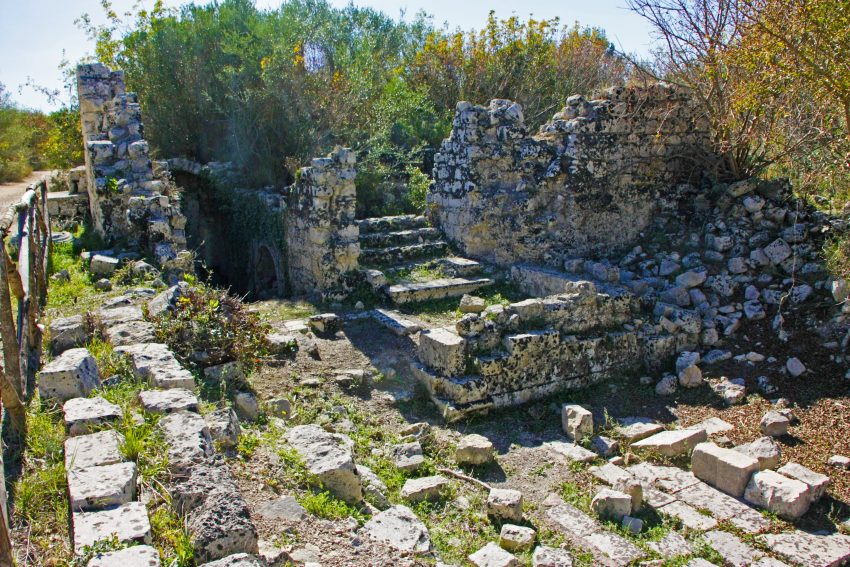
Palazzo Landolina di Belludia in Noto, Italy, is a ruined noble palace in Noto Antica, the old city on Monte Alveria above the modern town. What survives today is not a complete building but a group of masonry remains that mark the outline of a former aristocratic residence inside the larger archaeological area.The palace is linked to the pre-1693 city…
Location: Antica., SP64, 96017 Noto SR, Italy | Hours: 24 Hours. | Price: Free. | Distance: 6.5km
Visiting Palazzo Landolina di Belludia

2. Villa Romana del Tellaro
Villa Romana del Tellaro
CC BY-SA 1.0 / Carmelovunque
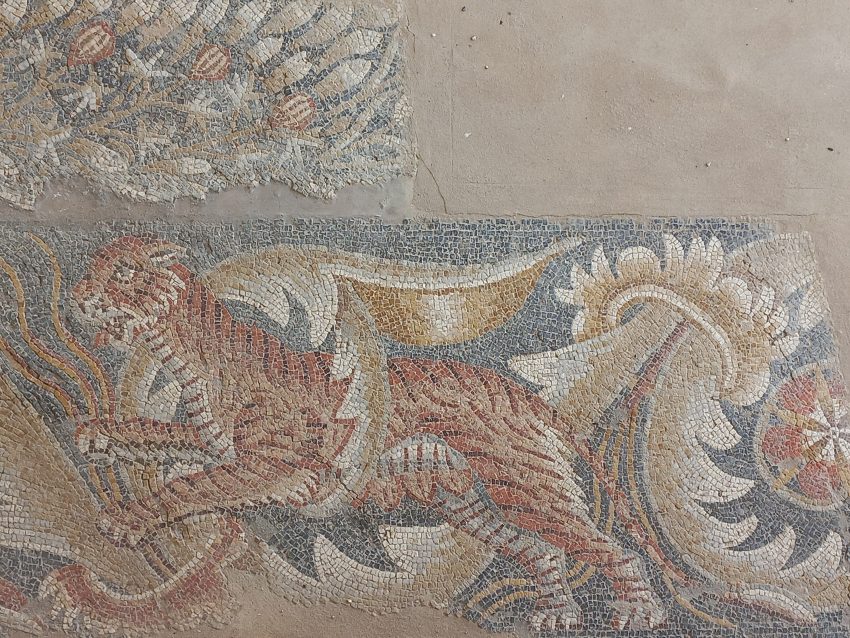
Villa Romana del Tellaro in Noto, Italy, is a Roman archaeological site best known for its late-antique floor mosaics. Set in the countryside south of town, it is a compact visit rather than a large ruin park, with the remains protected under a modern cover.The site matters because it preserves part of a late Roman villa that was long hidden…
Location: Contrada Vaddedi, 96017 Noto SR, Italy | Hours: Monday: Closed. Tuesday – Saturday: 08:30–16:40. Sunday: 08:30–13:40. | Price: Adults: €6; Reduced: €3. | Website | Distance: 6.5km
Visiting Villa Romana del Tellaro

3. Chiesa e Collegio dei Gesuiti
Chiesa e Collegio dei Gesuiti
CC BY-SA 3.0 / Davide Mauro
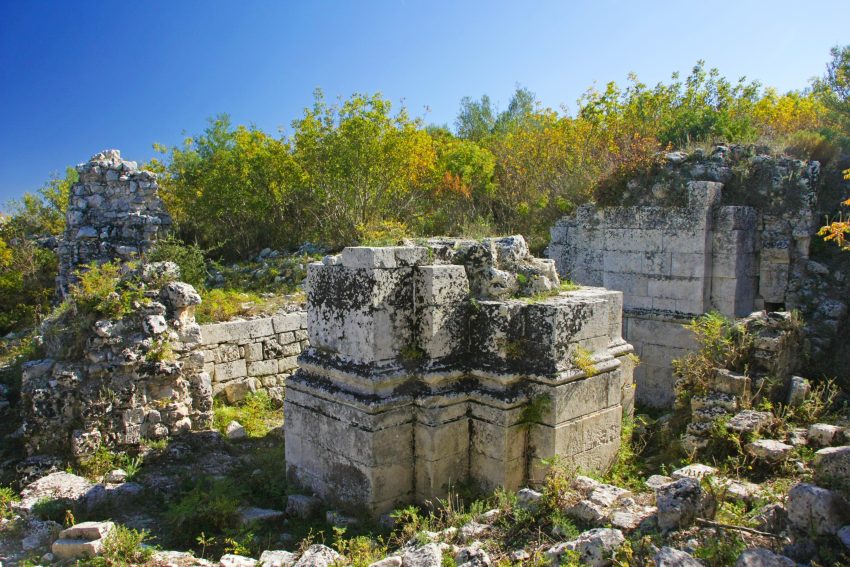
Chiesa e Collegio dei Gesuiti in Noto, Italy, is a historic Jesuit complex in the city center, set across from Palazzo Belludia near the point where the old principal square once stood. It is an architectural site rather than a fully intact church, with ruins that show the scale of what was planned here in the early 17th century.The complex…
Location: 96017 Noto, Free municipal consortium of Syracuse, Italy | Hours: Check official website. | Price: Prices vary by show. | Distance: 6.5km
Visiting Chiesa e Collegio dei Gesuiti

4. Cava Carosello
Cava Carosello
Cava Carosello
CC BY-SA 4.0 / Paolino.uccello
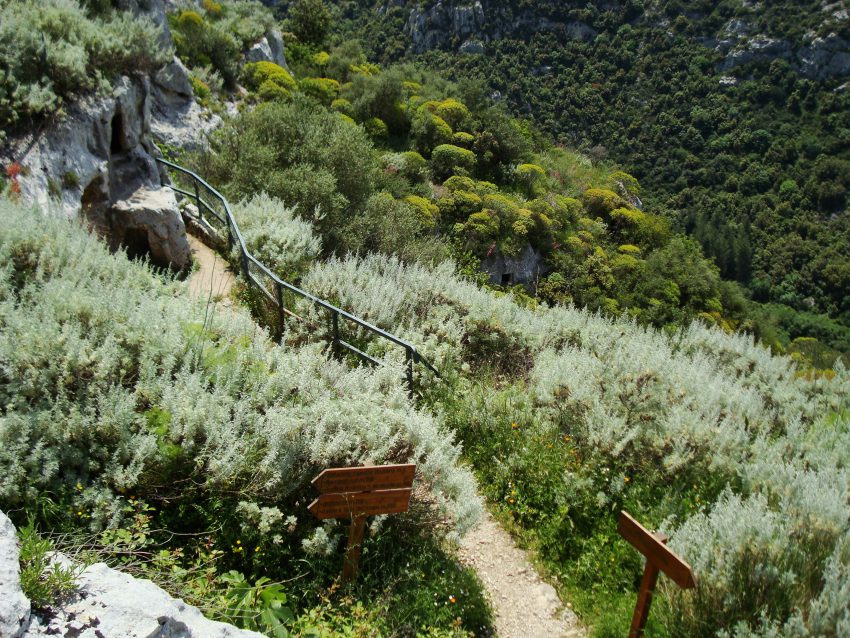
Cava Carosello is a rocky valley near Noto, Italy, where a footpath drops into a narrow green ravine with clear pools, small cascades, and stone walls shaped by water. It is an outdoor site rather than a formal attraction, and the route is part hike, part nature walk, with uneven ground and a steady climb on the way back.The place…
Location: Noto Antica, 96017 Noto SR, Italy | Hours: 24 Hours. | Price: Free. | Distance: 6.6km
Visiting Cava Carosello

5. Castello Reale di Don Pietro d'Aragona
Castello Reale di Don Pietro d’Aragona
CC BY-SA 4.0 / Davide Mauro
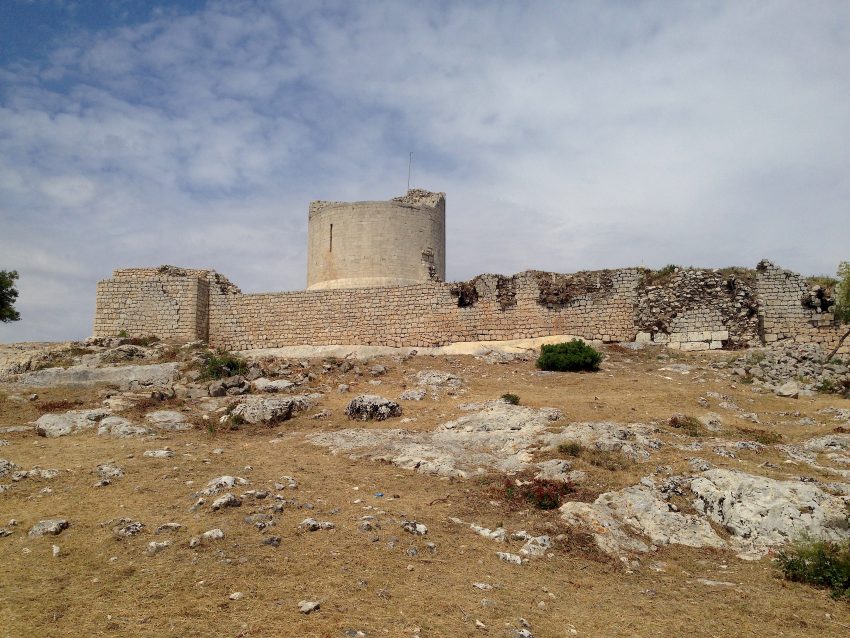
Castello Reale di Don Pietro d’Aragona in Noto, Italy, is a ruined fortress set on Monte Alveria inside Noto Antica, the abandoned medieval settlement above the modern town. The site is spread across rocky ground, with a surviving main tower, low walls, and open viewpoints over the surrounding valleys.Visitors come here for the mix of fortification remains and older layers…
Location: Noto Antica, 96017 Noto SR, Italy | Hours: 24 Hours. | Price: Free. | Distance: 6.9km
Visiting Castello Reale di Don Pietro d'Aragona

6. Ancient Noto and Gate of the Mountain
Ancient Noto and Gate of the Mountain
CC BY-SA 4.0 / Fiorenzo Fiorenza
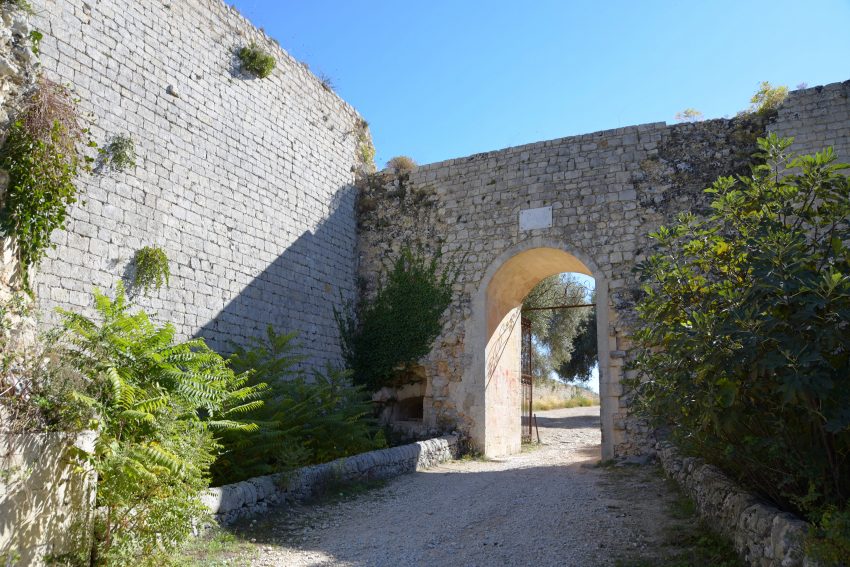
Ancient Noto and the Gate of the Mountain sits on Monte Alveria above Noto, Italy, as the remains of the city that came before the 1693 earthquake. It is an open archaeological site rather than a polished monument, with ruins spread across a rocky plateau above the modern town.The main arrival point is the Gate of the Mountain, a stone…
Location: Monte Alveria, SP64, 96017 Noto SR, Italy | Hours: 24 Hours. | Price: Free. | Distance: 7km
Visiting Ancient Noto and Gate of the Mountain

7. La Collina della Memoria
La Collina della Memoria
CC BY-SA 4.0 / Stella
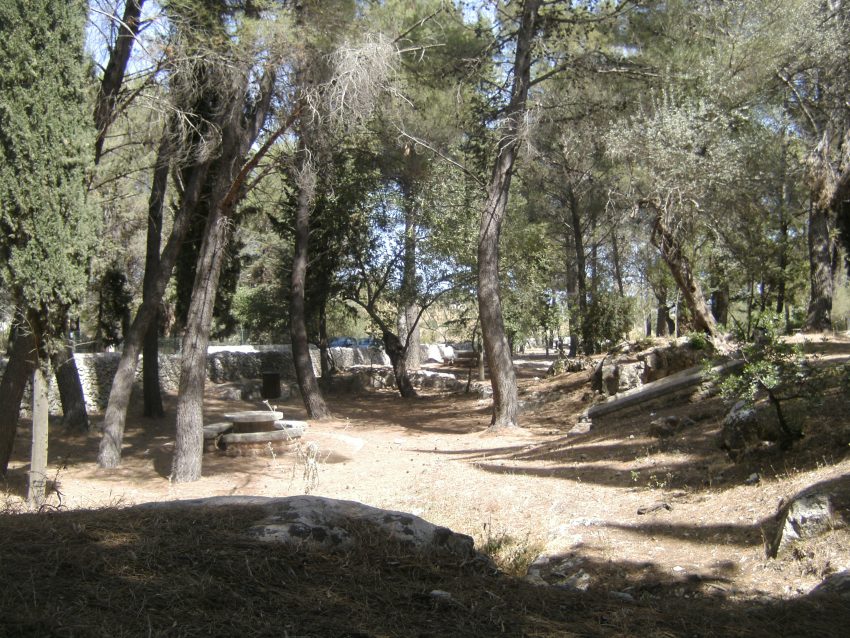
La Collina della Memoria in Noto, Italy, is an archaeological hillside associated with Noto Antica, set above the rocky slopes overlooking Cava del Salitello. It is not a formal museum or a neatly fenced monument; instead, it reads as an exposed landscape of stone, traces, and burial areas that visitors approach on foot.The site is known for its rock-cut tombs…
Location: SP64, 96017 Noto SR, Italy | Hours: 24 Hours. | Price: Free. | Distance: 7.1km
Visiting La Collina della Memoria

8. Syracuse
The Complete Guide to Syracuse
CC BY-SA 2.0 / Monika Guzikowska
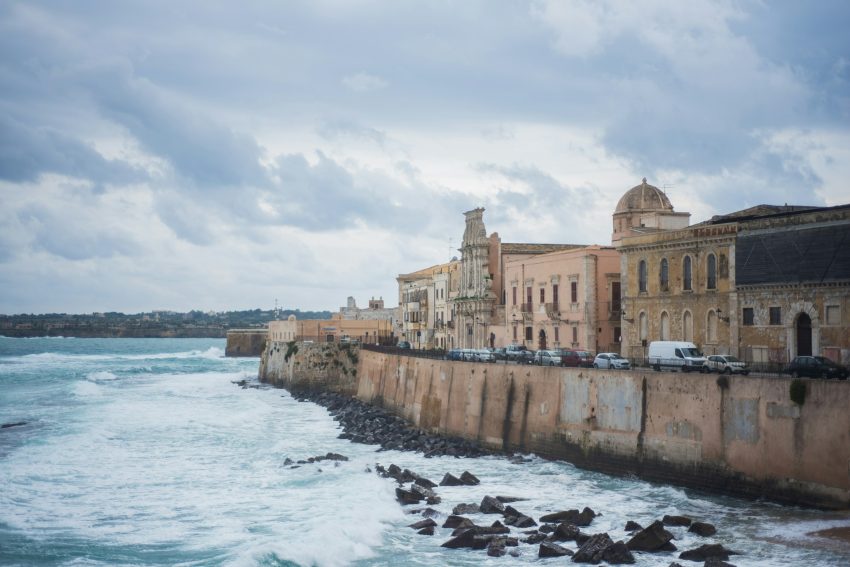
Syracuse is one of Sicily’s most rewarding coastal cities, set on the island’s sunlit southeast and wrapped in a mix of sea views, elegant streets, and lively local life. It’s a place where you can spend the morning wandering atmospheric lanes, pause for a long lunch of seafood and citrusy Sicilian flavors, then finish the day with a waterfront stroll…
Visiting Syracuse
Powered by GetYourGuide

9. Catania

etna Catania
etna Catania
Visiting Catania, the vibrant and historic city on the eastern coast of Sicily, offers an unforgettable experience where ancient history and modern energy converge. Dominated by the imposing Mount Etna, one of the most active volcanoes in the world, Catania is a city rich in both natural and cultural wonders. The city’s Baroque architecture, much of it built from lava…
Visiting Catania
Powered by GetYourGuide

10. Taormina

The Complete Guide to Taormina
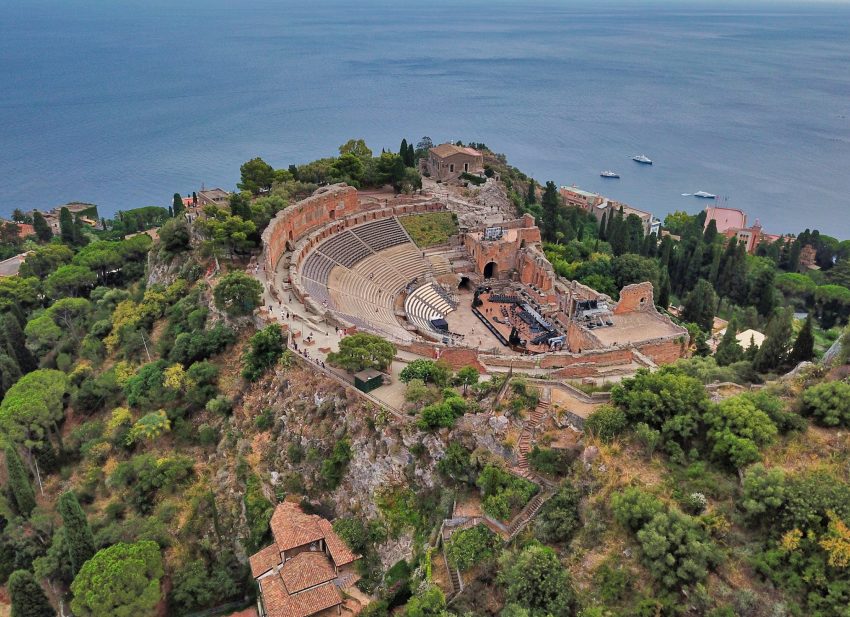
Taormina is one of Sicily’s most rewarding bases for a short break: compact enough to explore on foot, yet packed with viewpoints, gardens, and café-lined lanes that make wandering feel like the main event. The town’s pedestrian-friendly core is ideal for slow travel—start with an easy stroll along Corso Umberto, dip into side streets for small boutiques and gelaterie, then…
Visiting Taormina

11. Victoria (Rabat), Gozo
Victoria Rabat Gozo
Victoria Rabat Gozo
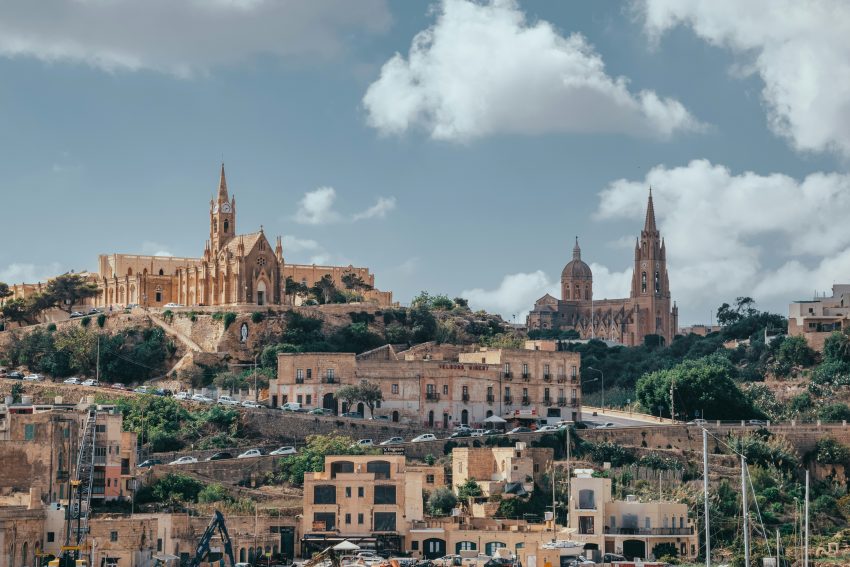
Victoria, also known locally as Rabat, is the vibrant heart of Gozo, Malta’s sister island. Nestled in the middle of Gozo, this small yet lively city serves as the island’s cultural and administrative hub. With its charming blend of local life, bustling markets, and winding streets, Victoria offers an authentic glimpse into everyday Gozitan life. The city is surrounded by…
Visiting Victoria (Rabat), Gozo
Powered by GetYourGuide

12. Valletta

Aerial View of Valletta
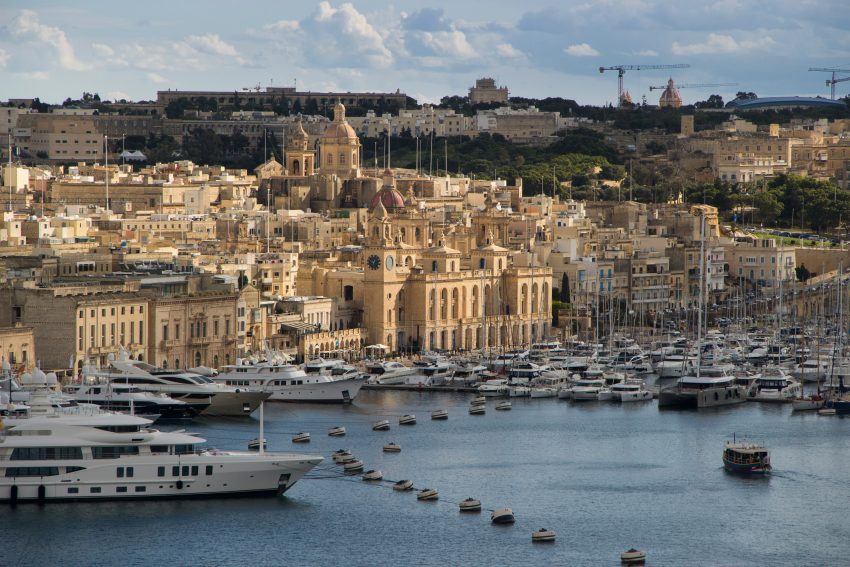
Perched on a peninsula along Malta’s sun-soaked eastern coast, Valletta offers an irresistible blend of seaside charm and sophisticated urban life. The city’s golden limestone streets open up to sweeping views of the Mediterranean, with narrow alleys lined by colorful balconies and lively cafés spilling out onto the pavements. As the Maltese capital, Valletta perfectly balances old-world atmosphere with modern…
Visiting Valletta
Powered by GetYourGuide

13. Birgu

Birgu
Birgu
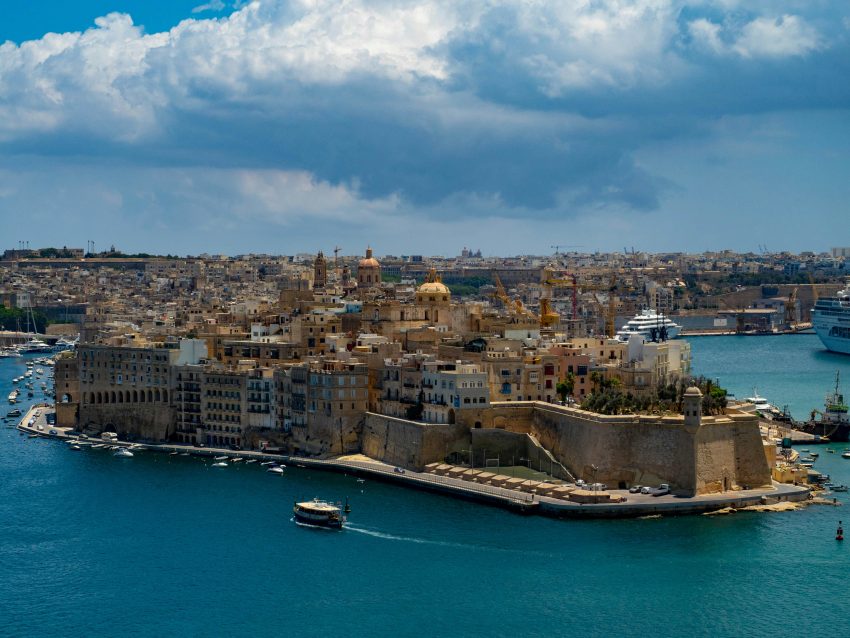
Visiting Birgu, also known as Vittoriosa, offers a truly authentic Maltese experience filled with charm, atmosphere, and waterfront beauty. Located on the southern side of Malta’s Grand Harbour, directly across from Valletta, Birgu is part of the famed Three Cities — together with Senglea (Isla) and Cospicua (Bormla). This ancient harbor town is a maze of narrow lanes, limestone buildings,…
Visiting Birgu
Powered by GetYourGuide

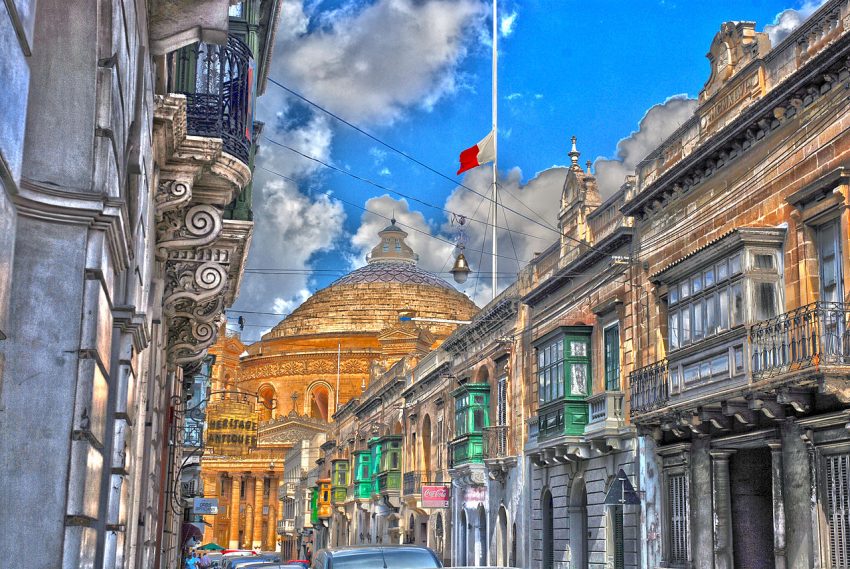
14. Mosta

Mosta
Mosta
CC BY-SA 2.0 / allen watkin
Located in the heart of Malta’s Northern Region, Mosta is a charming town known for its relaxed atmosphere, lively local culture, and striking skyline dominated by its famous rotunda dome. The town blends traditional Maltese life with a welcoming, easygoing energy — narrow streets filled with cafés, small shops, and daily markets that give visitors a taste of authentic island…
Visiting Mosta
Powered by GetYourGuide

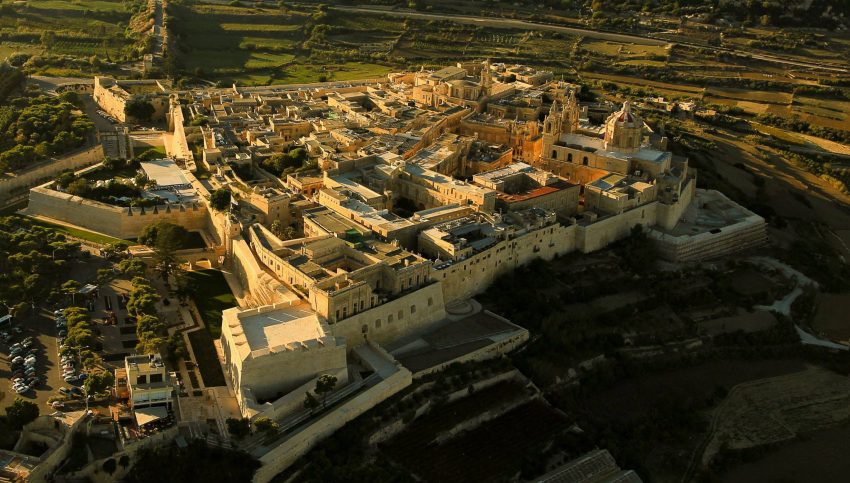
15. Mdina

Aerial view Mdina, Malta
CC BY-SA 2.0 / R Muscat
Perched on a hill in the heart of Malta, Mdina is a captivating blend of serenity and elegance that feels worlds away from the island’s busier coastal towns. Often called “The Silent City,” its tranquil streets, lined with golden limestone buildings and ornate doorways, create an atmosphere of timeless calm. Visiting Mdina offers a glimpse into Malta’s soul — a…
Visiting Mdina
Powered by GetYourGuide

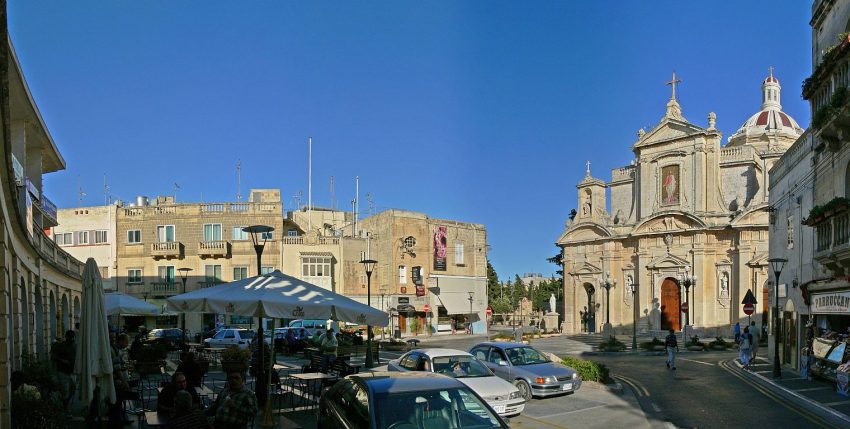
16. Rabat

Stitched Panorama
Stitched Panorama
CC BY-SA 3.0 / Balazs Sudar
Located in the western region of Malta, Rabat offers a captivating blend of culture, charm, and local life that makes it a rewarding destination for any traveler. The town lies just outside the fortified walls of Mdina, often serving as a natural extension of the “Silent City.” With its winding streets, sunlit squares, and welcoming atmosphere, Rabat provides a more…
Visiting Rabat
Powered by GetYourGuide

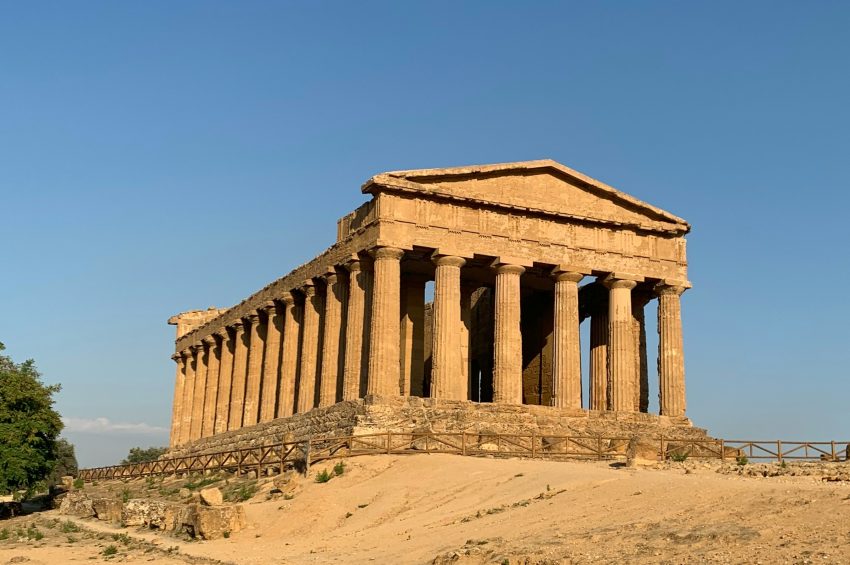
17. Agrigento

Agrigento & Valley of the Temples
Visiting Agrigento, located on the southern coast of Sicily, offers a remarkable journey into the ancient world. The city is best known for the Valley of the Temples, a stunning archaeological site that dates back to the 5th century BC. This UNESCO World Heritage site features some of the best-preserved ancient Greek temples outside of Greece, including the Temple of…
Visiting Agrigento
Powered by GetYourGuide

Where to Stay in Noto

For most travelers, the best area to stay in Noto is the historic center or just at its edge, so you can walk to the cathedral, churches, restaurants, and evening passeggiata without worrying about parking or late-night transport. If you want classic Baroque atmosphere and easy sightseeing, choose a central boutique stay like Hotel Porta Reale, which is well placed for exploring on foot and convenient for short stays. For a more design-forward, intimate option in the center, Q92 Noto Hotel works well for couples who want a stylish base close to the main sights and dining.

If you’re traveling by car or prefer a quieter retreat with more space, staying in the countryside just outside town can be ideal, especially in warmer months when you’ll split time between beaches and day trips. A well-regarded option for a resort-like feel is Hotel Villa Giulia, which suits travelers who value a pool, gardens, and easier parking while still being a short drive from the center. For a higher-end, tranquil escape with a strong sense of place, Il San Corrado di Noto is a good fit if you want privacy, refined service, and a base that feels like a destination in itself.

Using the our Hotel and Accomodation map, you can compare hotels and short-term rental accommodations in Noto. Simply insert your travel dates and group size, and you’ll see the best deals for your stay.

Noto Accommodation Map

Best Time to Visit Noto

Noto in Spring

Spring is one of the most pleasant times to visit, with mild temperatures and longer daylight for walking the historic center and taking short trips to the coast. It’s ideal for photography as the stone façades look especially luminous in clear, soft light.

Noto in Summer

Summer is hot and lively, perfect if you want to combine city sightseeing with beach time nearby. Plan outdoor exploring for early morning and late afternoon, and enjoy long evenings for dining and passeggiata; this season often brings open-air events and concerts.

Noto in Autumn (Best)

Autumn offers warm sea temperatures early in the season, fewer crowds, and comfortable weather for both cultural visits and nature walks. It’s also a great period for food-focused travel, with harvest season influencing menus and local tastings.

Noto in Winter

Winter is quieter and can be cooler and wetter, but it’s a good choice for a calmer, more local feel and better accommodation value. You’ll still find plenty open in the center, and it’s a pleasant time for unhurried museum visits and long lunches.

Annual Weather Overview

  • January 14°C
  • February 14°C
  • March 15°C
  • April 17°C
  • May 20°C
  • June 26°C
  • July 29°C
  • August 29°C
  • September 26°C
  • October 22°C
  • November 19°C
  • December 17°C

How to get to Noto

Getting to Noto by air

Nearest airports: Catania–Fontanarossa (CTA) is the most convenient major airport; Comiso (CIY) can be useful for some seasonal routes. From the airport, you can continue by train, bus, or rental car depending on your schedule.

Getting to Noto by train

Train operators: Use Trenitalia for services in Sicily: https://www.trenitalia.com/
From Catania area, you'll typically route via Syracuse (Siracusa) and continue onward to Noto station. Train times vary by season and day, so check schedules in advance and allow extra time for connections.

Getting to Noto by Car

Driving is straightforward for travelers who want maximum flexibility for beaches, countryside viewpoints, and nearby towns. Major roads connect the wider southeast, and parking is generally easier outside the tightest parts of the historic center; choose a hotel with parking if you plan to stay overnight.

Travelling around Noto

The historic center is best explored on foot, as many highlights sit along the main corso and adjacent lanes. For nearby beaches and nature areas, a rental car is the easiest option; taxis and private transfers are useful for point-to-point trips, and local buses can work for limited routes depending on season.
More from this area