Mdina, Malta: The Ultimate Travel Guide 2026
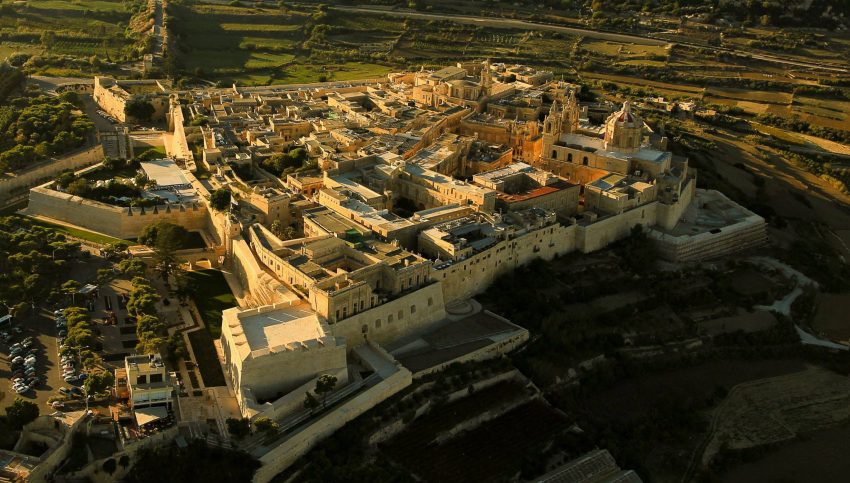
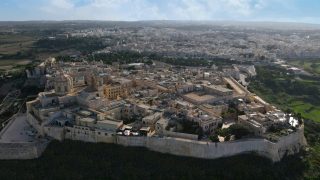
Perched on a hill in the heart of Malta, Mdina is a captivating blend of serenity and elegance that feels worlds away from the island's busier coastal towns. Often called “The Silent City,” its tranquil streets, lined with golden limestone buildings and ornate doorways, create an atmosphere of timeless calm. Visiting Mdina offers a glimpse into Malta's soul - a place where narrow alleys echo softly underfoot and breathtaking views stretch across the countryside toward the sea.
As one of the best places to visit in Malta, Mdina is a destination that rewards slow exploration. Its compact size makes it perfect for a leisurely half-day stroll, whether you're wandering through quiet squares, admiring the grand facades, or stopping for coffee at a shaded terrace overlooking the island. The city's understated charm lies in how it balances refinement with simplicity - there are no flashing signs or loud crowds, only the gentle rhythm of a town that has learned the art of stillness.
A visit to Mdina is also an opportunity to experience Malta's distinctive character in one unforgettable setting. The surrounding region, with its rolling hills and sunlit landscapes, adds to the city's appeal, making it an ideal spot for travelers who appreciate beauty, peace, and authenticity. Whether you're drawn by its views, architecture, or ambiance, Mdina invites you to pause, breathe, and savor the essence of Malta at its most tranquil.
Table of Contents
- History of Mdina
- 21 Best places to See in Mdina
- Carmelite Church and Priory
- Saint Sofia Palace
- Gourgion House
- Mdina Cathedral Museum
- Saint Agatha’s Chapel
- Mesquita Square
- The Knights of Malta Museum
- Bastion Square
- Palazzo Falson
- Saint Paul's Cathedral
- Mdina Ditch Gardens
- Torre dello Standardo
- Howard Gardens
- Mdina Gate
- Mdina Dungeons
- National Museum of Natural History
- Mdina Bastions
- Greeks Gate
- Domus Romana
- Rabat
- Mosta
- 5 Best Day Trips from Mdina
- Where to Stay in Mdina
- Best Time to Visit Mdina
- How to get to Mdina
History of Mdina
Mdina in Antiquity
Mdina’s history stretches back thousands of years, with its origins rooted in ancient times. The area was first settled by the Phoenicians, who recognized its strategic elevation and established a fortified settlement. Later, the Romans expanded and developed it into a more prominent urban center, complete with temples, villas, and civic buildings. During this era, Mdina began to emerge as a symbol of power and governance, setting the foundation for its long-standing importance in Maltese history.
Mdina in the Medieval Period
During the medieval era, Mdina evolved into a noble city, fortified and refined under successive rulers. After the fall of the Roman Empire, the Byzantines and later the Arabs left their mark on the city’s layout and architecture. The name “Mdina” itself derives from the Arabic word “medina,” meaning “walled city.” This period saw the construction of defensive walls and gates that defined its distinctive character. Mdina became a center for administration and residence for the island’s elite, earning its nickname, “The Noble City.”
Mdina under the Knights of St. John
When the Knights of St. John arrived in the 16th century, Mdina retained its prestige, though it was no longer the capital. The Knights fortified other parts of the island but maintained Mdina as a seat of the Maltese aristocracy and ecclesiastical authority. The city’s cathedral and palaces were enhanced in Baroque style, giving Mdina its elegant architectural blend that remains today. Despite losing political prominence, it continued to embody Malta’s noble heritage and spiritual heart.
Mdina in the Modern Era
In modern times, Mdina has transformed from a fortified stronghold into one of the most beautifully preserved historic cities in Europe. Its quiet, narrow streets and golden limestone buildings reflect centuries of artistry and resilience. The city has embraced preservation, balancing tourism with tradition to protect its timeless character. Today, Mdina stands as a living museum — a serene reminder of Malta’s layered past and a testament to the enduring legacy of those who shaped it through the ages.

Moira & Andy
Hey! We're Moira & Andy. From hiking the Camino to trips around Europe in Bert our campervan — we've been traveling together since retirement in 2020!
Visiting Mdina for the first time and wondering what are the top places to see in the city? In this complete guide, I share the best things to do in Mdina on the first visit. To help you plan your trip, I have also included an interactive map and practical tips for visiting!
This website uses affiliate links which earn a small commission at no additional cost to you.
21 Best places to See in Mdina
This complete guide to Mdina not only tells you about the very best sights and tourist attractions for first-time visitors to the city but also provide insights into a few of our personal favorite things to do.
This is a practical guide to visiting the best places to see in Mdina and is filled with tips and info that should answer all your questions!
1. Carmelite Church and Priory
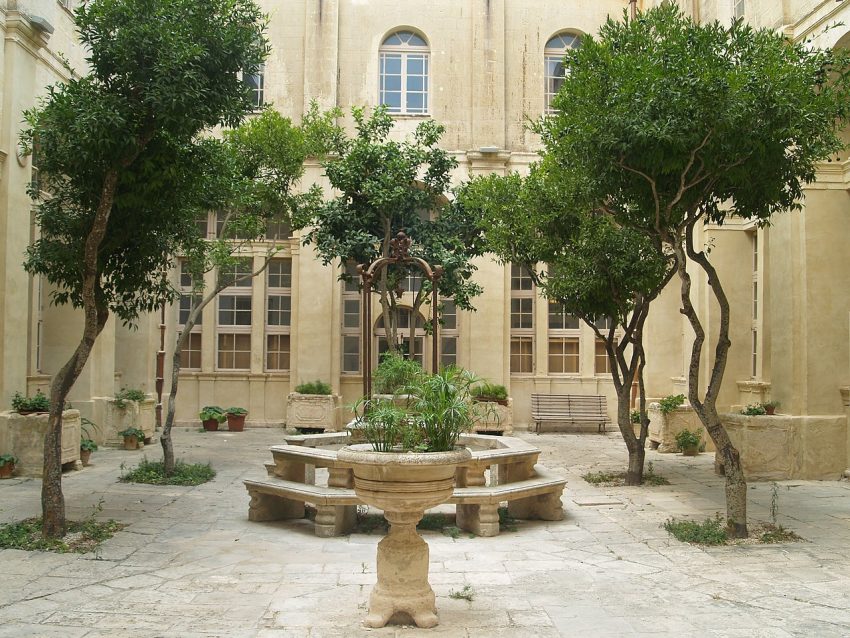
Location: Church of the Annunciation of Our Lady, Mdina, Malta | Hours: Monday to Saturday, 10:00 AM – 5:00 PM; closed on Sundays and public holidays. | Price: Adults: €5.00 | Website | Distance: 0km

2. Saint Sofia Palace
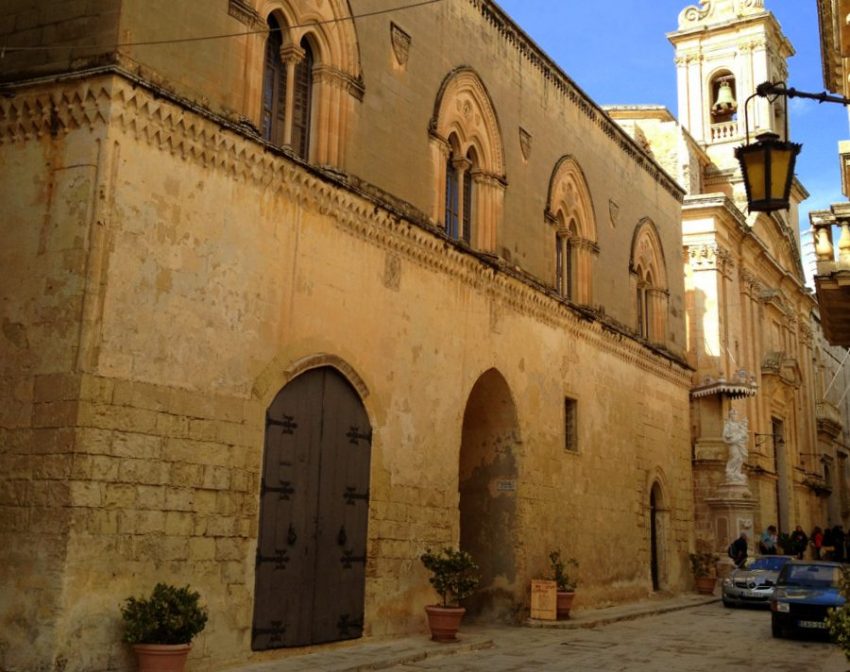
Location: Palazz ta' Santa Sofia VCP3+H62 Triq Santa Sofija Mdina Malta | Hours: The palace is not open to the public. | Price: Viewing from the street is free. | Distance: 0km
3. Gourgion House
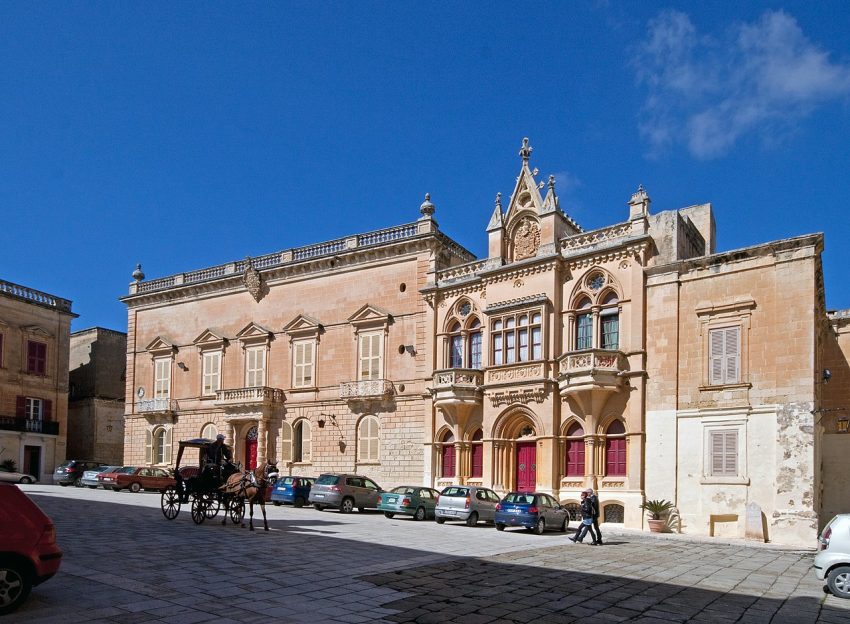
Location: Casa Gourgion - A Nobleman's Home, Pjazza San Pawl, Mdina, Malta | Hours: Always visible from the outside | Price: Free to admire from the square | Distance: 0km
4. Mdina Cathedral Museum
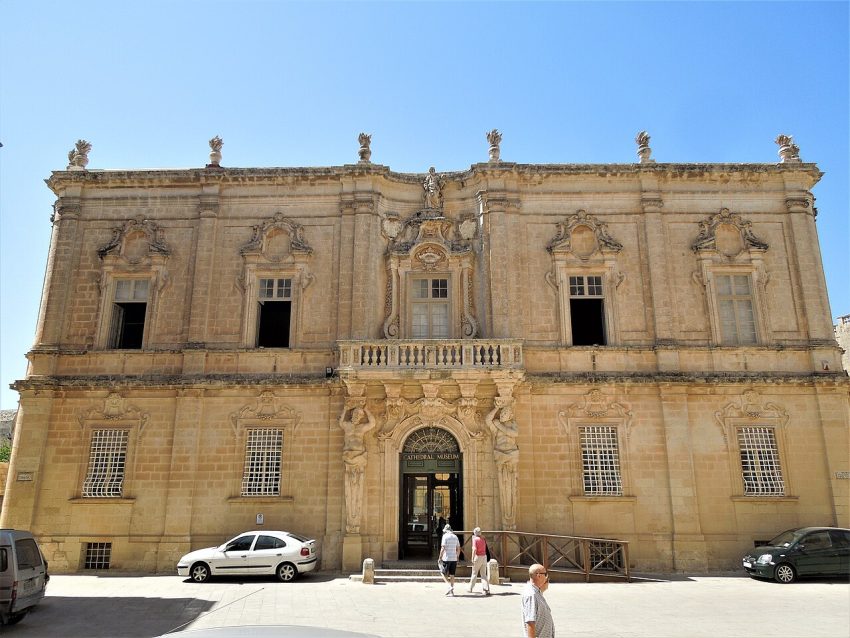
Location: Mdina Cathedral Museum, Archbishop's Square, Mdina, Malta | Hours: Monday to Saturday, 9:30 AM – 16:30 PM (last entry at 16:15 PM); closed on Sundays and public holidays. | Price: Adults: €15 | Website | Distance: 0.1km
5. Saint Agatha’s Chapel
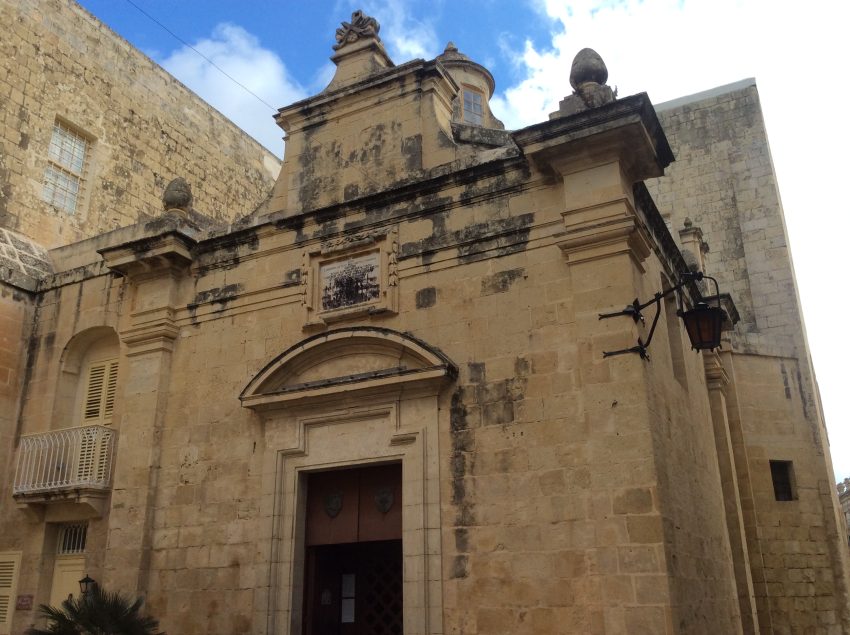
Location: St Agatha's Esplanade, Mdina, Malta | Distance: 0.1km
6. Mesquita Square
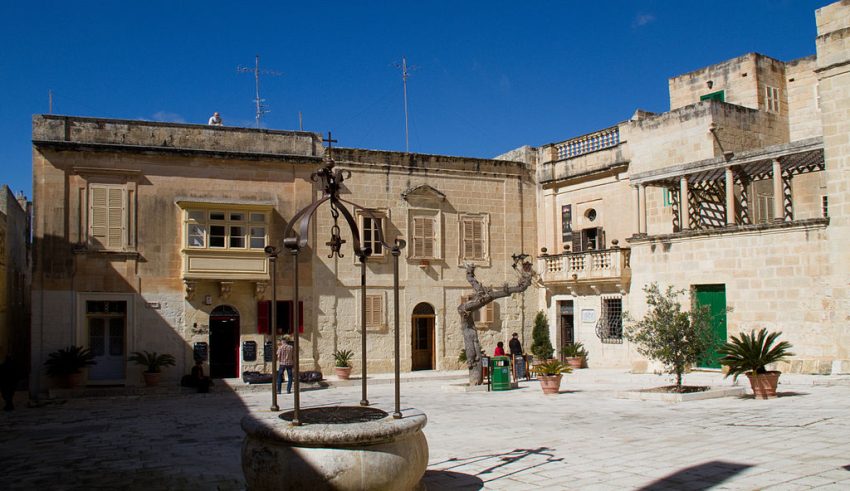
Location: Mesquita Square, Triq Mesquita, Mdina, Malta | Hours: Accessible at all times | Price: Free; Mesquita Square is a public courtyard. | Distance: 0.1km
7. The Knights of Malta Museum

Location: The Knights Of Malta, Triq L Imhazen, L-I mdina, Malta | Hours: Daily from 10:00 AM – 5:00 PM (last admission at 4:30 PM). | Price: Adults: €6.50 | Website | Distance: 0.1km
8. Bastion Square
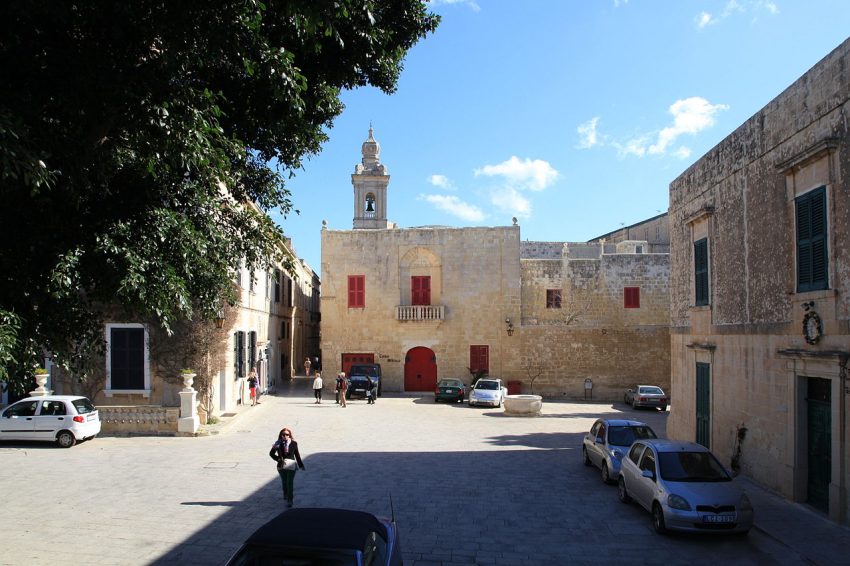
Location: Bastion Square, Mdina, Malta | Hours: Open 24 hours, though nearby cafés and restaurants have their own schedules. | Price: Free to visit the square and viewpoints. | Distance: 0.1km
9. Palazzo Falson
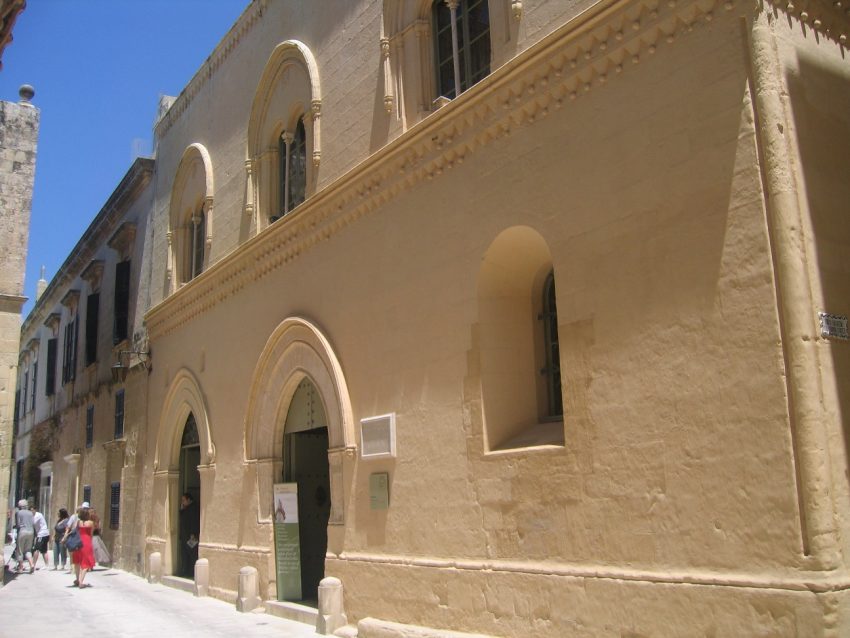
Location: Palazzo Falson, Triq IL Villegaignon, Mdina, Malta | Hours: Tuesday to Sunday, 10:00 AM – 5:00 PM (last admission at 4:00 PM); closed on Mondays and public holidays. | Price: Adult: €12.50 | Website | Distance: 0.1km
10. Saint Paul's Cathedral
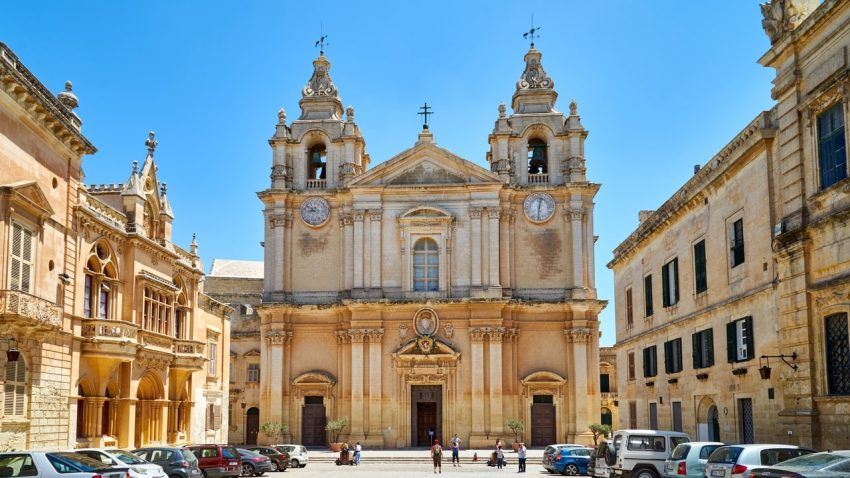
Location: St. Paul's Cathedral, Triq San Pawl, Mdina, Malta | Hours: Monday to Saturday from 9:30 AM to 5:00 PM | Price: €10 for adults | Website | Distance: 0.1km
11. Mdina Ditch Gardens
Location: il-Foss, Mdina, Malta | Hours: Generally accessible throughout the day | Price: Free; the Mdina Ditch Gardens are a public space open to everyone. | Distance: 0.2km
12. Torre dello Standardo
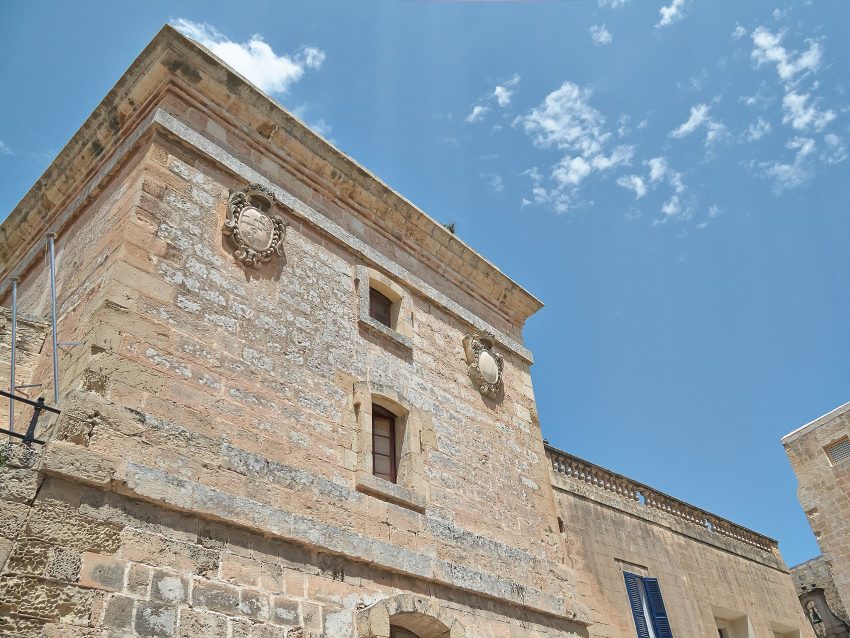
Location: Torre dello Standardo, Mdina, Malta | Hours: The exterior can be viewed at any time | Price: Free to view from outside | Distance: 0.2km
13. Howard Gardens
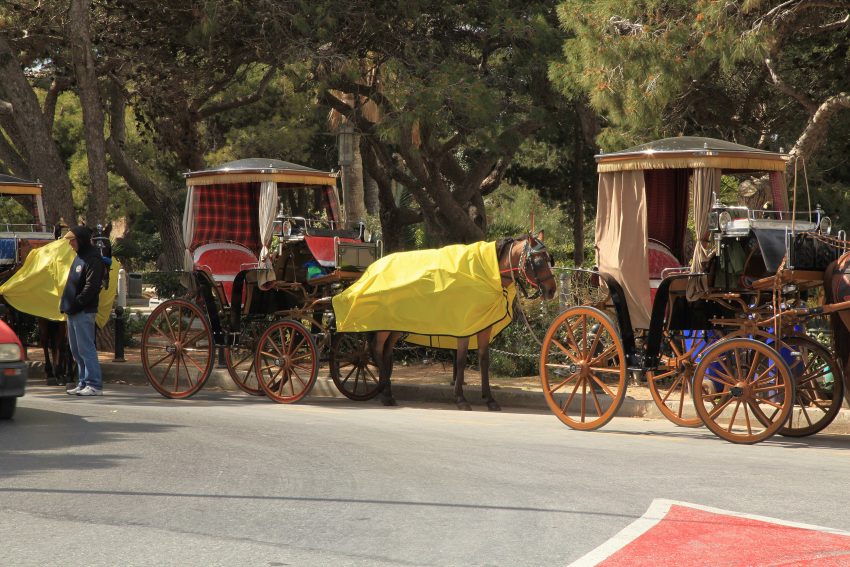
Location: Howard Gardens, Triq tal-Mużew, Mdina, Malta | Hours: Open at all times | Price: Free; Howard Gardens is a public park open to everyone. | Distance: 0.2km
14. Mdina Gate
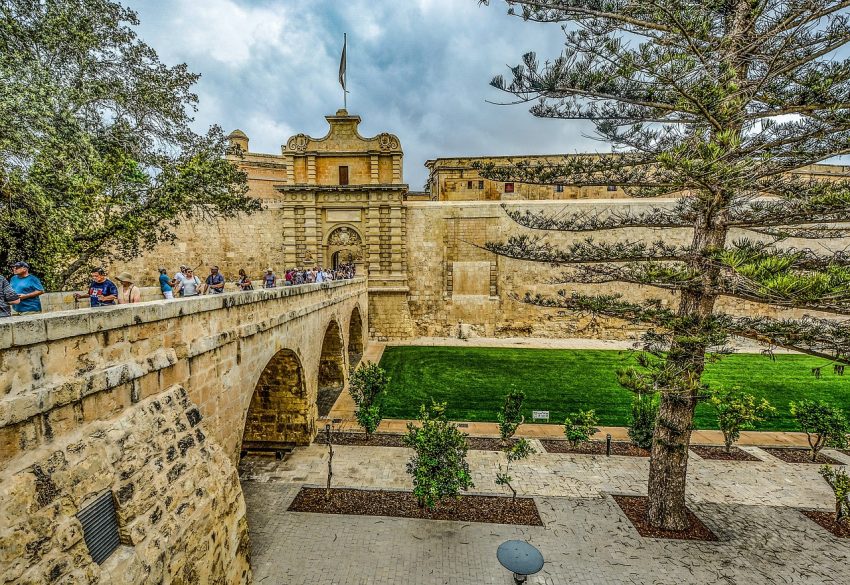
Location: Mdina Gate, Mdina, Malta | Hours: Accessible at all times | Price: Free; the Mdina Gate is a public historic entrance. | Distance: 0.2km
15. Mdina Dungeons

Location: The Mdina Dungeons Museum, Mdina, Malta | Hours: Daily: October- May 9:30am - 4:30pm | June - September 9:30am — 9:30pm | Price: Adults: €6:00 | Website | Distance: 0.2km
16. National Museum of Natural History
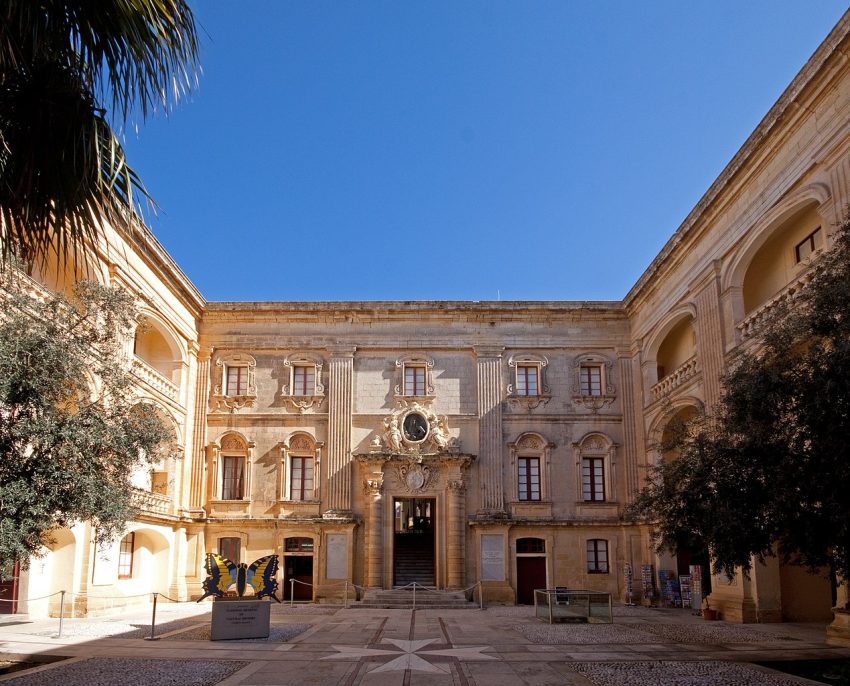
Location: National Museum Of Natural History, Mdina, Malta | Hours: Monday to Sunday, 9:00 AM – 5:00 PM (last admission at 4:30 PM); closed on select public holidays. | Price: Adults: €5.00 | Website | Distance: 0.2km
17. Mdina Bastions
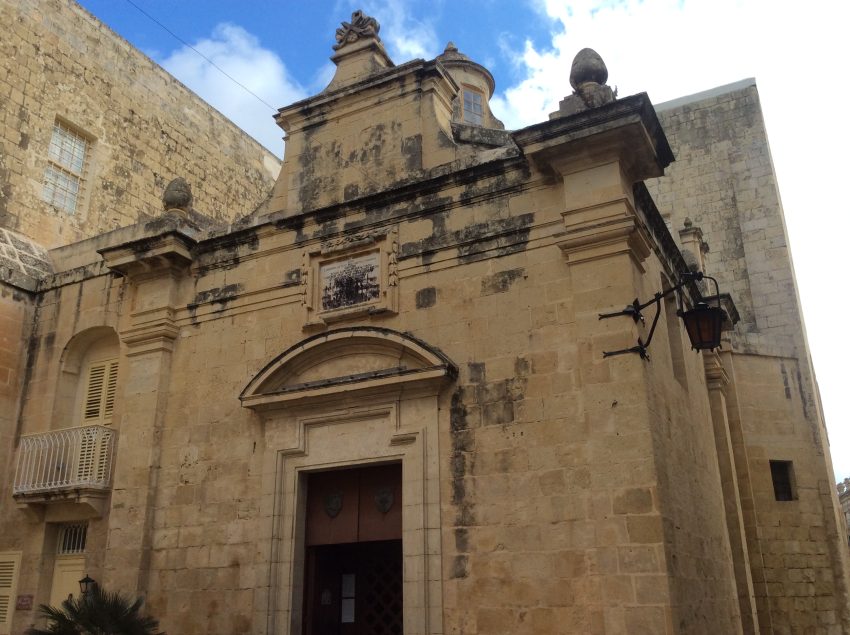
Location: Mdina, Malta | Distance: 0.2km
18. Greeks Gate
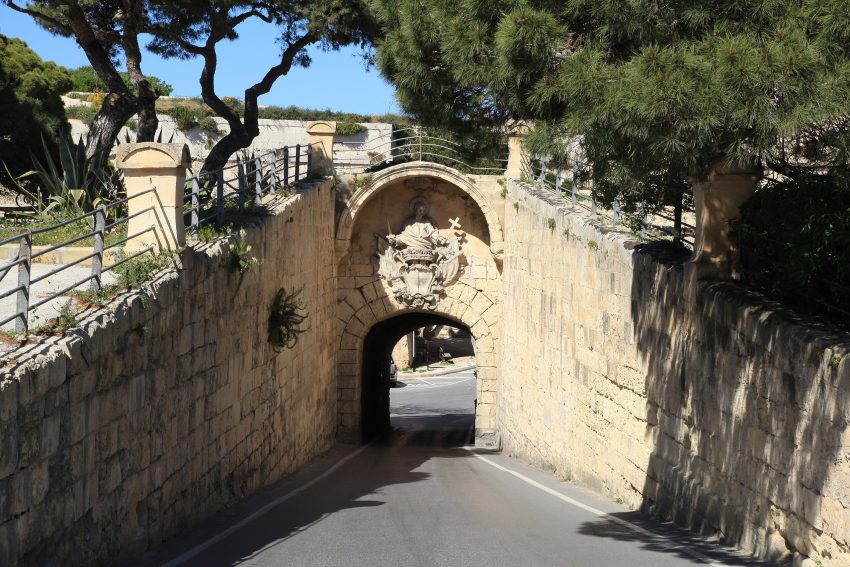
Location: Greeks Gate (Bieb il-Griegi), Mdina, Malta | Hours: Accessible at all times | Price: Free; Greeks Gate is a public historic entrance with no ticket required. | Distance: 0.2km
19. Domus Romana
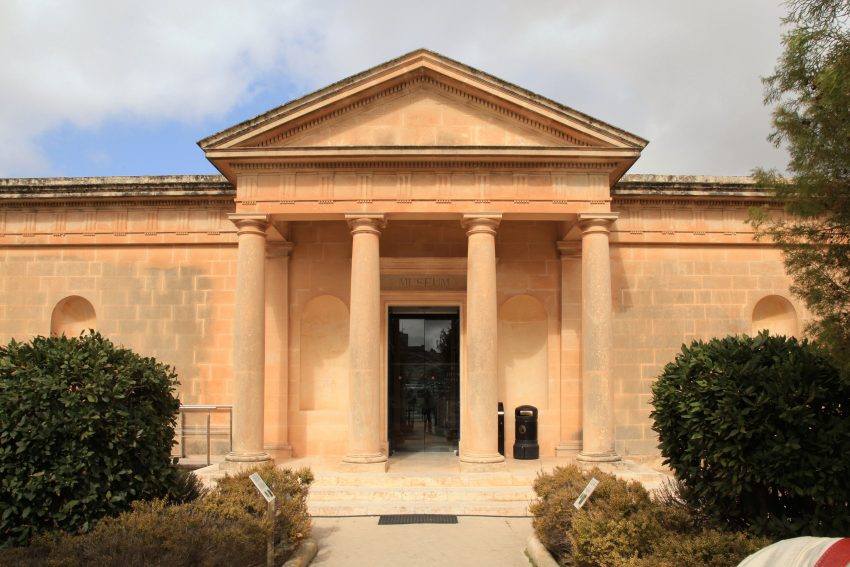
Location: Domus Romana, Mdina, Malta | Hours: Open Daily 09:00- 17:00. Close Mondays | Price: Adults: €6.00 | Website | Distance: 0.3km
20. Rabat
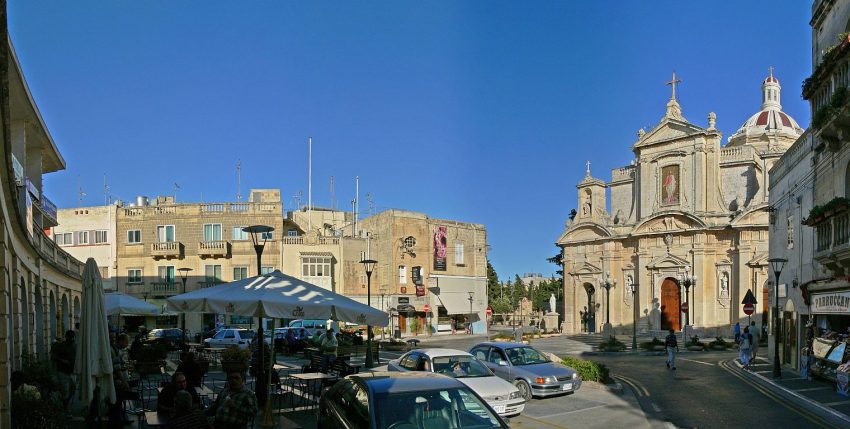
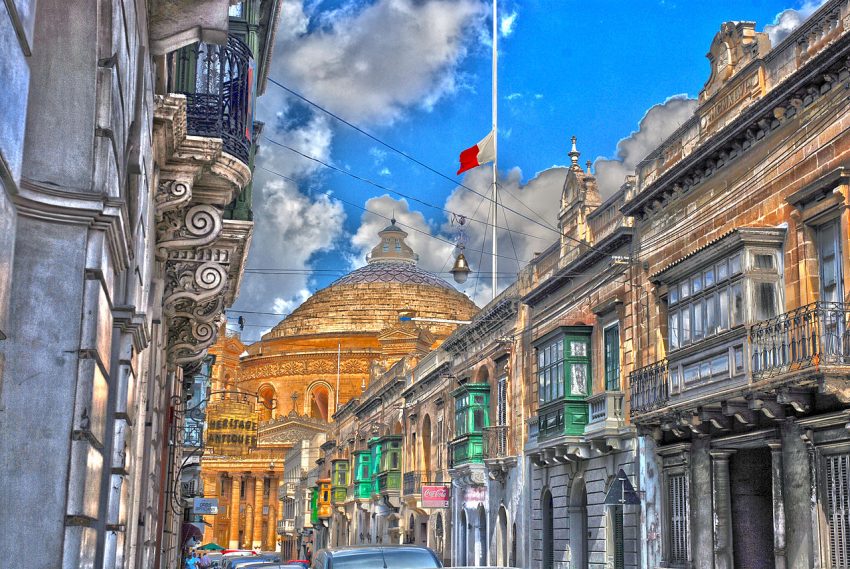
21. Mosta
Best Day Trips from Mdina
A day trip from Mdina offers the perfect opportunity to escape the urban rhythm and discover the surrounding region's charm. Whether you're drawn to scenic countryside, historic villages, or cultural landmarks, the area around Mdina provides a variety of easy-to-reach destinations ideal for a one-day itinerary.
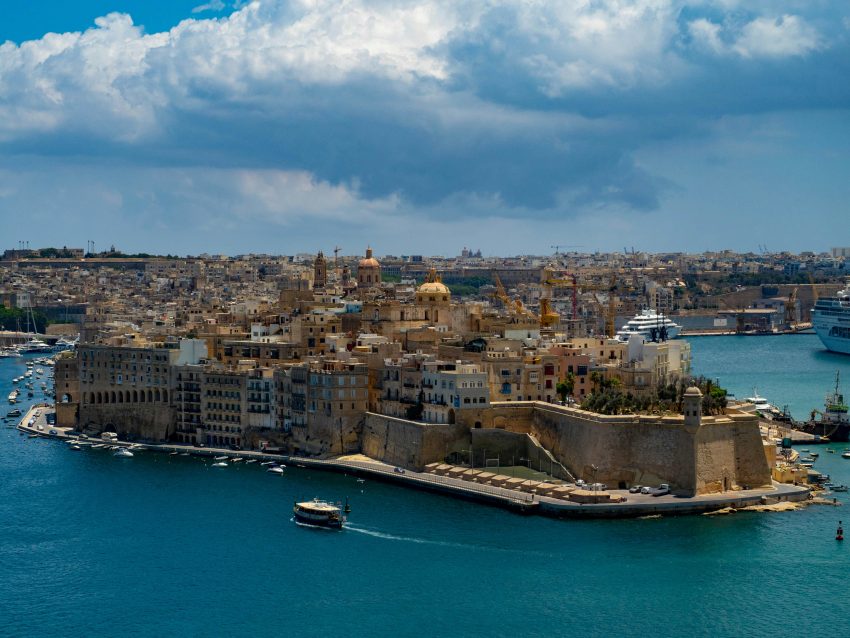
1. Valletta
Visiting Valletta
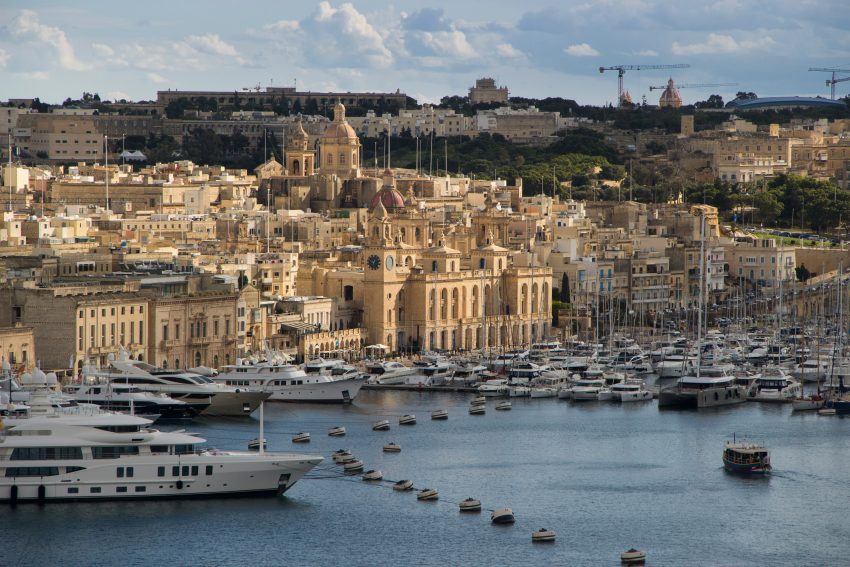
2. Birgu
Visiting Birgu
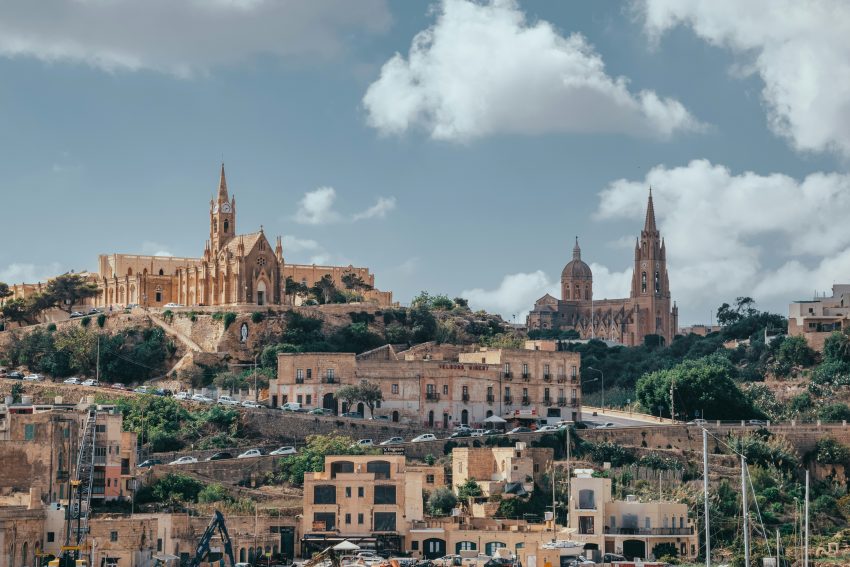
3. Victoria (Rabat), Gozo
Visiting Victoria (Rabat), Gozo
4. Noto

Visiting Noto
5. Syracuse
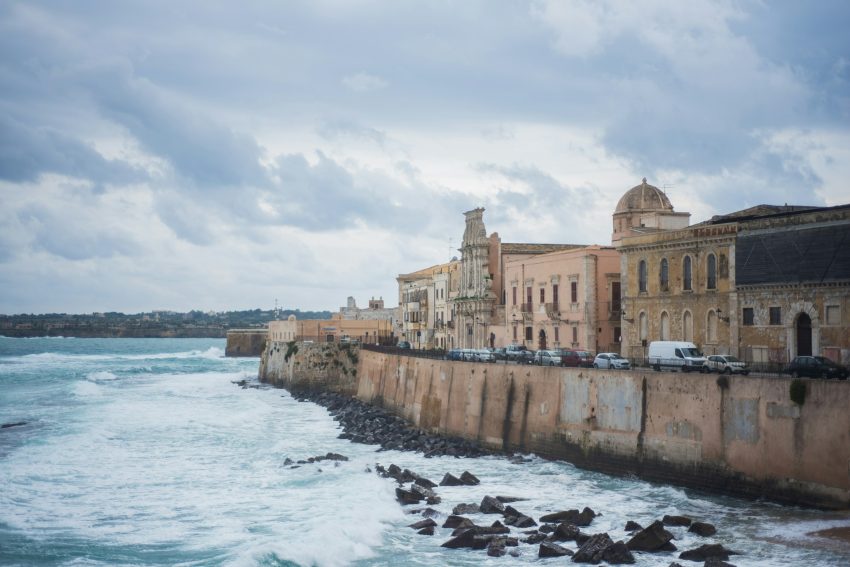
Visiting Syracuse
Where to Stay in Mdina
For those planning to stay in Mdina, the city and its nearby areas offer a refined mix of historic charm and modern comfort. Inside the ancient walls, accommodations are limited but exceptional, offering an exclusive experience within Malta’s most atmospheric setting. One of the most iconic options is The Xara Palace Relais & Châteaux, a beautifully restored 17th-century palace that blends baroque elegance with luxury amenities. Staying here allows guests to wake up to quiet cobbled streets and stunning views over the island — an experience that captures the very soul of Mdina.
Just outside the city walls, in the neighboring town of Rabat, there are several excellent boutique hotels and guesthouses that provide easy access to Mdina’s attractions while offering a slightly livelier local atmosphere. A popular choice is Point de Vue Guesthouse, which offers cozy rooms and a terrace overlooking the countryside. Another standout is Casa Azzopardi Guesthouse, known for its warm hospitality and proximity to both Mdina and Rabat’s charming cafés and museums.
For travelers seeking a mix of luxury and tranquility just beyond the historic center, the surrounding countryside also offers a few elegant stays. Corinthia Palace Malta is a short drive from Mdina and provides a serene resort-style experience with lush gardens, fine dining, and a spa. It’s an ideal choice for those who wish to explore Mdina by day and unwind in comfort by night. Whether within the walls of the Silent City or in the nearby towns, staying near Mdina promises a perfect balance of history, beauty, and Maltese warmth.
Using the our Hotel and Accomodation map, you can compare hotels and short-term rental accommodations in Mdina. Simply insert your travel dates and group size, and you’ll see the best deals for your stay.
Mdina Accommodation Map
Best Time to Visit Mdina
Visiting Mdina in Spring (Best)
Spring is the best time to visit Mdina, when mild temperatures, gentle breezes, and blooming flowers bring the city’s golden streets to life. The season offers perfect conditions for leisurely walks through the Silent City’s narrow alleys and panoramic viewpoints. During this period, visitors can also experience Holy Week and Easter celebrations, which are beautifully observed across Malta and lend Mdina an especially atmospheric charm. The combination of pleasant weather and cultural vibrancy makes spring the ideal time to explore the city at its most picturesque.
Visiting Mdina in Summer
Summer in Mdina is warm and bright, ideal for travelers who enjoy long days and lively evenings. The city’s thick limestone walls provide welcome shade, making it more comfortable than many coastal areas during the hottest hours. Summer also brings the Medieval Mdina Festival or other cultural events that sometimes feature reenactments, music, and art exhibitions within the old streets. While crowds are more common during this season, visiting early in the morning or after sunset allows for a quieter, more magical experience.
Visiting Mdina in Autumn
Autumn offers a gentle transition from the heat of summer to cooler, calmer days. The light takes on a warm glow, highlighting the honey-colored stone of Mdina’s architecture in beautiful tones. This is a great time for photography and relaxed exploration, as the pace of tourism slows down. Occasionally, the city hosts small art and cultural events that complement the peaceful atmosphere. The comfortable temperatures make autumn a lovely, unhurried season to experience Mdina’s tranquil charm.
Visiting Mdina in Winter
Winter in Mdina is peaceful and reflective, with fewer visitors and a quiet that suits the city’s nickname, The Silent City. The cool, crisp air enhances the experience of wandering its medieval lanes, and the atmosphere feels especially intimate. Cafés and restaurants provide cozy spots to enjoy traditional Maltese dishes while looking out over sweeping countryside views. Though it’s the low season, winter in Mdina offers a unique opportunity to experience the city’s timeless elegance without the crowds, making it perfect for travelers who appreciate serenity and authenticity.
Annual Weather Overview
- January 14°C 62°F
- February 15°C 62°F
- March 15°C 63°F
- April 16°C 64°F
- May 20°C 71°F
- June 25°C 81°F
- July 29°C 87°F
- August 29°C 87°F
- September 26°C 83°F
- October 23°C 77°F
- November 20°C 71°F
- December 17°C 67°F
How to get to Mdina
Nearest airports: The closest airport to Mdina is Malta International Airport, which handles both domestic and international flights from major European cities. Located roughly 10 kilometers away, it provides quick and easy access to the city. For the best deals and a seamless booking experience, check out these flights to Mdina on Booking.com.
Transfers and taxis: From the airport, visitors can take a taxi directly to Mdina, with the journey taking around 20–25 minutes depending on traffic. Several airport transfer services also offer pre-booked rides or private shuttles for added convenience.
Public transport: For a budget-friendly option, Malta's public bus system connects the airport to Mdina through routes that pass via Valletta. Though the journey takes longer — typically 45 to 60 minutes — it offers a scenic way to travel across the island. From Valletta, take the number 51 bus, which runs regularly throughout the day and takes about 25–30 minutes to reach Rabat, just outside Mdina's walls. From there, it's only a short walk into the Silent City, where everything is easily explored on foot. The current day fare for a single journey is €2.00, valid for two hours across Malta's public transport network (with slightly higher fares at night). This makes the bus both an affordable and convenient way to visit one of Malta's most historic destinations.
Driving routes: Reaching Mdina by car is straightforward, with well-marked roads leading from Valletta and other major towns. The drive takes about 25 minutes from the capital, following signs toward Rabat and then into Mdina.
Parking information: Cars are not permitted inside Mdina’s historic core, preserving its quiet, pedestrian-friendly atmosphere. However, visitors can park in designated areas just outside the city gates, which are a short walk from the main entrance.
Car rental options: Renting a car from the airport or major towns is easy, giving travelers flexibility to explore the rest of the island as well. Driving in Malta follows the left-hand side, similar to the UK, so visitors should keep that in mind when planning their journey.
Travelling Around Mdina
Mdina is compact and best explored on foot, with its narrow lanes, courtyards, and viewpoints easily accessible within a short walk. The city’s pedestrian layout invites slow exploration, perfect for discovering hidden corners and architectural details. Traditional horse-drawn carriages, known as karozzini, are also available for a charming way to see the sights. For nearby attractions, local buses and taxis connect Mdina to neighboring Rabat and other parts of Malta with ease.