Ancient Noto and Gate of the Mountain
Ancient City, City Gate and Ruins in Noto
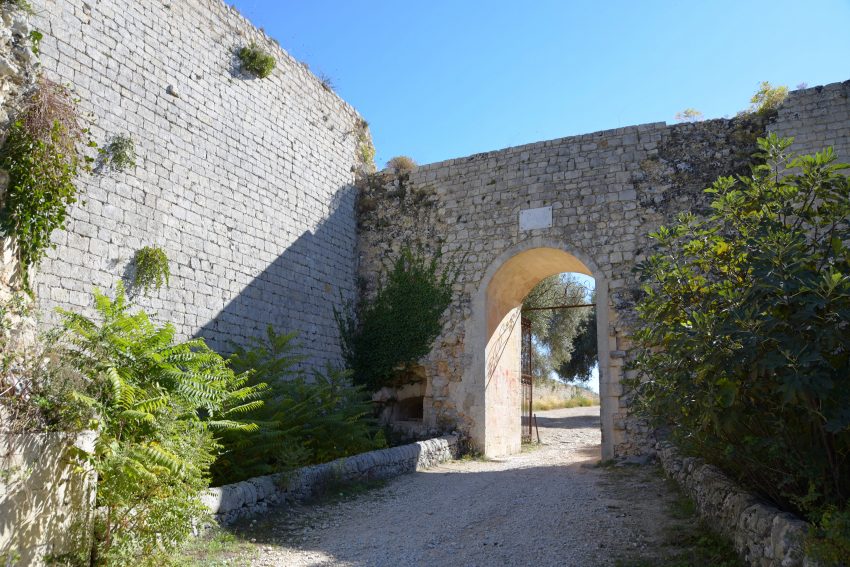
Ancient Noto and the Gate of the Mountain sits on Monte Alveria above Noto, Italy, as the remains of the city that came before the 1693 earthquake. It is an open archaeological site rather than a polished monument, with ruins spread across a rocky plateau above the modern town.
The main arrival point is the Gate of the Mountain, a stone gateway set into the old fortifications and still used as the natural threshold into the site. Visitors notice the walls, ruined building outlines, and exposed rock all around the plateau, along with long views across the surrounding countryside. It works best for people who like slow walking, open-air ruins, and places where the landscape explains the history as much as the remains do.
Table of Contents
- History and Significance of the Ancient Noto and Gate of the Mountain
- Things to See and Do in the Ancient Noto and Gate of the Mountain
- How to Get to the Ancient Noto and Gate of the Mountain
- Practical Tips on Visiting the Ancient Noto and Gate of the Mountain
- Where to Stay Close to the Ancient Noto and Gate of the Mountain
- Is the Ancient Noto and Gate of the Mountain Worth Visiting?
- For Different Travelers
- FAQs for Visiting Ancient Noto and Gate of the Mountain
History and Significance of the Ancient Noto and Gate of the Mountain
Ancient Noto is the earlier settlement of Noto, known historically as Netum, occupying a naturally defensive position on Monte Alveria. Deep ravines and steep rock faces protect the plateau on most sides, which is exactly why the Gate of the Mountain became such a strategic access point: it marks one of the most workable approaches into the city.
Over centuries, the site accumulated layers of history, from ancient and classical-era traces to medieval and later fortifications. The Gate of the Mountain and nearby wall sections are a powerful reminder that this was not just a town, but a fortified stronghold controlling movement through the landscape.
The turning point came with the catastrophic 1693 earthquake, after which the city was rebuilt in a new location downhill, creating the baroque Noto that visitors know today. Ancient Noto was left behind, and that abandonment is part of its appeal: it feels raw, open-air, and quietly monumental.
Things to See and Do in the Ancient Noto and Gate of the Mountain
Start at the Gate of the Mountain and take time to study the surviving masonry and the way the entrance funnels you onto the plateau. Even without a formal museum-style route, the layout makes sense once you imagine the gate as a controlled choke point into a defended city.
From the entrance area, follow the paths deeper into the ruins to look for stretches of city walls, remnants of larger structures, and the general footprint of the old town. The castle zone and higher ground are especially rewarding for panoramic views and for understanding how the settlement used topography as protection.
If you enjoy slow travel, this is a great place to do a “history hike”: walk with purpose, pause often, and use the landscape to connect the dots. A guided walking tour can be especially worthwhile here because many of the most interesting details are easy to miss without local interpretation.
How to Get to the Ancient Noto and Gate of the Mountain
The nearest major airports are Catania Fontanarossa Airport (CTA) and Comiso Airport (CIY), with Palermo Airport (PMO) also possible if you're combining destinations across Sicily. For the best deals and a seamless booking experience, check out these flights to Noto on Booking.com.
To reach Noto by rail, use regional trains that connect through Syracuse (Siracusa) and other hubs in southeastern Sicily; from Noto station you'll continue onward by taxi or local arrangements toward the site.Use Omnio to easily compare schedules, book train tickets, and find the best prices all in one place for a hassle-free journey across Italy.
By car, drive from Noto toward the Monte Alveria/Noto Antica area and follow signs toward the archaeological zone; having your own vehicle makes the approach much simpler and gives you flexibility for viewpoints and nearby stops.If you are looking to rent a car in Italy I recommend having a look at Discover Cars, first, as they compare prices and review multiple car rental agencies for you.
Practical Tips on Visiting the Ancient Noto and Gate of the Mountain
- Entrance fee: Free.
- Opening hours: 24 Hours.
- Best time to visit: Go in the morning or late afternoon for softer light and more comfortable temperatures, especially outside winter. If you’re visiting in summer, plan around heat and bring extra water.
- How long to spend: Allow 1.5-3 hours for a satisfying wander from the gate into the ruins and back with photo stops. History lovers or hikers can easily stretch it longer by exploring side paths.
- Accessibility: Expect uneven ground, rocky surfaces, and natural paths rather than paved walkways. It’s best suited to visitors who are comfortable walking on rough terrain.
- Facilities: Facilities are limited on-site, so bring water, sun protection, and anything you may need. Treat it like a scenic archaeological walk rather than a fully serviced attraction.
Where to Stay Close to the Ancient Noto and Gate of the Mountain
Base yourself in central Noto if you want the easiest evenings for dining, baroque sightseeing, and day trips by car.
Hotel Porta Reale A smart pick for being right on Noto’s main axis, making early starts and late returns effortless while keeping you close to the city’s headline architecture.
Gagliardi Boutique Hotel Chosen for its boutique feel and central location, ideal if you want a more design-forward stay after a dusty, outdoorsy visit to the ruins.
Hotel Flora A practical, well-placed option for travelers who want classic comfort and a straightforward base for exploring both Noto and the surrounding countryside.
Seven Rooms Villadorata Included for its atmospheric setting in a historic building, which pairs beautifully with a trip focused on history, ruins, and the older layers of the region.
Il Giardino del Barocco A good choice if you like a smaller, intimate stay with a local feel, keeping you close to Noto’s walkable center while you plan excursions to Monte Alveria.
Is the Ancient Noto and Gate of the Mountain Worth Visiting?
Yes, especially if you want to see what existed before Noto’s famous baroque rebuild. The Gate of the Mountain delivers a memorable “threshold moment,” and the wider site rewards anyone who enjoys open-air ruins, big landscapes, and the freedom to explore at their own pace.
Honest Pivot: if you prefer curated attractions with clear signage, staffed ticket desks, and polished pathways, you may find Ancient Noto too unstructured. It's also not ideal if you have limited mobility or if you're looking for a quick, low-effort stop.
What Other Travellers Say...


For Different Travelers
Ancient Noto and the Gate of the Mountain can feel like a choose-your-own-adventure site: you can keep it short and scenic, or turn it into a deeper exploration. Your enjoyment depends less on “must-see exhibits” and more on how much you like walking, imagining the past, and reading the landscape.
Families with Kids
Kids who like exploring will enjoy the sense of discovery, especially the dramatic entrance at the gate and the feeling of wandering through a “lost city.” Keep the route simple and set clear boundaries, since the terrain can be uneven and there may be steep edges in places.
Plan a snack-and-water break strategy and treat it like a nature walk with history rather than a museum visit. If your family prefers structured interpretation, consider a guide so the ruins turn into stories.
Couples & Romantic Getaways
For couples, this is a quieter counterpoint to Noto’s elegant baroque streets: more wild, more atmospheric, and often far less crowded. The best moments come from slow walking, shared viewpoints, and golden-hour light near the gate and higher paths.
Pair it with an easygoing afternoon back in Noto for aperitivo and dinner. It's a great “something different” day if you've already seen the main churches and palazzi in town.
Budget Travelers
This is a strong value stop because it’s more about the place than paid experiences, and you can build a memorable half-day with minimal spend. Bring your own water and snacks, and you’ll avoid relying on limited nearby services.
If you’re traveling without a car, costs can rise due to taxis or tours, so consider grouping it with other nearby countryside stops in one outing. A shared tour can also be a cost-effective way to add context.
History Buffs
History lovers will appreciate the site’s long timeline and the way the landscape explains the settlement’s defensive logic. The Gate of the Mountain is a highlight because it anchors the story of access, fortification, and control.
To get more out of the visit, read a little about pre-1693 Noto before you go or book a guide who can point out what's easy to overlook. The reward is in the details: walls, footprints of buildings, and how the city once fit together.
FAQs for Visiting Ancient Noto and Gate of the Mountain
Getting There
Tickets & Entry
Visiting Experience
Tours, Context & Itineraries
Photography
Accessibility & Facilities
Food & Breaks Nearby
Safety & Timing
The Ancient Noto and Gate of the Mountain appears in our Complete Guide to Visiting Noto!

Moira & Andy
Hey! We're Moira & Andy. From hiking the Camino to trips around Europe in Bert our campervan — we've been traveling together since retirement in 2020!
This website uses affiliate links which may earn a commission at no additional cost to you!
Nearby Attractions
- Castello Reale di Don Pietro d'Aragona (0.1) km
Castle, Historic Site and Ruins - La Collina della Memoria (0.2) km
Hike, Historic Site and Memorial - Palazzo Landolina di Belludia (0.7) km
Historic Site, Palace and Ruins - Chiesa e Collegio dei Gesuiti (0.7) km
Arts Venue, Church and Historic Building - Cava Carosello (0.9) km
Hike, Pool and Valley - Chiesa del Carmine (1.1) km
Church, Religious Building and Ruins - The Greek Heerons (1.2) km
Attraction, Historic Site and Ruins - Eremo di Santa Maria della Provvidenza (1.6) km
Church, Historic Site and Viewing Point - Church of San Domenico (7.2) km
Church, Historic Building and Religious Building - Teatro comunale Tina Di Lorenzo (7.3) km
Arts Venue, Historic Building and Theatre