Birgu, Malta: The Ultimate Travel Guide 2026
Birgu
Birgu

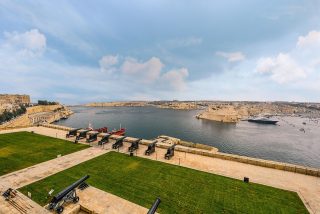
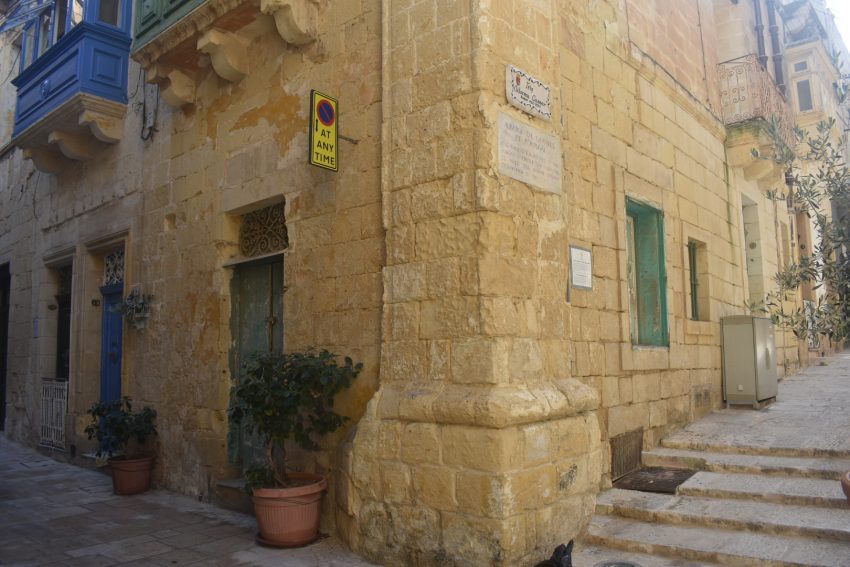
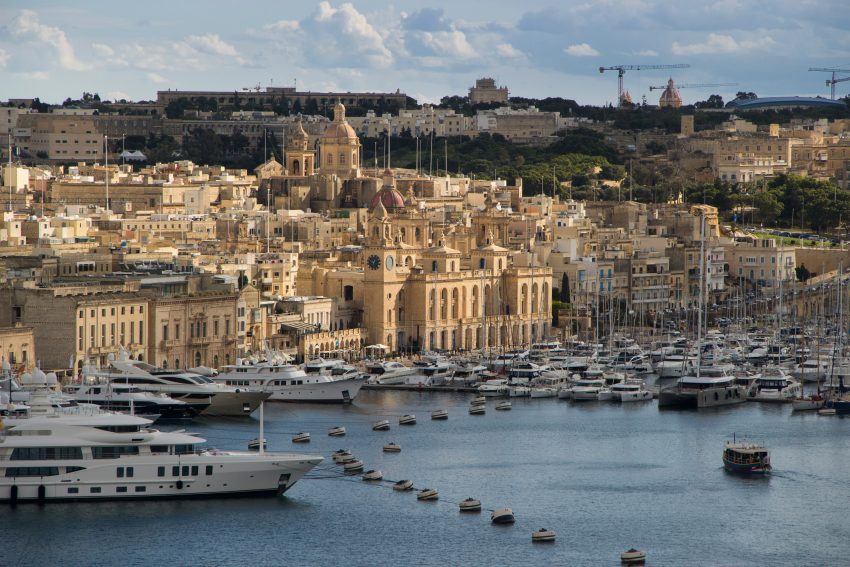
Visiting Birgu, also known as Vittoriosa, offers a truly authentic Maltese experience filled with charm, atmosphere, and waterfront beauty. Located on the southern side of Malta's Grand Harbour, directly across from Valletta, Birgu is part of the famed Three Cities - together with Senglea (Isla) and Cospicua (Bormla). This ancient harbor town is a maze of narrow lanes, limestone buildings, and shaded courtyards that invite you to slow down and explore at your own pace. The city's peaceful rhythm, coupled with its scenic marina lined with cafés and boats, makes it a perfect escape from the busier capital just across the water.

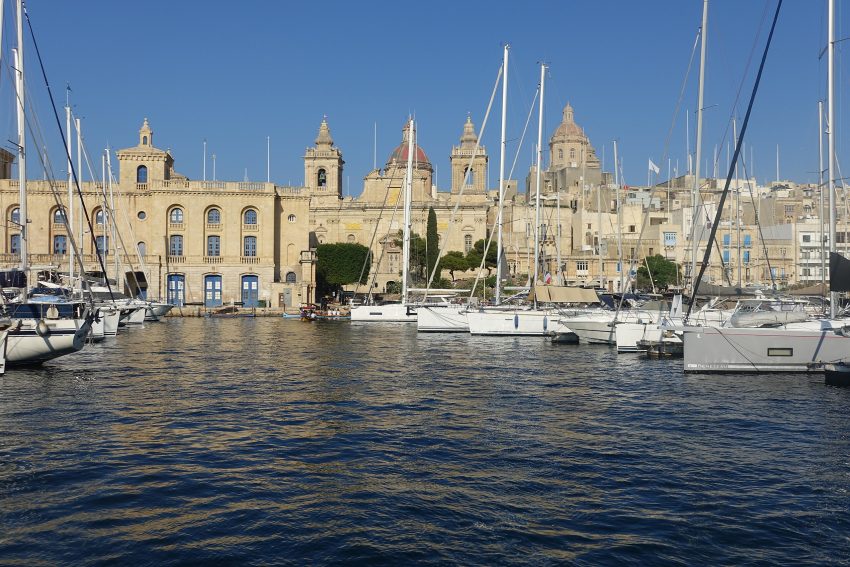
Birgu is also one of the most picturesque coastal towns in Malta, offering stunning harbor views and easy access by ferry or car from Valletta. The Vittoriosa Waterfront is a highlight in itself - a lively promenade where superyachts sit beside centuries-old warehouses, now home to stylish restaurants and wine bars. Wandering through its quiet backstreets, visitors will find artisan shops, quaint chapels, and viewpoints that frame the harbor and city skyline beautifully. As day turns to evening, Birgu takes on a romantic glow, especially when its waterfront lights shimmer across the water.

With its mix of elegance and authenticity, Birgu is one of the best places to visit in Malta. It's a city where modern life blends effortlessly with old-world charm, offering a more intimate side of Maltese culture. Whether you come for a leisurely stroll, a harbor cruise, or a relaxed dinner by the water, Birgu's warm atmosphere and timeless character will stay with you long after you leave.

History of Birgu

Birgu in the Medieval Period

The story of Birgu stretches back to the medieval era, long before the arrival of the Knights of St. John. Its natural harbor made it a strategic settlement for traders and sailors who passed through the central Mediterranean. During the Middle Ages, Birgu grew from a modest fishing village into a fortified town under various rulers, including the Arabs and later the Normans. By the 15th century, it had become a thriving maritime community known for its shipyards, seafaring families, and defensive position overlooking the Grand Harbour. The town’s strategic importance would soon make it the center of Malta’s destiny.

Birgu and the Knights of St. John

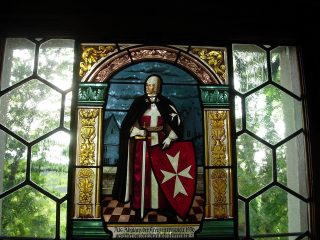
In 1530, when the Knights of St. John arrived in Malta, they made Birgu their headquarters and transformed it into the island’s first fortified capital. Under the leadership of Grand Master Philippe Villiers de L’Isle Adam, the Order fortified the peninsula, constructing Fort St. Angelo at its tip as their main stronghold. Within the walls of Birgu, the Knights built auberges, churches, and administrative buildings that reflected their growing power and influence. The city flourished as a naval and political hub, attracting merchants, craftsmen, and scholars from across Europe. During this period, Birgu became known as Vittoriosa, or “Victorious,” a name that would later gain even greater significance.

Birgu During the Great Siege of 1565

Birgu’s defining moment came during the Great Siege of 1565, when the Ottoman Empire launched a massive assault on the island. The town became the epicenter of resistance, with Fort St. Angelo and its defenders holding firm against months of relentless attacks. The siege ended in victory for the Knights, and Birgu was celebrated as the bastion that saved Malta and Christendom from Ottoman conquest. The town’s new name, Vittoriosa, was granted in honor of this heroic defense. After the siege, Birgu’s role as the Knights’ capital continued briefly until the construction of Valletta began in 1566, marking a new era for the Order.

Birgu in Modern Times

Although the Knights moved their seat of power to Valletta, Birgu remained a significant maritime and residential center. Over the following centuries, it evolved under different rulers, including the French and British, while retaining its historic character. During World War II, Birgu once again found itself on the frontlines, suffering heavy bombing due to its proximity to the naval dockyards. Yet, like before, the city endured and rebuilt. Today, Birgu stands as a beautifully preserved reminder of Malta’s resilience and layered past — a place where medieval streets, knightly architecture, and living traditions all coexist in timeless harmony.

Moira & Andy
Moira & Andy

Hey! We're Moira & Andy. From hiking the Camino to trips around Europe in Bert our campervan — we've been traveling together since retirement in 2020!

Read our full story here

Visiting Birgu for the first time and wondering what are the top places to see in the city? In this complete guide, I share the best things to do in Birgu on the first visit. To help you plan your trip, I have also included an interactive map and practical tips for visiting!

This website uses affiliate links which earn a small commission at no additional cost to you.
Powered by GetYourGuide

20 Best places to See in Birgu

This complete guide to Birgu not only tells you about the very best sights and tourist attractions for first-time visitors to the city but also provide insights into a few of our personal favorite things to do.

This is a practical guide to visiting the best places to see in Birgu and is filled with tips and info that should answer all your questions!

1. Auberge d’Aragon
Auberge dAragon, Birgu
CC BY-SA 4.0 / Continentaleurope
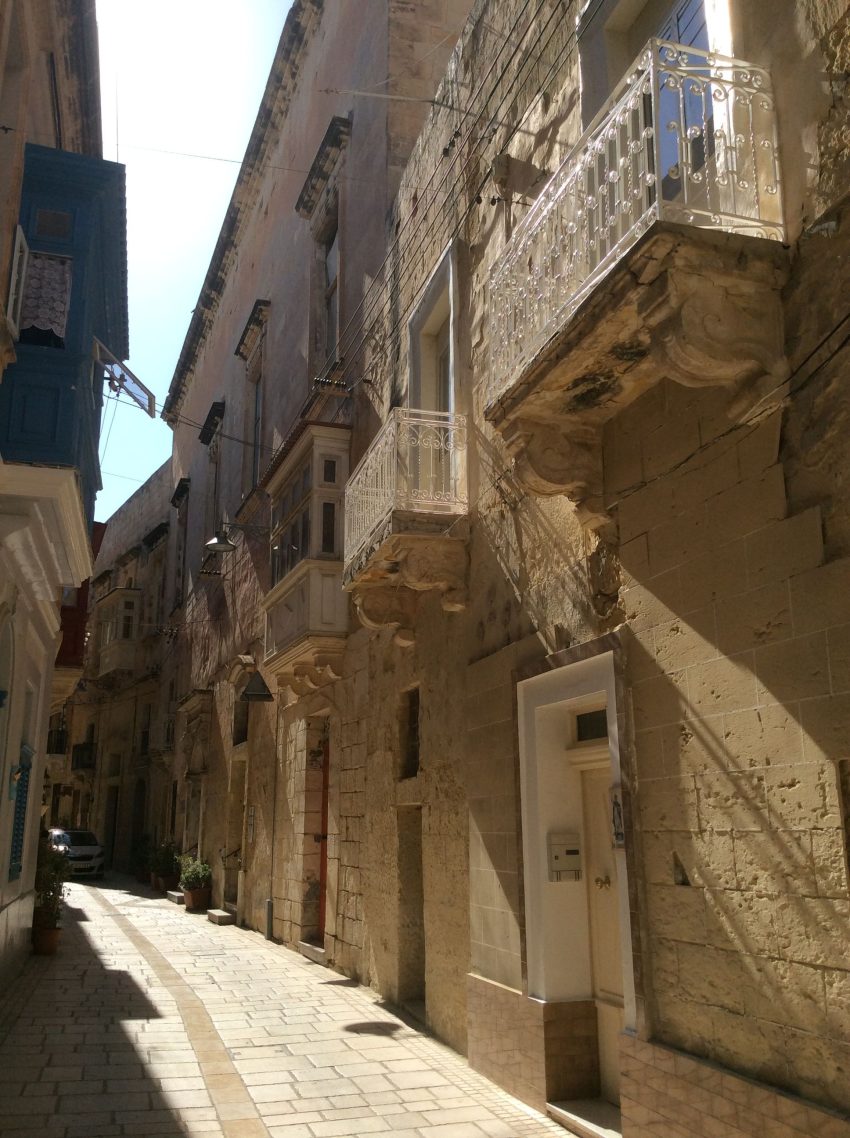
Auberge d’Aragon is a 16th-century Knights of St John residence in the Collachio, built for the Langue of Aragon, Navarre and Catalonia. From the street, what sticks with you is the compact, symmetrical two-storey limestone front: a central doorway, flanking windows, and twin balconies above, facing the Auberge de France. Later alterations are visible—parts of the façade are clad with stone slabs—yet the original layout still reads clearly. Privately owned and generally closed inside, it’s mainly an exterior stop, but an evocative one for imagining the Order’s early headquarters before the move to Valletta. It was listed as an antiquity in 1925 and is now a Grade 1 national monument (2009).
Location: no. 28 Triq Hilda Tabone, Birgu, Malta | Distance: 0km

Here is a complete selection of hotel options in Birgu. Feel free to review each one and choose the stay that best suits your needs.

2. St. Lawrence’s Church

San lawrenz vittoriosa
CC BY-SA 3.0 / Mboesch
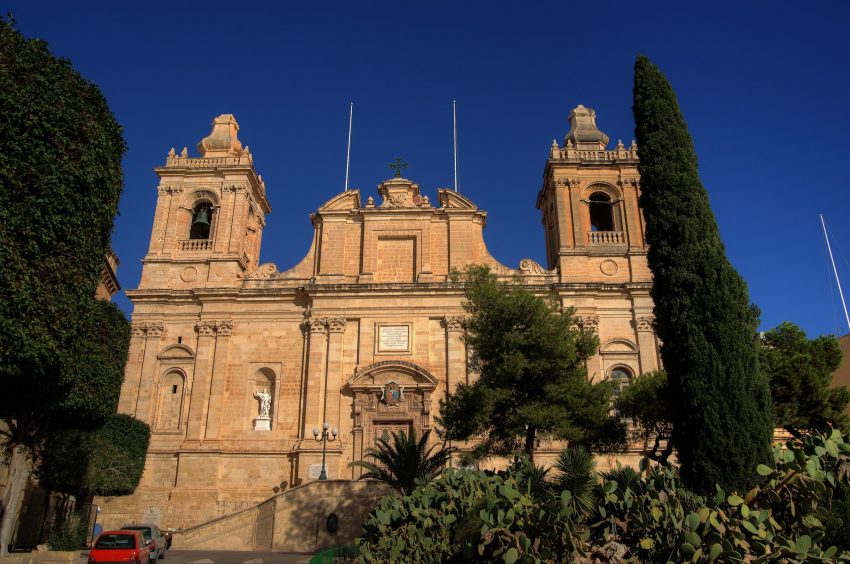
St. Lawrence’s Church dominates the main square with a grand Baroque façade and twin bell towers, set against views toward the harbour. It mattered deeply to the Order of St. John: their Conventual Church from 1530 until after the Great Siege of 1565, before a new Baroque rebuild was completed in 1681 to designs by Lorenzo Gafà. Inside, visitors notice marble altars, gilded chapels once linked to different Langues, and paintings attributed to Mattia Preti that heighten the dramatic atmosphere. The sacristy and crypt add a more intimate, devotional layer, and volunteers are often on hand to share context.
Location: Saint-Lawrence's Church of Birgu, Triq San Lawrenz, Birgu, Malta | Distance: 0.1km

Traveling to a country with a different currency? Avoid ATM transaction fees and pay in local currency with a Wise Card. Having used it for over 5 years, we've saved loads on fees!

3. Auberge d'Auvergne et Provence

Auberge d' Auvergne et Provence Birgu
Auberge d’ Auvergne et Provence Birgu
CC BY-SA 4.0 / ontinentaleurope
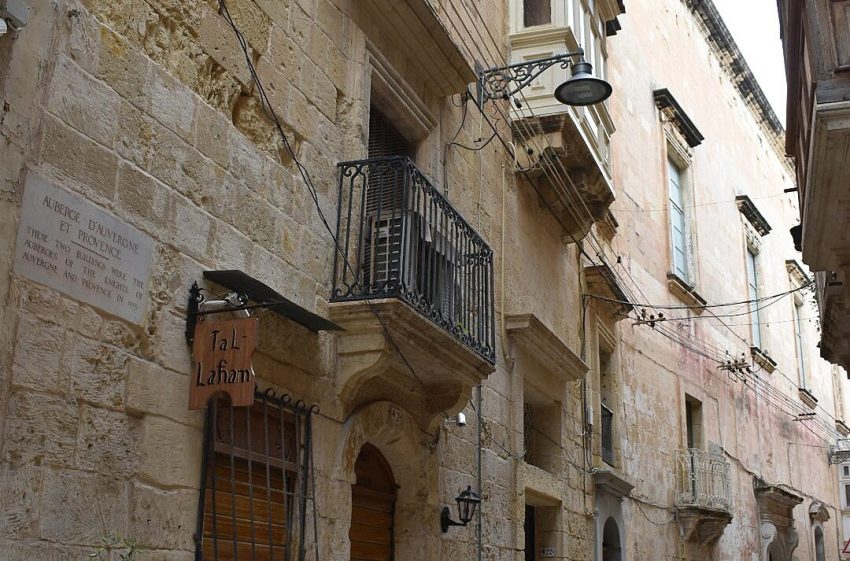
Auberge d’Auvergne et Provence is an early-1530s Knights of St John residence in the Collachio, a rare survivor from the Order’s first administrative years on Malta. From the street you can read its layered past: multiple entrances reflect the original split between the Auvergne and Provence Langues, later unified behind one façade. Look up for the twin-arched first-floor window with a slender central pillar and zigzag Siculo-Norman detailing, said to date to the 13th century. Much of the Provençal side still feels intact, while a surviving doorway hints at the Auvergne wing that was partly lost in the 20th century. The quiet, residential lanes around it make the visit feel calm and intimate.
Location: Auberge d’Auvergne and Provence, Birgu, Malta | Distance: 0.1km

Explore Birgu at your own pace with our self-guided walking tour! Follow our curated route to discover must-see sights and local secrets that makes Birgu one of the best places to visit in Malta.

4. Auberge de Castille et Portugal

Auberge de Castille et Portugal
CC BY-SA 4.0 / Continentaleurope
Auberge de Castille et Portugal is a 16th-century Knights of St John residence on today’s Hilda Tabone Street, built in the 1550s under Grand Master Claude de la Sengle. Designed by Niccolò Bellavante in the Maltese “Melitan” style, it once sat within the tightly packed Collachio network of Langue houses and served the Castille, León, and Portugal knights until they moved to Valletta in 1574. Although heavily altered and privately owned, the street-facing exterior still rewards a close look for surviving fragments: a prominent quoin and window frames with distinctive Melitan mouldings. Listed as an antiquity in 1925 and later protected as a Grade 1 monument, it’s a rare glimpse of the Order’s earliest local architecture.
Location: Auberge de Castille et Portugal, Triq Gilormu Cassar, Birgu, Malta | Distance: 0.1km

Click here to read our blog about Best 9 World War II attractions in Malta (2026)

5. Malta Maritime Museum

Malta Maritime Museum
CC BY-SA 4.0 / Joseolgon
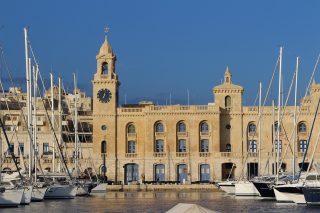
Set on the waterfront inside the Old Naval Bakery, a monumental 1840s complex built to feed the British Mediterranean Fleet, the Malta Maritime Museum connects the harbour outside to 7,000 years of seafaring inside. The spacious galleries move from ancient anchors and salvaged ship fittings to Knights-era weapons, model vessels, and precise navigational instruments that map Malta’s role in Mediterranean trade and conflict. A hulking 100‑ton steam engine adds an industrial jolt, making the building’s working past feel close. Displays on corsairing and later naval life through the World Wars give the collections a sharper edge than a simple ship-and-sail story.
Location: Malta Maritime Museum, The Malta Maritime Museum, Xatt l-Assedju l-Kbir, Birgu, Malta | Hours: Daily 9:00 a.m. – 5:00 p.m. (last admission 4:30 p.m.) | Price: Adults €5 | Website | Distance: 0.1km

Click here to read our blog about Malta: Tracing the Legacy of the Knights of St. John

6. Auberge de France

Auberge de France, Birgu
CC BY-SA 4.0 / Continentaleurope
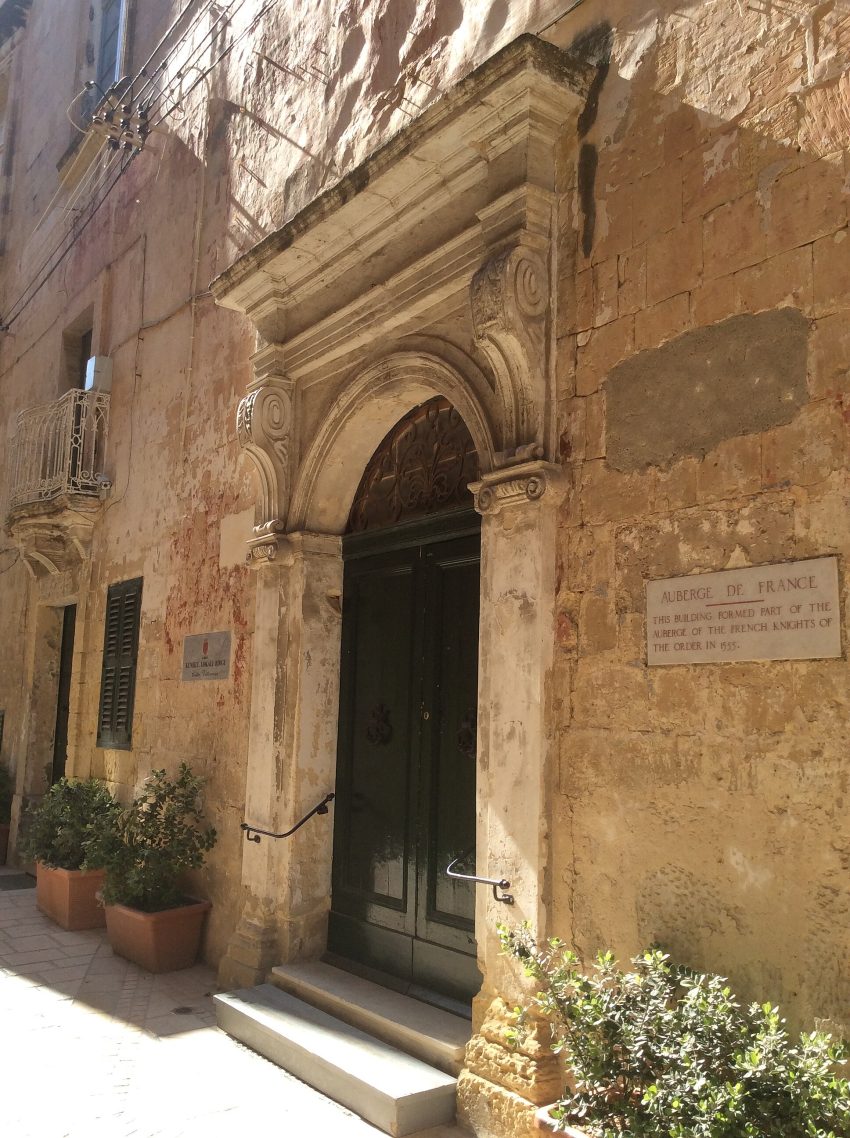
Auberge de France is a 16th-century Knights of St John residence in the Collachio, built around 1533 for the French Langue and incorporating an older house. Its symmetrical Melitan façade is the main draw: moulded windows, a finely carved doorway, and a wrought-iron fleur-de-lys that still signals its original occupants. Look up to spot the twin-arched first-floor window with a slender central pillar and zigzag carving, a rare Siculo-Norman detail dating to the 13th century. The building has worn many lives—later a private palace nicknamed “the Palace of the Millionaire,” then a school and factory—before becoming the Local Council offices. Most visitors linger outside, soaking up the quiet, romantic lanes.
Location: Auberge de France, Birgu, Malta | Distance: 0.1km

7. Inquisitor’s Palace
Interior of Inquisitors Palace Birgu
CC BY-SA 2.5 / Marie-Lan Nguyen
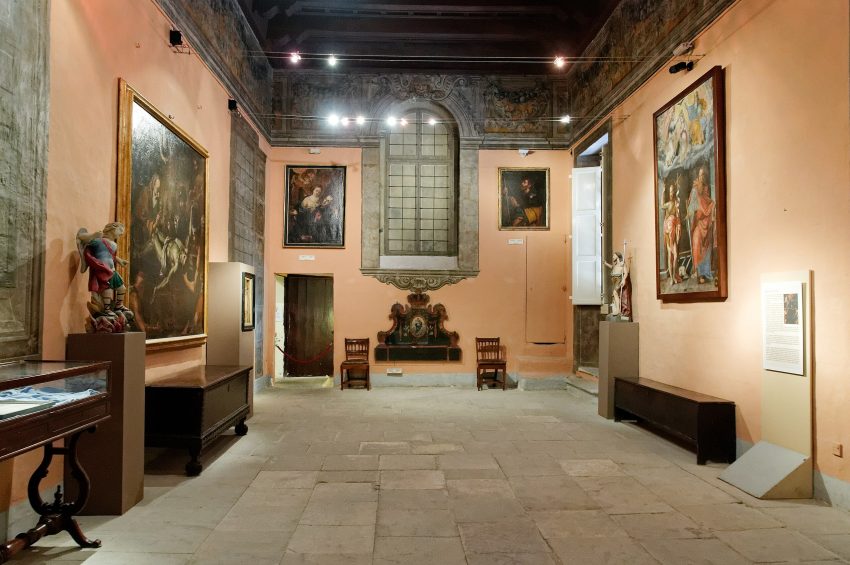
The Inquisitor’s Palace is a rare, largely intact inquisitorial complex, revealing how religion, justice, and power overlapped in Malta from 1574 to 1798. First built in the 1530s as the Knights of St John’s civil law courts, it later became the Holy Office’s residence, tribunal, and prison, and its rooms still carry that uneasy mix of authority and daily life. Visitors move through calm arcaded courtyards and up a grand stone staircase into tribunal chambers furnished with stark wooden fittings. The mood shifts in the prison cells and passages below, before returning to more domestic inquisitors’ apartments and the National Museum of Ethnography’s devotional and folk traditions.
Location: Inquisitor's Palace, Birgu, Malta | Hours: Daily from 9:00 a.m. to 5:00 p.m. (last entry 4:30 p.m.) | Price: Adults €6 | Distance: 0.1km

8. Auberge d’Angleterre
Auberge d Angleterre
CC BY-SA 4.0 / Continentaleurope
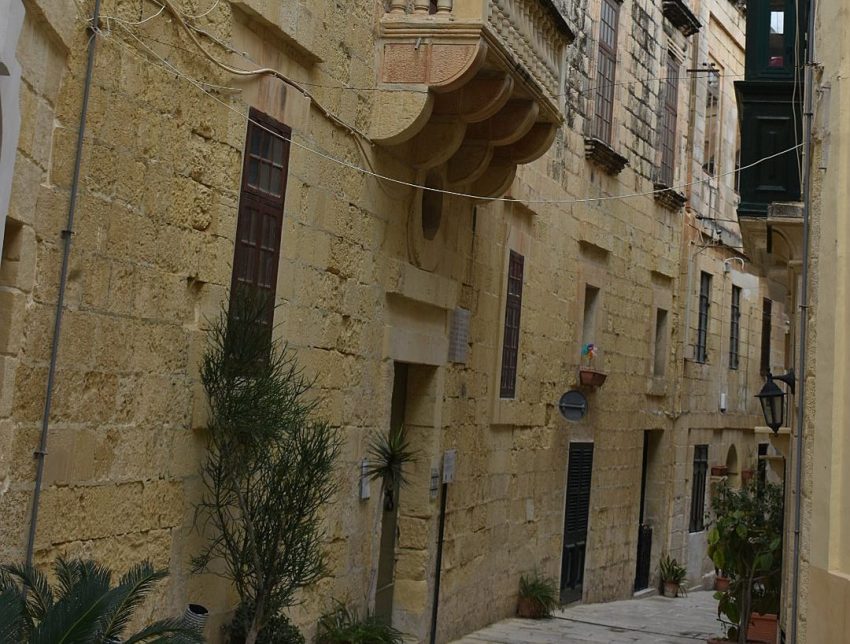
Auberge d’Angleterre is a compact 16th-century Knights of St John residence tucked inside the Collachio, built around 1534 by adapting an older Maltese house and later adding an upper floor. It served as the headquarters of the English Langue—knights from England, Scotland, and Ireland—before that branch was suppressed during the Reformation and never re-established in Valletta. What visitors remember is the remarkably intact Melitan façade: a central doorway crowned by a round window, crisp stone mouldings, and a projecting open balcony above. The interior isn’t generally accessible today because the building functions as the Vittoriosa Health Centre, so it’s an exterior stop with a quietly atmospheric presence.
Location: Berġa tal-Ingilterra, Majjistral, Birgu, Malta | Distance: 0.1km

9. Gate of Provence
Main Gate, Borgo
Main Gate, Borgo
CC BY-SA 4.0 / Continentaleurope
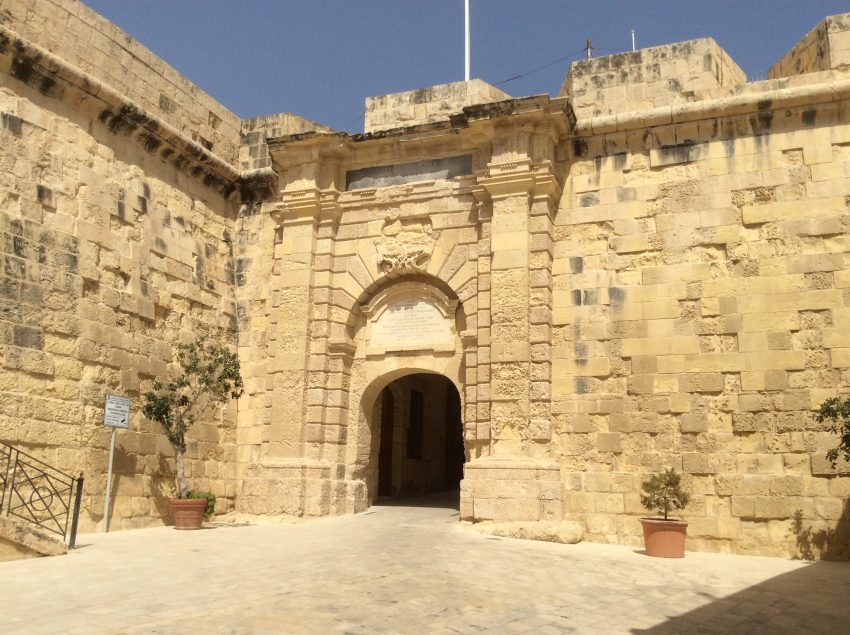
Set into the inner face of St. John Bastion, the Gate of Provence is an 18th-century gateway threaded through the landward fortifications, built as the last of the city’s three main entrances. Its narrow, sheltered passage and thick limestone walls make the defensive logic tangible—movement is funnelled, sightlines are controlled, and the street beyond feels suddenly protected. The name recalls the Order’s Langue of Provence, whose knights were once lodged nearby, linking the gate to the Knights of St. John even though it postdates the Great Siege. Just outside, a marble tablet marking the honorific “Vittoriosa” adds a solemn, ceremonial note as you cross the threshold.
Location: Gate of Provence, Birgu, Malta | Distance: 0.2km

10. St. John Bastion and the Advanced Gate
Saint John Bastion
Saint John Bastion
CC BY-SA 4.0 / DistractionActivity
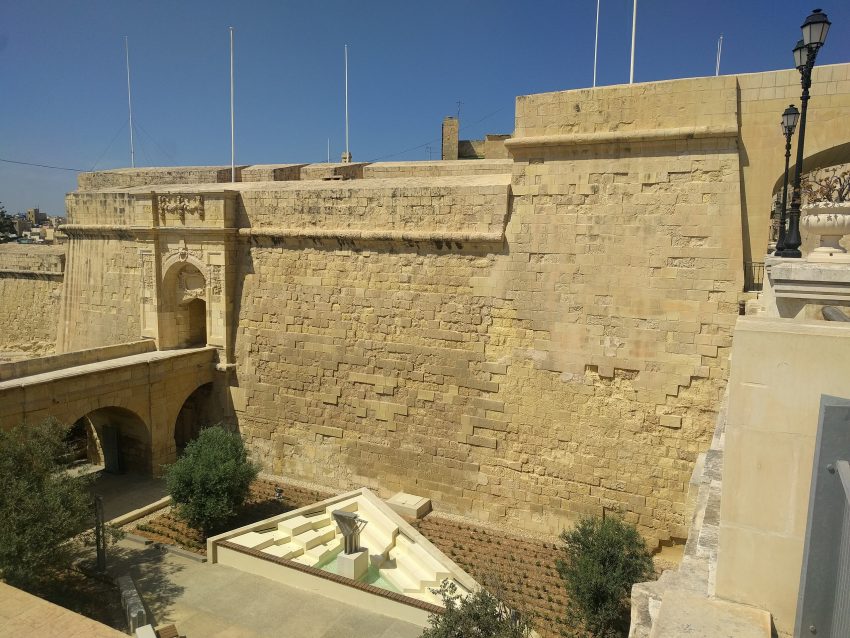
St. John Bastion is a landward fortification crowned by an 18th-century Baroque redesign by French engineer Charles François de Mondion, shaped into an unusual asymmetrical form to fit the peninsula’s awkward terrain. A central archway—now pierced by a modern road—still reads as a ceremonial threshold between the outer approach and the walled town. Inside, the military geometry softens into courtyards, arched bridges, gardens, and terraces that feel unexpectedly calm for a former defensive zone. From the upper levels, the Grand Harbour spreads out in wide, strategic panoramas. The adjacent Advanced Gate, set into the right flank, shows how tightly entry was controlled through layered gateways and angles.
Location: St. John Bastion, Triq P. Boffa, Birgu, Malta | Distance: 0.2km

11. Armoury of the Knights of Malta
Valletta grandmasters palace armoury
CC BY-SA 3.0 / Mboesch
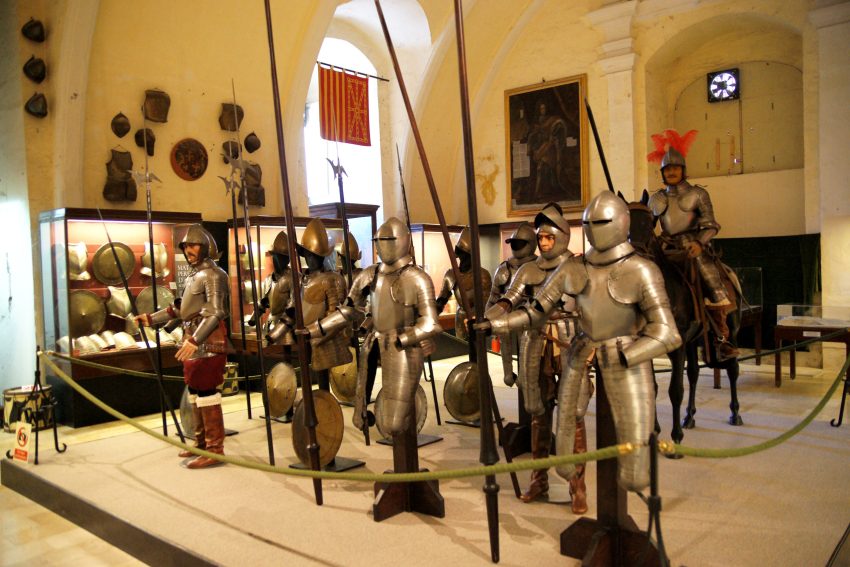
Austere and purposeful, the Armoury of the Knights of Malta was built in 1533–1537 under Fra Claude de La Sengle as the Order’s main weapons and gunpowder store. Its thick limestone walls, square plan, and wide doorways on all four sides were engineered for fast movement of arms in an emergency, and the exterior still reads like a working military depot rather than a palace. During the Great Siege of 1565 it was repurposed as a hospital for wounded knights and soldiers, a striking shift from munitions to medicine. Expanded with a second floor in 1636, it later served as barracks and even a school, leaving a layered, timeworn presence in the fortified streets.
Location: Armoury of the Knights of Malta, Birgu, Malta | Distance: 0.2km

12. Birgu Waterfront
Birgu at dusk during Birgu Fest
CC BY-SA .0 / Rhododendrites
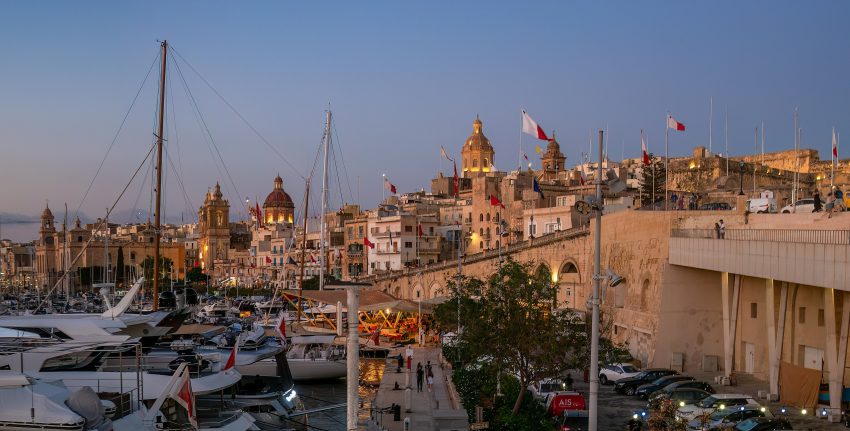
The Birgu Waterfront is a polished harbourfront promenade along the Grand Harbour, set directly beneath Vittoriosa’s honey-coloured bastions. Restored naval-era warehouses now sit beside the Grand Harbour Marina, where sleek yachts bob in front of centuries-old stonework. Come in the late afternoon or evening, when warm light and harbour reflections make the quay feel theatrical, and settle into one of the cafés or restaurants lining the water. Across the channel, the skyline of Valletta and the opposite shores of Senglea and Kalkara frame the view, while narrow lanes behind the promenade lead quickly into quiet, lived-in streets. Some visitors note occasional litter or uneven paving, but the atmosphere is generally calm and unhurried.
Location: Birgu Waterfront, Birgu, Malta | Distance: 0.3km

13. Post of Castile
Post of Castile birgu fortifications hornwork of the post of castile
CC BY-SA 4.0 / Pygar1954
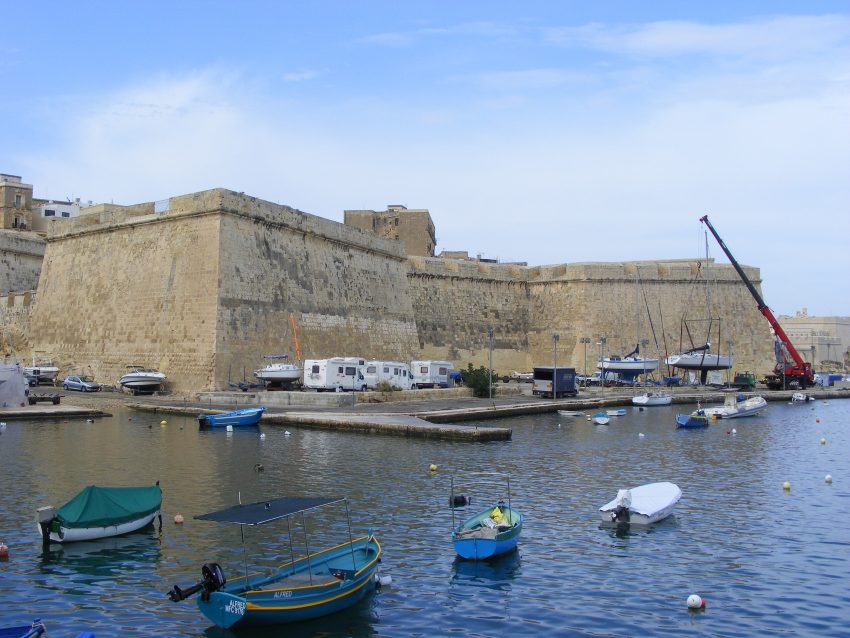
The Post of Castile is a 1553 Knights’ bastion on the eastern edge of Birgu’s fortifications, built by the Spanish Langue of Castille to watch the approaches to the Grand Harbour. From the top you still get commanding views over Kalkara Creek and the Santa Margherita Heights, which explains why it became a pressure point in the Great Siege of 1565. The stonework and surrounding hornwork and ditch make the defensive geometry easy to read, and you can trace the lines where attackers were meant to be slowed and exposed. Tunnels, storage rooms, and covered firing passages hint at how defenders moved under fire, and the scar remembered as Il-Prexxa (“the breach”) recalls the moment the wall was smashed and the counter-attack that held.
Location: Post of Castile, G.F.Abela, Birgu, Malta | Hours: Outdoor areas generally accessible during daylight hours. | Price: Free; some areas may be accessible only during heritage events. | Distance: 0.3km

14. Covered Gate
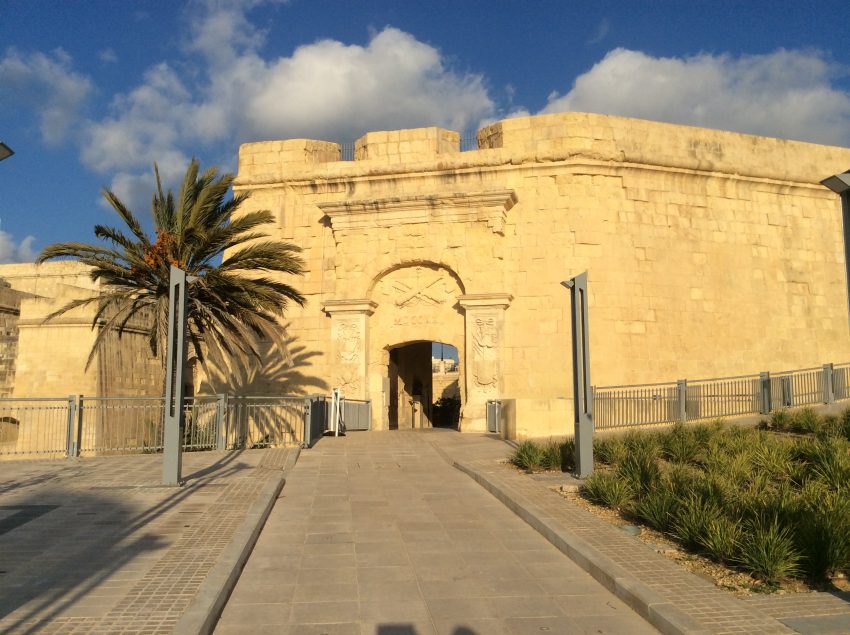
Couvre Porte
Couvre Porte
CC BY-SA 4.0 / continentaleurope
The Covered Gate (Couvre Porte) is an 18th-century counterguard guarding the landward approach, built between 1716 and 1730 under engineers Charles François de Mondion and Louis François de Tigné for Grand Master António Manoel de Vilhena. Passing through its monumental Baroque gateway, you’ll notice carved trophies of arms and crisp restored stonework that make a defensive structure feel ceremonial. Beyond the arch, the outworks reveal layered military thinking—traverses, ramparts, and a protected approach designed to shield the older Porta Superiore from direct attack. Inside, the Malta at War Museum adds a very different atmosphere, with an underground air-raid shelter cut into limestone and wartime objects that make the fortifications feel lived-in.
Location: Couvre Porte Counterguard, Triq it-8 ta' Dicembru, Birgu, Malta | Hours: Monday to Sunday, 10:00 a.m. – 4:30 p.m. | Price: Adults €10 | Website | Distance: 0.3km

15. Fort St. Angelo
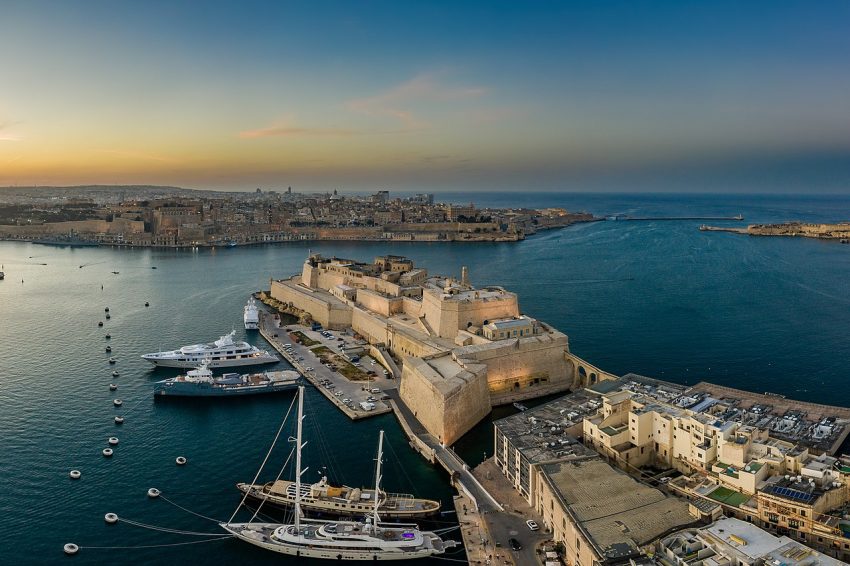
Fort St Angelo in Birgu
CC BY-SA 4.0 / FritzPhotography
Fort St. Angelo crowns the tip of the peninsula like a layered time capsule of Malta’s defenses, from the 13th-century Castrum Maris to a gunpowder-era citadel reshaped by the Knights of St. John after 1530. Its bastions were a command nerve during the Great Siege of 1565, when de Valette directed operations as Ottoman fire pounded the harbour. Later upgrades by engineer Carlos Grunenbergh added major gun platforms and heavy artillery, and the British turned it into a naval headquarters (HMS Egmont, later HMS St. Angelo). Today you climb stone ramparts for wide Grand Harbour views, pass through restored rooms and wartime shelters, and feel the fort’s thick, weathered geometry up close.
Location: Fort St Angelo, Waterfront, Birgu, Malta | Hours: Daily 9:00 a.m. – 5:00 p.m. (last admission 4:30 p.m.) | Price: Adults €10 | Website | Distance: 0.6km
Powered by GetYourGuide

16. Notre Dame Gate

The Notre Dame Gate in Birgu with old traditional maltese bus in front it
CC BY-SA 4.0 / Renata Apan
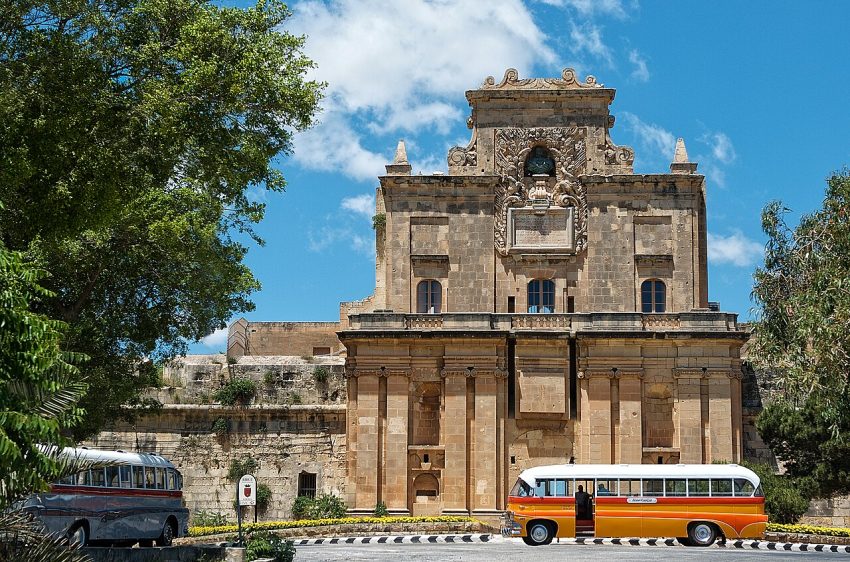
Notre Dame Gate is the grand landward entrance through the Cottonera Lines, built in 1675 under the Order of St. John as the main threshold into the Three Cities’ fortifications. Rising four storeys, it pairs a Baroque, ornamented façade—classical pilasters, a deep cornice, and carved heraldic details—with hard military engineering, including stacked bomb-proof casemates flanking the roadway. Look closely at the limestone and you’ll spot musket scars, initials, and old graffiti left by generations of soldiers and sailors. When interior areas are open, vaulted chambers reveal its later life as part of a British-era military hospital complex. From the upper terrace, the views sweep from Grand Harbour to open countryside.
Location: Notre Dame Gate, Triq Il - Kottonera, Birgu, Malta | Hours: Monday to Saturday, 9:00 a.m. – 5:00 p.m. | Price: Adults €5 (free with ) | Website | Distance: 1.1km

17. Fort Ricasoli
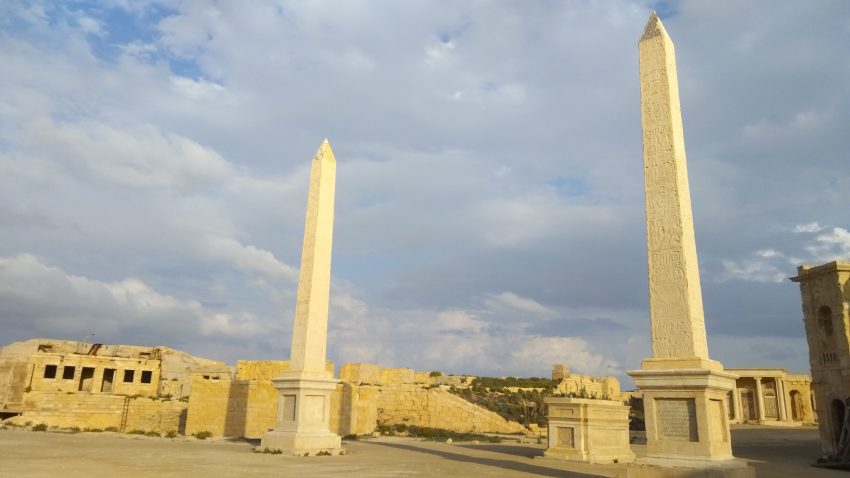
Fort Ricasoli and filming locations of Gladiator
CC BY-SA 4.0 / Continentaleurope
Fort Ricasoli is a vast 17th-century coastal fortress guarding the mouth of Malta’s Grand Harbour, built by the Order of St. John between 1670 and 1698. From the shoreline and approach road you mainly take in its immense limestone curtain walls, angled bastions, and sea-facing gun batteries stretched across a windswept headland. Designed by military engineer Antonio Maurizio Valperga under Grand Master Nicolas Cotoner, it helped complete the harbour’s defensive chain opposite Fort St. Elmo and the Cottonera Lines. Storms, warfare, and World War II bombardment have left parts weathered, sharpening its austere, battle-worn character. Its parade ground and ramparts have also doubled as film sets for productions including Gladiator and Game of Thrones.
Location: Fort Rinella, Kalkara, Malta | Hours: Usually limited to special open days; exterior viewpoints accessible at any time. | Price: Free when visiting external viewpoints; special events may have fees. | Distance: 1.2km

18. Fort Rinella, Kalkara
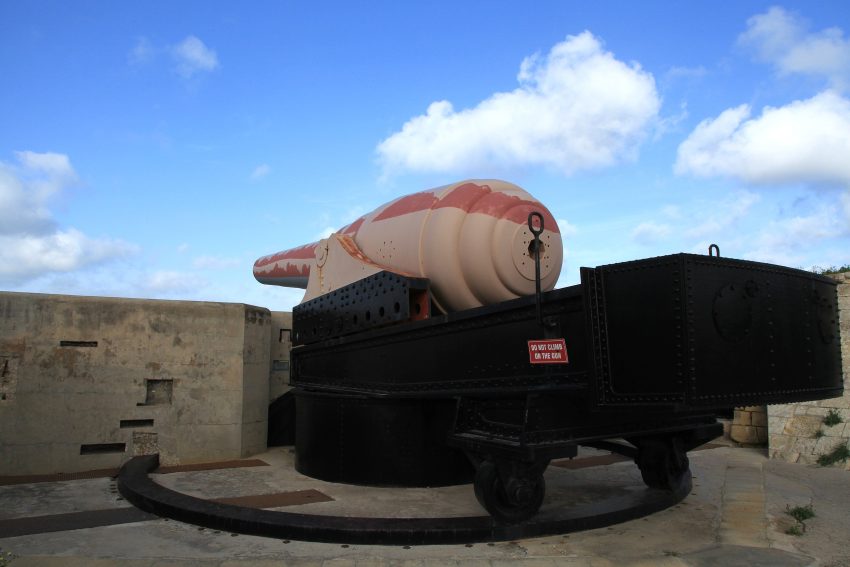
Malta Kalkara Fort Rinella
CC BY-SA 3.0 / Frank Vincentz
Fort Rinella is a late-19th-century British coastal battery built around a single purpose: operating the Armstrong 100‑ton gun, among the largest muzzle-loading cannons ever made. Its low, earthwork profile and buried chambers feel more like engineered landscape than a traditional bastioned fort, with tunnels, magazines, and underground rooms to explore. The restored gun dominates the site on its original emplacement, where demonstrations show the steam-and-hydraulic machinery that once let a crew of about 35 load and aim a 2,000‑pound shell in minutes. From the grounds you also get clear views over the eastern approaches to the Grand Harbour it was meant to deter.
Location: Fort Rinella, Kalkara, Malta | Hours: Monday to Saturday, 10:00 a.m. – 5:00 p.m. | Price: Adults €12 | Website | Distance: 1.2km

19. Valletta
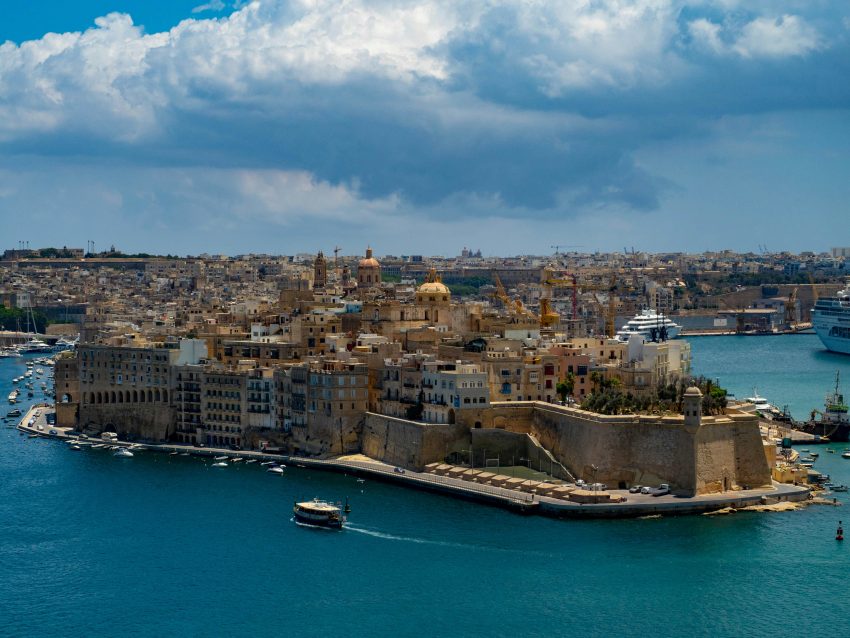
Aerial View of Valletta
Perched on a peninsula along Malta’s sun-soaked eastern coast, Valletta offers an irresistible blend of seaside charm and sophisticated urban life. The city’s golden limestone streets open up to sweeping views of the Mediterranean, with narrow alleys lined by colorful balconies and lively cafés spilling out onto the pavements. As the Maltese capital, Valletta perfectly balances old-world atmosphere with modern…
Powered by GetYourGuide

20. Tarxien Temples

Eastern End of the Tarxien Temples
CC BY-SA 4.0 / Ethan Doyle White
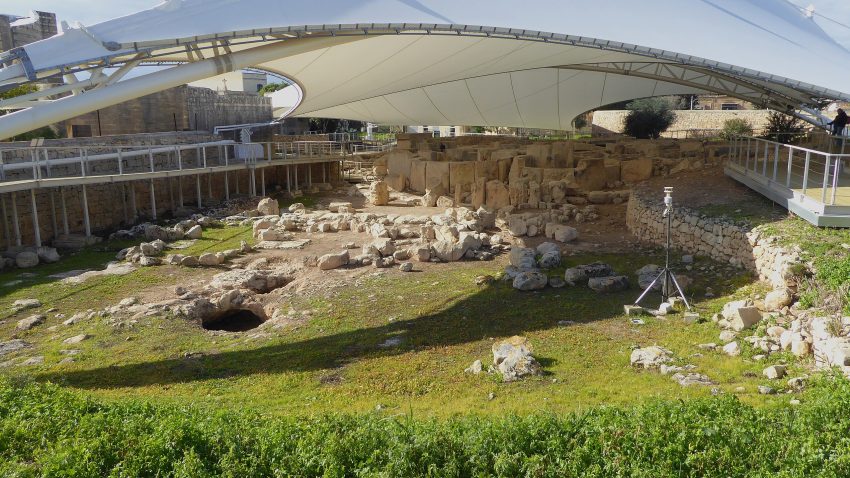
Tarxien Temples is a UNESCO-listed complex of four interconnected Neolithic sanctuaries, built roughly 3400–2800 BC, that reveals the peak of Malta’s prehistoric ritual architecture. Under modern protective shelters, you follow raised wooden walkways through chambers and a central court, close to monumental stone blocks and carved stone screens. Look for the tightly cut spiral motifs and the rare animal reliefs—a bull and a sow—unique among Malta’s temple sites. A colossal statue fragment on site hints at the scale of the figures once venerated here, while clear panels and audio options help decode what you’re seeing without overwhelming the atmosphere.
Location: Tarxien Temples, Triq It Tempji Neolitici, Tarxien, Malta | Hours: Daily 9:00 a.m. – 5:00 p.m. (last entry 4:30 p.m.) | Price: Adults €6 | Website | Distance: 2.3km

Best Day Trips from Birgu

A day trip from Birgu offers the perfect opportunity to escape the urban rhythm and discover the surrounding region's charm. Whether you're drawn to scenic countryside, historic villages, or cultural landmarks, the area around Birgu provides a variety of easy-to-reach destinations ideal for a one-day itinerary.

1. Mosta
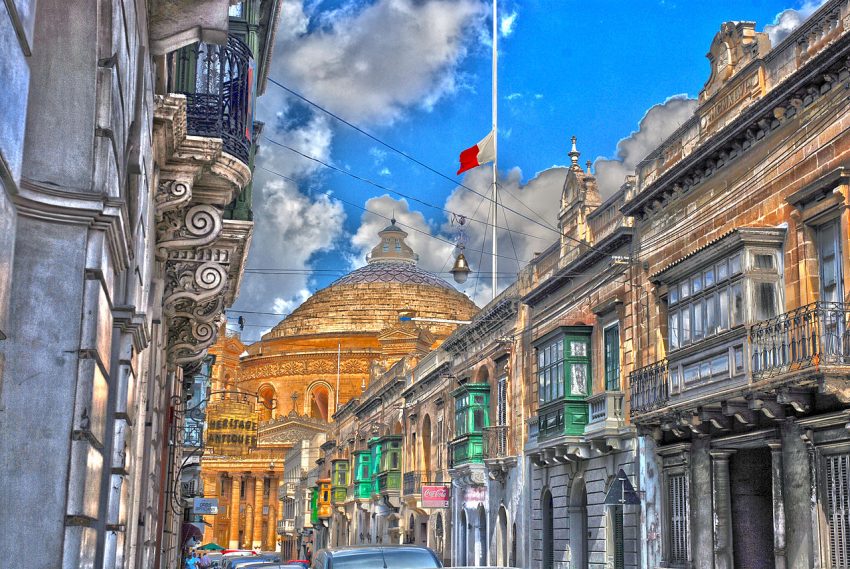
Mosta
Mosta
CC BY-SA 2.0 / allen watkin
Located in the heart of Malta’s Northern Region, Mosta is a charming town known for its relaxed atmosphere, lively local culture, and striking skyline dominated by its famous rotunda dome. The town blends traditional Maltese life with a welcoming, easygoing energy — narrow streets filled with cafés, small shops, and daily markets that give visitors a taste of authentic island…
Visiting Mosta
Powered by GetYourGuide

2. Mdina

Aerial view Mdina, Malta
CC BY-SA 2.0 / R Muscat
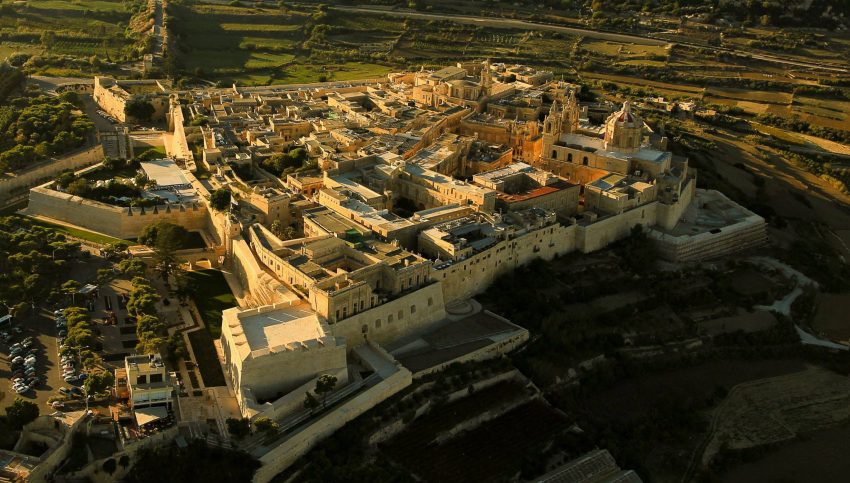
Perched on a hill in the heart of Malta, Mdina is a captivating blend of serenity and elegance that feels worlds away from the island’s busier coastal towns. Often called “The Silent City,” its tranquil streets, lined with golden limestone buildings and ornate doorways, create an atmosphere of timeless calm. Visiting Mdina offers a glimpse into Malta’s soul — a…
Visiting Mdina
Powered by GetYourGuide

3. Rabat

Stitched Panorama
Stitched Panorama
CC BY-SA 3.0 / Balazs Sudar
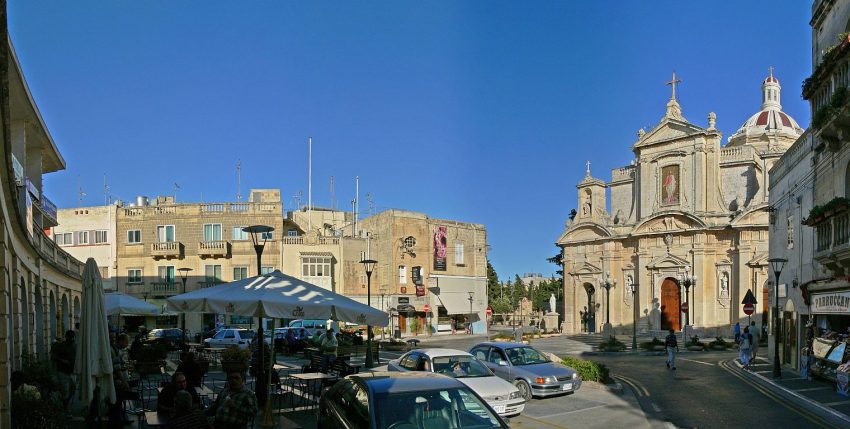
Located in the western region of Malta, Rabat offers a captivating blend of culture, charm, and local life that makes it a rewarding destination for any traveler. The town lies just outside the fortified walls of Mdina, often serving as a natural extension of the “Silent City.” With its winding streets, sunlit squares, and welcoming atmosphere, Rabat provides a more…
Visiting Rabat
Powered by GetYourGuide

4. Blue Lagoon

Blue Llagoon in Comino, Malta
CC BY-SA 4.0 / Meehowu
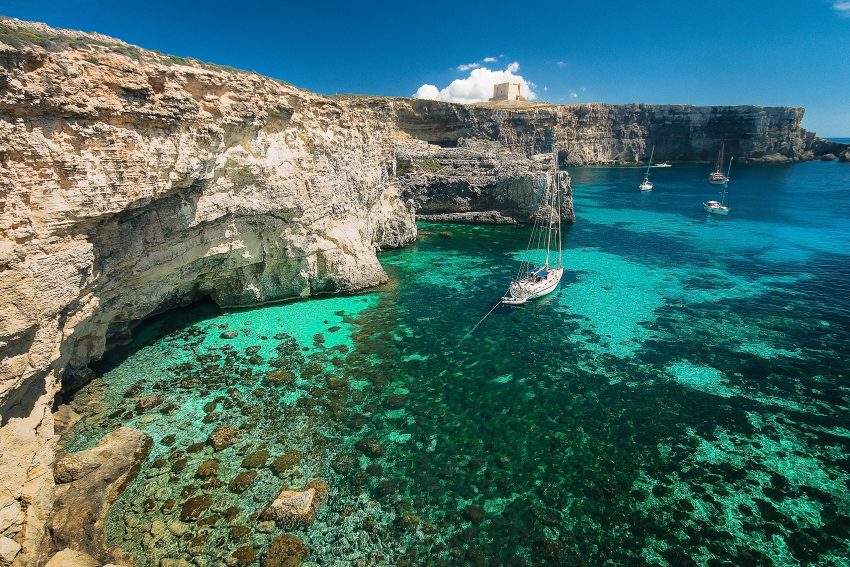
The Blue Lagoon on Comino is Malta at its most surreal: a bright, sheltered inlet where the water shifts from pale aqua to deep turquoise over white sand and limestone shelves. Comino sits between Malta and Gozo, and the lagoon’s position makes it feel like a natural “pause button” in the middle of the archipelago—close enough for a quick trip,…
Location: Blue Lagoon, Comino, Malta | Hours: Daily: 08:00–13:00 & 13:30–17:30 & 18:00–22:00. | Price: Free (a free time-slot booking is required to step onto shore at the Blue Lagoon). | Website | Distance: 21.6km
Visiting Blue Lagoon
Powered by GetYourGuide

5. Victoria (Rabat), Gozo

Victoria Rabat Gozo
Victoria Rabat Gozo
Victoria, also known locally as Rabat, is the vibrant heart of Gozo, Malta’s sister island. Nestled in the middle of Gozo, this small yet lively city serves as the island’s cultural and administrative hub. With its charming blend of local life, bustling markets, and winding streets, Victoria offers an authentic glimpse into everyday Gozitan life. The city is surrounded by…
Visiting Victoria (Rabat), Gozo
Powered by GetYourGuide

6. Noto

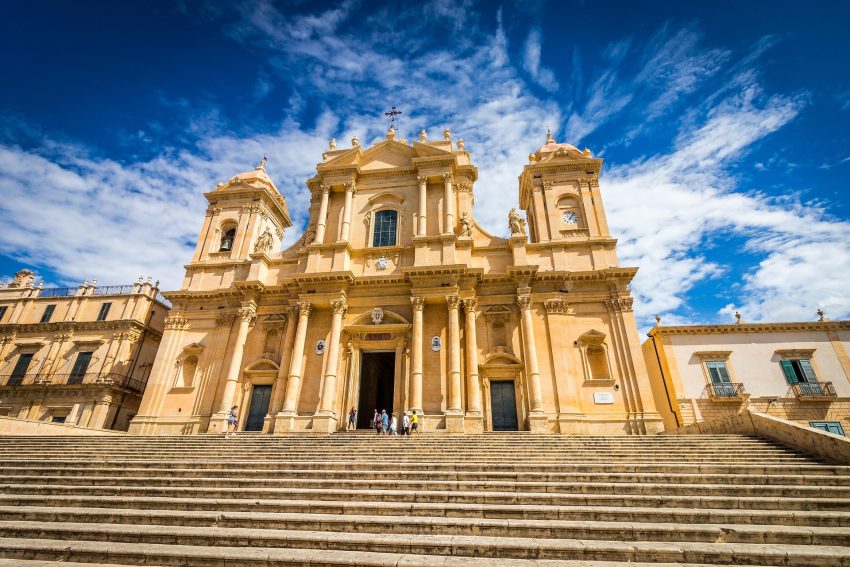
The Cathedral of San Nicolò in Noto, Sicily, a masterpiece of Baroque architecture
The Complete Guide to Noto
Noto is the definitive crown jewel of the Val di Noto. Rebuilt entirely in the wake of the devastating 1693 earthquake, this UNESCO World Heritage site is a rare example of a city designed with a singular, harmonious vision. Known as the "Stone Garden," the city is famous for its glowing, honey-colored limestone that seems to radiate warmth long after…
Visiting Noto
Powered by GetYourGuide

7. Syracuse

The Complete Guide to Syracuse
CC BY-SA 2.0 / Monika Guzikowska
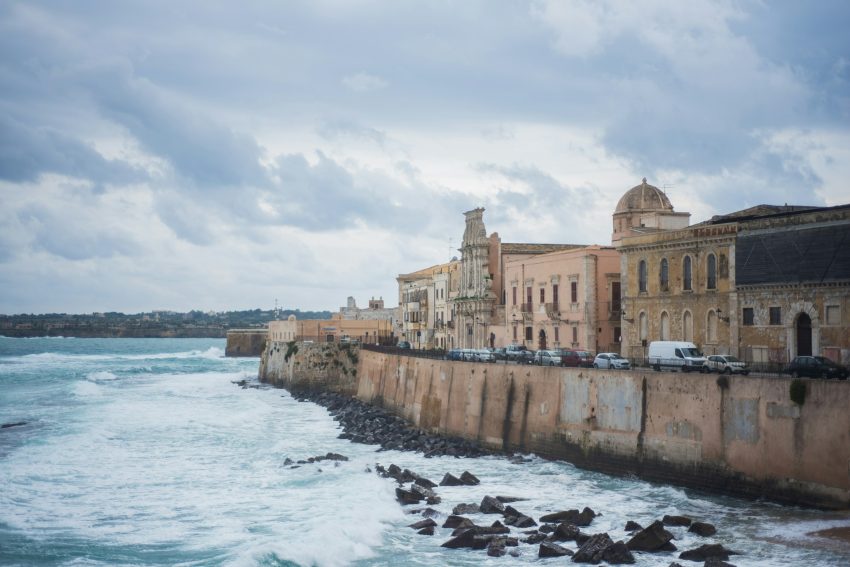
Syracuse is one of Sicily’s most rewarding coastal cities, set on the island’s sunlit southeast and wrapped in a mix of sea views, elegant streets, and lively local life. It’s a place where you can spend the morning wandering atmospheric lanes, pause for a long lunch of seafood and citrusy Sicilian flavors, then finish the day with a waterfront stroll…
Visiting Syracuse
Powered by GetYourGuide

Where to Stay in Birgu

Using the our Hotel and Accomodation map, you can compare hotels and short-term rental accommodations in Birgu. Simply insert your travel dates and group size, and you’ll see the best deals for your stay.

Birgu Accommodation Map

Best Time to Visit Birgu

Visiting Birgu in Spring (Best)

Spring is arguably the best time to visit Birgu, when the weather is mild, the days are long, and the city begins to bloom with energy after the quiet winter months. From March to May, temperatures range comfortably between 17°C and 25°C, perfect for exploring the narrow streets, historic forts, and waterfront cafés without the heat or crowds of summer. Spring also marks the start of local festivals and outdoor events around the Grand Harbour, making it an ideal season to experience the city’s vibrant atmosphere. The clear skies and soft light create excellent conditions for photography, especially during golden hour when Birgu’s limestone glows a warm honey hue.

Visiting Birgu in Summer

Summer in Birgu is bright, lively, and full of activity. From June to August, the weather is hot and sunny, with temperatures often exceeding 30°C, making it perfect for enjoying harbor cruises, al fresco dining, or evening walks along the Vittoriosa Waterfront. This is also the peak of Malta’s festival season, and Birgu joins in with several lively feasts dedicated to local saints, where fireworks and music fill the night sky. The longer daylight hours make it easy to explore nearby attractions like Fort St. Angelo or take a ferry to Valletta. However, for those sensitive to heat, it’s best to plan sightseeing early in the morning or late in the afternoon.

Visiting Birgu in Autumn

Autumn brings a golden glow to Birgu, as the heat of summer softens and the crowds thin out. From September to November, the weather remains pleasantly warm, ideal for wandering through the Three Cities or dining by the water under the stars. The highlight of the season is the BirguFest, held in October, when the city transforms into a sea of candlelight for the famous “Birgu by Candlelight” event. Streets, steps, and balconies are lit by thousands of candles, creating a magical atmosphere that celebrates the city’s heritage. Autumn is also a great time for photography, relaxed sightseeing, and immersing yourself in local culture at a slower pace.

Visiting Birgu in Winter

Winter in Birgu, from December to February, is quiet and atmospheric — the perfect time for travelers seeking tranquility. Though cooler, with average temperatures between 10°C and 17°C, it’s still mild compared to much of Europe. The city’s cozy cafés, historic buildings, and narrow alleys take on a peaceful charm, offering a more intimate experience of Maltese life. Occasional rain showers bring a fresh sparkle to the limestone architecture, and the festive lights of Christmas add warmth to the streets. While not a season for swimming or sunbathing, winter in Birgu offers serenity and authenticity, allowing visitors to enjoy the city at its most reflective.

Annual Weather Overview

  • January 15°C
  • February 15°C
  • March 15°C
  • April 16°C
  • May 20°C
  • June 25°C
  • July 29°C
  • August 29°C
  • September 27°C
  • October 23°C
  • November 20°C
  • December 17°C

How to get to Birgu

Getting to Birgu by Air

Nearest airport: The closest airport to Birgu is Malta International Airport (Luqa Airport), located around 8 kilometers away. This is Malta’s only airport, and it serves as the main gateway for international visitors arriving from across Europe, North Africa, and the Middle East. From the airport, you can reach Birgu easily by taxi, private transfer, or bus. The journey typically takes 15 to 20 minutes by car. For the best deals and a seamless booking experience, check out these flights to Birgu on Booking.com.

Airport transfers: Regular taxis and app-based ride services like Bolt or eCabs operate from the arrivals terminal, while private shuttles can be pre-booked for direct travel to Birgu's historic center. Public buses, including routes that stop at Valletta or the Three Cities, also serve the airport and provide an affordable option for travelers.

Getting to Birgu by Car

Driving to Birgu is straightforward and scenic. The city lies just across the Grand Harbour from Valletta and can be reached in about 15 minutes via the Marsa–Paola route. Roads are well signposted, and parking areas can be found on the outskirts of the old town and near the Vittoriosa Waterfront. It’s best to park outside the historic center, as Birgu’s narrow streets can be difficult to navigate and are often pedestrianized.

For those renting a car, Malta's small size makes Birgu an ideal base for day trips to other destinations, including Mdina, Marsaxlokk, and the Blue Grotto. Traffic can be busy during peak hours, but driving offers flexibility and access to more remote areas.

Travelling Around Birgu

Getting around Birgu is best done on foot — the city's compact size and narrow streets make walking the most enjoyable way to explore. Strolling through its lanes reveals beautiful courtyards, small museums, and breathtaking harbor views. For longer distances, taxis and local buses are readily available, and water taxis provide a charming way to cross the Grand Harbour to Valletta. The traditional dgħajsa boats, with their colorful wooden hulls, are a particularly scenic way to experience Malta's maritime heritage while travelling between the Three Cities.