Palazzo Landolina di Belludia, Noto
Historic Site, Palace and Ruins in Noto
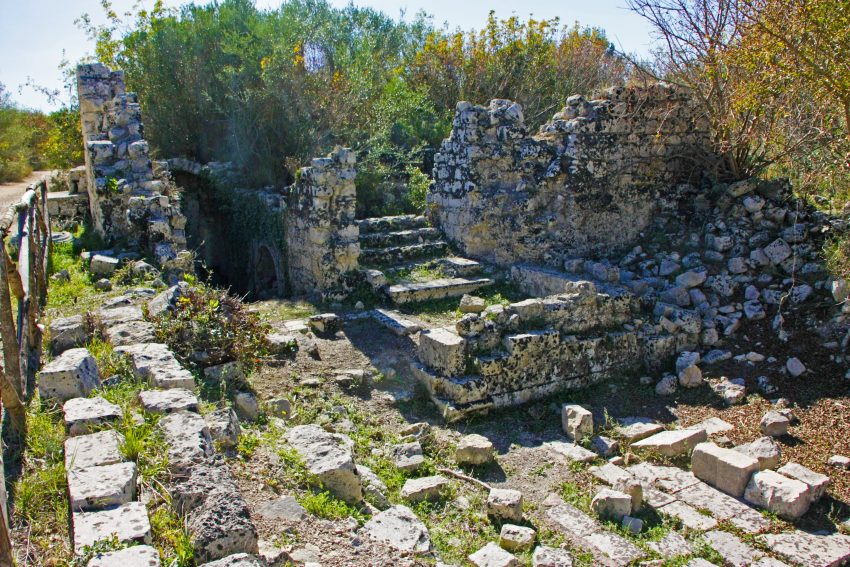
Palazzo Landolina di Belludia in Noto, Italy, is a ruined noble palace in Noto Antica, the old city on Monte Alveria above the modern town. What survives today is not a complete building but a group of masonry remains that mark the outline of a former aristocratic residence inside the larger archaeological area.
The palace is linked to the pre-1693 city of Noto and the earthquake that destroyed it. Visitors notice low wall lines, scattered stones, and partial architectural traces such as stairs and arches. It is best for people who are interested in ruins, old urban layouts, and quiet places where the setting matters as much as the remains.
Table of Contents
- History and Significance of the Palazzo Landolina di Belludia
- Things to See and Do in the Palazzo Landolina di Belludia
- How to Get to the Palazzo Landolina di Belludia
- Practical Tips on Visiting the Palazzo Landolina di Belludia
- Where to Stay Close to the Palazzo Landolina di Belludia
- Is the Palazzo Landolina di Belludia Worth Visiting?
- For Different Travelers
- FAQs for Visiting Palazzo Landolina di Belludia
History and Significance of the Palazzo Landolina di Belludia
Palazzo Landolina di Belludia is tied to the aristocratic families who shaped life in the pre-1693 settlement of Noto. In Noto Antica, noble palaces were status symbols and administrative anchors, positioned among churches, civic spaces, and defensive structures on a naturally fortified ridge.
The turning point for the entire site was the catastrophic 1693 earthquake that devastated southeastern Sicily and led to the abandonment of the old city in favor of rebuilding Noto in its current location. What you see today at the palace is a “negative space” of history: partial masonry, collapsed sections, and the readable footprint of rooms that once hosted a very different social world.
In that sense, the palace’s significance is less about decorative detail (most of which is gone) and more about context. Visiting helps you understand that Noto’s famous baroque splendor was born from a rupture: a lost city on the mountain and a new city in the valley.
Things to See and Do in the Palazzo Landolina di Belludia
Start by looking for the surviving wall lines and room divisions. Even when the ruins are low, the geometry of spaces can still be traced, which makes it easier to picture how a noble residence related to the surrounding streets and neighboring buildings.
Move slowly and scan the ground: the site is known for its small wildlife (including quick little lizards) and for the way vegetation reclaims stonework. The best “activity” here is unhurried exploration-walk the perimeter, step back for wider views, then return to inspect details like masonry joins and changes in elevation.
Pair the palace with nearby highlights in Noto Antica: the main gate/fortification areas, ruined churches, and viewpoints over the ravines. If you like photography, the most rewarding shots often come from framing the ruins against the landscape rather than trying to capture a single intact façade.
How to Get to the Palazzo Landolina di Belludia
The nearest airports are Catania-Fontanarossa (CTA) and Comiso (CIY); from either, you'll continue toward Noto and then up to Monte Alveria for Noto Antica. For the best deals and a seamless booking experience, check out these flights to Noto on Booking.com.
To reach Noto by train, use regional services that connect through Syracuse (Siracusa) and other hubs in southeastern Sicily; from Noto station you'll need a taxi, rideshare (where available), or a pre-booked transfer onward to Noto Antica. Use Omnio to easily compare schedules, book train tickets, and find the best prices all in one place for a hassle-free journey across Italy.
By car, Noto Antica is the simplest: drive from central Noto toward Monte Alveria following signs for “Noto Antica,” then park near the entrance area and continue on foot along the paths to the palace ruins. If you are looking to rent a car in Italy I recommend having a look at Discover Cars, first, as they compare prices and review multiple car rental agencies for you.
Practical Tips on Visiting the Palazzo Landolina di Belludia
- Entrance fee: Free.
- Opening hours: 24 Hours.
- Best time to visit: Go in the morning or late afternoon for softer light and cooler temperatures, especially outside winter. After rain, paths can be slippery and overgrown sections feel more rugged.
- How long to spend: Plan 30-60 minutes for the palace ruins themselves, or 2-4 hours if you're combining it with a broader walk through Noto Antica.
- Accessibility: Expect uneven ground, stones, and natural trails; it’s not wheelchair-friendly and can be challenging for anyone with limited mobility.
- Facilities: Bring water and sun protection; facilities are limited on-site, so plan breaks back in Noto or pack what you need.
Where to Stay Close to the Palazzo Landolina di Belludia
Base yourself in central Noto to combine easy evening dining with straightforward daytime access to Noto Antica.
Gagliardi Boutique Hotel A polished boutique option in the historic center, ideal if you want a comfortable base after a dusty, outdoorsy ruins walk.
Hotel Porta Reale Well-located for strolling Noto’s main baroque streets at night, with an easy drive out toward Monte Alveria the next day.
Q92 Noto Hotel A stylish small hotel that suits travelers who want modern design and a quieter feel while staying close to the center.
La Corte del Sole A countryside stay outside town for travelers who want nature, space, and a relaxed pace-great if Noto Antica is part of a wider Val di Noto road trip.
Il San Corrado di Noto A splurge-worthy retreat in the Noto area, chosen for travelers who want a resort-level stay and easy access to inland landscapes.
Is the Palazzo Landolina di Belludia Worth Visiting?
Yes-if you enjoy quiet, uncurated history and the feeling of discovering a place that most visitors miss. The palace ruins won't wow you with intact architecture, but they deliver something rarer in Sicily's headline destinations: solitude, atmosphere, and a strong sense of place within the broader ruins of Noto Antica.
Honest Pivot: skip it if you’re short on time, expect a restored palace, or prefer attractions with signage, staff, and a clear “main exhibit.” In that case, focus on baroque Noto’s churches and palazzi, and choose a more structured archaeological site elsewhere in the region.
What Other Travellers Say...
Reviews are very positive overall, with visitors highlighting a beautiful, quiet ruin that you can explore freely and often without crowds. People like the sense of discovery on the Noto Antica trails and the chance to wander at their own pace. The main downside mentioned is that the palace is heavily ruined and not well maintained or interpreted, so expectations should be set for fragments rather than a restored building.





For Different Travelers
Palazzo Landolina di Belludia works best for travelers who like open-air exploring and don't mind that the “attraction” is mostly fragments. Think of it as a chapter in a larger story-Noto Antica-rather than a standalone monument.
Families with Kids
Kids who like scrambling over rocks and spotting wildlife may enjoy the adventure aspect, especially if you frame it as a treasure-hunt walk through a lost city. Keep expectations clear: there are no museum-style displays, and the fun comes from exploring.
Bring snacks and water and set simple goals (reach the gate, find the palace footprint, then head to a viewpoint). Younger children may tire quickly on uneven paths, so plan a shorter loop.
Couples & Romantic Getaways
For couples, the appeal is the quiet: you can wander without crowds and find your own viewpoints for photos and a calm moment together. The ruins-and-landscape combination feels cinematic, particularly in late afternoon light.
Pair it with a romantic evening back in Noto’s baroque center-aperitivo, a slow dinner, and a stroll past illuminated façades-to contrast the “lost city” mood with the elegance of the rebuilt city.
Budget Travelers
This is a strong budget-friendly outing because it's essentially a self-guided outdoor visit with minimal costs beyond transport. If you're traveling by car or sharing a taxi, it can be one of the best value half-days around Noto.
Pack your own water and food, and treat it as a hike-plus-history experience. You’ll get memorable scenery and atmosphere without paying for a ticketed museum.
History Buffs
History lovers will appreciate how the palace ruins fit into the wider urban fabric of Noto Antica-gates, fortifications, churches, and street traces that reveal how the settlement functioned. It's a place to think in layers: medieval and early modern life, then sudden destruction, then abandonment.
To deepen the visit, read a short overview of the 1693 earthquake's impact on southeastern Sicily before you go, then use the walk to connect that event to what you're seeing underfoot.
FAQs for Visiting Palazzo Landolina di Belludia
Getting There
Tickets & Entry
Visiting Experience
Tours, Context & Itineraries
Photography
Accessibility & Facilities
Food & Breaks Nearby
Safety & Timing
The Palazzo Landolina di Belludia appears in our Complete Guide to Visiting Noto!

Moira & Andy
Hey! We're Moira & Andy. From hiking the Camino to trips around Europe in Bert our campervan — we've been traveling together since retirement in 2020!
This website uses affiliate links which may earn a commission at no additional cost to you!
Planning Your Visit
24 Hours.
Free.
Nearby Attractions
- Chiesa e Collegio dei Gesuiti (0) km
Arts Venue, Church and Historic Building - Cava Carosello (0.3) km
Hike, Pool and Valley - Chiesa del Carmine (0.5) km
Church, Religious Building and Ruins - Castello Reale di Don Pietro d'Aragona (0.6) km
Castle, Historic Site and Ruins - The Greek Heerons (0.6) km
Attraction, Historic Site and Ruins - Ancient Noto and Gate of the Mountain (0.7) km
Ancient City, City Gate and Ruins - La Collina della Memoria (0.9) km
Hike, Historic Site and Memorial - Eremo di Santa Maria della Provvidenza (0.9) km
Church, Historic Site and Viewing Point - Church of San Domenico (6.7) km
Church, Historic Building and Religious Building - Teatro comunale Tina Di Lorenzo (6.7) km
Arts Venue, Historic Building and Theatre