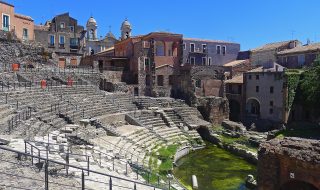
The Greek Heerons, Noto
Attraction, Historic Site and Ruins in Noto
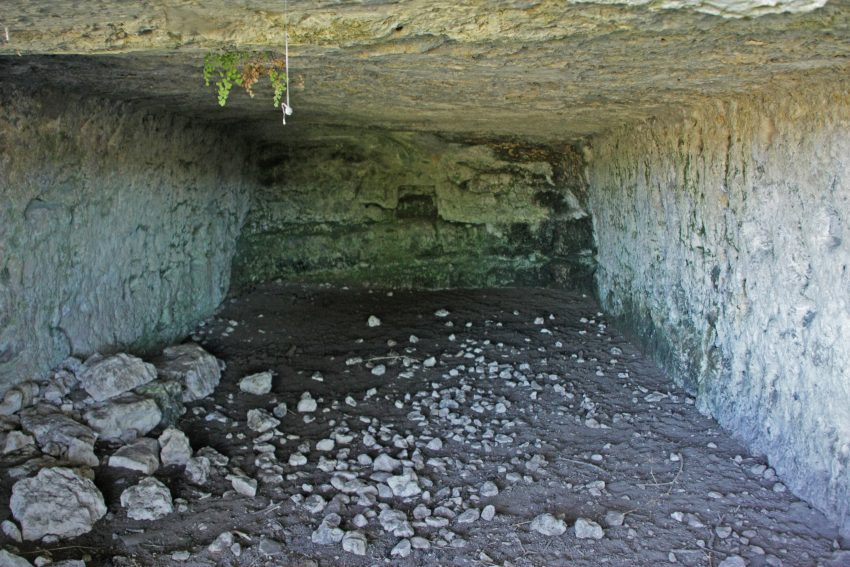
The Greek Heerons are ancient Greek hero shrines at Noto Antica, on Monte Alveria just outside Noto in southeastern Sicily. This is a small archaeological site rather than a large monument, reached by a path that drops down from near the Carmine church toward the valley. The setting is open and rocky, with the shrines cut into the landscape rather than built up as freestanding structures.
The site matters because it preserves one of the clearest Greek-era traces of ancient Noto, with two rock-cut chambers, rectangular wall niches, and signs of later reuse. Visitors who enjoy low-key ruins, carved stone details, and places that need a little attention to read will get the most from it. It is better suited to adults, older children, and anyone comfortable with uneven ground than to travelers looking for a polished, highly signed attraction.
Table of Contents
- History and Significance of the The Greek Heerons
- Things to See and Do in the The Greek Heerons
- How to Get to the The Greek Heerons
- Practical Tips on Visiting the The Greek Heerons
- Where to Stay Close to the The Greek Heerons
- Is the The Greek Heerons Worth Visiting?
- For Different Travelers
- FAQs for Visiting The Greek Heerons
History and Significance of the The Greek Heerons
In the Greek world, a heroon (plural heroa) was a shrine connected to the cult of a hero, often linked to a tomb or a commemorative space where offerings and rituals took place. At Noto Antica, the Greek Heerons are among the clearest traces of the city's Hellenistic-era life, offering a rare glimpse into how public identity and local memory were shaped through hero worship.
These shrines are typically dated to the Hellenistic period (commonly placed around the 3rd century BCE for Noto Antica's Greek monumental phase). Rather than being isolated monuments, they fit into a broader urban landscape that once included civic spaces and athletic or educational structures, suggesting a community that adopted Greek cultural forms while remaining rooted in its local setting.
Today, their significance is less about dramatic architecture and more about what they represent: a lived religious practice, anchored in place, where ritual, remembrance, and civic belonging overlapped.
Things to See and Do in the The Greek Heerons
Start by slowing down and looking for the “shape” of the shrines: niches, cut-stone or rock-cut recesses, and the way the spaces are oriented within the terrain. The most rewarding moments often come from noticing small carved details and imagining how offerings or commemorative objects might have been displayed.
Because the Heerons sit within the wider Noto Antica area, plan to connect your visit with a longer loop walk that includes other Greek-era remnants and the site's natural viewpoints. The contrast between human-cut stone and the rugged valley landscape is part of the experience, especially in softer morning or late-afternoon light.
If you want deeper context, consider booking a guide in Noto who can interpret the Greek layers of the site and help you locate features that aren't obvious at first glance. A guided walk can also help you understand how the Heerons relate to the ancient city's layout rather than seeing them as standalone “ruins.”
How to Get to the The Greek Heerons
The nearest airports are Catania Fontanarossa (CTA) and Comiso (CIY), with Catania usually offering the most flight options and easiest onward connections to the Val di Noto area. For the best deals and a seamless booking experience, check out these flights to Noto on Booking.com.
To reach Noto by train, you'll typically route via Syracuse (Siracusa) and then continue to Noto station, which is a practical option if you're already traveling around eastern Sicily without a car.Use Omnio to easily compare schedules, book train tickets, and find the best prices all in one place for a hassle-free journey across Italy.
By car, Noto Antica (Monte Alveria) is a straightforward drive from central Noto, and having your own vehicle makes it much easier to visit on your own schedule and combine it with nearby countryside stops.If you are looking to rent a car in Italy I recommend having a look at Discover Cars, first, as they compare prices and review multiple car rental agencies for you.
Practical Tips on Visiting the The Greek Heerons
- Entrance fee: Free.
- Opening hours: 24 Hours.
- Best time to visit: Go in the morning or late afternoon for cooler temperatures and better light for seeing carved details in the stone.
- How long to spend: Plan 30-60 minutes for the Heerons themselves, or 2-3 hours if you're doing a fuller Noto Antica walk.
- Accessibility: Expect uneven ground and natural paths; the terrain can be rocky, and the area is not ideal for wheelchairs or strollers.
- Facilities: Bring water and sun protection; facilities on-site are limited, so treat it like a short hike rather than a museum visit.
Where to Stay Close to the The Greek Heerons
Base yourself in central Noto so you can enjoy the Baroque streets on foot in the evenings and still be a short drive from Noto Antica.
Gagliardi Boutique Hotel A stylish, central base with an intimate feel that’s ideal if you want to pair archaeology days with easy evening strolls and dining.
Hotel Porta Reale Right by one of the city’s most convenient entry points, making it easy to come and go for day trips while staying in the historic core.
La Corte del Sole A countryside stay close to Noto that's great if you want quiet nights, outdoor space, and a more rural Sicilian atmosphere after exploring ruins.
Seven Rooms Villadorata A refined option in a beautiful historic setting, perfect for travelers who want a more “special occasion” stay with character.
Q92 Noto Hotel A modern, design-forward choice that works well for travelers who prefer contemporary comfort while still being walkable to the main sights.
Is the The Greek Heerons Worth Visiting?
Yes, if you like low-key archaeology and places that feel undiscovered. The Greek Heerons won't overwhelm you with monumental scale, but they add real depth to a Noto trip by connecting the famous Baroque city to the much older story of Noto Antica.
Honest Pivot: if you’re short on time, dislike uneven outdoor walking, or prefer highly curated sites with extensive signage and visitor services, you may be happier focusing on central Noto’s architecture and choosing a more “museum-like” archaeological attraction elsewhere.
For Different Travelers
The Greek Heerons can fit a lot of travel styles, but expectations matter: this is a subtle, outdoorsy historical stop rather than a polished attraction. Think of it as a rewarding add-on to a broader Noto Antica visit.
Families with Kids
Kids who enjoy exploring “secret” places and scrambling gently over rocky paths may find the Heerons fun, especially if you frame it as a short adventure. Bring snacks and water, and keep the visit goal simple: spot niches and carved spaces, then move on.
For younger children, the uneven ground can be tiring, so it's best as a brief stop within a larger plan that includes breaks back in Noto. If you're using a stroller, you'll likely want to skip this specific spot and stick to easier viewpoints.
Couples & Romantic Getaways
For couples, the appeal is the quiet atmosphere and the sense of discovery, especially in golden-hour light. It’s a great contrast to the elegance of Noto’s Baroque streets and makes for a memorable half-day with a scenic drive.
Pair it with a relaxed lunch in Noto or a countryside agriturismo, and treat the Heerons as a “walk and talk” stop rather than a checklist sight. The calm setting is the point.
Budget Travelers
This is an excellent budget-friendly outing because it’s essentially a self-guided outdoor visit with no required ticket. Pack your own water and snacks, and you’ve got a high-value experience for very little cost.
To keep expenses down, stay in central Noto and use public transport for the city itself, then consider splitting a taxi or ride with other travelers for the Noto Antica portion if you're not renting a car.
History Buffs
History lovers will appreciate how the Heerons anchor the Greek layer of Noto Antica in something tangible and specific. It's a chance to think about ritual practice and civic identity, not just walls and dates.
To get the most from it, read a little about hero cults before you go or hire a guide who can point out what you’re looking at and how it fits into the wider ancient city plan. Context turns “stones in the landscape” into a story.
FAQs for Visiting The Greek Heerons
Getting There
Tickets & Entry
Visiting Experience
Tours, Context & Itineraries
Photography
Accessibility & Facilities
Food & Breaks Nearby
Safety & Timing
The The Greek Heerons appears in our Complete Guide to Visiting Noto!

Moira & Andy
Hey! We're Moira & Andy. From hiking the Camino to trips around Europe in Bert our campervan — we've been traveling together since retirement in 2020!
This website uses affiliate links which may earn a commission at no additional cost to you!
Planning Your Visit
24 Hours.
Free.
Nearby Attractions
- Chiesa del Carmine (0.2) km
Church, Religious Building and Ruins - Chiesa e Collegio dei Gesuiti (0.6) km
Arts Venue, Church and Historic Building - Palazzo Landolina di Belludia (0.6) km
Historic Site, Palace and Ruins - Eremo di Santa Maria della Provvidenza (0.7) km
Church, Historic Site and Viewing Point - Cava Carosello (0.7) km
Hike, Pool and Valley - Castello Reale di Don Pietro d'Aragona (1.1) km
Castle, Historic Site and Ruins - Ancient Noto and Gate of the Mountain (1.2) km
Ancient City, City Gate and Ruins - La Collina della Memoria (1.3) km
Hike, Historic Site and Memorial - Church of San Domenico (6.1) km
Church, Historic Building and Religious Building - Teatro comunale Tina Di Lorenzo (6.1) km
Arts Venue, Historic Building and Theatre