Poitiers: The Town of a Hundred Steeples
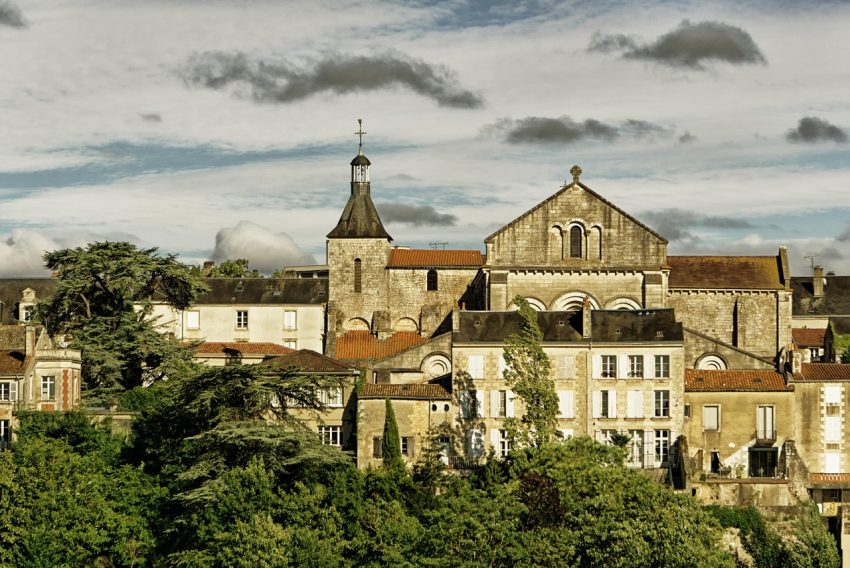
Visiting Poitiers in the Nouvelle-Aquitaine region, offers travelers a delightful mix of charm, culture, and walkable elegance in the heart of western France. The city’s compact old town is perfect for exploring on foot, with winding streets, lively squares, and impressive architecture around every corner. Whether you’re sipping coffee in Place du Maréchal-Leclerc or browsing the boutiques along Rue de la Regratterie, the ambiance is relaxed yet vibrant, especially in the warmer months when café terraces fill with locals and visitors alike.
Poitiers is also an excellent base for experiencing both heritage and innovation. With its striking Romanesque churches, contemporary galleries, and the cutting-edge Futuroscope theme park nearby, the city caters to a variety of interests. Families, solo travelers, and couples will all find something to enjoy, from museum visits and riverside strolls to food markets and street performances.
Accessibility and convenience also add to the city's appeal. Poitiers is well connected by train to Paris, Bordeaux, and the Loire Valley, making it an easy stop on a broader French itinerary. The city's relaxed pace and manageable size make it ideal for a weekend break or a cultural detour-with just enough activity and atmosphere to leave a lasting impression without ever feeling overwhelming.
History of Poitiers
Poitiers in Antiquity
Poitiers began as a significant Gallic settlement of the Pictones tribe before becoming Romanized in the 1st century BCE. Known as Lemonum under Roman rule, it flourished due to its strategic position on trade routes. The city developed classical Roman urban features, including baths, an amphitheatre, and a temple dedicated to Mercury. Christianity arrived early, and by the 4th century, Saint Hilary, one of Gaul’s foremost bishops, had established a strong ecclesiastical presence, founding one of the first monasteries in western Europe.
Poitiers in the Early Middle Ages
Following the collapse of Roman power, Poitiers retained importance as a religious centre. In 732, it was the site of the famous Battle of Tours, where Charles Martel defeated the Umayyad Caliphate’s advance into Frankish territory—a pivotal moment in European history. During the Carolingian period, the city remained influential, and several religious institutions, such as the Abbey of Saint-Croix founded by Saint Radegund, gained prominence. Despite repeated Viking raids in the 9th century, Poitiers retained its spiritual and administrative stature.
Poitiers in the High and Late Middle Ages
During the Capetian era, Poitiers became a seat of the Count of Poitou and was often closely tied to the French crown. In the 12th century, Eleanor of Aquitaine made the city a cultural hub before her marriage to Henry II of England shifted Poitiers into the Angevin Empire. It later reverted to French control and played a key role in the Hundred Years’ War. The Battle of Poitiers in 1356 saw the capture of the French king by English forces. Despite wartime hardships, the city experienced economic recovery, with the foundation of the University of Poitiers in 1431 strengthening its intellectual role.
Poitiers from the Renaissance to the Revolution
In the 16th and 17th centuries, Poitiers remained a regional stronghold of Catholic influence, resisting Protestant advances during the Wars of Religion. The city retained much of its medieval character even as classical styles emerged in architecture and town planning. It became known for its legal tradition, and its university attracted students from across France. The French Revolution brought administrative restructuring and the suppression of many religious institutions, but Poitiers adapted and continued as a departmental centre.
Poitiers in the Modern Era
During the 19th century, Poitiers expanded beyond its ancient walls, developing transport links and civic institutions. Though it was affected by both World Wars, the city avoided major destruction. Post-war modernization brought new residential and commercial districts, while careful preservation efforts maintained its historical core. Today, Poitiers is known for its blend of medieval heritage, academic life, and the nearby Futuroscope technology park, reflecting a long legacy of both tradition and innovation.

Moira & Andy
Hey! We're Moira & Andy. From hiking the Camino to trips around Europe in Bert our campervan — we've been traveling together since retirement in 2020!
Visiting Poitiers for the first time and wondering what are the top places to see in the city? In this complete guide, I share the best things to do in Poitiers on the first visit. To help you plan your trip, I have also included an interactive map and practical tips for visiting!
This website uses affiliate links which earn a small commission at no additional cost to you.

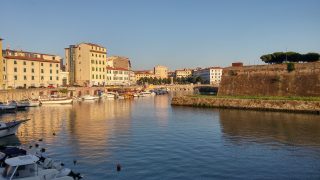
12 Best places to See in Poitiers
This complete guide to Poitiers not only tells you about the very best sights and tourist attractions for first-time visitors to the city but also provide insights into a few of our personal favorite things to do.
This is a practical guide to visiting the best places to see in Poitiers and is filled with tips and info that should answer all your questions!
1. Place du Maréchal Leclerc
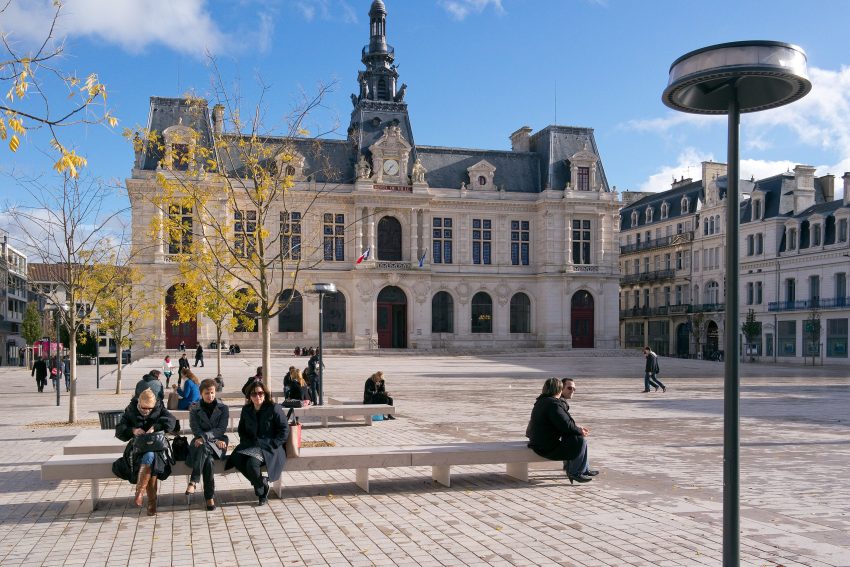
Location: Place du Maréchal-Leclerc, Poitiers, France | Hours: Accessible at most times of day and evening, though individual buildings and shops around the square follow their own schedules. | Price: This is an open public square, so there is no entrance fee to visit. | Distance: 0.1km

2. Amphithéâtre de Poitiers
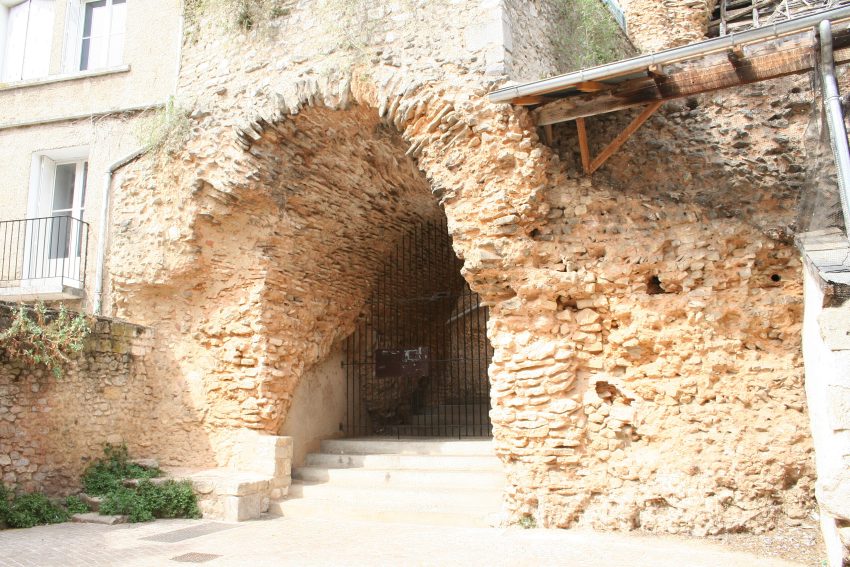
Location: Poitiers amphitheatre, Rue Bourcani, Poitiers, France | Hours: As an open archaeological area in the city, it is usually accessible in daylight hours; specific guided visits or fenced sections may follow separate schedules. | Price: There is generally no formal entrance fee, as the remains are integrated into the urban fabric and viewed from public spaces. | Distance: 0.2km
3. Palace of the Counts of Poitou
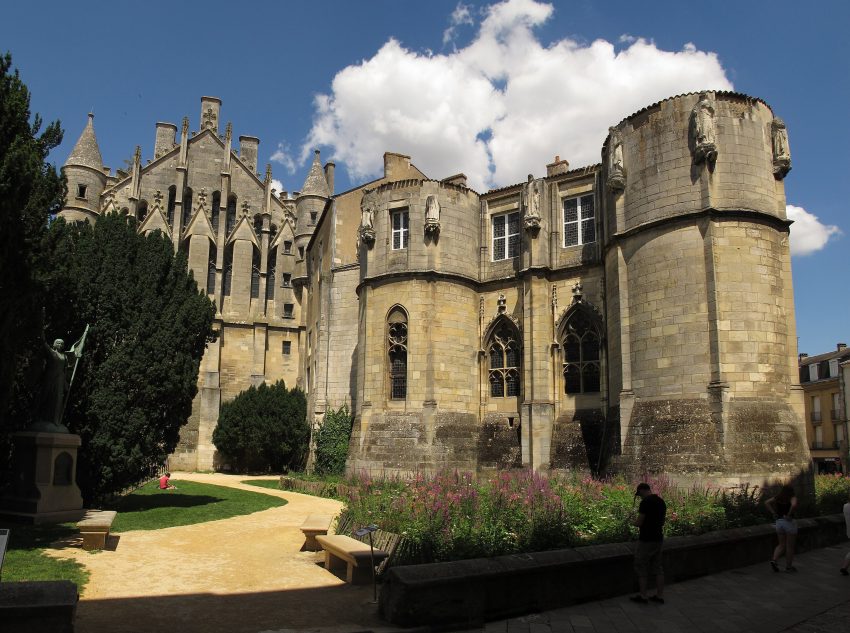
Location: Palace Of The Counts Of Poitiers, Place Alphonse Lepetit, Poitiers, France | Hours: Monday to Friday, 11:00 to 19:00, (closed on Tuesdays) | Price: Free | Distance: 0.4km
4. Church of Notre-Dame-la-Grande
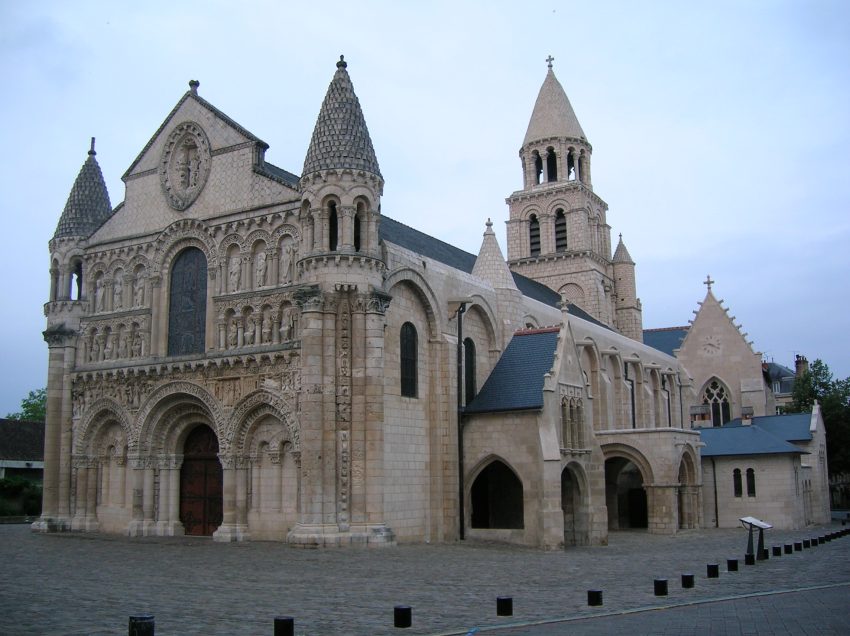
Location: Église Notre-Dame-la-Grande, Place Charles de Gaulle, Poitiers, France | Hours: Daily: 9:00 AM to 7:00 PM | Price: Free | Distance: 0.4km
5. Musée Sainte-Croix
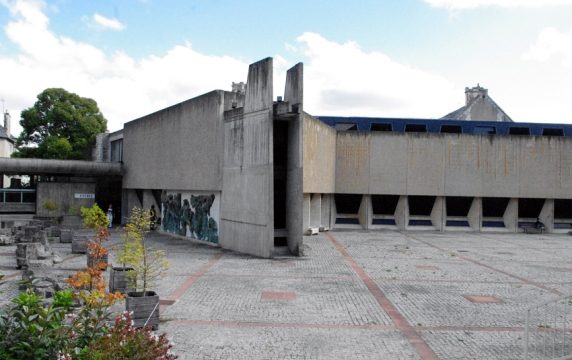
Location: Musée Sainte-Croix, Rue Saint Simplicien, Poitiers, France | Hours: Tuesday-Friday: 10am-6pm; Saturday-Sunday: 1pm-6pm Closed: every Monday and public holidays | Price: Adults: €5.00 | Website | Distance: 0.5km
6. Poitiers Prefecture
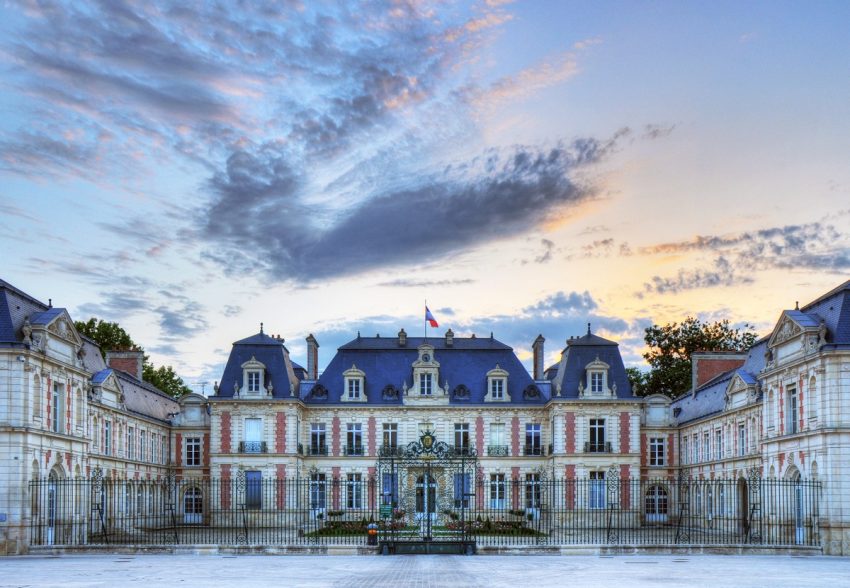
Location: Préfecture de la Vienne, Place Aristide Briand, Poitiers, France | Hours: Public services typically open Monday to Friday, roughly 08:45–12:00 and 13:30–16:00; check current times before visiting. | Price: Free access to the exterior and public reception areas when open to the public. | Website | Distance: 0.5km
7. Baptistère Saint-Jean
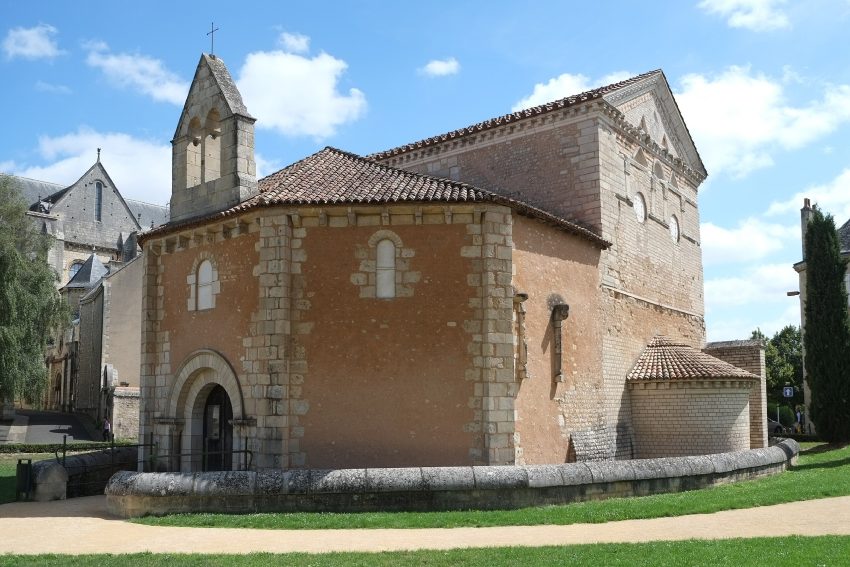
Location: Baptistère Saint-Jean, Rue Jean-Jaurès, Poitiers, France | Hours: Winter: 14:00 to 17:00l Summer 10:30 - 12:30 & 14:00 to 18:00 | Price: Adults: €3.00 | Distance: 0.5km
8. Cathédrale Saint-Pierre de Poitiers
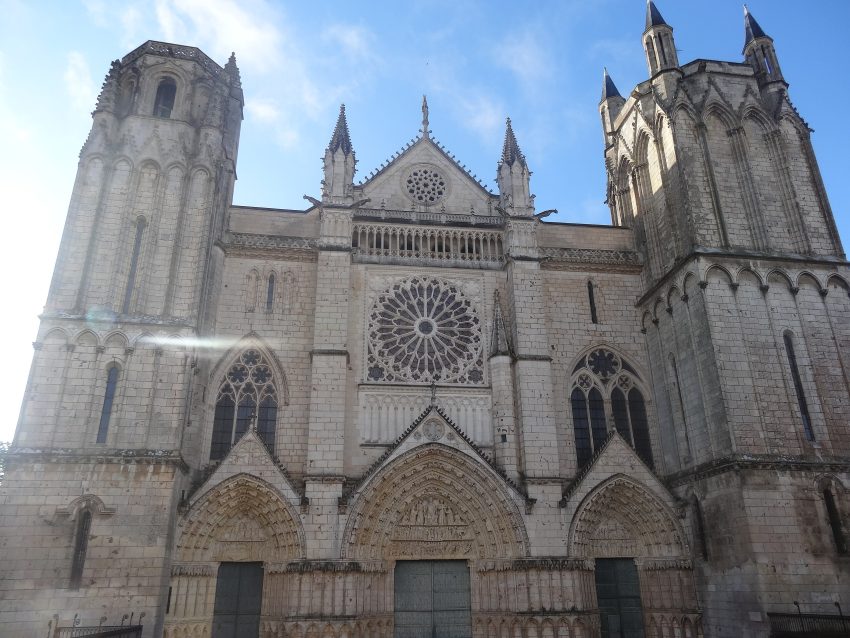
Location: Cathédrale Saint-Pierre de Poitiers, Rue Sainte-Croix, Poitiers, France | Hours: Typically open daily during daylight hours, with variations around services and religious festivals; check locally for current times. | Price: General entry to the cathedral is free. | Website | Distance: 0.6km
9. Place de la Liberté
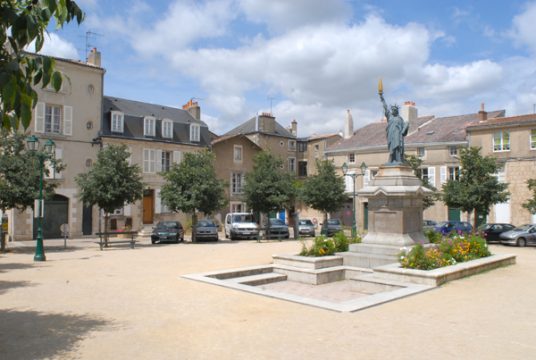
Location: Place de la Liberté, Place de la Liberté, Poitiers, France | Hours: Accessible at all times, though the square feels liveliest during daytime and early evening. | Price: Free to visit as a public square. | Distance: 0.7km
10. Parc de Blossac
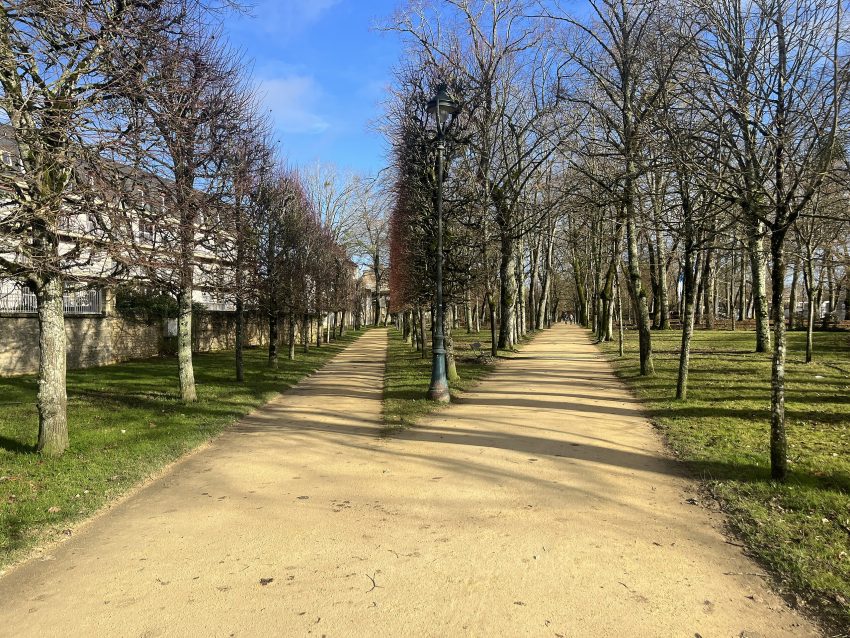
Location: Parc de Blossac, Rue Léopold-Thézard, Poitiers, France | Hours: Typically open daily with variable opening and closing times depending on the season; check local information for exact hours. | Price: Free entry to the park. | Distance: 0.9km
11. City Walls of Poitiers
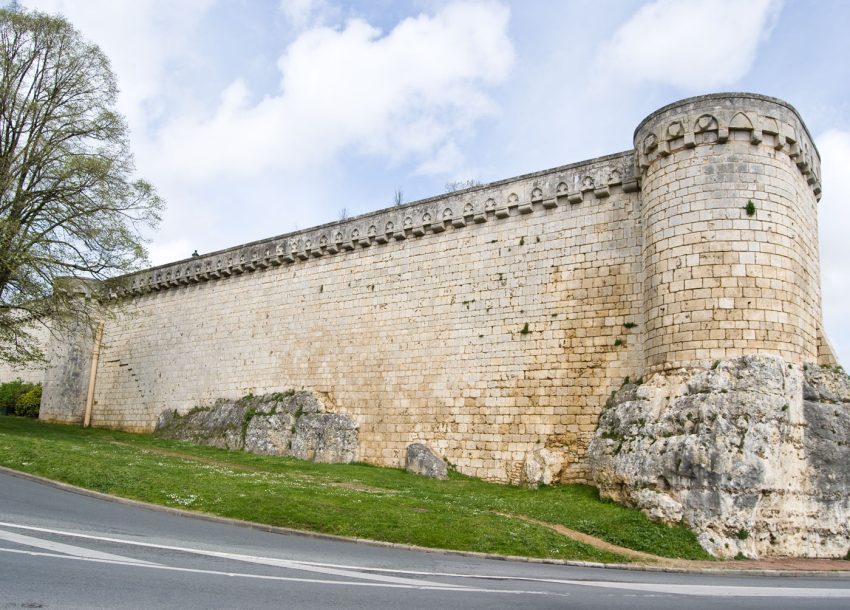
Location: Parc de Blossac, Rue Léopold-Thézard, Poitiers, France | Hours: Outdoor sections are accessible at all times; guided tours follow local tourism office hours and schedules. | Price: Free | Distance: 0.9km
12. Abbaye de Saint-Benoît
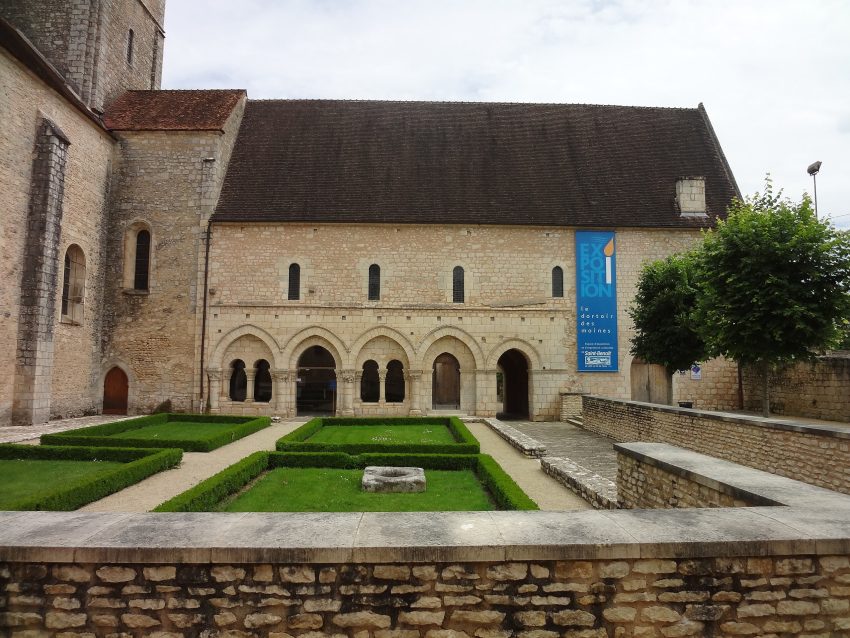
Location: Monks Dormitory, Rue Paul Gauvin, Saint-Benoît, France | Hours: Tuesday – Friday from 9:00 to 12:30 and from 13:30 to 18:00. Closed on Monday Saturdays from 9:00 to 13:00 | Price: Free | Website | Distance: 3.4km
Best Day Trips from Poitiers
A day trip from Poitiers offers the perfect opportunity to escape the urban rhythm and discover the surrounding region's charm. Whether you're drawn to scenic countryside, historic villages, or cultural landmarks, the area around Poitiers provides a variety of easy-to-reach destinations ideal for a one-day itinerary. If you are looking to rent a car in France I recommend having a look at Discover Cars, first, as they compare prices and review multiple car rental agencies for you.
1. Futuroscope
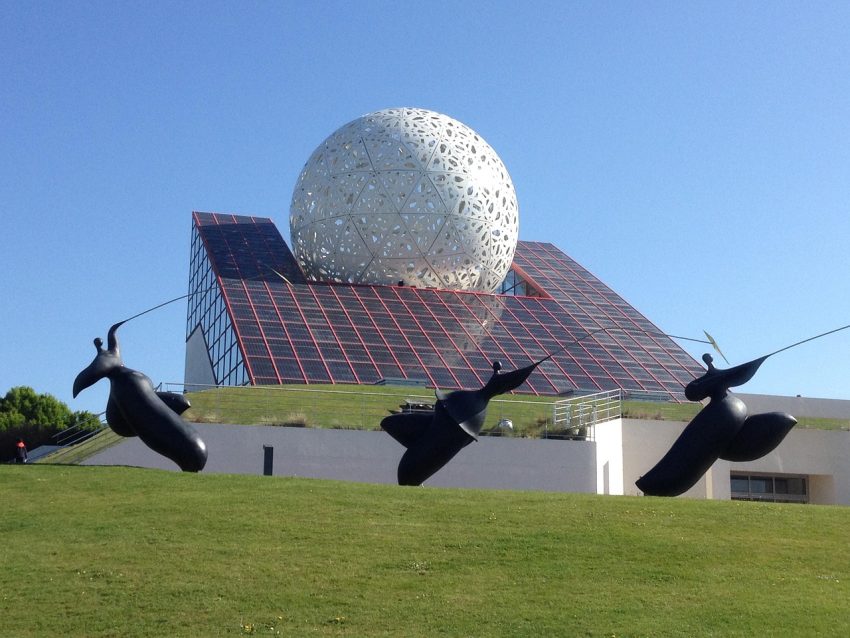
Location: Futuroscope, Avenue René Monory, Chasseneuil-du-Poitou, France | Hours: Opening times change seasonally, with extended hours and night shows in peak periods; confirm on the official site before your visit. | Price: Ticket prices vary by season and package; check current rates, family deals, and combined hotel offers. | Website | Distance: 9.8km
Visiting Futuroscope
2. Château des Évêques, Chauvigny
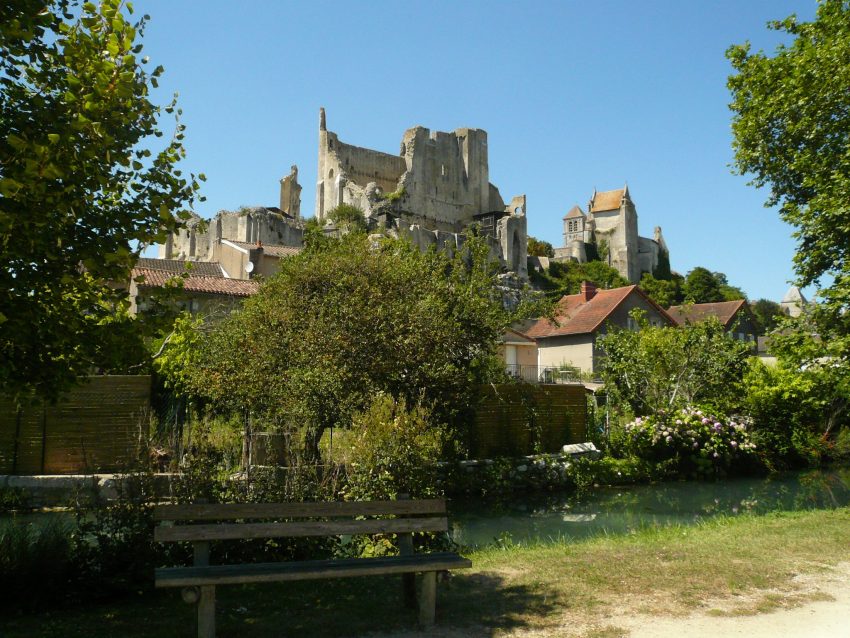
Location: Château des Évêques, Chauvigny, France | Hours: Summer: Open daily from 10:30 am to 12:30 pm and from 2 pm to 6 pm – Performances at 11 am and 3 pm Winter: Open Wednesdays, Thursdays, Saturdays and Sundays from 2pm to 6pm – Performance at 3pm | Price: €14.50 | Website | Distance: 23.5km
Visiting Château des Évêques, Chauvigny
3. Roman Sanxay
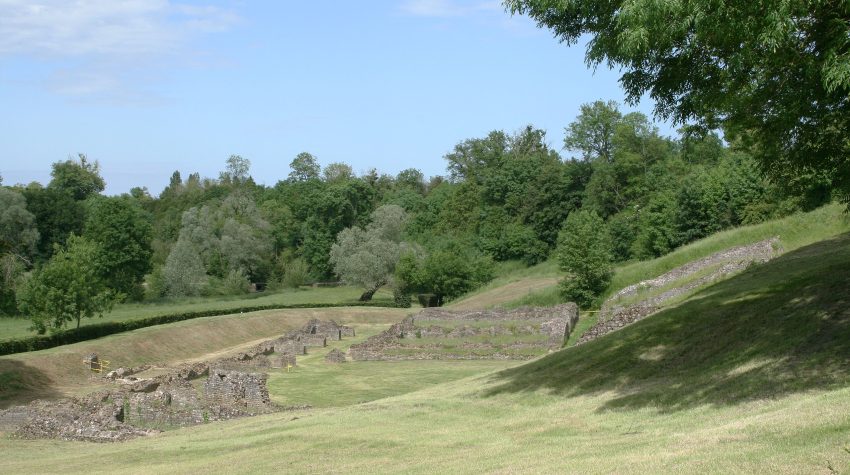
Location: L'amphithéâtre gallo-romain, Sanxay, France | Hours: September 16 to May 14: Wednesday to Sunday, 10am to 1pm and 2pm to 5pm (closed Mondays and Tuesdays) May 15 to September 15: Tuesday to Sunday, 10am to 1pm and 2pm to 6pm (closed on Mondays) | Price: Adults: €7.00 | Website | Distance: 29.4km
Visiting Roman Sanxay
4. Saint-Savin-sur-Gartempe
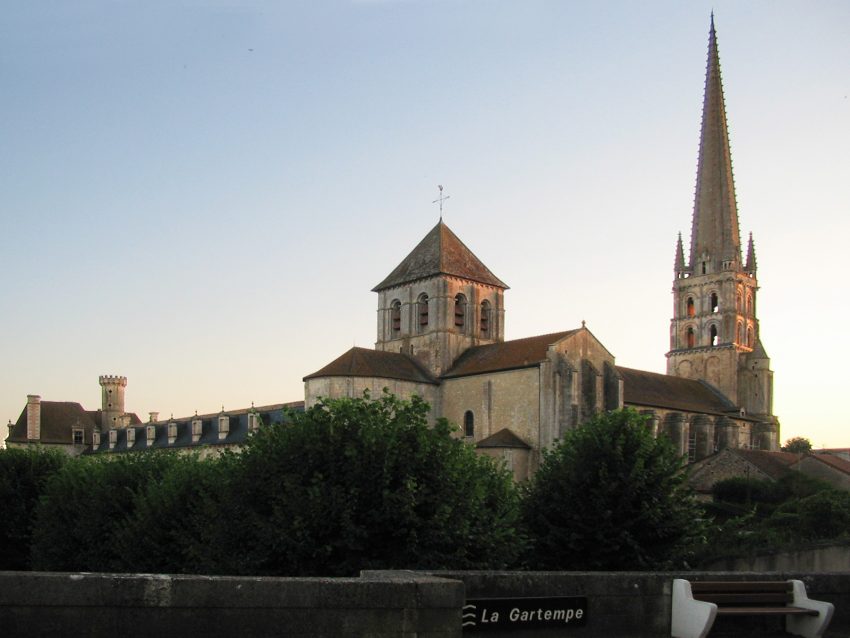
Location: Saint-Savin-sur-Gartempe, France | Hours: Winter: 10:00 - 12:00 abd 14:00 - 17:00; Summer 10:00 - 18:00 | Price: Aduults: €10.00 | Website | Distance: 40km
Visiting Saint-Savin-sur-Gartempe
5. Tours (Loire)
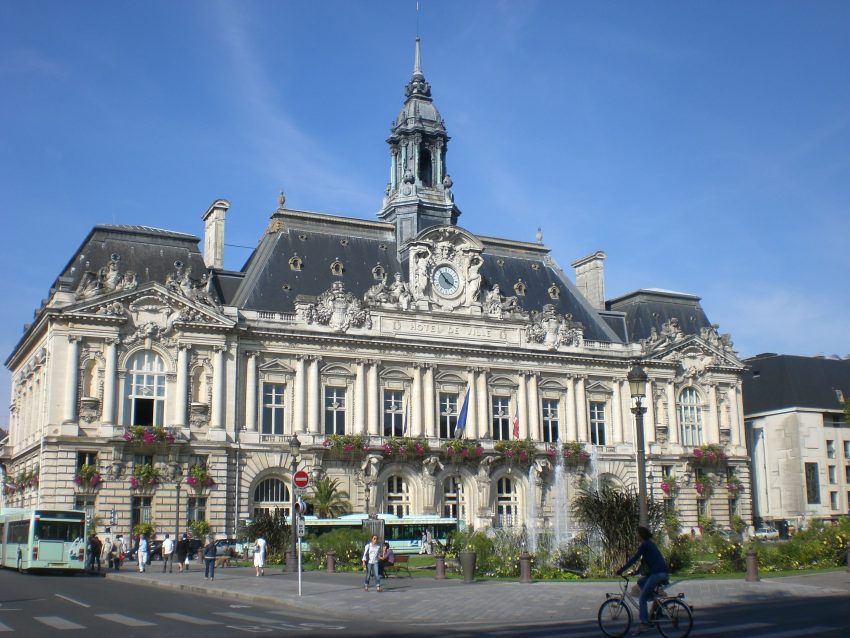
Visiting Tours (Loire)
6. Amboise
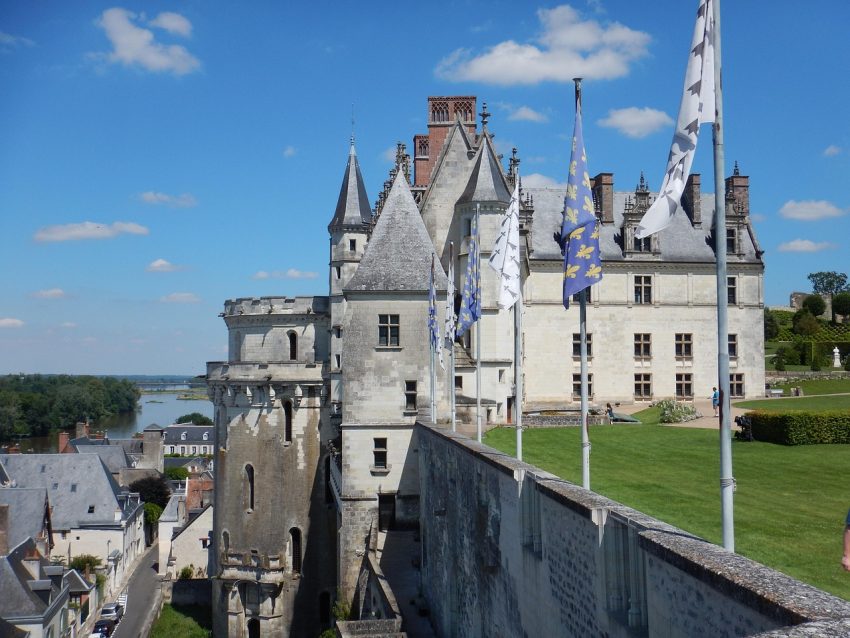
Visiting Amboise
7. Limoges

Visiting Limoges
8. Cognac

Visiting Cognac
9. Angers
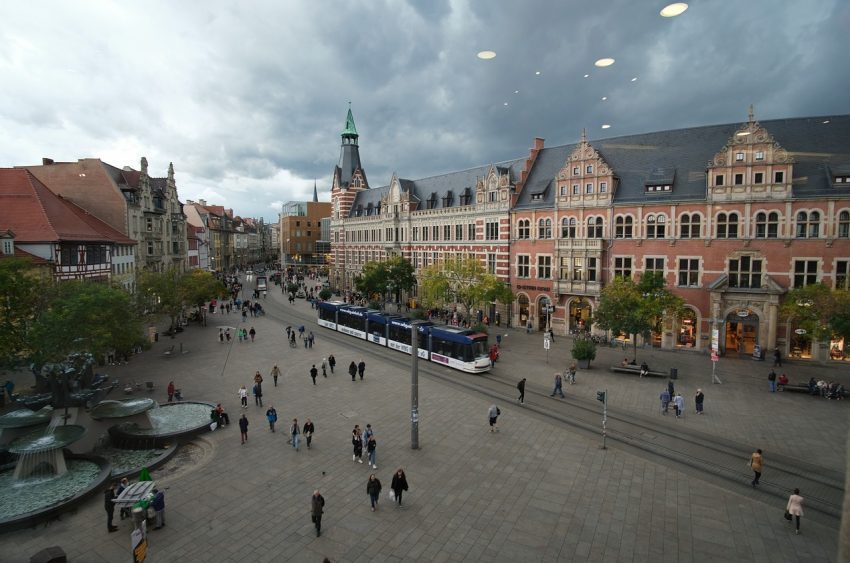
Visiting Angers
10. Rochefort
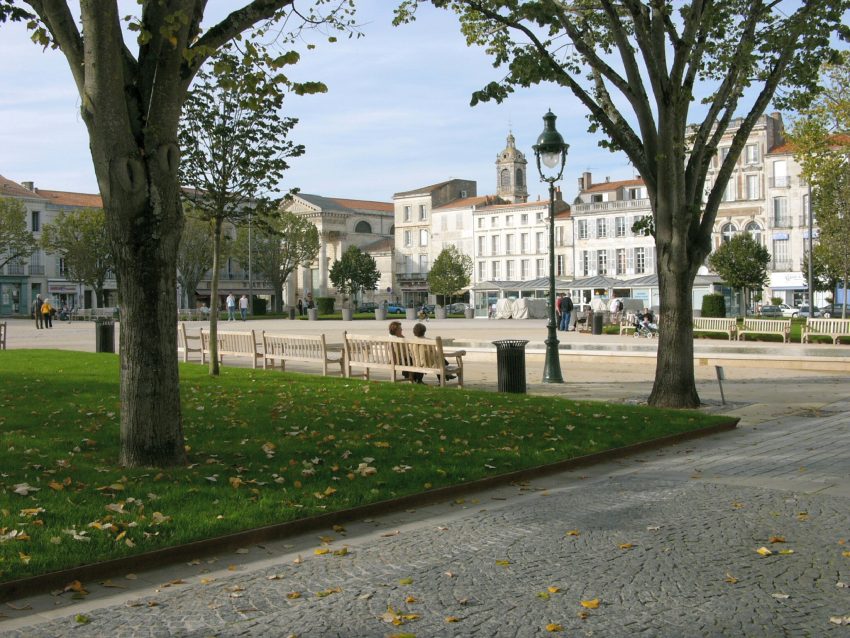
Visiting Rochefort
11. La Rochelle
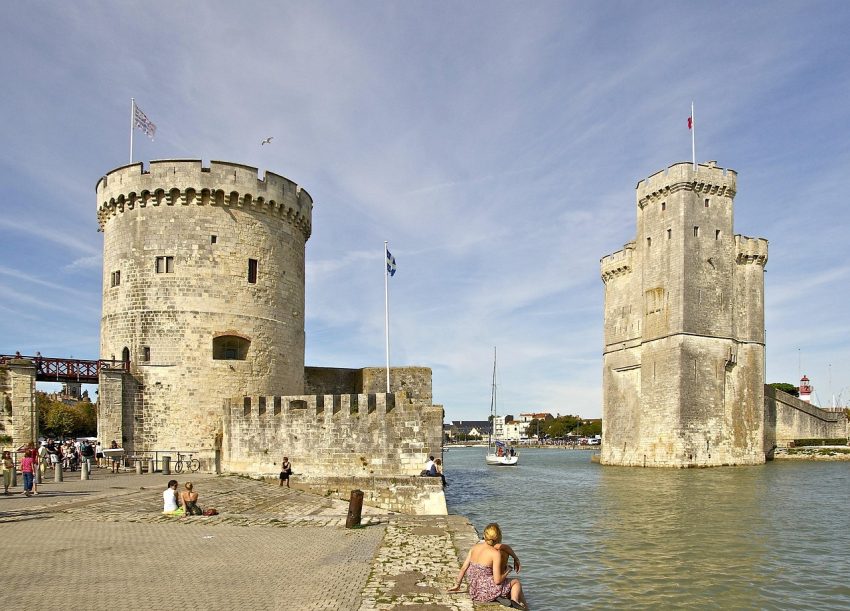
Visiting La Rochelle
12. Blois
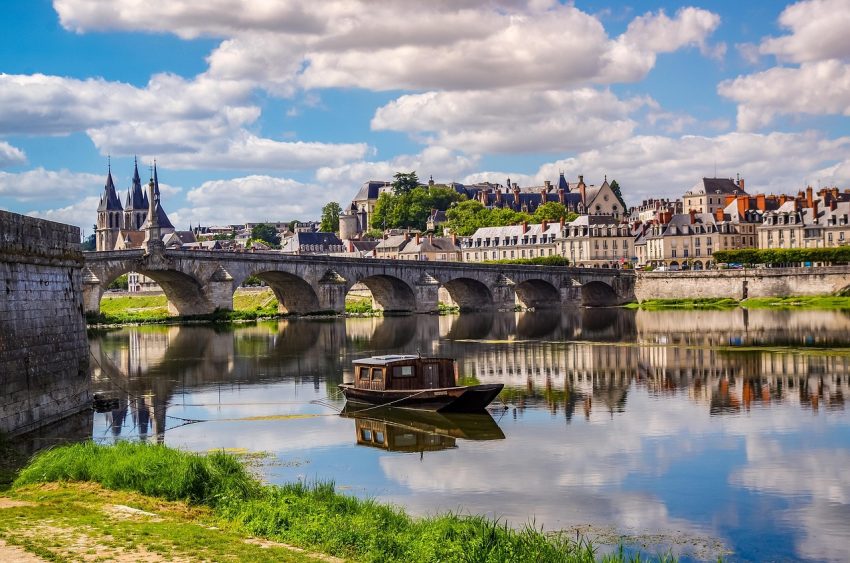
Visiting Blois
13. Périgueux
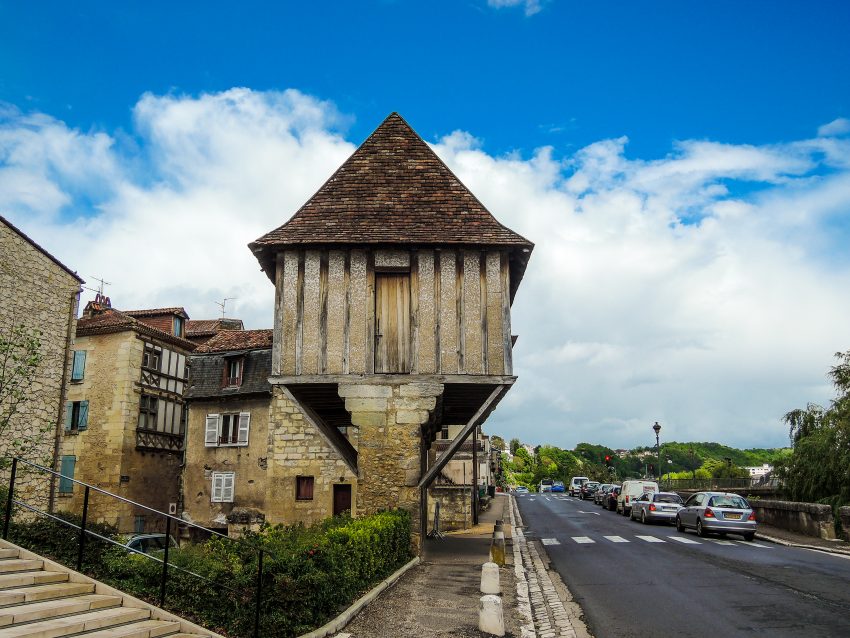
Visiting Périgueux
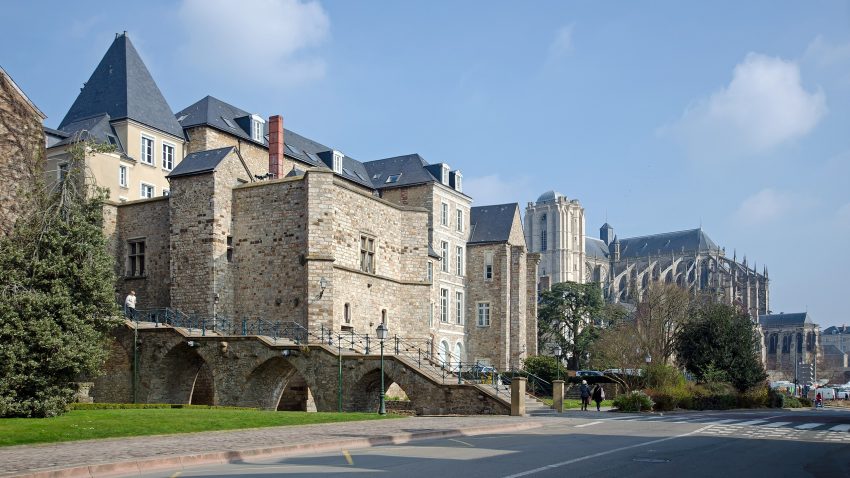
14. Le Mans
Visiting Le Mans
Where to Stay in Poitiers
In the heart of Poitiers’s medieval quarter, winding lanes and timber-framed façades open onto lively squares where you’ll find charming boutique boltholes just steps from the Baptistery and Cathédrale. Hôtel de l’Europe occupies a graceful 19th-century building overlooking the central plaza, its rooms blending period touches with contemporary comforts, while Hôtel Anne d’Anjou perches beside the Palais de Justice in a former 17th-century townhouse, offering vaulted ceilings and a serene courtyard. Nearby, La Résidence provides bright, apartment-style suites in a converted mansion, ideal if you’d like a bit more space in the old-town bustle.
A short stroll east brings you to the Gare-Saint-Hilaire district, where sleek modern hotels cater to both rail travellers and visitors to the nearby business parks. Ibis Styles Poitiers Centre Gare delivers graphic-print interiors and generous family rooms just across from the station, and Mercure Poitiers Centre offers sound-proofed chambers and a bar terrace overlooking the Place du Maréchal Leclerc. For those bound for the Futuroscope theme park, Novotel Poitiers Site du Futuroscope sits right at the park entrance with an outdoor pool and on-site restaurant—perfect for extending the fun into the evening.
Venturing into the rolling countryside that encircles Poitiers, you’ll discover elegant relais and country-house retreats a short drive from the city centre. Château de Dissay welcomes guests into its 15th-century wings set amid manicured gardens and offers gourmet dining in an oak-beamed hall. Nearby, Le Domaine de la Manse occupies a converted farmhouse beside a tranquil lake, complete with a spa, lakeside walking paths and hearty breakfasts featuring Poitou-Charentes specialties. These peaceful escapes make for a restorative counterpoint to Poitiers’s historic streets and modern attractions.
Using the our Hotel and Accomodation map, you can compare hotels and short-term rental accommodations in Poitiers. Simply insert your travel dates and group size, and you’ll see the best deals for your stay.
Poitiers Accommodation Map
Best Time to Visit Poitiers
Poitiers in Spring
Spring in Poitiers (March to May) brings mild temperatures and blooming landscapes, making it a pleasant time to explore the city’s historic sites. The Festival Ludique International in April celebrates board games and interactive entertainment, attracting enthusiasts from across France. With comfortable weather and fewer crowds, spring is ideal for strolling through the medieval streets and enjoying outdoor cafés.
Poitiers in Summer (Best)
Summer (June to August) is the best time to visit Poitiers, with warm temperatures and lively events. The Les Expressifs Festival in July showcases street performances, music, and theater, creating a vibrant atmosphere. Visitors can also enjoy outdoor activities along the Clain River or take day trips to nearby vineyards. Long daylight hours make summer perfect for sightseeing and experiencing the city’s cultural energy.
Poitiers in Autumn
Autumn (September to November) offers cooler temperatures and stunning foliage, making it a picturesque season to visit Poitiers. The Festival de la Bande Dessinée in October celebrates comic book art, drawing artists and fans alike. Wine lovers can explore the region’s vineyards during the grape harvest season, while history buffs can enjoy the city’s landmarks without peak-season crowds.
Poitiers in Winter
Winter (December to February) in Poitiers is chilly but festive, with holiday markets and seasonal celebrations. The Christmas Market in December fills the streets with lights, crafts, and local delicacies. While temperatures are lower, the city’s museums and historic sites remain open, offering cozy indoor experiences. Winter is a quieter time to visit, ideal for those seeking a relaxed and atmospheric getaway.
Annual Weather Overview
- January 9°C 51°F
- February 11°C 55°F
- March 13°C 59°F
- April 17°C 67°F
- May 21°C 74°F
- June 25°C 81°F
- July 29°C 87°F
- August 29°C 88°F
- September 26°C 82°F
- October 20°C 72°F
- November 13°C 58°F
- December 10°C 53°F
How to get to Poitiers
Getting to Poitiers by Air
Poitiers is served by Poitiers-Biard Airport (PIS), offering connections to select European destinations. Airlines such as Ryanair operate flights from London Stansted, making it a convenient option for travelers from the UK. The airport is located just 2.5 km from the city center, with taxis and car rental services available upon arrival.
Getting to Poitiers by Train
Main rail routes: oitiers is well-connected by rail, with TGV Atlantique services linking the city to major destinations. The TGV connects Poitiers to Paris Montparnasse in approximately 1 hour 15 minutes, making it one of the fastest ways to reach the city. Travelers can also take the TGV from Bordeaux, arriving in Poitiers in under an hour. For local travel, the TER Nouvelle-Aquitaine network provides connections to nearby towns and cities. The Poitiers train station is centrally located, making onward travel convenient.
Book tickets and schedules: You can use SNCF Connect to check schedules, compare routes, and purchase tickets for National (SNCF ) and regional trains (TER). For a more streamlined experience, we recommend using Omio, which allows you to easily compare prices, schedules, and book tickets for both National and Regional travel across all of Europe, all in one place.
Getting to Poitiers by Car
Driving to Poitiers offers flexibility, with direct access via the A10 motorway, linking the city to Paris (330 km) and Bordeaux (220 km). The N10 also provides a scenic route through the region. Parking is available throughout the city, including near major attractions.
If you are looking to rent a car in France I recommend having a look at Discover Cars, first, as they compare prices and review multiple car rental agencies for you.Travelling around Poitiers
Poitiers has an efficient public transport system, including buses operated by Vitalis, which connect key locations across the city. Walking is also a great option, as many attractions are within a short distance of each other. For those looking to explore beyond the city, regional trains and rental cars provide easy access to surrounding areas.