Münster, Germany: The Ultimate Travel Guide 2026
Complete Guide to Munster
© Andrew Ashton

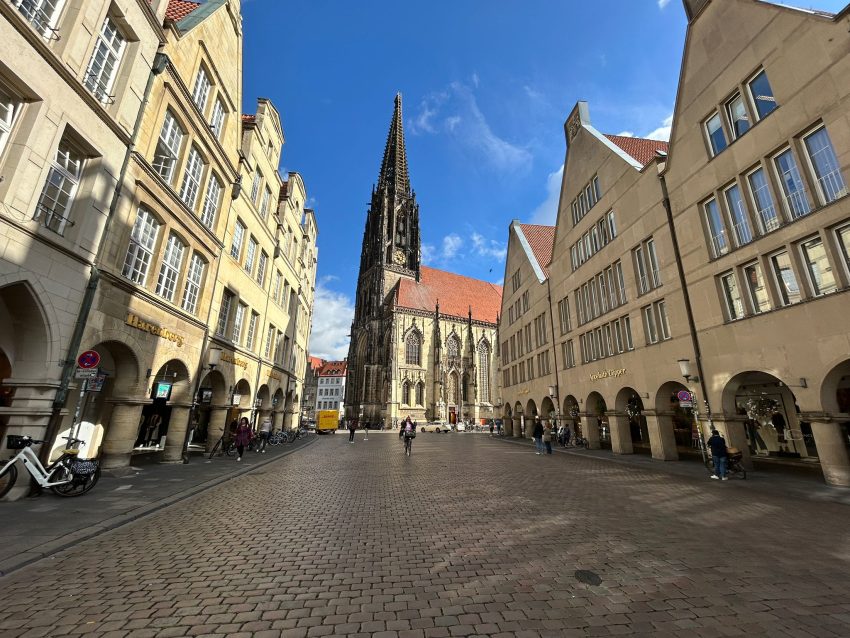
Münster, located in the Münsterland region of North Rhine-Westphalia, is a vibrant city known for its mix of modern life and relaxed, green surroundings. Visitors will find a compact city center that is easily explored on foot or by bicycle, with pedestrian streets lined with shops, cafés, and restaurants. The city’s layout encourages leisurely exploration, from the bustling Prinzipalmarkt with its striking gabled buildings to the peaceful promenades along the old city walls.

One of Münster’s standout features is its extensive network of parks and waterways. The Aasee, a large artificial lake just west of the city center, offers walking and cycling paths, boating, and places to relax by the water. Throughout the Münsterland region, the flat landscape makes cycling a particularly popular way to see both the city and the surrounding countryside, with well-marked routes connecting nearby villages, castles, and nature reserves.

Cultural and leisure activities in Münster are diverse and easy to access. The city hosts a variety of markets, seasonal festivals, and art exhibitions, providing plenty of opportunities for both locals and visitors to engage with contemporary life. With its combination of green spaces, accessible streets, and regional connections, Münster offers a welcoming and relaxed environment for a short visit or longer stay.

History of Münster

Early Münster: Origins and Medieval Growth

Münster’s origins date back to the 8th century when it began as a missionary settlement. The city grew around a monastic foundation, which became a focal point for religious and commercial activity. By the 10th and 11th centuries, Münster had developed into an important ecclesiastical center, with churches, monasteries, and a market that attracted traders from the surrounding region. Its early medieval streets and fortifications laid the foundation for the city’s later growth.

Münster in the Renaissance and Reformation

During the 16th century, Münster experienced significant religious and political change. The city became a site of intense conflict during the Reformation, culminating in the dramatic Anabaptist uprising in the 1530s. This period saw Münster briefly transformed into a theocratic community, which ended with a violent suppression. Following this turbulent era, the city returned to Catholic control and gradually rebuilt its institutions, churches, and markets, stabilizing into a prosperous Renaissance-era town.

Münster in the 17th and 18th Centuries

The 17th and 18th centuries in Münster were marked by peace and consolidation. The city became a key location for diplomacy, hosting negotiations that contributed to broader regional treaties. Its architectural landscape flourished, with elegant townhouses, churches, and civic buildings reflecting Baroque and early modern styles. Münster developed a reputation as a center of learning and culture, attracting scholars, artists, and merchants.

Münster in the 19th Century

In the 19th century, Münster underwent modernization while preserving its historic charm. The city expanded beyond its medieval walls, with new streets, public buildings, and infrastructure supporting growing trade and industry. Cultural institutions, schools, and museums were established, reinforcing Münster’s role as both an educational and cultural hub during this period of transformation.

Münster in the 20th Century and Beyond

The 20th century brought both destruction and renewal to Münster. The city suffered heavy damage during the Second World War but was carefully rebuilt afterward, preserving much of its historic center. In the postwar years, Münster grew into a vibrant, modern city, combining historic architecture with contemporary urban planning. Today, it stands as a thriving center for education, culture, and community life, reflecting centuries of resilience and development.

Moira & Andy
Moira & Andy

Hey! We're Moira & Andy. From hiking the Camino to trips around Europe in Bert our campervan — we've been traveling together since retirement in 2020!

Read our full story here

Visiting Münster for the first time and wondering what are the top places to see in the city? In this complete guide, I share the best things to do in Münster on the first visit. To help you plan your trip, I have also included an interactive map and practical tips for visiting!

This website uses affiliate links which earn a small commission at no additional cost to you.
Powered by GetYourGuide

16 Best places to See in Münster

This complete guide to Münster not only tells you about the very best sights and tourist attractions for first-time visitors to the city but also provide insights into a few of our personal favorite things to do.

This is a practical guide to visiting the best places to see in Münster and is filled with tips and info that should answer all your questions!

1. Pablo Picasso Museum

Art Museum Pablo Picasso
© Andrew Ashton
The Pablo Picasso Museum is a focused museum devoted to Picasso’s graphic work, founded in 1979 as Germany’s first institution centered on his prints. Set in a modern, minimalist building with white walls and clear sightlines, it keeps attention on lithographs, prints, and drawings that show how he revised motifs across series. The galleries trace shifts from early studies to later, more playful experiments with line and form, making the experience feel intimate and close-up rather than grand. Visitors often remember the calm layout and the free audio guide device (with English) that adds context, though some note that parts of the display can lean toward photos and tributes by other artists.
Location: Art Museum Pablo Picasso, Picassoplatz, Münster, Germany | Hours: Daily 10:00 AM to 6:00 PM. Closed on Mondays | Price: Adults: €5.00 | Website | Distance: 0.1km

We recommend to rent a car in Germany through Discover Cars, they compare prices and review multiple car rental agencies. Book your rental car here.

2. Prinzipalmarkt

Prinzipalmarkt
Prinzipalmarkt
© Andrew Ashton
Prinzipalmarkt is the Old Town’s grand market street, defined by a long run of covered arcades and storybook gabled houses whose merchant façades date to the 14th and 15th centuries. Walking beneath the arches, you’ll notice a mix of Gothic points, Renaissance ornament, and Baroque flourishes, with coats of arms, carved figures, and dated stonework above today’s boutiques and café fronts. Cobblestones, shop windows, and a steady stream of cyclists give it a lived-in rhythm rather than a museum feel. At the eastern end, the Gothic Historical City Hall anchors the scene; inside, the Peace Hall recalls the 1648 Peace of Westphalia.
Location: Prinzipalmarkt, Münster, Germany | Hours: Open at all times; individual shops, cafés, and the City Hall follow their own opening hours. | Price: Free; Prinzipalmarkt is a public square open to everyone. | Distance: 0.2km

Here is a complete selection of hotel options in Münster. Feel free to review each one and choose the stay that best suits your needs.

3. City Hall of Münster

City Hall of Münster
© Andrew Ashton
Facing the arcades of Prinzipalmarkt, the Historical City Hall is a late-14th-century seat of civic power with a filigreed Gothic façade—pointed gables, traceried windows, and finials that read like stone lace. Inside, the Friedenssaal (Peace Hall) is the room most visitors remember: dark carved wood panelling, coats of arms, and portraits surrounding the space where diplomats negotiated the 1648 Peace of Westphalia that ended the Thirty Years’ War. Other chambers still serve ceremonies and receptions, so it feels less like a frozen museum than a working public building. Many travelers linger outside to study the façade’s tiers up close before stepping in for a brief, focused visit.
Location: Historic City Hall, Prinzipalmarkt, Münster, Germany | Hours: Tuesday to Friday: 10:00 AM – 5:00 PM; Saturday, Sunday, and public holidays: 10:00 AM – 4:00 PM; Closed on Mondays | Price: Tours €3 per person | Website | Distance: 0.2km

Traveling to a country with a different currency? Avoid ATM transaction fees and pay in local currency with a Wise Card. Having used it for over 5 years, we've saved loads on fees!

4. Westphalian State Museum of Art and Cultural History

Westphalian State Museum of Art and Cultural History
CC BY-SA 4.0 / Rainer Halama
The LWL-Museum für Kunst und Kultur is a state museum that traces Westphalia’s artistic and cultural story from the Middle Ages to today, set in dignified galleries with a crisp modern edge. You move from gold-ground altarpieces and Renaissance sculpture into baroque drama, 19th-century painting, and modern abstraction, with applied arts adding everyday texture. Contemporary rooms broaden the scope with photography, video, and installation that question identity and memory. Visitors often remember the sleek design and practical touches like free lockers, and families gravitate to occasional interactive elements. Note that some displays are primarily in German, though an inexpensive English audio tour is available.
Location: Westphalian State Museum of Art and Cultural History, Domplatz, Münster, Germany | Hours: Tuesday-Sunday (and public holidays): 10am-6pm 2nd Friday of the month 10-24 h (free admission from 18 h) | Price: Adults: €10 | Website | Distance: 0.2km

Explore Münster at your own pace with our self-guided walking tour! Follow our curated route to discover must-see sights and local secrets that makes Münster one of the best places to visit in Germany.

5. Lambertikirche

Lambertikirche
Lambertikirche
© Andrew Ashton
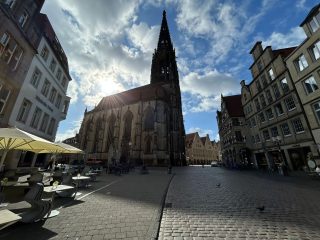
St. Lamberti Church is a Gothic parish church just off Prinzipalmarkt, its slender spire dominating the Old Town skyline. Look up to the three iron cages suspended from the tower—original relics of the 16th-century Anabaptist uprising, still hanging empty and unsettling. Step inside and the atmosphere turns calm: ribbed vaults, delicate stone tracery, and stained glass that washes the nave in shifting colour. Carved altars and side chapels reward a slow circuit, and when the church hosts music, the acoustics make even short recitals feel intimate. If tower access is open, the climb brings close-up views of the cages and rooftops below.
Location: St. Lamberti, Lambertikirchplatz, Münster, Germany | Hours: Monday to Saturday: 08:00 AM – 06:45 PM Sunday: 09:30 AM – 07:00 PM | Price: Free | Website | Distance: 0.3km

6. Münster Cathedral

Münster Cathedral
Münster Cathedral
© Andrew Ashton
St. Paulus Dom is the city’s cathedral on Domplatz, a monumental mix of Romanesque heft and Gothic lift, marked by twin towers and thick stone walls. Outside, carved portals, tracery windows, and sculpted details reward a slow circuit before the interior shifts to a quieter, vaulted spaciousness washed with stained-glass color. The standout is the 16th-century astronomical clock, a Renaissance marvel that tracks celestial cycles and feast days and comes alive with chimes and moving figures. Chapels, side aisles, and centuries of sacred art invite unhurried wandering, while regular services and concerts keep it feeling lived-in rather than museum-still.
Location: Münster Cathedral, Domplatz, Münster, Germany | Hours: Weekdays: 6:30 a.m. to 7:00 p.m. Sundays and public holidays: 6:30 a.m. to 7:00 p.m. | Price: Free | Website | Distance: 0.3km

7. Krameramtshaus

Münster, Krameramtshaus
CC BY-SA 4.0 / Dietmar Rabich
The Krameramtshaus (Grocers’ Guild House) is a compact late-16th-century townhouse built in 1589 as the headquarters of Münster’s powerful grocers’ guild, where rules for trade and disputes were settled. Visitors first notice the ornate street front: red brick framed by pale sandstone, steep layered gables, and carved details that signal merchant wealth. Inside, small rooms with carved wooden ceilings and period-style furnishings recreate the atmosphere of guild meetings and candlelit negotiations. A later chapter links the building to European diplomacy: during the Congress of Westphalia, Dutch envoys lodged here, and the Spanish–Dutch treaty recognizing Dutch independence was signed in the house on January 30, 1648.
Location: Krameramtshaus, Haus der Niederlande, Alter Steinweg, Münster, Germany | Hours: (House of the Netherlands) Monday - Friday 10:00 to 17:00 | Price: Free | Distance: 0.4km

8. Erbdrostenhof

Münster, Erbdrostenhof
CC BY-SA 4.0 / Dietmar Rabich
Erbdrostenhof is a late-Baroque city palace by Johann Conrad Schlaun, built 1753–1757 for Adolf Heidenreich Droste zu Vischering, and it turns a cramped plot on Salzstraße into a surprisingly grand composition. The street view is all theatrical curve: a bow-fronted center in pale Billerbeck sandstone wrapped around a courtyard, flanked by deep red brick wings. Look closely for the crisp window surrounds and sculpted details that give the façade its sense of motion. Wartime destruction nearly erased it, but meticulous postwar reconstruction restored key interiors, including a festival hall with revived frescoes. When open, the ballroom’s ornate stucco and concert atmosphere explain why visitors call it “beautiful” and memorable.
Location: Erbdrostenhof, Salzstraße, Münster, Germany | Hours: The exterior can be seen at any time | Price: Viewing the exterior is free | Distance: 0.4km

9. Kiepenkerl Denkmal

Kiepenkerl Denkmal
Kiepenkerl Denkmal
© Andrew Ashton
The Kiepenkerl Denkmal is a life-sized bronze statue honoring the Münsterland’s traveling peddlers who once carried farm goods and news into town in a wicker “Kiepe” basket. Unveiled in 1953, Albert Mazzotti Jr.’s figure recreates an 1896 monument that survived wartime bombing but was later crushed by a US tank during liberation. Up close, visitors notice the practical details: blue smock, red neckerchief, cap, walking stick, and a small whistle in hand. Set among cobbled Old Town lanes and café terraces, it’s an easy, down-to-earth photo stop with a strong sense of local memory.
Location: Kiepenkerl-Denkmal, Bergstraße, Münster, Germany | Hours: Accessible at all times as an outdoor landmark, though best enjoyed during daylight or early evening. | Price: Free; the statue is a public monument in an open square. | Distance: 0.4km

10. Promenade

Muenster Promenade
Muenster Promenade
CC BY-SA 2.5 / Rüdiger Wölk
The Promenade is a four-kilometre, tree-lined ring path that traces the line of the former city walls, wrapping the historic centre in a calm green corridor. Broad lanes, benches, and a leafy canopy make it feel like a park, yet the route keeps flashing views of church spires and gabled rooftops through the trees. It matters because it turns a once-defensive belt of ramparts and bastions into a shared, mostly car-free artery for walkers and cyclists. Look for small plaques and information boards that pinpoint vanished gates and fortifications, and for surviving fragments such as the cylindrical Buddenturm. Today you’ll notice the steady flow of bikes and joggers, especially pleasant in summer shade or autumn colour.
Location: Promenade, Münster, Germany | Hours: Accessible at all times, though it is safest and most pleasant in daylight or early evening. | Price: Free; the Promenade is a public path open to everyone. | Distance: 0.5km

11. Stadtmuseum Münster

Münster City Museum
Münster City Museum
CC BY-SA 3.0 / Florian Adler
Set inside the historic Palais Wiedebusch, this city museum traces local life from medieval trade and religious power through wartime destruction and post-war rebuilding. Atmospheric galleries mix everyday artefacts—tools, clothing, household objects—with films and photographs that keep the story grounded in ordinary routines. Detailed scale models let you compare the street plan across centuries and spot how landmarks and fortifications shifted, including the scars and repairs after World War II. Period-room displays and rotating temporary exhibitions add texture beyond big events, and a winding, multi-level layout makes the visit feel like moving through layers of the city. Reviews often note the free entry and only limited English signage.
Location: Stadtmuseum Münster, Salzstraße, Münster, Germany | Hours: Tuesday to Friday: 10:00 – 18:00; Saturday, Sunday, and public holidays: 11:00 – 18:00. Closed on Mondays | Price: Free | Website | Distance: 0.5km

12. Überwasserkirche

Überwasserkirche
Überwasserkirche
CC BY-SA 4.0 / Dietmar Rabich
Überwasserkirche (“Overwater Church”) is a 14th-century parish church just beyond the Old Town, long marking the shift from dense streets toward the water and open paths near the Aasee. Its profile is unmistakable: a strong tower, pointed Gothic arches and tall arched windows, with later Baroque touches layered into the fittings. Inside, the temperature drops and the mood turns quiet—vaulted ceilings lift the space while soft light and stained glass draw your attention to altars, carved wooden figures, and small artworks in side areas. Visitors often remember the stillness, whether stopping briefly to reflect or arriving during a service and hearing the congregation together.
Location: Liebfrauen-Überwasserkirche, Überwasserkirchplatz, Münster, Germany | Hours: Daily: 11:00 am - 19:00 pm | Price: Free | Website | Distance: 0.5km

13. Buddenturm

Münster, Buddenturm
Münster, Buddenturm
CC BY-SA 4.0 / Dietmar Rabich
Buddenturm (also called the Pulverturm) is a cylindrical sandstone tower from around 1150, the oldest surviving piece of the medieval city defences. Originally about 20 metres tall, it was later raised to roughly 30 metres and capped with a neo-Gothic crenellated crown, with a hexagonal stair turret added on the west side in 1629. You’ll mostly experience it from the outside—circling the base to study the narrow openings, masonry blocks, and traces of the former wall line. Over the centuries it shifted from guard tower to prison (1533), gunpowder store (from 1598), and even a water tower, and today it sits beside a small park that many visitors find as appealing as the tower itself.
Location: Buddenturm, Münzstraße, Münster, Germany | Hours: Exterior accessible at all times | Price: Free to view from outside | Distance: 0.7km

14. Zwinger
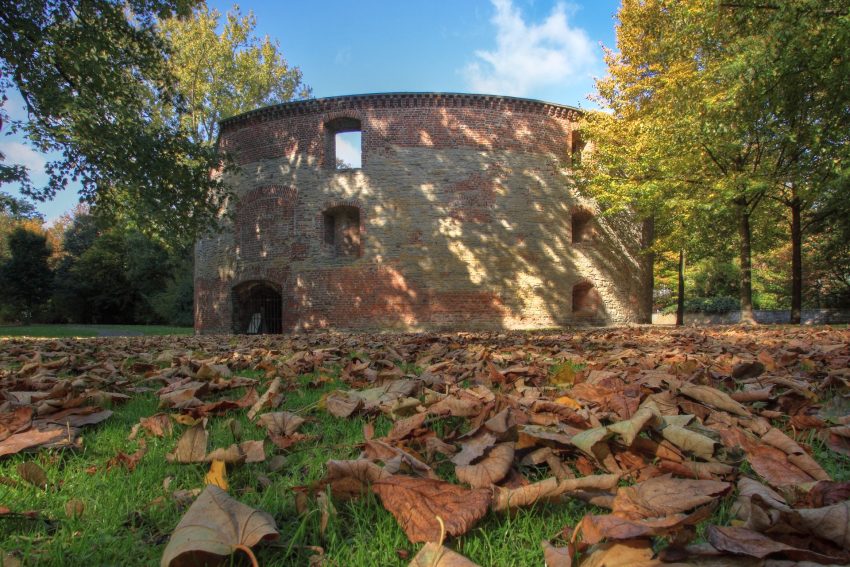
Der Zwinger
Der Zwinger
CC BY-SA 3.0 / Bernhard Kils
The Zwinger is a squat 16th-century fortification building tucked behind the line of the former city walls, its thick stone shell still reading as a defensive bulwark. Over time it became a prison and powder store, and under the Nazis it was used by the Gestapo for detention and executions—an association the site does not soften. Allied bombing in 1944 gutted the interior, and it has been preserved as a ruin and memorial rather than rebuilt. When open, Rebecca Horn’s 1987 installation Das gegenläufige Konzert fills the space with periodic metal hammer blows that ricochet off the walls, making the emptiness feel unnervingly alive. Visitors often describe it as ghostly, a quiet place for reflection.
Location: Zwinger, Münster, Germany | Distance: 0.9km

15. Prince-Bishop’s Palace

Fürstbischöfliches Schloss Münster
© Andrew Ashton
The former Prince-Bishop’s Palace (Fürstbischöfliches Schloss) is an 18th-century Baroque residence turned university main building, where ecclesiastical authority has been repurposed into everyday academic life. Its long, rigorously symmetrical red-and-sandstone façade faces the Schlossplatz with theatrical grandeur, and the central entrance and carved stone details reward a slow look. Step into the Schlossgarten behind it for straight avenues, lawns, flowerbeds, fountains, and photogenic views back toward the palace framed by trees. Most interiors function as offices and event spaces, but the building’s ceremonial scale is still palpable as students and cyclists stream past the grand doorways.
Location: Fürstbischöfliches Schloss Münster, Schlossplatz, Münster, Germany | Hours: 10:00 AM to 6:00 PM | Price: Admission to the palace grounds is free. | Website | Distance: 1km

16. Munster Botanical Garden

Botanical Garden Münster, behind the Castle
CC BY-SA 3.0 / NordhornerII
Tucked behind the Fürstbischöfliches Schloss, the Münster Botanical Garden is a university-run collection that doubles as a landscaped park and a working outdoor classroom. Compact but varied, it leads you along clear paths past ponds, wet corners, and themed beds—alpine rockeries, medicinal plant plots, and systematic plantings arranged to show botanical relationships. The greenhouses are the most memorable shift in atmosphere: step from temperate paths into humid tropical and subtropical houses with towering foliage, then into a cactus-and-succulent world of sculptural spines. Labels throughout explain origins and uses, making the stroll feel quietly investigative as well as beautiful. Many visitors linger for hours, and entry is free.
Location: Botanical Garden of the University of Münster, Schlossgarten, Münster, Germany | Hours: October 15 to March 14: 9:00 - 16:00; March 15 to October 14: 8:00 - 19:00 | Price: Free | Website | Distance: 1.2km

Best Day Trips from Münster

A day trip from Münster offers the perfect opportunity to escape the urban rhythm and discover the surrounding region's charm. Whether you're drawn to scenic countryside, historic villages, or cultural landmarks, the area around Münster provides a variety of easy-to-reach destinations ideal for a one-day itinerary. If you are looking to rent a car in Germany I recommend having a look at Discover Cars, first, as they compare prices and review multiple car rental agencies for you.

1. Enschede
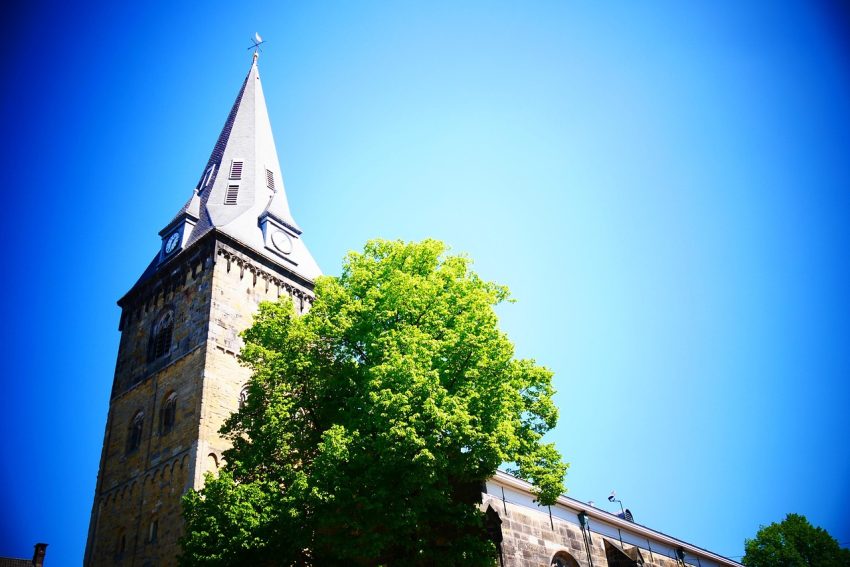
enschede
enschede
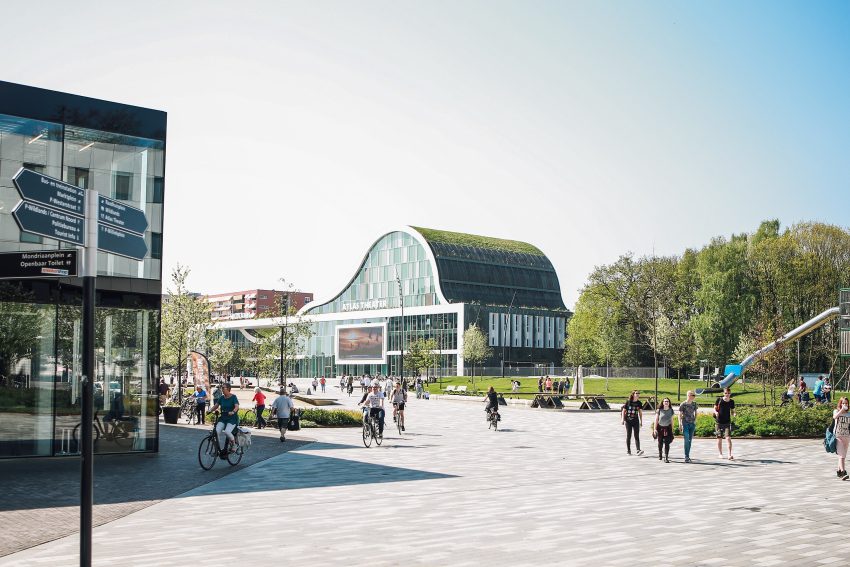
Visiting Enschede, located in the eastern Netherlands, offers a dynamic blend of urban energy and green spaces. The city’s vibrant centre is home to a lively mix of shops, cafés, and cultural venues, making it perfect for those who enjoy exploring on foot. Visitors can wander through bustling markets, relax in cozy cafés, or dive into local art galleries that…
Visiting Enschede

2. Hengelo

Hengelo
Hengelo
CC BY-SA 4.0 / Steven Lek
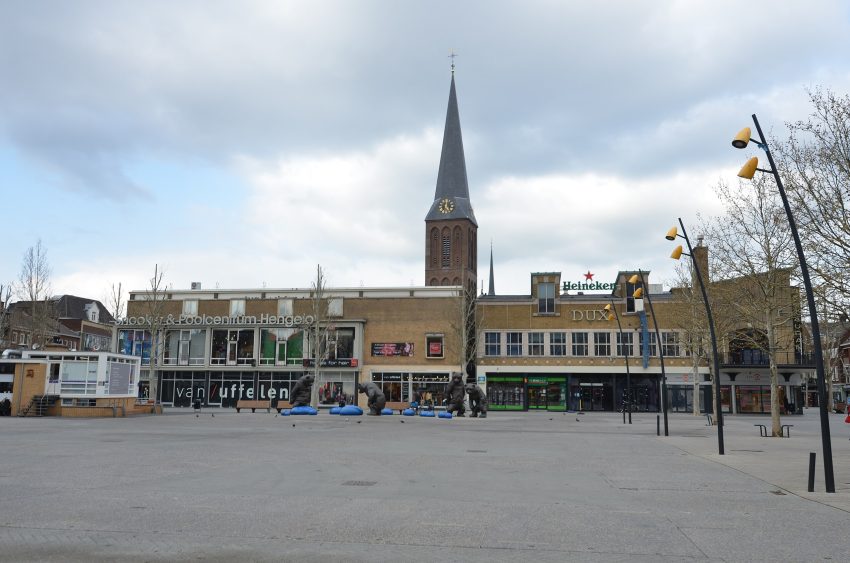
Hengelo is a vibrant city located in the eastern part of the Netherlands, in the province of Overijssel. It offers visitors a blend of modern urban life and green spaces, making it an appealing destination for those who want both cultural experiences and outdoor activities. The city centre is lively, with shopping streets, cafés, and restaurants where you can enjoy…
Visiting Hengelo

3. Bad Oeynhausen

Bad Oeynhausen Museumshof
CC BY-SA 3.0 / Ub12vow
Bad Oeynhausen is a spa town located in the Weserbergland mountains in the North Rhine-Westphalia region of Germany. The town is known for its thermal salt springs, which have been attracting visitors since the 19th century. One of the main attractions in Bad Oeynhausen is the Bali Therme, a large thermal spa complex featuring indoor and outdoor pools, saunas, steam…
Visiting Bad Oeynhausen

4. Doetinchem
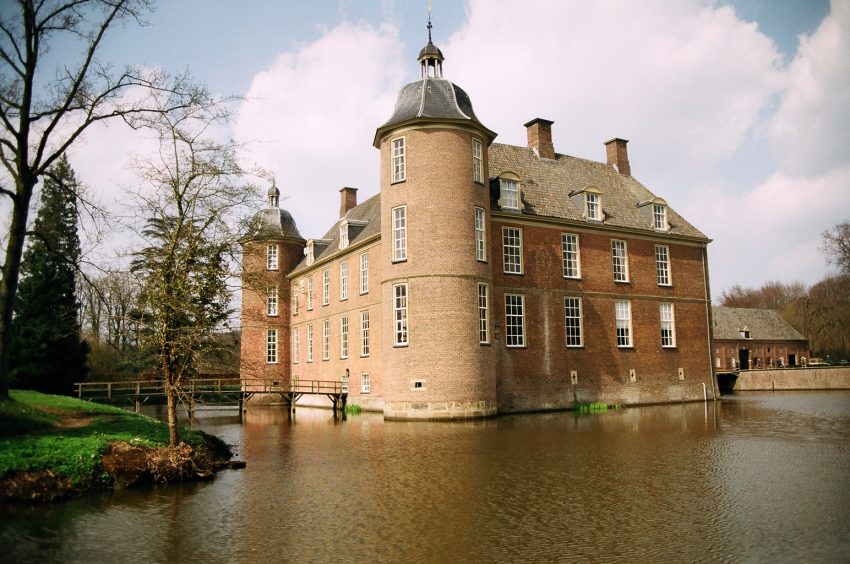
Kasteel slangenburg
Kasteel slangenburg
CC BY-SA 3.0 / Technische Fred
Visiting Doetinchem offers a charming experience in the eastern Netherlands, nestled within the Gelderland region. The city blends modern amenities with a welcoming small-town atmosphere, making it ideal for visitors looking for a relaxed yet vibrant destination. Strolling through the pedestrian-friendly city centre, you’ll find a variety of shops, cafes, and restaurants, perfect for sampling local Dutch cuisine or enjoying…
Visiting Doetinchem
Powered by GetYourGuide

5. Zutphen

Zutphen
Zutphen
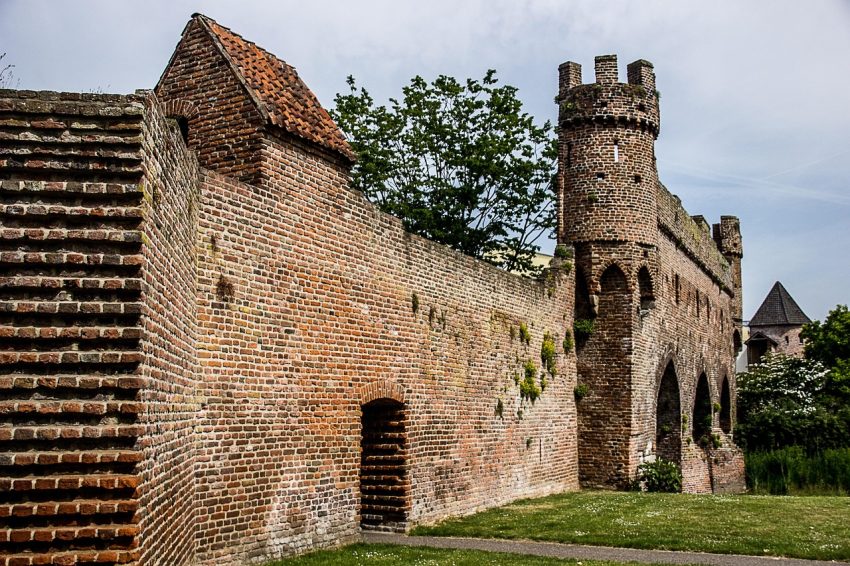
Visiting Zutphen offers a charming experience in the eastern Netherlands, set within the Gelderland region. The city’s compact and walkable centre is filled with picturesque streets, quaint cafés, and independent shops that invite leisurely exploration. Wander along the riverbanks of the IJssel and enjoy the peaceful atmosphere, which perfectly balances urban life with natural beauty. Zutphen’s relaxed pace makes it…
Visiting Zutphen

6. Dusseldorf

The Complete Guide to Dusseldorf
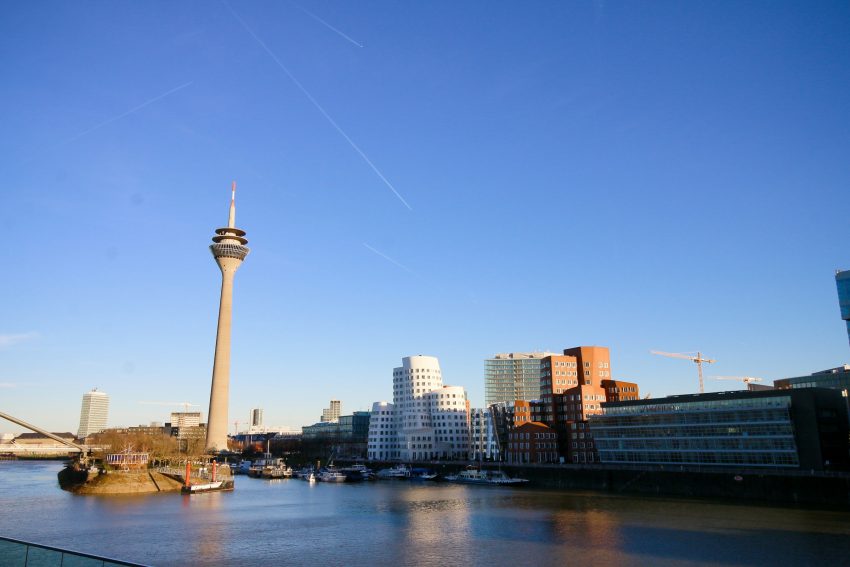
Dusseldorf is a stylish riverside city on the Rhine, known for its mix of contemporary architecture, fashion-forward shopping, and a famously lively old town. Set in North Rhine-Westphalia, it’s easy to combine big-city culture with relaxed waterfront walks, whether you’re browsing galleries, lingering in cafés, or taking in skyline views from the promenades. A visit often revolves around a few…
Visiting Dusseldorf
Powered by GetYourGuide

7. Emmen

Emmen
Emmen
CC BY-SA 4.0 / Richard Broekhuijzen
Emmen, located in the province of Drenthe in the Northern Netherlands, is a lively town known for its blend of natural beauty and modern attractions. It serves as a gateway to some of the region’s most remarkable landscapes, including expansive heathlands, forests, and nature reserves. Visitors to Emmen can enjoy a refreshing combination of outdoor activities and cultural experiences, making…
Visiting Emmen
Powered by GetYourGuide

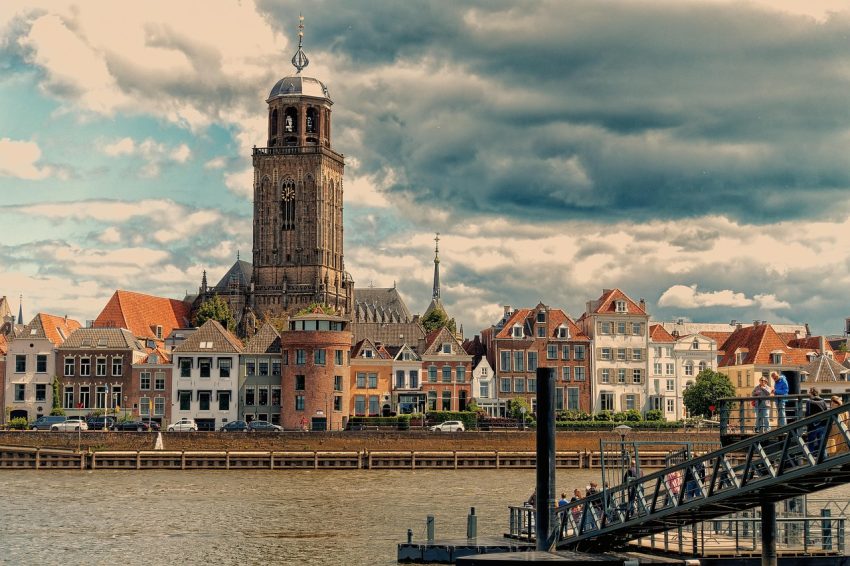
8. Deventer

deventer
deventer
Deventer, located in the province of Overijssel, is a charming city that offers visitors a delightful mix of historic atmosphere and vibrant cultural life. The city’s compact old town is perfect for exploring on foot, with narrow cobbled streets, picturesque squares, and a lively market scene. Visitors can enjoy quaint shops, cosy cafés, and a variety of restaurants serving both…
Visiting Deventer

9. Hoogeveen

Hoogeveen
Hoogeveen
CC BY-SA 4.0 / RomkeHoekstra
Hoogeveen, situated in the province of Drenthe in the northeastern Netherlands, offers visitors a welcoming blend of small-town charm and modern amenities. The town is known for its spacious parks, shopping districts, and vibrant cultural scene, making it an enjoyable destination for both relaxation and exploration. Its location provides easy access to the natural beauty of Drenthe, perfect for outdoor…
Visiting Hoogeveen

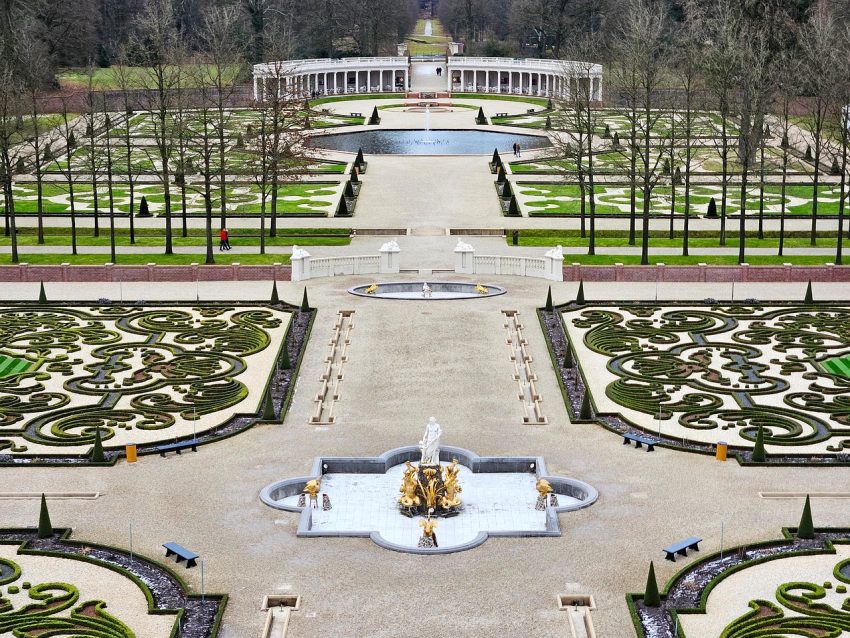
10. Apeldoorn

Apeldoorn
Apeldoorn
Apeldoorn, nestled in the province of Gelderland, offers visitors a refreshing blend of urban amenities and natural beauty. The city is known for its green spaces and parks, making it a perfect destination for those who enjoy outdoor activities. Whether you want to stroll through landscaped gardens or cycle along forest trails, Apeldoorn provides ample opportunities to connect with nature…
Visiting Apeldoorn
Powered by GetYourGuide

Where to Stay in Münster

The historic city center of Münster is ideal for visitors who want to be within walking distance of landmarks like Prinzipalmarkt, Münster Cathedral, and the Picasso Museum. This area offers a mix of boutique hotels and modern accommodations. Popular options include Mauritzhof Hotel Münster, known for its central location and comfortable rooms, and Hotel Specht, which blends historic charm with modern amenities. Staying here puts you close to cafés, shops, and cultural venues, making it easy to explore the city on foot.

The Aasee and Hafen district offers a more scenic and tranquil setting, with lakeside views and cycling routes nearby. Visitors often choose Dorint Hotel Münster for its modern facilities and lakeside location, perfect for a relaxing stay. Another option in this area is Vienna House Easy Münster, which provides contemporary rooms and easy access to walking paths along the lake and parks. This district is ideal for those looking for a balance of urban convenience and natural surroundings.

For travelers seeking a quieter atmosphere, the Kreuzviertel neighborhood is popular for its leafy streets, local cafés, and a slightly more residential feel while still being close to the city center. Accommodations here include smaller boutique hotels and guesthouses, offering a cozy, neighborhood vibe with easy access to both cultural sites and parks. Staying in this area provides a chance to experience Münster like a local, with quieter evenings and charming streets to explore.

The area around Münster Hauptbahnhof is ideal for those arriving by train or looking for excellent transport connections to the surrounding Münsterland region. Hotels in this district cater to both business and leisure travelers. Options include H4 Hotel Münster, which offers modern rooms and conference facilities, and Ibis Styles Münster, a budget-friendly choice with stylish interiors and convenient access to public transport. This area is particularly practical for day trips outside the city while remaining close to central Münster.

Using the our Hotel and Accomodation map, you can compare hotels and short-term rental accommodations in Münster. Simply insert your travel dates and group size, and you’ll see the best deals for your stay.

Münster Accommodation Map

Best Time to Visit Münster

Visiting Münster in Spring

Spring is an inviting time to explore Münster as the city comes alive with greenery and blooming flowers. Parks and lakesides, such as the Aasee, are ideal for walks and cycling, and the mild temperatures make outdoor exploration comfortable. Seasonal markets and Easter celebrations provide a glimpse of local culture, making spring a lively yet relaxed time to visit.

Visiting Münster in Summer (Best)

Summer is perhaps the best time to visit Münster. Warm weather and long daylight hours make it perfect for cycling through the city and the surrounding Münsterland countryside. The city hosts several festivals during this season, including open-air concerts and cultural events in public squares. Outdoor cafés, boat trips on the canals, and festivals like the Münster Sommer Festival offer vibrant experiences for visitors.

Visiting Münster in Autumn

Autumn in Münster is marked by cooler temperatures and the changing colors of parks and tree-lined streets. It’s an excellent season for cycling and enjoying the scenic surroundings of the Münsterland region. Cultural life continues indoors, with art exhibitions, concerts, and theater performances providing entertainment, while harvest festivals and seasonal markets highlight regional traditions.

Visiting Münster in Winter

Winter brings a quieter, more reflective atmosphere to Münster. The historic streets and squares are often decorated for Christmas, with festive markets creating a cozy, seasonal charm. Although temperatures are colder, indoor attractions such as museums, galleries, and cafés offer a warm retreat. Winter is ideal for experiencing the city’s local culture in a relaxed and intimate setting.

Annual Weather Overview

  • January 5°C
  • February 8°C
  • March 11°C
  • April 17°C
  • May 19°C
  • June 22°C
  • July 25°C
  • August 26°C
  • September 22°C
  • October 16°C
  • November 9°C
  • December 8°C

How to get to Münster

Getting to Münster by Air

Nearest airports: The closest airport to Münster is Münster/Osnabrück International Airport (FMO), about 25 km from the city center. Düsseldorf International Airport (DUS) and Dortmund Airport (DTM) are also accessible within an hour or two by car or train, offering more frequent international connections. From these airports, travelers can reach Münster by shuttle buses, regional trains, or taxis. For the best deals and a seamless booking experience, check out these flights to Münster on Booking.com.

Getting to Münster by Train

Münster Hauptbahnhof is a major railway hub on Germany's north-south and east-west lines. Frequent trains run from cities such as Dortmund, Düsseldorf, Hamburg, and Cologne, connecting Münster to both regional and long-distance networks. High-speed ICE and IC trains also stop here, making it convenient for travelers coming from further afield. The station provides modern facilities and easy access to local public transport. Train schedules and bookings can be found on Omio.

Getting to Münster by Car

Münster is well-connected by Germany's autobahn network, with the A1 and A43 providing direct routes from cities such as Dortmund, Bremen, and Cologne. Major regional roads also link the city to surrounding towns in the Münsterland region. Parking is available in public garages and at designated street spots, but the compact city center encourages walking and cycling once you arrive. If you are looking to rent a car in Germany I recommend having a look at Discover Cars, first, as they compare prices and review multiple car rental agencies for you.

Travelling around Münster

By bike: Münster is famous for its cycling culture, with dedicated bike lanes and rental options throughout the city. It’s one of the easiest and most scenic ways to explore both the city and the surrounding countryside.

By public transport: Buses run frequently across the city and to nearby towns in Münsterland. Tickets are easy to purchase at kiosks, machines, or via mobile apps.

On foot: The city center is compact, making walking an ideal way to reach shops, cafés, and historic sites, while enjoying the architecture and urban atmosphere.

More from this area