Dusseldorf, Germany: The Ultimate Travel Guide 2026
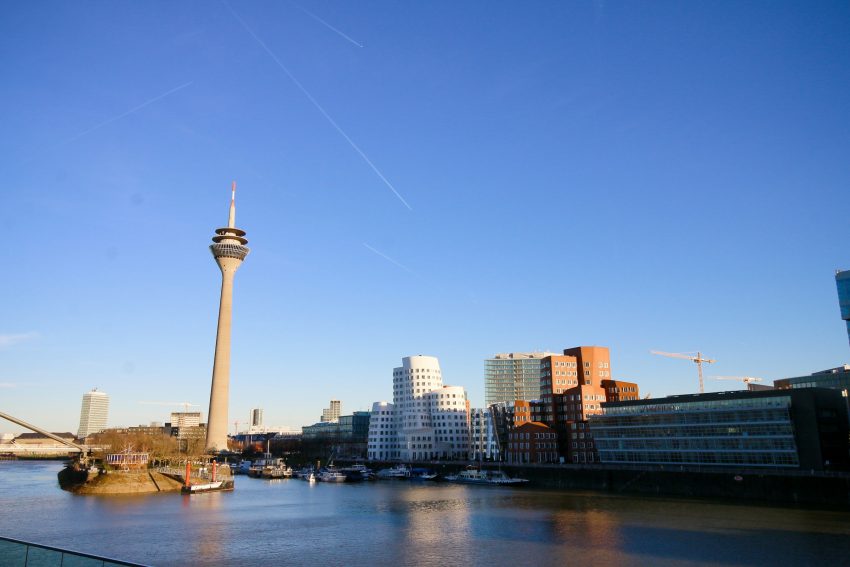
Dusseldorf is a stylish riverside city on the Rhine, known for its mix of contemporary architecture, fashion-forward shopping, and a famously lively old town. Set in North Rhine-Westphalia, it’s easy to combine big-city culture with relaxed waterfront walks, whether you’re browsing galleries, lingering in cafés, or taking in skyline views from the promenades.
A visit often revolves around a few distinct districts: the Altstadt for traditional pubs and local beer culture, Königsallee for luxury boutiques and people-watching, and the MedienHafen for modern design, restaurants, and striking buildings. Museums and performance venues add depth to the trip, while the Rhine embankment ties everything together with scenic paths and frequent events.
Dusseldorf also works brilliantly as a base for day trips in the wider Rhine-Ruhr area, thanks to fast rail connections and a compact, walkable core. Whether you're here for a weekend break, a trade fair, or a longer city stay, you'll find a polished urban feel balanced by green parks, river views, and a strong local food-and-drink scene.
Table of Contents
- History of Dusseldorf
- Best things to do and See in Dusseldorf
- Dusseldorf Altstadt
- Dusseldorf Rhine Promenade
- Dusseldorf MedienHafen and Modern Architecture
- Dusseldorf Königsallee
- Dusseldorf Kunstsammlung Nordrhein-Westfalen
- Dusseldorf Rheinturm
- Dusseldorf Schloss Benrath
- Dusseldorf Nordpark and the Japanese Garden
- Dusseldorf Aquazoo Löbbecke Museum
- Dusseldorf Classic: A Rhine River Cruise
- 10 Best Day Trips from Dusseldorf
- Where to Stay in Dusseldorf
- Best Time to Visit Dusseldorf
- How to get to Dusseldorf
History of Dusseldorf
Dusseldorf in the Early Settlement and River Trade (Before 1200)
The area around Dusseldorf developed from small riverside communities that benefited from fishing, farming, and early trade routes along the Rhine. Over time, local crossings and market activity encouraged more permanent settlement, laying the groundwork for an emerging town.
As regional powers consolidated, the settlement’s strategic value increased. Control of river access and nearby routes became important for tolls, commerce, and defense, setting the stage for formal town privileges.
Dusseldorf Becomes a Town (1200s–1400s)
Dusseldorf’s rise accelerated in the late Middle Ages when it gained town rights, which strengthened its ability to hold markets, build fortifications, and govern local affairs. These privileges attracted craftspeople and merchants, helping the town grow economically and socially.
Political shifts in the region brought new patrons and administrative roles. The town’s defenses and civic institutions expanded, reflecting its increasing importance.
Dusseldorf as a Ducal Residence (1500s–1600s)
When ruling dynasties chose Dusseldorf as a residence, the city’s status rose sharply. Court life stimulated building projects, arts patronage, and the development of administrative structures.
Religious and political tensions of the era affected daily life, including periods of instability and military pressure. Even so, the presence of a court helped anchor cultural ambition and urban development.
Dusseldorf in the Baroque and Enlightenment Era (1700s)
In the 18th century, Dusseldorf saw renewed cultural energy, with the arts and education gaining prominence. Urban improvements and courtly influence shaped architecture and public spaces.
The city’s cultural identity strengthened through collections, academies, and a growing appreciation for painting and performance. This period helped establish traditions that later institutions would build upon.
Dusseldorf Under Napoleonic and Prussian Influence (1800s)
The Napoleonic era brought administrative reforms and new legal frameworks, followed by a shift to Prussian governance that emphasized modernization. Industrialization in the wider region boosted commerce and population growth.
Dusseldorf became increasingly connected to broader economic networks, and its cultural scene matured—especially in the visual arts—supporting a reputation that extended beyond the region.
Dusseldorf Through War, Reconstruction, and Modern Growth (1900s–Today)
The 20th century brought severe disruption during the world wars, including damage to infrastructure and housing. Postwar reconstruction reshaped parts of the city, balancing restoration with modern planning.
In the late 20th and early 21st centuries, Dusseldorf developed into a major center for business, trade fairs, design, and media. Contemporary architecture, international communities, and a strong cultural calendar now define the city’s modern profile.

Moira & Andy
Hey! We're Moira & Andy. From hiking the Camino to trips around Europe in Bert our campervan — we've been traveling together since retirement in 2020!
Visiting Dusseldorf for the first time and wondering what are the top places to see in the city? In this complete guide, I share the best things to do in Dusseldorf on the first visit. To help you plan your trip, I have also included an interactive map and practical tips for visiting!
This website uses affiliate links which earn a small commission at no additional cost to you.


Best things to do and See in Dusseldorf
1. Dusseldorf Altstadt (Old Town) and Brewery Culture
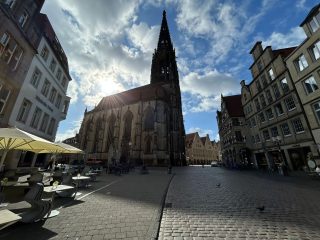
Dusseldorf’s Altstadt is compact, lively, and perfect for wandering: narrow lanes, historic squares, and an ever-changing mix of traditional pubs and modern bars. Even if you’re not here to party, it’s one of the best areas to get a feel for local life—especially in the early evening when the streets start to fill.
A classic experience is trying Altbier in a traditional brewery pub where staff move quickly between tables with small glasses. Many venues are free to enter, and you pay per drink; food prices vary by pub. The area is walkable from the Rhine promenade, so it’s easy to combine with riverside sightseeing.
2. Dusseldorf Rhine Promenade (Rheinuferpromenade)
The Rhine promenade is one of Dusseldorf’s most enjoyable public spaces, stretching along the river with broad paths, steps down to the water, and plenty of benches for skyline views. It’s ideal for a relaxed stroll, a jog, or simply watching boats pass by.
There’s no entry fee and it’s open 24/7. Come around sunset for the best light, then continue into the Altstadt for dinner. In warmer months, pop-up stands and nearby terraces make it easy to turn a walk into a long, leisurely evening.
3. Dusseldorf MedienHafen and Modern Architecture
MedienHafen showcases Dusseldorf’s contemporary side: glossy waterfront buildings, converted warehouses, and standout architecture (including sculptural designs that have become city icons). It’s a great area for photography, especially at blue hour when reflections ripple across the harbor.
Exploring the district is free and possible at any time, though restaurants and bars keep it lively in the evenings. If you want a special night out, this is a top spot for modern dining with views—reservations are recommended on weekends.
4. Dusseldorf Königsallee (Kö) for Shopping and Strolling
Königsallee is Dusseldorf’s famous boulevard, lined with luxury boutiques, flagship stores, and a canal with elegant bridges. Even if you’re not shopping, it’s worth visiting for the atmosphere and people-watching—polished, fashionable, and distinctly “Dusseldorf.”
There’s no cost to visit and it’s accessible 24/7, though shops typically open roughly 10:00–20:00 (often shorter hours on Saturdays and closures on Sundays). Pair the Kö with nearby cafés or a walk toward the old town for a full central-city loop.
5. Dusseldorf Kunstsammlung Nordrhein-Westfalen (K20/K21)
For modern and contemporary art, Dusseldorf’s K20 and K21 are major highlights, often featuring influential 20th-century works alongside strong temporary exhibitions. K20 (near the old town) is especially convenient to combine with central sightseeing, while K21 offers a different setting and exhibition style.
Expect an entry fee (commonly around €14–€16 for adults, with discounts available), and typical opening hours are around 11:00–18:00, with at least one late-opening evening per week depending on the season. Check which site hosts the exhibitions you care about most and plan 2–3 hours if you want to take your time.
6. Dusseldorf Rheinturm (Rhine Tower) Observation Deck
The Rheinturm is the city’s classic viewpoint, offering panoramic views over the Rhine, the MedienHafen, and the wider skyline. It’s especially rewarding on clear days, but even in hazier weather the perspective helps you understand the city’s layout.
Tickets are typically in the €10–€12 range for adults, and opening hours often run from late morning to late evening (commonly around 11:00–22:00, later on some days). Go near sunset if you can, when the city shifts from daylight to night lights.
7. Dusseldorf Schloss Benrath (Benrath Palace) and Park
Schloss Benrath is a beautiful 18th-century palace complex with formal gardens and a large park that’s perfect for a half-day trip. The grounds are a highlight in any season—spring blossoms and autumn colors are especially photogenic—and the interiors add context to the site’s courtly past.
The park is generally free and open daily during daylight hours, while museum/palace interiors require tickets (often roughly €14–€18 depending on what’s included) and have set opening times, commonly late morning to early evening with some weekday closures. It’s easy to reach by S-Bahn and makes a great break from the city center.
8. Dusseldorf Nordpark and the Japanese Garden
Nordpark is one of Dusseldorf’s most pleasant green spaces, known for its landscaped lawns, water features, and the Japanese Garden—an especially tranquil spot reflecting the city’s strong Japanese community. It’s ideal for a slower morning, a picnic, or a reset between museums and shopping.
Entry is free and the park is open daily (generally from early morning until evening). Visit in spring and early summer for the best greenery, and consider combining it with nearby attractions like the Aquazoo if you’re traveling with family.
9. Dusseldorf Aquazoo Löbbecke Museum
Aquazoo combines aquarium exhibits with natural history displays, making it a strong indoor option—particularly on rainy days. You’ll find a mix of marine life, reptiles, and educational exhibits that work well for both kids and adults who enjoy science and nature.
Entry is typically around €10–€12 for adults (discounts for children and families), and opening hours are commonly around 10:00–18:00 with last entry before closing. Plan 2–3 hours, and arrive earlier on weekends to avoid the busiest periods.
10. Dusseldorf Classic: A Rhine River Cruise (Short Panorama Trip)
A short Rhine cruise is an easy way to see Dusseldorf from the water, passing the old town skyline, bridges, and the modern harbor areas depending on the route. It’s relaxing, requires minimal planning, and can be a nice change of pace after walking-heavy days.
Prices vary by operator and duration, but short panorama cruises are often in the €15–€25 range per adult. Schedules are seasonal, with more frequent departures from spring through early autumn; in winter, services may be limited. Check departure times at the riverside piers and aim for a late-afternoon sailing for the best light.