Marrakesh, Morocco: The Ultimate Travel Guide 2026
Marrakech, also spelled Marrakesh, is a city in western Morocco known for its rich history, vibrant culture, and stunning architecture. Located at the foot of the Atlas Mountains, Marrakech has long been a major trading hub and cultural crossroads. It's also a popular tourist destination, drawing visitors from around the world to experience its bustling medina, aromatic spice markets, and luxurious riads (traditional Moroccan houses with internal courtyards).
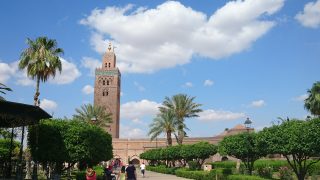
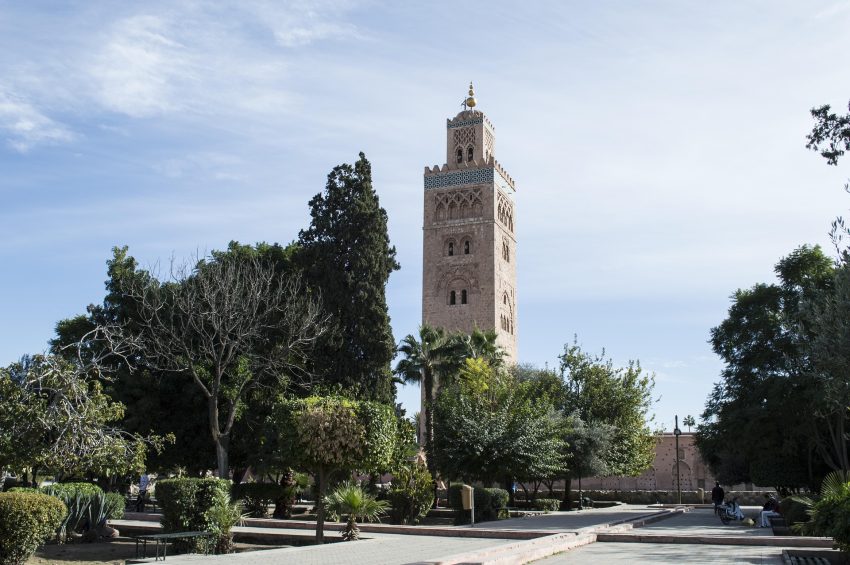
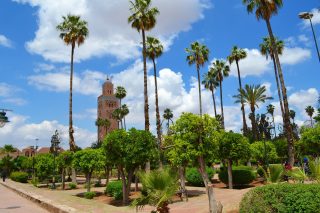
One of the most iconic landmarks in Marrakech is the Koutoubia Mosque, a towering minaret that can be seen from across the city. Built in the 12th century, the mosque is a beautiful example of Moroccan architectural style, with its intricate geometric patterns and ornate carvings. Nearby, the Saadian Tombs are a must-see for history buffs, as they contain the graves of the Saadi dynasty rulers who ruled Morocco in the 16th and 17th centuries.
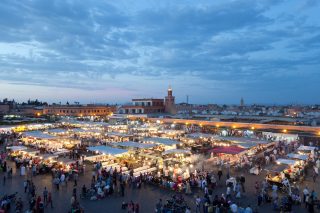
For a taste of local culture, head to the Djemaa el-Fna, a large square in the heart of the medina. Here, you’ll find a vibrant scene filled with street performers, food stalls, and colorful stalls selling traditional Moroccan handicrafts. As the sun sets, the square comes alive with music and entertainment, making it the perfect place to people-watch and soak up the atmosphere.
If you’re in the mood for shopping, Marrakech is the place to be. The medina is home to a number of bustling souks (markets) where you can find everything from handmade ceramics and textiles to spices and jewelry. Just be prepared to haggle for a good deal!
Beyond the city center, Marrakech is home to a number of beautiful gardens and parks. The Jardin Majorelle is a particularly popular spot, with its colorful buildings and exotic plants. It’s also home to the Berber Museum, which offers a fascinating look at the history and culture of Morocco’s indigenous people.
Overall, Marrakech is a city that offers something for everyone. Whether you’re interested in history, culture, or just soaking up the local atmosphere, there’s no shortage of things to see and do. So, if you’re planning a trip to Morocco, be sure to put Marrakech on your list of must-visit destinations.
Table of Contents
- History of Marrakesh
- 21 Best places to See in Marrakesh
- Marrakech Museum
- Almoravid Koubba
- Ben Youssef Madrasa
- Souks of Marrakesh
- Dar Si Said
- Tiskiwin Museum
- Le Jardin Secret
- Jemaa el-Fnaa
- Bahia Palace
- Dar el Bacha
- El Badi Palace
- Kasbah Mosque
- Koutoubia Mosque
- Koutoubia Gardens
- Walls of Marrakesh
- Saadian Tombs
- Musée Yves Saint Laurent
- Jardin Majorelle
- Agdal Gardens
- Palm Grove of Marrakech
- Menara Gardens
- 4 Best Day Trips from Marrakesh
- Where to Stay in Marrakesh
- Best Time to Visit Marrakesh
- How to get to Marrakesh
History of Marrakesh
Marrakesh in the Founding Era: Almoravid Origins
Marrakesh was founded in 1070 by Abu Bakr ibn Umar, a leader of the Almoravid dynasty, as a military and administrative center. Built on an important trans-Saharan trade route, it quickly developed into a thriving city and capital of the Almoravid Empire. The dynasty introduced a distinctive architectural style, including red sandstone ramparts and the construction of mosques, palaces, and gardens. The Koutoubia Mosque, built later during the Almohad period, stands as a direct descendant of this early architectural vision. Under the Almoravids, Marrakesh became a religious and cultural hub of the Islamic world.
Marrakesh in the Almohad and Marinid Periods
In the mid-12th century, the Almohads overthrew the Almoravids and made Marrakesh their capital. They demolished many earlier structures but rebuilt the city on a grander scale. The Almohads expanded the Koutoubia Mosque and enhanced the urban layout, including gardens and water systems that reflected their advanced engineering. When the Marinid dynasty later rose to power in the 13th century, they moved the capital to Fez, and Marrakesh entered a period of decline. However, it remained an important regional center, especially for commerce and scholarship.
Marrakesh in the Saadian Golden Age
Marrakesh experienced a major revival under the Saadian dynasty in the 16th century. The Saadians restored the city’s former glory and used it as their imperial capital. Sultan Ahmed al-Mansour, in particular, invested in ambitious architectural projects, including the lavish El Badi Palace and the Saadian Tombs. During this era, Marrakesh became an international city, engaging in trade with Europe and sub-Saharan Africa and fostering a flourishing of the arts. The city’s rich urban culture, blending Islamic, Berber, and Andalusian influences, was solidified during this prosperous period.
Marrakesh in the Alaouite Era and Modern History
In the 17th century, the Alaouite dynasty took control of Morocco, and although Fez remained the principal capital, Marrakesh continued as an important royal city. The Alaouites contributed to the restoration and preservation of many monuments, but the city’s political importance diminished. By the 19th and early 20th centuries, Marrakesh had become a regional trade center and stronghold for southern tribes. During the French Protectorate (1912–1956), the city underwent modernization, with new infrastructure built alongside its historic medina. After Moroccan independence, Marrakesh began to flourish as a tourist destination, celebrated for its rich heritage, vibrant souks, and distinctive architecture.
Marrakesh in the 21st Century: Heritage and Global Appeal
Today, Marrakesh is a dynamic blend of ancient tradition and modern vitality. Its UNESCO-listed medina, historic palaces, gardens, and bustling markets draw millions of visitors each year. The city has also become a center for arts, fashion, and international events, hosting biennales and conferences that reaffirm its global relevance. Despite rapid growth and urbanization, Marrakesh continues to honor its past while embracing the future, standing as one of North Africa’s most captivating and enduring cultural capitals.

Moira & Andy
Hey! We're Moira & Andy. From hiking the Camino to trips around Europe in Bert our campervan — we've been traveling together since retirement in 2020!
Visiting Marrakesh for the first time and wondering what are the top places to see in the city? In this complete guide, I share the best things to do in Marrakesh on the first visit. To help you plan your trip, I have also included an interactive map and practical tips for visiting!
This website uses affiliate links which earn a small commission at no additional cost to you.
21 Best places to See in Marrakesh
This complete guide to Marrakesh not only tells you about the very best sights and tourist attractions for first-time visitors to the city but also provide insights into a few of our personal favorite things to do.
This is a practical guide to visiting the best places to see in Marrakesh and is filled with tips and info that should answer all your questions!
1. Marrakech Museum
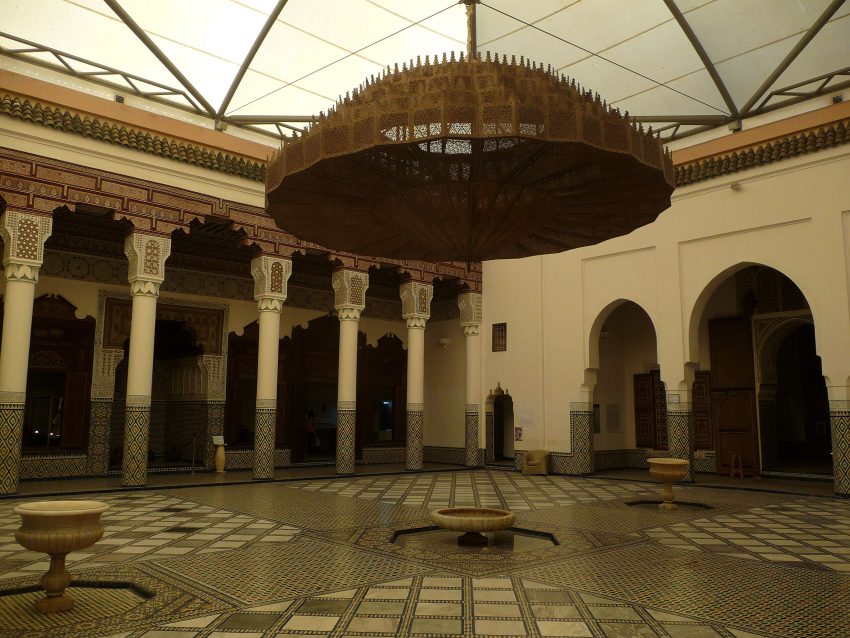
Location: Musée de Marrakech, Place Ben Youssef, Marrakesh, Morocco | Hours: 9am-7pm, to 6pm Oct-Mar | Price: adult/child Dh50/30 | Website | Skip the Line Tickets | Distance: 0.5km

2. Almoravid Koubba
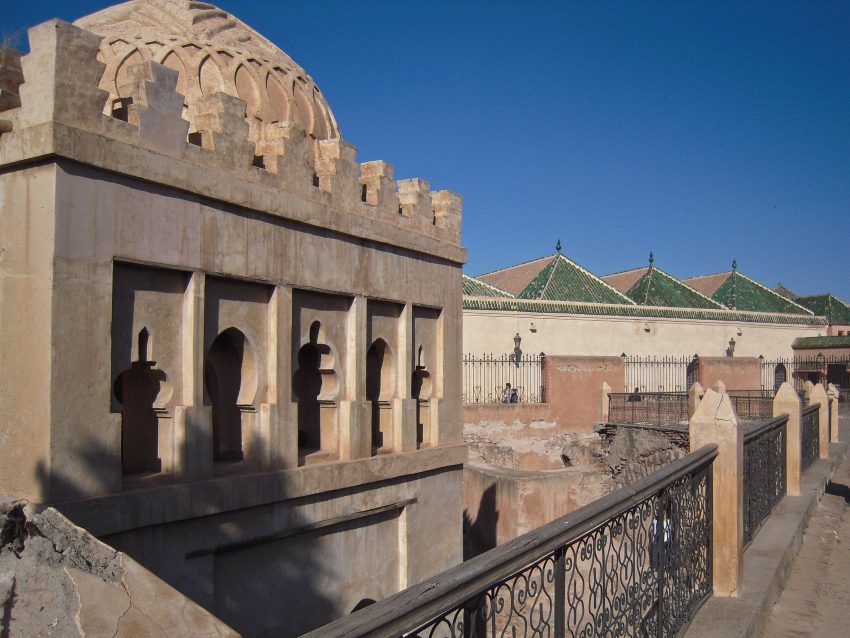
Location: Almoravid Koubba, Derb Souk Cheria, Marrakesh, Morocco | Hours: Typically open daily during standard museum hours, roughly from late morning to late afternoon; check locally for current times. | Price: Expect a small fee of just a few euros, often combined with or similar to the Museum of Marrakech ticket prices. | Distance: 0.6km

3. Ben Youssef Madrasa
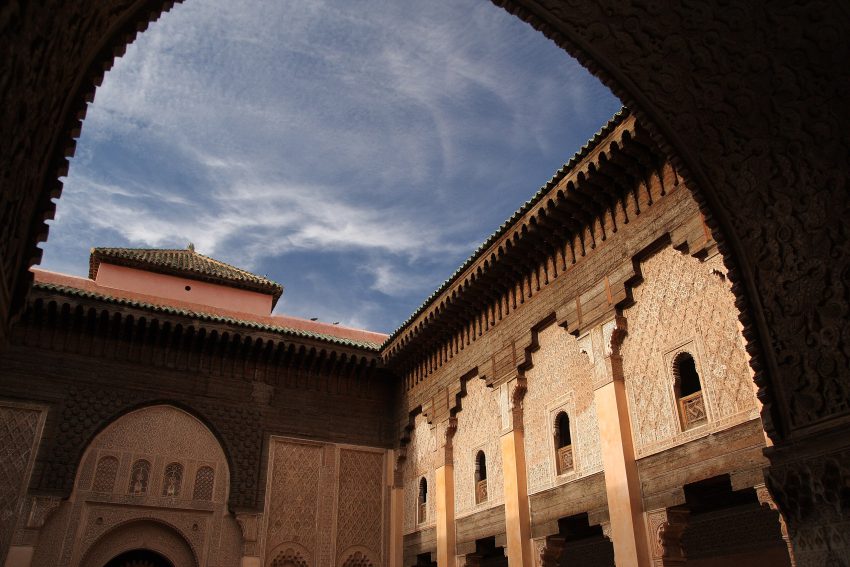
Location: Ibn Youssef School, Rue Assouel, Marrakesh, Morocco | Hours: Daily: 9:00 AM to 7:00 PM; During Ramadan: Closes at 6:00 PM | Price: Adults: 50 DH | Website | Distance: 0.6km
4. Souks of Marrakesh
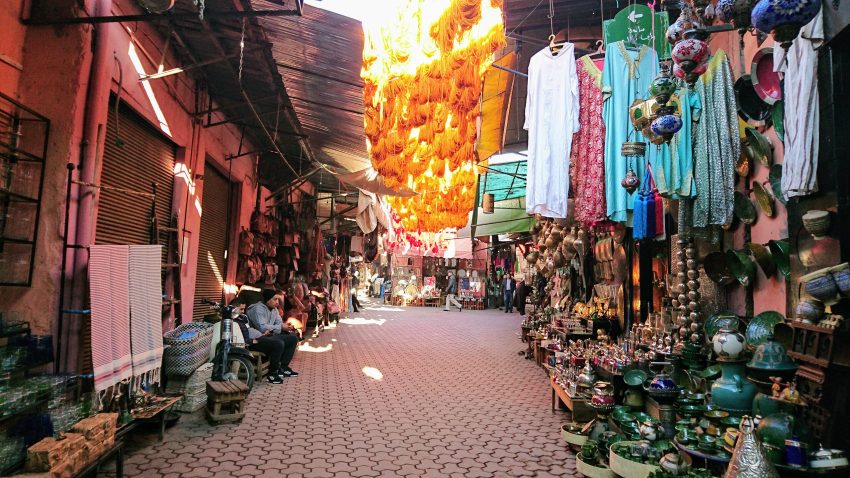
Location: Rahba Lakdima, Marrakech 40000, Morocco | Hours: Around 9am to 9pm, the best time to visit is in the cool of the morning, or in the evening | Price: Free - the souks are public market streets. | Distance: 0.7km
5. Dar Si Said

Location: Dar Si Said, Rue de la Bahia, Marrakesh, Morocco | Hours: Monday to Sunday: 10:00 AM - 6:00 PM | Price: Adults: 30 DH | Website | Distance: 0.7km
6. Tiskiwin Museum
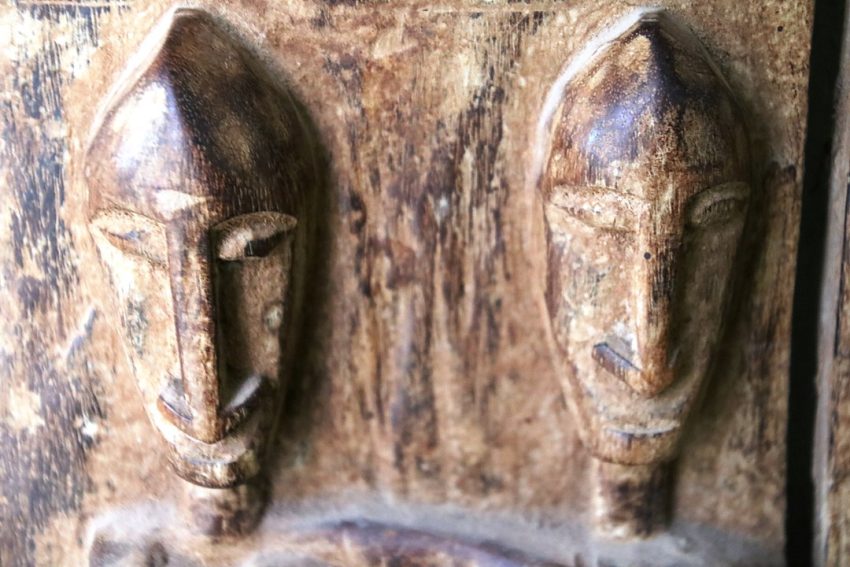
Location: Musée Tiskiwin Marrakech, Rue de la Bahia, Marrakesh, Morocco | Hours: Typically open during standard museum hours (roughly late morning to late afternoon); check locally as times can change seasonally. | Price: Expect a modest fee of just a few euros per person; bring some cash as card payments may not always be accepted. | Website | Distance: 0.8km
7. Le Jardin Secret
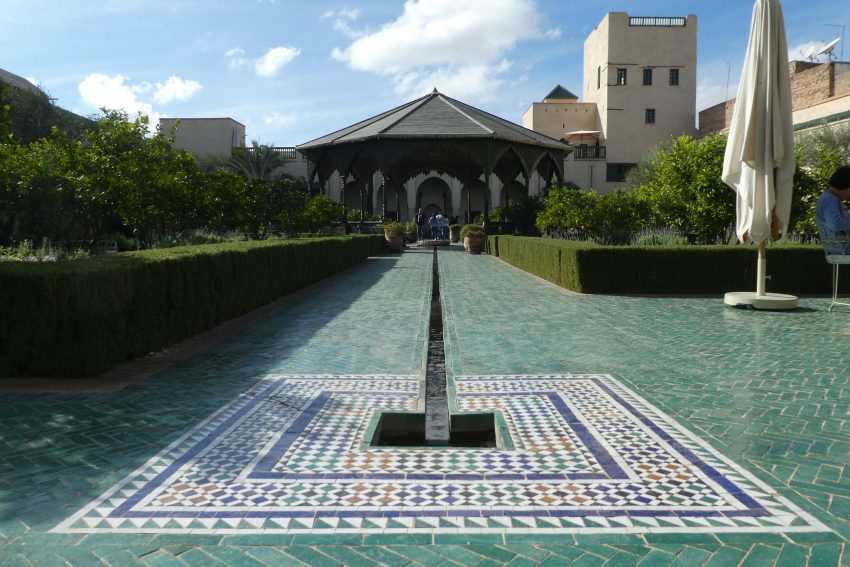
Location: Le Jardin Secret, Rue Mouassine, Marrakesh, Morocco | Hours: 9.30am-7.30pm Apr-Sep, to 6.30pm Feb-Mar & Oct, to 6pm Nov-Jan | Price: Adults: 100DH | Website | Distance: 0.8km
8. Jemaa el-Fnaa

Location: Jemaa el-Fnaa, Rue des Banques, Marrakesh, Morocco | Hours: Effectively 24/7, with the liveliest period from late afternoon into late evening. | Price: Free - Jemaa el-Fnaa is a public square open to everyone. | Distance: 0.8km
9. Bahia Palace

Location: Bahia Palace, Rue Riad Zitoun el Jdid, Marrakesh, Morocco | Hours: Friday: 8am to 5pm Rest of the week: 9am to 4:30pm. | Price: Adults: 110DH | Website | Distance: 1km
10. Dar el Bacha
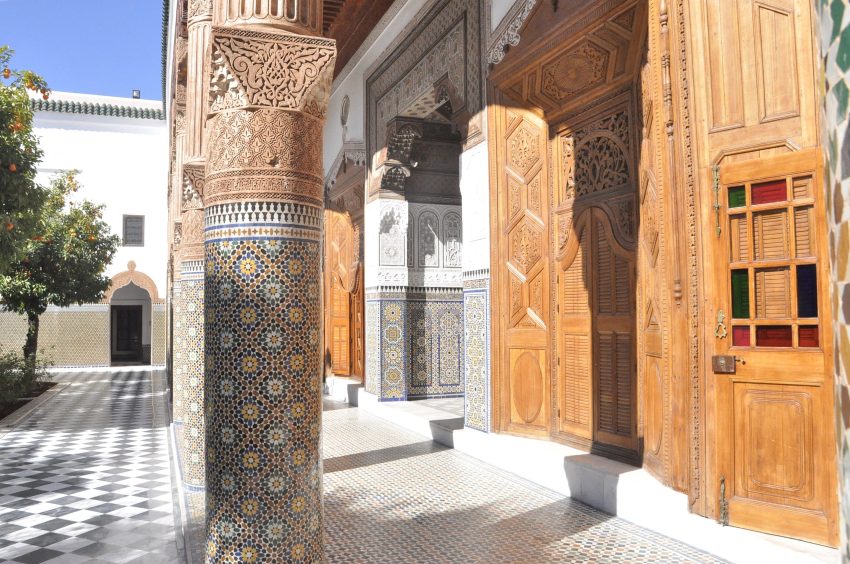
Location: Dar El Bacha, Rue Fatima Zahra, Marrakesh, Morocco | Hours: Tuesday to Sunday: From 9:30 AM to 6:00 PM | Price: Adults: 70DH | Website | Distance: 1.1km
11. El Badi Palace

Location: Badi Palace, Ksibat Nhass, Marrakesh, Morocco | Hours: 9am-5pm | Price: adult/child Dh70/30 | Website | Distance: 1.3km
12. Kasbah Mosque

Location: Koutoubia, جامع الكتبية،، Avenue Mohammed V،، Marrakesh, Morocco | Hours: The mosque is active for daily prayers; non-Muslims may visit the surrounding square and streets at any time during daylight hours. | Price: Viewing the exterior is free; nearby Saadian Tombs and El Badi Palace charge separate entrance fees of a few euros each. | Distance: 1.4km
13. Koutoubia Mosque

Location: Koutoubia Mosque, جامع الكتبية،، Avenue Mohammed V،، Marrakesh, Morocco | Hours: Non-Muslims can’t go inside the Koutoubia Mosque or minaret but are most likely to get a glimpse inside on a Friday when the doors are open for prayers. | Price: Free to visit the exterior, gardens, and surrounding area. | Distance: 1.4km
14. Koutoubia Gardens (Lalla Hassna Park)

Location: Parc Lalla Hasna, Marrakesh, Morocco | Hours: Generally open at all daylight hours, though the most comfortable and lively times are from early morning until late evening. | Price: Free - this is a public park open to everyone. | Distance: 1.5km
15. Walls of Marrakesh
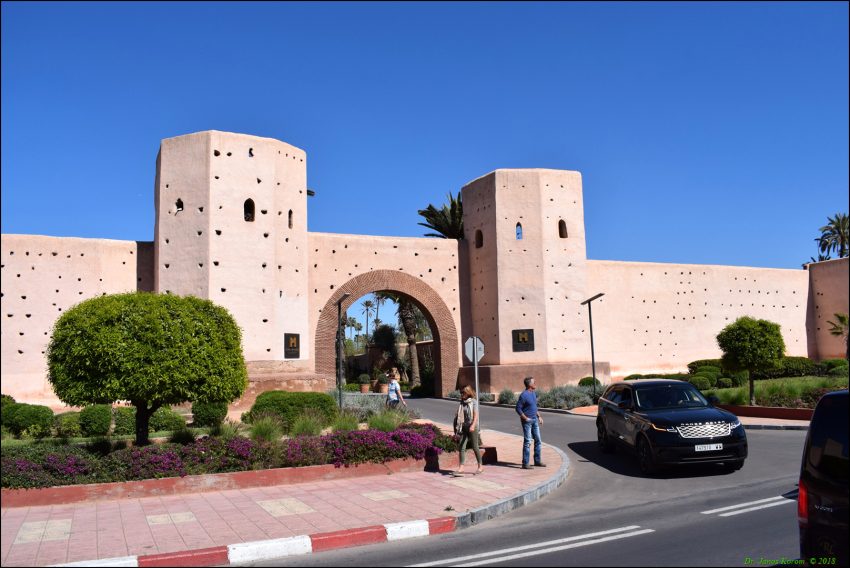
Location: Bab Agnaou, Marrakesh, Morocco | Hours: Accessible at all times, though exploring in daylight is recommended for safety and photography. | Price: Free - walking along and around the walls and gates is part of the public streetscape. | Distance: 1.6km
16. Saadian Tombs

Location: Saadien's Tombs, Rue de La Kasbah, Marrakesh, Morocco | Hours: 9am-5pm | Price: Adults: Dh100 | Website | Distance: 1.6km
17. Musée Yves Saint Laurent
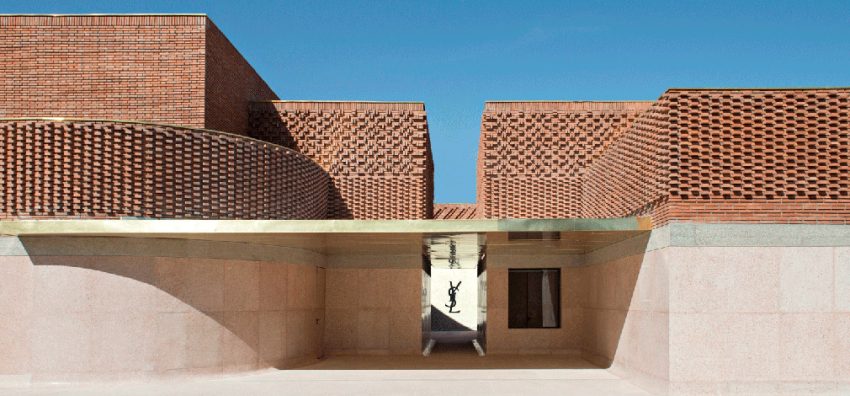
Location: musée YVES SAINT LAURENT marrakech, Rue Yves Saint Laurent, Marrakesh, Morocco | Hours: 10am-6pm Thu-Tue | Price: Dh100 | Website | Distance: 2.5km
18. Jardin Majorelle
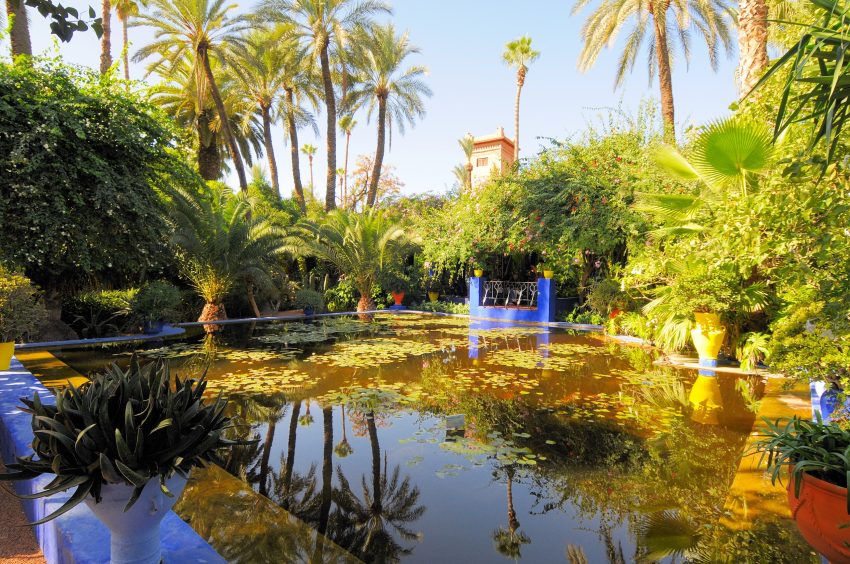
Location: Jardin Majorelle, Rue Yves Saint Laurent, Marrakesh, Morocco | Hours: 8am-6pm May-Sep, to 5.30pm Oct-Apr, Musée Berbère closed Wed | Price: adult/child Dh70/free, incl Musée Berbère Dh100, incl Musée YSL Dh200 | Website | | Distance: 2.5km
19. Agdal Gardens (Aguedal Park Gardens)

Location: Agdal Gardens, Routes des remparts, Marrakesh, Morocco | Hours: Friday and Sunday from 9 am to 6 pm. | Price: Free | Distance: 3km
20. Palm Grove of Marrakech

Location: Musée de la palmeraie, Art contemporain et nature, Marrakesh, Morocco | Hours: 9am-5.30pm | Price: Access to the Palmeraie itself is free; expect from €20–€30 per person for typical camel or quad excursions | Website | | Distance: 4km
21. Menara Gardens
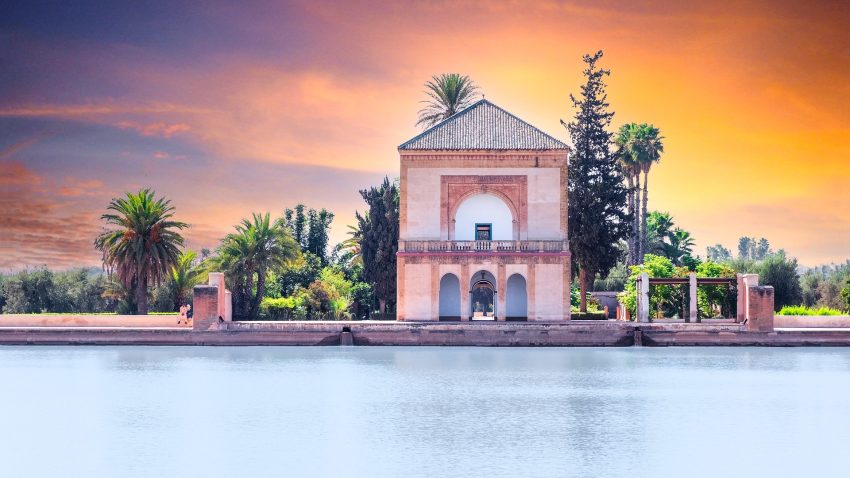
Location: Menara Gardens, Marrakesh, Morocco | Hours: Daily: From 8:00 AM to 6:00 PM | Price: Free | Website | Distance: 4.2km
Best Day Trips from Marrakesh
A day trip from Marrakesh offers the perfect opportunity to escape the urban rhythm and discover the surrounding region's charm. Whether you're drawn to scenic countryside, historic villages, or cultural landmarks, the area around Marrakesh provides a variety of easy-to-reach destinations ideal for a one-day itinerary.
1. Agafay Desert

| Hours: The desert is always “open”, but camps and activity operators generally run from late morning through to the evening. | Price: There is no fee to enter the desert itself; individual camps and activities (quad biking, dinners, camel rides) charge their own prices. | Distance: 31.8km
Visiting Agafay Desert
2. High Atlas Mountains (Western)

Visiting High Atlas Mountains (Western)
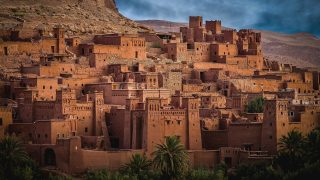
3. Ait Ben Haddou

Visiting Ait Ben Haddou
4. Cascades D’ouzoud

Location: Ouzoud Falls, Waterfalls les cascades d'ouzoud waterfalls, Ouzoud, Morocco | Hours: Open 24 Hours | Distance: 126.9km
Visiting Cascades D’ouzoud
Where to Stay in Marrakesh
Marrakesh offers a variety of neighborhoods and experiences for visitors, from centuries-old alleyways filled with tradition to modern districts lined with boutiques and restaurants. The most iconic area to stay is the Medina, the historic heart of the city. Here, guests are immersed in a maze of souks, courtyards, and cultural landmarks such as the Koutoubia Mosque and Jemaa el-Fnaa square. Staying in a riad—traditional Moroccan guesthouse—is part of the experience, offering intimacy and authenticity. One standout option in the Medina is Riad Kniza, which combines historical charm with luxury service.
Just outside the Medina, the Hivernage district offers a more contemporary and relaxed environment while still being close to the city’s main attractions. This area is home to luxury hotels, high-end restaurants, and stylish lounges. It’s ideal for those who want modern comforts with easy access to spas, gardens, and nightlife. A top choice here is Es Saadi Marrakech Resort – Palace, which features opulent suites, lush grounds, and a renowned spa complex.
For a serene and spacious stay, the Palmeraie district on the city’s outskirts is perfect. Known for its palm groves, resort-style hotels, and tranquil atmosphere, this area suits those looking for a resort getaway with room to relax. It’s a short drive from the Medina, and many hotels offer shuttle services. A standout in this area is Palais Ronsard Relais & Châteaux, a peaceful retreat that blends luxury with traditional Moroccan elegance.
Using the our Hotel and Accomodation map, you can compare hotels and short-term rental accommodations in Marrakesh. Simply insert your travel dates and group size, and you’ll see the best deals for your stay.
Marrakesh Accommodation Map
Best Time to Visit Marrakesh
Marrakesh, a vibrant city at the foot of the Atlas Mountains in Morocco, offers distinct seasonal experiences, each with its charm and activities:
Marrakesh in Spring: March to May (Best)
Spring is the best time to visit Marrakesh, offering the most pleasant combination of weather and atmosphere. Temperatures typically range from 22°C to 30°C, with clear skies and blooming gardens adding color to the city’s red walls and courtyards. The season is ideal for walking through the medina, visiting the Majorelle Garden, or exploring palaces without the oppressive heat of summer. A cultural highlight in this period is the Marathon des Sables Expo and other springtime art and music events that draw both locals and international visitors. The comfortable climate and festive spirit make spring the optimal time for discovering Marrakesh.
Marrakesh in Summer: June to August
Summer in Marrakesh is intensely hot, with daytime temperatures often surpassing 40°C, especially in July and August. While the heat can be overwhelming, particularly in the afternoons, early mornings and evenings still offer opportunities to explore the city. Many hotels and riads feature shaded courtyards and swimming pools, providing needed relief. If visiting during this season, travelers often plan day trips to cooler locations in the Atlas Mountains. Summer is quieter in terms of tourism, making it suitable for those who prefer fewer crowds and can tolerate the heat.
Marrakesh in Autumn: September to November
Autumn brings a welcome cooling after the summer heat, with temperatures gradually dropping from the mid-30s°C in September to the low 20s°C in November. The medina regains its full energy, and this is one of the best seasons for shopping, photography, and cultural immersion. Marrakech International Film Festival, usually held in November, is a major cultural event that attracts global attention and gives the city a cinematic flair. Autumn is excellent for those who enjoy a balance of warm weather, cultural activity, and manageable crowds.
Marrakesh in Winter: December to February
Winter in Marrakesh is mild by most standards, with daytime temperatures ranging from 15°C to 22°C and cool evenings. While snow falls in the Atlas Mountains, Marrakesh remains mostly sunny and dry, making it a popular winter escape. The atmosphere in the medina is less hectic, and the lower tourism volume means more relaxed exploration. Celebrations like New Year’s Eve and various cultural exhibitions offer a festive winter experience. This is an ideal season for travelers looking to combine comfort with off-season charm.
Annual Weather Overview
- January 21°C 74°F
- February 24°C 78°F
- March 28°C 85°F
- April 29°C 88°F
- May 29°C 93°F
- June 32°C 98°F
- July 36°C 106°F
- August 35°C 105°F
- September 30°C 94°F
- October 30°C 90°F
- November 26°C 82°F
- December 21°C 73°F
How to get to Marrakesh
By Air:
- Marrakesh is served by Marrakesh Menara Airport, which accommodates flights from major cities across Europe, the Middle East, and more. The airport is just a few kilometers from the city center, with taxis and buses available for easy transfers.
By Train:
- If you're traveling from within Morocco, trains are a comfortable and efficient option. Marrakesh is connected by rail to major cities like Casablanca, Rabat, and Fez. The train station in Marrakesh is well-equipped and centrally located.
By Bus:
- Buses are another viable option for getting to Marrakesh from other Moroccan cities. CTM and other companies offer frequent and reliable services. Buses may offer a more economical alternative to trains, with the central bus station located near the city center.
By Car:
- Driving to Marrakesh can be an adventure itself, especially if you're coming from a city like Casablanca or Agadir. The roads are generally in good condition, and the journey offers scenic views of the Moroccan landscape.