Logroño, Spain: The Ultimate Travel Guide 2026

Logrono lies mainly undiscovered among the vineyards of La Rioja. Not only the capital of Rioja, Spain's wine growing region it is also possibly its gastronomical capital with a great selection of pintxos (Basque tapas) bars. The town is full of of tree-studded squares, narrow streets and hidden corners. Logroño is a city rich in history, originally the Roman town of Vareia, it grew during the Middle Ages being an important crossroad on the Way of St. James and strategic point between the kingdoms of Aragon, Castile and Navarra.
The history of Logroño cannot be separated from the Camino de Santiago . So much so, that the city did not gain importance until the height of the Jacobean route, from the eleventh century.
The Codex Calixtinus (12th century), the first guide to the Camino de Santiago, already mentions Logroño in its pages. And it is that the passage of merchants, artists and pilgrims through the cobbled streets of the Riojan capital for centuries have made the city a crossroads of great cultural relevance.
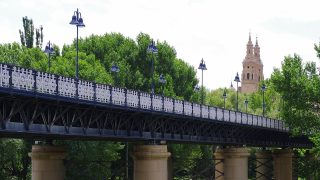
The Ebro river crosses the city and on it there are two bridges that serve to communicate Logroño with Navarra and Álava. The oldest of them is the Puente de Piedra , which allows the Jacobean route to reach the city. Originally (11th century), it was fortified by four arches and three towers. Another bridge, this time made of iron and built in the 19th century, also crosses this river channel.From the old wall that surrounded the city, the Revellín wall and the Carlos I gate remain standing. During the patron saint festivities, events that recall the French siege of the city are held in this place.The most important representations of Jacobean architecture appear around Rúa Vieja , a traditional passage street for pilgrims heading to Compostela, such as the Pilgrims 'Hostel or the famous Pilgrims' Fountain .
Nor does the church of Santiago leave any doubt about the importance of this jubilee route. This monumental building, erected in the 16th century, has a single nave and its façade shows a formidable image of Santiago Matamoros. Inside, the image of the Virgen de la Esperanza, patron saint of Logroño, is venerated.The historic center is home to important cultural events, such as the Cathedral of Santa María la Redonda (15th-18th centuries), which raises its imposing Baroque towers in the Market Square. The current cathedral enclosure sits on an old round Romanesque church. Of the important sculptural work present in the building, the carvings of Gregorio Fernández and a representation of Calvary by the Renaissance master Miguel Ángel stand out.There are many temples in Logroño, highlighting among them Santa María de Palacio , the oldest in the Riojan capital, which presides over the Logroño skyline with its Gothic spire. Inside you can admire a magnificent cloister, a Flemish altarpiece and various Romanesque pieces. Nearby is the Mudejar tower of the church of San Bartolomé , dedicated to the patron saint of the city. Built in the 12th century, it preserves an exquisite sculpted façade and constitutes the only example of Romanesque art in the city.
Logroño also has good examples of civil architecture, such as the Palace of the Marqués de Legarda , the Palace of the Chapiteles or the Museum of La Rioja , installed in the Espartero Palace, a baroque construction from the 18th century. The avenues and squares of Logroño are also a good option to enjoy the atmosphere of its streets. The Paseo del Espolón is one of the emblematic centers of the city and the Plaza del Mercado is a meeting place for its inhabitants.
History of Logroño
Logroño, the capital of La Rioja, has a storied past that dates back to Roman times, but it gained prominence in the Middle Ages as a stop on the Camino de Santiago, a major pilgrimage route. This historical significance is reflected in its old town, where medieval structures mix with Renaissance buildings. Logroño was officially founded in 1095 by King Alfonso VI and has since been a vital center of trade, especially known for its wine production. The city’s growth was significantly influenced by its strategic location on the pilgrimage route, which brought economic and cultural exchange.
In the 16th century, Logroño was the site of the “Witches of Zugarramurdi” trial, one of the most notorious witch trials in history, conducted by the Spanish Inquisition. Today, Logroño embraces its rich heritage while being known globally for its Rioja wine, which is celebrated through numerous festivals and events that attract visitors from around the world.

Moira & Andy
Hey! We're Moira & Andy. From hiking the Camino to trips around Europe in Bert our campervan — we've been traveling together since retirement in 2020!
Visiting Logroño for the first time and wondering what are the top places to see in the city? In this complete guide, I share the best things to do in Logroño on the first visit. To help you plan your trip, I have also included an interactive map and practical tips for visiting!
This website uses affiliate links which earn a small commission at no additional cost to you.
13 Best places to See in Logroño
This complete guide to Logroño not only tells you about the very best sights and tourist attractions for first-time visitors to the city but also provide insights into a few of our personal favorite things to do.
This is a practical guide to visiting the best places to see in Logroño and is filled with tips and info that should answer all your questions!
1. New Logroño City Hall
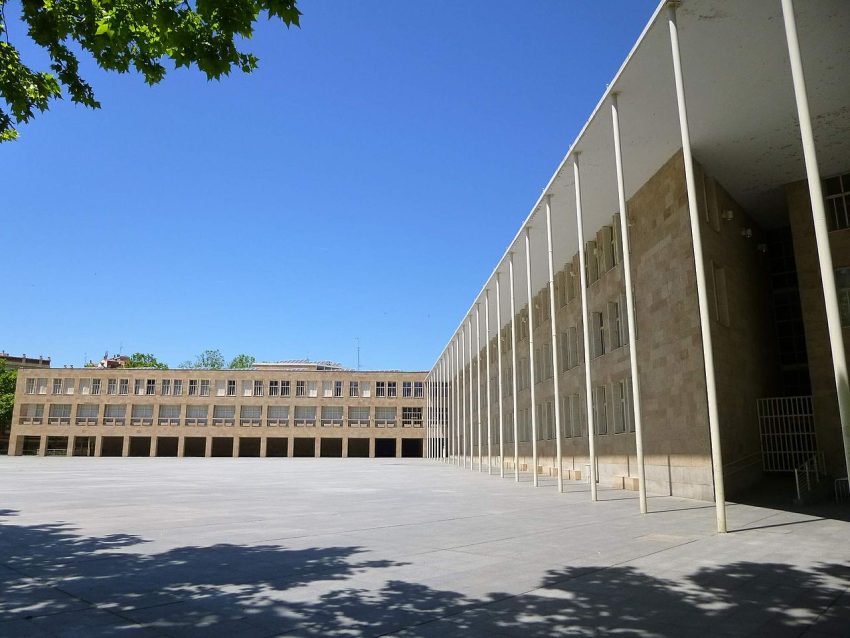
Location: Plaza del Ayuntamiento Av. de la Paz, 11 26001 Logroño La Rioja Spain | Hours: Monday to Friday: 9:00 AM – 2:00 PM | Price: Free to view from outside; access to interior public areas is usually free during official opening hours, though some spaces may be restricted. | Website | Distance: 0.9km

2. Puente de Piedra

Location: Puente de Piedra, Logroño, Spain | Hours: 24 Hours | Price: Free | Distance: 1.1km
3. Iglesia de San Bartolomé
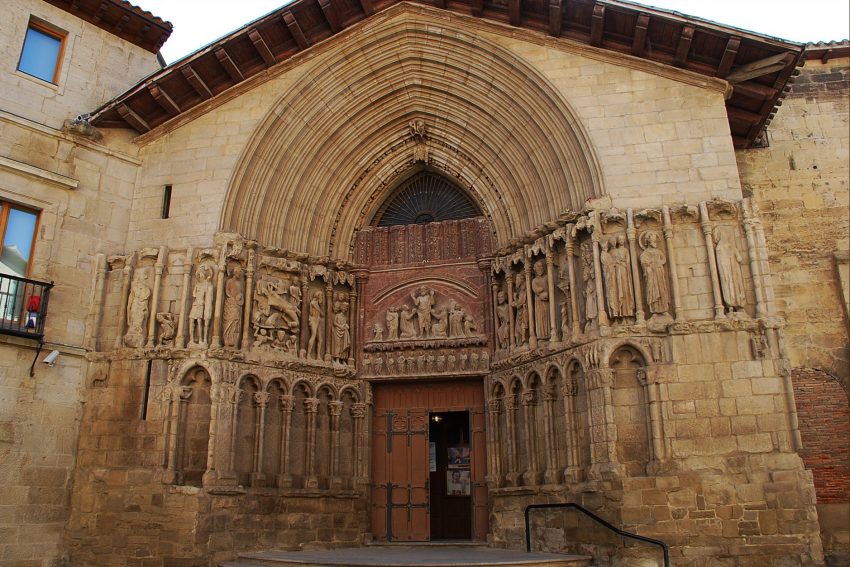
Location: Church of San Bartolomé, Plaza de San Bartolomé, 2, Logroño, La Rioja, Spain, | Price: Free | Website | Distance: 1.2km
4. Casa de las Ciencias

Location: Calle del Ebro, 1, 26009 Logroño, La Rioja, Spain | Hours: Winter hours: Tuesday to Friday: from 9:30 a.m. to 1:30 p.m. and from 5:00 p.m. to 7:30 p.m. Saturdays, Sundays and holidays: from 11 am to 2 pm and from 5 pm to 8:30 pm. Every Monday and January 1 and 6 and December 25: closed. Summer Hours: (July and August) From Tuesday to Sunday, from 11 a.m. to 2 p.m. and from 5 p.m. to 8:30 p.m. Every Monday: closed. | Price: Free | Website | Distance: 1.3km
5. Catedral de Santa María de la Redonda
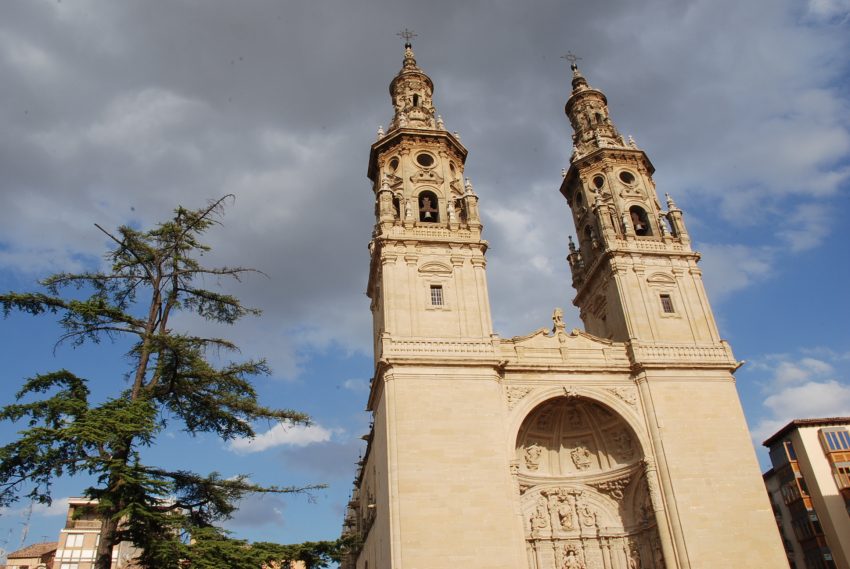
Location: Catedral de Santa María de la Redonda, Calle Portales, 14, Logroño, La Rioja, Spain | Hours: 10:00 a.m. - 1:00 p.m. 5:00 PM - 8:00 PM | Price: Free | Website | Distance: 1.3km
6. Puente de Hierro
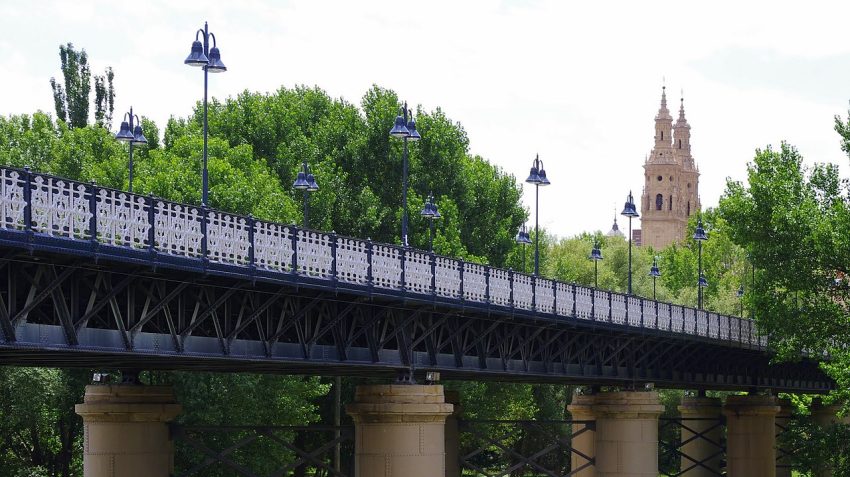
Location: Puente de Hierro 26001 Logroño La Rioja Spain | Hours: Accessible at all times, though daylight hours are best for views and photography. | Price: Free – the bridge is part of the public road and pedestrian network. | Website | Distance: 1.4km
7. Old Logroño City Hall (Plaza del Mercado)
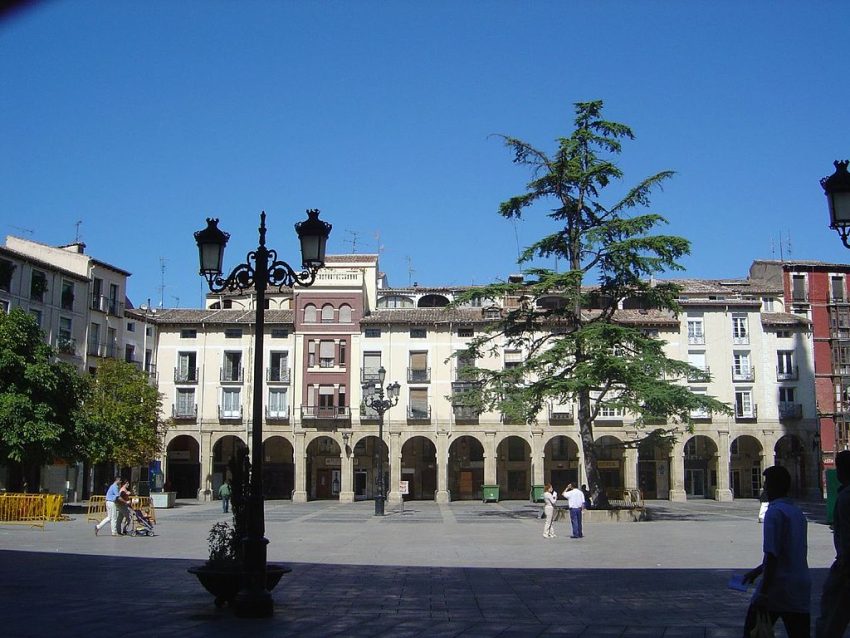
| Hours: The square is accessible 24 hours a day; the functioning offices of Old City Hall follow normal weekday administrative hours. | Price: There is no fee to enjoy Plaza del Mercado and the exterior of Old City Hall; any administrative areas are for official business only. | Distance: 1.4km
8. Parque del Espolón
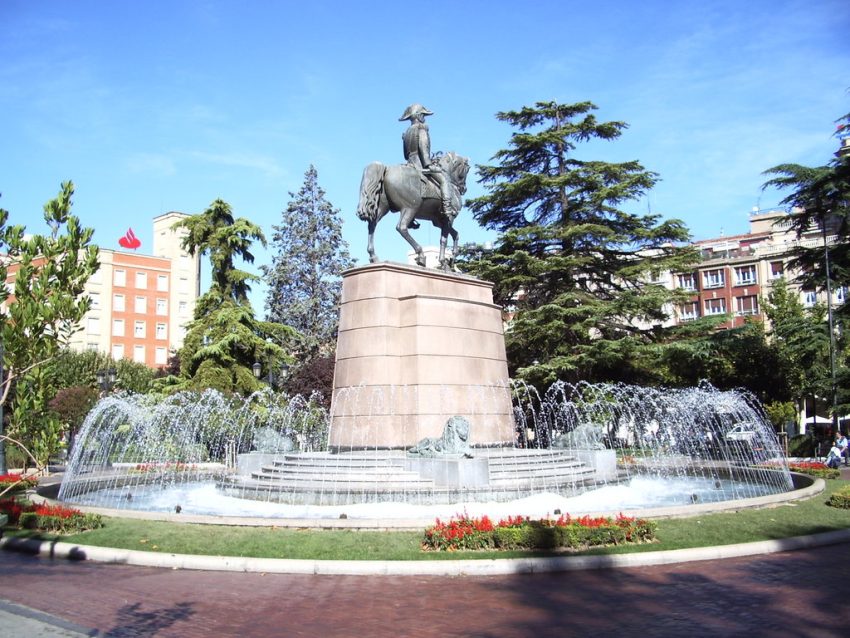
Location: Parque del Espolón, Calle Miguel Villanueva, Logroño, La Rioja, Spain | Hours: Generally accessible at all times, though the liveliest atmosphere is during daylight and early evening hours. | Price: Free – Parque del Espolón is a public space open to all visitors. | Website | Distance: 1.4km
9. Calle Laurel
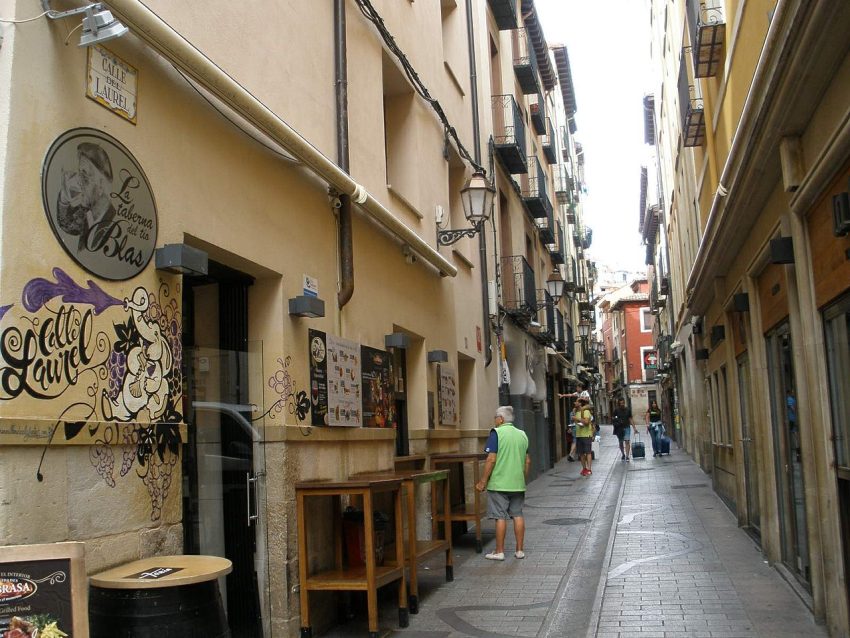
Location: Calle del Laurel, Logroño, Spain | Hours: Bars generally open for lunch and dinner, but the real pintxos peak is in the evening, especially from around 8–11pm. | Price: Free to wander the streets; you only pay for the individual pintxos and drinks you order. | Website | Distance: 1.6km
10. Museo de la Rioja
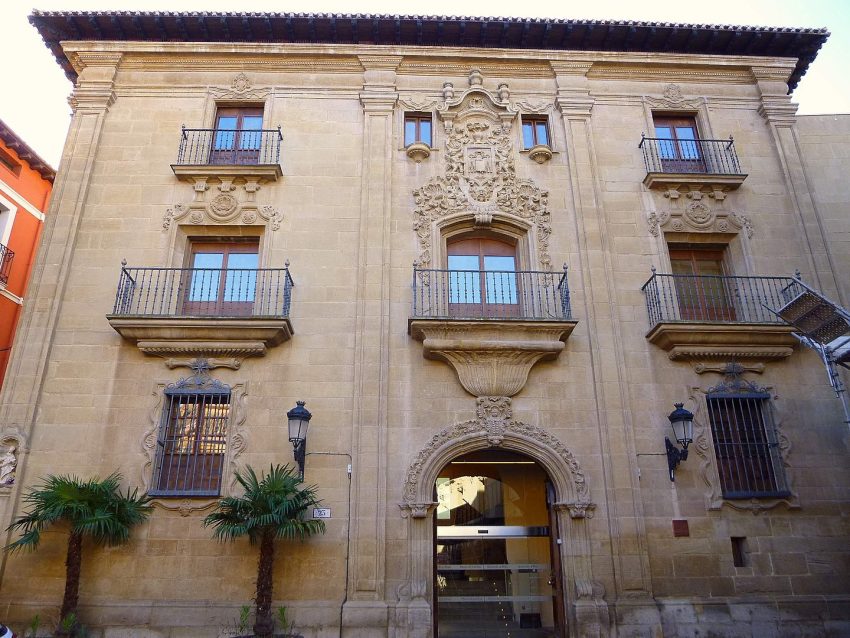
Location: Museo de La Rioja Calle San Agustín, 23 26001 Logroño La Rioja Spain | Hours: Sun: 10am - 2pm; Tue - Sat: 10am - 2pm, 4pm - 9pm (closed on Mon) | Price: Free | Website | Distance: 1.6km
11. Fabrica de Tabacos
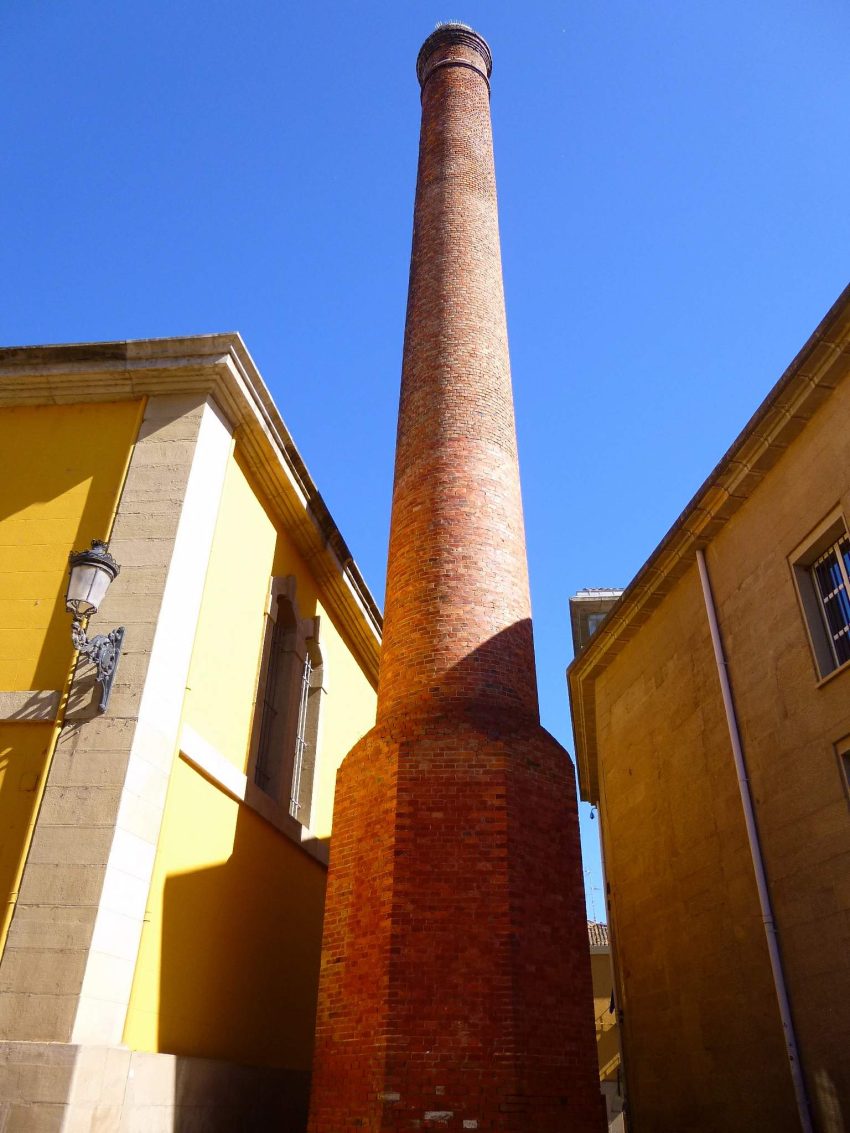
Location: Parliament of La Rioja C. Marqués de San Nicolás, 111 26001 Logroño La Rioja Spain | Hours: Exterior views are available at any time; interior public areas, the library, and exhibition hall follow their own posted schedules. | Price: Viewing the exterior is free; any official tours or exhibitions in the complex are usually free or low-cost, depending on the programme. | Website | Distance: 1.7km
12. Muralla del Revellín
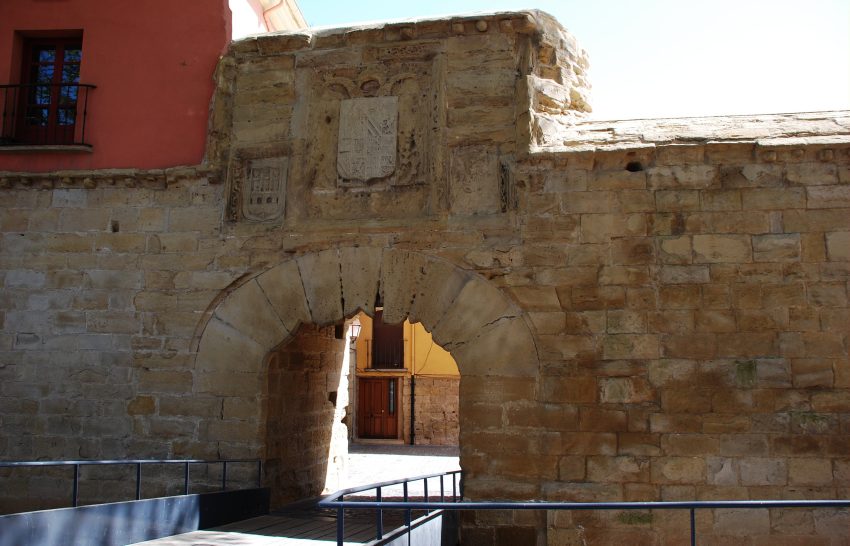
| Hours: The walls can be viewed at any time from outside; any interior or exhibition areas that may occasionally open will follow specific posted hours. | Price: The exterior remains and surrounding space are generally free to access as part of the public street and square. | Website | Distance: 1.7km
13. Bodegas Marqués de Murrieta
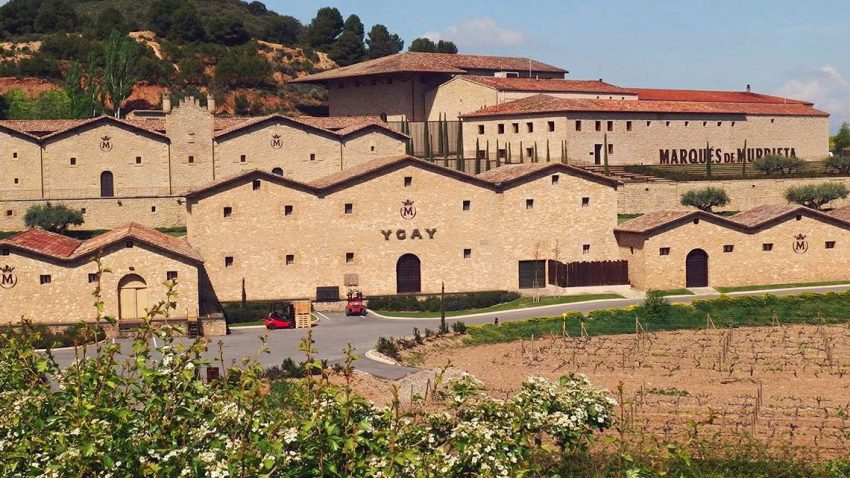
Location: Bodega Marqués de Murrieta, Logroño, Spain | Hours: Daily: 10:30 and 15:00 | Price: Adults: €70 | Website | Distance: 4.2km
Best Day Trips from Logroño
A day trip from Logroño offers the perfect opportunity to escape the urban rhythm and discover the surrounding region's charm. Whether you're drawn to scenic countryside, historic villages, or cultural landmarks, the area around Logroño provides a variety of easy-to-reach destinations ideal for a one-day itinerary. If you are looking to rent a car in Spain I recommend having a look at Discover Cars, first, as they compare prices and review multiple car rental agencies for you.
1. Vitoria-Gasteiz
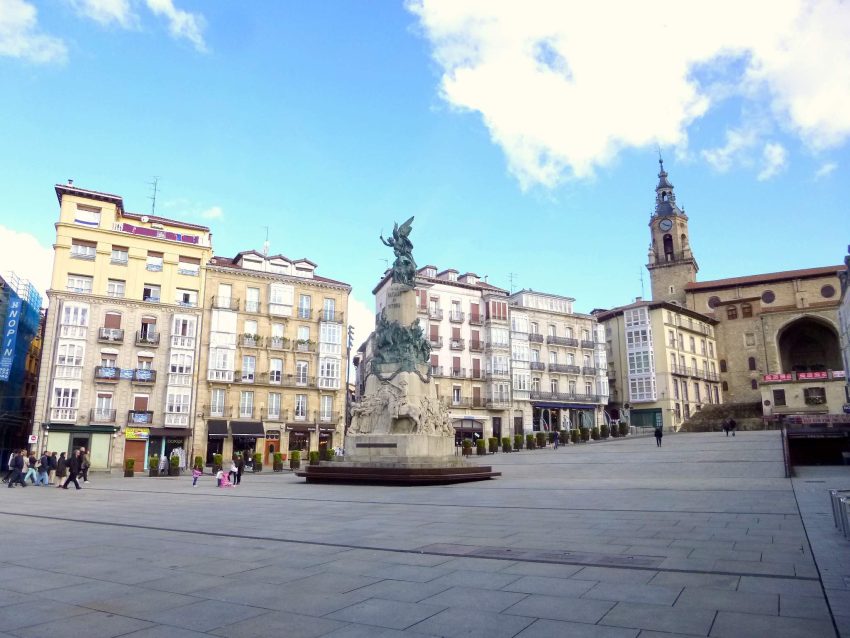
Visiting Vitoria-Gasteiz
2. Pamplona

Visiting Pamplona
3. Bilbao
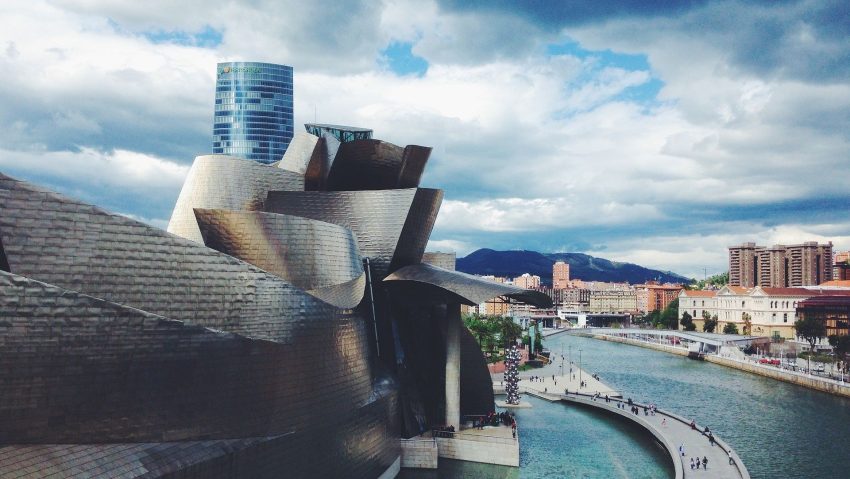
Visiting Bilbao
4. San Sebastián
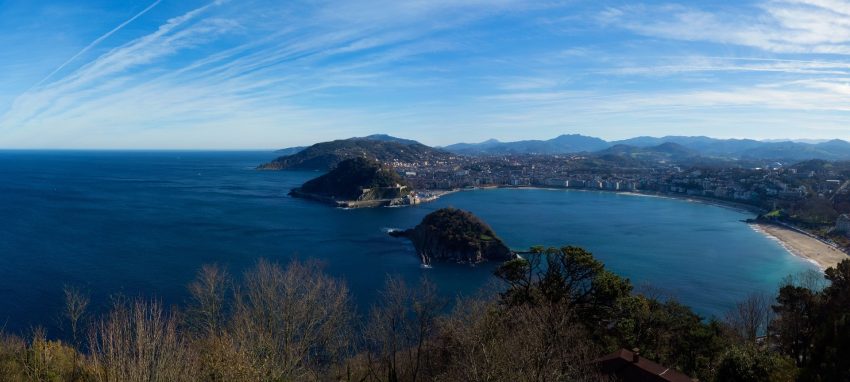
Visiting San Sebastián
5. Burgos

Visiting Burgos
6. Saint-Jean-de-Luz
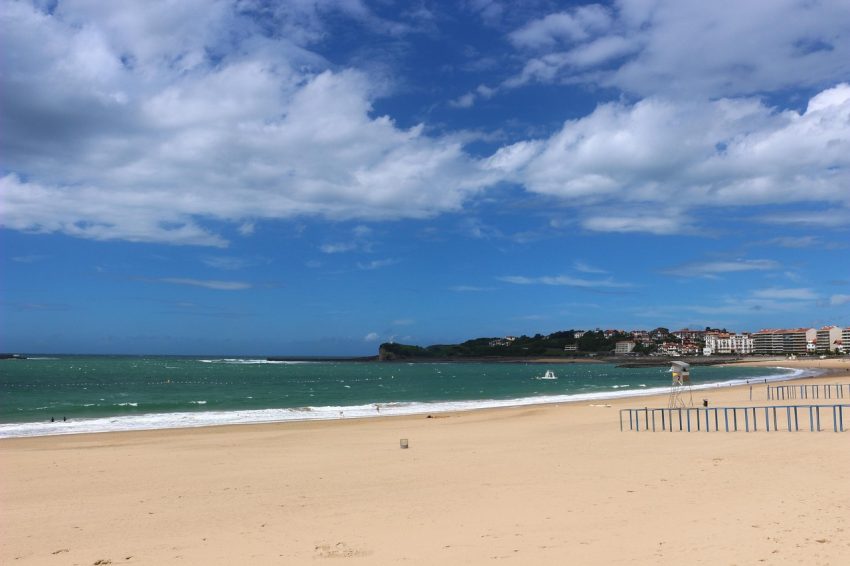
Visiting Saint-Jean-de-Luz
7. Biarritz

Visiting Biarritz
8. Bayonne
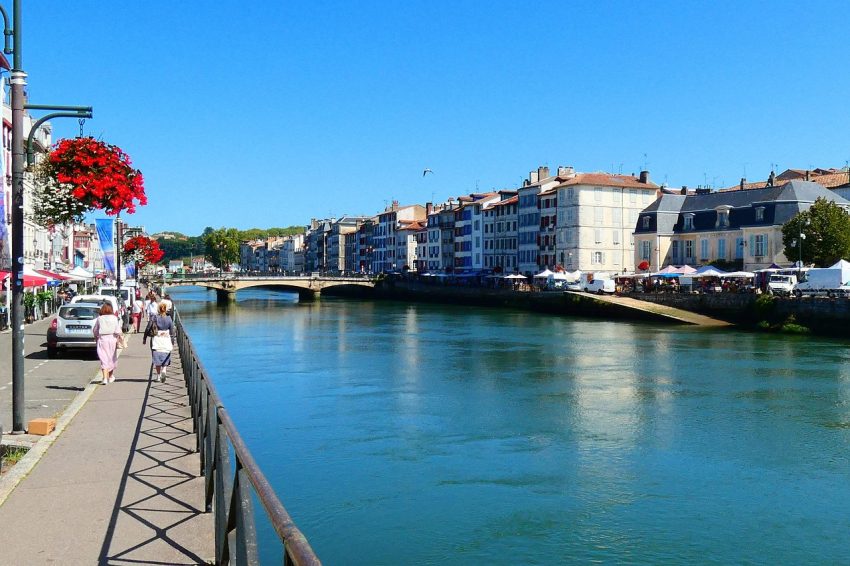
Visiting Bayonne
9. Santander

Visiting Santander
10. Zaragoza

Visiting Zaragoza
Where to Stay in Logroño
The best area to stay is in the city center, where visitors can explore the famous Calle Laurel, known for its excellent tapas and wine bars. For a more relaxed experience, vineyard hotels in the Rioja countryside offer a peaceful and immersive wine tourism experience.
A 2-day stay is perfect for enjoying Logroño’s food and wine culture. A 3 to 4-day stay allows for wine tours in La Rioja, visiting nearby medieval villages, and exploring more of the region’s natural beauty.
Using the our Hotel and Accomodation map, you can compare hotels and short-term rental accommodations in Logroño. Simply insert your travel dates and group size, and you’ll see the best deals for your stay.
Logroño Accommodation Map
Best Time to Visit Logroño
Spring (April to June): Spring is an excellent time to visit Logroño, as the vineyards are vibrant, and the weather is mild, perfect for wine tours and outdoor dining. The city hosts the Rioja Wine Harvest Festival in June, a celebration of its viticultural heritage.
Fall (September to November): Autumn is the harvest season, making it a magical time to visit. The vineyards are bustling with activity, and the city celebrates its annual San Mateo festival in September, which features wine tasting, parades, and traditional music.
Summer (July and August): Summers can be warm, but the lively atmosphere, with numerous tapas bars and outdoor events, makes it a fun time to experience the city’s nightlife and cultural offerings.
Winter (December to February): Winter is quieter and cooler, ideal for those looking to explore the city’s historical sites and museums in a more relaxed setting.
Logroño’s rich history, combined with its status as a culinary and wine-making powerhouse, makes it an attractive destination year-round, offering unique experiences in every season.
Annual Weather Overview
- January 10°C 53°F
- February 12°C 58°F
- March 15°C 63°F
- April 19°C 69°F
- May 23°C 77°F
- June 28°C 86°F
- July 31°C 92°F
- August 31°C 91°F
- September 25°C 81°F
- October 23°C 78°F
- November 14°C 62°F
- December 11°C 56°F
How to get to Logroño
By Air: The nearest airports to Logroño are Bilbao Airport and Zaragoza Airport, each about 1.5 hours away by car. These airports serve international and domestic flights and offer rental car services for a scenic drive to Logroño.
By Train: Logroño is accessible by train from major Spanish cities like Madrid and Barcelona. The journey from Madrid takes approximately 3.5 hours, offering a comfortable and scenic route into the heart of La Rioja.
By Bus: Frequent bus services connect Logroño with major Spanish cities. Buses are a cost-effective and convenient travel option, with direct routes from cities like Madrid, Bilbao, and Zaragoza.
By Car: Driving to Logroño allows for a flexible itinerary, ideal for those interested in exploring the beautiful La Rioja region at their own pace. The city is well-connected by major highways, making it easily accessible from any direction.