Lille, France: The Ultimate Travel Guide 2026

Lille is a vibrant city in northern France that combines French and Flemish influences, offering visitors a lively mix of culture, shopping, and gastronomy. Lille is one of the most underrated cities in France. The city's charming old town, Vieux Lille, is filled with cobbled streets, colorful buildings, and historic architecture, making it perfect for a leisurely stroll. Lille is known for its grand squares, such as the Grand Place, and its beautiful parks, like the Parc de la Citadelle, providing a balance of urban excitement and green spaces.
Food lovers will delight in Lille's renowned culinary scene, with an abundance of cafes, bistros, and markets offering regional specialties like “moules-frites” (mussels and fries) and local cheeses. Whether you're exploring the Musée des Beaux-Arts, enjoying a shopping spree at the bustling Euralille mall, or simply soaking in the local atmosphere at a café terrace, Lille is a city that seamlessly blends the old and the new, offering a memorable experience for any visitor.
Table of Contents
- History of Lille
- 19 Best places to See in Lille
- Le Rang du Beauregard
- Porte de Paris
- Beffroi de l'Hôtel de ville de Lille
- Palais des Beaux-Arts
- Rue de Béthune
- Préfecture de Lille
- St. Maurice Church
- Église du Sacré-Cœur de Lille
- Gare de Lille Flandres
- Place du Général-de-Gaulle
- Vieille Bourse
- Opéra de Lille
- Chamber of Commerce
- Palais Rameau
- Lille Cathedral
- Jardin Vauban
- Musée de l’Hospice Comtesse
- Maison Natale Charles de Gaulle
- Citadelle de Lille
- 10 Best Day Trips from Lille
- Where to Stay in Lille
- Best Time to Visit Lille
- How to get to Lille
History of Lille
Early History of Lille
Lille’s history dates back to the Roman era, where it was originally a small settlement called “L’Ille” due to its location on an island formed by the Deûle River. During the Middle Ages, Lille became an important trading hub, and its strategic position made it an attractive target for various European powers. The city was initially part of the County of Flanders, later coming under French control.
Lille Under Spanish and French Rule
In the 17th century, Lille became part of the Spanish Netherlands and remained under Spanish control until the Treaty of Aix-la-Chapelle in 1668. Following the treaty, Lille was ceded to France, becoming an integral part of the Kingdom of France. During the French rule, the city flourished economically due to its role as a center for textile manufacturing and trade.
The Industrial Revolution and Modern Growth
Lille’s industrial boom began in the 19th century, fueled by the growth of the textile and coal industries. This period saw the city expand significantly, attracting a large working-class population. By the late 20th century, Lille evolved into a major cultural and educational center, with the development of institutions like the University of Lille and cultural venues such as the Palais des Beaux-Arts. Today, Lille is known for its vibrant arts scene, modern infrastructure, and its role as a significant business and cultural hub in northern France.

Moira & Andy
Hey! We're Moira & Andy. From hiking the Camino to trips around Europe in Bert our campervan — we've been traveling together since retirement in 2020!
Visiting Lille for the first time and wondering what are the top places to see in the city? In this complete guide, I share the best things to do in Lille on the first visit. To help you plan your trip, I have also included an interactive map and practical tips for visiting!
This website uses affiliate links which earn a small commission at no additional cost to you.
19 Best places to See in Lille
This complete guide to Lille not only tells you about the very best sights and tourist attractions for first-time visitors to the city but also provide insights into a few of our personal favorite things to do.
This is a practical guide to visiting the best places to see in Lille and is filled with tips and info that should answer all your questions!
1. Le Rang du Beauregard
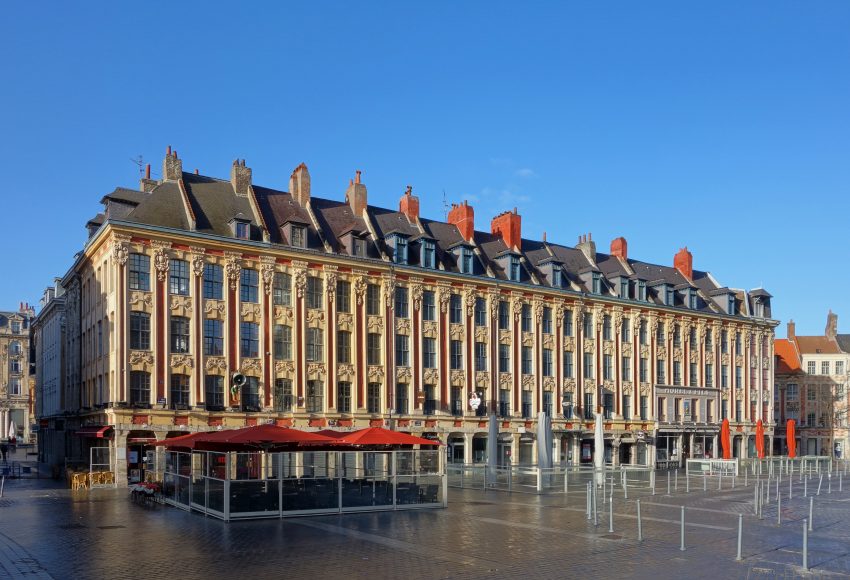
Location: Rang du Beauregard, Place de Théâtre, 59 Lille | Distance: 0km
2. Porte de Paris
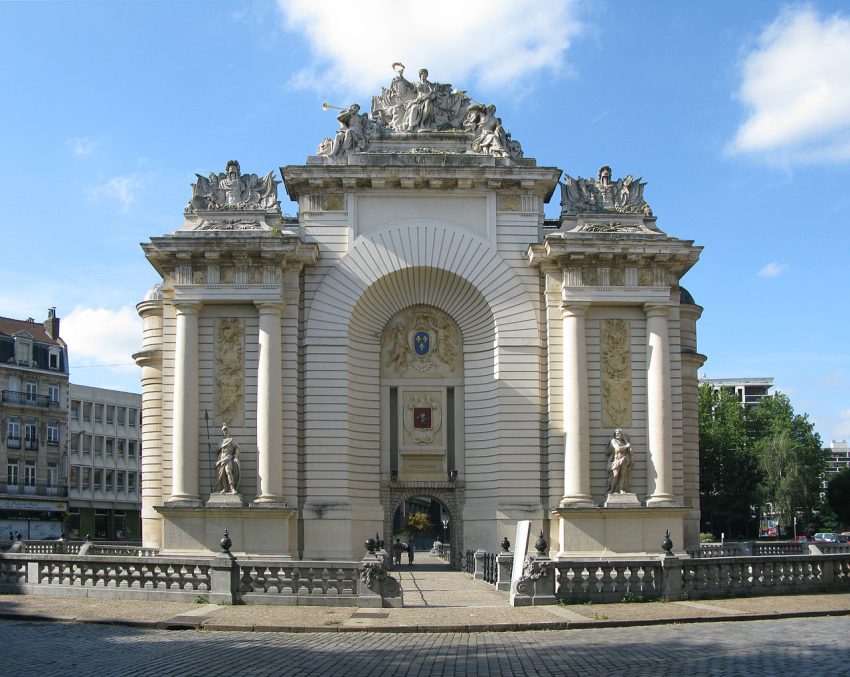
Location: Porte de Paris, Boulevard Denis Papin, Lille, France | Distance: 0.6km

3. Beffroi de l'Hôtel de ville de Lille
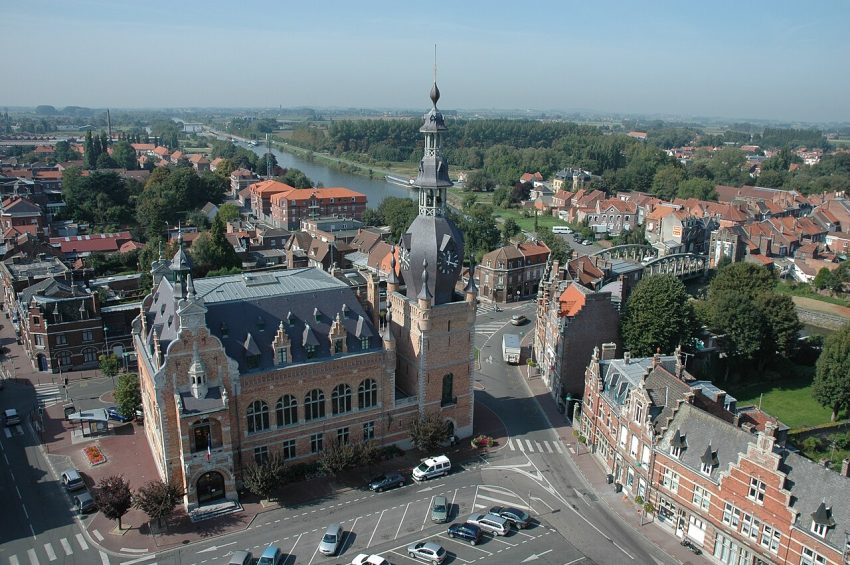
Location: Beffroi de l'Hôtel de Ville de Lille, Place Augustin Laurent, Lille, France | Hours: Tuesday to Sunday 11:00 AM to 1:00 PM and from 2:00 PM to 5:30 PM. | Price: Adults: €7.50 / €6.00 Online Price | Website | Distance: 0.7km
4. Palais des Beaux-Arts
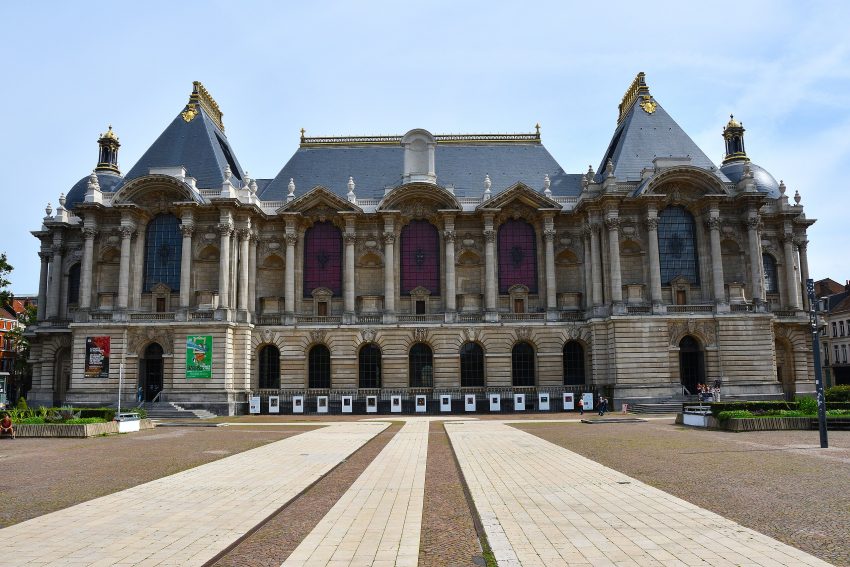
Location: Palais des Beaux Arts, Place de la République, Lille, France | Hours: Monday: 2 p.m. - 6 p.m. Wednesday to Sunday: 10 a.m. - 6 p.m. Closed on Tuesdays | Price: Adults: €7 | Website | Distance: 0.8km
5. Rue de Béthune

Location: Rue de Béthune, Lille, France | Distance: 1.1km
6. Préfecture de Lille
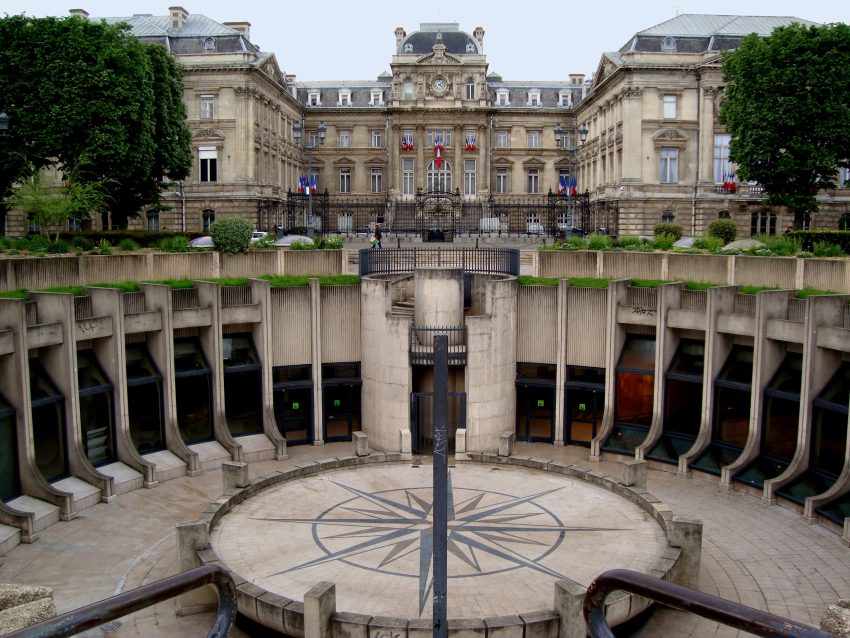
Location: Préfecture du nord, prefecture of Lille, Rue Jean Sans Peur, Lille, France | Distance: 1.2km
7. St. Maurice Church
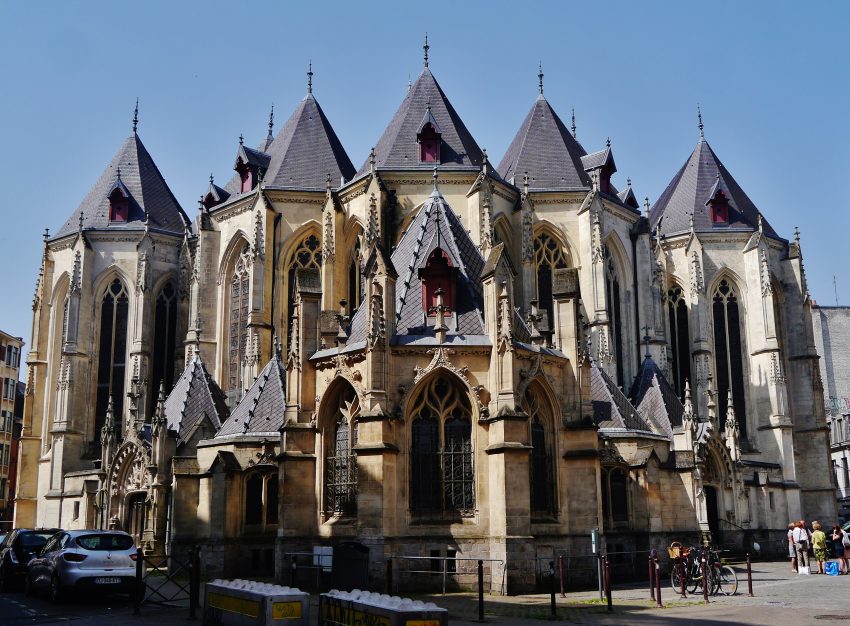
Location: Église Saint-Maurice de Lille, Parvis Saint-Maurice, Lille, France | Distance: 1.3km
8. Église du Sacré-Cœur de Lille
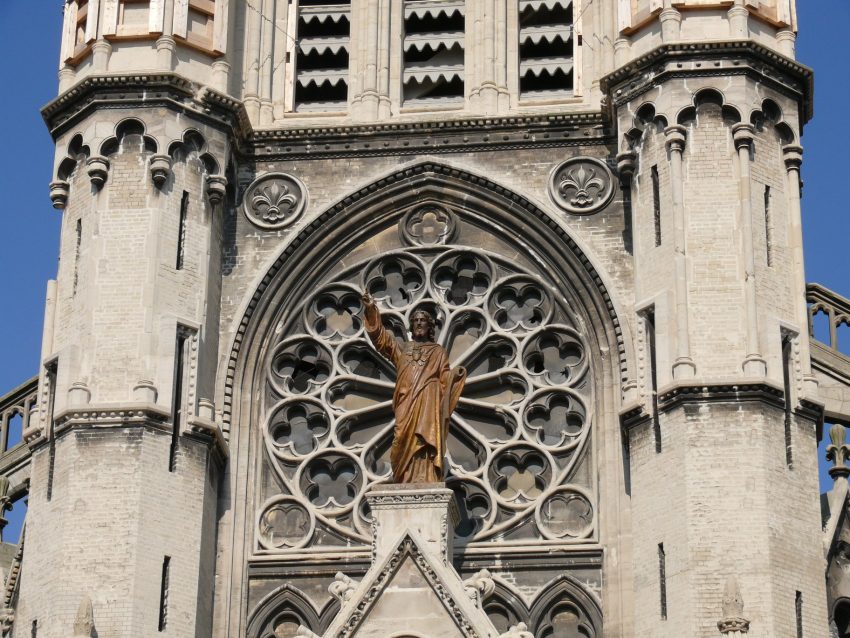
Location: Église du Sacré-Cœur de Lille, Rue Solférino, Lille, France | Distance: 1.4km
9. Gare de Lille Flandres

Location: Gare de Lille Flandres, Place de la Gare, Lille, France | Distance: 1.4km
10. Place du Général-de-Gaulle

Location: Place du Général de Gaulle, Lille, France | Distance: 1.4km
11. Vieille Bourse
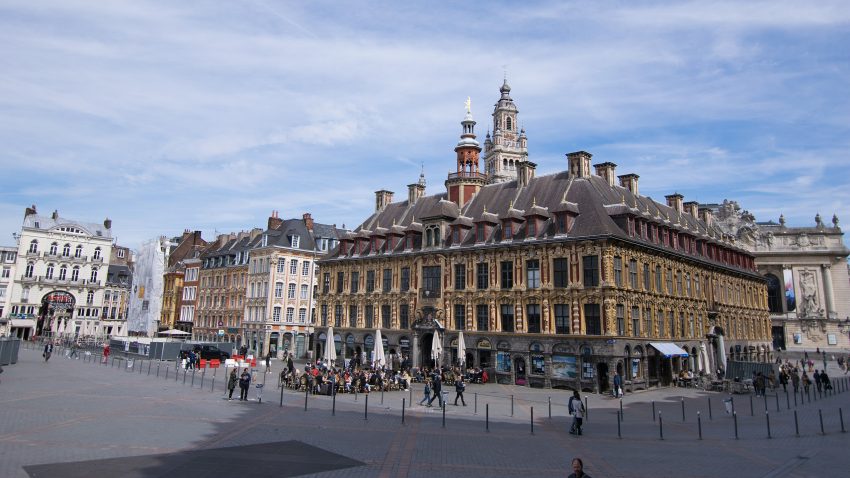
Location: Vieille Bourse, Lille, France | Distance: 1.4km
12. Opéra de Lille

Location: Opéra de Lille, Place du Théâtre, Lille, France | Distance: 1.5km
13. Chamber of Commerce

Location: Beffroi de la Chambre de Commerce de Lille, Place du Théâtre, Lille, France | Distance: 1.5km
14. Palais Rameau
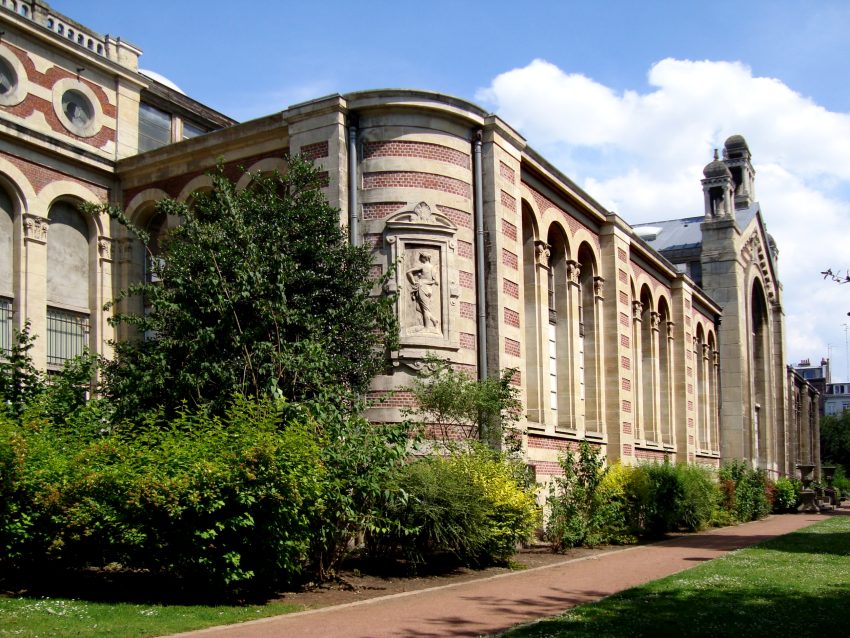
Location: Palais Rameau, Boulevard Vauban, Lille, France | Distance: 1.7km
15. Lille Cathedral

Location: Cathédrale Notre-Dame-de-la-Treille, Place Gilleson, Lille, France | Distance: 1.8km
16. Jardin Vauban

Location: Jardin Vauban, Boulevard Vauban, Lille, France | Distance: 1.9km
17. Musée de l’Hospice Comtesse
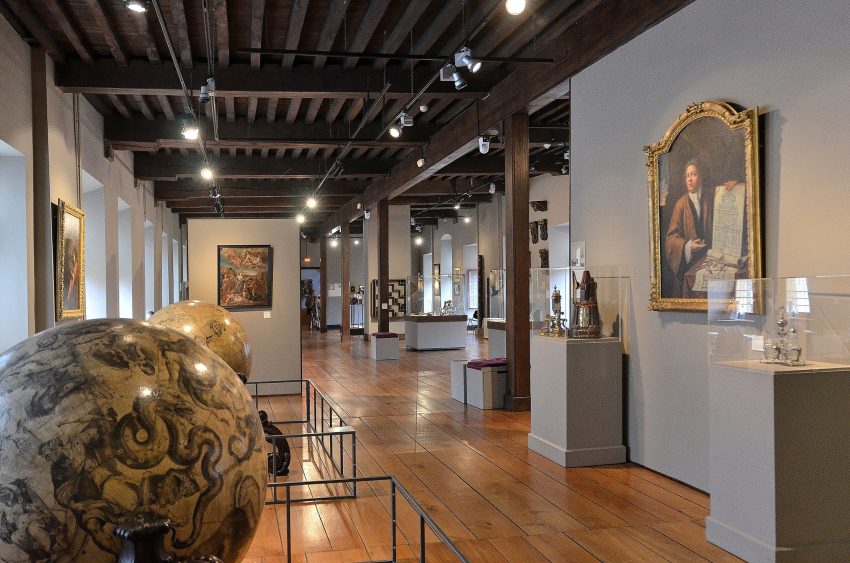
Location: Musée de l'Hospice Comtesse, Rue de la Monnaie, Lille, France | Hours: Monday from 2:00 p.m. to 6:00 p.m. Wednesday to Sunday from 10:00 a.m. to 6:00 p.m. Closed Monday morning, all day Tuesday and some public holidays. | Price: Temporary exhibition: €6 | Website | Distance: 1.9km
18. Maison Natale Charles de Gaulle
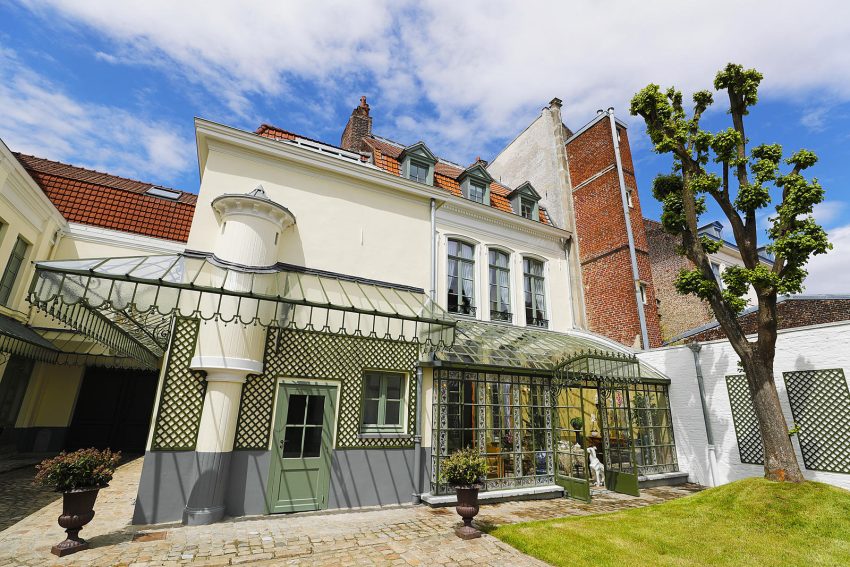
Location: Maison natale Charles de Gaulle, Rue Princesse, Lille, France | Hours: Dily (Closed Tuesdays)10:00 - 18:00 | Price: €8 | Distance: 2.5km
19. Citadelle de Lille

Location: Citadelle de Lille, Avenue du 43e régiment d'infanterie, Lille, France | Hours: Daily (Closed Tuesdays):10:00-17:00 | Price: Zoo Entry: Adults €6 | Website | Distance: 2.5km
Best Day Trips from Lille
A day trip from Lille offers the perfect opportunity to escape the urban rhythm and discover the surrounding region's charm. Whether you're drawn to scenic countryside, historic villages, or cultural landmarks, the area around Lille provides a variety of easy-to-reach destinations ideal for a one-day itinerary. If you are looking to rent a car in France I recommend having a look at Discover Cars, first, as they compare prices and review multiple car rental agencies for you.
1. Tournai
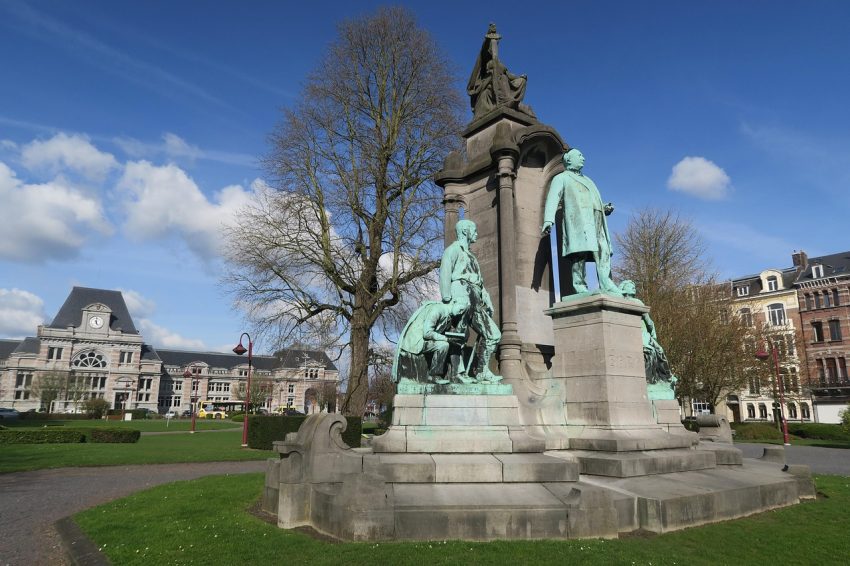
Visiting Tournai
2. Ypres (Ieper)

Visiting Ypres (Ieper)
3. Bruges
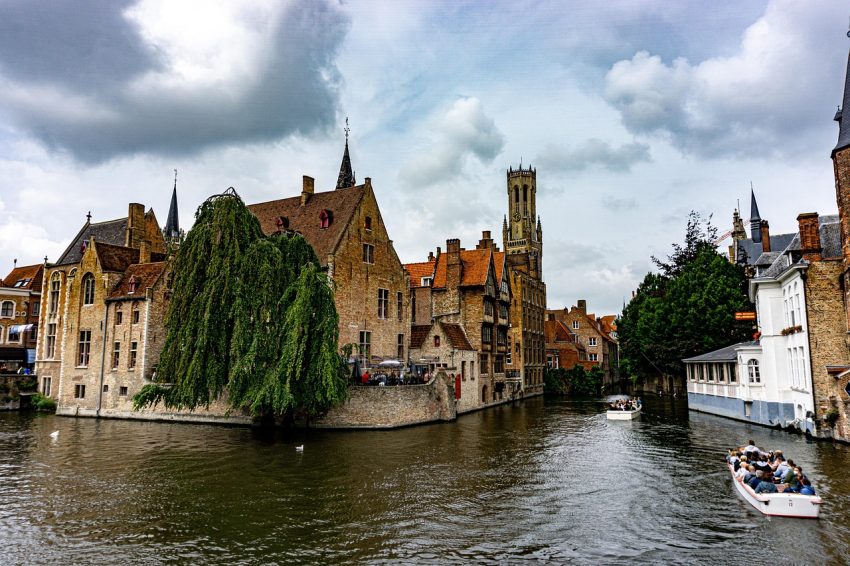
Visiting Bruges
4. Mons
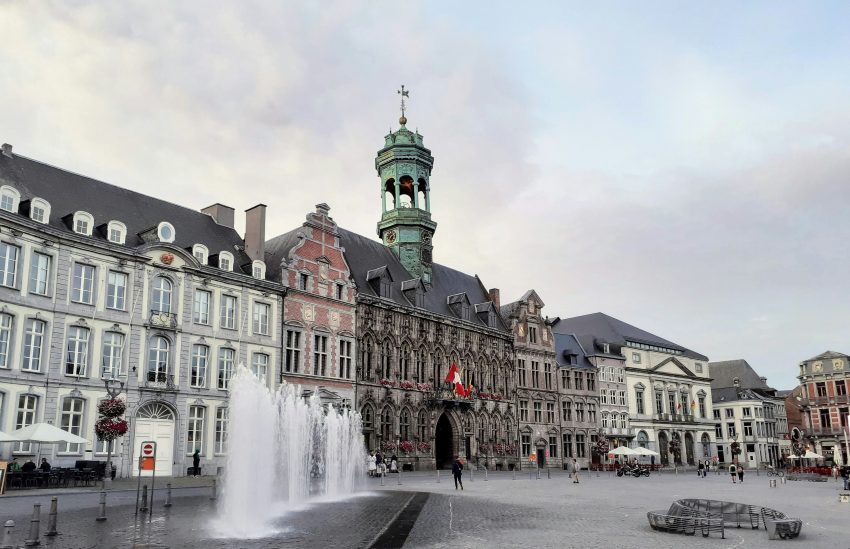
Visiting Mons
5. Ghent
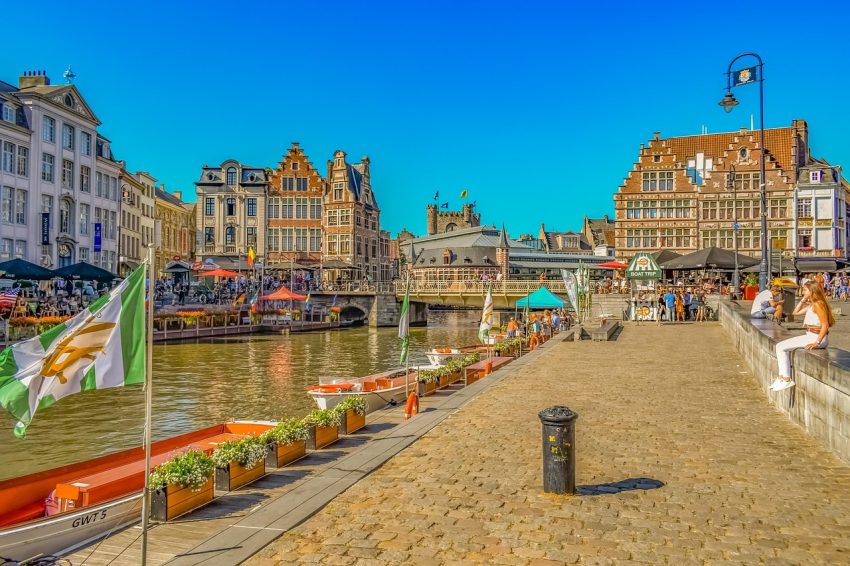
Visiting Ghent
6. Gravelines

Visiting Gravelines
7. Calais

Visiting Calais
8. Brussels
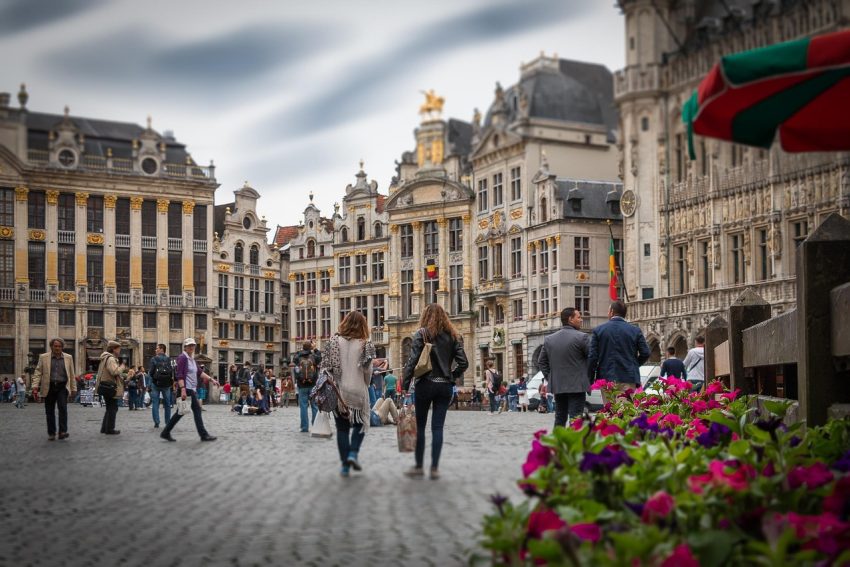
Visiting Brussels
9. Waterloo

Visiting Waterloo
10. Amiens
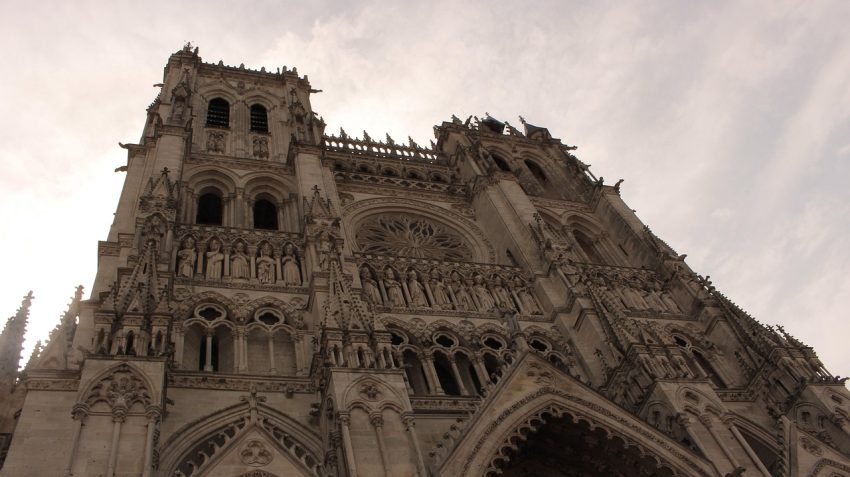
Visiting Amiens
Where to Stay in Lille
For visitors to Lille, staying in the Vieux Lille (Old Town) is an excellent choice. This charming neighborhood is not only picturesque with its cobbled streets and colorful buildings, but it also offers easy access to key attractions like the Grand Place, Palais des Beaux-Arts, and the Vieille Bourse. You’ll find a variety of boutique hotels, cozy guesthouses, and stylish apartments that allow you to experience Lille’s historic heart. The area is also home to many cafes, restaurants, and lively bars, making it a great spot for those who want to immerse themselves in the city’s vibrant culture.
Another great area to stay is Euralille, which is the business and modern district of the city. If you’re looking for contemporary accommodations with easy access to transport links, Euralille offers several large hotels and high-end options. This district is home to Lille’s main train stations, including Lille Europe, which makes it convenient for travelers coming by train or planning to explore the surrounding region. Although it’s a more modern area, you’re still within walking distance of the Old Town, ensuring you have the best of both worlds when it comes to convenience and local attractions.
Using the our Hotel and Accomodation map, you can compare hotels and short-term rental accommodations in Lille. Simply insert your travel dates and group size, and you’ll see the best deals for your stay.
Lille Accommodation Map
Best Time to Visit Lille
Lille in Spring
Spring is one of the best times to visit Lille, with mild temperatures and fewer tourists. From March to May, the city comes alive with blooming flowers and outdoor festivals. It’s a great time for strolling through the parks and gardens or enjoying the city’s outdoor cafes.
Lille in Summer
Summer, from June to August, is the peak tourist season in Lille, with warm weather and numerous events. The city hosts vibrant festivals, including the famous Lille 3000, which showcases art, music, and culture. If you’re looking for a lively atmosphere and outdoor activities, this is the best time to visit, although expect more crowds.
Lille in Autumn
Autumn, from September to November, offers cooler temperatures and colorful foliage, making it a pleasant time for sightseeing. The crowds from summer have thinned, and the fall season brings cozy vibes with local harvest festivals and markets. This is also a great time to explore Lille’s cultural events, such as the Lille Piano(s) Festival.
Lille in Winter
Winter, from December to February, is a quieter time to visit Lille. Although temperatures can be chilly, the city is beautifully decorated for Christmas, and the Christmas market in Grand Place is a major attraction. This is also a great time to enjoy Lille’s indoor cultural attractions, like museums and historic sites, without the crowds.
Annual Weather Overview
- January 7°C 48°F
- February 9°C 52°F
- March 12°C 57°F
- April 17°C 67°F
- May 19°C 70°F
- June 23°C 78°F
- July 25°C 80°F
- August 26°C 83°F
- September 23°C 76°F
- October 17°C 66°F
- November 11°C 55°F
- December 9°C 51°F
How to get to Lille
Getting to Lille by Plane
Lille has its own airport, Lille-Lesquin Airport, located about 10 kilometers southeast of the city center. The airport offers both domestic and international flights, with connections to cities like London, Paris, and Barcelona. From the airport, you can easily reach the city center by shuttle, taxi, or rental car.
Getting to Lille by Train
Lille is well-connected by train, making it easy to access from major cities in France and neighboring countries. The city has two main train stations, Lille Flandres and Lille Europe, with direct high-speed train services from Paris, Brussels, and London. The Eurostar and Thalys trains make it particularly convenient for international visitors. You can use SNCF Connect to check schedules, compare routes, and purchase tickets for National (SNCF ) and regional trains (TER). For a more streamlined experience, we recommend using Omio, which allows you to easily compare prices, schedules, and book tickets for both National and Regional travel across all of Europe, all in one place.
Getting to Lille by Car
Driving to Lille is straightforward, as it's situated at the intersection of major highways connecting France, Belgium, and the UK. The city is easily accessible via the A1 motorway from Paris and the A25 from Dunkirk. Parking in the city center is available, but it can be limited, so it's best to plan ahead if you're driving. If you are looking to rent a car in France I recommend having a look at Discover Cars, first, as they compare prices and review multiple car rental agencies for you.
Getting Around Lille
Once in Lille, the city has an efficient public transportation system, including buses, trams, and metro lines. You can buy tickets for individual trips or multi-day passes, and the system covers most of the city’s attractions. Walking is also a great way to explore Lille, as many of the main sights are within walking distance of each other.