Linz, Austria: The Ultimate Travel Guide 2026
The Complete Guide to Linz

Linz is a lively Danube city that blends contemporary culture with an easy, walkable core, making it a great base for a short city break or a longer stay. You'll find a strong mix of museums, riverfront promenades, modern architecture, and classic Austrian cafés, with plenty to do both day and night. The city feels creative and student-influenced, yet it's also relaxed-ideal if you want culture without the crowds of larger capitals.

Set in Upper Austria, Linz works well for travelers who like to combine urban sightseeing with quick nature escapes. Within a short ride you can reach viewpoints, riverside cycling paths, and green hills, while the center offers a compact cluster of sights around the Hauptplatz and the Danube. It's also a convenient stop on many Austria itineraries, especially if you enjoy art, music, and design.

Plan at least two days to get a satisfying feel for Linz: one for the old town, museums, and the riverfront, and another for hilltop views, local food, and a deeper dive into the city's modern cultural scene. Evenings are particularly enjoyable along the Danube, where bars, restaurants, and seasonal events create a friendly atmosphere without feeling overly touristy.

History of Linz

Early Linz: Roman Roots and the Birth of a Town

Linz traces its earliest urban development to Roman times, when a settlement and fortification helped secure routes and trade along the river. Over time, the area grew into a strategic node for commerce and administration, laying the groundwork for a permanent town.

As the Roman era faded, Linz continued to develop through early medieval structures of power and trade. Its position on important routes supported markets and crafts, helping the settlement evolve from a fortified point into a recognizable urban community.

Medieval Linz: Markets, Fortifications, and Civic Growth

During the Middle Ages, Linz expanded as a market town with increasing civic organization. Trade, guild activity, and the strengthening of municipal rights contributed to a more complex urban identity, while fortifications and prominent buildings reflected rising importance.

Religious institutions and regional rulers influenced the city’s shape and economy, and Linz became a place where political authority and commercial life intersected. The medieval period established many of the patterns—central squares, trading functions, and civic administration—that still define the city’s core.

Renaissance and Baroque Linz: Courtly Influence and Cultural Flourishing

In the early modern period, Linz benefited from periods of courtly presence and administrative significance. This helped stimulate building projects and cultural life, with architectural styles shifting toward Renaissance and later Baroque tastes.

The city’s public spaces and representative buildings were enhanced, and Linz’s role as a regional center strengthened. These centuries left a visible legacy in churches, façades, and urban planning elements that continue to shape the city’s atmosphere.

Industrial Linz: 19th Century Transformation

The 19th century brought major economic and social change as industry expanded and infrastructure modernized. New transport links and industrial facilities reshaped employment, migration patterns, and the city’s physical footprint.

Linz increasingly became associated with manufacturing and technological development. This era also introduced new civic institutions and a growing middle class, which influenced education, culture, and public life.

20th Century Linz: Upheaval, Reconstruction, and Reinvention

The 20th century was marked by profound political upheavals and wartime impacts, followed by reconstruction and rapid modernization. Postwar decades saw renewed growth, with industry remaining important while the city also invested in public services and urban development.

Later in the century, Linz began to reposition itself culturally, supporting contemporary art, music, and new media. This shift helped broaden the city’s identity beyond industry, setting the stage for a more diverse and forward-looking cultural profile.

Contemporary Linz: Culture, Technology, and a Modern City Identity

In recent decades, Linz has strengthened its reputation for innovation in arts and technology, with institutions and events that emphasize digital culture and experimental creativity. Urban renewal projects and riverfront improvements have enhanced livability and visitor appeal.

Today, Linz balances its industrial heritage with a confident cultural scene, offering a mix of historical layers and modern experiences that continue to evolve year by year.

Moira & Andy
Moira & Andy

Hey! We're Moira & Andy. From hiking the Camino to trips around Europe in Bert our campervan — we've been traveling together since retirement in 2020!

Read our full story here

Visiting Linz for the first time and wondering what are the top places to see in the city? In this complete guide, I share the best things to do in Linz on the first visit. To help you plan your trip, I have also included an interactive map and practical tips for visiting!

This website uses affiliate links which earn a small commission at no additional cost to you.
Powered by GetYourGuide

19 Best places to See in Linz

This complete guide to Linz not only tells you about the very best sights and tourist attractions for first-time visitors to the city but also provide insights into a few of our personal favorite things to do.

This is a practical guide to visiting the best places to see in Linz and is filled with tips and info that should answer all your questions!

1. Trinity Column
Trinity Column
Trinity Column
CC BY-SA 4.0 / Thomas Ledl
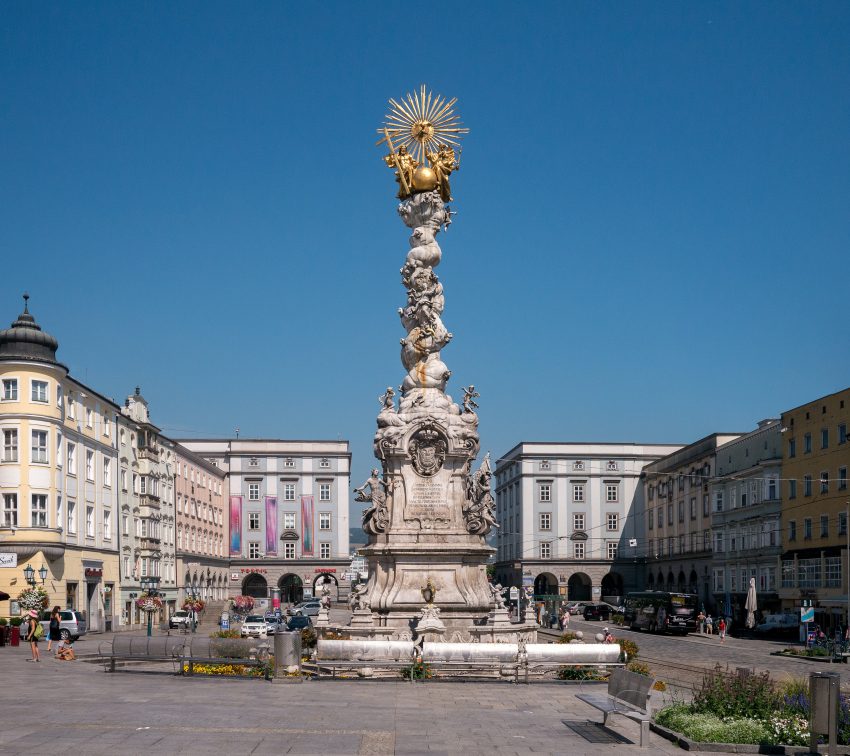
Rising from Linz’s Hauptplatz, the Trinity Column (Dreifaltigkeitssäule) is a 20-meter Baroque plague column commissioned after the city escaped plague, wars, and a major fire in the early 1700s. Carved from white Untersberg marble by stonemason Sebastian Stumpfegger to a design by Antonio Beduzzi, its twisting shaft is packed with figures and symbols that reward a slow circle. Look for the coats of arms on three sides of the base, representing the “earthly trinity” of Emperor, city, and estates. On the pedestal stand the plague saints Sebastian, Charles Borromeo, and Florian, while above, Mary appears on a crescent moon amid cherubs and a gilded Holy Trinity at the top. Locals still use it as a natural meeting point in the square.
Location: Hauptpl., 4020 Linz, Austria | Hours: 24 Hours. | Price: Free. | Website | Distance: 0.1km

We recommend to rent a car in Austria through Discover Cars, they compare prices and review multiple car rental agencies. Book your rental car here.

2. Keplerhaus

Keplerhaus
Keplerhaus
CC BY-SA 4.0 / Geolina163
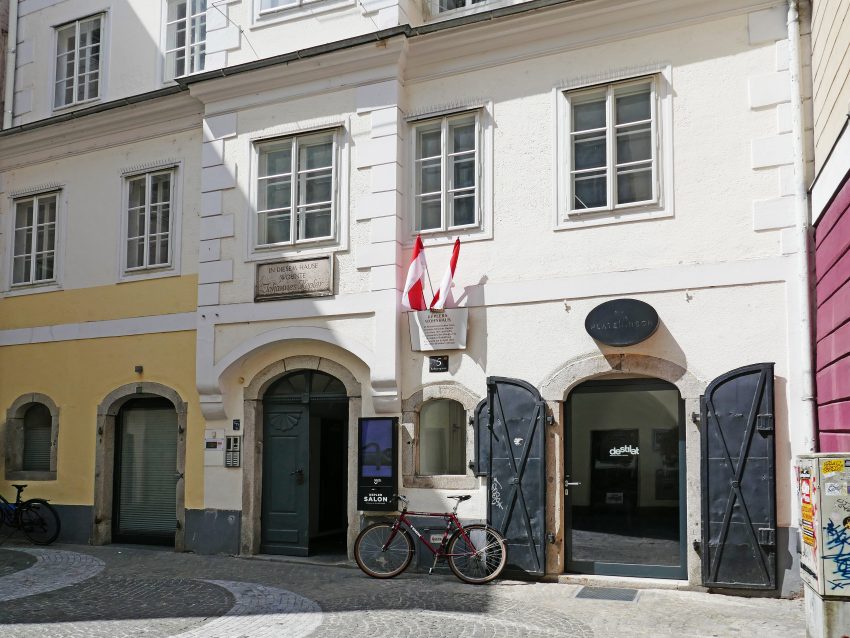
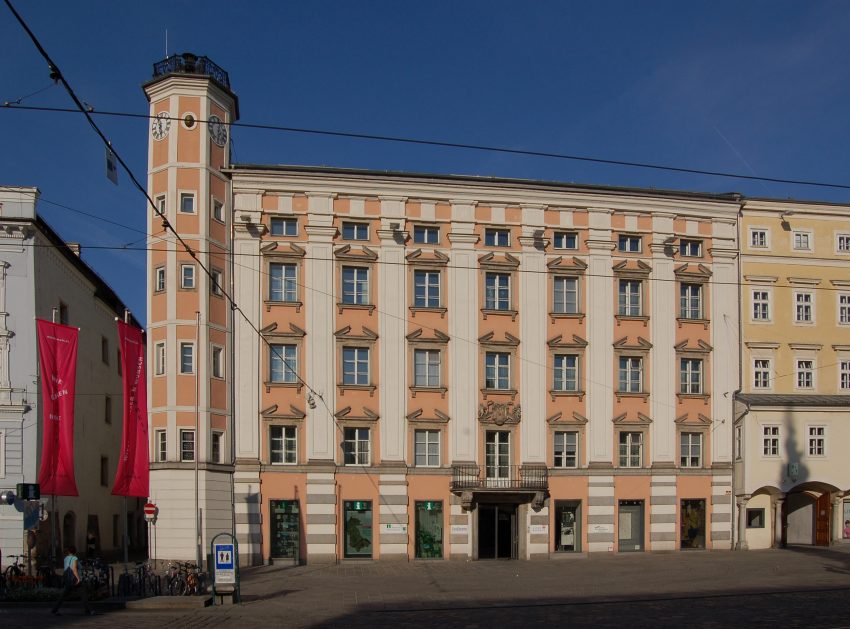
Keplerhaus is a Renaissance-era burgher’s home in Linz’s Old Town (Rathausgasse), remembered as a place where Johannes Kepler lived and worked in the early 1600s. During his Linz years (often dated 1612–1627), he completed the Tabulae Rudolphinae, the planetary tables that helped steer astronomy toward modern precision. Visitors tend to notice the restrained façade with arched windows and how seamlessly it sits among the narrow Altstadt streets; several reviews note it’s often viewed mainly from outside. When accessible, the interior evokes a scholar’s household with vaulted ceilings and thick walls, and programs like the Kepler Salon keep the address tied to public talks and debate.
Location: Rathausgasse 3, 4020 Linz, Austria | Hours: Daily: 10:00–17:00. | Price: Free. | Website | Distance: 0.1km

Here is a complete selection of hotel options in Linz. Feel free to review each one and choose the stay that best suits your needs.

3. Hauptplatz

Hauptplatz
Hauptplatz
CC BY-SA 4.0 / Armin Ademovic
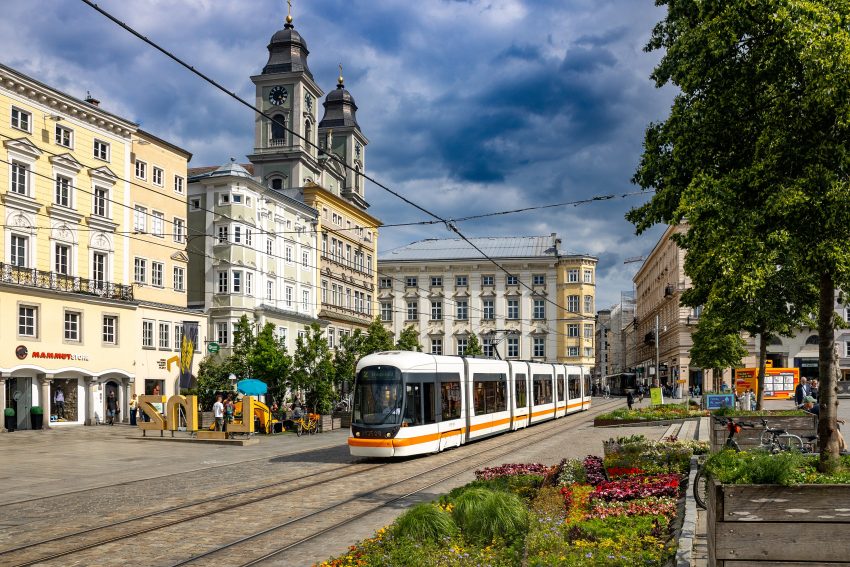
Hauptplatz is Linz’s main square and the city’s civic center, laid out in 1230 and still where daily life and public events converge. At its center rises the Holy Trinity Column, erected in memory of lives lost to plagues, wars, and disasters. The broad plaza sits a short walk from the Danube and is edged by historic facades, including the Baroque Old Town Hall (dating to 1509), where the mayor and council meet. Look and listen for the glockenspiel in the Feichtinger House, which plays melodies by composers such as Mozart and Haydn. On the north side, twin neoclassical bridgehead buildings with arcades and fountains frame the entrance to the Nibelungen Bridge.
Location: Hauptpl., 4020 Linz, Austria | Hours: 24 Hours. | Price: Free. | Distance: 0.2km

Traveling to a country with a different currency? Avoid ATM transaction fees and pay in local currency with a Wise Card. Having used it for over 5 years, we've saved loads on fees!

4. Altes Rathaus

Altes Rathaus
Altes Rathaus
CC BY-SA 3.0 / Michael Kranewitter
Altes Rathaus (Old Town Hall) stands on the east side of Linz’s Hauptplatz and still functions as city hall, with the mayor and municipal council inside. Rebuilt after the 1509 town fire by Master Christoph, it was later expanded in 1658–1659 and given the Baroque façade you see facing the square. Step through to notice the arcaded courtyard typical of the Rathausviertel, a quieter counterpoint to the busy cafés outside. The building also houses the Tourist Bureau and the Linz Museum for the History of Dentistry—an unexpectedly specific stop. Its balcony is historically charged too, as Hitler addressed crowds here in March 1938 during the Anschluss.
Location: Hauptpl. 1 - 5, 4041 Linz, Austria | Hours: Daily: 10:00–17:00. | Price: Free. | Website | Distance: 0.2km

Explore Linz at your own pace with our self-guided walking tour! Follow our curated route to discover must-see sights and local secrets that makes Linz one of the best places to visit in Austria.

5. Linz Castle

Linz Castle
Linz Castle
CC BY-SA 4.0 / Radler59
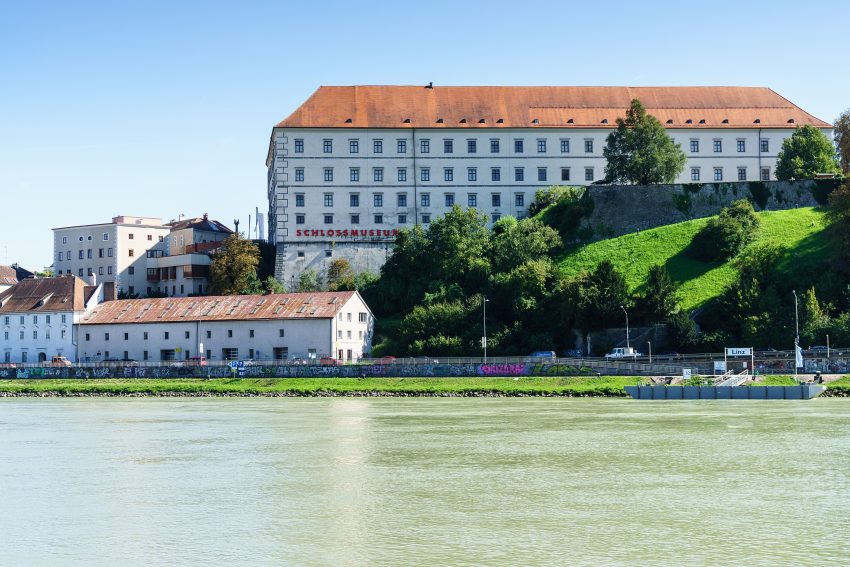
Linz Castle rises above Linz’s Old Town on the Schlossberg, a former strongpoint whose story runs from a Roman-era castrum at Lentia to a documented “castle in Linz” ordered under Charlemagne in 799. Much of what you see today traces to Emperor Friedrich III, who rebuilt the complex, left the AEIOU motto carved in stone, and died here in 1493; fragments of defensive walls, bastions, and the Friedrich Gate remain. Later remaking under Rudolf II expanded the fortress, with the Rudolf Gate surviving, before the site served as hospital, prison, and then barracks until 1945. Rebuilt in the 1950s–60s, it now houses the Schlossmuseum, where visitors linger for Danube panoramas and wide-ranging exhibits, including works by Gustav Klimt and Egon Schiele.
Location: Schlossberg 1, 4020 Linz, Austria | Hours: Tuesday – Sunday: 10:00–18:00. Closed on Monday. | Price: Adults: €6.50; Students: €3. | Website | Distance: 0.2km

6. Landhaus
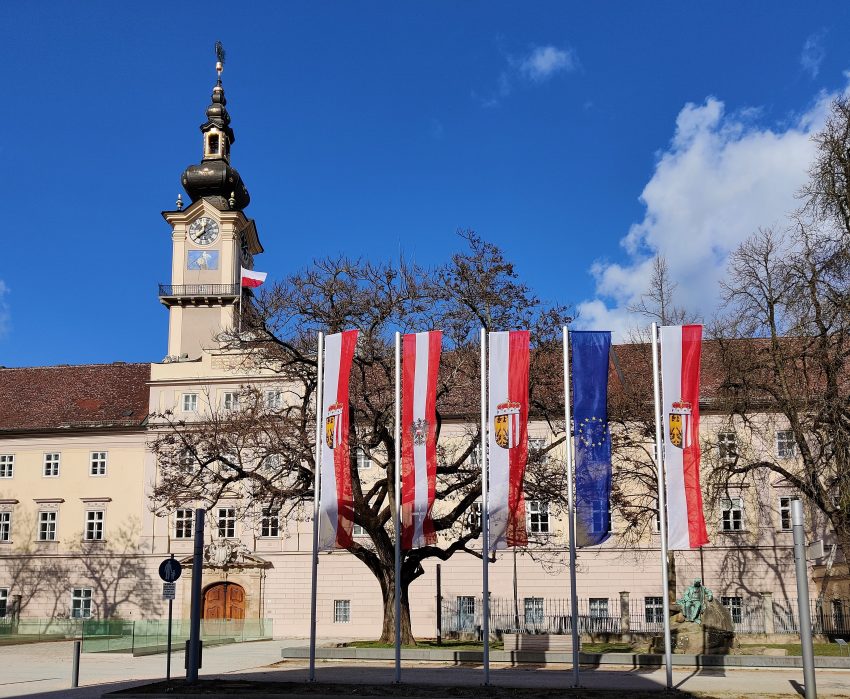
Landhaus
Landhaus
CC BY-SA 4.0 / Simon Legner
The Landhaus (Linzer Landhaus) in Linz’s Old Town is the working seat of Upper Austria’s provincial government, shaped into a Renaissance complex after the estates secured the site in the 1560s. Step into the arcaded courtyard to find the Planetenbrunnen (Fountain of the Planets), a nod to Johannes Kepler, who taught here from 1612–1626. Look for the 1565 north portal, designed after Vienna’s Swiss Gate, and the parapet lined with coats of arms for Upper and Lower Austria. The Landhausturm rises above the ensemble with an ornate helmet-like top, and visitors often remember the calm patio and the tower views.
Location: Landhausplatz 1, 4020 Linz, Austria | Hours: Daily: 10:00–17:00. | Price: Free. | Website | Distance: 0.3km

7. Alter Dom
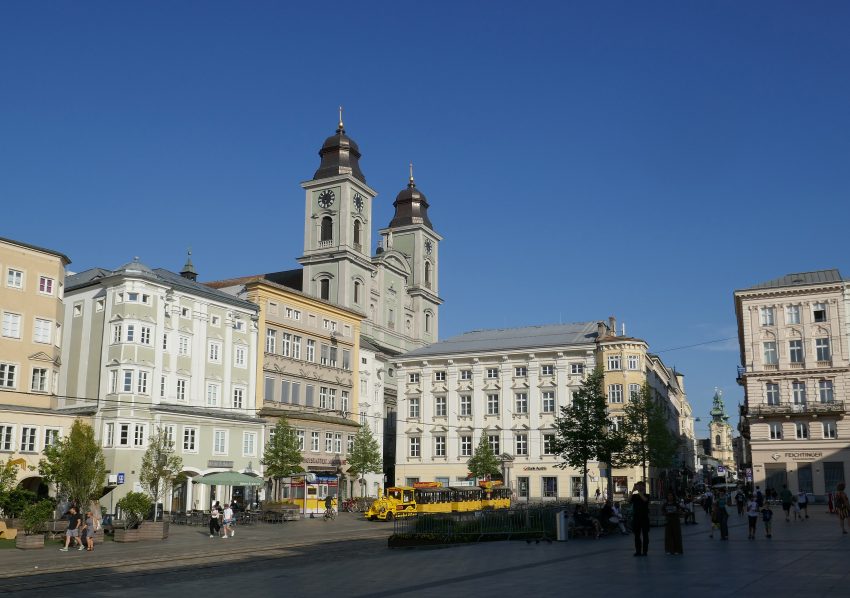
Alter Dom
Alter Dom
CC BY-SA 4.0 / Geolina163
Linz’s Alter Dom (Ignatiuskirche), originally a Jesuit church, is a single-nave Baroque interior with side chapels, galleries, and a closed choir, built in the late 1600s (1669–1678, sometimes dated to 1683). Dedicated to St. Ignatius of Loyola, it later became the cathedral of the Diocese of Linz from 1785 to 1909, which is why locals call it the “Old Cathedral.” Inside, visitors notice the theatrical Baroque ornament and the calm, symmetrical space that rewards a slow circuit. Music history is tangible here: Anton Bruckner served as organist (1856–1868), and his adapted organ remains a standout feature. Reviews often mention its central location and serene atmosphere.
Location: Domgasse 3, 4020 Linz, Austria | Hours: Daily: 08:00–18:00. | Price: Free; donations appreciated. | Website | Distance: 0.3km
Powered by GetYourGuide

8. Landestheater

Landestheater
Landestheater
CC BY-SA 3.0 / Hans Koberger
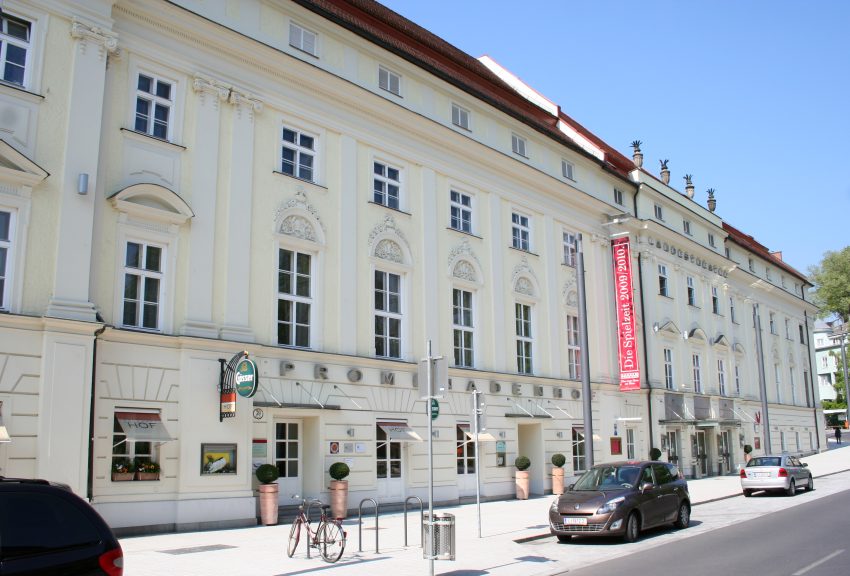
Linz’s Landestheater is Upper Austria’s state theatre complex, staging opera, drama, ballet, and musicals across multiple venues. The main house on the Promenade traces back to the early 19th century and pairs classical architecture with later updates, seating just over 600 in a space that feels both intimate and formal. Since 2013, the company has also performed in the Musiktheater at the Volksgarten, a sleek, technically advanced opera house that broadened the repertoire and scale. Visitors tend to remember the pre-show foyer buzz and the mix of traditional works with newer productions, sometimes with surtitles for non-German speakers. Reviews note strong café service, but also tight legroom and summer heat in the newer hall.
Location: Promenade 39, 4020 Linz, Austria | Hours: Monday – Friday: 09:00–18:00. Saturday: 09:00–12:30. Closed on Sunday. | Price: From €5 (varies by show and seating). | Website | Distance: 0.4km

9. Doctor Bloch's Office
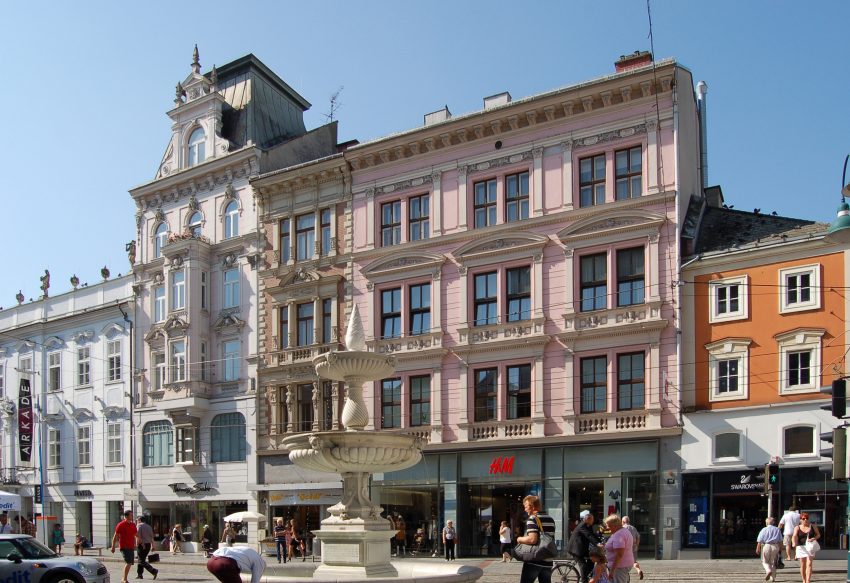
Doctor Bloch’s Office
CC BY-SA 3.0 / Michael Kranewitter
Doctor Bloch’s Office in Linz marks the former practice of Dr. Eduard Bloch, a Jewish physician who opened his surgery at 12 Landstraße in 1901 and lived here with his family for years. Today the address is remembered more than visited: the building now contains a shopping arcade, so what you notice is an ordinary central façade and the bustle of Landstraße rather than any museum display. The site matters for the personal histories tied to it, including Bloch’s treatment of Klara Hitler during her fatal breast cancer in 1907 and his later loss of the practice after the 1938 Anschluss. A handful of online reviews are mixed, reflecting that it functions as a working commercial address, not a curated attraction.
Location: Am Winterhafen 24, 4020 Linz, Austria | Hours: Check official website. | Price: Check official website. | Distance: 0.4km

10. Martinskirche
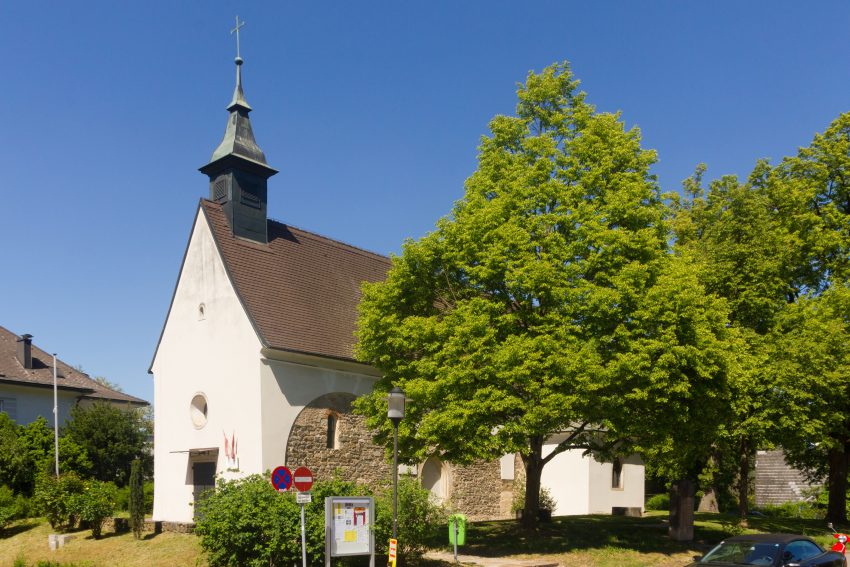
Martinskirche
Martinskirche
CC BY-SA 3.0 / Liberaler Humanist
Martinskirche in Linz, Austria is a compact Roman Catholic church on the Schlossberg that’s often cited as the country’s oldest surviving original church. Its story reaches back to the late 8th century, with early fabric linked to the Agilolfing era and later rebuilding under the Carolingians after 788, using rubble from nearby Roman structures. The simple exterior hides striking remnants inside, including 3rd‑century Roman gravestones and an ancient furnace from the same period that still functions. Over centuries it was reshaped into an 11th‑century bay church, then layered with Romanesque and Gothic arches, Gothic windows and portals, and a presbytery. A small 15th‑century Marian fresco and a copy of a Lucca Christ image add quiet, memorable details.
Location: 4020 Linz, Austria | Hours: Friday: 14:00–16:00. Sunday: 09:45–11:00. | Price: Free; donations appreciated. | Website | Distance: 0.5km

11. OK Center for Contemporary Art
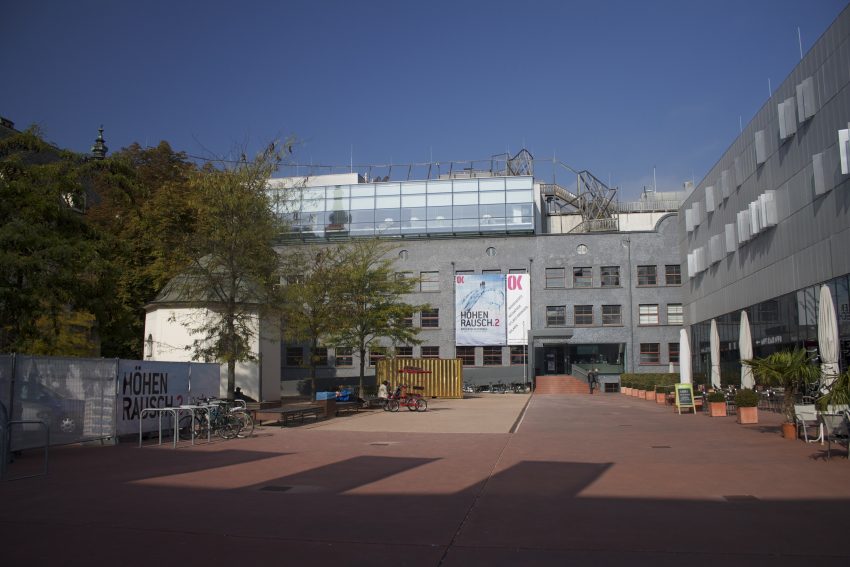
OK Center for Contemporary Art
CC BY-SA 3.0 / ArabrabTs.
The OK Center for Contemporary Art (OK Linz) is a contemporary art exhibition and production space on OK-Platz, set inside a former school building repurposed in 1998. It matters because it’s one of Linz’s main platforms for experimental work that crosses into science, technology, and social questions, often using flexible rooms for large installations, video, and interactive pieces. The center also becomes a major stage for the Ars Electronica Festival, when the building fills with immersive environments and performances tied to digital culture. Don’t miss the Upperworld rooftop area, where outdoor projects are paired with wide views over the city.
Location: OK-Platz 1, 4020 Linz, Austria | Hours: Tuesday – Sunday: 10:00–18:00. Closed on Monday. | Price: Check official website. | Website | Distance: 0.6km

12. Bischofshof
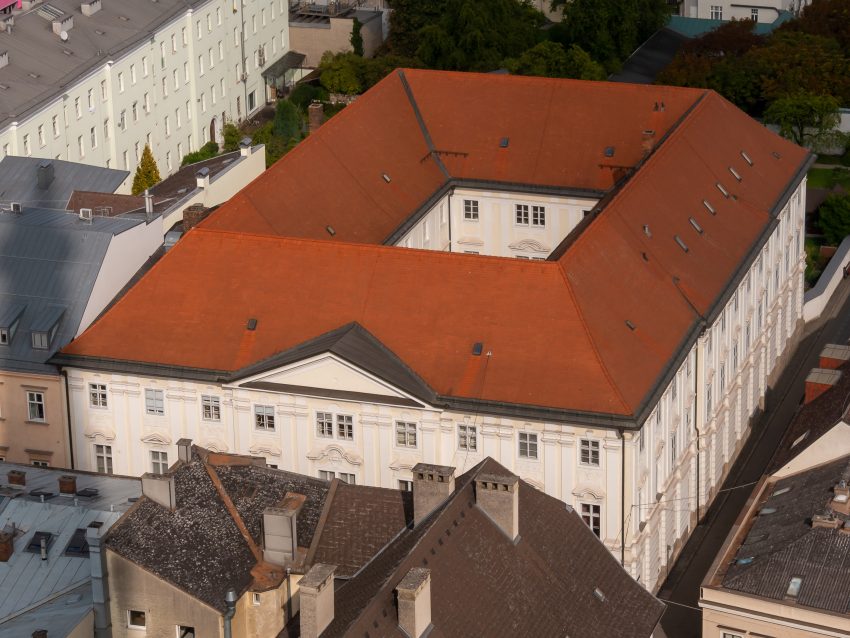
Bischofshof
Bischofshof
CC BY-SA 2.0 / Matti Blume
Bischofshof is the Bishop of Linz’s Baroque residence on Herrenstraße in the Innere Stadt, and it matters as a working center of the Catholic diocese rather than a museum. Built from 1719–1726 for Kremsmünster Abbey and attributed to architect Jakob Prandtauer, it later served as Governor Thürheim’s seat before being assigned to the new Diocese of Linz in 1783 by Emperor Joseph II. Visitors mostly remember the exterior: the carefully ordered façade and the much-admired, ornate gate that draws cameras and lingering looks. The interior isn’t generally open, but quiet courtyards and the street setting make it a rewarding architectural pause; reviews often single out the gate as the standout detail.
Location: Herrenstraße 19, 4020 Linz, Austria | Hours: Monday – Thursday: 07:45–17:00. Friday: 07:45–13:45. Closed on Saturday, Sunday. | Price: Free. | Website | Distance: 0.6km

13. Landesgalerie Linz
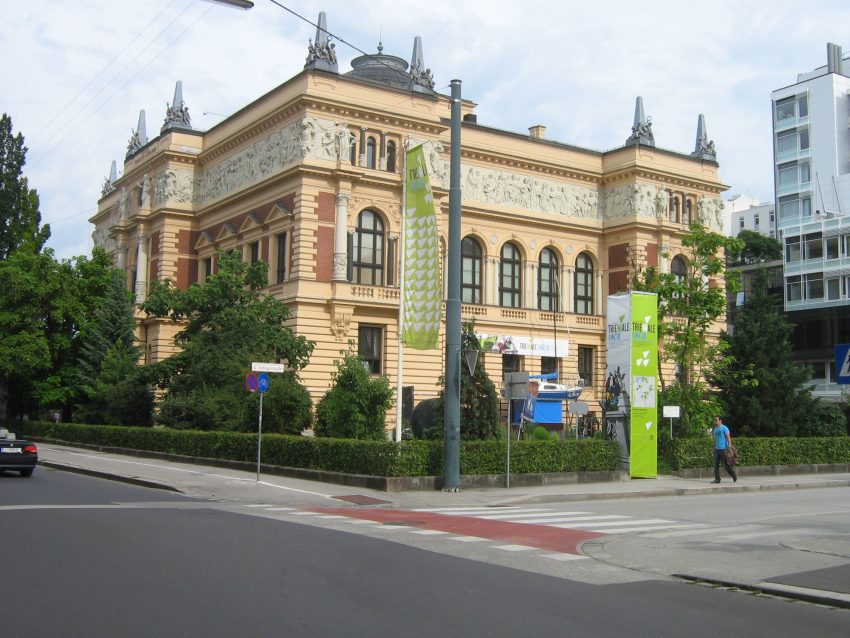
Landesgalerie Linz
Landesgalerie Linz
CC BY-SA 3.0 / Peterburg23
Landesgalerie Linz (the Linz State Gallery) is a leading art museum within the Upper Austrian State Museums, founded in 1953 and set in a forward-looking 1950s modernist building on Museumstraße. Inside, the permanent holdings trace a line from 19th-century art to the present, with a strong emphasis on Austrian modernism and names such as Gustav Klimt, Egon Schiele, and Oskar Kokoschka. Temporary exhibitions shift the mood from visit to visit, sometimes moving into photography and media-driven work that rewards slower looking. Visitors often remember the architecture as much as the art—calm, spacious rooms and a striking exterior—and reviews frequently note friendly, knowledgeable staff and a student-friendly atmosphere.
Location: OÖ Landes-Kultur GmbH, Museumstraße 14, 4010 Linz, Austria | Hours: Tuesday – Sunday: 10:00–18:00. Closed on Monday. | Price: Adults: €6.50; Reduced: €3; Groups (8+): €5; School groups: free. | Website | Distance: 0.6km

14. Ursulinenkirche
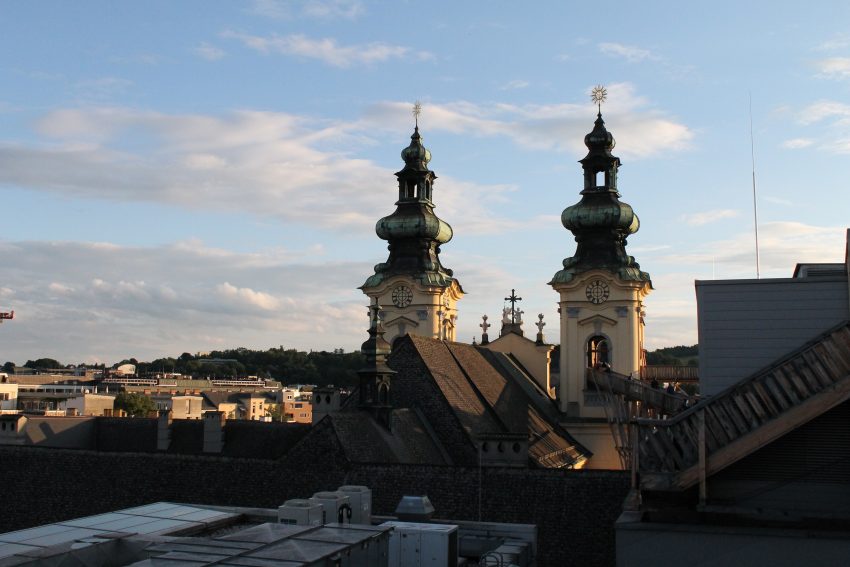
Ursulinenkirche
Ursulinenkirche
CC BY-SA 3.0 / ORBIS PICTUS
Ursulinenkirche is a Roman Catholic Baroque church on Linz’s Landstraße, built for the Ursulines between 1736 and 1772 and dedicated to Archangel Michael. Its two-tower façade faces the city’s busiest shopping flow, but inside the mood shifts to a bright, ornamented space that many visitors linger in for quiet and photos. Look for the high altar painting by Martino Altomonte, showing Michael with the archangels Gabriel, Raphael, and Uriel, set into an altar designed by Johann Matthias Kinner (1741). The 1740 pulpit is packed with relief scenes and a cover crowned by allegories of the four continents. An 1876 Franz Sales Ehrlich organ, restored in 2006, still anchors concerts and services.
Location: Landstraße 31, 4020 Linz, Austria | Hours: Monday – Sunday: 08:00–19:00. | Price: Free. | Website | Distance: 0.6km

15. Mariendom
Mariendom
Mariendom
CC BY-SA 2.0 / Pierre Bona
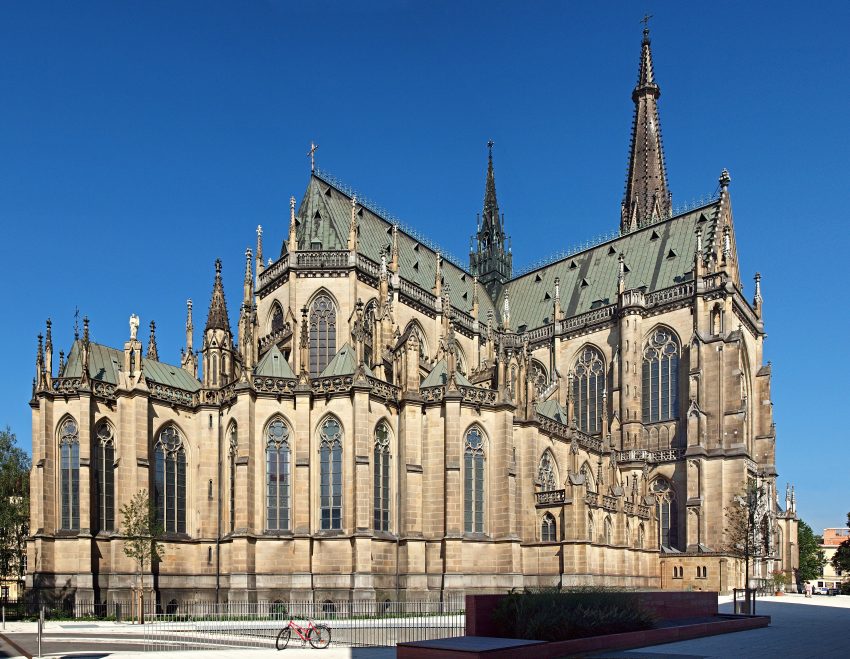
Mariendom (the New Cathedral) is Linz’s vast neo-Gothic cathedral, formally the Cathedral of the Immaculate Conception, conceived in the 1860s as Austria’s largest church by area and capacity. Its twin spires were deliberately kept about two meters lower than Vienna’s St. Stephen’s, but inside the scale is the point: a 130‑meter-long nave built to hold up to 20,000 people. Visitors tend to remember the stained glass, especially the “Linz Window” narrating the city’s story, alongside later modern panes that replaced sections destroyed in World War II. In the crypt, look for the Nativity scene with figures by S. Osterrieder and the display of Bishop Franz‑Josef Rudigier’s regalia.
Location: Domplatz 1, 4020 Linz, Austria | Hours: Monday – Saturday: 08:00–19:00. Sunday: 08:00–19:15. | Price: Free; donations appreciated. | Website | Distance: 0.7km

16. Landstrasse
Landstrasse
Landstrasse
CC BY-SA 2.0 / Cristian Bortes
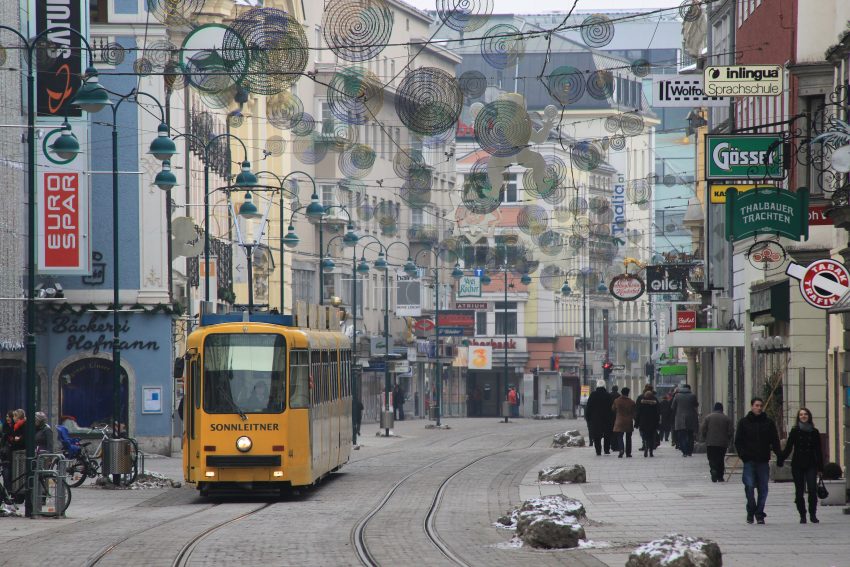
Landstrasse is Linz’s main pedestrian shopping boulevard, a straight, easy-to-follow corridor through the Innenstadt where daily life, commerce, and city events naturally gather. First recorded in the 13th century and pedestrianized in 1977 as Upper Austria’s first car-free street, it still feels like the city’s central artery, with trams running its length. Walking south from Taubenmarkt, you pass long stretches of storefronts, punctuated by older landmarks such as the 1714 Weissenwolft Palace arcade and the baroque Manstorff Palace. Look for quieter interludes at places like the Ursuline Church courtyard and the Carmelite Church, which has stood here since the 17th century.
Location: Landstraße, 4020 Linz, Austria | Hours: 24 Hours. | Price: Free. | Distance: 1km

17. Botanical Garden
Botanical Garden
Botanical Garden
CC BY-SA 4.0 / Thomas Ledl
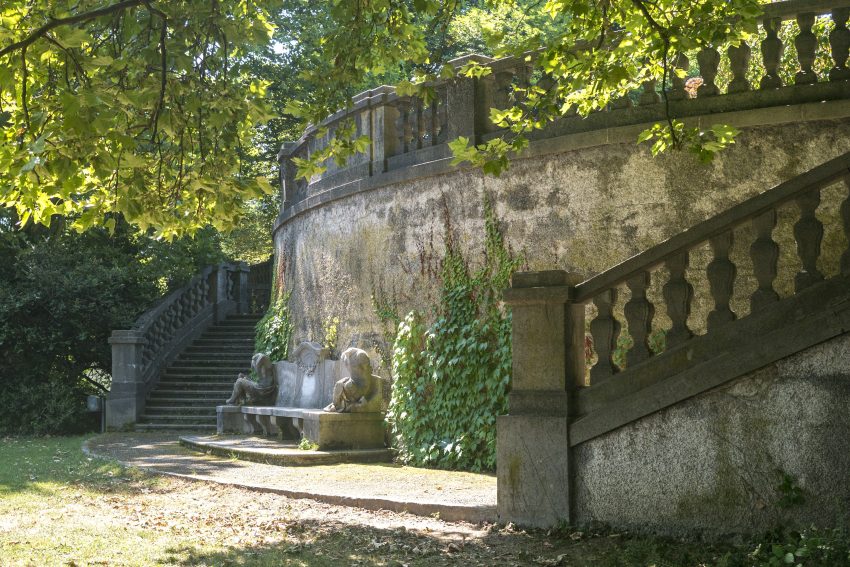
Linz’s Botanical Garden is a hillside plant collection on the Gugl/Freinberg slopes, valued as a compact, carefully curated green refuge close to the city. Spread across about 43,000 square meters, it gathers roughly 10,000 species, with standout specialist displays—especially cacti and succulents, plus vivid orchid houses. Five greenhouses shift through different climate zones, so you can move from dry desert forms to humid tropical growth in minutes, and outdoor areas include a rosarium and an alpine section. Visitors tend to remember the layered paths, occasional views over Linz and the Danube Valley, and how easy it is to linger with a coffee after an hour’s wander.
Location: Roseggerstraße 20, 4020 Linz, Austria | Hours: Daily: 09:00–16:00 (January – February & November – December). Daily: 09:00–17:00 (March & October). Daily: 09:00–19:00 (April – September). Closed on December 24, December 25, December 31, January 1. | Price: Adults: €4.10; Reduced: €3.00; Family ticket: €7.30; Children under 6: free. | Website | Distance: 1.4km

18. Linz Zoo

Linz Zoo
Linz Zoo
CC BY-SA 2.0 / Red Pandazine
Linz Zoo (Linzer Tiergarten) is a compact hillside zoo on the lower slopes of the Pöstlingberg, giving a wooded walk-and-viewpoint feel above the city. Opened in 1980, it follows a theme of European wildlife and domestic animals alongside their wild ancestors, while also keeping a mix of small and medium-sized species from farther afield. Across about 5.5 hectares, you’ll see favorites like red pandas, meerkats, coatis, alpacas, and a strong lineup of birds, with animals often active and easy to spot along the loop path. The tropical house shifts the mood with caimans, large snakes, and monkeys in warm-climate habitats.
Location: Windflachweg 1, 4040 Linz, Austria | Hours: (Summer) April 1 – October 31; Daily: 09:00–18:00. (Winter) November 1 – March 31; Daily: 09:00–16:00. | Price: Adults: €13.00; Reduced: €10.00; Children (6–13): €7.00; Children (0–5): free. | Website | Distance: 1.7km

19. Linz Hauptbahnhof
Linz Hauptbahnhof
Linz Hauptbahnhof
CC BY-SA 1.0 / Leonhard Lenz
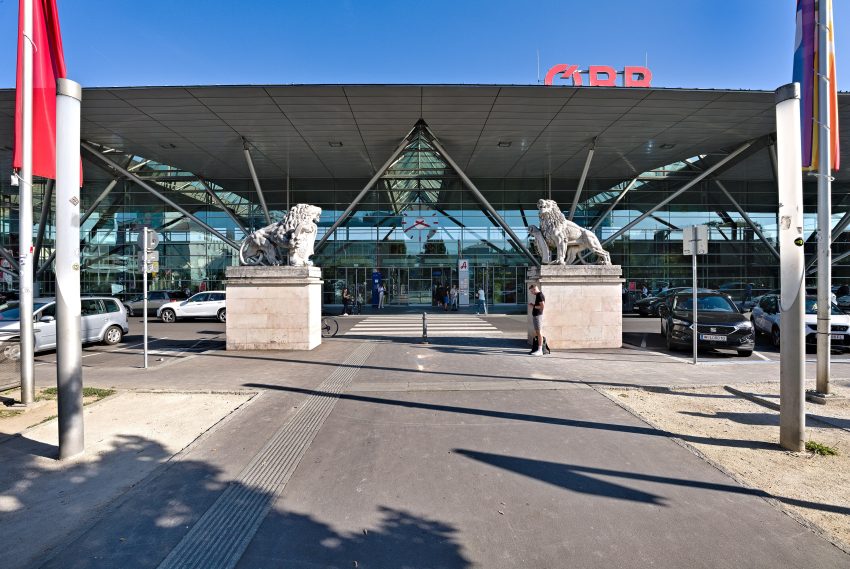
Linz Hauptbahnhof is Linz’s main railway station and the city’s key transport interchange, handling about 40,800 passengers a day—Austria’s busiest station outside Vienna. Opened in 1858 and reshaped after wartime damage, it was comprehensively modernized in 2002–2004 with a crisp design by architect Wilhelm Holzbauer. Visitors notice how the three-level layout streamlines transfers: street level for the main entrance, taxis, and the bus terminal; an upper level for platforms, ÖBB services, shops, and eateries; and a lower level linking directly to all three Linz tram lines plus underground parking. Set on Bahnhofplatz near the southern edge of the center, it makes arrivals and onward connections feel unusually straightforward.
Location: 4020 Linz, Austria | Hours: Daily: Open 24 hours. | Price: Free. | Website | Distance: 1.8km

Best Day Trips from Linz

A day trip from Linz offers the perfect opportunity to escape the urban rhythm and discover the surrounding region's charm. Whether you're drawn to scenic countryside, historic villages, or cultural landmarks, the area around Linz provides a variety of easy-to-reach destinations ideal for a one-day itinerary. If you are looking to rent a car in Austria I recommend having a look at Discover Cars, first, as they compare prices and review multiple car rental agencies for you.

1. Český Krumlov
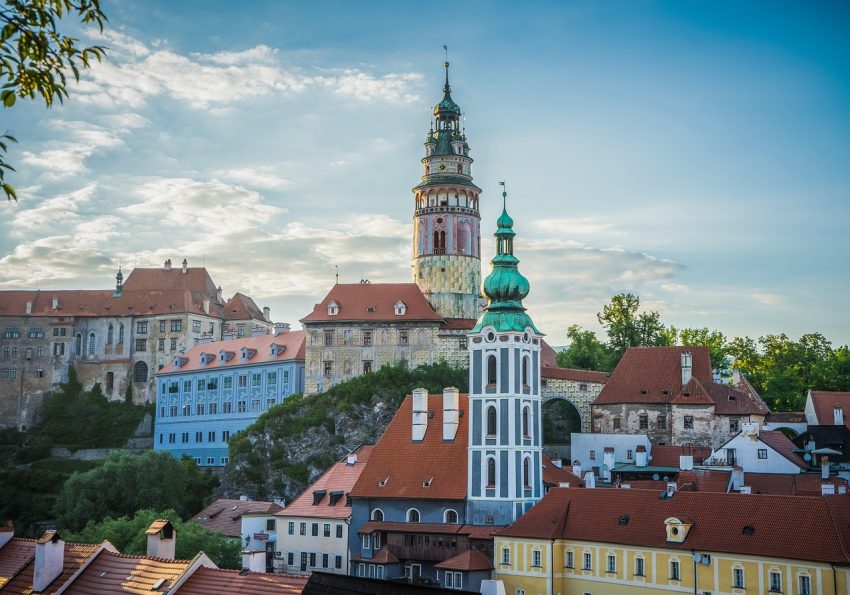
Český Krumlov
Český Krumlov
Český Krumlov, set in the South Bohemian Region of the Czech Republic, is one of the country’s most picturesque towns. Surrounded by rolling hills and nestled in a bend of the Vltava River, it has the charm of a fairytale destination, with winding cobblestone streets, pastel-coloured houses, and a skyline dominated by its castle tower. Its compact size makes it…
Visiting Český Krumlov
Powered by GetYourGuide

2. Melk

The Complete Guide to Melk
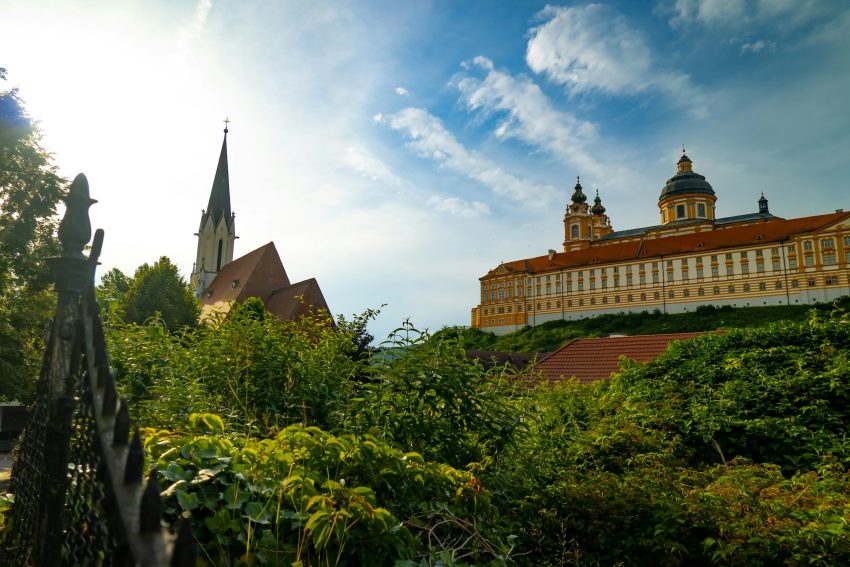
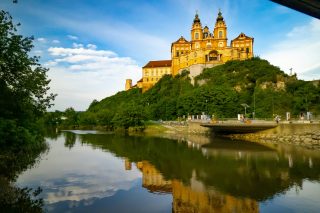
Melk is one of the most rewarding small-town stops on the Danube, set at the gateway to the Wachau Valley in Lower Austria. It’s compact and easy to explore on foot, yet it punches above its size with big views, riverside walks, and a lively café-and-restaurant scene that makes it feel like more than a quick photo stop. Most visitors…
Visiting Melk
Powered by GetYourGuide

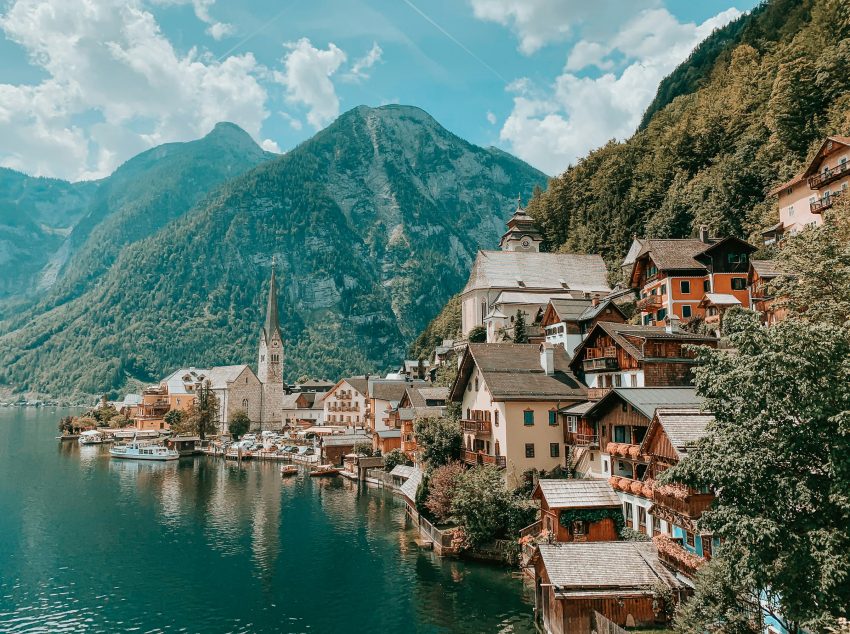
3. Hallstatt

View of Hallstatt Austria ove lake.
Hallstatt Austria
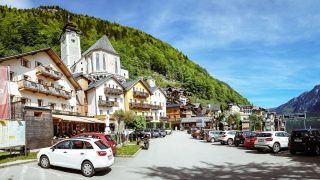
Hallstatt is one of the most memorable places to visit in the Salzkammergut region of Upper Austria, and much of its appeal comes from the way the village sits between the lake and the steep mountain slopes. It is compact enough to explore on foot, yet every corner seems to open onto another striking view, whether that is the waterfront,…
Visiting Hallstatt
Powered by GetYourGuide

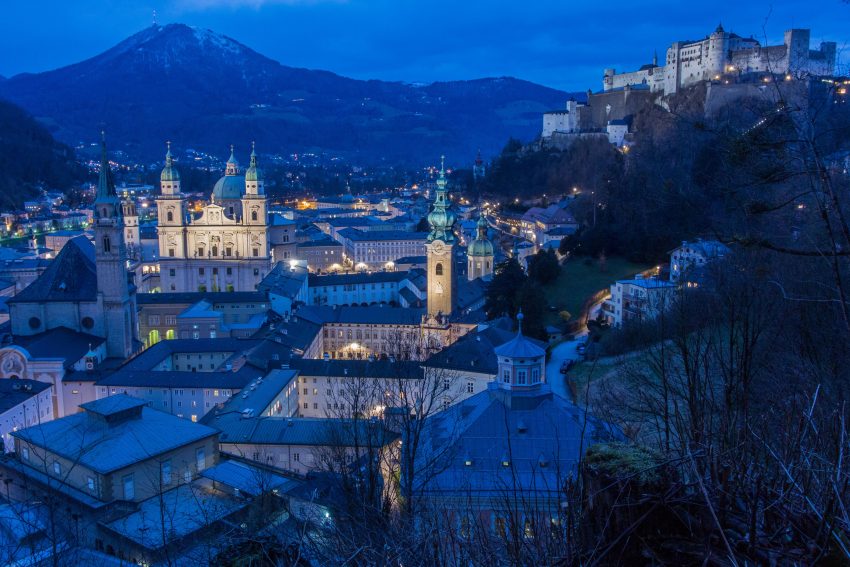
4. Salzburg

The Complete Guide to Salzburg
Salzburg is a compact, walkable city that feels tailor-made for a long weekend: a riverfront Old Town of baroque streets and church domes, a fortress perched above the rooftops, and café culture that rewards slow afternoons. Set in Salzburg Land, it’s easy to pair city sightseeing with quick escapes to lakes, alpine viewpoints, and storybook villages—often within the same day.…
Visiting Salzburg
Powered by GetYourGuide

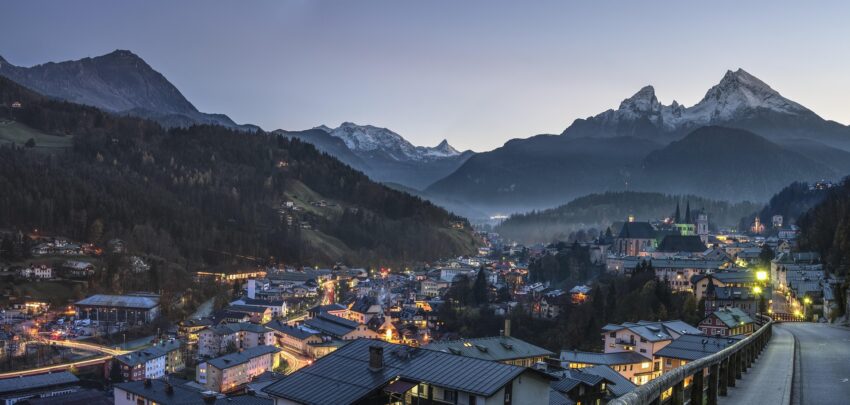
5. Berchtesgaden

The Complete Guide to Berchtesgaden
Berchtesgaden is a mountain town in southeastern Germany, set in the Bavarian Alps near the Austrian border. It makes an ideal base for exploring Berchtesgaden National Park, with dramatic limestone peaks, clear lakes, and well-marked trails that start close to town. The center is compact and easy to navigate, with cafés, bakeries, and practical services that make day trips simple.…
Visiting Berchtesgaden

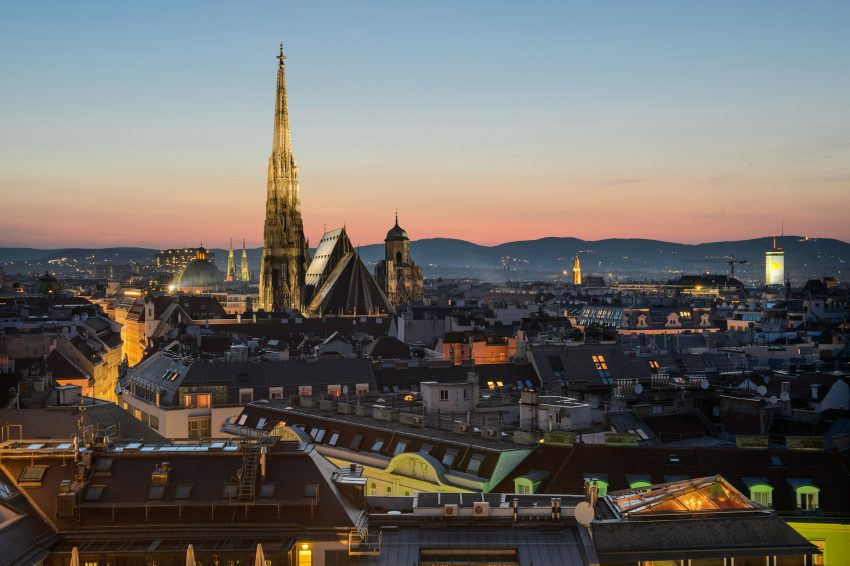
6. Vienna

The Complete Guide to Vienna
Vienna is a grand, walkable capital where imperial architecture, coffeehouse culture, and contemporary creativity sit side by side. Set in northeastern Austria along the Danube, the city is easy to navigate by tram and U-Bahn, with distinct neighborhoods that shift quickly from palace-lined boulevards to lively local markets and vineyard-dotted hills on the edge of town. A visit to Vienna…
Visiting Vienna
Powered by GetYourGuide

7. Zell am See

The Complete Guide to Zell am See
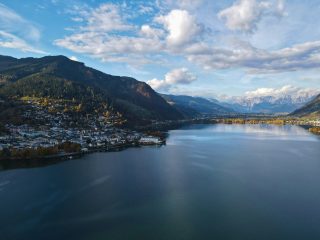
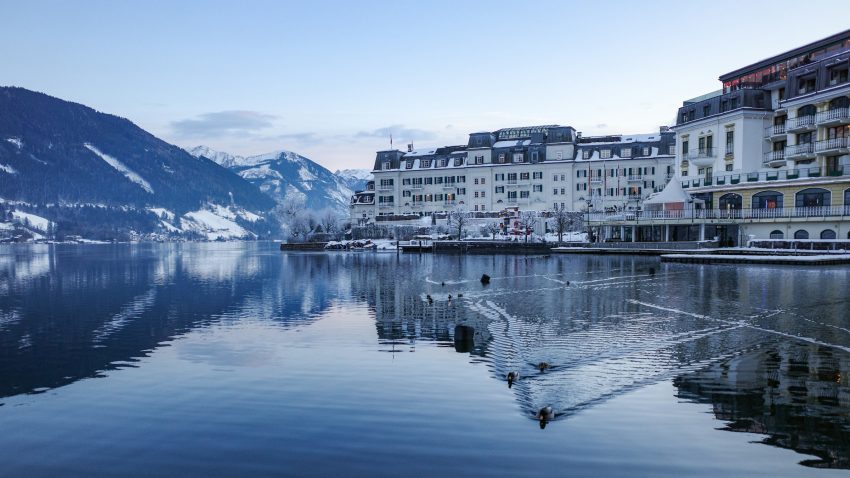
Zell am See is a classic Alpine lakeside town in the Pinzgau area of Salzburg Land, where a walkable old centre meets a broad waterfront promenade and mountain views in every direction. It’s the kind of place that works equally well for a relaxed weekend—coffee by the lake, a gentle cruise, a sunset stroll—or as a base for bigger mountain…
Visiting Zell am See
Powered by GetYourGuide

Where to Stay in Linz

For most visitors, the best area to stay in Linz is the city center around Hauptplatz and the old town, because you can walk to major sights, restaurants, and the Danube promenade in minutes, and you’ll have the easiest access to trams and buses. A comfortable, well-located option here is Austria Trend Hotel Schillerpark, which suits travelers who want dependable comfort and quick connections to shopping streets and cultural venues. If you prefer a more boutique feel with a central base for evenings out, Hotel Schwarzer Bär is a strong choice because it places you right in the heart of the action with an easy walk to the river and museums.

If you want a quieter stay with a slightly more local, residential feel while still being close to the center, consider the Danube-side and Urfahr/Pöstlingberg access area, which is great for morning walks and quick trips up to viewpoints. ARCOTEL Nike Linz works particularly well here because of its riverfront setting and easy access to both the promenade and central sights. For travelers arriving by train or who want maximum transport convenience, staying near Linz Hauptbahnhof can be practical; Park Inn by Radisson Linz is a good fit because it balances walkability to the center with straightforward onward connections for day trips.

Using the our Hotel and Accomodation map, you can compare hotels and short-term rental accommodations in Linz. Simply insert your travel dates and group size, and you’ll see the best deals for your stay.

Linz Accommodation Map

Best Time to Visit Linz

Linz in Spring

Spring is a pleasant time to visit as days gradually warm up and the city becomes more outdoor-friendly. It’s ideal for strolling the old town, walking the Danube paths, and taking short trips to viewpoints without peak-season crowds.

Linz in Summer (Best)

Summer brings the most reliable conditions for riverfront evenings, outdoor dining, and longer days for sightseeing. This is also when Linz feels most animated, with open-air events and a lively atmosphere along the Danube; if you want the fullest range of activities and late sunsets, summer is the easiest choice.

Linz in Autumn

Autumn is great for travelers who prefer cooler air and a calmer pace, with comfortable temperatures for museums and city walks. Cultural programming typically feels strong after summer, and the changing colors add a scenic touch to riverside routes and nearby hills.

Linz in Winter

Winter is best if you enjoy a cozy city break with seasonal lights, warm cafés, and festive markets. The Linz Christmas Market is a highlight, and shorter days pair well with museum visits, concerts, and evenings focused on food and atmosphere.

Annual Weather Overview

  • January 3°C
  • February 7°C
  • March 11°C
  • April 17°C
  • May 19°C
  • June 24°C
  • July 24°C
  • August 24°C
  • September 20°C
  • October 15°C
  • November 8°C
  • December 4°C

How to get to Linz

Getting to Linz by air

Nearest airports: Linz Airport (LNZ) is the closest, with limited routes depending on season. For more flight options, many travelers use Vienna Airport (VIE), Salzburg Airport (SZG), or Munich Airport (MUC) and continue by train.

Airport to city: From Linz Airport, you can typically reach the city by taxi or local bus connections; if arriving via Vienna, Salzburg, or Munich, the simplest onward option is usually rail.

Getting to Linz by train

Main rail hub: Linz Hauptbahnhof is well connected for domestic and international services, making rail one of the most convenient ways to arrive.

Train operators (links): Use ÖBB for most Austrian routes: https://www.oebb.at/en/ . For cross-border and some international bookings, you may also use Deutsche Bahn: https://www.bahn.com/en .

Typical rail connections: Direct or easy connections commonly link Linz with Vienna, Salzburg, and Munich, and many long-distance services stop here.

Getting to Linz by Car

Driving routes: Linz is straightforward to reach via Austria's motorway network, with fast links toward Vienna and Salzburg and good regional roads for nearby towns.

Parking: Expect paid street parking in central areas and a network of garages; if you’re staying centrally, choosing a hotel with parking can save time.

Practical tips: Motorway driving in Austria generally requires a vignette (toll sticker/permit) for many vehicles, and winter conditions can require appropriate tires. If you are looking to rent a car in Austria I recommend having a look at Discover Cars, first, as they compare prices and review multiple car rental agencies for you.

Travelling around Linz

Public transport: The city is easy to navigate using trams and buses, and many central sights are walkable. For tickets and route planning, check Linz Linien: https://www.linzlinien.at/en/ .

Regional day trips: For nearby towns and regional rail, ÖBB is the primary operator: https://www.oebb.at/en/ .

On foot and by bike: The Danube paths are excellent for walking and cycling, especially in warmer months, and are a relaxing way to connect neighborhoods and viewpoints.
More from this area