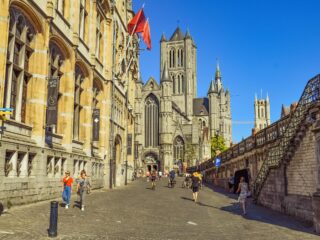
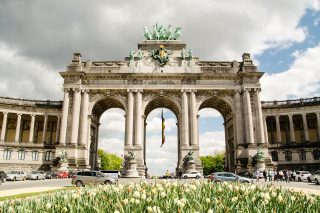
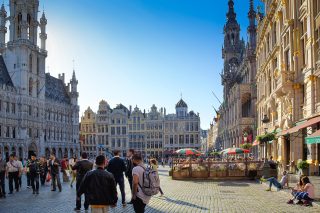
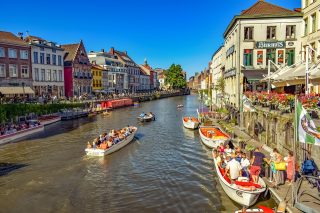
Stadhuis, Ghent
Historic Building, Historic Room and Town Hall in Ghent
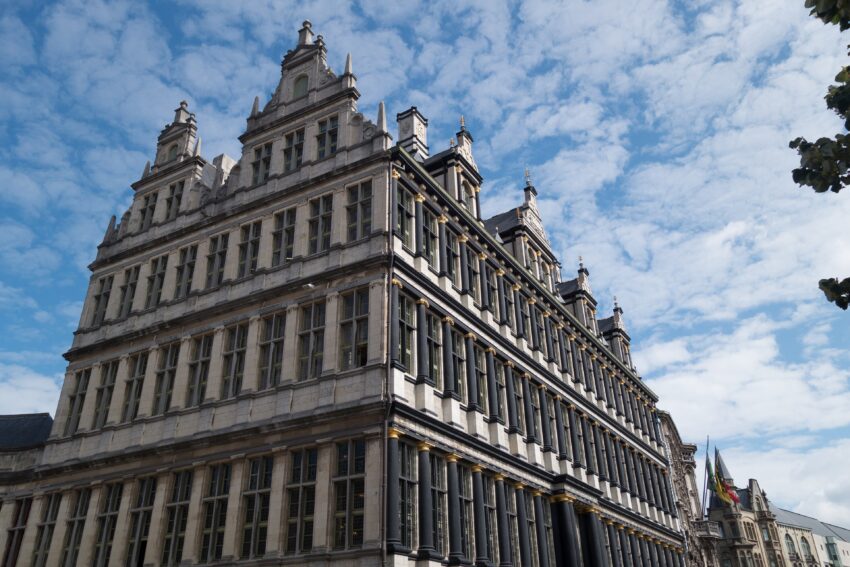
Stadhuis in Ghent is the city's town hall, a large civic complex in the historic centre that combines different architectural periods in one building. The exterior mixes Flamboyant Gothic and Renaissance elements, so it reads more like a layered monument than a single facade.
What makes it worth a look is the contrast between the ornate street-facing walls and the ceremonial rooms inside. It suits visitors who enjoy architecture, civic history, or short urban stops that can be fitted into a walk around central Ghent.
History and Significance of the Stadhuis
The Stadhuis developed as a group of adjoining municipal buildings rather than a single construction campaign. One of the key sections, the alderman's house of Keure, was built in the early 16th century and designed in the Flamboyant Gothic style. Its facade still gives the building a pointed, vertical character even though later work changed the overall composition.
Renaissance additions
Another major part of the complex, the Gedele alderman’s house, was added later in a Renaissance style. Together, the two halves create a deliberate contrast, with classical columns and pilasters softening the more elaborate Gothic details. The result feels more like a civic palace than a plain administrative office.
The building today
Inside, the town hall contains dozens of rooms used for formal functions and events, which helps explain why it remains an important public building rather than just a museum piece. The mix of spaces reflects how Ghent’s municipal power grew over time, with each phase leaving a visible mark on the architecture.
Things to See and Do in the Stadhuis
The main reason to come here is to study the facades up close. Stand across the street and look at the different layers of stonework, especially the carved details, the classical columns, and the statues set into the niches. If the weather is clear, the exterior is easiest to appreciate at a relaxed pace rather than in a quick pass-by.
Inside, the interest comes from the formal rooms rather than from a large exhibition. The Pacification Hall, the Arsenal hall, the Cabinet of the Mayor, the Throne Room, and the reception lounge each offer a different sense of scale and decoration. I would treat the interior as a focused visit for anyone interested in civic interiors, marriage rooms, or ceremonial spaces.
A smaller detail to watch for is how varied the rooms feel from one to the next. Some are more restrained, while others are richly decorated, so the building rewards slow moving through the route. Casual visitors may prefer to see the outside first and only go inside if they have time or have booked a guided visit.
How to Get to the Stadhuis
The nearest major airport is Brussels Airport, with onward rail connections to Ghent. For the best deals and a seamless booking experience, check out these flights to Ghent on Booking.com.
Ghent’s main station, Gent-Sint-Pieters, has regular train links from other Belgian cities and straightforward local transport into the centre. Train tickets and schedules can be found directly on the SNCB/NMBS website for Belgian services. For a more convenient experience, consider using Omio, where you can easily compare prices, schedules, and book tickets in one place.
Driving into the historic core is usually less convenient than arriving by rail, because central streets are tight and parking is limited nearby. If you are looking to rent a car in Belgium I recommend having a look at Discover Cars, first, as they compare prices and review multiple car rental agencies for you.
Is the Stadhuis Worth Visiting?
Stadhuis is worth a short stop if you care about architecture, civic buildings, or a compact historic route through central Ghent. The exterior is the main draw, and the interior is best for visitors who like formal rooms and layered historical detail. Skip it if you want a major museum-style experience or if you are trying to keep a one-day Ghent itinerary very light.
What Other Travellers Say...
Town hall with an ornate Gothic facade & another in nplainer Renaissance style, with guided tours.


Practical Tips on Visiting the Stadhuis
- Entrance fee: Free.
- Opening hours: Check official website.
- Best time to visit: Late morning or late afternoon gives the facade better light, and the square is usually more pleasant when you can linger outside. On a dry day, the exterior is the part to prioritize.
- How long to spend: Plan on 20–45 minutes for a look at the outside, or longer if you can join an interior visit.
- Accessibility: The exterior is easy to see from street level, but interior access can vary by room and event use. Expect a historic building layout rather than fully modern circulation.
- Facilities: Visitor facilities are limited inside a working town hall. Cafés and public amenities are easier to find in the surrounding centre.
Where to Stay Close to the Stadhuis
For a culture-focused stay, base yourself in Ghent's historic centre so you can reach Stadhuis and the main sights on foot. That area also makes it easy to pause for cafés, evening walks, and short sightseeing stops without relying on transit.
If you want a practical central base, look for hotels around the old town rather than on the outskirts. That keeps your day flexible and works especially well if Stadhuis is part of a broader route through Ghent's core.
FAQs for Visiting the Stadhuis
Getting There
Tickets & Entry
Visiting Experience
Tours, Context & Itineraries
Photography
Accessibility & Facilities
Food & Breaks Nearby
Safety & Timing
The Stadhuis appears in our Complete Guide to Visiting Ghent!

Moira & Andy
Hey! We're Moira & Andy. From hiking the Camino to trips around Europe in Bert our campervan — we've been traveling together since retirement in 2020!
This website uses affiliate links which may earn a commission at no additional cost to you!
Planning Your Visit
Check official website.
Free.
Nearby Attractions
- Belfort (0.1) km
Historic Building, Monument and Tower - Lakenhalle (0.1) km
Historic Building, Historic Site and Monument - Sint-Baafskathedraal (0.1) km
Attraction, Cathedral and Religious Building - Sint-Niklaaskerk (0.2) km
Church, Historic Building and Historic Site - Korenmarkt (0.2) km
Historic Site, Market and Square - St Michael's Bridge (0.3) km
Bridge, Historic Building and Viewing Point - Vrijdagmarkt (0.3) km
Market, Monument and Square - Dulle Griet (0.4) km
Historic Site, Monument and Square - Kraanlei and Patershol Quarter (0.4) km
Area, Historic Site and Walk - Gaslei & Korenlei (0.4) km
Canal, Historic Building and Walk