Sint-Baafskathedraal, Ghent
Attraction, Cathedral and Religious Building in Ghent
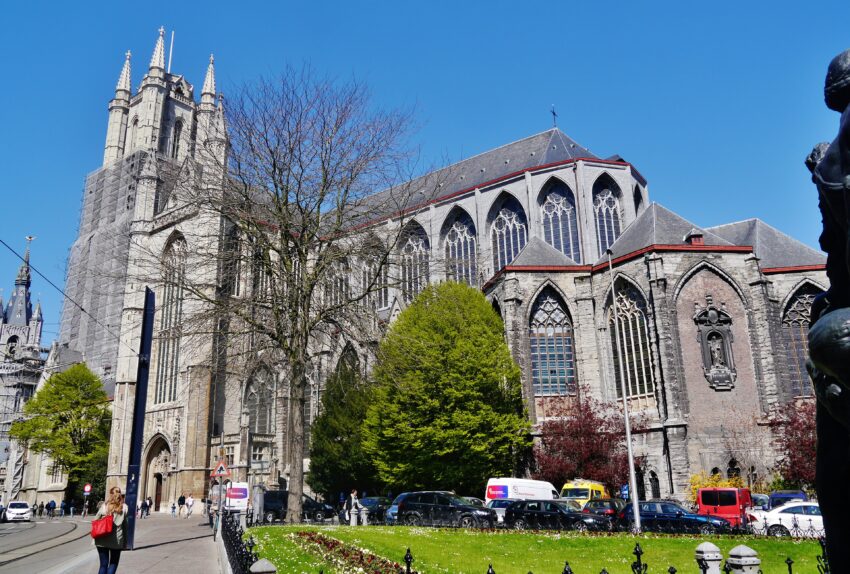
Sint-Baafskathedraal in Ghent is a Catholic cathedral and one of the city's major historic landmarks. Its scale is clear as soon as you reach the building: a long Gothic body, a tall tower, and a dense mix of medieval and later additions.
Inside, the main draw is the art as much as the architecture. The cathedral suits visitors who want to see the Ghent Altarpiece, the high choir, and a layered interior that reflects centuries of change rather than a single design period.
Table of Contents
- History and Significance of the Sint-Baafskathedraal
- Things to See and Do in the Sint-Baafskathedraal
- How to Get to the Sint-Baafskathedraal
- Is the Sint-Baafskathedraal Worth Visiting?
- Practical Tips on Visiting the Sint-Baafskathedraal
- Where to Stay Close to the Sint-Baafskathedraal
- FAQs for Visiting the Sint-Baafskathedraal
History and Significance of the Sint-Baafskathedraal
The site began with a chapel dedicated to Saint John the Baptist, and later a Romanesque church rose here in the 12th century. Over time, the building changed from a parish church into a cathedral, reflecting Ghent’s religious and civic importance.
Medieval Growth
From the 14th through the 16th centuries, the church was expanded with Gothic work that transformed its appearance. The tall choir, large windows, ambulatory, and chapels gave the interior a more vertical and ceremonial feel.
The tower was completed in the 16th century, and the church became a cathedral in 1569. A new nave followed soon after, leaving a structure that combines different phases of building in one visit.
Survival and Art
The cathedral’s collection became especially important after the iconoclast attacks of 1566, when many churches in the region lost artworks. Items hidden in advance survived here, which is part of why the interior still holds such a notable group of paintings and furnishings.
Among the best-known works is the Ghent Altarpiece by Jan and Hubert van Eyck. Other highlights include paintings by Rubens, Lucas de Heere, and Caspar de Crayer, along with decorative panels and altar pieces that make the cathedral feel more like a major art site than a plain parish church.
Things to See and Do in the Sint-Baafskathedraal
The main reason to come is the altar-piece and the rooms around it. I would spend time in the cathedral’s core spaces first: the choir, the side chapels, and the crypt area where the church’s treasures are displayed.
Look closely at the high altar and the rococo pulpit as well. The contrast between the marble altar, the carved woodwork, and the older stone architecture gives the interior more variety than a quick glance suggests.
If you have extra time, slow down around the choir stalls and the painted panels above them. The crypt adds another layer, with reliquaries, vessels, and liturgical objects that help explain how the building worked as both a worship space and a storehouse for sacred art.
How to Get to the Sint-Baafskathedraal
Ghent is typically reached via Brussels Airport, then continued by rail or road into the city centre. For the best deals and a seamless booking experience, check out these flights to Ghent on Booking.com.
Ghent’s main railway station offers frequent connections, and from there you can continue into the historic centre by tram, bus, taxi, or on foot. Train tickets and schedules can be found directly on the SNCB/NMBS website for Belgian services. For a more convenient experience, consider using Omio, where you can easily compare prices, schedules, and book tickets in one place.
Driving into central Ghent is possible, but parking is usually easier outside the busiest core, so most visitors will find public transport or a walk from a central car park simpler for this stop. If you are looking to rent a car in Belgium I recommend having a look at Discover Cars, first, as they compare prices and review multiple car rental agencies for you.
Is the Sint-Baafskathedraal Worth Visiting?
Sint-Baafskathedraal is worth a short stop if you care about church interiors, Flemish art, or the Ghent Altarpiece. It is best for visitors who want a focused cultural visit rather than a long sightseeing day, and less essential if you are not interested in religious art or historic interiors.
What Other Travellers Say...
Reviews consistently praise Saint Bavo's Cathedral for its impressive architecture, richly detailed interior art, and peaceful atmosphere, with many noting that general entry is free. The Ghent Altarpiece (Adoration of the Mystic Lamb) is highlighted as a major draw, though it requires a paid ticket. Visitors also appreciate the optional augmented/virtual reality tour for making the history engaging and interactive, especially for younger audiences. A minor downside mentioned is that the AR/VR tour can feel a bit long, and some experiences cost extra.





Practical Tips on Visiting the Sint-Baafskathedraal
- Entrance fee: Free; donations appreciated.
- Opening hours: Check official website.
- Best time to visit: Early morning or late afternoon tends to feel calmer, with better chances for an unhurried look at the interior. Midday can be busier with tour groups and day-trippers.
- How long to spend: Allow 45 to 90 minutes for a standard visit. If you plan to spend time with the altarpiece, crypt, and other artworks, budget longer.
- Accessibility: Older cathedral buildings can involve uneven surfaces, steps, and crowded spaces. Check access details in advance if mobility is a concern.
- Facilities: Basic visitor facilities are usually limited in historic churches, so it helps to plan ahead for toilets, snacks, and a break nearby.
Where to Stay Close to the Sint-Baafskathedraal
For a culture-focused stay, base yourself in Ghent’s historic centre so you can reach the cathedral, canals, and main squares on foot. That keeps the visit easy and avoids extra transit time.
If you want to stay close to the old town, a central property such as NH Gent Belfort works well for walkability, while Pillows Grand Boutique Hotel Reylof Ghent suits travelers who want a quieter, more polished base within reach of the sights. For a practical city break with straightforward access, Hotel Gravensteen is another sensible option near the historic core. Choose the one that best matches how much time you want to spend walking versus settling into the hotel.
FAQs for Visiting the Sint-Baafskathedraal
Getting There
Tickets & Entry
Visiting Experience
Photography
Accessibility & Facilities
Food & Breaks Nearby
Safety & Timing
The Sint-Baafskathedraal appears in our Complete Guide to Visiting Ghent!

Moira & Andy
Hey! We're Moira & Andy. From hiking the Camino to trips around Europe in Bert our campervan — we've been traveling together since retirement in 2020!
This website uses affiliate links which may earn a commission at no additional cost to you!
Planning Your Visit
Mon – Sat: 8:30 am – 5.30 pm
Sun: 1 pm – 5.30 pm
Adults: €16:00 for AR tour
Nearby Attractions
- Lakenhalle (0.1) km
Historic Building, Historic Site and Monument - Belfort (0.1) km
Historic Building, Monument and Tower - Stadhuis (0.1) km
Historic Building, Historic Room and Town Hall - Sint-Niklaaskerk (0.3) km
Church, Historic Building and Historic Site - Korenmarkt (0.3) km
Historic Site, Market and Square - St Michael's Bridge (0.4) km
Bridge, Historic Building and Viewing Point - Gaslei & Korenlei (0.4) km
Canal, Historic Building and Walk - Vrijdagmarkt (0.4) km
Market, Monument and Square - Dulle Griet (0.5) km
Historic Site, Monument and Square - Kraanlei and Patershol Quarter (0.5) km
Area, Historic Site and Walk