Segringer Tor, Dinkelsbühl
City Gate and Tower in Dinkelsbühl

Segringer Tor stands proudly on the southwestern side of Dinkelsbühl, marking one of the most atmospheric entrances to this beautifully preserved medieval town. Originally damaged during a siege by Swedish troops in 1649, the gate collapsed and was rebuilt in 1655 in the Baroque style. Its graceful curves and well-balanced proportions make it one of the top attractions in Dinkelsbühl for lovers of architectural contrast, especially when compared with the town's Gothic and medieval structures.
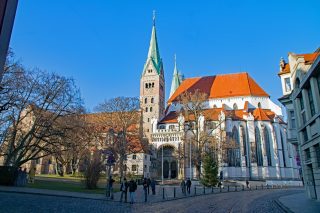
As you walk through the gate, you'll find a stairwell leading down into the former town moat, a reminder of how strongly fortified this area once was. Segringer Tor sits beside a stretch of the town wall reinforced by several towers, securing Dinkelsbühl's southwestern flank. From the broad Segringer Straße, a beautiful view opens up across the rooftops of the old town, crowned by the soaring Münster St. Georg. This sight, with its interplay of light and shifting colours, was one of the reasons painters began flocking to Dinkelsbühl after 1889, turning it into a popular summer haven for artists. This spot is often visited on walking tours of Dinkelsbühl, offering both history and timeless views.
History and Significance of Segringer Tor
Segringer Tor's history is tied closely to the military conflicts of the 17th century. In 1649, as Swedish troops besieged Dinkelsbühl during the final phase of the Thirty Years' War, the gate collapsed-a major blow to the town's defensive system. Instead of restoring it to its medieval form, the townspeople opted for a Baroque reconstruction, completed in 1655. This marked a stylistic shift that now forms an important visual chapter in Dinkelsbühl's architectural story.
The Baroque structure, with smoother lines and a more decorative façade, represented resilience and renewal after a period of hardship. The nearby town wall and fortified towers show how critical this area was in protecting the town’s southwestern side. These elements together illustrate the layered history of a town that has stood through centuries of change.
In the late 19th century, Dinkelsbühl became a magnet for artists. As early as 1889, painters were drawn to the town's well-preserved architecture and its soft, golden light. The view of Münster St. Georg rising above the rooftops, perfectly framed from Segringer Straße, became a favourite subject-cementing Segringer Tor not only as a historical landmark but also as a source of artistic inspiration.
Things to See and Do in Segringer Tor
Start by admiring the Baroque façade of the gate, whose gentle curves and proportions distinguish it from the more austere medieval gates elsewhere in the town. Its reconstruction in 1655 means the gate combines defensive history with later artistic influences, making it a compelling subject for photography and urban exploration.
Inside the gate passageway, look for the stairwell descending into the old town moat. This small but evocative detail connects visitors to the town’s centuries-old system of defences. The adjacent wall, once protected by multiple fortified towers, hints at the strategic importance of this side of the town.
The highlight for many visitors is the view from Segringer Straße, where the rooftops of Dinkelsbühl unfold in terracotta waves leading up to the majestic Münster St. Georg. It's a timeless vista, especially atmospheric during early morning or late afternoon light. Spend a few minutes soaking in the same scenery that captivated painters more than a century ago.
How to Get to Segringer Tor
The nearest major airports are Nuremberg Airport and Stuttgart Airport, both providing convenient access to the region. For the best deals and a seamless booking experience, check out these flights to Dinkelsbühl on Booking.com.
As Dinkelsbühl does not have its own railway station, visitors usually travel by train to Dombühl or Ansbach. These stations receive frequent services from Nuremberg, with buses connecting onward to Dinkelsbühl's old town. Train schedules and bookings can be found on Omio.
Travelling by car is straightforward, with scenic routes from Rothenburg ob der Tauber, Nuremberg, and other Romantic Road towns leading into Dinkelsbühl. Parking is available outside the old town walls, making it easy to walk to Segringer Tor. If you are looking to rent a car in Germany I recommend having a look at Discover Cars, first, as they compare prices and review multiple car rental agencies for you.
Practical Tips on Visiting Segringer Tor
- Best time to visit Segringer Tor: Late afternoon offers beautiful golden light on the rooftops and Münster St. Georg.
- Entrance fee in Euros: Free to visit.
- Opening hours: Accessible at all times; walkway to moat may have limited access.
- Official website: Check the Dinkelsbühl tourism page for details.
- How long to spend: Around 20-30 minutes, especially if enjoying the scenic viewpoint.
- Accessibility: Mostly flat access; steps descend into the moat area.
- Facilities: Cafés, bakeries, and shops are a short walk away.
- Photography tip: Capture the skyline of Dinkelsbühl from Segringer Straße for classic postcard views.
- Guided tours: Many town tours include Segringer Tor due to its historical and artistic significance.
- Nearby food options: Numerous traditional Bavarian restaurants lie within the old town.
Where to Stay close to Segringer Tor
Staying inside the old town places you within easy reach of Segringer Tor and other historic sites. For classic charm, Hotel Deutsches Haus provides an elegant stay in a landmark building. A stylish and atmospheric choice is Hezelhof Hotel, located just steps from the gate itself. For a cosy base near the town walls, travellers often choose Goldene Rose.
Is Segringer Tor Worth Visiting?
Yes, Segringer Tor is well worth a visit. Its Baroque architecture, fascinating defensive features, and beautiful views across Dinkelsbühl make it both historically significant and visually memorable. Whether you're exploring the town's fortifications, seeking great photography spots, or tracing the footsteps of past artists, this gate is a rewarding stop.
What Other Travellers Say...

Segringer Gate, at Segringer Str. 58 in Dinkelsbühl, is one of four towers that mark the entrance to the town's fully preserved medieval fortress wall; visitors praise the picturesque, well kept structures and charming main street, and note the wall's interrupted walkway where houses and apartments sit atop sections, making a complete stroll around the ramparts impossible.


FAQs for Visiting Segringer Tor
Nearby Attractions to Segringer Tor
- St. Georg Church: A stunning Gothic landmark with a 66-metre tower and remarkable interior.
- Nördlingen Gate: A northern town gate with tar holes, decorated gable, and adjacent cabbage beds.
- Rothenburg Gate: A fortified gateway featuring prison cells and robust defence architecture.
- Hospital of the Holy Spirit: A medieval alms-house with Gothic frescoes and a tranquil courtyard.
- Armoury of the Kinderzeche: A 16th-century grain store transformed into a museum celebrating Dinkelsbühl's traditional festival.
The Segringer Tor appears in our Complete Guide to Visiting Dinkelsbühl!

Moira & Andy
Hey! We're Moira & Andy. From hiking the Camino to trips around Europe in Bert our campervan — we've been traveling together since retirement in 2020!
This website uses affiliate links which may earn a commission at no additional cost to you!
Nearby Attractions
- Three Kings Chapel (0.0) km
Church - New Town Hall (0.2) km
Historic Building - Bäuerlin Tower (0.2) km
City Walls and Tower - Armoury of the Kinderzeche (0.4) km
Historic Building - Weinmarkt (0.4) km
Historic Building - St. Georg Church (0.4) km
Cathedral - Hospital of the Holy Spirit (0.4) km
Church and Historic Building - Faulturm (Debtors' Tower) (0.4) km
Tower - Rothenburg Gate (0.5) km
Historic Building and Tower - House of History (0.5) km
Historic Building and Museum