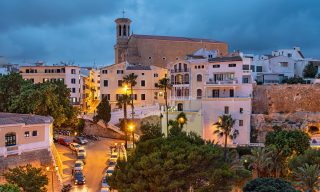
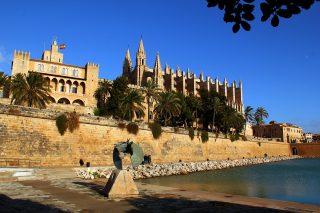
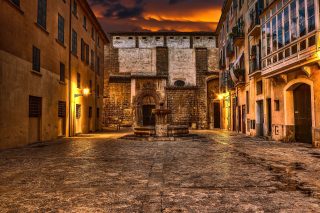
Santuari del Puig de Maria, Pollenca
Monastery in Pollenca
The Convent and Cloister of Sant Domingo is one of the top attractions in Pollensa for travellers who love a blend of history, architecture, and living culture. Built between 1588 and 1616, this former Dominican convent stands just a short stroll from the town’s central square, with its creamy stone façades and calm interior courtyard offering a cool retreat from the busy streets outside. The star of the complex is the Baroque cloister, whose four arched walkways frame a peaceful garden and create a setting that feels tailor-made for music and contemplation.
Today, Sant Domingo is far from a silent relic. Every summer, the cloister becomes the atmospheric stage for Pollenca's Classical Music Festival, with July and August evenings filled with orchestras, chamber groups, and soloists performing under the stars. The convent also hosts the Pollença Arts and Crafts Fair in November and the Wine Fair in late April or early May, turning its historic arcades into a lively showcase of local creativity and flavours that is a highlight of any walking tour of Pollensa.
Table of Contents
- History and Significance of the Convent and Cloister of Sant Domingo
- Things to See and Do in the Convent and Cloister of Sant Domingo
- How to Get to the Convent and Cloister of Sant Domingo
- Practical Tips on Visiting the Convent and Cloister of Sant Domingo
- Where to Stay close to the Convent and Cloister of Sant Domingo
- Is the Convent and Cloister of Sant Domingo Worth Visiting
- FAQs for Visiting Convent and Cloister of Sant Domingo
- Nearby Attractions to the Convent and Cloister of Sant Domingo
History and Significance of the Convent and Cloister of Sant Domingo
The Convent of Sant Domingo was founded at the end of the 16th century, when Dominican friars established a community on the edge of Pollensa's old town. Construction of the convent and church took place between 1588 and 1616, a period when religious orders played a vital role in education, preaching, and local charity. The complex was designed to provide both a contemplative environment for the friars and a public face towards the town, with the cloister at its heart acting as a physical and spiritual centre.
Architecturally, the cloister is a fine example of Baroque Mallorca. Its four sides are lined with elegant arches resting on sturdy columns, creating an enclosed courtyard that is both harmonious and practical. The regular rhythm of the arcades and the way light moves across the stone give the space a timeless quality, while the surrounding buildings remind visitors of the convent’s former daily routines of prayer, study, and work. This careful design has made the cloister one of the most admired historic spaces in Pollensa.
Over time, as religious life changed and the convent’s original monastic function declined, the complex was gradually repurposed. Rather than letting it fall into disuse, the town embraced Sant Domingo as a cultural hub, hosting concerts, fairs, and exhibitions that breathe new life into its historic walls. The creation of Pollenca’s Classical Music Festival in 1962 anchored this transformation, turning the cloister into an internationally recognised venue and ensuring the ongoing preservation of the convent as a living part of the town’s identity.
Things to See and Do in the Convent and Cloister of Sant Domingo
The main experience at Sant Domingo is simply spending time in the cloister itself. As you step into the courtyard, the noise of the town fades and you are surrounded by arcades on all four sides, their arches framing views of the sky and the central garden. Stroll slowly along each walkway, noticing the details of the stonework, the play of light and shadow, and how the cloister connects to the convent buildings around it. At quiet times of day, it is an ideal place to sit and soak up the atmosphere.
If you visit in July or August, try to time your stay with one of the Classical Music Festival concerts. Hearing live music in this setting is an unforgettable experience, with the cloister’s geometry and stone surfaces creating warm, resonant acoustics. Outside of summer, check whether your dates coincide with the Arts and Crafts Fair in November or the Wine Fair in late April or early May, when the cloister fills with stalls, local artisans, and winemakers, and the air buzzes with conversation and tasting glasses.
Inside the convent complex you will also find the Museum of Pollença, which adds another layer to the visit. Its displays include prehistoric bull-like sculptures that point to the island’s very ancient past, contemporary art, and pieces by Atilio Boveri, as well as a striking mandala (Tibetan sand painting) gifted by the Dalai Lama in 1990. Just outside, the Joan March gardens offer a pleasant green space for a short stroll, complete with a 17th-century tower that underlines the area’s long history of watchfulness and defence.
How to Get to the Convent and Cloister of Sant Domingo
Most visitors reach Pollensa via Palma de Mallorca, with Palma de Mallorca Airport serving numerous flights from across Europe and beyond. For the best deals and a seamless booking experience, check out these flights to Pollenca on Booking.com. From the airport, you can rent a car, take a taxi, or use a combination of bus services to travel to the north of the island.
There is no direct train on Mallorca itself, so if you are coming from mainland Spain by rail you will travel first to cities such as Barcelona or Valencia and then transfer to a ferry or flight to reach the island.Train schedules and bookings can be found on Omio. Once in Palma, public buses link the capital with Pollensa and Port de Pollença, making it possible to visit Sant Domingo without driving.
Travelling by car offers the most flexibility, especially if you plan to explore other parts of northern Mallorca as well.If you are looking to rent a car in Spain I recommend having a look at Discover Cars, first, as they compare prices and review multiple car rental agencies for you. From Palma, main roads and highways lead towards Alcúdia and Pollensa; once you arrive in Pollensa, you can park near the historic centre and reach the Convent and Cloister of Sant Domingo on foot in just a few minutes, following signs or a map through the old streets.
Practical Tips on Visiting the Convent and Cloister of Sant Domingo
- Suggested tips: Check the current programme of concerts, fairs, and exhibitions before you go so you can match your visit to an event that interests you.
- Best time to visit: Evenings in July and August are particularly special during the Classical Music Festival; spring and autumn offer pleasant temperatures for combining the cloister with walks around Pollensa.
- Entrance fee: Expect a modest fee or free entry for the museum and cloister.
- Opening hours: Opening times vary by season and event schedule.
- How long to spend: Allow 1 to 2 hours to explore the cloister, museum, and nearby Joan March gardens, longer if you attend a concert or fair.
- Accessibility: Access to the cloister is generally level, but some parts of the convent and museum may involve steps or uneven surfaces; check for current accessibility arrangements if needed.
- Facilities: Basic facilities such as toilets and ticketing are available on site or nearby; cafés, shops, and restaurants are within a short walk in the town centre.
- Photography tip: Visit during quieter times or just before golden hour to capture the cloister arches with soft light and long shadows across the courtyard.
- Guided tours: Look out for guided visits or festival-related talks that provide more context on the convent’s history, architecture, and role in Pollensa’s cultural life.
- Nearby food options: Use the convent as a starting or finishing point for a meal in Pollensa’s old town, where tapas bars and cafés cluster around the main square and side streets.
Where to Stay close to the Convent and Cloister of Sant Domingo
Staying in central Pollensa makes it easy to wander over to Sant Domingo for a daytime visit or an evening concert without worrying about driving or parking after dark. A characterful option close to the historic core is Jumele Boutique Hotel, which puts you within a short walk of the convent and the main square. For a townhouse-style stay that blends local charm with comfort, Son Sant Jordi offers rooms spread across traditional buildings near the heart of town. If you prefer to stay by the sea but still want straightforward access to Pollensa and Sant Domingo, Hotel Illa d Or in nearby Port de Pollença provides a classic waterfront base just a short drive away.
Is the Convent and Cloister of Sant Domingo Worth Visiting
The Convent and Cloister of Sant Domingo is very much worth visiting, whether you are drawn by historic architecture, intimate music venues, or lively local events. The Baroque cloister alone would justify a visit, but when you add the Classical Music Festival, arts and crafts fair, wine fair, and the small but intriguing Museum of Pollença, the complex becomes a rich cultural stop that deepens your experience of the town. For many travellers, it is one of those places that lingers in the memory long after the trip, thanks to its mix of serenity, stone, and sound.
What Other Travellers Say...

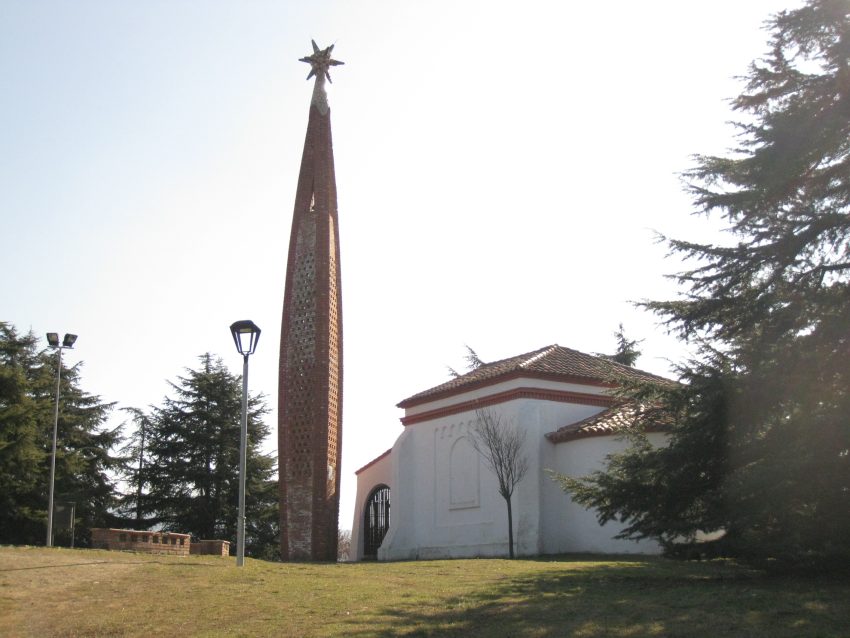
Santuari de la Mare de Déu del Puig in 07460 Pollença sits atop a wooded hill and is reached by a mix of tarmac, uneven cobbles and old stone steps that make the final stretch steep and challenging; visitors praise the rewarding panoramic views and bench seating at the summit, note the sanctuary building is largely derelict or often closed, and report basic facilities like toilets and a small coffee shop when open.


FAQs for Visiting Convent and Cloister of Sant Domingo
Nearby Attractions to the Convent and Cloister of Sant Domingo
- Pollensa old town: A charming network of stone streets, a lively main square, and historic houses that make a perfect backdrop for wandering before or after visiting the convent.
- Pont Roma: A remarkably preserved Roman bridge on the edge of Pollensa that offers a direct link to the island's ancient past.
- Calvari steps: A long stairway leading to a hilltop chapel with panoramic views over Pollensa and the surrounding countryside.
- Port de Pollença: A relaxed seaside resort with a long promenade, cafés, and beaches, just a short drive from the town.
- Roman city of Pol-lentia in Alcúdia: Archaeological remains of the Roman capital of Mallorca, adding another layer of history within easy reach of Pollensa.
The Santuari del Puig de Maria appears in our Complete Guide to Visiting Pollenca!

Moira & Andy
Hey! We're Moira & Andy. From hiking the Camino to trips around Europe in Bert our campervan — we've been traveling together since retirement in 2020!
This website uses affiliate links which may earn a commission at no additional cost to you!
Planning Your Visit
Opening times vary by season and event schedule.
Expect a modest fee or free entry for the museum and cloister.
Nearby Attractions
- Convent of Sant Domingo (0.9) km
Convent and Museum - Mare de Deu dels Angels Church (1.1) km
Church - Calvari Steps in Pollensa (1.2) km
Historic Site and Viewing Point - Pont Roma (1.6) km
Historic Site - Santuari de Lluc (12.9) km
Monastery - Cap de Formentor Lighthouse (19.2) km
Lighthouse - Royal Carthusian Monastery, Valldemossa (38.5) km
Monastery - Capdepera Lighthouse (42.5) km
Lighthouse - Cuevas del Hams (44.0) km
Cave - Palma Aquarium (45.1) km
Aquarium