Río Chillar, Málaga
Hike and Waterfalls near Málaga
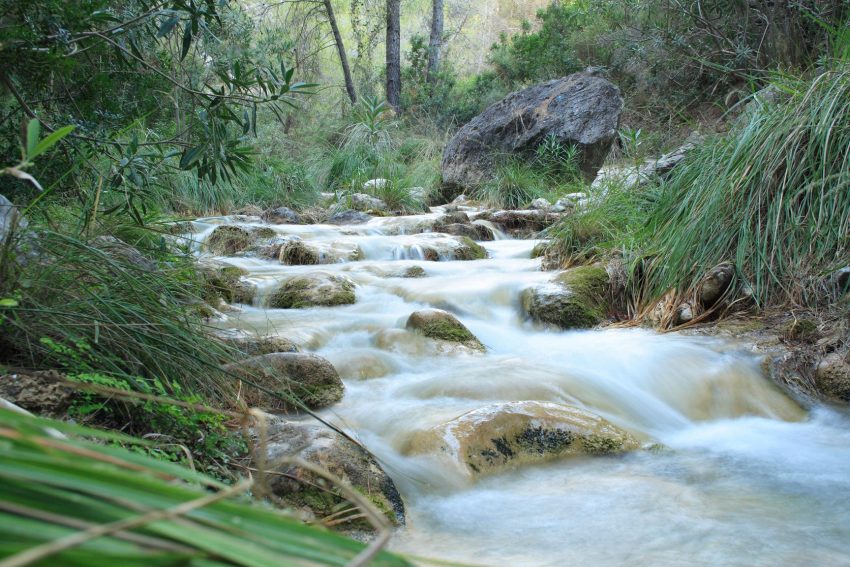
Just west of Nerja, the Chíllar River carves a scenic route from the mountains to the Mediterranean, creating one of the best places to visit in Nerja if you love nature, swimming and a bit of adventure. Instead of a typical hiking trail, you follow the river itself, walking right through its crystal-clear waters as it winds between narrow gorges, smooth rock walls and pebbly riverbeds. In summer, the combination of cool water, shady canyon sections and lush greenery makes this one of the most memorable days out on the Costa del Sol.
The classic Chíllar route is roughly 16km round trip, taking around 5-6 hours if you go all the way up to Vado de los Patos (Duck’s Ford) and beyond. Most of the time the river is ankle-deep, sometimes up to a foot, so your feet stay pleasantly cool as you wade upstream. At around 4km in, the river squeezes through dramatic crevasses just a metre wide and more than 20 metres deep, and further on, small waterfalls feed natural pools where you can swim and relax. It’s a fantastic mini-adventure, often visited on walking tours of Nerja and the surrounding hills, and ideal if you want a more active alternative to a day on the sand.
Table of Contents
- History and Significance of the Chíllar River
- Things to See and Do in the Chíllar River
- How to Get to the Chíllar River
- Practical Tips on Visiting the Chíllar River
- Where to Stay close to the Chíllar River
- Is the Chíllar River Worth Visiting?
- FAQs for Visiting Chíllar River
- Nearby Attractions to the Chíllar River
History and Significance of the Chíllar River
The Chíllar River rises in the Sierras de Almijara and flows down through a rugged valley before entering the Mediterranean just west of Nerja. Historically, it has been a lifeline for agriculture in the area, feeding irrigation channels that helped sustain terraced fields of olives, fruit trees and vegetables. At La Presa, higher up the valley, a reservoir and canals still help distribute water to nearby farms, a reminder that this is not just a playground for hikers but an essential natural resource for local communities.
Over time, as Nerja and neighbouring resorts grew in popularity, the Chíllar route evolved from a path used mainly by locals into a beloved outdoor escape for visitors as well. Word spread about its cool waters, narrow gorges and relatively easy gradient, and the river walk became a classic summer outing for families, friends and more serious hikers alike. Unlike some heavily commercialised attractions, the Chíllar River has kept a simple, natural feel: there are no built-up paths or big facilities once you’re in the gorge, just water, rock, shade and the sound of splashing feet.
Today, the river is valued not only for its recreational potential but also for its biodiversity and landscape. The steep-sided canyon sections create a microclimate where plants and wildlife thrive in the filtered light and constant moisture. At the same time, growing popularity has raised awareness of the need to respect and protect this fragile environment, with increasing emphasis on leaving no trace and treating the river valley with care.
Things to See and Do in the Chíllar River
Most people begin their Chíllar River adventure from the “los Almachares” asphalt road, where tracks lead down into the riverbed. From here, you simply follow the water upstream, wading along pebbly sections and stepping over small rocks and ledges. Early on, the river is wide and shallow, with open views and plenty of spots to pause, splash around or adjust your footwear. As you continue, the scenery becomes more dramatic, and the gorge walls close in around you.
At around 4km into the walk, you reach one of the most impressive sections: three narrow crevasses cut deep into the rock, just about a metre wide but more than 20 metres high. Walking through these “cahorros” is a magical experience, with light filtering down from above and cool water flowing around your ankles. Children and adults alike love this part, though it’s wise to take your time on the uneven stones. Beyond the crevasses, the gorge opens up again into a wider valley with more vegetation and small cascades.
The classic turning point for many walkers is Vado de los Patos, about 8km from the start. Here, a small waterfall feeds a clear pool deep enough for a proper swim, making it the perfect reward for the effort of walking upstream. This spot is one of the best places to see in Chíllar River country if you enjoy wild bathing and natural scenery. Above Vado de los Patos, the going gets tougher and fewer people continue; about 2km further on, you reach La Presa, where the reservoir and irrigation channels mark the transition from wild gorge to managed water system. Whether you turn back at the pool or push on, the return journey downstream offers a completely different perspective, with the mountains and coast framed in new ways.
How to Get to the Chíllar River
The Chíllar River flows into the Mediterranean just west of Nerja, on Spain's eastern Costa del Sol. The nearest major airport is Málaga-Costa del Sol Airport, from where you can reach Nerja by bus, hire car or shared transfer in around an hour, making it easy to combine a beach holiday with a river-walking adventure. For the best deals and a seamless booking experience, check out these flights to Málaga on Booking.com.
There is no direct train to Nerja itself, but you can take regional and long-distance trains to Málaga María Zambrano station and then continue by bus to Nerja from the city's main bus terminal, or arrange a transfer from Málaga to your accommodation before setting out towards the river on foot or by taxi. Train schedules and bookings can be found on Omio.
If you're driving, follow the A-7 motorway east from Málaga to the Nerja exit, then head inland following signs or local directions towards the “los Almachares” road, where many walkers begin their Chíllar route. Parking is usually along local streets or designated areas near the start, and from there it's a short walk to drop down into the riverbed and begin your upstream journey. If you are looking to rent a car in Spain I recommend having a look at Discover Cars, first, as they compare prices and review multiple car rental agencies for you.
Practical Tips on Visiting the Chíllar River
- Suggested tips: Wear sturdy water shoes or old trainers with good grip - you’ll be walking in water for hours and flip-flops are not suitable.
- Best time to visit: June, July and August are ideal, when the shade and cool river feel refreshing; always avoid days of heavy rain or after storms due to flash-flood risk.
- Entrance fee: Free
- Opening hours: There are no formal opening hours, but it’s best to start early in the morning to avoid the heat and allow plenty of time to walk back in daylight.
- How long to spend: Allow at least 5-6 hours if you plan to walk the full 16km round trip to Vado de los Patos and back, plus extra time for swimming stops.
- Accessibility: The walk involves uneven stones, constant wading, and some slippery areas; it’s not suitable for visitors with significant mobility issues or balance problems.
- Facilities: There are no toilets, bins or cafés along the river itself, so use facilities before you start and pack out all your rubbish.
- Photography tip: A waterproof case or dry bag for your phone or camera is essential; low angles at water level and shots looking up through the narrow crevasses can be especially striking.
- Guided tours: If you’re unsure about navigation, travelling with children, or visiting in peak season, consider joining a guided excursion from Nerja for extra support and local insight.
- Nearby food options: Stock up on snacks and water in Nerja before heading out and plan to enjoy a late lunch or dinner back in town once you’ve finished the hike.
Where to Stay close to the Chíllar River
Staying in Nerja is the easiest way to access the Chíllar River while enjoying beaches and restaurants at the end of your hiking day. Right above the sea, Hotel Balcón de Europa offers comfortable rooms and direct access to small coves, with taxis and local buses nearby to get you towards the river start. For a quieter, resort-style stay with gardens and lift access down to the sand, Parador de Nerja makes a great base for combining coastal relaxation with active outings inland. Travellers looking for good value and easy parking might choose Hotel Nerja Club & Spa, conveniently located for driving out towards the “los Almachares” area in the morning and returning to a pool and spa in the evening.
Is the Chíllar River Worth Visiting?
If you enjoy natural landscapes, don’t mind getting your feet wet, and like the idea of swapping a beach lounger for an active day outdoors, the Chíllar River is absolutely worth visiting. It offers a side of Nerja that many casual visitors never see: cool gorges, echoing rock walls, and hidden pools that feel a world away from the seafront. The fact that the route is largely uncommercialised adds to its appeal, giving the whole experience a slightly wild, exploratory feel.
It does demand a bit of effort - hours of walking in water, careful footing, and planning for sun, snacks and safety - but the payoff is huge. Wading through narrow canyon sections, emerging into sunlit pools, and finishing the day tired but happy back in town feels deeply satisfying. For many people who try it, the Chíllar River becomes one of the must-see places in Nerja and a standout memory of their time on the Costa del Sol.
What Other Travellers Say...

Los Cahorros del Rio Chillar, just outside Nerja in Málaga, is a scenic river hike that starts with 20–30 minutes along a dirt road before you reach the water and begin walking through gorges, clear streams, small natural pools and several waterfalls; routes vary from an easy/moderate out-and-back to longer, more technical days that can take 4–6 hours and include rocky descents and a 12ft drop near the upper falls. Bring plenty of drinking water, sun protection and sturdy trainers or water shoes (sandals are not recommended), look for the official trail sign and parking near the start, and expect little in the way of services or picnic facilities — the river provides shade, cool swimming spots and quieter stretches upstream for a more secluded experience.


FAQs for Visiting Chíllar River
Nearby Attractions to the Chíllar River
- Cueva de Nerja - Impressive limestone caves near Maro with vast chambers, stalactites and an important prehistoric heritage.
- Balcón de Europa - Nerja’s famous clifftop viewpoint with sweeping Mediterranean views and easy access to nearby coves.
- Playa de Burriana - A long sandy beach in Nerja, perfect for relaxing and refuelling with beachside paella after a day of hiking.
- Frigiliana - A picturesque whitewashed village in the hills above Nerja, known for its steep streets, viewpoints and Moorish heritage.
- Acueducto del Águila - A striking 19th-century aqueduct near Maro, with tiered arches spanning a green ravine, ideal as a quick photo stop.
The Río Chillar appears in our Complete Guide to Visiting Málaga!

Moira & Andy
Hey! We're Moira & Andy. From hiking the Camino to trips around Europe in Bert our campervan — we've been traveling together since retirement in 2020!
This website uses affiliate links which may earn a commission at no additional cost to you!
Planning Your Visit
There are no formal opening hours, but it’s best to start early in the morning to avoid the heat and allow plenty of time to walk back in daylight.
Free
Nearby Attractions
- Caves of Nerja (3.0) km
Cave - Federico García Lorca Granada-Jaén Airport (47.5) km
Airport - Castillo de Gibralfaro (47.7) km
Castle - Malagueta Bullring (47.8) km
Bullring - Museo del Patrimonio Municipal (48.0) km
Museum - Aqueduct of San Telmo (48.0) km
Aqueduct - Port of Málaga (48.1) km
Port - Alcazaba (48.2) km
Castle - Roman Theatre (48.3) km
Historic Site and Theatre - Museo Casa Natal (48.4) km
Historic Building and Museum