Porto Airport (OPO)
Airport near Porto
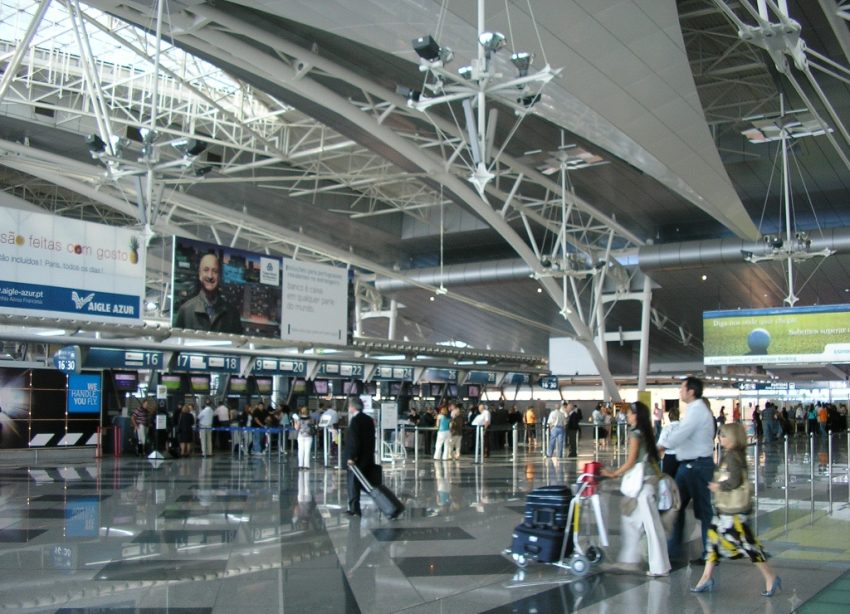
Porto Airport, officially known as Francisco Sá Carneiro Airport, is the primary gateway to northern Portugal. Located around 11 kilometres from Porto city centre, it is a modern and efficient airport used by travellers visiting Porto, the Douro wine region, Braga, Guimarães, and the northern coast. Whether you're arriving for the first time or departing after exploring Portugal's cultural heartlands, this guide covers everything you need to navigate Porto Airport smoothly.
Table of Contents
- Why This Airport Matters
- History and Significance
- Airport Layout and Quick Facts
- Where to Stay Close to Porto Airport
- Getting To and From Porto Airport
- Arriving at Porto Airport
- Money Exchange & Currency Tips for Portugal
- SIM Cards & Connectivity
- Departing from Porto Airport
- Airport Services and Facilities
- Lounges at Porto Airport
- Porto Airport Hotels
- Renting a Car at Porto Airport
- Flights and Airlines Operating at OPO
- Can You Sleep Overnight at Porto Airport?
- Practical Tips for Using Porto Airport
- Final Thoughts
Why This Airport Matters
Porto Airport is one of Portugal's busiest international hubs outside Lisbon, offering a calm and highly organised alternative to larger European airports. Travellers appreciate its compact layout, fast security lines, and easy access to Porto via the metro, making it especially convenient for weekend city-break visitors.
The airport also serves as the main arrival point for northern Portugal's UNESCO sites, including the Douro Valley, Bom Jesus do Monte, and the historic city of Guimarães. With a mix of full-service and low-cost airlines, it is ideal for budget travellers, business visitors, and those planning regional road trips.
History and Significance
Opened in 1945, Porto Airport began as a modest regional facility before expanding throughout the late 20th century. Major renovations in the early 2000s transformed the terminal into a modern international hub, complete with improved runways, new passenger areas, and upgraded transport links.
The airport was later renamed in honour of Francisco Sá Carneiro, a Portuguese prime minister born in Porto. Today, it is a major air gateway for northern Iberia and continues to grow thanks to increasing tourism and new European routes.
Airport Layout and Quick Facts
Porto Airport has a single modern terminal split across multiple levels. Departures are located on the upper level, while arrivals and baggage reclaim occupy the lower level. The layout prioritises short walking distances, making it simple for first-time visitors.
Arrivals typically move quickly, with passport control well staffed and baggage delivery efficient. Once in the arrivals hall, the metro, taxis, buses, and car rental counters are all easily accessible. Departures are equally straightforward, with clear signage leading passengers from check-in to security and the gate areas.
Where to Stay Close to Porto Airport
Porto Airport has several practical accommodation options within a short distance, ideal for early flights or late arrivals. The closest option is Park Hotel Porto Aeroporto, located just a few minutes’ walk from the terminal. Travellers seeking a more modern business-style stay often choose OPOHotel Porto Aeroporto, which offers spacious rooms and on-site dining.
Nearby Maia also offers comfortable mid-range options such as Hotel Aeroporto, popular with travellers seeking simplicity and value. For those who prefer to stay in Porto’s centre while keeping the airport accessible, areas around Trindade, Aliados, or Boavista provide easy metro connections back to OPO.
Getting To and From Porto Airport
By Metro
The Porto Metro offers the fastest and most convenient way to reach the city. Line E (Purple Line) runs directly between the airport and Trindade station in central Porto. Trains depart every 20-30 minutes, and the journey takes about 25-30 minutes. Tickets are affordable and purchased from machines inside the station.
By Bus
Several urban and regional buses connect Porto Airport with destinations across Porto and northern Portugal. STCP city buses travel to key areas such as Boavista, Cordoaria, and Aliados. Regional operators also provide links to cities like Braga and Guimarães. Buses stop directly outside arrivals and operate regularly throughout the day.
By Taxi
Taxis wait outside the terminal and offer a quick transfer to central Porto in around 20 minutes. Fares are regulated and typically range from €20 to €30 depending on traffic, luggage, and time of day. Taxis are a good option for travellers heading to accommodation in the historic centre or along the Douro River.
By Train
There is no train station at Porto Airport. Travellers connecting to national rail services can take the metro to Campanhã or São Bento stations, where trains run to Lisbon, Braga, Guimarães, the Douro Valley, Coimbra, and other destinations.
Train schedules and bookings can be found on Omio.By Car
Driving from the airport to Porto is straightforward via the VRI and A28 or A41. The airport offers short- and long-stay car parks located within walking distance or a short shuttle ride from the terminal. Car rental desks are found in the arrivals area and include both international and local companies.
If you are looking to rent a car in Portugal I recommend having a look at Discover Cars, first, as they compare prices and review multiple car rental agencies for you.By Transfers and Shuttles
Private transfers and hotel shuttles are available for travellers seeking door-to-door service. These are useful for early flights, families with children, or those staying outside Porto’s metro coverage.
Arriving at Porto Airport
Arrivals at OPO are generally smooth, with efficient passport control and well-organised baggage reclaim. The signage is clear, and multilingual information displays help travellers navigate without confusion.
Once you enter the arrivals hall, you’ll find ATMs, cafés, car rental counters, ticket machines for the metro, and public transport information points. Free Wi-Fi is available, and the metro station is directly outside the terminal.
Money Exchange & Currency Tips for Portugal
Portugal uses the euro, and travellers will find ATMs widely available throughout the country. At Porto Airport, several ATMs are located in the arrivals hall and offer better rates than exchange desks.
Dedicated currency exchange offices are available but often provide less favourable rates. Travellers should avoid dynamic currency conversion, which may appear on some card terminals and ATMs. Euros are accepted everywhere, and there is no need to withdraw large amounts immediately unless you prefer cash for small purchases.
Modern travel cards such as Wise or Revolut work well in Portugal and offer competitive exchange rates for card payments and ATM withdrawals.
SIM Cards & Connectivity
Portugal has three main mobile carriers: MEO, Vodafone, and NOS. SIM cards and tourist data packages are available from kiosks in the arrivals hall, offering affordable short-term plans suitable for navigation and streaming. Free Wi-Fi covers the terminal, and speeds are generally reliable.
Departing from Porto Airport
The departures level is spacious and easy to navigate. Check-in counters are grouped logically, and security is usually efficient, though queues may grow at peak times in summer or early morning. After security, travellers enter a modern departures lounge with shops, cafés, duty-free stores, and comfortable seating areas.
Boarding gates are arranged along wide corridors, and walking distances are short. Allowing two hours before a European flight is usually sufficient.
Airport Services and Facilities
Food and Drink
Shops
ATMs and Currency
Wi-Fi and Charging
SIM Cards
Family and Accessibility Facilities
Medical and Assistance Points
Lounges at Porto Airport
OPO offers a main lounge accessible to passengers travelling in business class or by paying a separate entry fee. Facilities typically include seating areas, snacks, drinks, and quiet workspaces.
Porto Airport Hotels
Close to the terminal, travellers will find properties such as Park Hotel Porto Aeroporto and OPOHotel Porto Aeroporto. These hotels provide quick access to the terminal, early breakfast options, and round-the-clock reception.
For travellers wishing to stay in Porto itself, accommodation near Trindade, Bolhão, or Boavista offers quick metro access back to the airport.
Renting a Car at Porto Airport
Car rental companies at OPO include major international brands and local operators. Pick-up desks are located in arrivals, with vehicles parked nearby for easy collection. Roads in northern Portugal are well maintained, and major routes allow quick travel to Braga, Guimarães, Viana do Castelo, or the Douro Valley.
Flights and Airlines Operating at OPO
Porto Airport handles domestic flights to Lisbon, Madeira, and the Azores, as well as a wide range of European services. Airlines include TAP Air Portugal, Ryanair, EasyJet, Iberia, Lufthansa, and other carriers offering seasonal routes.
For the best deals and a seamless booking experience, check out these flights to Porto on Booking.com.Can You Sleep Overnight at Porto Airport?
OPO remains open at night, and some travellers do sleep in the terminal before early flights. Seating is limited and most restaurants close late in the evening, so overnight stays are simple but not especially comfortable. The terminal is safe, well lit, and patrolled regularly, but travellers seeking more comfort usually choose an airport hotel within a few minutes’ walk.
Practical Tips for Using Porto Airport
- Arrive earlier during summer months
- Use the metro for the fastest link to the city
- Avoid currency exchange desks unless necessary
- ATMs provide euros at better rates
- Shops and cafés may close late at night
- Expect busier periods during festivals and holidays
Final Thoughts
Porto Airport is modern, efficient, and easy to use, offering a smooth start or end to any trip through northern Portugal. With simple transport links, reliable services, and a layout that suits all types of travellers, OPO is one of the most convenient airports for exploring the region.
What Other Travellers Say...

Francisco Sá Carneiro Airport in Pedras Rubras, Vila Nova da Telha is an airy, modern terminal handling international and domestic flights with convenient metro and bus connections to the city; visitors note an easy metro ride to the center (about 40 minutes) with an affordable ticket, and generally positive experiences with the facilities and services.


The Porto Airport (OPO) appears in our Complete Guide to Visiting Porto!

Moira & Andy
Hey! We're Moira & Andy. From hiking the Camino to trips around Europe in Bert our campervan — we've been traveling together since retirement in 2020!
This website uses affiliate links which may earn a commission at no additional cost to you!
Planning Your Visit
Nearby Attractions
- Forte de São Francisco Xavier (8.8) km
Castle - Casa da Música (10.7) km
Historic Building - Arrábida Bridge (11.6) km
Bridge - Museu do Carro Eléctrico (11.8) km
Museum - Jardins do Palácio de Cristal (11.9) km
Gardens and Historic Site - Soares dos Reis National Museum (12.1) km
Museum - Carmo Church and Carmelitas Church (12.4) km
Church - Livraria Lello & Irmão (12.5) km
Historic Building and Library - Capela das Almas (12.5) km
Church - Mercado do Bolhão (12.6) km
Market