Palacio de Los Superunda, Ávila
Palace in Ávila

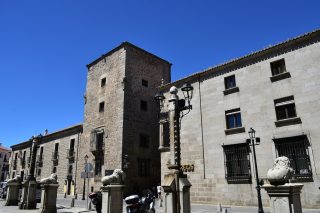
Palacio de los Superunda is one of Ávila's most elegant Renaissance buildings, set inside the walled old town where grand stone façades and quiet lanes sit side by side. From the outside, it's all about proportions and presence: a disciplined granite front with towers, balconies, and coats of arms that hint at the city's noble and civic past.
Inside, it rewards you with a calmer, more intimate feel than many of Ávila's bigger headline monuments-courtyard light, restrained decoration, and rooms that connect the palace's history with its later life as the home of painter Guido Caprotti. It's easy to work into a walking tour of Ávila, and it's one of the must-see places in Ávila if you like places that blend architecture and lived-in cultural history rather than just “look but don't touch” monumentality.
Table of Contents
- History and Significance of the Palacio de los Superunda
- Things to See and Do in the Palacio de los Superunda
- How to Get to the Palacio de los Superunda
- Practical Tips on Visiting the Palacio de los Superunda
- Where to Stay Close to the Palacio de los Superunda
- Is the Palacio de los Superunda Worth Visiting?
- For Different Travelers
- FAQs for Visiting Palacio de los Superunda
- Nearby Attractions to the Palacio de los Superunda
History and Significance of the Palacio de los Superunda
The palace is closely linked to Ávila’s late-16th-century prosperity, when local elites reshaped the city’s domestic architecture in a confident Renaissance style. It is commonly associated with the regidor Pedro Ochoa Aguirre, tied to the building works around the 1580 period, and it later took the name “Superunda” through inheritance connected to the Count of Superunda and Marquis of Bermudo.
In the 20th century the building gained a second identity through Guido Caprotti, the Italian painter who acquired and lived in the palace and became strongly associated with Ávila’s everyday scenes and atmosphere. That personal link matters today because it shaped the palace’s modern role as a cultural space rather than a purely historic shell.
Officially, the palace is protected as a Bien de Interés Cultural (BIC), reflecting its architectural and historical importance within the city’s heritage landscape. That designation helps explain why it remains preserved in its original overall structure and why restoration efforts focus on continuity rather than reinvention.
Things to See and Do in the Palacio de los Superunda
Start with the façade. The palace presents a clean Renaissance look in granite ashlar work, with tower-like ends and a carefully ordered arrangement of openings that reads as sober and prestigious rather than ornate. The upper balconies and coats of arms are the details that pull you closer and make the building feel like a statement of status set in stone.
Inside, the courtyard is the emotional centre of the visit: calm, architectural, and deliberately restrained. The space is often described as lintelled and austere, and it’s a great place to slow down and notice how Renaissance design uses proportion and rhythm to create “quiet luxury” without needing heavy decoration.
Do not miss the staircase and interior architectural transitions, which are where the palace feels most “lived in” rather than purely formal. If you enjoy small details, look for the interplay between functional historic spaces and the museum-style presentation connected to the Caprotti legacy-this is where the building’s two lives (palace and cultural house) meet most naturally.
How to Get to the Palacio de los Superunda
Most travellers fly into Madrid-Barajas (MAD) and continue to Ávila overland. For the best deals and a seamless booking experience, check out these flights to Ávila on Booking.com.
Ávila has rail connections from Madrid, and arriving by train is often the simplest way to reach the historic centre without worrying about parking. Train schedules and bookings can be found on Omio.
Intercity buses also run to Ávila, and from the bus drop-off area it's typically a short taxi hop or walk into the walled old town.
If you are driving, park on the edge of the historic centre and walk in, as the oldest streets are narrow and slower to navigate than they look on a map. If you are looking to rent a car in Spain I recommend having a look at Discover Cars, first, as they compare prices and review multiple car rental agencies for you.
Practical Tips on Visiting the Palacio de los Superunda
- Entrance fee: €5 general / €3 reduced. Free entry Tuesday 10:00–12:00.
- Opening hours: (Summer) 01 April–31 October: Tuesday–Sunday: 10:00–14:00 & 17:00–20:00. (Winter) 01 November–31 March: Tuesday–Sunday: 10:00–14:00 & 16:00–18:00. Closed on Mondays.
- Official website: https://www.avilaturismo.com/en/palace-of-los-superunda
- Best time to visit: Go early in the day for a quieter, more contemplative visit, or mid-afternoon if you want softer light in the courtyard.
- How long to spend: Allow 45-75 minutes for a comfortable pace that includes the courtyard, key rooms, and time to actually absorb the atmosphere.
- Accessibility: Expect historic thresholds and some uneven surfaces; if stairs are a concern, plan around what you can comfortably do and focus on the most accessible highlights.
- Facilities: Treat it as a focused cultural stop rather than a full-service complex; plan cafés and longer breaks around the cathedral area and main plazas.
Where to Stay Close to the Palacio de los Superunda
For a culture-heavy itinerary, base yourself inside Ávila’s walled old town near the cathedral and main monuments; for easier logistics and transport links, the station side of town can be more practical.
For a highly central stay that keeps most sights within an easy stroll, Hotel Palacio Valderrábanos is hard to beat for location and old-town convenience. If you prefer classic grandeur right by the cathedral, Hotel Palacio de los Velada is another strong base for evenings on foot. For a more “historic Ávila” feel in a landmark setting, Parador de Ávila works beautifully for atmosphere and easy access to the walled quarter.
Is the Palacio de los Superunda Worth Visiting?
Yes, especially if you enjoy heritage sites that feel like real buildings rather than empty monuments. The palace combines a clear Renaissance identity with a quieter, more intimate visiting experience than many headline landmarks, making it an ideal “slow down and look properly” stop.
It is also a strong choice if you want something beyond walls and churches: the Caprotti link adds a human, artistic layer that changes how you read the city, from fortress silhouette to daily life and local character.
What Other Travellers Say...

Palace of Superunda, at Pl. Corral de las Campanas 3 in Ávila, is a small art museum housed in a restored building that showcases primarily paintings by Guido Caprotti/Guido Castillo (reviewers use both names); visitors praise the friendly reception staff, inexpensive entry (around €2.50–€3) and free or QR-code audio tours that let you see the whole place in about 1–1.5 hours, while others warn of dark rooms, broken lights, closed-off areas and narrow unlit stairs that have made viewing difficult and potentially unsafe.


For Different Travelers
Families with Kids
This palace can work well for families if you treat it as a short, story-driven visit rather than a long, detail-heavy one. Focus on the towers, the courtyard, and a simple “palace life” narrative, then keep moving before attention fades.
If you are visiting with younger kids, build in a reward stop afterward in a nearby plaza so the visit feels like part of a relaxed loop rather than a formal museum march. Older kids usually enjoy spotting coats of arms and imagining who lived behind the balconies.
Couples & Romantic Getaways
The palace is a great choice for couples because it offers a quieter, more atmospheric interior experience than the main public squares. Courtyard spaces and soft stone interiors create a natural “slow travel” mood, especially if you visit at a calm time of day.
Pair it with a gentle old-town route: palace first, then a walk toward the cathedral area for tapas or a long café stop. It is the kind of place that lends itself to lingering conversations rather than rushing for the next photo.
Budget Travelers
This is a worthwhile paid stop if you want one focused cultural interior in a day otherwise built around free wall views and street-level wandering. The experience is contained and efficient, so you do not need to spend hours to feel you got value.
If you are keeping costs down, make this your chosen ticketed visit and balance it with free highlights before and after-courtyards, plazas, and wall viewpoints give you a full day without stacking multiple entry fees.
History Buffs
For history-focused travellers, the palace is rewarding because it sits at the intersection of civic power, noble identity, and architectural taste in late-16th-century Ávila. The façade, shields, and internal organisation give you a readable lesson in how status was expressed through proportion and restraint rather than flamboyance.
It is also compelling as a “layered” building: the Renaissance framework remains central, but the Caprotti chapter adds modern cultural history that helps you see how historic homes can evolve into civic cultural assets without losing their core character.
FAQs for Visiting Palacio de los Superunda
Getting There
Tickets & Entry
Visiting Experience
Tours, Context & Itineraries
Photography
Accessibility & Facilities
Food & Breaks Nearby
Safety & Timing
Nearby Attractions to the Palacio de los Superunda
- Ávila Cathedral: A fortress-like Gothic cathedral that anchors the historic centre and makes a natural pairing with a palace visit.
- Plaza del Mercado Chico: The old town's main square, ideal for a café break and an easy navigation hub between sights.
- Ávila City Walls: A short stroll away, perfect for adding sweeping views after a more intimate interior visit.
- Convento de Santa Teresa: A major heritage stop tied to Ávila's most famous figure, easy to combine on the same walking loop.
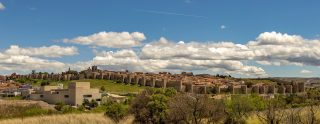
- Mirador de los Cuatro Postes: The classic panoramic viewpoint for seeing the entire walled skyline from across the river.
The Palacio de Los Superunda appears in our Complete Guide to Visiting Ávila!

Moira & Andy
Hey! We're Moira & Andy. From hiking the Camino to trips around Europe in Bert our campervan — we've been traveling together since retirement in 2020!
This website uses affiliate links which may earn a commission at no additional cost to you!
Planning Your Visit
(Summer) 01 April-31 October: Tuesday-Sunday: 10:00-14:00 & 17:00-20:00.
(Winter) 01 November-31 March: Tuesday-Sunday: 10:00-14:00 & 16:00-18:00.
Closed on Mondays.
€5 general / €3 reduced. Free entry Tuesday 10:00-12:00.
Nearby Attractions
- Torreón de los Guzmanes (0.0) km
Palace - Palacio de Los Almarza (0.0) km
Palace - Palacio de los Dávila (0.1) km
Palace - El Convento de Santa Teresa (0.1) km
Convent - Iglesia de San Juan Bautista (0.1) km
Church - Puerta de Santa Teresa (0.1) km
City Gate - Palacio de Núñez Vela (0.1) km
Palace - Palace of Polentinos (Ávila) (0.2) km
Historic Building and Palace - Plaza Mercado Chico (0.2) km
Square - Los Velada Palace (0.3) km
Hotel and Palace