Museo Universidad de Navarra, Pamplona
Museum in Pamplona
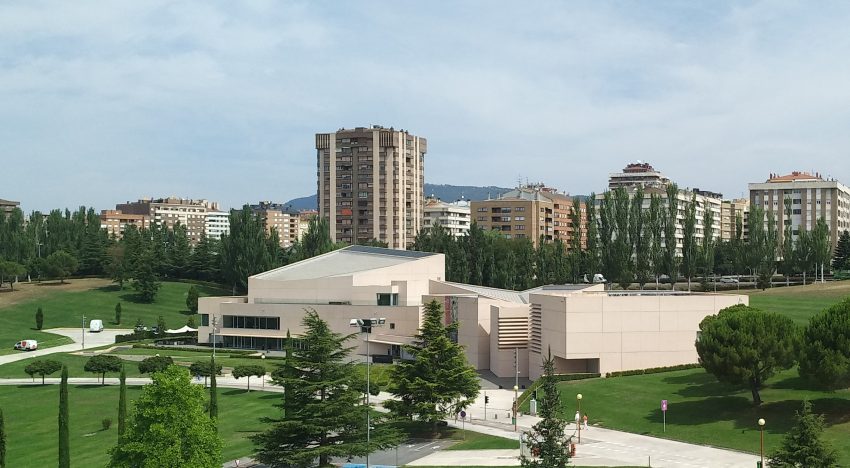
On the leafy campus of the University of Navarra, the Museo Universidad de Navarra brings major contemporary art into a calm, academic setting. Inaugurated on 22 January 2015 by King Felipe VI and Queen Letizia, the museum has already drawn comparisons to the Guggenheim in Bilbao, thanks to its striking architecture and ambitious programme. Much of its strength comes from the generosity of María Josefa Huarte, daughter of a Spanish impresario, who in 2008 donated an exceptional collection that includes paintings by Picasso and Kandinsky, which instantly made the museum one of the must-see places in Pamplona for lovers of modern art.
The university itself contributed an extraordinary trove of historical photographic material from its archives, chronicling artists and artistic life from the 19th century onwards. Combined with curated exhibitions, performance spaces and a strong educational mission, the museum feels like a living laboratory where art, research and public enjoyment come together. Designed by Navarrese architect Rafael Moneo, the building responds beautifully to the surrounding greenery of the campus and is a great place to visit on a walking tour of Pamplona that ventures beyond the old town walls into the city's newer cultural zones.
Table of Contents
- History and Significance of the Museo Universidad de Navarra
- Things to See and Do in the Museo Universidad de Navarra
- How to Get to the Museo Universidad de Navarra
- Practical Tips on Visiting the Museo Universidad de Navarra
- Where to Stay close to the Museo Universidad de Navarra
- Is the Museo Universidad de Navarra Worth Visiting?
- FAQs for Visiting Museo Universidad de Navarra
- Nearby Attractions to the Museo Universidad de Navarra
History and Significance of the Museo Universidad de Navarra
The origins of the Museo Universidad de Navarra lie in a single, transformative donation. In 2008, María Josefa Huarte gifted her private collection to the University of Navarra, bringing with it works by some of the great pioneers of modern art, including Picasso and Kandinsky. This instantly provided the nucleus for a serious contemporary art museum in Pamplona and set the tone for a collection focused on quality rather than sheer size.
At the same time, the university decided to draw on its own strengths by contributing rare photographic material from its archives. These images, documenting artists and their contexts from the 19th century onwards, expand the museum’s scope beyond painting and sculpture to include photography as both art and historical record. Together, the Huarte donation and the university’s archives created a rich foundation that would allow the museum to explore dialogues between different media and periods.
Architecturally, the museum is a landmark in its own right. The University of Navarra commissioned Rafael Moneo, one of Spain's most respected contemporary architects and a native of Navarre, to design the building on the Pamplona campus. His design integrates exhibition spaces, an auditorium and educational areas into a structure that feels both monumental and welcoming. Since its inauguration in January 2015, the Museo Universidad de Navarra has become a key cultural reference point for the region, bridging the worlds of academia, contemporary creation and the wider public.
Things to See and Do in the Museo Universidad de Navarra
A visit to the Museo Universidad de Navarra usually begins with the permanent collection built around María Josefa Huarte's donation. Here you can see works by Picasso, Kandinsky and other key modern artists, displayed in spacious galleries that allow you to focus on individual pieces as well as on the connections between them. The emphasis is on carefully chosen works that illustrate turning points in art rather than on overwhelming the visitor with volume.
Beyond the paintings, the museum’s photographic holdings add a distinctive layer. The images contributed by the University of Navarra document artists and cultural life from the 19th century onwards, giving context to the more abstract questions raised by the artworks themselves. Temporary exhibitions rotate regularly, often exploring contemporary themes, new media or specific artists in depth, so even if you have visited before there is a good chance you will find something new on each trip.
The building also functions as a performance and learning space. An auditorium and multipurpose rooms host concerts, lectures, film screenings and university-linked events, while workshops and educational programmes bring students and visitors into closer contact with the art. Allow time simply to enjoy the architecture and campus setting: walking around the building, stepping out onto terraces or looking back at its lines from surrounding paths helps you appreciate why it is often compared to other major contemporary museums.
How to Get to the Museo Universidad de Navarra
Most visitors reach Pamplona via Pamplona Airport or larger regional airports such as Bilbao or San Sebastián, with onward connections by bus, taxi or hire car into the city. For the best deals and a seamless booking experience, check out these flights to Pamplona on Booking.com. From central Pamplona, local buses and taxis provide straightforward access to the University of Navarra campus where the museum is located.
If you are travelling by train, Pamplona's main station links the city with Madrid, Barcelona and other Spanish hubs.Train schedules and bookings can be found on Omio. From the station, you can take a city bus or taxi directly to the university area, then walk across campus following signs to the Museo Universidad de Navarra.
Arriving by car, Pamplona is well connected by main roads from elsewhere in northern Spain.If you are looking to rent a car in Spain I recommend having a look at Discover Cars, first, as they compare prices and review multiple car rental agencies for you. Once in the city, follow signs to the University of Navarra campus, where you will find parking areas nearby; from there it is a short, pleasant walk through landscaped grounds to the museum entrance.
Practical Tips on Visiting the Museo Universidad de Navarra
- Suggested tips: Combine your museum visit with a short walk around the university campus to appreciate both the building and its landscaped setting.
- Best time to visit: Late morning or mid-afternoon are ideal; on weekdays you may share the campus with students, which adds a lively but not overwhelming atmosphere.
- Entrance fee: Free
- Opening hours: Tuesday to Saturday, 11:00 AM to 2:00 PM and 4:00 PM to 7:30 PM. Sundays and public holidays, 11:00 AM to 2:00 PM. Closed Mondays. In summer, Tuesday to Sunday, 11:00 AM to 2:00 PM.
- Official website: https://museo.unav.edu/
- How long to spend: Plan 1.5-2 hours to explore the permanent collection, any temporary exhibitions and the building itself without rushing.
- Accessibility: The modern design includes lifts, ramps and wide circulation spaces, making the museum generally accessible for visitors with reduced mobility.
- Facilities: Expect a ticket desk, cloakroom, toilets, bookshop or gift shop and possibly a café area; additional food options are available elsewhere on campus and in the city.
- Photography tip: If photography is allowed, focus on the interplay between artworks and architecture-framing paintings against clean lines, natural light and long corridors.
- Guided tours: Look out for guided visits and educational activities linked to the university; these often provide deeper insight into the collection and current exhibitions.
- Nearby food options: Consider eating in campus cafés or heading back into central Pamplona for pintxos, cafés and restaurants once your visit is over.
Where to Stay close to the Museo Universidad de Navarra
While there is limited accommodation directly on the university campus, staying in central Pamplona keeps you within easy reach of both the museum and the historic old town. A comfortable, well-situated option is Hotel Tres Reyes Pamplona, which lies between green spaces and the city centre, making it simple to reach the campus by bus or taxi. For a more historic atmosphere closer to the cathedral and old quarter, Pamplona Catedral Hotel offers a characterful base with straightforward access to the museum and other cultural sites. If you prefer to stay right on the main square and commute out to the campus, Gran Hotel La Perla provides classic comfort in the heart of the city with good transport links to the university.
Is the Museo Universidad de Navarra Worth Visiting?
The Museo Universidad de Navarra is definitely worth visiting if you are interested in contemporary art, architecture or university-linked cultural spaces. The combination of a thoughtfully built collection centred on the Huarte donation, rare photographic archives and a striking Rafael Moneo building makes it much more than a small campus gallery. It offers a quieter, more reflective experience than some larger city museums, yet still delivers major names like Picasso and Kandinsky, making it a rewarding addition to any Pamplona itinerary.
What Other Travellers Say...

University Museum of Navarra sits on the northern edge of the university campus in Pamplona and focuses on contemporary art and photography while hosting dance, music and theatre productions; visitors praise its spacious, well‑designed modern galleries, a strong permanent collection that includes internationally known and local artists, quiet atmosphere, a terrace and a restaurant, plus an integrated university theatre, cafe and shop, noting seasonal exhibitions may vary and that it can be a good stop when walking to nearby Yamaguchi Park.


FAQs for Visiting Museo Universidad de Navarra
Nearby Attractions to the Museo Universidad de Navarra
- La Taconera Park: Pamplona's historic central park with gardens, sculptures and a small animal enclosure, ideal for a relaxing walk.
- Ciudadela de Pamplona: A 16th century star-shaped fortress turned public park, offering wide lawns and historic ramparts.
- Museum of Navarra: The regional museum in a former pilgrims' hospital, with collections from prehistory to Goya and 20th century works.
- Pamplona Cathedral: A Gothic cathedral with a Neoclassical façade, royal tombs and cloister in the nearby old town.
- Plaza del Castillo: The city's main square and social hub, lined with cafés and arcades, perfect for a drink or meal before or after your museum visit.
The Museo Universidad de Navarra appears in our Complete Guide to Visiting Pamplona!

Moira & Andy
Hey! We're Moira & Andy. From hiking the Camino to trips around Europe in Bert our campervan — we've been traveling together since retirement in 2020!
This website uses affiliate links which may earn a commission at no additional cost to you!
Planning Your Visit
Tuesday to Saturday, 11:00 AM to 2:00 PM and 4:00 PM to 7:30 PM.
Sundays and public holidays, 11:00 AM to 2:00 PM.
Closed Mondays. In summer, Tuesday to Sunday, 11:00 AM to 2:00 PM.
Free
Nearby Attractions
- Museum of Navarre (0) km
Museum - Royal and General Archive of Navarra (0.1) km
Archive and Palace - Iglesia de San Saturnino (San Cernin) (0.2) km
Church - San Fermín de Aldapa (0.2) km
Church - Ayuntamiento de Pamplona (0.2) km
Town Hall - Albergue de Jesús y María (0.3) km
Church and Hostel - Catedral de Pamplona (0.4) km
Cathedral - Portal de Francia (0.4) km
City Gate - Parroquia San Lorenzo (0.4) km
Church - Calle Estafeta (0.4) km
Street