Museo Diocesano San Matteo di Salerno
Museum in Salerno
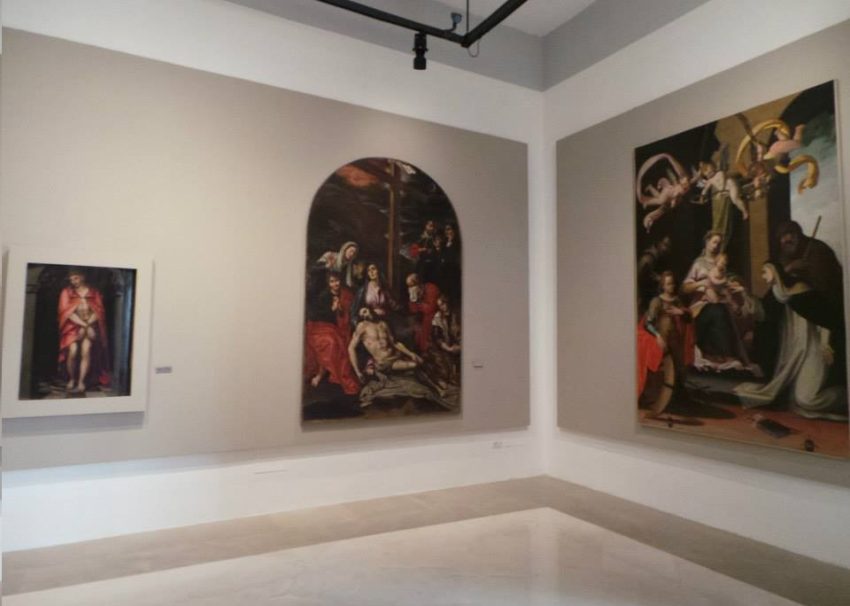
A few steps from Salerno's cathedral, Museo Diocesano San Matteo is the kind of museum that quietly surprises you. From the outside, it feels like another elegant historic building in the Centro Storico; inside, it opens into a rich, carefully curated world of regional art and devotion, spanning the Middle Ages through to the 18th century. If you're interested in how southern Italy's faith, politics, and artistry shaped each other over time, this is one of the top attractions in Salerno because it turns that story into tangible objects you can stand in front of.
The museum is especially satisfying because it pairs perfectly with the rhythm of the old town: a morning of lanes and churches, a cool museum interlude, then back out to the seafront light. It also slots naturally into a walking tour of Salerno, since you're already in the cathedral quarter and close to the city's most atmospheric streets.
Table of Contents
- History and Significance of the Museo Diocesano San Matteo
- Things to See and Do in the Museo Diocesano San Matteo
- How to Get to the Museo Diocesano San Matteo
- Practical Tips on Visiting the Museo Diocesano San Matteo
- Where to Stay Close to the Museo Diocesano San Matteo
- Is the Museo Diocesano San Matteo Worth Visiting?
- For Different Travelers
- FAQs for Visiting Museo Diocesano San Matteo
- Nearby Attractions to the Museo Diocesano San Matteo
History and Significance of the Museo Diocesano San Matteo
The museum exists to safeguard and interpret the artistic heritage of the Diocese of Salerno, and its collection reflects how the city sat at a crossroads of cultures across centuries. Rather than focusing on a single “school” of art, it reads like a regional biography: medieval craftsmanship, later devotional works, and pieces that show how Naples and the wider south influenced Salerno's tastes.
Its global significance rests on one extraordinary nucleus: the medieval ivory cycle. These carved tablets-remarkable for both scale and narrative ambition-are widely regarded as the most extensive and cohesive collection of Christian medieval ivory panels anywhere, making the museum far more than a local stop for anyone interested in medieval art.
Beyond the headline ivories, the museum’s manuscripts and liturgical objects add depth to the experience. They remind you that these works were not created as decoration alone; they were tools of worship, teaching, and ceremony, designed to be seen, handled, and used within a living religious community.
Things to See and Do in the Museo Diocesano San Matteo
Begin with the ivory cycle and give it time. The collection includes 69 pieces, with 37 intricately illustrated panels showing scenes from both the Old and New Testaments, and the storytelling is what makes it so compelling: small, precise figures and packed compositions that reward slow looking. Even if you don’t recognise every scene, you can feel the intention-this was visual theology built for impact.
Next, seek out the Exultet: a 13th-century liturgical parchment scroll made for Holy Saturday. It’s one of those objects that instantly connects you to a specific moment in time, because you can imagine it being unrolled and read as part of a candlelit ritual, with its miniatures designed to amplify the drama of the service.
If you enjoy manuscripts, don’t rush past the medieval codices. The Pontifical stands out as a layered work created over time, with shifts in style and technique that feel almost like turning pages through changing artistic fashions. Finally, look for the Barliario Cross from the 12th century, which anchors the visit in the emotional power of medieval devotion as much as its craftsmanship.
How to Get to the Museo Diocesano San Matteo
Most international visitors fly into Naples International Airport (NAP) and then continue to Salerno by train, bus, or private transfer. For the best deals and a seamless booking experience, check out these flights to Salerno on Booking.com. Salerno Costa d’Amalfi Airport (QSR) can be closer when routes and schedules align, although services are typically more limited. For the best deals and a seamless booking experience, check out these flights to Salerno on Booking.com.
High-speed and regional trains arrive at Salerno’s main station, and from there the museum is an easy walk into the Centro Storico or a short taxi ride to the cathedral area.Use Omnio to easily compare schedules, book train tickets, and find the best prices all in one place for a hassle-free journey across Italy. Local buses also connect the station zone with the central streets, but the final approach is best done on foot through the old town lanes.
If you are arriving by car, park at the edge of the historic center and walk the last few minutes to Largo Plebiscito, since the cathedral quarter is better explored on foot.If you are looking to rent a car in Italy I recommend having a look at Discover Cars, first, as they compare prices and review multiple car rental agencies for you.
Practical Tips on Visiting the Museo Diocesano San Matteo
- Entrance fee: €10 For Cathedram, Museum and San Giorgio, €7 for two, €5 for museaum only
- Opening hours: Daily 09:30–18:30
- Official website:
- Best time to visit: Late morning is ideal after you’ve explored the cathedral area, when you’ll appreciate the quiet, cool interior and can take your time with the ivories.
- How long to spend: Plan 60-90 minutes for a satisfying visit that includes the ivory cycle, manuscripts, and key devotional works without rushing.
- Accessibility: Expect historic architecture with potential steps and uneven surfaces; if mobility is a concern, aim for the main galleries first and keep the route simple.
- Facilities: Treat it as a focused museum visit, then plan your café stop nearby in the Centro Storico where you’ll have the best choice for a break.
Where to Stay Close to the Museo Diocesano San Matteo
For a culture-heavy itinerary, base yourself in Salerno's Centro Storico so the cathedral quarter and evening dining are on your doorstep; if your trip prioritizes transport links for day trips, stay near Piazza Vittorio Veneto by the station for the smoothest arrivals and departures.
If you want to stay wrapped in the old town atmosphere, B&B Palazzo Fruscione places you in the historic lanes within easy walking distance of the museum. For a central, practical base on Salerno’s main pedestrian street, Hotel Montestella works well for combining sightseeing with easy city logistics. If you prefer sea air and evening promenade energy, Grand Hotel Salerno gives you waterfront access with the historic center still comfortably reachable.
Is the Museo Diocesano San Matteo Worth Visiting?
Yes, especially if you want one museum in Salerno that genuinely feels “unmissable” rather than optional. The ivory cycle alone is reason enough: it's the kind of collection you simply don't stumble upon in most cities, and it offers a rare chance to see medieval storytelling at an intimate scale.
It’s also a smart choice if you want depth without overwhelm. In an hour or so, you can come away with a clear sense of Salerno’s artistic and devotional identity, then step back out into the cathedral quarter with a richer understanding of what you’re seeing.
What Other Travellers Say...

Diocesan Museum of San Matteo, at Largo Plebiscito 12 in Salerno, is a compact church museum whose highlights visitors flag are medieval ivories (the Salerno ivories), parchments and a historic painted cross, alongside mostly Baroque paintings and former cathedral interior pieces; artifacts are generally labeled and many have QR codes for further info, though some visitors find the explanatory material sparse and seating lacking, and note the space can be chilly in winter; admission also includes entry to the nearby San Matteo Cathedral and San Giorgio Church.


For Different Travelers
Families with Kids
This museum works best for families if you make it a focused “highlight hunt” rather than trying to absorb everything. Pick two anchors-usually the ivories and one dramatic object like the Exultet-and keep the pace light, with a clear plan to head back outside to the lanes and gelato stops afterward.
If your kids like stories, the carved panels are your friend. They’re visual, detailed, and naturally invite questions, so you can turn the visit into a simple game of spotting repeated characters and scenes.
Couples & Romantic Getaways
For couples, this is an ideal quiet hour in the middle of a busy day: cool rooms, beautiful objects, and a sense of stepping into the city’s deeper layers together. Pair it with a slow walk through the cathedral area afterwards, then drift toward the waterfront for an easy transition into an evening aperitivo.
It’s also a strong rainy-day choice. When weather makes the seafront less appealing, the museum gives your day structure without feeling like a compromise.
Budget Travelers
This is a good-value cultural stop because it delivers a truly distinctive collection in a manageable visit. If you’re controlling costs, combine it with free highlights nearby-cathedral exteriors, lane wandering, waterfront strolling-so your paid experiences feel intentional rather than scattered.
You can also treat it as your “one museum” in Salerno. It's focused enough to avoid museum fatigue, but strong enough to feel like you chose well.
History Buffs
History-focused travelers should come here to connect the dots between Lombard, Norman, and later southern Italian cultural life through objects rather than architecture alone. The ivories, manuscripts, and liturgical works are a direct window into how stories were taught, how rituals were staged, and how artistic influences travelled across regions.
Go slowly through the manuscript section if you enjoy material culture. The changes in style and technique across time can be as revealing as the images themselves.
FAQs for Visiting Museo Diocesano San Matteo
Getting There
Tickets & Entry
Visiting Experience
Tours, Context & Itineraries
Photography
Accessibility & Facilities
Nearby Attractions to the Museo Diocesano San Matteo
- Salerno Cathedral (Duomo di Salerno): The city's defining religious landmark, ideal to pair with the museum for a complete cathedral-quarter visit.
- San Pietro a Corte: A rare Lombard-era palace complex that adds political history to your day of religious and artistic sites.
- Via dei Mercanti: Salerno’s classic old-town street for wandering, shopping, and soaking up everyday historic-center life.
- Villa Comunale di Salerno: A relaxing seafront garden break that's perfect after a museum visit in the stone lanes.
- Lungomare Trieste: The waterfront promenade for an easy, scenic walk that balances the day with sea air and sunset views.
The Museo Diocesano San Matteo di Salerno appears in our Complete Guide to Visiting Salerno!

Moira & Andy
Hey! We're Moira & Andy. From hiking the Camino to trips around Europe in Bert our campervan — we've been traveling together since retirement in 2020!
This website uses affiliate links which may earn a commission at no additional cost to you!
Planning Your Visit
Daily 09:30-18:30
€10 For Cathedram, Museum and San Giorgio, €7 for two, €5 for museaum only
Nearby Attractions
- Duomo di Salerno (0.1) km
Cathedral - Chiesa di San Giorgio (0.2) km
Church - Complesso Monumentale di Santa Sofia (0.2) km
Church - Museo Archeologico Provinciale of Salerno (0.2) km
Museum - Complesso Monumentale di San Pietro a Corte (0.3) km
Palace and Roman Site - Lungomare Trieste (0.4) km
Park - Acquedotto Medievale di Salerno (0.4) km
Aqueduct - Salerno Porta Nova (0.4) km
City Gate - Giardino della Minerva (0.6) km
Gardens - Chiesa della Santissima Annunziata (0.6) km
Church