Museo de Mallorca, Palma de Mallorca
Museum in Palma de Mallorca
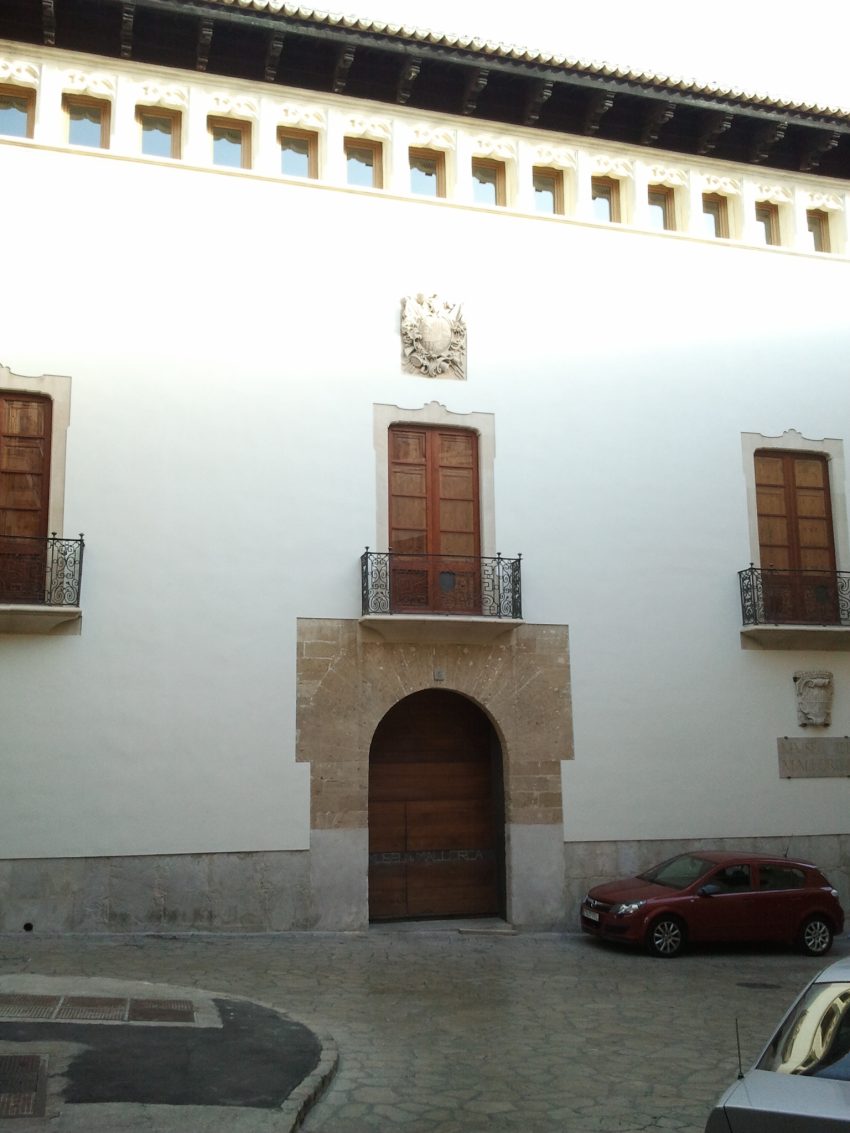
Right in the heart of Palma's old town, the Museu de Mallorca occupies the elegant 16th century mansion known as Casa de la Gran Cristiana, a noble residence turned into a doorway to the island's past. Behind its stone façade you step into a calm world of archaeology, fine arts and decorative pieces that trace Mallorca's story from prehistoric settlements and Roman cities to medieval palaces and modern times, making it one of the best places to visit in Palma de Mallorca if you want to understand the island beyond its beaches.
The museum is more than just one building in Palma. Over time it has grown into a small network of sites: the main museum and fine arts collections in the city, an ethnological museum in Muro dedicated to pre-tourism rural life, and a Roman archaeology centre in Alcúdia focused on the ancient city of Pollentia. Together they create a surprisingly rich journey through Mallorcan culture, and the Palma site in particular is a great place to visit on a walking tour of Palma de Mallorca when you are weaving between courtyards, churches and cafés.
Table of Contents
- History and Significance of the Museu de Mallorca
- Things to See and Do in the Museu de Mallorca
- How to Get to the Museu de Mallorca
- Practical Tips on Visiting the Museu de Mallorca
- Where to Stay close to the Museu de Mallorca
- Is the Museu de Mallorca Worth Visiting?
- FAQs for Visiting Museu de Mallorca
- Nearby Attractions to the Museu de Mallorca
History and Significance of the Museu de Mallorca
The Museu de Mallorca’s Palma headquarters sits inside the Casa de la Gran Cristiana, a 16th century mansion that once belonged to the local aristocracy. Over the centuries this house has seen the city change around it, from a fortified port to a Mediterranean capital, and its transformation into a museum gave new life to the building while preserving its courtyards, staircases and noble rooms. Walking through the galleries, you are constantly aware that the container is as historic as the objects it holds.
In 2015 the museum expanded to include a Fine Arts and Decorative Arts section housed in the Casal d’Aiamans, adding more space for paintings, sculpture and everyday objects that had long been part of Mallorcan homes and churches. This expansion allowed curators to spread out the collections more logically, grouping archaeology, fine arts and documents in Palma while giving decorative arts a setting that suits their domestic origins. It also reinforced the museum’s role as the island’s main guardian of visual and material culture.
The two smaller annexes extend the museum's reach beyond the capital. In Muro, a secondary building is dedicated to ethnology, filled with tools, furniture, textiles and household items from Mallorca's pre-tourism era, when agriculture shaped daily life. In Alcúdia, the Roman archaeology section, often called the Museu Monogràfic de Pollença, focuses on objects from the Roman city of Pollentia, offering a focused look at urban life here nearly two thousand years ago. This multi-site structure means the Museu de Mallorca is not just a single institution, but a network that tells the island's story from several angles.
Things to See and Do in the Museu de Mallorca
Most visitors start in the main building in Palma, where archaeology and fine arts share space across different floors. In the archaeological galleries you can follow Mallorca’s timeline from prehistoric settlements, through Phoenician and Roman phases, to the medieval period, with ceramics, tools, sculptures and inscriptions that help you picture how people actually lived. The fine arts section layers on paintings and religious works that reveal how local tastes, beliefs and patronage evolved, often tied to churches and noble families around the island.
Do not miss the decorative arts collections in the Casal d’Aiamans, where everyday beauty takes centre stage. Here, ceramics, tiles, furniture and small objects from townhouses and country homes show another side of Mallorcan life, away from grand altarpieces and stone ruins. It is a chance to see how design trends and craftsmanship filtered into ordinary interiors, and how island identity was expressed in colour, pattern and material.
If you have time to venture beyond Palma, the annex in Muro is a fascinating step into the island’s pre-tourism rural world, with farm tools, clothing and domestic items that evoke life in the countryside before hotels and resorts arrived. Meanwhile the Roman archaeology building in Alcúdia, linked to the remains of Pollentia, brings together mosaics, statues and everyday finds that help you contextualise the ruins outside. Combining a visit to the museum there with a walk through the archaeological site makes the Roman city feel far more alive and complete.
How to Get to the Museu de Mallorca
Most travellers will arrive in Palma via Palma de Mallorca Airport, the main gateway to the island with frequent flights from across Spain and Europe. For the best deals and a seamless booking experience, check out these flights to Palma de Mallorca on Booking.com. From the airport you can take the airport bus or a taxi into the city centre, then walk into the old town to reach the Casa de la Gran Cristiana.
If you are coming from other parts of Mallorca, regional trains run to Palma from towns such as Inca, Sa Pobla and Manacor, arriving at the Estació Intermodal near Plaça d'Espanya.Train schedules and bookings can be found on Omio. From there it is an easy walk through the historic streets to the museum, or you can hop on a local bus if you prefer to save your legs for the galleries.
Travelling by car, follow the main roads into Palma and head for one of the central car parks around the edge of the old town, then explore on foot through the narrow streets to the museum’s entrance.If you are looking to rent a car in Spain I recommend having a look at Discover Cars, first, as they compare prices and review multiple car rental agencies for you. For the annexes, you can drive or take buses to Muro and Alcúdia, where local signage will guide you to the ethnological museum and the Roman archaeology building.
Practical Tips on Visiting the Museu de Mallorca
- Suggested tips: Start in the Palma building to get an overview of the island’s history, then add Muro or Alcúdia if you have extra days and want a deeper dive into rural or Roman Mallorca.
- Best time to visit: Late morning or mid afternoon on weekdays tends to be quieter; in summer, consider visiting during the hottest hours of the day to enjoy the cool interiors.
- Entrance fee: Tickets are usually modestly priced, with possible combined options for different sections – check current details before visiting.
- Opening hours: Opening times vary by season and location; the Palma building typically keeps daytime hours with possible closures on certain days.
- How long to spend: Plan 1-2 hours for the main Palma museum, and at least another hour each if you visit the Muro or Alcúdia sites.
- Accessibility: The historic mansion layout means some areas may involve stairs and uneven floors, but parts of the museum are generally accessible; check in advance if you have specific mobility needs.
- Facilities: Expect basic facilities such as toilets and a small reception or information area in the main building; cafés and shops are easy to find in the surrounding streets.
- Photography tip: Look for contrasts between the mansion’s courtyards, stone staircases and the objects on display, and use doorways or windows to frame views across the old town.
- Guided tours: If available, guided visits or audio guides can help tie together the different periods and sites, especially when you are linking Palma with Muro and Alcúdia.
- Nearby food options: The museum’s central location in Palma means you are only a short walk from plenty of cafés, tapas bars and bakeries, ideal for a break before or after your visit.
Where to Stay close to the Museu de Mallorca
Staying in Palma's old town puts you within easy walking distance of the Museu de Mallorca and many of the city's main sights. A reliable central option is Hotel Almudaina, which offers comfortable rooms and a convenient base between the historic quarter and the shopping streets. For something more intimate and atmospheric, Boutique Hotel Posada Terra Santa places you in a restored historic building, echoing the character of the museum’s own mansion setting. If you prefer a slightly more contemporary style close to both the old town and the waterfront, Hotel Basilica gives you a stylish base for exploring Palma and planning excursions to Muro and Alcúdia.
Is the Museu de Mallorca Worth Visiting?
If you are curious about the real Mallorca behind the resorts, the Museu de Mallorca is absolutely worth visiting. It gathers archaeology, art and everyday objects into one coherent story that makes later walks through Palma, Muro or Alcúdia feel richer and more meaningful. Whether you only have time for the Palma mansion or you follow the museum's trail out to the annexes, you come away with a clearer sense of how the island's cultures, trades and communities have evolved over centuries.
What Other Travellers Say...

Museum of Mallorca, at C/ de la Portella 5 in Palma’s old town, is a small, affordable self‑guided museum tracing the island’s culture and history through a mix of artworks and artifacts; visitors praise the vivid paintings, notable sculptures, well‑explained displays and pleasantly cool air conditioning, say it can be seen in around an hour with few other visitors and low admission fees.


FAQs for Visiting Museu de Mallorca
Nearby Attractions to the Museu de Mallorca
- Palma Cathedral La Seu: The city's iconic Gothic cathedral overlooking the bay, a short walk from the museum and a natural companion visit.
- Royal Palace of La Almudaina: A former royal residence beside the cathedral, mixing Moorish and Gothic elements and offering a glimpse into courtly life.
- Plaça Major: A lively central square surrounded by arcades, street performers and cafés, perfect for a drink after your museum visit.
- Arab Baths of Palma: One of the city's few surviving examples of Islamic architecture, tucked away in a quiet corner of the old town.
- Passeig des Born: A tree-lined boulevard with elegant buildings, shops and cafés, ideal for a relaxed stroll as you continue exploring Palma.
The Museo de Mallorca appears in our Complete Guide to Visiting Palma de Mallorca!

Moira & Andy
Hey! We're Moira & Andy. From hiking the Camino to trips around Europe in Bert our campervan — we've been traveling together since retirement in 2020!
This website uses affiliate links which may earn a commission at no additional cost to you!
Planning Your Visit
Opening times vary by season and location; the Palma building typically keeps daytime hours with possible closures on certain days.
Tickets are usually modestly priced, with possible combined options for different sections - check current details before visiting.
Nearby Attractions
- Banys Arabs (Arab Baths) (0.1) km
Baths - Bishop's Garden (0.1) km
Gardens - Puerta de los Judios (0.1) km
City Gate - Museu Diocesa de Mallorca (0.1) km
Museum - Centre Maimó ben Faraig (0.2) km
Museum - Iglesia de Montesión (0.2) km
Church - La Seu: the Cathedral of Palma (0.2) km
Cathedral - Palma's Secret Synagogue (0.2) km
Historic Site - Església de Santa Eulàlia (0.2) km
Church - Convent of San Francisco (0.3) km
Convent