Malagueta Bullring, Málaga
Bullring in Málaga
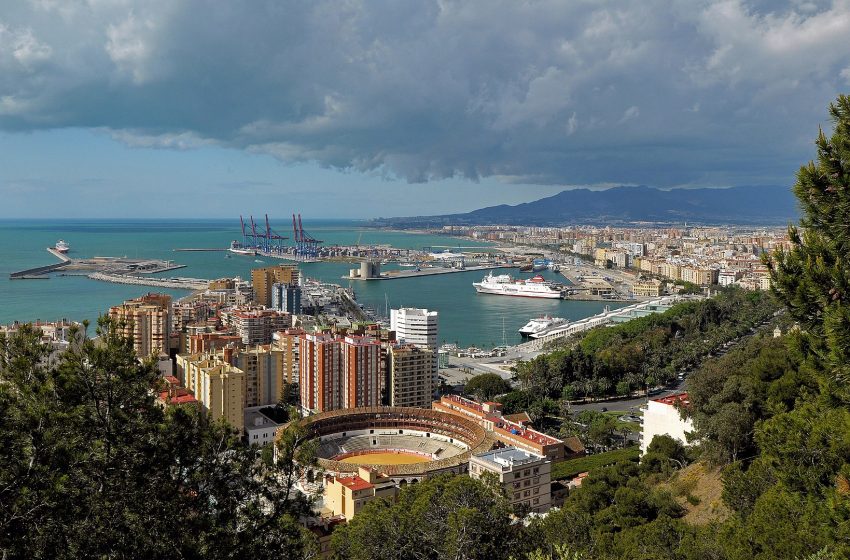
La Malagueta is one of Málaga's most distinctive landmarks: a grand neo-Mudéjar bullring by the sea, its honey-coloured tiers rising just behind the city's sandy urban beach of the same name. Built in the 1870s and opened in 1876, the arena's unusual hexadecagon shape and arched brick façades make it instantly recognisable as you wander between the port, beach and centre. Even if you're not attending a bullfight, coming here to see the architecture, peek inside the stands or visit the small bullfighting museum offers a fascinating window into Andalusian tradition and how the city's culture has evolved. For many visitors, it is one of the top attractions in Málaga, particularly during the city's major festivals.
The bullring is still an active venue during the Spanish-style bullfighting season, which runs from April to September, with some of the year's most high-profile corridas during Semana Santa and Feria de Málaga. The standout event is the Corrida Picassiana, when matadors wear costumes inspired by Málaga-born artist Pablo Picasso, blending visual art and bullfighting tradition in a very local way. Outside the fiesta calendar, La Malagueta's neighbourhood is lively but relaxed, with tapas bars, palm-lined promenades and the beach just a stroll away, making it a great place to visit on a walking tour of Málaga that combines history, seaside atmosphere and local life.
Table of Contents
- History and Significance of the La Malagueta Bullring
- Things to See and Do in the La Malagueta Bullring
- How to Get to the La Malagueta Bullring
- Practical Tips on Visiting the La Malagueta Bullring
- Where to Stay close to the La Malagueta Bullring
- Is the La Malagueta Bullring Worth Visiting?
- FAQs for Visiting La Malagueta Bullring
- Nearby Attractions to the La Malagueta Bullring
History and Significance of the La Malagueta Bullring
La Malagueta was designed by architect Joaquín Rucoba, who also created Málaga's iron-and-glass Atarazanas Market, and construction began in 1874. The arena was officially inaugurated on 11 June 1876, at a time when bullfighting was firmly embedded in Spanish social life and major cities were building large, permanent rings to match their growing urban ambitions. Rucoba chose a neo-Mudéjar style, referencing Andalusia's Moorish past with horseshoe arches, patterned brickwork and decorative tiles, while the overall structure was laid out as a hexadecagon to give good visibility from every angle.
From the late 19th century onwards, La Malagueta became one of the principal stages for bullfighting on the Costa del Sol, hosting famous matadors and drawing spectators from across the region. Its location just outside the historic centre, near the port and the new bourgeois neighbourhoods, made it a focal point not only for bullfights but also for social gatherings, music and celebrations. Over time, the building has seen restorations and upgrades, but the essential layout and character of the original design have been preserved, keeping its 19th-century charm intact.
Today, La Malagueta occupies a complex place in Málaga's identity: it is a cherished historic monument, an active bullring, and, for many visitors, a reminder of changing attitudes towards animal welfare and cultural heritage. The small museum dedicated to famed matador Antonio Oróñez helps tell the story from a human and historical perspective, showing costumes, posters and memorabilia that illustrate how central bullfighting once was to the city's cultural life. Whether you view it primarily as architecture, tradition or spectacle, visiting La Malagueta offers insight into an important chapter of Andalusian history.
Things to See and Do in the La Malagueta Bullring
If you visit during the bullfighting season (typically April to September), you can experience La Malagueta in full fiesta mode, with the stands filling, bands playing and the sand of the arena raked smooth before each event. Semana Santa sees two special corridas, while Feria de Málaga in August brings the Bullfighting Fair, a series of high-profile fights that are a major part of the city's celebrations. The most distinctive event of the calendar is the Corrida Picassiana, when matadors appear in costumes inspired by Picasso's shapes and colours, transforming the ring into a kind of living canvas.
Outside bullfight days, La Malagueta is much quieter, and this is often the best time to appreciate its architecture. Guided visits (when available) usually include a chance to walk into the stands, look down into the arena, and visit the small museum dedicated to Antonio Oróñez. In the museum you'll find photographs, trajes de luces (suits of lights), posters and personal items that evoke the golden age of bullfighting in Málaga and the careers of some of its most emblematic matadors. Even if you're not a fan of bullfights, the displays help you understand the rituals, symbolism and social context that made events here so important to earlier generations.
After exploring the ring itself, take some time to wander around the surrounding La Malagueta neighbourhood. Within a few minutes' walk you have the beach, the Paseo Marítimo promenade, the Muelle Uno waterfront, and viewpoints towards the Alcazaba and Castillo de Gibralfaro. In practical terms, it's easy to combine a visit to La Malagueta with a swim, a seaside lunch or a climb up to Gibralfaro for sweeping city views, making it one of the must-see places in Málaga if you're exploring beyond the old town.
How to Get to the La Malagueta Bullring
La Malagueta Bullring sits in the La Malagueta district, just east of Málaga's city centre and a short walk from the port, beach and Muelle Uno waterfront. The nearest main gateway is Málaga-Costa del Sol Airport, which is well connected to European and Spanish cities and offers regular train, bus and taxi links into central Málaga. For the best deals and a seamless booking experience, check out these flights to Málaga on Booking.com.
From Málaga María Zambrano railway station, you can reach La Malagueta by taking a local bus towards the eastern seafront, hopping in a taxi, or walking via the Alameda Principal and the port area; the journey is straightforward and gives you a good first look at the city centre. Train schedules and bookings can be found on Omio.
If you are driving, follow signs for central Málaga and then the La Malagueta or Paseo Marítimo area, where you'll find several public car parks within walking distance of the bullring; once parked, it's easy to explore the bullring, beach and nearby sights on foot. If you are looking to rent a car in Spain I recommend having a look at Discover Cars, first, as they compare prices and review multiple car rental agencies for you.
Practical Tips on Visiting the La Malagueta Bullring
- Suggested tips: Check schedules in advance if you want to attend a particular event, and consider a daytime tour if you’re more interested in architecture and history than in watching a bullfight.
- Best time to visit: For atmosphere, aim for Feria or Semana Santa; for a quieter experience, choose a regular morning or early afternoon outside major festival dates.
- Entrance fee: Adult Bullring Tour: €14
- Opening hours: Daily: 10:00 AM – 6:00 PM
- Official website: https://plazadetoroslamalagueta.com/en/
- How long to spend: Allow 45-60 minutes for a museum and stadium visit, and several hours if you’re attending a full bullfighting event.
- Accessibility: The historic structure includes steps and tiered seating; some areas may be challenging for visitors with reduced mobility, though ground-level sections are generally easier to access.
- Facilities: Expect basic facilities such as restrooms, kiosks and bars during events, with additional cafés, bars and shops available in the surrounding streets.
- Photography tip: For exterior shots, visit in late afternoon when the sun warms the façades; from inside, wide-angle shots from the upper tiers best capture the full ring and sea of seats.
- Guided tours: When available, guided tours provide insight into the building’s history, bullfighting traditions and behind-the-scenes areas you might otherwise miss.
- Nearby food options: The La Malagueta district is full of tapas bars, beach chiringuitos and restaurants where you can enjoy seafood, espetos (grilled sardines) and cold drinks after your visit.
Where to Stay close to the La Malagueta Bullring
Staying near La Malagueta puts you between the beach and the historic centre, with the bullring, port and main sights all within easy walking distance. For a classic seaside base, Gran Hotel Miramar GL offers five-star comforts in a grand historic building overlooking the Mediterranean, just a short stroll from the bullring. If you prefer boutique style right by the arena and beach, Hotel Soho Boutique Las Vegas provides comfortable rooms and a relaxed atmosphere within walking distance of both La Malagueta and the old town. For a more central stay that is still convenient for the bullring, Hotel MS Maestranza sits at the junction of the port, La Malagueta and the city centre, making it a handy base for exploring all three on foot.
Is the La Malagueta Bullring Worth Visiting?
La Malagueta is certainly worth visiting if you're interested in Málaga's history, architecture and traditions. Even if you choose not to attend a bullfight, the building itself is a striking example of neo-Mudéjar design, and its location between the city and the sea makes it an easy and rewarding stop on any exploration of Málaga. The museum dedicated to Antonio Oróñez adds human stories and context, helping you understand why this arena has played such a central role in local life for nearly 150 years.
At the same time, many modern visitors have mixed feelings about bullfighting, and it's perfectly possible to appreciate La Malagueta as a cultural and historic monument without taking part in the spectacle. Whether you come for an event, a guided tour or simply to admire the exterior as you walk between the port and the beach, the bullring offers a tangible link to Málaga's past and a fascinating viewpoint on how traditions endure and evolve.
What Other Travellers Say...

La Malagueta Tour - Museo Taurino de Málaga, located at Plaza de toros de La Malagueta, C. Maestranza 8, offers an informative, well-signposted visit through the arena and museum with helpful staff and optional guided tours; highlights include authentic matador costumes, posters and artifacts, access into parts of the ring and holding pens, immersive audio and VR experiences, a photo opportunity, seating to listen to the audio guide, and displays such as a medical wing—note there are many steps and limited refreshment options.


FAQs for Visiting La Malagueta Bullring
Nearby Attractions to the La Malagueta Bullring
- La Malagueta Beach - Wide sandy urban beach lined with chiringuitos, perfect for a swim or seafood lunch after visiting the bullring.
- Castillo de Gibralfaro - Hilltop castle with panoramic views over the bullring, port and city, reached by a scenic uphill walk or bus.
- Alcazaba of Málaga - Beautiful Moorish fortress-palace with gardens and courtyards overlooking the old town and harbour.
- Muelle Uno and Port of Málaga - Modern waterfront promenade with shops, restaurants and sea views just a short stroll away.
- Málaga Cathedral - The city's impressive Renaissance cathedral, known as La Manquita, reachable on foot via the tree-lined Paseo del Parque.
The Malagueta Bullring appears in our Complete Guide to Visiting Málaga!

Moira & Andy
Hey! We're Moira & Andy. From hiking the Camino to trips around Europe in Bert our campervan — we've been traveling together since retirement in 2020!
This website uses affiliate links which may earn a commission at no additional cost to you!
Planning Your Visit
Daily: 10:00 AM - 6:00 PM
Adult Bullring Tour: €14
Nearby Attractions
- Museo del Patrimonio Municipal (0.2) km
Museum - Castillo de Gibralfaro (0.3) km
Castle - Port of Málaga (0.4) km
Port - Alcazaba (0.5) km
Castle - Roman Theatre (0.5) km
Historic Site and Theatre - Museo de Málaga (0.6) km
Museum - Iglesia de Santiago (0.6) km
Church - Plaza de la Merced (0.7) km
Monument, Square and Statue - Picasso Museum (0.7) km
Museum - Church of San Agustin (0.7) km
Church