Ta Nei Temple, Siem Reap
Buddhist Temple in Siem Reap
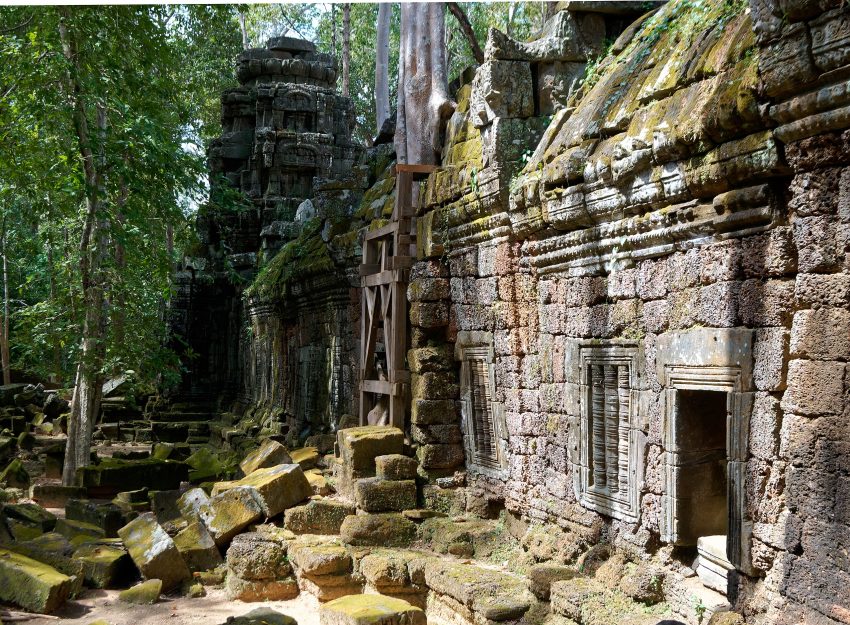
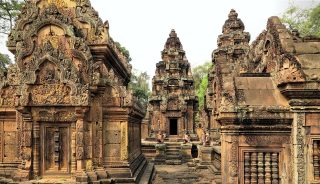
Ta Nei Temple is a lesser-visited Buddhist temple inside the Angkor Archaeological Park near Siem Reap, Cambodia. Built from sandstone in the late 12th century during the reign of King Jayavarman VII, it sits away from the main temple circuits, with forest pressing in close around its walls and gateways.
What stands out at Ta Nei is the calm, slightly hidden feel: you can often explore without the crowds found at nearby headline sites. I come here to slow down and look closely at the carved stonework and surviving statues, then to notice how vines, moss, and tree roots have started to reclaim parts of the structure. It’s a good fit for travelers who enjoy atmospheric ruins, photography, and a more self-paced visit rather than a big, restored showpiece.
History and Significance of the Ta Nei Temple
Late 12th century: Jayavarman VII and Buddhist Angkor
Ta Nei was built in the late 12th century, during the reign of King Jayavarman VII, a period associated with major building activity across Angkor. The temple is Buddhist in character, reflected in its iconography and the themes carved into its stone surfaces.
Although smaller than Angkor Wat or Ta Prohm, Ta Nei still shows the Khmer Empire's architectural confidence through its sandstone construction and planned layout. Its walls and decorative elements include carvings and figures that many visitors read as Buddhist teachings alongside celestial beings.
From active sanctuary to jungle-set ruin
Over time, Ta Nei became more secluded as the surrounding jungle encroached. Today, trees and vines partly overgrow sections of the structure, creating a layered look where architecture and nature share the same space.
That semi-reclaimed condition is a big part of the temple’s present-day significance for visitors: it’s a chance to see Angkor in a quieter, less manicured state. The result is a place that feels intimate, with details that reward slow observation rather than a quick photo stop.
Things to See and Do in the Ta Nei Temple
The main experience is simply walking through the compact temple complex and taking in the mood of the jungle setting. I like to move slowly along the walls and doorways, looking for the intricate carvings and any surviving statues, then stepping back to see how the sandstone surfaces catch light under the canopy.
As a secondary focus, I treat Ta Nei like a small “detail hunt”: look for carved lintels, decorative stones, and the spots where roots and vines wrap around the masonry. Because it’s often quiet, it’s also a good place to pause and listen to the forest sounds and take more time composing photos than you might manage at busier temples.
How to Get to the Ta Nei Temple
The nearest major airport is Siem Reap-Angkor International Airport, from which you travel into Siem Reap and onward to Angkor Archaeological Park. For the best deals and a seamless booking experience, check out these flights to Siem Reap on Booking.com.
Siem Reap does not have a central passenger rail hub comparable to other regional cities, so train travel is not typically the practical way to reach the city for this visit. Train schedules and bookings can be found on Omio.
By car or tuk-tuk, Ta Nei is reached via Angkor park roads and smaller tracks; the approach can feel more out-of-the-way than the main temples, and parking is typically informal near the access point.
Is the Ta Nei Temple Worth Visiting?
Ta Nei Temple is worth a short stop if you want a calmer Angkor experience, enjoy ruins with nature reclaiming the stonework, or prefer temples where you can explore at your own pace. It's best for photographers, detail-focused temple fans, and travelers who have time beyond the core highlights. It's less essential if you only have one day in Siem Reap and want to prioritize the biggest, most intact monuments, and you can reasonably skip it if you dislike uneven surfaces or prefer sites with clearer paths and more on-site support.
What Other Travellers Say...
Ta Nei Temple, tucked into the jungle near Siem Reap, is a small, secluded 12th-century Buddhist temple where nature has largely reclaimed the ruins — large trees and roots wind through mossy stones, lintels and decorated fragments lie scattered, and some structures still retain roofs. Visitors describe a peaceful, uncrowded site that feels like a treasure hunt, with beautiful carvings and a nearby canal; the setting can be overgrown and fragile so many recommend going with a guide and watching your step.





Practical Tips on Visiting the Ta Nei Temple
- Best time to visit: Go earlier in the day for a cooler, quieter walk and softer light filtering through the trees.
- How long to spend: Plan around 30-60 minutes if you like photographing details; it’s a compact site but easy to linger.
- Accessibility: Expect uneven ground and ruin surfaces that can be tricky; it’s not ideal for wheelchairs or anyone who needs smooth, barrier-free paths.
- Facilities: Facilities are limited compared with major Angkor stops, so bring water and don’t rely on finding restrooms right at the temple.
Where to Stay Close to the Ta Nei Temple
Base yourself in central Siem Reap around the Old Market/Pub Street and the river so you can easily arrange early temple departures while still having walkable dining and services at night.
These hotels in central Siem Reap make practical bases for day trips into Angkor Archaeological Park, including Ta Nei Temple. Shinta Mani Angkor works well for good for travellers who want a central, walkable base with easy tuk-tuk pickups for early starts into Angkor. Borei Angkor Resort & Spa works well for useful if you prefer a slightly quieter, more spacious setting with straightforward road access for drivers and temple touring. Raffles Grand Hotel d'Angkor works well for convenient for quick access toward Angkor Park while staying near central Siem Reap for restaurants and practical errands.
FAQs for Visiting the Ta Nei Temple
Getting There
Tickets & Entry
Visiting Experience
Tours, Context & Itineraries
Photography
Accessibility & Facilities
Food & Breaks Nearby
Safety & Timing
The Ta Nei Temple appears in our Complete Guide to Visiting Siem Reap!

Moira & Andy
Hey! We're Moira & Andy. From hiking the Camino to trips around Europe in Bert our campervan — we've been traveling together since retirement in 2020!
This website uses affiliate links which may earn a commission at no additional cost to you!
Planning Your Visit
7:30 AM to 5:30 PM
Nearby Attractions
- Ta Keo (0.9) km
Buddhist Temple - Prasat Leak Neang (1) km
Buddhist Temple - Thommanon Temple (1) km
Buddhist Temple - Victory Gate of Angkor Thom (1.5) km
City Gate - Neak Pean (1.6) km
Buddhist Temple - Neak Poan – The Mystical Island Temple (1.6) km
Buddhist Temple - Kmoch Gate (Gate of the Dead) (1.8) km
City Gate - Preah Khan (1.8) km
Buddhist Temple - Ta Prohm (Tomb Raider Temple) (2) km
Buddhist Temple - Krol Ko Temple (2.1) km
Buddhist Temple