Juan March Foundation Museum, Palma de Mallorca
Museum in Palma de Mallorca
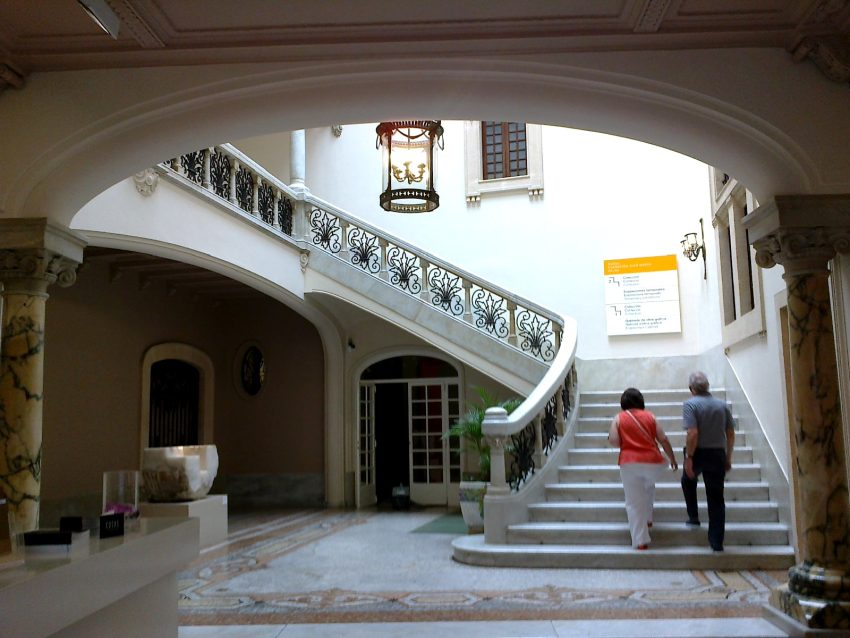
In a corner of central Palma closely associated with modernity, the Juan March Foundation Museum offers a refined pause from shopping streets and busy plazas. Housed in Can Gallard del Canyar, a traditional 17th-century mansion acquired by the March family in 1916, this museum blends carved stone, a grand staircase and intimate salons with some of the most important Spanish art of the 20th century, making it one of the best places to visit in Palma de Mallorca if you love painting and sculpture.
The collection focuses on modern and contemporary Spanish masters, with works by Pablo Picasso, Joan Miró, Salvador Dalí, Juan Gris, Antoni Tàpies and Miquel Barceló among the highlights. Alongside the permanent display, a changing programme of temporary exhibitions-some curated in-house, others on loan from the foundation's Madrid headquarters-keeps the experience fresh. It is a great place to visit on a walking tour of Palma de Mallorca when you want a dose of culture and cool interiors between café stops and boutiques.
Table of Contents
- History and Significance of the Juan March Foundation Museum
- Things to See and Do in the Juan March Foundation Museum
- How to Get to the Juan March Foundation Museum
- Practical Tips on Visiting the Juan March Foundation Museum
- Where to Stay close to the Juan March Foundation Museum
- Is the Juan March Foundation Museum Worth Visiting?
- FAQs for Visiting Juan March Foundation Museum
- Nearby Attractions to the Juan March Foundation Museum
History and Significance of the Juan March Foundation Museum
The Juan March Foundation Museum occupies Can Gallard del Canyar, a noble 17th-century mansion that the March family bought in 1916 as their Palma residence. The building was carefully restored under architect Guillem Reynés, who preserved its historic character while adapting it for modern comfort. As you step through the entrance and up the magnificent staircase, you move from street-level bustle into one of Palma's quieter, more elegant worlds, where thick walls and high ceilings frame the art on display.
The museum’s primary aim is to introduce visitors to modern and contemporary art, with a particular focus on Spanish creators who helped define global movements in the 20th century. By concentrating works by Picasso, Miró, Dalí, Gris, Tàpies, Barceló and their contemporaries under one roof, the museum gives a compact yet powerful overview of how Spanish artists shaped Cubism, Surrealism, abstraction and postwar experimentation. The setting in a historic Mallorcan mansion adds an extra layer of dialogue between past and present.
Beyond its permanent collection, the Juan March Foundation Museum maintains strong ties to its namesake institution in Madrid. Temporary exhibitions may be curated on site or drawn from the broader foundation's holdings, bringing new themes and artists into the Palma space. This ensures that repeat visitors can encounter something different on each trip and that the museum remains an active participant in Spain's contemporary cultural conversation, not just a static showcase of canonical names.
Things to See and Do in the Juan March Foundation Museum
Begin your visit by taking in the architecture itself. The entrance and sweeping staircase are part of the experience, signalling that this is both a family mansion and a cultural institution. As you move into the exhibition rooms, notice how the building’s proportions, windows and decorative details shape the way the art is presented: some works hang in more intimate spaces, others in larger, brighter rooms that allow them to breathe.
The core of the visit is the modern and contemporary collection. Works by Pablo Picasso and Juan Gris illustrate the fractured planes and new perspectives of Cubism, while pieces by Joan Miró and Salvador Dalí open up Surrealist worlds of dreamlike symbols and unexpected juxtapositions. Later artists such as Antoni Tàpies and Miquel Barceló show how Spanish art shifted into material experimentation, gestural abstraction and powerful, tactile surfaces. Moving through these rooms, you can trace a clear arc across the century, even if you only know a few names to begin with.
Do not overlook the temporary exhibitions, which often spotlight particular artists, movements or themes that complement the permanent holdings. Depending on when you visit, you may find photography, sculpture, works on paper or conceptual projects that widen your understanding of what “modern” and “contemporary” can mean. The museum also hosts guided tours, workshops, conferences, music concerts and educational activities for schools and universities, so it is worth checking what is on during your stay if you enjoy more structured cultural experiences.
How to Get to the Juan March Foundation Museum
Most visitors arrive in Mallorca via Palma de Mallorca Airport, which has frequent flights from across Spain and Europe and sits a short drive from the city centre. For the best deals and a seamless booking experience, check out these flights to Palma de Mallorca on Booking.com. From the airport, you can take an airport bus or taxi into central Palma and then walk into the old town, where the museum is located in one of the historic streets.
If you are travelling from elsewhere on the island by public transport, regional trains bring you into Palma's Estació Intermodal near Plaça d'Espanya.Train schedules and bookings can be found on Omio. From there, it is an easy walk through the centre or a short hop on a local bus to reach the area around the museum, which sits close to shops, cafés and other cultural sites.
By car, follow the main roads into Palma and use one of the underground or multi-storey car parks around the edge of the historic centre, then continue on foot to the Juan March Foundation Museum in its restored 17th-century mansion.If you are looking to rent a car in Spain I recommend having a look at Discover Cars, first, as they compare prices and review multiple car rental agencies for you. The central location makes it simple to combine a visit with nearby galleries, churches and shopping streets.
Practical Tips on Visiting the Juan March Foundation Museum
- Suggested tips: Pair your museum visit with a coffee or light lunch in the surrounding streets so you can reflect on what you have seen before diving back into the city.
- Best time to visit: Late morning or early afternoon tends to be relaxed; in summer, visiting during the hottest hours gives you a cool, quiet cultural break.
- Entrance fee: Free
- Opening hours: Monday to Friday: 10 am to 6:30 pm. Saturday: 10:30 am to 2 pm. Sundays and holidays: closed. 24 December: 10 am to 2 pm. 31 December: 10 am to 2 pm. Maundy Thursday and Good Friday: closed.
- Official website: https://www.march.es/en/palma
- How long to spend: Plan 60-90 minutes to explore the permanent collection and any temporary exhibitions at a comfortable pace.
- Accessibility: The historic building has been adapted for public use, but some areas may involve stairs or uneven flooring; enquire on-site about lift access and the most accessible routes.
- Facilities: Expect a reception area, cloakroom or storage for small bags, toilets and possibly a small information or book area; cafés and shops are close by just outside the museum.
- Photography tip: Focus on details that contrast old and new-modern artworks framed by traditional windows, staircases or mouldings-while respecting any restrictions on photographing the exhibits.
- Guided tours: Take advantage of guided tours or audio guides if available; they can deepen your understanding of specific artists and how the Palma museum links to the larger foundation in Madrid.
- Nearby food options: The streets around the museum are full of cafés, tapas bars and bakeries, so it is easy to add a relaxed drink or snack before or after your visit.
Where to Stay close to the Juan March Foundation Museum
Staying in central Palma makes visiting the Juan March Foundation Museum straightforward and allows you to weave it into a wider cultural itinerary. A practical and comfortable choice is Hotel Almudaina, within walking distance of the museum, main shopping streets and the seafront. For a more boutique experience in the historic heart of the city, Boutique Hotel Posada Terra Santa offers a charming base from which you can stroll to the museum and nearby sights. If you prefer a stylish stay closer to the waterfront but still central, Hotel Basilica places you between the harbour, cathedral and old town, keeping the museum and other galleries within easy reach.
Is the Juan March Foundation Museum Worth Visiting?
If you enjoy modern and contemporary art, the Juan March Foundation Museum is definitely worth adding to your Palma itinerary. The combination of a beautifully restored 17th-century mansion and a tightly focused collection of major 20th-century Spanish artists makes for a visit that is both manageable in size and rich in content. Even if you are not an expert, the variety of styles-from early Cubism to later abstraction-offers plenty of visual interest, and the museum provides a refreshing cultural pause in the middle of a shopping or sightseeing day.
What Other Travellers Say...

Fundación Juan March Palma, tucked into a grand 17th-century city palace on Carrer de Sant Miquel, presents a well-curated, free collection of 20th-century Spanish contemporary art across two airy floors; visitors praise the range of movements represented—magical realism, surrealism, expressionism, conceptual and avant-garde—and the chance to enjoy artwork by major Spanish artists in a tranquil setting with a pleasant courtyard, sunny window views, and a gift shop stocking prints and other souvenirs.


FAQs for Visiting Juan March Foundation Museum
Nearby Attractions to the Juan March Foundation Museum
- Palma Cathedral La Seu: The city's landmark Gothic cathedral on the seafront, offering a grand interior and impressive stained glass.
- Royal Palace of La Almudaina: A former royal alcázar beside the cathedral, with historic rooms and views over the harbour.
- Passeig del Born: A tree-lined central avenue of shops, cafés and bars, ideal for a stroll before or after your museum visit.
- Palau March Museum: Another art-rich palace nearby, with sculptures, paintings and harbour views that complement the Juan March Foundation's collection.
- Plaça Major: Palma's main square, lined with arcades, cafés and shops, a lively place to people-watch and soak up the city atmosphere.
The Juan March Foundation Museum appears in our Complete Guide to Visiting Palma de Mallorca!

Moira & Andy
Hey! We're Moira & Andy. From hiking the Camino to trips around Europe in Bert our campervan — we've been traveling together since retirement in 2020!
This website uses affiliate links which may earn a commission at no additional cost to you!
Planning Your Visit
Monday to Friday: 10 am to 6:30 pm. Saturday: 10:30 am to 2 pm. Sundays and holidays: closed. 24 December: 10 am to 2 pm. 31 December: 10 am to 2 pm. Maundy Thursday and Good Friday: closed.
Free
Nearby Attractions
- Plaza Mayor (0.1) km
Square - Mercat Olivar (0.2) km
Market - Can Casasayas (0.3) km
Historic Building - Esglesia de Santa Catalina de Siena (0.3) km
Church - Plaza de Cort (0.3) km
Square - Església de Santa Eulàlia (0.3) km
Church - Convent of San Francisco (0.4) km
Convent - Church of Santa Magdalena (0.4) km
Church - Plaza de España (0.4) km
Square - Centre Maimó ben Faraig (0.4) km
Museum