Museo Zuloaga, Segovia
Museum in Segovia
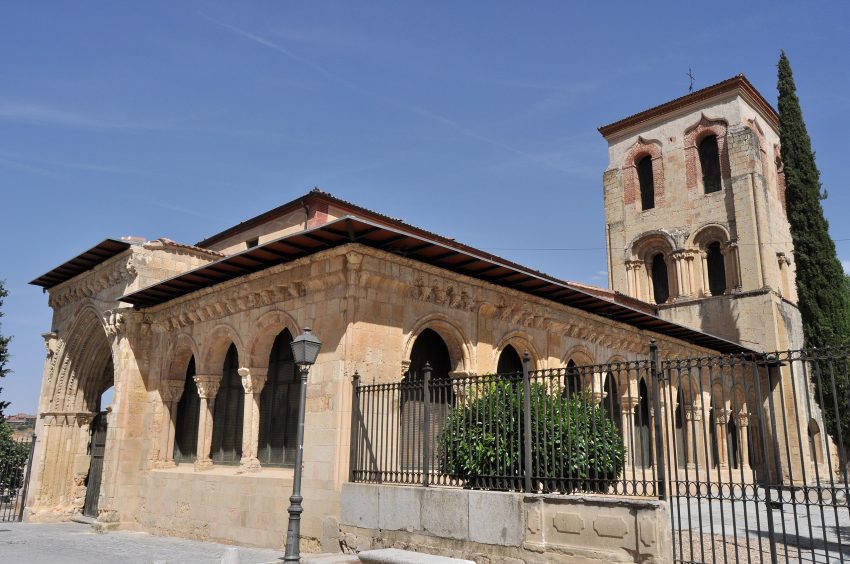
Museo Zuloaga is one of those Segovia surprises that feels like you've stumbled into a private world. Housed inside the Romanesque Iglesia de San Juan de los Caballeros, it's small, atmospheric, and deeply tied to the city-part church, part studio, part family story. You're not here for blockbuster galleries; you're here for a place where art and architecture overlap in a way that feels intimate and distinctly Segovian, making it one of the things to see in Segovia when you want something quieter than the headline monuments.
It's also an easy win on a walking tour of Segovia. The museum sits within the walled old town, so you can drop in between bigger stops, reset your pace for an hour, and come out feeling like you've added real depth to your day. Even if you're not an art specialist, the combination of ceramics, paintings, and the church interior makes the visit feel varied rather than “just another small museum.”
Table of Contents
History and Significance of the Museo Zuloaga
The building’s story begins long before the museum: San Juan de los Caballeros was a Romanesque church with a notable role in Segovia’s local life, including periods when leading families used it as a burial place. That sense of layered memory still clings to the space today, especially when you notice how the church layout frames the artworks rather than behaving like a neutral gallery.
The modern identity of the site is largely thanks to Daniel Zuloaga, who bought the church in 1905 and transformed it into his workshop and living space. That decision changed the building’s future: instead of fading into disuse, it became a working artistic hub, with kilns and ceramics production woven into the fabric of the old church.
The museum itself was created to preserve and present the Zuloaga family's output, bringing together Ignacio Zuloaga's painting with Daniel's ceramics and the broader creative legacy of the family. What makes it significant in Segovia is that it's not just “art in a museum”; it's art anchored to the very place where parts of that work and identity were shaped.
Things to See and Do in the Museo Zuloaga
Start by letting the building lead the experience. The Romanesque interior gives the visit an immediate mood-stone, shadow, and a sense of age that makes even small displays feel more dramatic. It’s worth pausing early to take in the structure itself, because the church setting is as much a “collection” as the objects inside.
The ceramics are often the unexpected highlight. Daniel Zuloaga's work has a strong visual punch, and seeing it in the place where he established his workshop gives it a grounded, human feel rather than a purely decorative one. Look for pieces that carry architectural or regional motifs-details that quietly connect the museum back to Segovia and Castile.
On the painting side, Ignacio Zuloaga’s works give the museum a different energy, shifting the visit from craft and process to mood and character. Because the museum is compact, you can take your time with a few key pieces rather than feeling pressured to “cover everything,” which is exactly what makes it such a satisfying stop on a busy sightseeing day.
Practical Tips on Visiting the Museo Zuloaga
- Entrance fee: €1. Free on Saturdays, Sundays, and national/regional public holidays (plus selected free-entry dates through the year).
- Opening hours: (Summer: 1 July – 30 September) Tuesday – Saturday: 10:00–14:00 & 17:00–20:00; Sunday & public holidays: 10:00–14:00. (Winter: 1 October – 30 June) Tuesday – Saturday: 10:00–14:00 & 16:00–19:00; Sunday & public holidays: 10:00–14:00. Closed on Monday.
- Official website: https://museoscastillayleon.jcyl.es/web/jcyl/MuseosCastillayLeon/es/Plantilla100Detalle/1258100892610/Institucion/1284809937681/DirectorioPadre
- Best time to visit: Late morning is ideal after you've seen the aqueduct area, when you're ready for something quieter and more reflective indoors.
- How long to spend: Plan 45-75 minutes for a relaxed visit that includes time to appreciate the church interior as well as the artworks.
- Accessibility: Expect historic architecture with limited wheelchair access and possible steps or thresholds; if mobility is a concern, keep the route simple and ask staff about the easiest circulation.
- Facilities: Treat it as a focused museum visit rather than a long stay; plan your café break nearby in the old town where you’ll have the best choice afterward.
Where to Stay Close to the Museo Zuloaga
For a culture-heavy itinerary, base yourself in Segovia Old Town around Plaza Mayor so you can walk to museums and monuments early and return easily for dinner; if your priority is easy arrivals and transport links, staying near the Aqueduct is more practical while still being walkable to the historic centre.
For a very central old-town base, Hotel Infanta Isabel puts you right in the evening atmosphere and close to the cathedral side of town. If you want to stay on a classic Segovia walking street, Hotel Real Segovia is a strong choice for moving between the aqueduct route and the quieter lanes. For a convenient, straightforward stay near the aqueduct approach, Eurostars Plaza Acueducto works well for short trips and early starts.
Is the Museo Zuloaga Worth Visiting?
Yes-especially if you like places with personality. Museo Zuloaga feels rooted in Segovia rather than “imported” into it, and the church setting gives the collection an atmosphere you don't get in modern museum boxes.
It’s also a smart choice if you want a meaningful museum stop without committing half a day. The visit is compact, calm, and memorable, which makes it a great counterbalance to Segovia’s bigger, busier highlights.
What Other Travellers Say...

Casa del Sol - Museo de Segovia, on C. del Socorro 11, is a compact museum set in a former fortress that presents Segovia's past from prehistoric times through Roman periods to the Middle Ages, Renaissance and modern era, with archaeology, ethnology and religious art on display; visitors praise its well‑curated, varied collection, friendly and attentive staff, quiet, uncrowded atmosphere, easy close-up viewing of accessible objects, and very low entry fee, though some note limited English labeling.


For Different Travelers
Families with Kids
This museum works best for families as a short, focused visit with a clear “hook”: the idea that you’re inside an old church that became an artist’s workshop. Kids tend to engage more when you frame it as a place with a story rather than a list of objects.
To keep it smooth, aim for a quieter time of day and set a simple pace-pick a few favourite ceramics, spot the most unusual shapes or colours, then move on before attention drifts. Pair it with a nearby outdoor stop afterward so the day stays balanced.
Couples & Romantic Getaways
For couples, Museo Zuloaga is an easy way to add something intimate and atmospheric to a Segovia day. The Romanesque interior and the quieter rhythm inside make it feel like a small discovery you share, rather than a crowded attraction you “do.”
It pairs well with a slow wander through the surrounding old-town streets afterward, especially if you time it so you can step back out into the light and head toward a long lunch or an early evening drink. It’s a gentle, culture-forward stop that doesn’t demand a big time investment.
Budget Travelers
Budget travellers will like how high the value feels for the price. You get a distinctive setting, a focused collection, and a clear local story without the cost or crowds of larger museum complexes.
If you’re stretching your day, use it as an indoor break between free exterior highlights. A small paid stop like this can make the whole itinerary feel more complete, especially when you’re balancing viewpoints, walking routes, and the major monuments.
History Buffs
History lovers will appreciate that the building itself is a document: a Romanesque church adapted across centuries, then repurposed into a workshop and museum. It’s a strong example of how historic structures survive not just through preservation, but through reinvention.
Look for the layers in the space-how different areas feel like they belong to different eras, and how the museum use sits within the church plan rather than erasing it. If you enjoy reading cities through their buildings, this is a compact but rewarding case study.
FAQs for Visiting Museo Zuloaga
Getting There
Tickets & Entry
Visiting Experience
Tours, Context & Itineraries
Photography
Accessibility & Facilities
Food & Breaks Nearby
Safety & Timing
Nearby Attractions to the Museo Zuloaga
- Plaza Mayor: Segovia's central square for cafés, people-watching, and an easy reset point between monuments.
- Segovia Cathedral: A soaring Gothic landmark that anchors the old town and rewards a quick stop even if you don't go inside.
- Casa de los Picos: A striking façade covered in granite “spikes,” perfect for a short, memorable architectural pause.
- Puerta de San Andrés and the city walls: A dramatic gateway and wall section that helps you understand Segovia's medieval outline.
- Roman Aqueduct of Segovia: The city's signature monument and the natural starting point for a classic old-town route.
The Museo Zuloaga appears in our Complete Guide to Visiting Segovia!

Moira & Andy
Hey! We're Moira & Andy. From hiking the Camino to trips around Europe in Bert our campervan — we've been traveling together since retirement in 2020!
This website uses affiliate links which may earn a commission at no additional cost to you!
Planning Your Visit
(Summer: 1 July - 30 September) Tuesday - Saturday: 10:00-14:00 & 17:00-20:00; Sunday & public holidays: 10:00-14:00.
(Winter: 1 October - 30 June) Tuesday - Saturday: 10:00-14:00 & 16:00-19:00; Sunday & public holidays: 10:00-14:00.
Closed on Monday.
€1. Free on Saturdays, Sundays, and national/regional public holidays (plus selected free-entry dates through the year).
Nearby Attractions
- Aqueduct of Segovia (0.3) km
Aqueduct - Plaza del Azoguejo (0.3) km
Square - Torreón de Lozoya (0.4) km
Tower - Casa de los Picos (0.4) km
Historic Building - Plaza de Medina del Campo (0.4) km
Square - Plaza Mayor (0.5) km
Square - Convento de Clarisas del Corpus Christi (0.5) km
Convent - Jewish Quarter (0.6) km
Area - Cathedral (0.6) km
Cathedral - Museo de Segovia (0.9) km
Museum