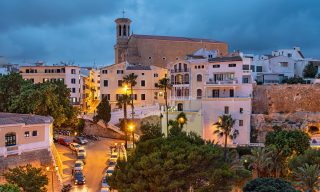
Catedral de Pamplona
Cathedral in Pamplona
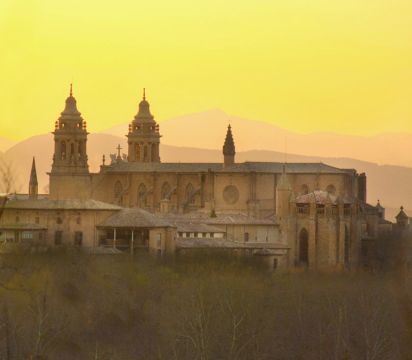
Rising above the Casco Viejo near Plaza del Castillo, Pamplona Cathedral (Santa María la Real) is where centuries of Navarrese history and architecture meet under one roof. The current 15th century Gothic church replaced an earlier Romanesque cathedral from the 6th century, yet it still preserves the Romanesque crypt, making it one of the must-see places in Pamplona if you are interested in the layering of styles and stories. From the outside, its sober Neoclassical façade and twin towers dominate the skyline; inside, a cool Gothic interior hides a remarkable mix of medieval, Renaissance and Baroque details.
The building took shape over 150 years during the 14th and 15th centuries, which explains the variety of influences on show. Behind the Neoclassical front you find a splendid Gothic cloister, Renaissance motifs in side chapels and the magnificent alabaster tomb of Charles III the Noble and his wife Leonora de Trastámara, carved by Flemish master Jean de Lomme. Add in a precious 12th century Virgin Mary figure, royal coronation history and a bell tower that houses the second-largest church bell in Spain, and you have a cathedral that is a highlight of any walking tour of Pamplona.
Table of Contents
- History and Significance of Pamplona Cathedral
- Things to See and Do in the Pamplona Cathedral
- How to Get to the Pamplona Cathedral
- Practical Tips on Visiting the Pamplona Cathedral
- Where to Stay close to the Pamplona Cathedral
- Is the Pamplona Cathedral Worth Visiting?
- FAQs for Visiting Pamplona Cathedral
- Nearby Attractions to the Pamplona Cathedral
History and Significance of Pamplona Cathedral
Pamplona has had a cathedral on this spot since at least the 6th century, when an earlier Romanesque building stood here. The current structure, however, dates mainly from the 14th and 15th centuries, when the old cathedral was largely demolished and replaced with a new Gothic church more in keeping with the ambitions of the kingdom of Navarre. This long construction period gave the builders time to adjust to changing styles, resulting in a building that feels both coherent and subtly varied as you move from one part to another.
One of the most striking aspects of the cathedral is the way it blends styles. The façade you see from the street is Neoclassical, with twin towers that rise high above the old town, a later addition that gives the exterior a very different personality from the Gothic structure behind it. Step through the doors and the mood shifts: pointed arches, ribbed vaults and a luminous Gothic nave lead your eye towards the choir and chapels, where Renaissance and later decorative motifs add layers of detail. Beneath it all, the Romanesque crypt quietly survives from the much earlier cathedral, reminding visitors how deep the building’s roots go.
Historically, this was not just a parish church but the ceremonial heart of the kingdom of Navarre. The 12th century Virgin Mary figure from the Romanesque era presided over baptisms and coronations of Navarrese kings, and within the choir lies the alabaster tomb of Charles III the Noble and his wife Leonora de Trastámara. Their effigies, carved in exquisite detail by Jean de Lomme, reflect both royal power and the international links of the court, which could attract a Flemish master to work in Pamplona. Together, these elements make the cathedral a key site for understanding both the religious and political history of the region.
Things to See and Do in the Pamplona Cathedral
Once inside, take a slow walk up the nave to absorb the height and proportions of the Gothic interior. The ribbed vaults, clustered columns and filtered light create a sense of verticality that contrasts with the more restrained exterior. Pause at the main altar and choir area, where the royal alabaster tomb of Charles III and Leonora commands attention: the sculpted figures, their garments and the intricate details around the tomb repay close inspection from different angles.
The cloister is another highlight. Step out into this Gothic courtyard and you will find delicate tracery, pointed arches and a calm, almost monastic atmosphere despite your being in the middle of the city. Chapels and small spaces around the cloister contain religious art, tombs and architectural details that show how styles evolved over time. This is also a good place to look for the mix of Gothic and Renaissance motifs that characterises much of the cathedral’s decoration.
Do not miss the museum spaces and archaeological remains included in the visit. As part of the guided tour you can see religious treasures and the remains of a Roman-era house discovered under the cathedral during restoration work, which add a deeper historical context to what you see above ground. If you join the 11.15 am tour (English available with advance notice), you also have the chance to climb the bell tower, where you can see-and sometimes hear-the second-largest church bell in Spain and enjoy views over the rooftops of the old town.
How to Get to the Pamplona Cathedral
Most visitors reach Pamplona via Pamplona Airport or larger regional airports such as Bilbao, with onward bus or car connections into the city. For the best deals and a seamless booking experience, check out these flights to Pamplona on Booking.com. Once in central Pamplona, the cathedral is located in the Casco Viejo, just a short walk from Plaza del Castillo.
If you are travelling by train, Pamplona's main station connects with Madrid, Barcelona and other Spanish cities.Train schedules and bookings can be found on Omio. From the station, you can take a local bus or taxi into the old town, or walk if you do not mind a slightly longer stroll; from Plaza del Castillo, follow the narrow streets uphill towards the cathedral.
For those arriving by car, major roads link Pamplona to the rest of the region and country; once in the city, it is usually easiest to park in a central car park near the edge of the old town and explore on foot.If you are looking to rent a car in Spain I recommend having a look at Discover Cars, first, as they compare prices and review multiple car rental agencies for you. The cathedral is well signposted from main squares and is easy to combine with a broader circuit of the historic centre.
Practical Tips on Visiting the Pamplona Cathedral
- Suggested tips: Book or confirm guided tours in advance if you want an English-language visit or to be sure of the 11.15 am bell-tower climb.
- Best time to visit: Late morning or mid-afternoon works well; aim for the 11.15 am tour if you would like to see the tower and bell with fewer crowds.
- Entrance fee: Adult/child €5/3
- Opening hours: 10.30am-7pm Mon-Sat Apr-Oct, to 5pm Nov-Mar, tower climb 11.15am
- Official website: http://www.catedraldepamplona.com/
- How long to spend: Allow 1.5-2 hours to enjoy the nave, cloister, museum spaces and bell-tower visit at a relaxed pace.
- Accessibility: The main nave is generally accessible, but some areas, including the crypt, museum sections and the bell tower, involve stairs and may not be suitable for visitors with reduced mobility.
- Facilities: Expect a ticket office, small shop and toilets on site; cafés and restaurants are just a few minutes’ walk away in the old town streets.
- Photography tip: Capture the contrast between the Neoclassical façade and the Gothic interior, and in the cloister look for compositions that frame arches, light and shadow; always respect any no-photo signs in chapels or museum areas.
- Guided tours: Admission includes a guided visit; English tours are available with advance notice and provide valuable context on the building’s architectural phases and royal connections.
- Nearby food options: After your visit, head back towards Plaza del Castillo and surrounding streets for pintxos bars, cafés and restaurants serving Navarrese specialities.
Where to Stay close to the Pamplona Cathedral
Staying in or near the Casco Viejo makes visiting Pamplona Cathedral particularly easy and lets you enjoy the old town at quieter times of day. A classic central choice is Gran Hotel La Perla, overlooking the main square and within a short walk of the cathedral, city walls and key streets. For a quieter but still central base, Pamplona Catedral Hotel sits very close to the cathedral itself, ideal if you want to explore the cloister early or enjoy the evening atmosphere of the historic quarter. Another comfortable option near parks and the old town is Hotel Tres Reyes Pamplona, which balances easy access to green spaces, the citadel and the cathedral area.
Is the Pamplona Cathedral Worth Visiting?
Pamplona Cathedral is absolutely worth visiting, especially if you are interested in architecture, history or the quieter side of the city beyond the famous running of the bulls. The combination of Romanesque crypt, Gothic church, Neoclassical façade and Renaissance details creates a rich, layered experience, while the royal tomb, 12th century Virgin and archaeological remains underline the cathedral's importance as a spiritual and political centre. Add in the guided tour, cloister, museum and chance to climb the bell tower, and it becomes one of the most rewarding stops in Pamplona's old town.
What Other Travellers Say...

Catedral Metropolitana de Santa María la Real de Pamplona sits on C. Dormitalería, 1, and pairs a neoclassical exterior with a Gothic interior: visitors praise its richly decorated altars, cool interior on hot days, and the attached abbey, calling it Pamplona's must-see; several note a museum inside worth exploring and recommend allowing a couple of hours, guided tours that engage families, and quieter visits make the experience even better, though some visitors wished for more detailed explanations of the altarpieces.


FAQs for Visiting Pamplona Cathedral
Nearby Attractions to the Pamplona Cathedral
- Ciudadela de Pamplona: A remarkably preserved star-shaped Renaissance fortress turned public park, ideal for a walk after sightseeing in the old town.
- Plaza del Castillo: The main square of Pamplona, lined with cafés and historic buildings, perfect for a drink or pintxos stop.
- Taconera Park: One of the city's oldest parks, with landscaped gardens, shaded paths and small animal enclosures.
- Calle Estafeta: A famous street of the Running of the Bulls, now packed with pintxos bars and shops, offering a lively contrast to the cathedral's calm.
- Museo de Navarra: The regional museum with archaeology, medieval art and notable works such as paintings by Goya, adding broader context to the history you discover at the cathedral.
The Catedral de Pamplona appears in our Complete Guide to Visiting Pamplona!

Moira & Andy
Hey! We're Moira & Andy. From hiking the Camino to trips around Europe in Bert our campervan — we've been traveling together since retirement in 2020!
This website uses affiliate links which may earn a commission at no additional cost to you!
Planning Your Visit
10.30am-7pm Mon-Sat Apr-Oct, to 5pm Nov-Mar, tower climb 11.15am
Adult/child €5/3
Nearby Attractions
- Albergue de Jesús y María (0.1) km
Church and Hostel - Mirador de Caballo Blanco (0.2) km
Viewing Point - San Fermín de Aldapa (0.2) km
Church - Portal de Francia (0.2) km
City Gate - Calle Estafeta (0.2) km
Street - Royal and General Archive of Navarra (0.2) km
Archive and Palace - Ayuntamiento de Pamplona (0.3) km
Town Hall - Magdalena Bridge (0.3) km
Bridge - Iglesia de San Saturnino (San Cernin) (0.3) km
Church - Plaza del Castillo (0.3) km
Square