Málaga Cathedral
Cathedral in Málaga
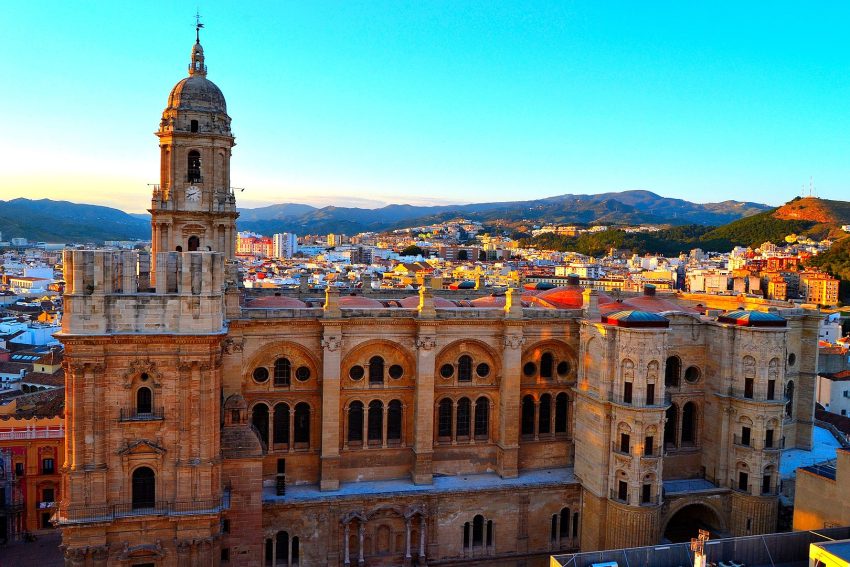
Rising above the historic centre with its elegant towers and monumental façade, the Catedral de Málaga is one of the top attractions in Málaga and easily one of the most beautiful churches in southern Spain. Built on the site of the former mosque, it incorporates the tranquil Patio de los Naranjos - a small courtyard filled with orange trees - as a living reminder of the city's Islamic past. Step inside and you're greeted by a soaring domed ceiling, a vast colonnaded nave, and soft light filtering through stained glass, all combining to create a space that feels both grand and quietly contemplative.
Known affectionately as “La Manquita” or “The One-Armed Lady” because of its unfinished south tower, the cathedral also tells a story of ambition, compromise, and history in motion. Construction stretched over nearly 200 years from the 16th century until funding finally ran out in 1782, leaving the second tower incomplete. Today, you can climb around 200 steps up the 84-metre north tower for incredible rooftop views over Málaga, the Alcazaba, and Gibralfaro Castle - a highlight of any walking tour of Málaga and a fantastic way to understand the city's layout from above.
Table of Contents
- History and Significance of the Málaga Cathedral
- Things to See and Do in the Málaga Cathedral
- How to Get to the Málaga Cathedral
- Practical Tips on Visiting the Málaga Cathedral
- Where to Stay close to the Málaga Cathedral
- Is the Málaga Cathedral Worth Visiting?
- FAQs for Visiting the Málaga Cathedral
- Nearby Attractions to the Málaga Cathedral
History and Significance of the Málaga Cathedral
The Catedral de Málaga stands where the city's Great Mosque once dominated the skyline. After the Catholic Monarchs conquered Málaga in 1487, the mosque was gradually transformed into a Christian place of worship, and by the early 16th century plans were in motion to build an entirely new cathedral. Diego de Siloe, one of Spain's leading Renaissance architects, drew up designs that blended classical harmony with local Andalusian character, giving Málaga a church that would rival those of other major cities in the region.
Work began in earnest in the 1500s and continued in phases for around two centuries. As styles evolved, so did the building: while the overall layout and structure follow a Renaissance vision, the main façade was given a richly sculpted Baroque treatment, layered with columns, niches, and statuary that make a dramatic first impression. By 1782, however, the immense cost of construction and shifting priorities meant that funding dried up and building work stopped, leaving the cathedral officially “unfinished” - most visibly in the absence of the planned south tower.
Local tradition holds that some of the money originally earmarked for the second tower was diverted to support America’s struggle for independence from Britain, a story that has only added to the mystique of La Manquita. Whether legend or fact, it captures the feeling that this building is part of a wider global history, not just a local one. Today the cathedral is both an active place of worship and an essential cultural monument, embodying centuries of faith, artistry, and civic pride in the heart of Málaga’s old town.
Things to See and Do in the Málaga Cathedral
Inside, the first thing that catches your eye is the height and volume of the space: the domed ceiling rises around 40 metres above the floor, supported by a forest of towering columns that define the three main aisles. Take your time to walk slowly along the nave and look up; the interplay of stone, stucco, and light gives the interior a surprisingly soft, almost luminous feel despite its monumental scale. The floor, paved in marble, reflects the light and adds to the sense of elegance.
One of the cathedral’s great treasures is its magnificent cedar-wood choir, an enormous sculpted ensemble occupying the centre of the nave. Carved with astonishing detail, it features dozens of figures - many by the celebrated sculptor Pedro de Mena - whose expressive faces and flowing robes almost seem to step out of the wood. Even if you’re not usually drawn to religious art, the craftsmanship here is hard not to admire. Around the perimeter, 15 chapels open off the aisles, each with its own altarpiece, paintings, and 18th-century religious artworks that reward closer inspection.
Make sure to visit the Patio de los Naranjos, a peaceful courtyard with orange trees that echoes the layout of many Andalusian mosques and cathedrals. Then, if you have the time and energy, tackle the climb up the north tower. The ascent is around 200 steps but broken into manageable sections, and the rooftop walkway delivers spectacular views in every direction - the terracotta roofs of the old town, the port and sea beyond, and the Alcazaba and Gibralfaro Castle on their hilltops. This spot is one of the best places to see in Málaga if you want to capture panoramic photos and feel the city spread out at your feet.
How to Get to the Málaga Cathedral
The Catedral de Málaga sits right in the historic centre, a short stroll from the main shopping streets and the port, so once you're in the city it's easy to reach on foot. The nearest major airport is Málaga-Costa del Sol Airport, which has extensive connections across Europe and beyond and lies just a short metro, bus, taxi, or drive from the centre. For the best deals and a seamless booking experience, check out these flights to Málaga on Booking.com.
If you're arriving by train, Málaga María Zambrano is the main station for high-speed and regional services; from there, it's a quick walk, bus ride, or short taxi journey into the old town, where you'll find the cathedral rising above the surrounding streets. Train schedules and bookings can be found on Omio.
Travelling by car, you can follow signs into central Málaga and use one of the public car parks near the historic centre, then walk the remaining few minutes to the cathedral; driving directly through the old town streets is not recommended due to narrow lanes and restrictions. If you are looking to rent a car in Spain I recommend having a look at Discover Cars, first, as they compare prices and review multiple car rental agencies for you.
Practical Tips on Visiting the Málaga Cathedral
- Suggested tips: Dress modestly (shoulders and knees covered) as this is an active place of worship, and bring a light layer - the stone interior can feel pleasantly cool, especially on hot summer days.
- Best time to visit: Early morning or late afternoon give you softer light inside and fewer crowds; evenings are particularly atmospheric if you pair your visit with a stroll through the old town.
- Entrance fee: Adults: €10.00
- Opening hours: Monday to Friday: 10:00 – 20:00. Saturday: 10:00 – 18:00. Sunday: 14:00 – 18:00.
- Official website: http://www.malagacatedral.com/
- How long to spend: Allow at least 60-90 minutes to explore the interior, chapels, Patio de los Naranjos, and choir; add another 45 minutes if you’re climbing the tower and enjoying the rooftop views.
- Accessibility: The main entrance and interior are generally accessible, though there may be some steps at certain chapels; the rooftop and tower climb involve many stairs and are not suitable for visitors with limited mobility.
- Facilities: You’ll find ticket desks, an audio-guide collection point, and a small gift shop; cafés, restaurants, and restrooms are available in the surrounding streets and nearby squares.
- Photography tip: For interior shots, stand near the back of the nave to capture the height of the dome and the choir in one frame; outside, step back into the nearby plazas to get the full Baroque façade and towers into your photos.
- Guided tours: Consider joining a guided visit or using the included audio guide to better understand the symbolism, artwork, and history that you might otherwise overlook.
- Nearby food options: The streets around the cathedral are packed with tapas bars, cafés, and ice-cream parlours - ideal for a relaxed break before or after your visit.
Where to Stay close to the Málaga Cathedral
Staying near the cathedral puts you right in the heart of Málaga’s historic centre, perfectly placed for sightseeing by day and tapas-hopping by night. For a polished boutique feel just moments from the main square and cathedral façade, Palacio Solecio offers stylish rooms in a restored palace. If you prefer a contemporary hotel with rooftop pool and views across the old town to La Manquita, AC Hotel Málaga Palacio is a classic choice between the cathedral and the port. For a smaller, more intimate base tucked into the historic streets, Hotel Boutique Teatro Romano gives you easy walking access not only to the cathedral but also to the Roman Theatre and Alcazaba.
Is the Málaga Cathedral Worth Visiting?
Absolutely - the Catedral de Málaga is one of the must-see places in Málaga and deserves a firm spot on any itinerary. Even if you've visited other grand cathedrals in Spain, the combination of Renaissance structure, Baroque façade, and the distinctive “one-armed” silhouette makes this one feel unique. Inside, the towering dome, intricate choir stalls, and series of chapels packed with 18th-century art provide plenty to discover, whether you're an architecture lover or a casual visitor.
The rooftop experience adds another layer, quite literally. Standing above the city, with the bell tower beside you and the sea in the distance, is a memorable moment that helps you piece together how Málaga's cathedral, fortress, harbour, and hills all relate to each other. Add in the included audio guide and access to the Ars Málaga museum in the Bishop's House opposite, and you have a visit that's rich, varied, and deeply rewarding.
What Other Travellers Say...

Santa Iglesia Catedral Basílica de la Encarnación de Málaga sits in the historic centre on C. Molina Lario and is known for its impressive façade and richly detailed interior that blends Renaissance and Baroque elements; visitors praise the ornate choir stalls, lovely side chapels (notably the Encarnación chapel), peaceful chapels and wood carvings, and many recommend allowing at least an hour to explore both nave and rooftop access where available. Entrance details mentioned by visitors include a short free-access window on weekday mornings and a paid entry for fuller access, and some note services can restrict interior access; the exterior is also admired and locally nicknamed “the one-armed lady” because one tower remains unfinished.


FAQs for Visiting the Málaga Cathedral
Nearby Attractions to the Málaga Cathedral
- Alcazaba of Málaga - A beautifully preserved Moorish fortress-palace on the hillside above the old town, with gardens, courtyards, and sweeping city views.
- Castillo de Gibralfaro - Hilltop castle overlooking Málaga and the harbour, offering panoramic vistas and a pleasant walk along historic ramparts.
- Roman Theatre - An open-air Roman theatre at the foot of the Alcazaba, showcasing Málaga's ancient roots right in the city centre.
- Museo Picasso Málaga - A museum dedicated to Pablo Picasso, who was born in Málaga, featuring an excellent collection of his works in a restored palacio.
- Muelle Uno and the Port Promenade - A modern waterfront area with shops, restaurants, and sea views, perfect for a leisurely stroll after exploring the historic centre.
The Málaga Cathedral appears in our Complete Guide to Visiting Málaga!

Moira & Andy
Hey! We're Moira & Andy. From hiking the Camino to trips around Europe in Bert our campervan — we've been traveling together since retirement in 2020!
This website uses affiliate links which may earn a commission at no additional cost to you!
Planning Your Visit
Monday to Friday: 10:00 - 20:00.
Saturday: 10:00 - 18:00.
Sunday: 14:00 - 18:00.
Adults: €10.00
Nearby Attractions
- Church of San Agustin (0.1) km
Church - Picasso Museum (0.2) km
Museum - Museo de Málaga (0.2) km
Museum - Calle Larios (0.2) km
Street - Roman Theatre (0.2) km
Historic Site and Theatre - Athenaeum of Malaga (0.3) km
Historic Building - Iglesia de Santiago (0.3) km
Church - Alcazaba (0.3) km
Castle - Carmen Thyssen Museum (0.4) km
Museum - Plaza de la Merced (0.4) km
Monument, Square and Statue