Casa Salinas de Seville
Palace in Seville
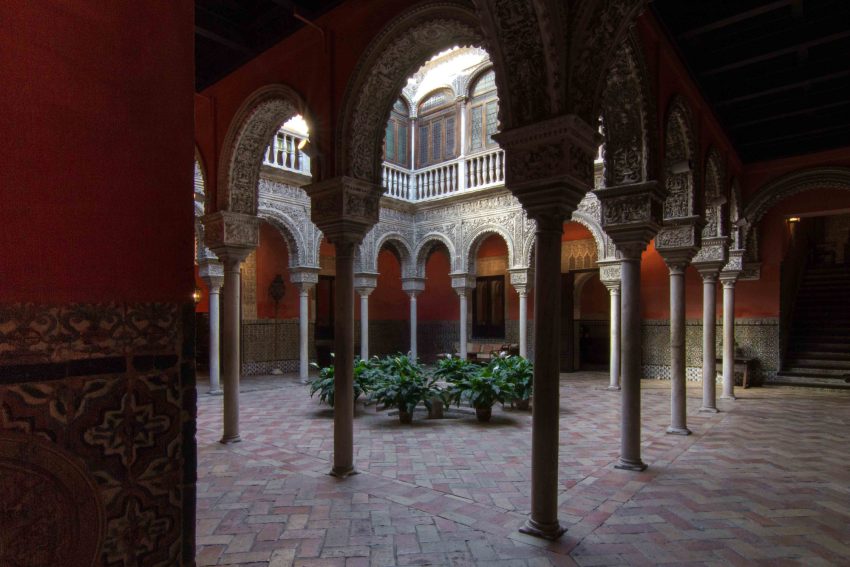
Casa de Salinas is a 16th-century house-palace in Seville’s old town that still feels genuinely lived-in, not staged-and that’s exactly why it’s such a pleasure to visit. Just a few minutes’ walk from the cathedral quarter, it’s easy to slip inside for a timed visit and suddenly find yourself in a calmer world of courtyards, Carrara marble columns, and richly patterned tiles that glow in the shade.
It's one of the best places to visit in Seville when you want the atmosphere of a grand palace without the scale (and crowds) of the city's biggest monuments. It also drops neatly into a walking tour of Seville, since you can pair it with the surrounding lanes, plazas, and nearby landmarks and still keep your day relaxed.
Table of Contents
- History and Significance of the Casa de Salinas
- Things to See and Do in the Casa de Salinas
- How to Get to the Casa de Salinas
- Practical Tips on Visiting the Casa de Salinas
- Where to Stay Close to the Casa de Salinas
- Is the Casa de Salinas Worth Visiting?
- For Different Travelers
- FAQs for Visiting Casa de Salinas
- Nearby Attractions to the Casa de Salinas
History and Significance of the Casa de Salinas
Casa de Salinas belongs to the tradition of Seville’s noble house-palaces: outwardly restrained on the street, then unexpectedly ornate once you step into the interior patios. Its roots lie in the 16th century, when Seville’s wealth and global connections were reshaping domestic architecture-homes weren’t just private spaces, but statements of taste, lineage, and cultural confidence.
What makes Casa de Salinas particularly notable is how it combines Renaissance structure with Mudéjar-inflected detail in a way that feels distinctly Sevillian. The courtyards organize the whole experience: they cool the air, shape movement through the rooms, and create that classic Andalusian rhythm of light, shade, and echoing footsteps.
The house’s later life is part of its character, too. It has changed hands over time and was restored sympathetically in the 20th century, with the Salinas family maintaining it as a private residence. That ongoing “home” identity is the key point: you’re not visiting a palace frozen behind velvet ropes, but a heritage interior cared for as a living place.
Things to See and Do in the Casa de Salinas
The visit begins with the contrast that defines the experience: a simple façade and entrance, then a sudden reveal into a double-height main courtyard. Look up and around as you enter-this is where marble columns, semicircular arches, and fine plasterwork start to stack into a layered, almost theatrical interior.
Spend time with the tilework. The azulejos, traditionally associated with Triana’s ceramic culture, are one of the house’s strongest visual signatures, wrapping walls with repeating patterns that feel both precise and exuberant. The plaster details have a “plateresque” richness-ornament that rewards slow looking rather than rushing through.
The second patio is the unexpected highlight for many visitors: a Roman mosaic (from Itálica) that gives the house a deeper time dimension beyond its Renaissance shell. Add in the carved wood ceilings and the way rooms cluster around the courtyard, and you get a clear sense of how Sevillian houses were designed to adapt to the seasons-cooler lower rooms in summer, warmer upper spaces in winter-without needing modern tricks.
How to Get to the Casa de Salinas
Casa de Salinas is in Seville’s historic centre on Calle Mateos Gago, a short walk from the cathedral area, so most visitors arrive on foot as part of a compact old-town route.
Seville Airport (SVQ) is the closest airport, with direct bus and taxi connections into the city centre. For the best deals and a seamless booking experience, check out these flights to Seville on Booking.com. If you're visiting Seville as part of a wider Andalusia trip, Málaga Airport (AGP) is another common gateway, followed by onward travel to Seville.
By train, you’ll arrive at Sevilla-Santa Justa station; from there, a taxi is the simplest option, or you can use city transport toward the historic centre and walk the last stretch through pedestrian-friendly lanes. Train schedules and bookings can be found on Omio. City buses and the tram corridor near the centre can also help reduce walking if you’re visiting in the heat.
If you’re driving, park outside the tightest old-town streets (paid car parks around the historic centre edge work best) and walk in, since the central lanes are slow and often restricted. If you are looking to rent a car in Spain I recommend having a look at Discover Cars, first, as they compare prices and review multiple car rental agencies for you.
Practical Tips on Visiting the Casa de Salinas
- Entrance fee: €12 general; €10 groups (10+); €10 Seville city residents; €6 children under 11; free under 6; €6 visitors with disabilities.
- Opening hours: (Winter) Daily: 10:00–19:00; 1 October – 14 June. (Summer) Daily: 10:00–14:00; 15 June – 30 September. Closed during private events.
- Official website: http://www.casadesalinas.com/
- Best time to visit: Late morning is ideal for soft courtyard light, while early afternoon can feel especially cool inside during hotter months.
- How long to spend: Plan around 45-75 minutes, depending on how slowly you like to photograph details and read the audio guide.
- Accessibility: Expect historic thresholds and uneven surfaces; it’s manageable for many visitors, but not fully step-free.
- Facilities: Treat it as a focused heritage visit rather than a full museum complex; plan café stops in the cathedral quarter before or after.
Where to Stay Close to the Casa de Salinas
For a culture-heavy itinerary, base yourself in Santa Cruz or the Cathedral area so you can walk to Seville's main historic sights from early morning to late evening; if your priority is dining and nightlife, the Arenal or Alameda de Hércules area often suits better while still keeping the old town within easy reach.
To stay close enough to pop in early and avoid peak foot traffic, Hotel Casa 1800 Sevilla is a strong central choice in the cathedral quarter. For classic old-town atmosphere with an easy walk to Casa de Salinas and nearby landmarks, Hotel Doña María places you right by the historic core’s most walkable lanes. If you want a more iconic, high-comfort stay near the same cluster of sights, Hotel Alfonso XIII, a Luxury Collection Hotel, Seville offers a landmark-level base within a short stroll.
Is the Casa de Salinas Worth Visiting?
Yes-especially if you enjoy architecture at human scale, where the details feel close enough to study rather than admire from a distance. The courtyards, tilework, and wood ceilings deliver the essence of Sevillian palace design in a visit that feels calm, contained, and refreshingly personal.
It’s also a smart addition if you’ve already planned Seville’s “big hitters” and want something that complements them rather than competes. Casa de Salinas gives you a quieter, more domestic version of Seville’s Renaissance-Mudéjar aesthetic, with a Roman surprise at its heart.
What Other Travellers Say...

Casa de Salinas, at C. Mateos Gago 39 in Sevilla’s old quarter, is a well‑preserved noble residence with Moorish‑style architecture, intimate courtyards and cool summer rooms; visitors note the house still feels lived‑in by the family who occupy upper floors, staff are welcoming and multilingual audio guides narrated with personal stories make the history accessible, and highlights include a remarkable Roman mosaic floor and charming interiors and gardens that reward a roughly 30‑minute visit.


For Different Travelers
Families with Kids
This works best for families when you keep it visual and story-led: a “hidden palace” with two patios, patterned tiles, and a Roman mosaic that feels like a treasure find. The compact size helps, because it’s easy to maintain attention without turning it into a long, tiring museum session.
Plan a simple reward afterward-an ice cream in the cathedral quarter or a shaded plaza break-so the visit stays upbeat. If you’re traveling with very young kids, the timed-entry format is easiest when you arrive a little early and keep the route straightforward.
Couples & Romantic Getaways
Casa de Salinas is a great couples stop because it feels intimate and elegant without being overwhelming. The courtyards are naturally romantic spaces-quiet, cool, and beautiful-so you can take your time and enjoy the atmosphere without rushing from highlight to highlight.
Pair it with a slow wander through Santa Cruz or a tapas plan in the surrounding lanes, and it becomes one of those “small but memorable” Seville moments. It's particularly nice in warmer months when the house-palace design makes the interior feel like a refuge from the sun.
Budget Travelers
This is a strong budget-friendly palace visit because it offers a high density of beauty-tiles, marble, ceilings, and a mosaic-in a short timeframe. If you're choosing where to spend on interiors in Seville, it can be a satisfying alternative to bigger, more time-consuming sites.
Build it into a day of free wandering: plazas, shaded streets, and riverfront strolling. The value here is that it makes your route feel curated and special without requiring a full day of paid entries.
History Buffs
If you care about how Seville’s elite lived and presented themselves, Casa de Salinas is a useful case study in the city’s civil architecture. The courtyards, seasonal room logic, and decorative programs show how Renaissance taste and local tradition merged into a distinctly Andalusian home-palace style.
The Roman mosaic adds another historical layer that deepens the visit beyond the 16th century. It’s the kind of detail that reminds you Seville’s history is not just medieval and imperial, but also profoundly Roman in its surrounding landscape and source sites.
FAQs for Visiting Casa de Salinas
Getting There
Tickets & Entry
Visiting Experience
Tours, Context & Itineraries
Photography
Accessibility & Facilities
Food & Breaks Nearby
Safety & Timing
Nearby Attractions to the Casa de Salinas
- Seville Cathedral: The city's monumental Gothic heart, with enough art and scale to fill a major sightseeing block.
- Real Alcázar of Seville: A palace complex of Mudéjar rooms and gardens that adds a grander, royal counterpoint to Casa de Salinas.
- Archivo General de Indias: A UNESCO-listed building tied to Spain's overseas history, easy to combine in the same cathedral-quarter circuit.
- Barrio Santa Cruz: A maze of shaded lanes and small plazas that's ideal for slow wandering and spontaneous tapas stops.
- Torre del Oro: A riverside landmark that anchors a scenic walk along the Guadalquivir toward Triana.
The Casa Salinas de Seville appears in our Complete Guide to Visiting Seville!

Moira & Andy
Hey! We're Moira & Andy. From hiking the Camino to trips around Europe in Bert our campervan — we've been traveling together since retirement in 2020!
This website uses affiliate links which may earn a commission at no additional cost to you!
Planning Your Visit
(Winter) Daily: 10:00-19:00; 1 October - 14 June.
(Summer) Daily: 10:00-14:00; 15 June - 30 September.
Closed during private events.
€12 general; €10 groups (10+); €10 Seville city residents; €6 children under 11; free under 6; €6 visitors with disabilities.
Nearby Attractions
- Casa de los Pinelo (0.1) km
Palace - Hospital de los Venerables Sacerdotes (0.2) km
Gallery, Historic Building and Museum - Museo del Baile Flamenco (0.2) km
Museum - Palacio de Mañara (0.3) km
Palace - La Giralda (0.3) km
Tower - Barrio Santa Cruz (0.3) km
Area - Seville Cathedral (0.3) km
Cathedral, Historic Building and Mosque - Tomb of Christopher Columbus (0.3) km
Cathedral and Tomb - Casa de Pilatos (0.4) km
Historic Building and Palace - Archivo General de Indias (0.4) km
Historic Building and Museum