Casa de Pilatos, Seville
Historic Building and Palace in Seville
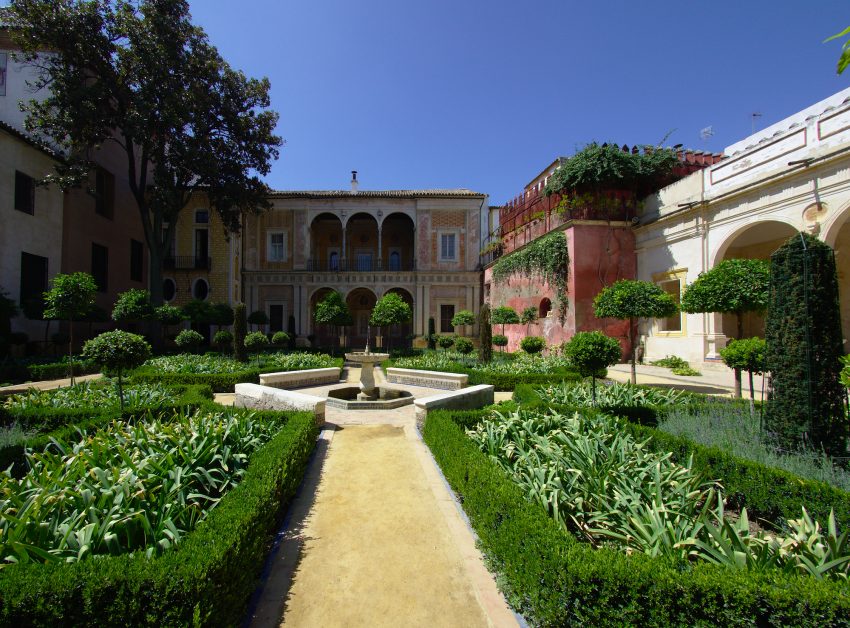
Casa de Pilatos is the kind of Seville palace that surprises you the moment you cross the threshold: a quiet, noble-house world of marble, gardens, sculpted courtyards, and tiles so vivid they look freshly glazed. Set around Plaza de Pilatos in the historic centre, it's a private residence with a museum-like feel, and it's one of the best places to visit in Seville when you want something grand yet genuinely intimate.
What makes the visit special is the mix of styles that shouldn't work together, but absolutely does: Italian Renaissance structure, Mudéjar detail, and a lived-in Andalusian atmosphere that feels cooler and calmer than the streets outside. It fits beautifully into a walking tour of Seville because you can drop in, slow down for an hour or two, and come out refreshed and newly appreciative of the city's civil (not royal) palace tradition.
Table of Contents
- History and Significance of the Casa de Pilatos
- Things to See and Do in the Casa de Pilatos
- How to Get to the Casa de Pilatos
- Practical Tips on Visiting the Casa de Pilatos
- Where to Stay Close to the Casa de Pilatos
- Is the Casa de Pilatos Worth Visiting?
- For Different Travelers
- FAQs for Visiting Casa de Pilatos
- Nearby Attractions to the Casa de Pilatos
History and Significance of the Casa de Pilatos
Casa de Pilatos took shape across the late 15th and 16th centuries, born from the union of two powerful Sevillian lineages and then transformed by Don Fadrique Enríquez de Rivera after his travels through Italy and the Holy Land. That personal journey matters here, because the palace's later “Renaissance turn” was not just a fashion choice; it was a deliberate import of ideas, materials, and spatial drama that Sevillian architecture had rarely seen at the time.
The palace's name is often misunderstood. It is not a literal copy of Pontius Pilate's house, but it became associated with Pilate through devotion and ritual: Don Fadrique established a Via Crucis route beginning at the palace, calibrated to match a traditional distance in Jerusalem. Over time, that devotional link stuck, and “Casa de Pilatos” became the popular name.
In Seville’s architectural story, this palace is significant precisely because it is a civic house-palace rather than a royal complex. It shows how the city’s elite lived, collected art, and displayed power through design: patios for light and air, tilework as status, and gardens that turn the hot months into something bearable, even beautiful.
Things to See and Do in the Casa de Pilatos
Begin at the entrance, where the Renaissance marble gate sets the tone: it’s a statement piece, and it frames your first steps into a building that is far richer inside than its street façade suggests. Look up for symbolic details above the doorway, then take a moment to adjust to the coolness and hush that makes this place feel like a retreat.
The heart of the visit is the main patio, where Mudéjar arches, marble columns, and a central fountain create a perfectly paced visual rhythm. This is the courtyard that people remember: irregular archways, layered decorative textures, and an almost theatrical interplay of shade and sunlight. If you enjoy slow looking, this is where the palace repays you most, because the details are dense without feeling cluttered.
From there, the rooms around the patio add depth: spaces like the Praetorian Hall stand out for their coffered ceilings and the sense that you are walking through a living collection, not a sterile museum. Throughout the palace, the azulejos are the constant highlight-panels and skirting boards that feel like a catalogue of 16th-century craftsmanship, with patterns repeating just enough to feel cohesive, then changing to keep you curious.
Do not rush the gardens. The smaller garden has the quiet, enclosed feel of a private courtyard, while the larger garden reads more like an archaeological display-statues, niches, and a layout designed to show off classical pieces in an outdoor setting. If you opt for the upper floor, treat it as a different experience: a shorter, guided visit that feels more “house tour,” with art, furnishings, and the sense of stepping into the palace’s private side.
How to Get to the Casa de Pilatos
Casa de Pilatos is in Seville's historic centre near Plaza de Pilatos, making it easiest to reach on foot from other central sights, or by a short taxi ride if you are staying farther out.
If you're flying in, Seville Airport (SVQ) is the closest and most convenient, with direct connections into the city by airport bus and taxi. For the best deals and a seamless booking experience, check out these flights to Seville on Booking.com. Málaga Airport (AGP) is a common alternative for Andalusia itineraries, and you can continue to Seville by train or coach.
By train, you’ll arrive at Sevilla-Santa Justa station; from there, a quick taxi or a city bus connection gets you into the old town, and the final approach is best done on foot through the historic streets. Train schedules and bookings can be found on Omio. Local buses stop within a short walk of the palace, which is helpful if you want to save steps in the heat.
If you’re driving, park in a paid car park on the edge of the historic centre and walk in, since the inner streets can be slow, one-way, and not worth the stress. If you are looking to rent a car in Spain I recommend having a look at Discover Cars, first, as they compare prices and review multiple car rental agencies for you.
Practical Tips on Visiting the Casa de Pilatos
- Entrance fee: €12 (ground floor); €18 (ground floor + upper floor guided visit).
- Opening hours: Daily: 09:00–18:00. 25 December: 09:00–14:00; 1 January: 10:00–18:00; 6 January: 09:00–14:00.
- Official website: https://fundacionmedinaceli.org/monumentos/casa-de-pilatos/
- Best time to visit: Go early for the calmest patios and the best light on the tilework, or mid-late afternoon for a cooler, quieter feel once the day crowds thin.
- How long to spend: Plan 60-90 minutes for the ground floor at an unhurried pace; add extra time if you’re doing the upper-floor guided visit.
- Accessibility: Expect uneven surfaces and steps in places; it’s manageable for many visitors, but not ideal for wheelchairs or anyone who needs step-free routes.
- Facilities: There are basic visitor amenities, but this is not a big “visitor-centre” site, so plan café stops before or after in the surrounding neighbourhood.
Where to Stay Close to the Casa de Pilatos
For a culture-heavy itinerary, base yourself in the Casco Antiguo (especially Santa Cruz, the Cathedral area, or around the Arenal) so you can walk to the main sights and return easily for evening tapas.
For a refined stay that matches the palace atmosphere, CoolRooms Palacio Villapanés is a strong choice in the historic centre, with a polished feel and an easy walk to Casa de Pilatos. If you want a classic, highly walkable base near the heart of the old town, Hotel Casa 1800 Sevilla places you close to major landmarks while still being convenient for this quieter corner of the centre. For a comfortable mid-range option with a warm, local feel, Hotel Amadeus Sevilla is well positioned for days that mix palaces, churches, and evenings in the lanes of Santa Cruz.
Is the Casa de Pilatos Worth Visiting?
Yes, especially if you enjoy architectural detail and places that feel “lived-in” rather than monumental in a museum sense. The patios and azulejos alone justify the visit, and the gardens add a gentle, restorative rhythm that balances Seville’s bigger-ticket sights.
It's also a smart choice when you want depth without committing half a day. Casa de Pilatos delivers a concentrated dose of Seville's artistry-tiles, ceilings, sculpture, and courtyard design-in a way that feels personal, not overwhelming.
What Other Travellers Say...

Casa de Pilatos at Pl. de Pilatos 1 in Sevilla is a palace with internal courtyards showcasing Greek and Roman statuary and a collection of artworks; visitors praise its mix of Mudejar, Renaissance and Gothic elements, colourful azulejos and peaceful courtyard gardens ideal for lingering. Many guests find the restored and original architectural details and gardens especially beautiful and quieter than larger attractions, with some recommending only the ground floor to capture the essence, while others note parts need maintenance and suggest booking tickets in advance or checking free-entry slots.



For Different Travelers
Families with Kids
If you frame Casa de Pilatos as a “palace of patios and secret corners,” it works well for children, because the visit has natural milestones: gate, courtyard, fountain, gardens. The shifting light and open-air spaces help break up the “indoor rooms” feeling that can cause restlessness.
Keep the pace relaxed and let kids lead for a while-spot patterns in the tiles, count statues, or choose a favourite courtyard corner. Pair it with a snack stop nearby to keep energy steady, especially in warmer months.
Couples & Romantic Getaways
This is a romantic palace visit because it feels calm and private, with intimate courtyards that invite you to slow down. The tilework and gardens create a soft, cinematic atmosphere that’s ideal for a quieter, shared highlight in between Seville’s grander monuments.
Plan it as a gentle late-morning or late-afternoon stop, then continue on foot into the surrounding neighbourhoods for tapas and a sunset stroll. It’s one of those places that naturally encourages lingering, without needing a long schedule.
Budget Travelers
Casa de Pilatos is good value if you want a palace experience beyond the major-ticket sites, and it fits neatly into a day built around walking and neighbourhood exploring. The ground-floor visit alone feels complete, and you can decide on the upper-floor add-on based on your interests.
To stretch your day, combine it with nearby churches, plazas, and a self-guided architecture walk through the historic centre. You can build a rich “palaces and patios” theme without relying on expensive guided tours.
History Buffs
For history-focused travelers, the palace is a practical lesson in how Seville’s elite absorbed and remixed influences-Mudéjar tradition, Renaissance ambition, and a growing taste for classical sculpture. The building’s layers are readable if you look for shifts in style from courtyard to rooms to gardens.
The Via Crucis naming story also adds a distinctive Sevillian angle: devotion shaping urban space, not just private belief. If you enjoy connecting places through narratives, Casa de Pilatos is a rewarding link between art, power, and ritual.
FAQs for Visiting Casa de Pilatos
Getting There
Tickets & Entry
Visiting Experience
Tours, Context & Itineraries
Photography
Accessibility & Facilities
Food & Breaks Nearby
Safety & Timing
Nearby Attractions to the Casa de Pilatos
- Seville Cathedral and the Giralda: A short walk away, this landmark pairing defines Seville's skyline and packs major history into one visit.
- Real Alcázar of Seville: A royal palace complex with extraordinary Mudéjar rooms and gardens that make a perfect “palace contrast” to Casa de Pilatos.
- Metropol Parasol (Las Setas): A modern viewpoint and plaza space that adds a contemporary counterpoint to Seville's historic architecture.
- Iglesia de San Luis de los Franceses: One of the city's most impressive baroque interiors, ideal if you want another detail-rich stop.
- Triana: Cross the river for ceramics, tapas, and a distinct neighbourhood feel that rounds out a historic-centre day.
The Casa de Pilatos appears in our Complete Guide to Visiting Seville!

Moira & Andy
Hey! We're Moira & Andy. From hiking the Camino to trips around Europe in Bert our campervan — we've been traveling together since retirement in 2020!
This website uses affiliate links which may earn a commission at no additional cost to you!
Planning Your Visit
Daily: 09:00-18:00.
25 December: 09:00-14:00; 1 January: 10:00-18:00; 6 January: 09:00-14:00.
€12 (ground floor); €18 (ground floor + upper floor guided visit).
Nearby Attractions
- Palacio de Villapanés (0.2) km
Palace - Palacio de Mañara (0.2) km
Palace - Museo del Baile Flamenco (0.4) km
Museum - Casa Salinas de Seville (0.4) km
Palace - Casa de los Pinelo (0.4) km
Palace - Metropol Parasol (0.5) km
Area, Monument and Notable Building - Museo Arqueologico Antiquarium (0.5) km
Museum - Palacio de Las Dueñas (0.6) km
Gallery, Historic Building and Palace - Hospital de los Venerables Sacerdotes (0.6) km
Gallery, Historic Building and Museum - Palacio de Lebrija (0.6) km
Historic Building and Museum