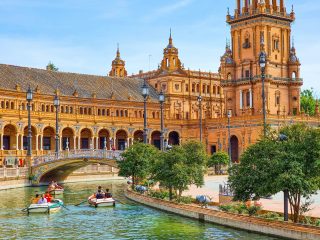
Basílica de la Macarena, Seville
Basilica, Church and Religious Building in Seville
Basílica de la la Macarena (officially dedicated to Santa María de la Esperanza Macarena) is one of Seville’s most emotionally resonant churches, set in the Macarena neighborhood just north of the historic center. Even if you’re not religious, it’s an unforgettable stop for its ornate interior, the deep local devotion you’ll feel in the air, and its close ties to Seville’s famous Holy Week traditions.
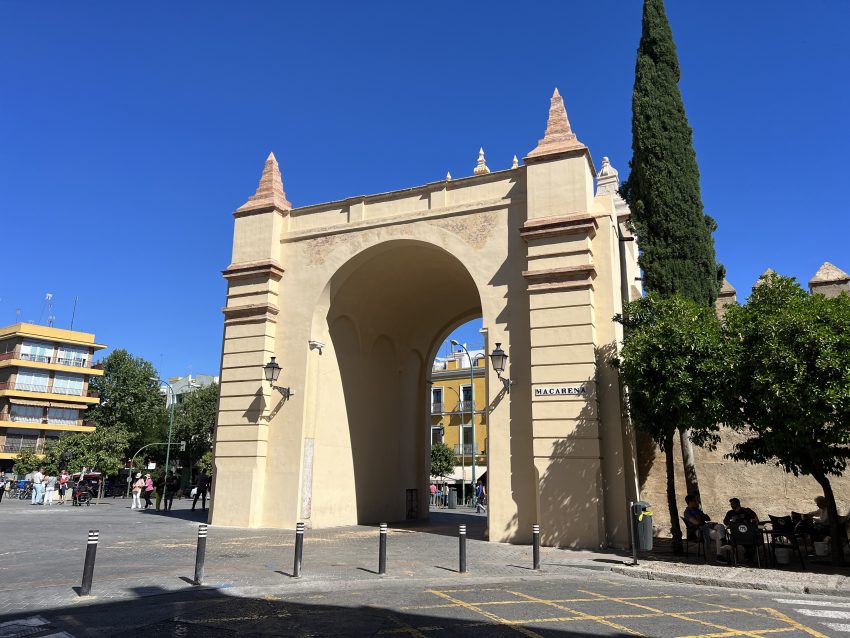
It's an easy add-on to a walking tour that includes the old city walls and gates, especially if you're already exploring the northern edge of the Casco Antiguo. For the best “sense of place,” pair your visit with a stroll by the nearby Arco de la Macarena and a wander through the surrounding streets where everyday Seville feels refreshingly local.
Table of Contents
- History and Significance of the Basílica de la Macarena
- Things to See and Do in the Basílica de la Macarena
- How to Get to the Basílica de la Macarena
- Practical Tips on Visiting the Basílica de la Macarena
- Where to Stay Close to the Basílica de la Macarena
- Is the Basílica de la Macarena Worth Visiting?
- For Different Travelers
- FAQs for Visiting Basílica de la Macarena
- Nearby Attractions to the Basílica de la Macarena
History and Significance of the Basílica de la Macarena
Built in the mid-20th century, the Basílica de la Macarena is a relatively modern landmark by Seville standards, yet it holds centuries of tradition. The building is best known as the home of the Virgen de la Esperanza Macarena, one of the city's most venerated images and a defining symbol of Sevillian identity.
The basilica is also the seat of the Hermandad de la Esperanza Macarena, a brotherhood with deep historical roots that plays a central role in Seville’s Semana Santa. If you’ve ever seen photos of Seville’s Holy Week processions—candles, music, and crowds stretching into the night—this is one of the spiritual “starting points” behind that living tradition.
Beyond the religious significance, the basilica’s Neo-Baroque style and richly decorated spaces make it a standout for art and architecture lovers. It’s a place where you can feel how Seville’s history isn’t only preserved in museums—it’s practiced, celebrated, and carried forward by the community.
Things to See and Do in the Basílica de la Macarena
Start with the main nave and take your time absorbing the sheer level of ornamentation—gold details, sculptural elements, and a sense of theatrical grandeur that feels distinctly Andalusian. The atmosphere can shift quickly depending on the day: quiet and contemplative at one moment, then suddenly busy with locals coming to pay respects.
The highlight for most visitors is seeing the Virgen de la Esperanza Macarena. Even if you don’t share the devotional context, it’s a powerful cultural experience: you’ll notice how people approach with a different kind of attention than they would in a typical sightseeing stop.
If you’re interested in Holy Week craftsmanship—embroidered mantles, silverwork, and processional heritage—look for opportunities to visit the adjacent treasury/museum spaces when open. It adds context to what you see in the basilica and helps you understand why this site matters so much to the city.
How to Get to the Basílica de la Macarena
The nearest major airport is Seville Airport (SVQ), with Málaga Airport (AGP) as a common alternative if you're combining cities in Andalusia. For the best deals and a seamless booking experience, check out these flights to Seville on Booking.com.
Seville is well connected by rail, and arriving at Sevilla Santa Justa station makes it straightforward to continue by taxi, bus, or a longer walk into the historic center. Train schedules and bookings can be found on Omio.
If you’re traveling by car, aim to park outside the tightest parts of the old town and continue on foot or by public transport, as traffic restrictions and limited parking can be frustrating near the center. If you are looking to rent a car in Spain I recommend having a look at Discover Cars, first, as they compare prices and review multiple car rental agencies for you.
Once you're in central Seville, the basilica is walkable from many neighborhoods, and city buses also serve the area. A good approach is to walk up from the center via Alameda de Hércules or along routes that pass historic gates and remnants of the old walls.
Practical Tips on Visiting the Basílica de la Macarena
- Official website: https://museo.hermandaddelamacarena.es/
- Entrance fee: Free; donations appreciated.
- Opening hours: Daily: 09:00–14:00 & 17:00–21:00.
- Best time to visit: Go in the morning for a calmer, more reflective visit, or late afternoon for warmer light and a livelier neighborhood feel. Avoid peak times around major religious dates if you dislike queues.
- How long to spend: Plan 20–40 minutes for the basilica itself, and add extra time if you’re also visiting any treasury/museum areas. If you want to sit quietly and take it in, an hour won’t feel too long.
- Accessibility: Expect a historic-church layout with potential steps and narrow passages in certain areas. If you have mobility needs, it’s worth arriving when it’s quieter so you can move at your own pace.
- Facilities: Facilities are limited inside a basilica setting, so plan for restrooms and longer breaks at nearby cafés. The surrounding neighborhood is convenient for quick snacks and a post-visit coffee.
Where to Stay Close to the Basílica de la Macarena
Base yourself in the Casco Antiguo (historic center) for the easiest walking access to major sights while still being close to the Macarena area.
If you want to be able to pop in early, return after dinner, or catch the neighborhood at its most local, staying north of the cathedral crowds can be a smart move. Here are five solid options that work well for different styles of trips:
Hotel Macià Sevilla Kubb A dependable, modern hotel with comfortable rooms and an easy connection between the historic core and the Macarena side of town.
Hotel Don Paco A classic Seville pick with a central location that makes it simple to walk or bus to the basilica while keeping you close to tapas streets.
Hotel Fernando III A well-rounded choice for travelers who want comfort and a polished stay in the old town, with a straightforward route to the Macarena area.
Becquer Hotel Great for visitors who want a more “city break” feel near shopping and river access, while still being able to reach the basilica without hassle.
Hotel Sevilla Center A strong option if you prefer larger-hotel amenities and a quieter base, with easy taxi and transit connections to the basilica and the center.
Is the Basílica de la Macarena Worth Visiting?
Yes—especially if you want to understand Seville beyond its headline monuments. The Basílica de la Macarena delivers a rare mix of art, living tradition, and local emotion, and it's one of those places where the city's identity feels immediate rather than “staged” for visitors.
Honest Pivot: If you're short on time and only want the biggest architectural heavy-hitters, you might prioritize Seville Cathedral and the Alcázar first. Also, if you strongly dislike religious spaces or crowds, consider skipping it during major Holy Week periods or when special services create long lines.
What Other Travellers Say...

Travelers rate the basilica extremely highly, praising its ornate Neo-Baroque interior and the powerful atmosphere around the Virgen de la Esperanza Macarena. Many mention it feels meaningful even for non-religious visitors, and several highlight how closely it’s tied to Seville’s Holy Week traditions and local identity. Common downsides are occasional long queues during events and some confusion about Mass/visiting times.


For Different Travelers
The Basílica de la Macarena can fit many itineraries because it's quick to visit yet culturally dense. How much you'll enjoy it depends on whether you're drawn more to art and atmosphere, or to detailed historical interpretation.
Families with Kids
For families, the visit works best as a short, focused stop: come in, look around, and keep the pace light. Kids often respond to the dramatic décor and the sense that something important is happening.
Pair it with a nearby walk (city walls, gates, and open plazas) so children can reset after being indoors. If there’s a queue, consider swapping the order and returning later.
Couples & Romantic Getaways
Couples will appreciate how the basilica feels intimate and distinctly Sevillian, especially when it’s quiet. It’s a meaningful contrast to the busier, more tourist-saturated sights in the center.
Make it part of a slow afternoon: basilica, a stroll by the Arco de la Macarena, then a café stop nearby. The neighborhood vibe is authentic and makes for a memorable “real Seville” moment.
Budget Travelers
This is a high-impact stop for travelers watching their spending, since you can experience a major cultural landmark without needing a big-ticket entry. It’s also a great way to fill a morning or evening walk with something genuinely significant.
If you’re trying to keep costs down, build a self-guided route that links free or low-cost sights in the area. Just be mindful that special events can create queues that eat into your day.
FAQs for Visiting Basílica de la Macarena
Getting There
Tickets & Entry
Visiting Experience
Tours, Context & Itineraries
Photography
Accessibility & Facilities
Food & Breaks Nearby
Safety & Timing
Nearby Attractions to the Basílica de la Macarena
- Arco de la Macarena: A historic city gate right next to the basilica and one of the most photogenic remnants of Seville’s old walls.
- Murallas de la Macarena (city walls): Short stretches of preserved wall nearby that help you picture Seville's medieval defenses.
- Alameda de Hércules: A lively promenade-style square for drinks, people-watching, and a break from monument-hopping.
- Parlamento de Andalucía (former Hospital de las Cinco Llagas): An impressive building close by that adds architectural context to the area.
- Iglesia de San Luis de los Franceses: A spectacular Baroque church complex that's a must for interior design and art lovers.
The Basílica de la Macarena appears in our Complete Guide to Visiting Seville!

Moira & Andy
Hey! We're Moira & Andy. From hiking the Camino to trips around Europe in Bert our campervan — we've been traveling together since retirement in 2020!
This website uses affiliate links which may earn a commission at no additional cost to you!
Planning Your Visit
Daily: 09:00-14:00 & 17:00-21:00.
Free; donations appreciated.
Nearby Attractions
- City Walls of Seville (0.0) km
City Walls and Tower - Palacio de los Marqueses de la Algaba (0.4) km
Palace - Iglesia de San Luis de los Franceses (0.5) km
Church, Historic Building and Museum - Alameda de Hércules (0.6) km
Park - Palacio de Las Dueñas (0.9) km
Gallery, Historic Building and Palace - Museo Arqueologico Antiquarium (1.1) km
Museum - Metropol Parasol (1.1) km
Area, Monument and Notable Building - Palacio de Lebrija (1.2) km
Historic Building and Museum - Palacio de Villapanés (1.3) km
Palace - Calle Sierpes (1.3) km
Area, Shop and Street