Rovinj, Croatia: The Ultimate Travel Guide 2026
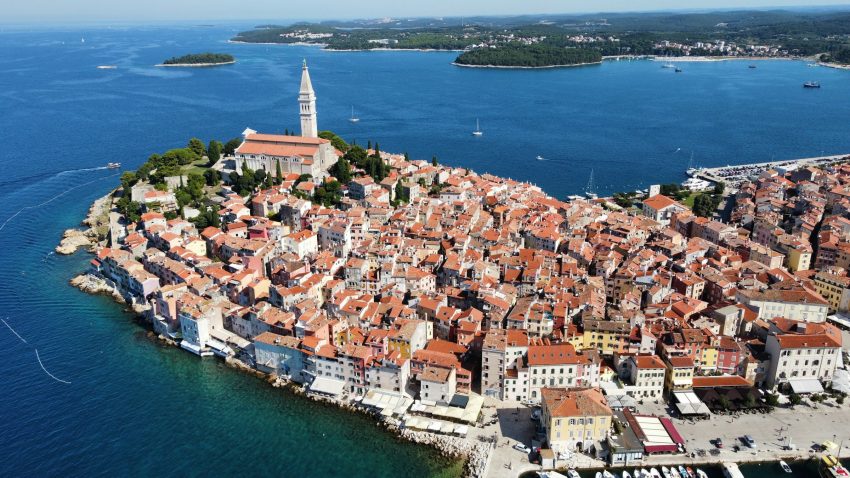
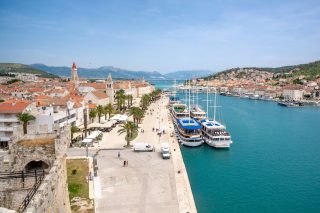
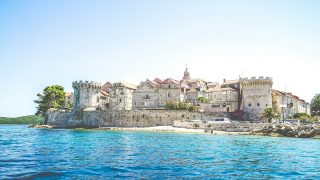
Rovinj is one of Istria's most photogenic coastal towns, built around a compact old core that rises to a hilltop church and spills down into a tangle of stone lanes, small squares, and waterfront promenades. It's the kind of place that rewards slow wandering: you'll move from shaded alleys to sunlit terraces in minutes, with constant glimpses of fishing boats, pastel façades, and the Adriatic beyond.
A visit to Rovinj is largely about atmosphere-morning coffee by the harbor, a swim from smooth rocks just outside the old town, and sunset walks along the sea-facing paths. The town is also a great base for exploring the wider Istrian Peninsula, with easy access to nearby beaches, forest parks, and small villages, plus day trips to Pula or inland wine-and-truffle country.
Food and drink are a major part of the experience, with Istrian olive oil, seafood, and seasonal produce featuring heavily on menus. Plan time for a relaxed dinner in the old town, then linger for an evening stroll when the streets quiet down and the lights reflect off the water-Rovinj feels especially magical after dark, without needing a packed itinerary.
History of Rovinj
Rovinj in Antiquity and the Early Settlement
Archaeological traces point to early habitation in the area long before the medieval town took shape. Over time, a fortified community developed, shaped by the need for protection and by maritime trade routes that connected the Adriatic’s coastal settlements.
Rovinj in the Medieval Period
During the Middle Ages, Rovinj evolved into a walled town with a dense urban fabric and a strong connection to the sea. Defensive structures, narrow streets, and compact building patterns reflect both security concerns and limited space, while the community’s economy increasingly relied on fishing, salt-related activities, and coastal commerce.
Rovinj under the Venetian Era
For centuries, Venetian influence left a lasting imprint on Rovinj’s architecture, language, and civic life. The town prospered as part of a wider Adriatic network, and many of the stylistic cues visible in façades, arches, and urban layout echo Venetian coastal design traditions.
Rovinj in the Habsburg and Modern Periods
Shifts in regional power brought administrative and economic changes, with new trade patterns and modernization gradually reshaping daily life. In the 20th century, political transitions and population movements altered the town’s demographics, while the later rise of tourism helped drive restoration and preservation of the historic core.
Rovinj Today
In recent decades, Rovinj has balanced heritage conservation with a strong visitor economy. Restoration of buildings, investment in public spaces, and a focus on culture and gastronomy have helped it become a leading Adriatic destination while maintaining the intimate scale of its old town.

Moira & Andy
Hey! We're Moira & Andy. From hiking the Camino to trips around Europe in Bert our campervan — we've been traveling together since retirement in 2020!
Visiting Rovinj for the first time and wondering what are the top places to see in the city? In this complete guide, I share the best things to do in Rovinj on the first visit. To help you plan your trip, I have also included an interactive map and practical tips for visiting!
This website uses affiliate links which earn a small commission at no additional cost to you.
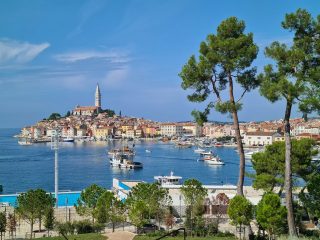
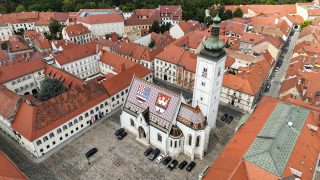
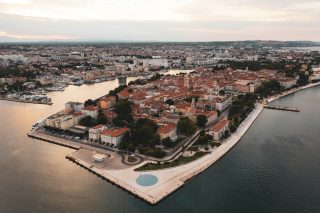
8 Best places to See in Rovinj
This complete guide to Rovinj not only tells you about the very best sights and tourist attractions for first-time visitors to the city but also provide insights into a few of our personal favorite things to do.
This is a practical guide to visiting the best places to see in Rovinj and is filled with tips and info that should answer all your questions!
1. Marsala Tita Square
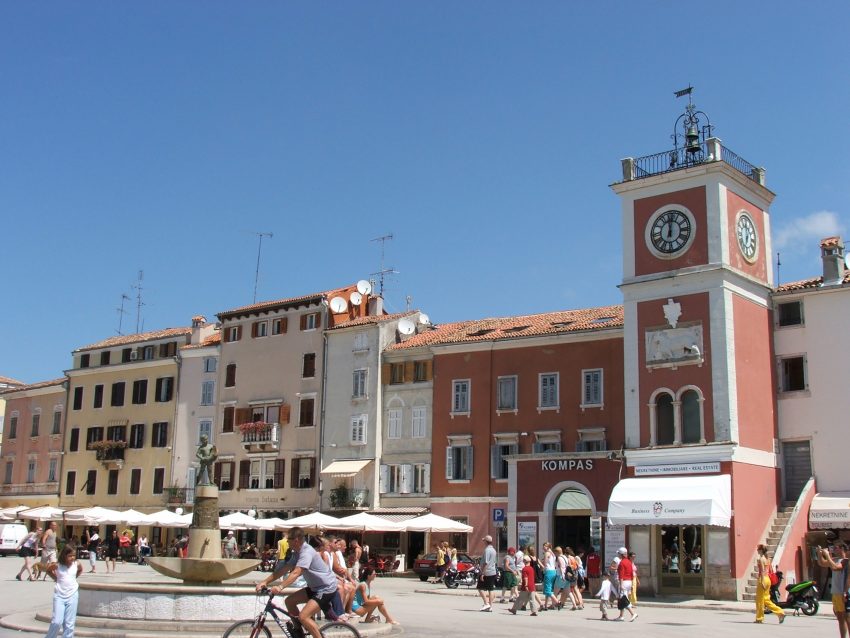
Location: Trg Maršala Tita, 52210, Rovinj, Croatia | Hours: 24 Hours. | Price: Free. | Distance: 0.3km
2. Clock Tower
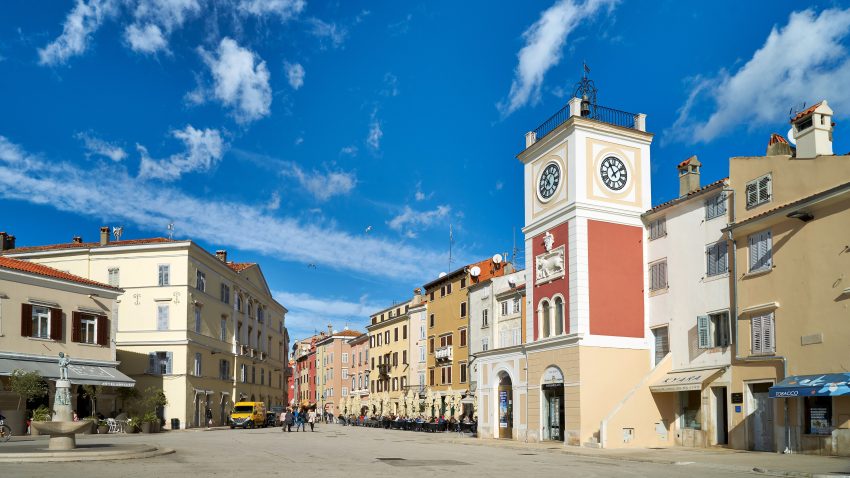
Location: Crkva sv. Eufemije u Rovinju, Trg Sv. Eufemije, 52210, Rovinj, Croatia | Hours: Check official website. | Price: From €4 (tower climb; may vary). | Distance: 0.3km

3. Rovinj Heritage Museum
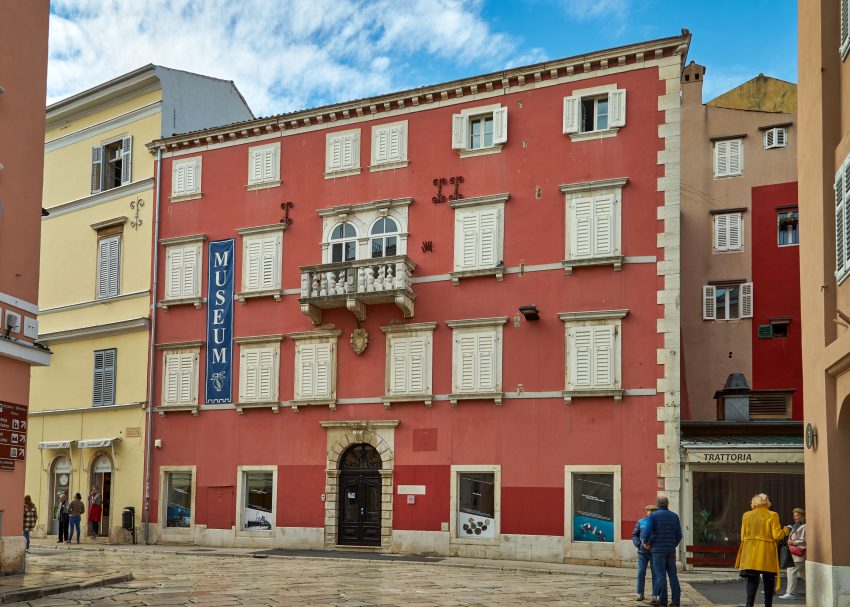
Location: Trg na mostu 1, 52210, Rovinj, Croatia | Hours: Daily: 10:00–18:00. | Price: Free. | Website | Distance: 0.4km
4. Port of Rovinj
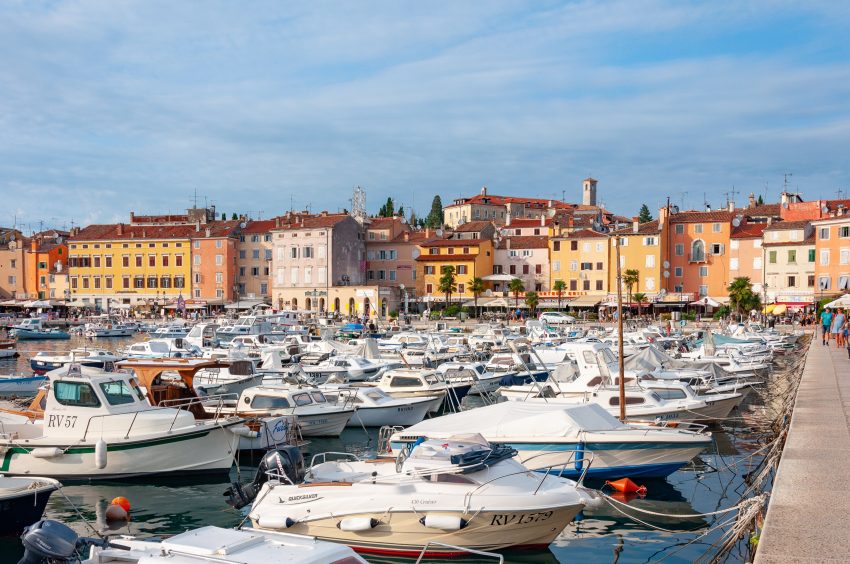
Location: Ul. Joakima Rakovca 6, 52210, Rovinj, Croatia | Hours: 24 Hours. | Price: Free. | Website | Distance: 0.4km
5. Balbi's Arch
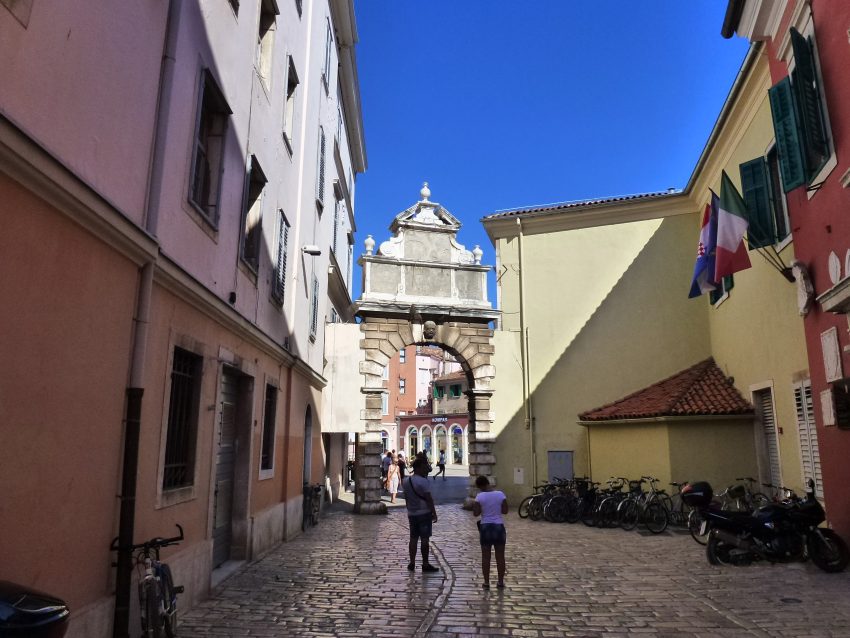
Location: 52210, Rovinj, Croatia | Hours: 24 Hours. | Price: Free. | Distance: 0.4km
6. Batana Eco Museum
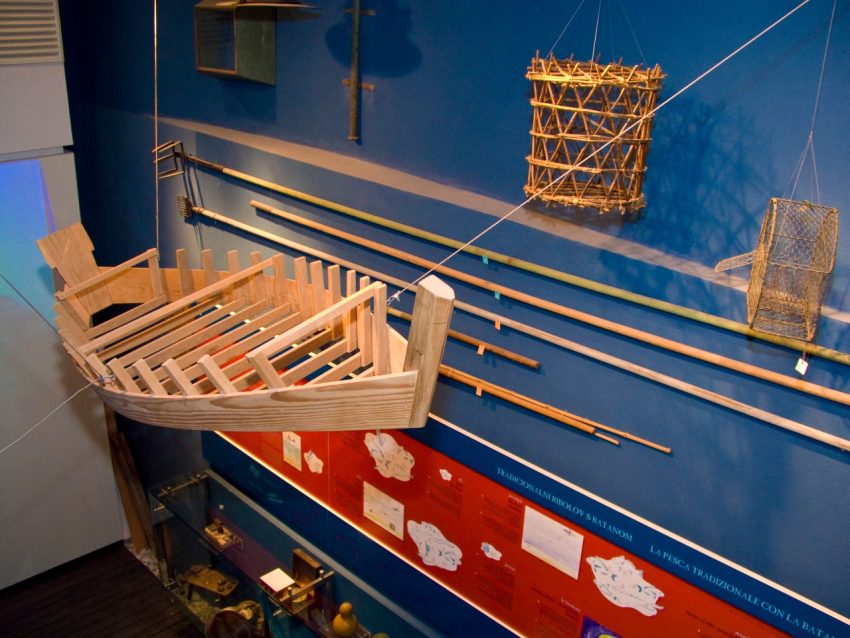
Location: Obala Pina Budicina 2, 52210, Rovinj, Croatia | Hours: (Winter) January, February, December: Monday – Friday: 10:00–15:00; Closed on Saturday, Sunday. (Group visits with advance notice.). (Summer) March, April, October, November: Monday – Saturday: 10:00–16:00; Closed on Sunday. May, September: Monday – Saturday: 10:00–13:00 & 18:00–21:00; Closed on Sunday. June – August: Monday – Saturday: 10:00–13:00 & 19:00–23:00; Closed on Sunday. (Group visits with advance notice.). | Price: Adults: €5; Pupils, students & pensioners: €4; Adult groups (10+): €3; School groups (10+): €2.50; Some members free. | Website | Distance: 0.5km
7. Grisia Street
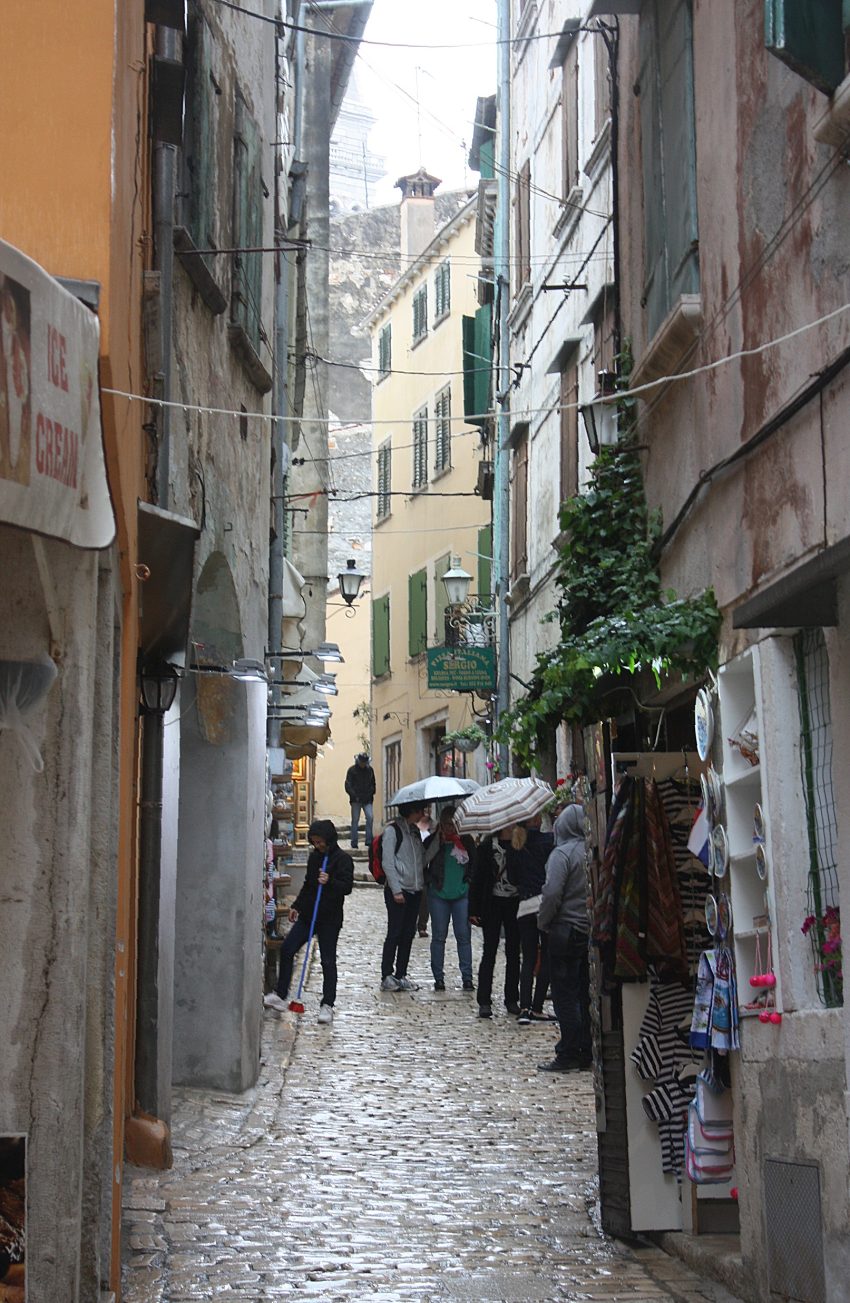
Location: Ul. Grisia, 52210, Rovinj, Croatia | Hours: 24 Hours. | Price: Free. | Distance: 0.5km
8. Church of St. Euphemia and the Bell Tower
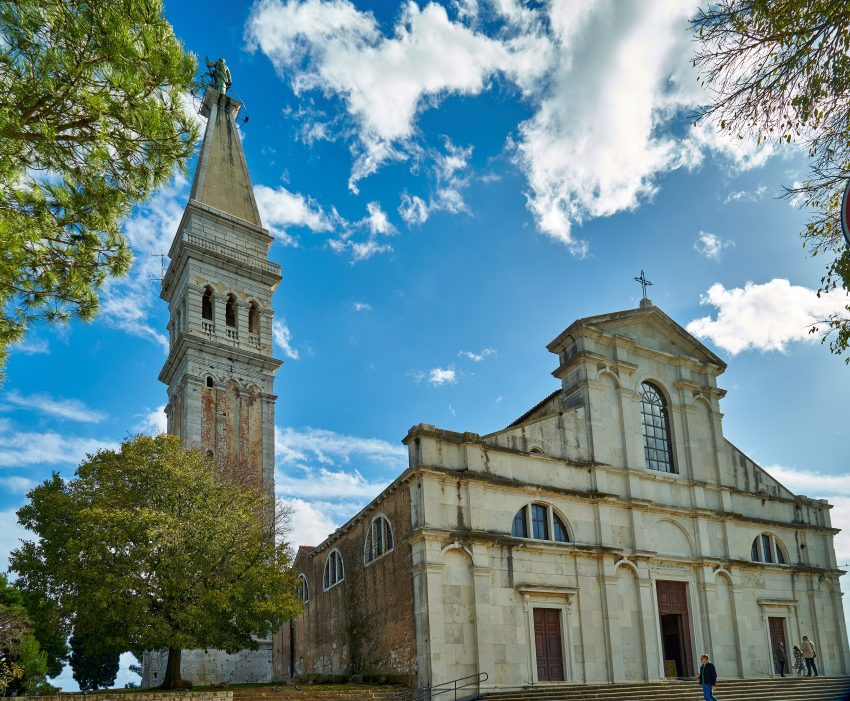
Location: Crkva sv. Eufemije u Rovinju, Trg Sv. Eufemije, 52210, Rovinj, Croatia | Hours: Check official website. | Price: Check official website. | Website | Distance: 0.6km
Best Day Trips from Rovinj
A day trip from Rovinj offers the perfect opportunity to escape the urban rhythm and discover the surrounding region's charm. Whether you're drawn to scenic countryside, historic villages, or cultural landmarks, the area around Rovinj provides a variety of easy-to-reach destinations ideal for a one-day itinerary.
1. Pula
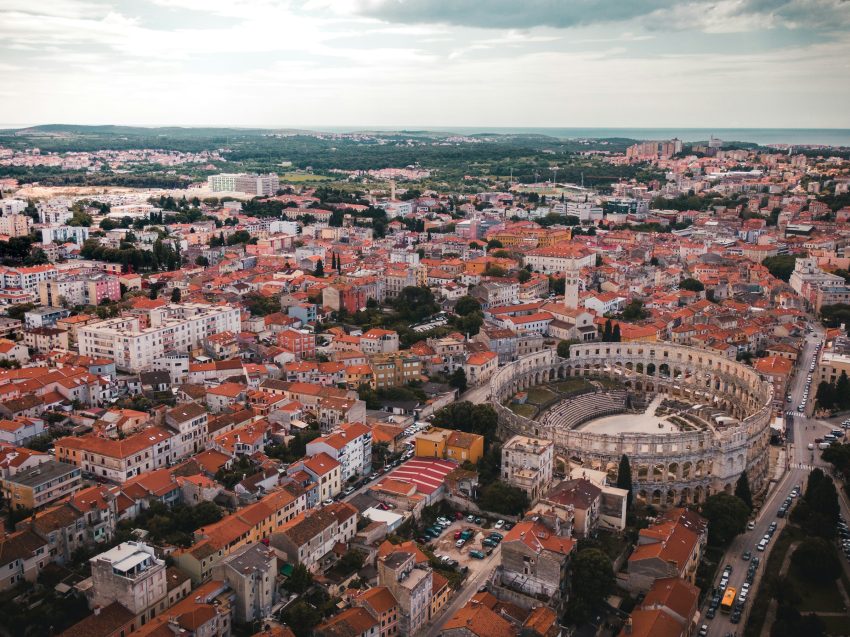
Visiting Pula
2. Trieste

Visiting Trieste
3. Venice
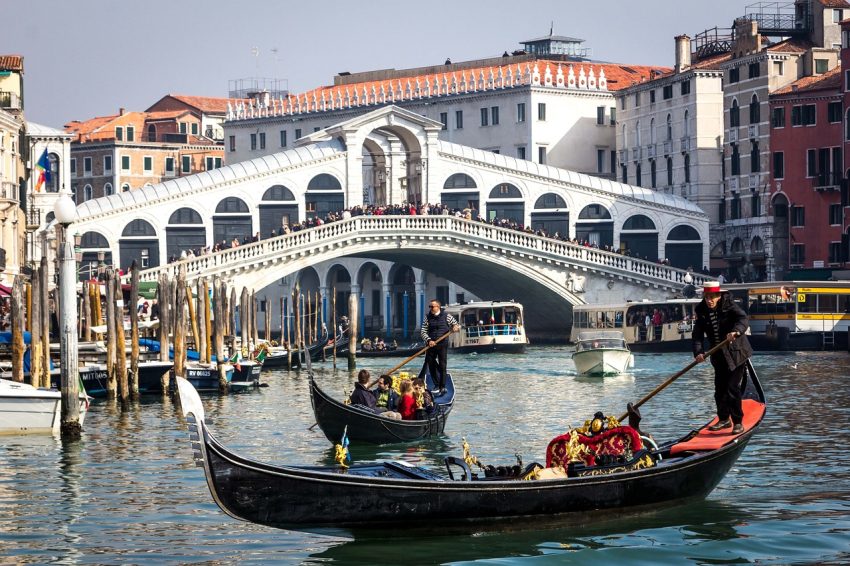
Visiting Venice
4. Udine
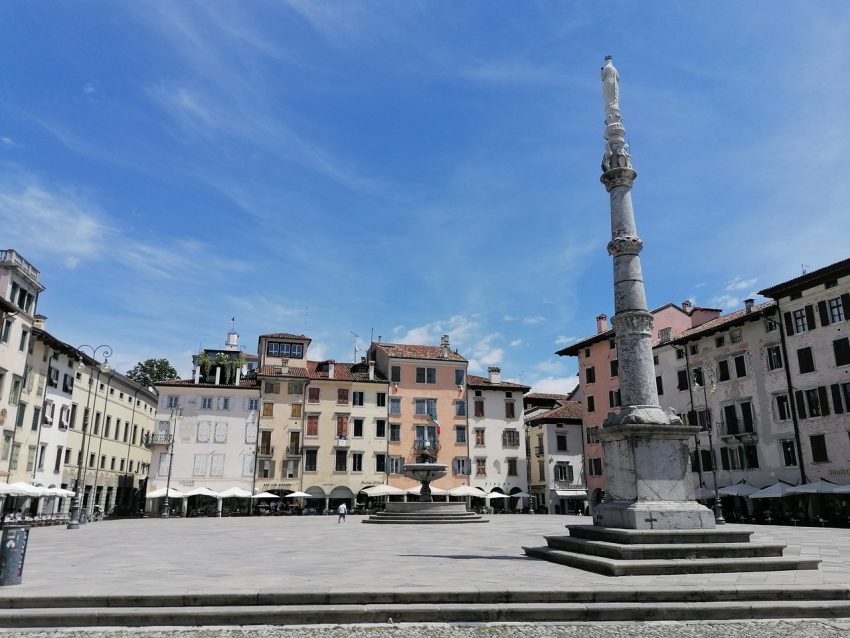
Visiting Udine
5. Cividale del Friuli

Visiting Cividale del Friuli
6. Ljubljana

Visiting Ljubljana
7. Ravenna
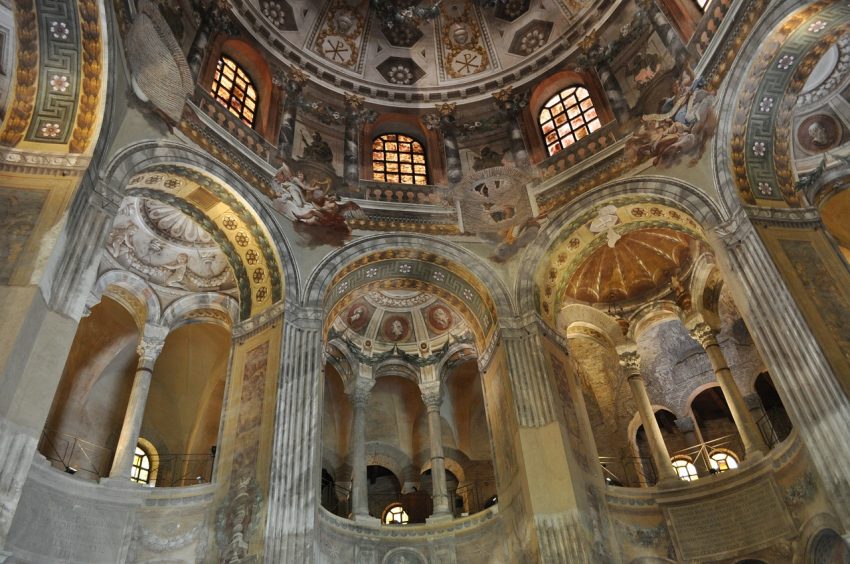
Visiting Ravenna
8. Rimini
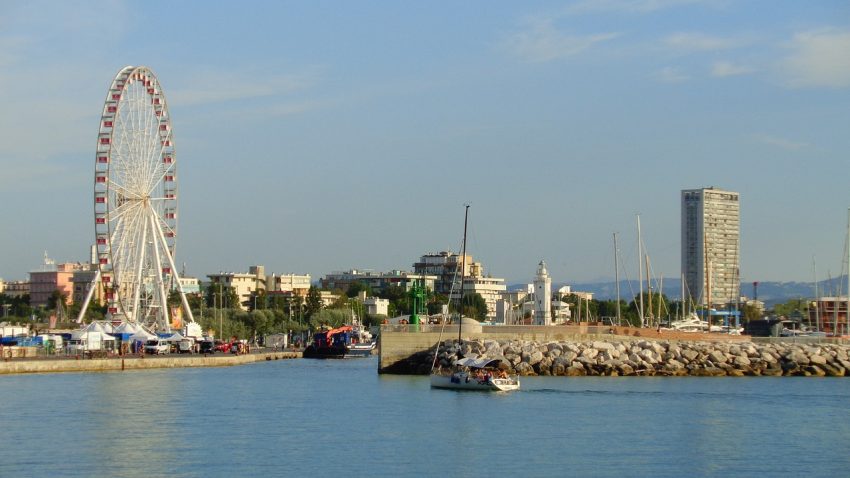
Visiting Rimini
9. Padova

Visiting Padova
10. San Marino
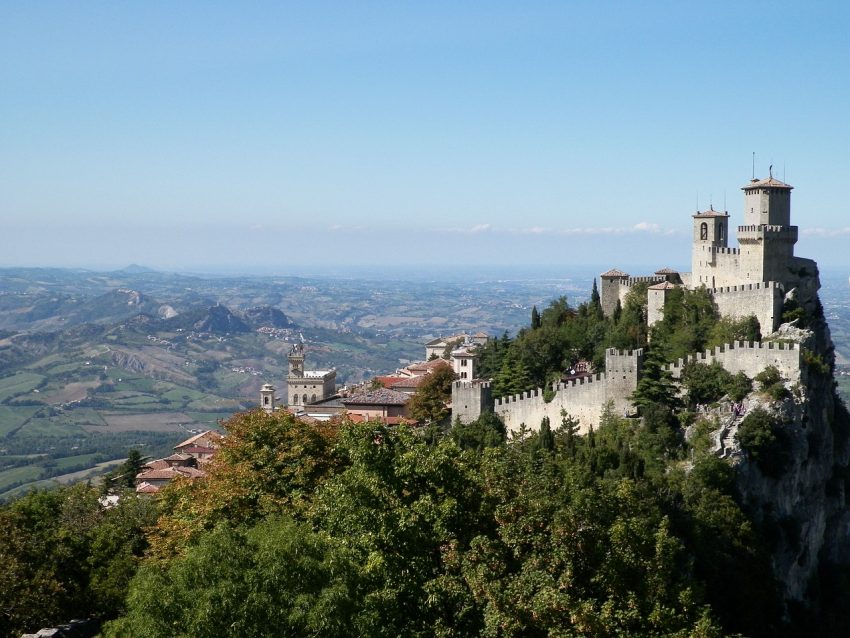
Visiting San Marino
Where to Stay in Rovinj
For a first-time visit, staying in Rovinj Old Town is ideal if you want to step straight into the atmosphere—early-morning quiet, evening strolls, and restaurants right outside your door—though you should expect stairs, limited vehicle access, and a short walk from parking. A standout choice here is Adriatic Hotel by Maistra Collection, which suits travelers who want a central waterfront position with stylish interiors and easy access to the harbor promenade. If you prefer a resort feel with pools, beaches, and a bit more space while still being close to the center, the Lone Bay/Golden Cape area is the best balance; Grand Park Hotel Rovinj by Maistra Collection is a top pick for its views over the old town, high-end facilities, and quick walk or shuttle access into town. For a quieter, beach-forward stay with a classic holiday vibe, consider the island setting of Maistra Select Island Hotel Katarina, which works well for couples and anyone who likes being surrounded by sea views while remaining a short boat ride from the old town. If you want a family-friendly base with easy swimming access and a straightforward drive-and-park setup, the southern resort zone is convenient; Maistra Select Family Hotel Amarin is well suited for families thanks to its amenities and beach access while still keeping Rovinj’s center within a short ride.
Using the our Hotel and Accomodation map, you can compare hotels and short-term rental accommodations in Rovinj. Simply insert your travel dates and group size, and you’ll see the best deals for your stay.
Rovinj Accommodation Map
Best Time to Visit Rovinj
Rovinj in Spring
Spring is a comfortable time to visit, with warming days, fewer crowds, and excellent conditions for walking the old town and cycling nearby trails. Nature is at its greenest, and it’s a good season for food-focused travel as seasonal menus start to broaden.
Rovinj in Summer (Best)
Summer delivers the classic Rovinj experience: long sunny days, warm sea temperatures, and a lively waterfront atmosphere. This is peak season for swimming, boat trips, and late-night dining. Festival highlights often include open-air concerts and cultural events, and the town’s calendar typically feels busiest from late June through August.
Rovinj in Autumn
Autumn stays pleasantly mild into early fall, with warm seas lingering and a calmer feel once peak crowds fade. It’s a strong season for gastronomy—especially olive oil and wine-related experiences in the broader area—and for photographers who want softer light and quieter streets.
Rovinj in Winter
Winter is the quietest period, with cooler, wetter spells and shorter days, but it can be rewarding for travelers who prefer a local, unhurried pace. Many seasonal businesses reduce hours, yet the old town’s atmosphere remains charming for café stops, coastal walks, and low-key cultural visits.
Annual Weather Overview
- January 9°C 52°F
- February 10°C 54°F
- March 13°C 59°F
- April 17°C 65°F
- May 21°C 73°F
- June 25°C 80°F
- July 28°C 86°F
- August 27°C 85°F
- September 24°C 79°F
- October 19°C 70°F
- November 14°C 60°F
- December 9°C 52°F
How to get to Rovinj
Getting to Rovinj by air
Nearest airports: Pula Airport (PUY) is the closest and usually the most convenient. Trieste Airport (TRS) and Rijeka Airport (RJK) can also work depending on routes and season.
From Pula Airport to Rovinj: The simplest options are taxi, private transfer, or a pre-booked shuttle in high season. If you prefer public transport, you’ll typically connect via Pula’s bus station and continue by regional bus to Rovinj.
Getting to Rovinj by train
Rovinj does not have a mainline passenger rail connection into the town, so the practical approach is to travel by train to a nearby hub and continue by bus.
Train operators (links): Croatia: https://www.hzpp.hr/en • Italy: https://www.trenitalia.com/en.html • Austria: https://www.oebb.at/en/
Common rail-to-bus connections: Travelers often route via Pula (then bus onward) or via Trieste (then cross-border bus connections depending on season). Always check current timetables, as services can be limited outside summer.
Getting to Rovinj by Car
Driving is one of the easiest ways to reach Rovinj, especially if you want flexibility to explore Istria’s coast and inland villages. Major roads in Istria are well maintained, and the approach into town is straightforward.
Parking tips: The old town is largely pedestrianized, so plan to park in designated lots on the edge of the center and walk in with luggage if needed. In peak summer, arrive earlier in the day to secure a spot.
Travelling around Rovinj
Rovinj is compact and best explored on foot, particularly the old town where streets are narrow and steep. For beaches and nearby nature areas, local buses and taxis can help, but cycling is especially popular thanks to scenic coastal and forest routes. Boat taxis and short excursions are also a convenient way to reach nearby coves and islands in season.