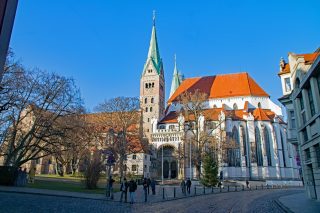
Munich, Germany: The Ultimate Travel Guide 2026

Munich is one of the easiest German cities to enjoy on a first visit because it balances “big-city” culture with a relaxed, walkable core. You can spend the morning moving between grand squares, museums, and coffee houses, then switch to parks, river paths, and beer gardens without ever feeling like you need to plan every minute. It is a city that rewards simple routines-start centrally, follow your curiosity, and let neighbourhood atmosphere do the rest.
The city sits in southern Germany, in the state of Bavaria, close to the foothills of the Alps. That location shapes the feel of a trip: day trips to lakes and mountains are straightforward, the seasonal calendar is strong (from spring gardens to winter markets), and the food-and-drink culture leans distinctly Bavarian. Even if you are not heading into the mountains, you will often sense the Alpine edge in the skyline on clear days.
For a first-time itinerary, Munich works best as a mix of classic highlights and neighbourhood wandering. Prioritise a compact, walkable loop through the central districts for landmarks and museums, then carve out time for the English Garden, a river walk, or a longer lunch in a beer garden. If you stay well connected to public transport, you can keep the trip flexible and still fit in a half-day escape to a lake or a nearby town without feeling rushed.
Table of Contents
- History of Munich
- Germany: Medieval Origins and the Birth of Munich
- Germany: Wittelsbach Power, Trade, and Plague-Era Europe
- Germany: Reformation Pressures and Counter-Reformation Munich
- Germany: The Thirty Years’ War and Baroque Court Ambition
- Germany: Enlightenment Reform, Cultural Growth, and Dynastic Continuity
- Germany: Napoleonic Upheaval and the Kingdom of Bavaria
- Germany: Industrialisation, Modern Urban Life, and Social Change
- Germany: World War I, Revolution, and the Weimar Era
- Germany: Nazi Rise, World War II, and Destruction
- Germany: Postwar Reconstruction, Prosperity, and International Reintroduction
- Germany: Contemporary Munich—Global City, Innovation, and Identity
- 33 Best places to See in Munich
- Isartor
- Beer & Oktoberfest Museum
- Hofbräuhaus München
- Altes Rathaus
- Peterskirche
- Viktualienmarkt
- Alter Hof
- Deutsches Museum
- Neues Rathaus
- Marienplatz
- Maximilianstraße
- Bavarian State Opera
- Max-Joseph-Platz
- Allerheiligen-Hofkirche
- Munich Residence
- Münchner Stadtmuseum
- Jewish Museum
- Neuhauser Straße
- Odeonsplatz
- Frauenkirche
- Theatine Church
- Feldherrnhalle
- Hofgarten
- German Hunting and Fishing Museum
- Asamkirche
- English Garden
- Bavarian National Museum
- Sendlinger Tor
- Bürgersaalkirche
- Karlsplatz
- Justizpalast München
- Glyptothek
- Munich Museum of Egyptian Art
- 6 Best Day Trips from Munich
- Where to Stay in Munich
- Best Time to Visit Munich
- How to get to Munich
History of Munich
Germany: Medieval Origins and the Birth of Munich (12th–13th Centuries)
Munich begins as a deliberate medieval foundation rather than an ancient settlement that simply “grew up” over time. In 1158, Henry the Lion, Duke of Saxony and Bavaria, secured control over a strategic river crossing and market rights, a move that redirected commerce and effectively created the nucleus of the town. The name München derives from “bei den Mönchen” (by the monks), reflecting the presence of monastic communities in the area that shaped early identity and landholding.
By 1175 the settlement had been fortified, and in 1180, after Henry the Lion’s fall from power, Munich passed to the Wittelsbach dynasty—an inflection point that would define the city’s political trajectory for centuries. In 1255, when Bavaria was divided, Munich became the ducal residence of Upper Bavaria, anchoring it as a court city with a growing administrative and economic role.
Germany: Wittelsbach Power, Trade, and Plague-Era Europe (14th–15th Centuries)
In the late Middle Ages Munich consolidated as a regional centre under the Wittelsbachs, with guild life, market privileges, and court patronage reinforcing urban growth. Like many European towns, it navigated recurrent crises—famine, epidemics, and intermittent conflict—yet continued to strengthen its civic institutions and commercial networks.
A key turning point came in 1506 when Bavaria was reunified and Munich emerged as the capital of the duchy. That status drew artisans, merchants, and court officials, and it set the stage for a more ambitious architectural and cultural programme in the centuries ahead.
Germany: Reformation Pressures and Counter-Reformation Munich (16th Century)
While much of the German-speaking world was transformed by the Protestant Reformation, Munich became a leading Catholic stronghold. The Wittelsbach rulers aligned the city with Counter-Reformation priorities, using education, church building, and patronage to reinforce Catholic identity and political legitimacy.
This period left a lasting imprint on the city’s institutional landscape. Munich’s role as a Catholic centre was not only religious; it was geopolitical, linking the city’s fortunes to the broader contest for influence in the Holy Roman Empire and shaping alliances that would matter profoundly in the 17th century.
Germany: The Thirty Years’ War and Baroque Court Ambition (17th Century)
The Thirty Years’ War (1618–1648) destabilised much of Central Europe, and Munich’s status as a Catholic hub placed it close to the conflict’s political heart. The city endured economic strain and military threat, including occupation episodes and the wider disruption of trade, food supply, and demographic stability that marked the era.
Yet the 17th century also reinforced Munich’s identity as a court city with artistic ambitions. The Wittelsbachs invested in Baroque culture as an expression of power and resilience, deepening the tradition of state-backed art and architecture that later generations would expand.
Germany: Enlightenment Reform, Cultural Growth, and Dynastic Continuity (18th Century)
In the 18th century, Munich experienced periods of administrative reform and cultural consolidation typical of Enlightenment-era courts. The city remained dynastically anchored, but the priorities of governance began to shift toward modern bureaucracy, infrastructure, and the cultivation of intellectual life.
This era also built the foundations for Munich’s later reputation as a centre for arts and learning. Court patronage continued, but it increasingly intersected with broader European currents: scientific interest, architectural classicism, and early public cultural institutions.
Germany: Napoleonic Upheaval and the Kingdom of Bavaria (1806–1848)
The Napoleonic period reshaped the German states, and Bavaria’s elevation to a kingdom in 1806 marked a decisive upgrade in Munich’s political standing. As the royal capital, Munich entered a phase of planned transformation, with rulers and architects pushing a more monumental city image suited to a modern European capital.
Large-scale building projects and urban planning accelerated, embedding a new classical grandeur in the cityscape and projecting Bavaria’s aspirations. This was not simply beautification; it was statecraft in stone, designed to communicate legitimacy and continuity in a rapidly changing Europe.
Germany: Industrialisation, Modern Urban Life, and Social Change (1848–1914)
The second half of the 19th century brought industrial growth, expanding rail links, and new residential districts, pushing Munich beyond its older urban footprint. With modernisation came demographic change: rural-to-urban migration, a more complex class structure, and the expansion of civic services.
Culturally, Munich developed a strong reputation as an artistic and intellectual centre, attracting painters, writers, and thinkers. This blend—industry alongside culture—became a defining tension and strength, setting up Munich as both a working modern city and a place with a refined public identity.
Germany: World War I, Revolution, and the Weimar Era (1914–1933)
World War I strained Munich as it did the rest of Germany, bringing scarcity, political radicalisation, and a collapse of imperial structures. In 1918, Bavaria’s monarchy fell, and Munich became a focal point of revolutionary politics, including the short-lived Bavarian Soviet Republic in 1919 and its violent suppression.
The Weimar period that followed was turbulent, marked by economic volatility and ideological conflict. Munich also became an early incubator for extremist movements, a development that would have catastrophic implications for Germany and Europe in the next decade.
Germany: Nazi Rise, World War II, and Destruction (1933–1945)
Under National Socialism, Munich held symbolic importance within the Nazi movement and was heavily shaped by the regime’s propaganda and institutional control. The city was also subjected to the wider machinery of persecution, repression, and wartime mobilisation that defined Nazi Germany.
During World War II, Munich suffered significant damage from Allied bombing, with losses to housing, infrastructure, and parts of the historic fabric. By 1945 the city faced the immediate challenges of defeat: physical reconstruction, displaced populations, and the moral and political reckoning of the post-Nazi era.
Germany: Postwar Reconstruction, Prosperity, and International Reintroduction (1945–1990)
In the postwar decades, Munich rebuilt rapidly, restoring key historic areas while also developing modern districts suited to a growing economy. West Germany’s broader economic recovery supported Munich’s expansion as a centre for industry, technology, media, and education, with living standards rising and the city’s international profile strengthening.
The city also reintroduced itself globally through culture and sport, reinforcing a public-facing identity that mixed tradition with modernity. By the late 20th century, Munich had positioned itself as one of Germany’s most economically successful and internationally recognisable cities.
Germany: Contemporary Munich—Global City, Innovation, and Identity (1990–Present)
Since reunification, Munich has continued to expand as a high-value economic hub, known for advanced manufacturing, research, and a strong service sector. Growth has brought familiar big-city pressures—housing costs, infrastructure demand, and debates over development versus heritage—while the city has retained a strong sense of local tradition in public life.
Modern Munich is defined by this duality: a global-facing economy and a deeply rooted civic culture. It remains a city that invests heavily in quality of life, public space, and cultural institutions, even as it navigates the challenges of scale, tourism, and rapid change.

Moira & Andy
Hey! We're Moira & Andy. From hiking the Camino to trips around Europe in Bert our campervan — we've been traveling together since retirement in 2020!
Visiting Munich for the first time and wondering what are the top places to see in the city? In this complete guide, I share the best things to do in Munich on the first visit. To help you plan your trip, I have also included an interactive map and practical tips for visiting!
This website uses affiliate links which earn a small commission at no additional cost to you.
33 Best places to See in Munich
This complete guide to Munich not only tells you about the very best sights and tourist attractions for first-time visitors to the city but also provide insights into a few of our personal favorite things to do.
This is a practical guide to visiting the best places to see in Munich and is filled with tips and info that should answer all your questions!
1. Isartor

Location: 80331 Munich, Germany | Hours: 24 Hours. | Price: Free. | Distance: 0.0km

2. Beer & Oktoberfest Museum
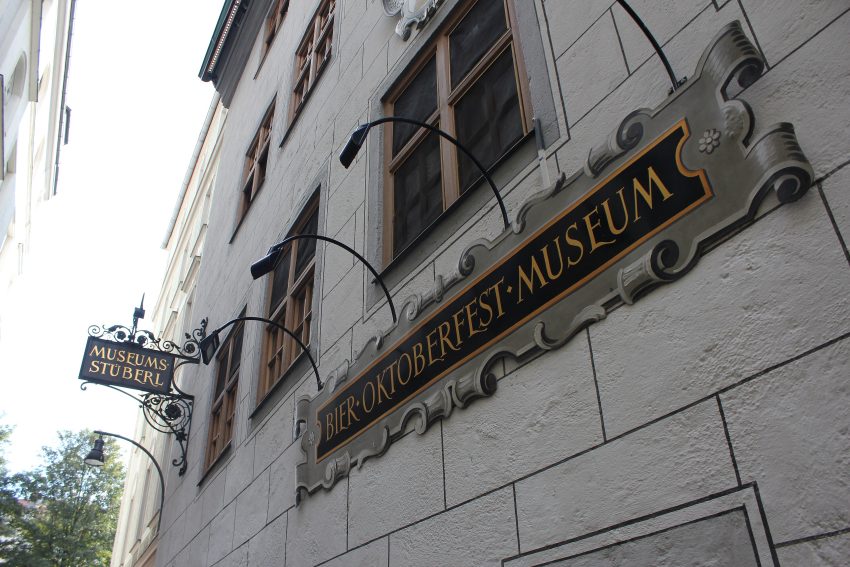
Location: Sterneckerstraße 2, 80331 München, Germany | Hours: Monday – Saturday: 11:00–19:00. Sunday: Closed. Closed on public holidays. | Price: Adults: €4; Reduced: €2.50; Groups (6+): €3. | Website | Distance: 0.1km
3. Hofbräuhaus München
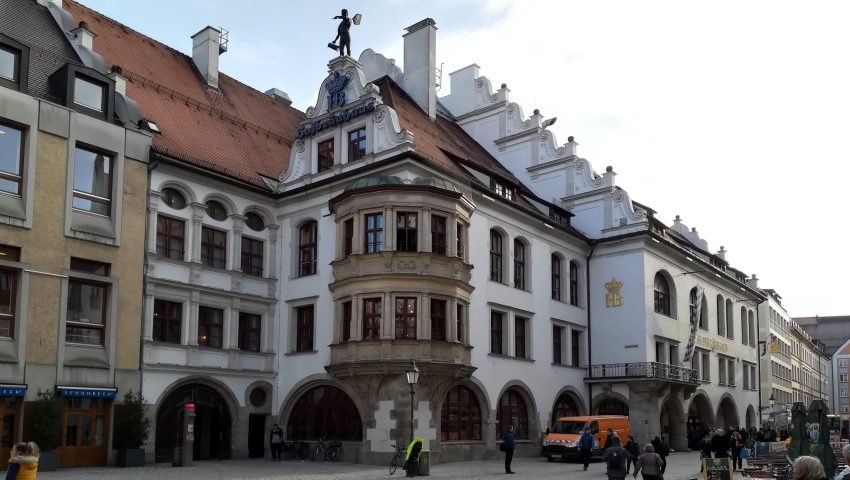
Location: Platzl 9, 80331 München, Germany | Hours: Daily: 11:00–00:00. | Price: Free entry; food and drinks are paid separately. | Website | Distance: 0.3km
4. Altes Rathaus
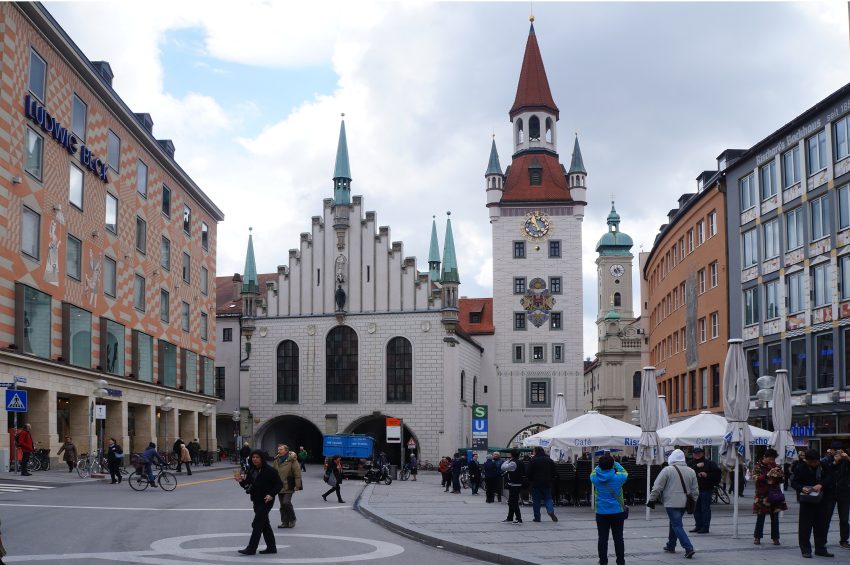
Location: Marienplatz 15, 80331 München, Germany | Hours: 10:00–17:30. Closed on Tuesday. | Price: €8; Children (up to 17): €3; Family: €16. | Website | Distance: 0.4km
5. Peterskirche

Location: Peterspl. 1, 80331 München, Germany | Hours: (Summer) April – October; Daily: 09:00–19:30. (Winter) November – March; Monday – Friday: 09:00–18:30. Saturday – Sunday: 09:00–19:30. | Price: Church entry: Free. Tower (Alter Peter): Adults: €5; Reduced: €3; Students (6–18): €2; Under 6: free. | Website | Distance: 0.4km
6. Viktualienmarkt

Location: Viktualienmarkt, 80 München-Altstadt-Lehel, Germany | Hours: Daily: Open 24 hours. | Price: Free. | Website | Distance: 0.4km
7. Alter Hof

Location: Alter Hof, 80 München-Altstadt-Lehel, Germany | Hours: Monday – Saturday: 10:00–18:00. Sunday: Closed. Closed on public holidays. | Price: Free. | Website | Distance: 0.5km
8. Deutsches Museum

Location: Museumsinsel 1, 80538 München, Germany | Hours: Daily: 09:00–17:00. | Price: Adults: €15; Discounted: €8; Family ticket: €31; Under 6: free. Prices increase from January 28, 2026 (Adults: €16; Discounted: €9; Family ticket: €33). | Website | Distance: 0.5km
9. Neues Rathaus
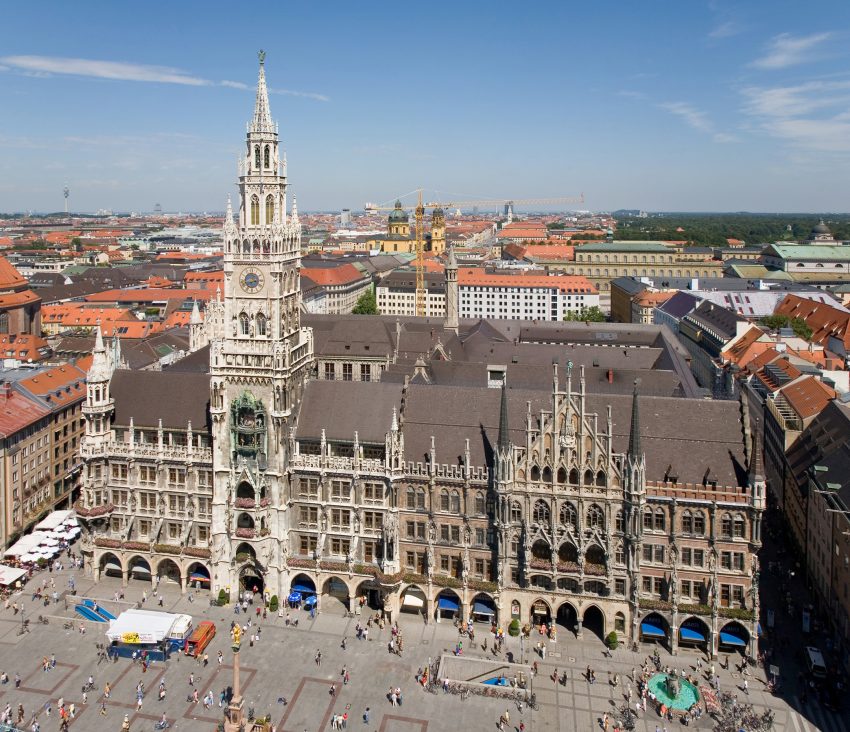
Location: Marienplatz 8, 80331 München, Germany | Hours: Monday – Friday: 10:00–20:00. Saturday: 10:00–16:30. Sunday: 10:00–14:30. | Price: Tower: €7 (standard; discounts may apply). | Website | Distance: 0.5km
10. Marienplatz
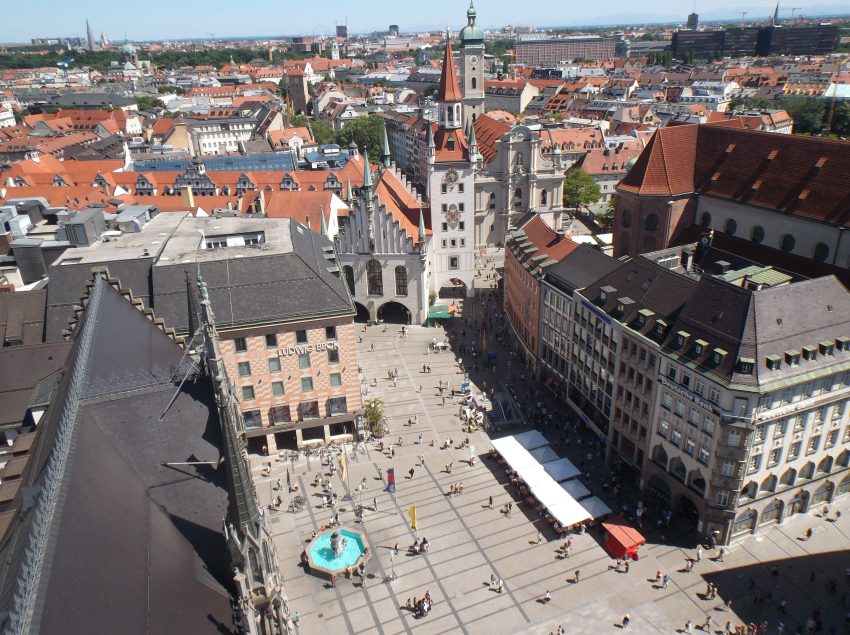
Location: Marienplatz, 80331 München-Altstadt-Lehel, Germany | Hours: 24 Hours. | Price: Free. | Distance: 0.5km
11. Maximilianstraße

Location: Maximilianstraße, 80 München-Altstadt-Lehel, Germany | Hours: 24 Hours. | Price: Free. | Distance: 0.5km
12. Bavarian State Opera

Location: Max-Joseph-Platz 2, 80539 München, Germany | Hours: Monday – Saturday: 10:00–19:00. Sunday: Closed. Note: The theatre typically opens one hour before performances. | Price: Prices vary by show. | Website | Distance: 0.6km
13. Max-Joseph-Platz
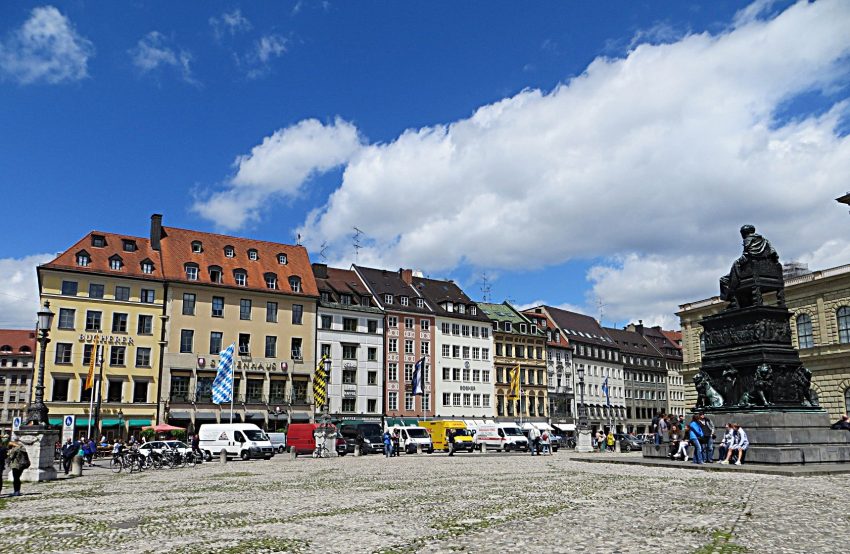
Location: Max-Joseph-Platz 2 80539 München Germany | Hours: 24 hours | Price: Free. | Distance: 0.6km
14. Allerheiligen-Hofkirche

Location: Residenzstraße 1, 80333 München, Germany | Hours: (Summer) April 1 – October 15; Daily: 09:00–18:00. (Winter) October 16 – March 31; Daily: 10:00–17:00. | Price: Free; donations appreciated. | Website | Distance: 0.6km
15. Munich Residence
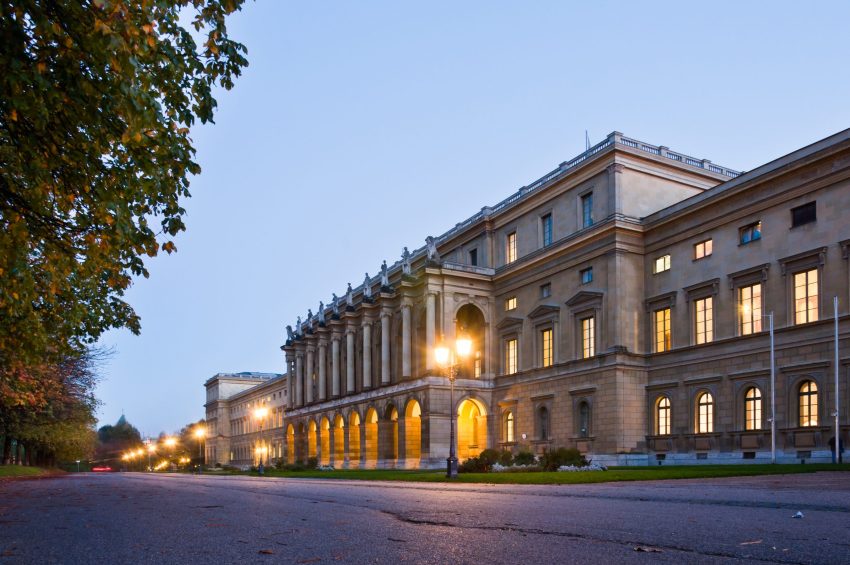
Location: Residenzstraße 1, 80333 München, Germany | Hours: (Summer) April 1 – October 19; Daily: 09:00–18:00. (Winter) October 20 – March 31; Daily: 10:00–17:00. | Price: Residence Museum: €10 (regular), €9 (reduced); Treasury: €10 (regular), €9 (reduced); Combination (Museum + Treasury): €15 (regular), €13 (reduced); Under 18: free. | Website | Distance: 0.6km
16. Münchner Stadtmuseum
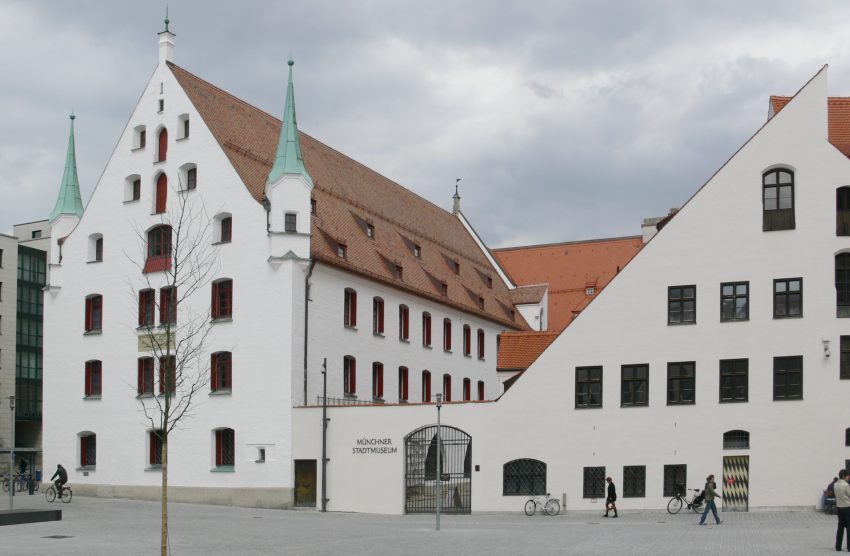
Location: Sankt-Jakobs-Platz 1, 80331 München, Germany | Hours: Monday: Closed. Tuesday – Sunday: 11:00–18:00. | Price: Free. | Website | Distance: 0.7km
17. Jewish Museum
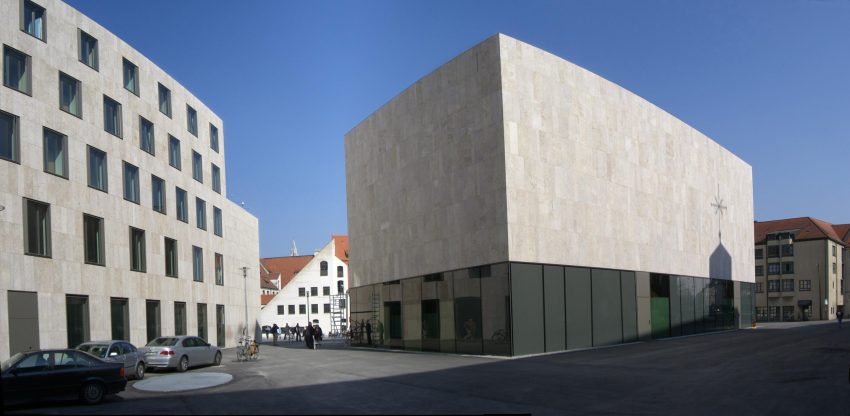
Location: Sankt-Jakobs-Platz 16, 80331 München, Germany | Hours: Tuesday – Sunday: 10:00–18:00. Closed on Monday. | Price: Adults: €6; Concessions: €3.60; Under 18: free. | Website | Distance: 0.7km
18. Neuhauser Straße
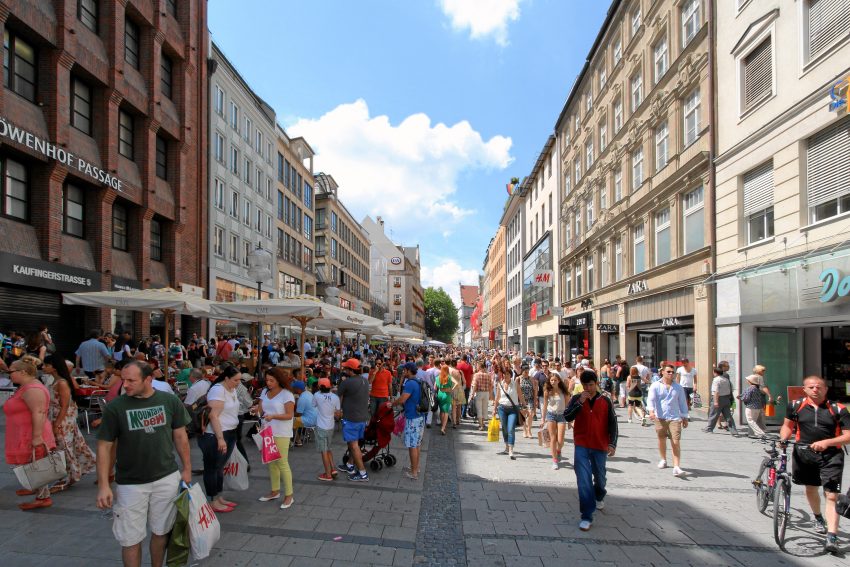
Location: Neuhauser Str. 12, 80331 München, Germany | Hours: 24 Hours. | Price: Free. | Distance: 0.8km
19. Odeonsplatz

Location: Odeonspl., 80 München, Germany | Hours: 24 Hours. | Price: Free. | Distance: 0.8km
20. Frauenkirche
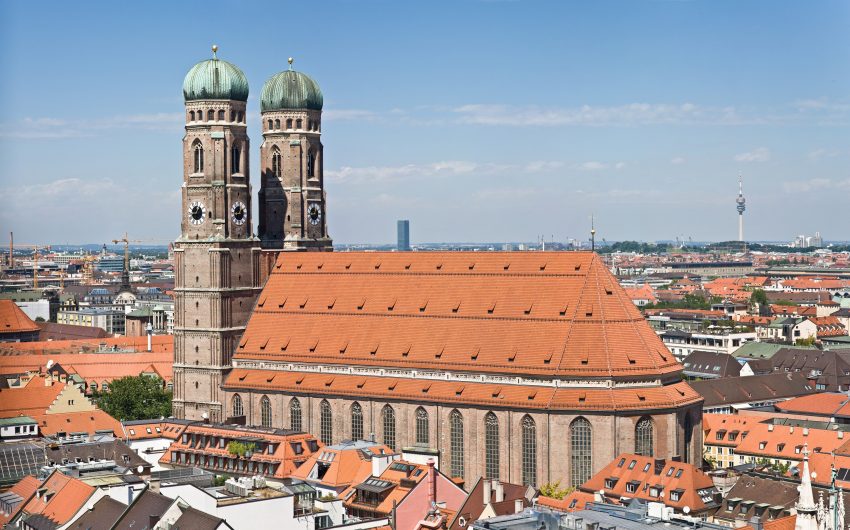
Location: Frauenplatz 1, 80331 München, Germany | Hours: Monday – Sunday: 08:00–20:00. | Price: Free; tower access ticketed separately. | Website | Distance: 0.8km
21. Theatine Church

22. Feldherrnhalle

Location: Residenzstraße 1, 80333 München, Germany | Hours: 24 Hours. | Price: Free. | Website | Distance: 0.8km
23. Hofgarten

Location: Old Town, 80539 Munich, Germany | Hours: 24 Hours. | Price: Free. | Distance: 0.8km
24. German Hunting and Fishing Museum

Location: Neuhauser Str. 2, 80331 München, Germany | Hours: Daily: 09:30–17:00. | Price: Adults: €7; Concessions: €5; Children (3–16): €3.50; Family ticket (2 adults + up to 3 children): €14. | Website | Distance: 0.9km
25. Asamkirche
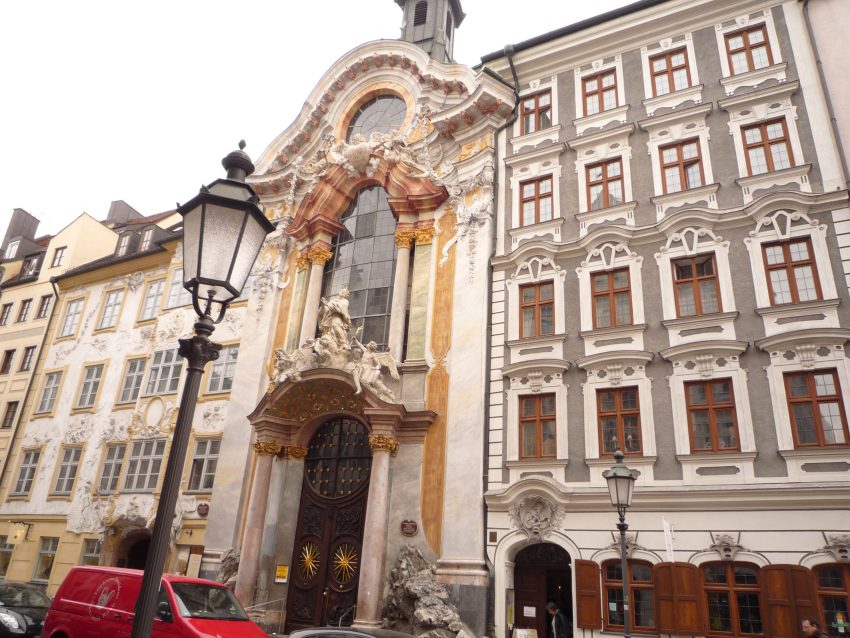
Location: Sendlinger Str. 32, 80331 München, Germany | Hours: Monday: 08:00–17:30. Tuesday: 08:00–17:30. Wednesday: 08:00–17:30. Thursday: 08:00–17:30. Friday: 08:00–17:30. Saturday: 12:00–17:30. Sunday: 08:00–17:30. | Price: Free; donations appreciated. | Distance: 0.9km
26. English Garden
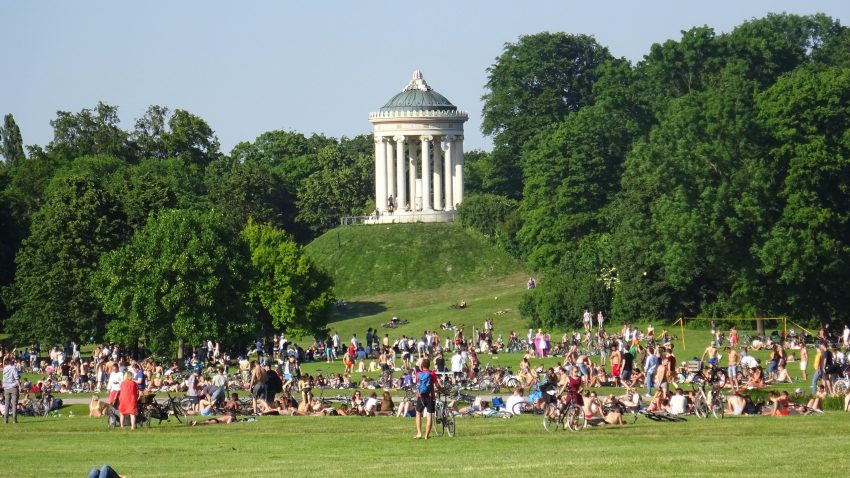
Location: Munich, Germany | Hours: 24 Hours. | Price: Free. | Website | Distance: 1.0km
27. Bavarian National Museum
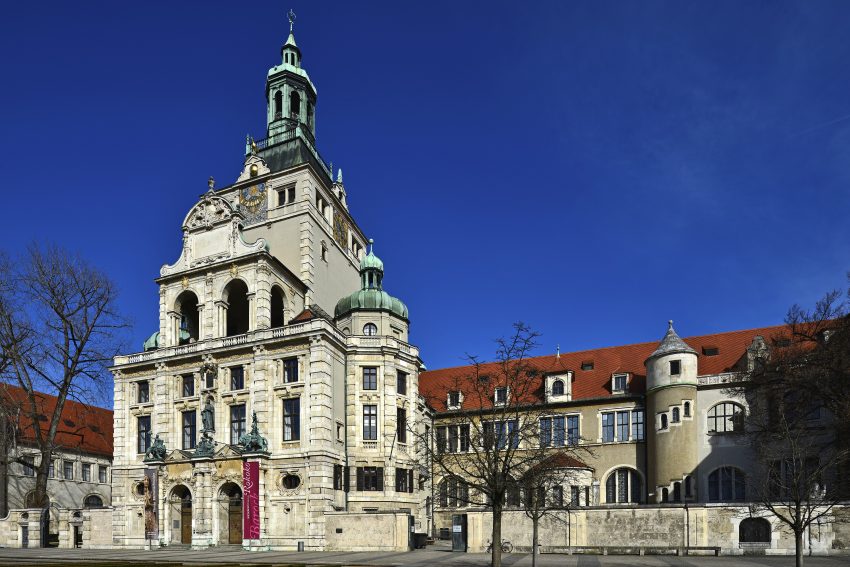
Location: Prinzregentenstraße 3, 80538 München, Germany | Hours: Tuesday – Wednesday: 10:00–17:00. Thursday: 10:00–20:00. Friday – Sunday: 10:00–17:00. Closed on Monday. | Price: Adults: €7; Concessions: €6; Under 18: free; Sunday: €1. | Website | Distance: 1.1km
28. Sendlinger Tor

Location: Sendlinger-Tor-Platz 1, 80336 München, Germany | Hours: Monday: Open 24 hours Tuesday: Open 24 hours Wednesday: Open 24 hours Thursday: Open 24 hours Friday: Open 24 hours Saturday: Open 24 hours Sunday: Open 24 hours | Website | Distance: 1.1km
29. Bürgersaalkirche

Location: Kapellenstraße 1, 80333 München, Germany | Hours: Monday – Saturday: 10:00–17:00. Sunday: 14:00–17:00. | Price: Free; donations appreciated. | Website | Distance: 1.1km
30. Karlsplatz

Location: Karlsplatz, 80 München, Germany | Hours: 24 Hours. | Price: Free. | Website | Distance: 1.3km
31. Justizpalast München

Location: Prielmayerstraße 7, 80335 München, Germany | Hours: Monday – Thursday: 08:00–16:00. Friday: 08:00–15:00. Saturday: Closed. Sunday: Closed. | Price: Free. | Website | Distance: 1.4km
32. Glyptothek

Location: Königsplatz 3, 80333 München, Germany | Hours: Tuesday – Wednesday: 10:00–17:00. Thursday: 10:00–20:00. Friday – Sunday: 10:00–17:00. Closed on Monday. | Price: Adults (Glyptothek + State Collections of Antiquities): €6; Reduced: €4; Sunday (each museum): €1; Under 18: free. | Website | Distance: 1.7km
33. Munich Museum of Egyptian Art

Location: Gabelsbergerstraße 35, 80333 München, Germany | Hours: Tuesday: 10:00–20:00. Wednesday – Sunday: 10:00–18:00. Closed on Monday. | Price: Adults: €7; Concessions: €5; Under 18: free; Sundays: €1. | Website | Distance: 1.7km
Best Day Trips from Munich
A day trip from Munich offers the perfect opportunity to escape the urban rhythm and discover the surrounding region's charm. Whether you're drawn to scenic countryside, historic villages, or cultural landmarks, the area around Munich provides a variety of easy-to-reach destinations ideal for a one-day itinerary. If you are looking to rent a car in Germany I recommend having a look at Discover Cars, first, as they compare prices and review multiple car rental agencies for you.
1. Schlosspark Nymphenburg

Location: Neuhausen-Nymphenburg, 80638 München, Germany | Hours: Monday – Sunday: 06:00–18:00 (January – March, November – December). Monday – Sunday: 06:00–20:00 (April & October). Monday – Sunday: 06:00–21:30 (May – September). | Price: Free. | Website | Distance: 6.3km
Visiting Schlosspark Nymphenburg
2. Botanical Garden Munich-Nymphenburg

Location: Menzinger Str. 65, 80638 München, Germany | Hours: (Winter) October 26, 2025 – March 28, 2026; Daily: Freiland 09:00–16:30; Gewächshäuser 09:00–16:00. (Summer) March 29, 2026 – October 24, 2026; Daily: Freiland 09:00–18:00; Gewächshäuser 09:00–17:30. | Price: Tageskarte: Adults €5.50; Concessions €4.00; Under 18: free. During special exhibitions: Adults €6.50; Concessions €4.50. | Website | Distance: 6.8km
Visiting Botanical Garden Munich-Nymphenburg
3. Augsburg

Visiting Augsburg
4. Füssen

Visiting Füssen
5. Nördlingen
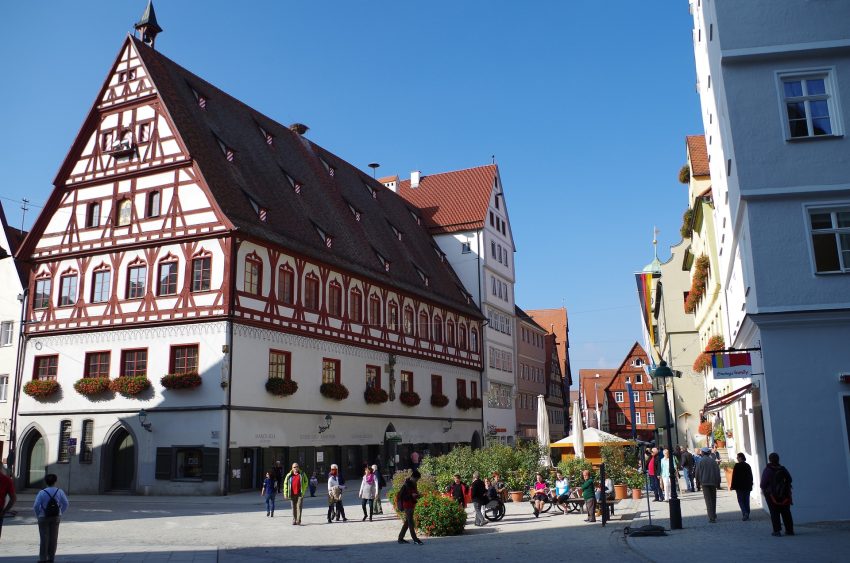
Visiting Nördlingen
6. Dinkelsbühl

Visiting Dinkelsbühl
Where to Stay in Munich
If your priority is a culture-heavy itinerary with the easiest access to the classic sights, base yourself in Altstadt-Lehel (the historic centre). It is the most walkable area for first-time visitors: you can start early at the main squares, museums, and churches, then drift into the evening scene without relying on transport. For a high-end, central base with a “special trip” feel, Mandarin Oriental, Munich puts you right in the Old Town, while Platzl Hotel is a classic choice for Bavarian character, comfort, and a strong location near the core landmarks. If you want a reliable, traditional hotel that is still firmly central and convenient for walking routes, Hotel Torbräu is a solid pick near the Old Town edge, and Hotel Bayerischer Hof is a landmark option if you want top-tier service with a prime central address.
If you want maximum transport convenience for day trips and airport transfers, stay around München Hauptbahnhof (the main station) or the adjacent central districts—less “storybook” than the Old Town, but extremely efficient for getting in and out. Sofitel Munich Bayerpost is ideal if you value a polished, upscale stay with immediate station access, while KING's Hotel First Class is a strong choice if you want a comfortable, well-connected base that still feels close to the centre. For a slightly more neighbourhood feel without losing convenience, Haidhausen is excellent—quieter, café-friendly, and well linked by S-Bahn and U-Bahn—making Motel One München-Haidhausen a good value-forward option if you prefer a simple, stylish base and don’t need to be directly in the historic core.
Using the our Hotel and Accomodation map, you can compare hotels and short-term rental accommodations in Munich. Simply insert your travel dates and group size, and you’ll see the best deals for your stay.
Munich Accommodation Map
Best Time to Visit Munich
Germany: Spring in Munich (March–May)
Spring is a strong shoulder-season choice: the city feels lively again after winter, parks and beer gardens reopen, and accommodation is often easier to book than in high summer. March is particularly fun if you want a Bavarian beer-culture highlight without Oktoberfest crowds—Munich’s strong-beer season (Starkbierzeit) typically runs through March, with major events such as the Paulaner Nockherberg strong-beer festival scheduled for 6–29 March 2026. Late April to May is ideal for long walking days, café terraces, and day trips as the weather becomes reliably mild.
Germany: Summer in Munich (June–August)
Summer is when Munich’s outdoor life is at its peak: the English Garden, river and lake day trips, and beer gardens all become part of the daily rhythm, and evenings stay comfortably long. The trade-off is higher prices and heavier crowds, especially around school holidays, so it suits travelers who want atmosphere and don’t mind sharing the city. For festivals, Munich’s Tollwood Summer Festival is a recurring highlight, with the 2026 summer edition scheduled for 19 June to 19 July, and the city’s broader events calendar is typically dense at this time, especially for music and open-air programming.
Germany: Autumn in Munich (September–October) (Best)
Autumn is the best all-around season if you want Munich at its most iconic and most comfortable for sightseeing: the weather is often crisp but pleasant, the city is energetic, and walking is easy without summer heat. It’s also festival prime time—Oktoberfest 2026 is scheduled for 19 September to 4 October—so this is the season to plan early if you want central hotels or a specific travel style (quiet vs. social). If you prefer the city without peak Oktoberfest pressure, come in mid-to-late October for a calmer feel, attractive light, and a more local pace while still enjoying excellent conditions for parks, museums, and day trips.
Germany: Winter in Munich (November–February)
Winter works best if you’re visiting for seasonal atmosphere rather than maximum daylight. The city’s Christmas-market period is a major draw, with the Munich Christmas Market at Marienplatz scheduled for 20 November to 24 December 2026, and the broader Advent season brings lights, concerts, and a distinctly cosy routine of warm drinks and indoor culture. January and February are quieter and often better value, making them good for museums, food, and short, focused sightseeing days—just plan for shorter daylight hours and build in warm-up breaks between stops.
Annual Weather Overview
- January 5°C 44°F
- February 8°C 50°F
- March 11°C 55°F
- April 17°C 66°F
- May 19°C 70°F
- June 23°C 77°F
- July 24°C 80°F
- August 25°C 80°F
- September 21°C 73°F
- October 16°C 64°F
- November 9°C 51°F
- December 6°C 46°F
How to get to Munich
Getting to Munich by air
Nearest airports: Munich Airport (MUC) is the primary airport for Munich and is the simplest choice for most itineraries. If fares or flight times are better, Memmingen Airport (FMM) is sometimes used by low-cost carriers, and Salzburg Airport (SZG) can also work for certain routes, but MUC is typically the most efficient.
Airport to city centre: The S-Bahn lines S1 and S8 connect MUC with central Munich (including München Hauptbahnhof and other central stations) and are the default option for most travelers. Lufthansa Express Bus also runs between the airport and central Munich if you prefer a direct road transfer without changes. Taxis and rideshares are available but are usually the priciest choice.
Tickets and practical notes: For most visitors, an MVV ticket (airport-to-city zone coverage) is the easiest approach; if you are arriving in a group, look at group day tickets for better value. If you’ll be traveling onward by rail the same day, compare the cost of separate local tickets versus a through-ticket that includes local transit where applicable.
For the best deals and a seamless booking experience, check out these flights to Munich on Booking.com.Getting to Munich by train
Main stations: München Hauptbahnhof (Munich Central Station) is the principal hub for long-distance arrivals, with additional useful stations including München Ost and München-Pasing depending on where you’re staying. For first-time visitors, arriving into Hauptbahnhof is the simplest for transfers and hotel access.
Domestic and international routes: Munich is well served by high-speed and long-distance services from major German cities, plus key international routes from Austria, Switzerland, Italy, and the Czech Republic. Seat reservations are optional on many German services but can be worthwhile at peak times or on long intercity runs.
Train schedules and bookings can be found on Omio.Getting to Munich by Car
Approach routes: Munich is linked by major Autobahn corridors, including the A8 (toward Stuttgart and Salzburg), A9 (toward Nuremberg/Berlin), and A95 (toward Garmisch-Partenkirchen). Driving is most useful if Munich is one stop on a wider Bavaria or Alps itinerary rather than a standalone city break.
Parking strategy: Central Munich is not ideal for casual driving: traffic can be slow, parking is limited and expensive, and many areas are best navigated on foot or by public transport. The simplest approach is to use a hotel with parking, book a garage in advance, or use Park-and-Ride facilities on the outskirts and continue into the centre by U-Bahn or S-Bahn. If you are looking to rent a car in Germany I recommend having a look at Discover Cars, first, as they compare prices and review multiple car rental agencies for you.
Travelling around Munich
Public transport system: Munich’s U-Bahn (subway), S-Bahn (urban rail), trams, and buses are run under the MVV network and cover virtually all visitor areas efficiently. For most itineraries, you can rely on public transport plus walking; the system is legible, frequent, and safe, and it’s well suited to splitting your day between central sights and neighbourhood detours.
Tickets and passes: Day tickets and group day tickets are often the best value for visitors doing multiple rides, while short-stay visitors who mostly walk may only need single tickets. If you plan multiple day trips by regional train, compare standard tickets with regional day passes and any available deals tied to your routes.