Füssen, Germany: The Ultimate Travel Guide 2026

Füssen, nestled in the heart of Bavaria’s Allgäu region near the Austrian border, greets visitors with a picture-perfect Old Town framed by pastel-colored buildings and cobblestone lanes. Its compact pedestrian zone leads naturally from the baroque St. Mang’s Abbey to the Lech River, where shaded benches invite you to linger over a gelato or a stein of local beer. Quaint cafés and artisanal shops line the streets, making it easy to sample Bretzeln warm from the oven or browse for handcrafted cuckoo clocks without straying far from the main square.
Just a short ride from the town center, the fairytale castles of Neuschwanstein and Hohenschwangau top many Füssen itineraries. Perched against a backdrop of forested hills, these 19th-century palaces offer guided tours that bring King Ludwig II's romantic vision to life. Beyond the castles, the shimmering expanse of the Forggensee lake invites summer visitors to paddle, sail, or simply stroll its shores; in winter, the same slopes transform into cross-country ski trails with Alpine vistas.
Surrounded by the Tannheimer and Ammergau Alps, Füssen is also a gateway to outdoor adventures in southern Bavaria. Hiking trails fan out from the town-wander through meadows bursting with edelweiss or climb to panoramic viewpoints overlooking mountain lakes. Mountain-bike routes and e-bike rentals provide an active alternative, while families can explore the Bavarian Alps Adventure Park or take a leisurely boat cruise on the Forggensee. After a day in the crisp mountain air, local taverns serve hearty Swabian dishes-Maultaschen, Käsespätzle, and robust mountain cheeses-that perfectly round out the Füssen experience.
History of Füssen
Füssen: Ancient Beginnings
Füssen’s history dates back to Roman times when it was known as Foetibus. The town’s strategic location made it an important military and trade route.
Füssen: Medieval Growth
In the Middle Ages, Füssen flourished as a center for trade and craftsmanship. The construction of the Hohes Schloss and St. Mang’s Abbey marked this era of prosperity.
Füssen: Modern Era
The town continued to grow and modernize over the centuries. Today, Füssen is a popular tourist destination, known for its historical landmarks and picturesque scenery.

Moira & Andy
Hey! We're Moira & Andy. From hiking the Camino to trips around Europe in Bert our campervan — we've been traveling together since retirement in 2020!
Visiting Füssen for the first time and wondering what are the top places to see in the city? In this complete guide, I share the best things to do in Füssen on the first visit. To help you plan your trip, I have also included an interactive map and practical tips for visiting!
This website uses affiliate links which earn a small commission at no additional cost to you.


5 Best places to See in Füssen
This complete guide to Füssen not only tells you about the very best sights and tourist attractions for first-time visitors to the city but also provide insights into a few of our personal favorite things to do.
This is a practical guide to visiting the best places to see in Füssen and is filled with tips and info that should answer all your questions!
1. Benediktinerkloster St. Mang

Location: Benediktinerkloster St. Mang, Lechhalde, Füssen, Germany | Hours: April to October: Tuesday to Sunday from 11 a.m. to 5 p.m. November to March: Friday to Sunday from 1 p.m. to 4 p.m | Price: Adults €6 | Website | Distance: 0.3km

2. Hohes Schloß

Location: Hohes Schloss, Magnusplatz, Füssen, Germany | Hours: April to October: Tuesday to Sunday from 11 a.m. to 5 p.m November to March: Friday to Sunday from 1 p.m. to 4 p.m | Price: Adults 6€ | Website | Distance: 0.3km

3. Hohenschwangau Castle

Location: Hohenschwangau Castle, Alpseestraße, Schwangau, Germany | Hours: Winter opening time: October 16th 2022 to March 31st 2023 Guided tours: daily from 10.00 a.m. to 4.00 p.m. Summer opening time: April 1st 2023 to October 15th 2023 Guided tours: daily from 9.00 a.m. to 5.00 p.m. | Price: Adults 21 € | Website | Distance: 3.1km
4. Museum of the Bavarian Kings
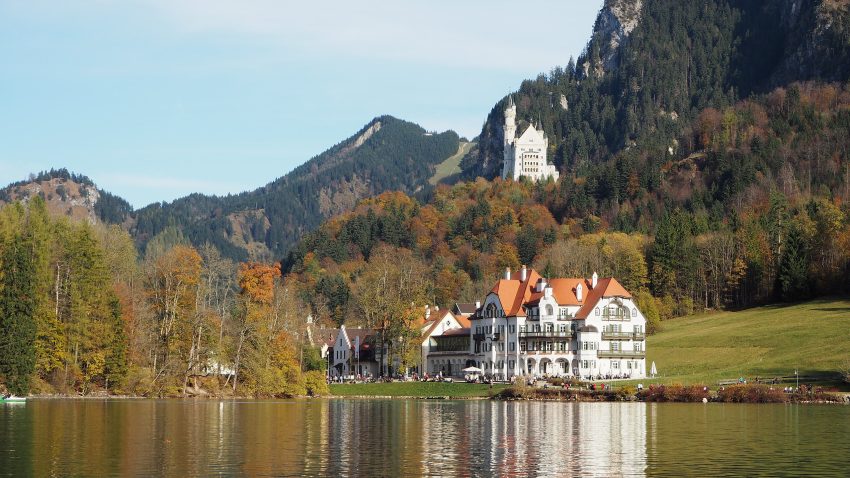
Location: Museum of the Bavarian Kings, Alpseestraße, Schwangau, Germany | Hours: 9 a.m. to 4:30 p.m | Price: Adults: € 14,00 / Adults: € 19,00 guided tour. | Website | Distance: 3.2km
5. Neuschwanstein Castle
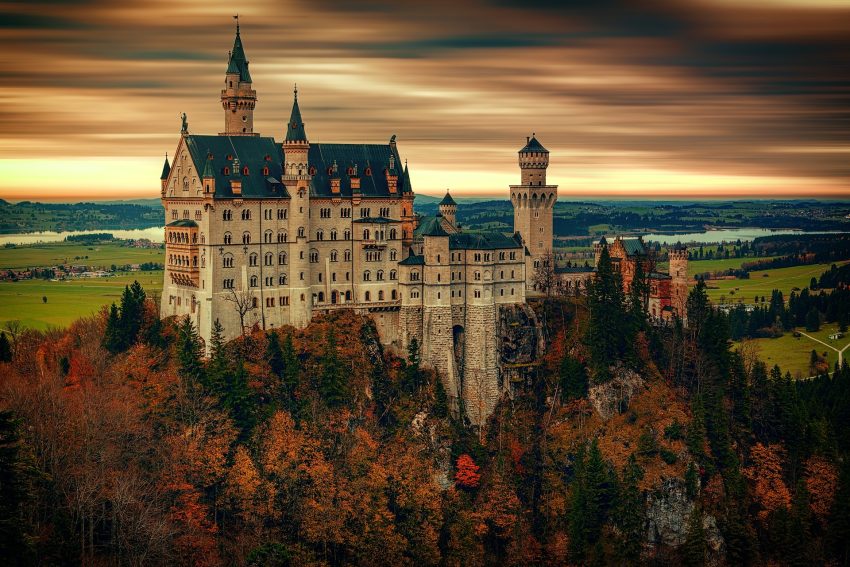
Location: Neuschwanstein Castle, Neuschwansteinstraße, Schwangau, Germany | Hours: Winter opening time: October 16th 2022 to March 31st 2023 Ticket Sales: 8.30 a.m. to 3.00 p.m. Guided tours: daily from 10.00 a.m. to 4.00 p.m. Summer opening time: April 1st 2023 to October 15th 2023 Ticket Sales: 8.00 a.m. to 4.00 p.m. Guided tours: daily from 9.00 a.m. to 6.00 p.m. | Price: Adults 15 € | Website | Distance: 3.9km
Best Day Trips from Füssen
A day trip from Füssen offers the perfect opportunity to escape the urban rhythm and discover the surrounding region's charm. Whether you're drawn to scenic countryside, historic villages, or cultural landmarks, the area around Füssen provides a variety of easy-to-reach destinations ideal for a one-day itinerary. If you are looking to rent a car in Germany I recommend having a look at Discover Cars, first, as they compare prices and review multiple car rental agencies for you.
1. Linderhof Palace
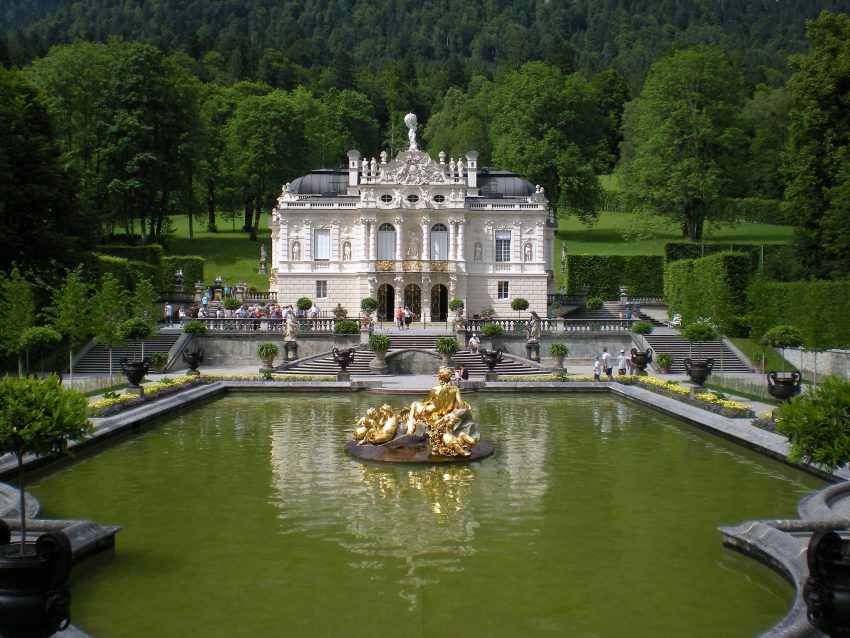
Location: Linderhof Palace, Linderhof, Ettal, Germany | Hours: Tickets on sale: April-15 October: daily 8.30 am-5.30 pm 16 October-March: daily 9.30 am-4 pm Linderhof Palace April-15 October: daily 9 am-6 pm 16 October-March: daily 10 am-4.30 pm | Price: Adult €10 | Website | Distance: 19.5km
Visiting Linderhof Palace
2. Innsbruck
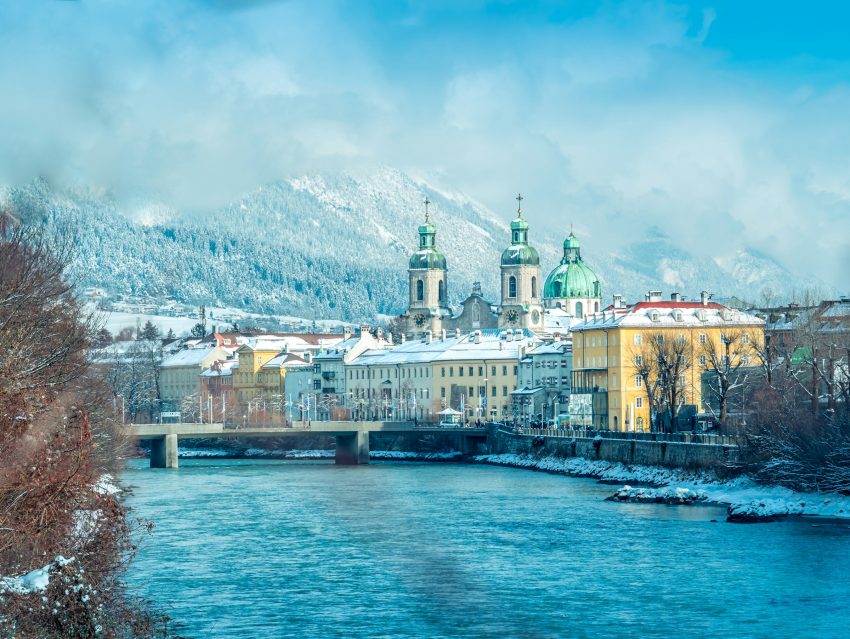
Visiting Innsbruck
3. Bregenz
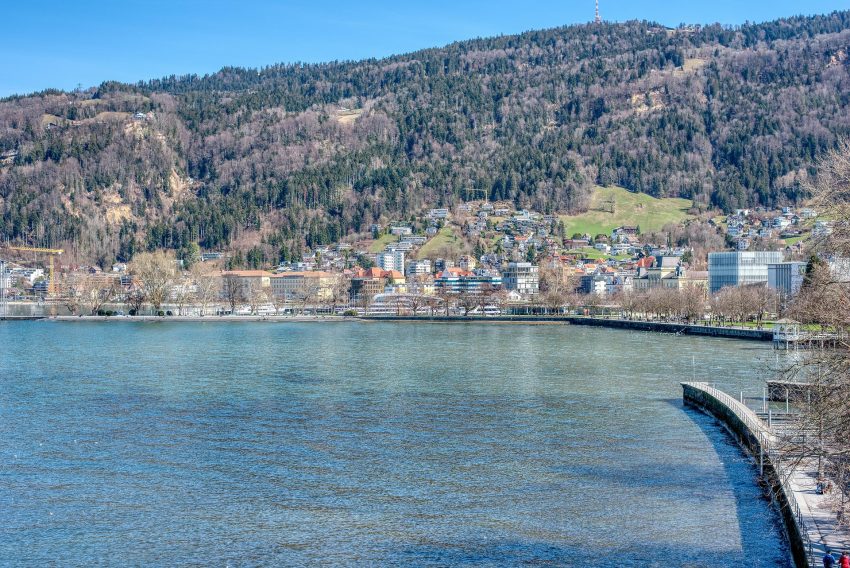
Visiting Bregenz
4. Augsburg

Visiting Augsburg
5. Munich

Visiting Munich
6. Nördlingen
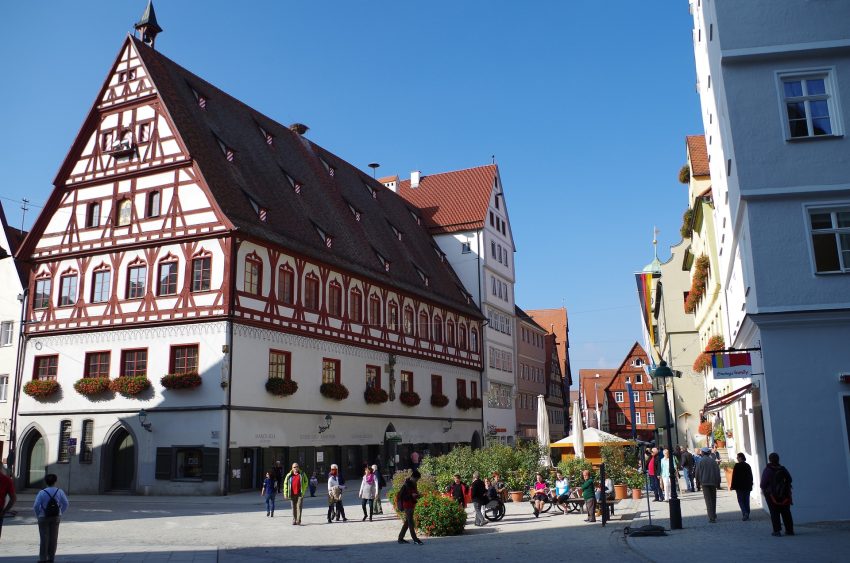
Visiting Nördlingen
7. Zell am See
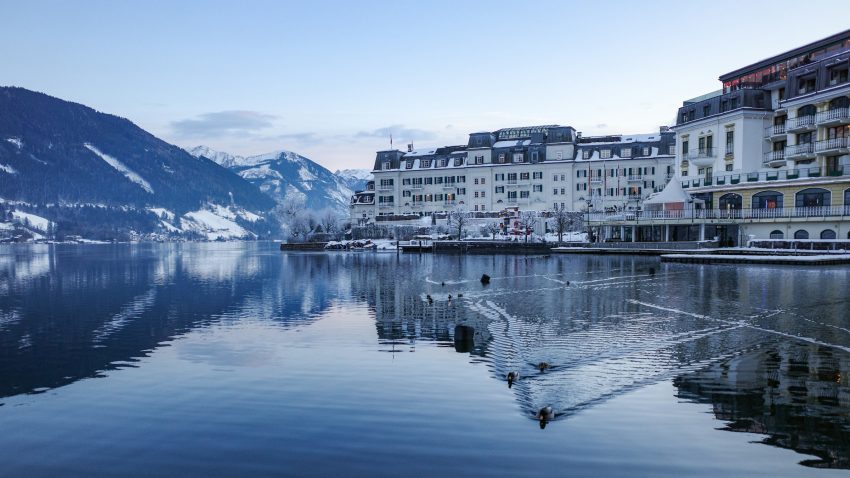
Visiting Zell am See
Where to Stay in Füssen
Füssen’s Altstadt is the perfect base for first-time visitors. Cobbled streets wind between pastel-painted houses, artisan boutiques, and cozy cafés, all within easy walking distance of the Lech River and Saint Mang’s Basilica. Staying here keeps you close to the town’s vibrant market square and the Ferry Bridge viewpoint. A refined choice is Hotel Sonne Füssen, which combines historic charm with modern spa facilities, while Luitpoldpark-Hotel offers spacious rooms overlooking its namesake park and a short stroll to the pedestrian zone.
Just south of Füssen, the Schwangau area gives you early access to the fairytale castles of Neuschwanstein and Hohenschwangau. This village setting is ideal for castle enthusiasts and hikers alike, with shuttle services straight to the palace ticket center. For a touch of Bavarian elegance, consider Hotel Müller, set amid flower-filled gardens and offering traditional Alpine décor, or stay riverside at Schlosshotel Lisl, where castle views and a gourmet restaurant await.
If you prefer lakeside relaxation, the Forggensee and Hopfensee shores are just a short drive from town. In summer, the crystal waters invite sailing, paddling, and lakeside picnics; in winter, the frozen surface becomes a natural skating rink. Hotel am Hopfensee provides lakeside balconies and bike rentals, while the family-friendly Seehotel Hopfen am See offers direct beach access and panoramic views of the Ammergau Alps.
For those seeking quiet mountain retreats, the villages and hamlets scattered through the surrounding hills deliver serene scenery and easy trailheads. Guesthouses here emphasize home-cooked breakfasts and local hospitality—perfect after a day exploring alpine meadows. A charming choice is Landhotel Alpenglühn, which boasts rustic-chic rooms and guided nature walks, or opt for the cosy Berggasthof Brunnen, nestled on a hillside with sweeping views over the town and Forggensee below.
Using the our Hotel and Accomodation map, you can compare hotels and short-term rental accommodations in Füssen. Simply insert your travel dates and group size, and you’ll see the best deals for your stay.
Füssen Accommodation Map
Best Time to Visit Füssen
Visiting Füssen in Spring
Spring in Füssen is characterized by blooming flowers and mild temperatures. It’s an ideal time for hiking, exploring the town, and visiting nearby castles.
Visiting Füssen in Summer
Summer brings warm weather and longer days, perfect for outdoor activities. Enjoy swimming in nearby lakes, hiking the Alps, and attending local festivals.
Visiting Füssen in Autumn
Autumn in Füssen offers cooler temperatures and vibrant fall foliage. This season is great for scenic walks, cultural tours, and experiencing the town’s harvest festivals.
Visiting Füssen in Winter
Winter transforms Füssen into a snowy wonderland. Enjoy skiing, snowboarding, and visiting the famous Neuschwanstein Castle, which looks especially magical in the snow.
Annual Weather Overview
- January 1°C 37°F
- February 5°C 44°F
- March 6°C 47°F
- April 13°C 60°F
- May 15°C 63°F
- June 20°C 72°F
- July 21°C 74°F
- August 20°C 71°F
- September 19°C 69°F
- October 14°C 61°F
- November 8°C 50°F
- December 3°C 41°F
How to get to Füssen
Traveling to Füssen by Train
Füssen is easily accessible by train, with direct connections from major cities like Munich and Augsburg. The local train station is just a short walk from the town center.
Traveling to Füssen by Car
Driving to Füssen offers flexibility and the chance to explore the scenic Bavarian countryside. The town is well-connected via the A7 motorway and local roads.
Traveling to Füssen by Bus
Several bus services operate to and from Füssen, providing an affordable and convenient travel option. Regional buses connect Füssen with nearby towns and attractions.
Traveling to Füssen by Plane
The nearest major airport to Füssen is Munich Airport (MUC). From there, visitors can take a train, bus, or rent a car to reach the town.