Lucerne, Switzerland: The Ultimate Travel Guide 2026
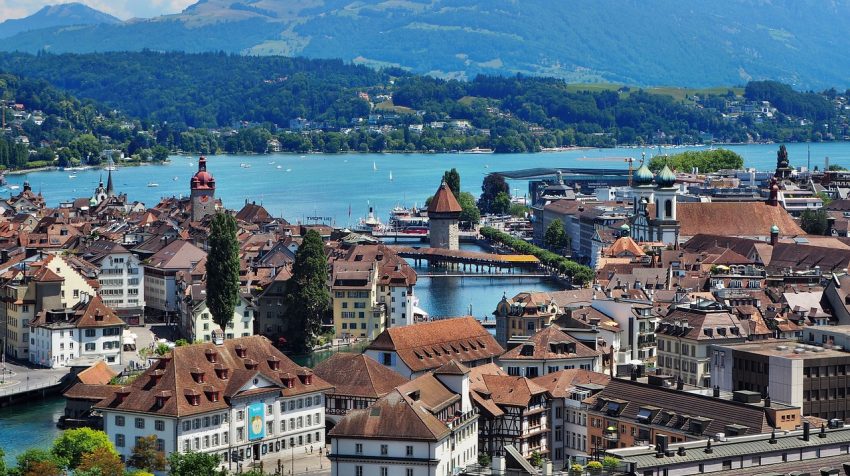
Luzern (loot-SAIRN, “Lucerne” in English) has served as Switzerland's premier destination for tourism for an extensive period. Nestled along the shoreline of a lake (also known as Vierwaldstätter See), and set against the stunning backdrop of the Alps, Luzern held a regular spot on the European Grand Tour circuit during the Romantic era. It welcomed illustrious visitors such as Mark Twain, Goethe, and Queen Victoria. With its captivating old town, a pair of picturesque wooden bridges, an array of exceptional museums, and the renowned weeping lion monument, Luzern boasts attractions that solidify its place on any Swiss travel agenda. Furthermore, Luzern serves as an excellent starting point for exploring the nearby region recognized as Central Switzerland (Zentralschweiz).
TIP: If you are visiting Lucerne for just a day and want to make the most of your visit, you may want to consider taking a walking tour with a local guide. This is one of the most complete and best-rated city tours that covers the main, must-see attractions in about 2 hours. If you prefer exploring at your own pace read our Self Guided Walking Tour of Lucerne (With Maps!).
Nice to know: The name “Luzern” is derived from lucerna, Latin for “lamp”.
Table of Contents
- History of Lucerne
- The ‘City of Light’ Emerges – Stone Age – IX Century
- A Trans-Alpine Trade Boom – XII – XVII Century
- Alliances with the ‘Forest Counties’ – XIII – XIV Century
- Lucerne’s Role in the Catholic Faith – XVI – XVII Century
- Profits from the War Business – XV – XIX Century
- Napoleon and the Onset of Tourism -XVIII – XIX Century
- Modern-Day Lucerne – XX – XI Century
- 22 Best places to See in Lucerne
- Torbogen Luzern
- Kunstmuseum Luzern
- Museum Rosengart Collection
- Chapel Bridge and Water Tower
- Kornmarkt
- Peter's Chapel
- Fritschi Fountain
- Lucerne Town Hall
- Jesuitenkirche
- Hirschenplatz
- Ritterscher Palace
- Weinmarkt
- History Museum
- Spreuerbrücke
- Museggmauer
- Natur-Museum
- Hofkirche St. Leodegar
- Bourbaki Panorama
- Lion Monument
- Glacier Garden
- Richard Wagner Museum
- Swiss Museum of Transport
- 8 Best Day Trips from Lucerne
- Where to Stay in Lucerne
- Best Time to Visit Lucerne
- How to get to Lucerne
- Getting to Lucerne by Plane
- Getting to Lucerne by Train
- Getting to Lucerne by Bus
- Driving to Lucerne
History of Lucerne
The ‘City of Light’ Emerges – Stone Age – IX Century
Although there are some remnants from the Stone Age and Roman times, Lucerne’s history becomes more prominent around 840. Documents mention the name Luciaria, possibly meaning ‘place of light,’ a moniker that still resonates with Lucerne today. During the early Middle Ages, the town primarily consisted of the Benedictine abbey of Saint Leodegar, the town’s patron saint, and the houses situated at each end of the bridge over the River Reuss.
A Trans-Alpine Trade Boom – XII – XVII Century
For a considerable period, Lucerne served as a regional market town, with a weekly market held on Tuesdays—a tradition that continues to this day. In the 13th century, the north-south trade route across the Gotthard Pass transformed Lucerne into a vital commercial hub. This trade path connected the Upper Rhine Plain with Milan and thrived until the 17th century.
Alliances with the ‘Forest Counties’ – XIII – XIV Century
Prior to the 15th century, Lucerne was under Habsburg rule without major issues. In 1332, amid a power struggle between the German kings Ludwig and Friedrich, Lucerne formed a pact with the three waldstätten or ‘forest counties’—Uri, Schwyz, and Unterwalden—encompassing Lake Lucerne. This military alliance gradually expanded to become the Swiss Confederacy, laying the groundwork for the modern Swiss state.
Lucerne’s Role in the Catholic Faith – XVI – XVII Century
Religion assumed significant importance in the 1500s as the Reformation swept across Europe. Zurich and Bern, neighboring confederates, adopted the new confession, while Lucerne adhered to the old faith, becoming a prominent center for Catholicism. In the 16th and 17th centuries, new monasteries for the Capuchins, Jesuits, and Ursulines were constructed. Tensions related to faith, sometimes leading to wars, arose within the Swiss Confederacy. Lucerne emerged as the leader of the Catholic faction and assumed the role of the papal envoy’s seat in 1586, as well as the Spanish ambassador’s seat in 1595.
Profits from the War Business – XV – XIX Century
Apart from trans-Alpine trade, mercenaries were a significant source of income for Lucerne and its surrounding region. Numerous young Swiss men left the area between approximately 1400 and 1800 to serve abroad, fighting for France, Spain, the Duchy of Savoy, and other contemporary powers. During this period, the population of Lucerne only numbered around 4,000. While some mercenaries returned home wealthy, many did not return at all, and the well-connected families who brokered these arrangements reaped the greatest benefits.
Napoleon and the Onset of Tourism -XVIII – XIX Century
In 1798, Napoleon’s occupation resulted in Lucerne’s loss of independence as the Swiss Confederacy was transformed into the Helvetic Republic for a brief five years. After the return of the old powers, Switzerland was officially established in 1848, marking the birth of the modern nation-state. In 1859, modernity arrived in Lucerne in the form of the railway, sparking rapid expansion of the town on the southern riverbank. By 1830, tourism had taken root, with the lake, easily accessible mountains, and some of the earliest mountain railways making Lucerne a favored destination for those fortunate enough to travel for leisure. Many of the grand hotels and attractions, such as the Gletschergarten, were constructed toward the end of the 19th century.
Modern-Day Lucerne – XX – XI Century
In the 20th century, Lucerne evolved into a vibrant central hub for the Central Switzerland region, acquiring university status in 2000. Architect Jean Nouvel’s KKL concert hall, inaugurated in 2000, gave the town a contemporary facelift. Culturally, Lucerne is renowned for hosting the second-largest Swiss carnival (after Basel), known for its exuberance, as well as the Lucerne Festival for classical music, enjoying significant international acclaim. This recognition is partly due to the esteemed conductor Claudio Abbado, who led the festival from 2003 until his unexpected passing in 2014.

Moira & Andy
Hey! We're Moira & Andy. From hiking the Camino to trips around Europe in Bert our campervan — we've been traveling together since retirement in 2020!
Visiting Lucerne for the first time and wondering what are the top places to see in the city? In this complete guide, I share the best things to do in Lucerne on the first visit. To help you plan your trip, I have also included an interactive map and practical tips for visiting!
This website uses affiliate links which earn a small commission at no additional cost to you.
22 Best places to See in Lucerne
This complete guide to Lucerne not only tells you about the very best sights and tourist attractions for first-time visitors to the city but also provide insights into a few of our personal favorite things to do.
This is a practical guide to visiting the best places to see in Lucerne and is filled with tips and info that should answer all your questions!
1. Torbogen Luzern

Location: Luzern, Zentralstrasse 1, 6003 Luzern, Switzerland | Hours: Accessible at all times, in line with the public station forecourt and lakefront area. | Price: Free — Torbogen Luzern is a public monument on an open plaza. | Website | Distance: 0.1km
2. Kunstmuseum Luzern

Location: Kunstmuseum Luzern, Europaplatz, Lucerne, Switzerland | Hours: Tuesday to Sunday 11 a.m. to 6 p.m. Wednesday 11 a.m. to 7 p.m. Monday closed | Price: Adults: CHF 15 | Website | Distance: 0.2km

3. Museum Rosengart Collection

Location: Sammlung Rosengart, Pilatusstrasse, Lucerne, Switzerland | Hours: April to October: 10.00–18.00 daily (including public holidays) November to March: 11.00–17.00 daily (including public holidays) | Price: Adults: CHF 20.00 | Website | Distance: 0.2km
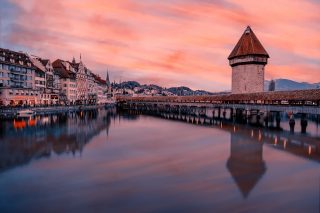
4. Chapel Bridge and Water Tower
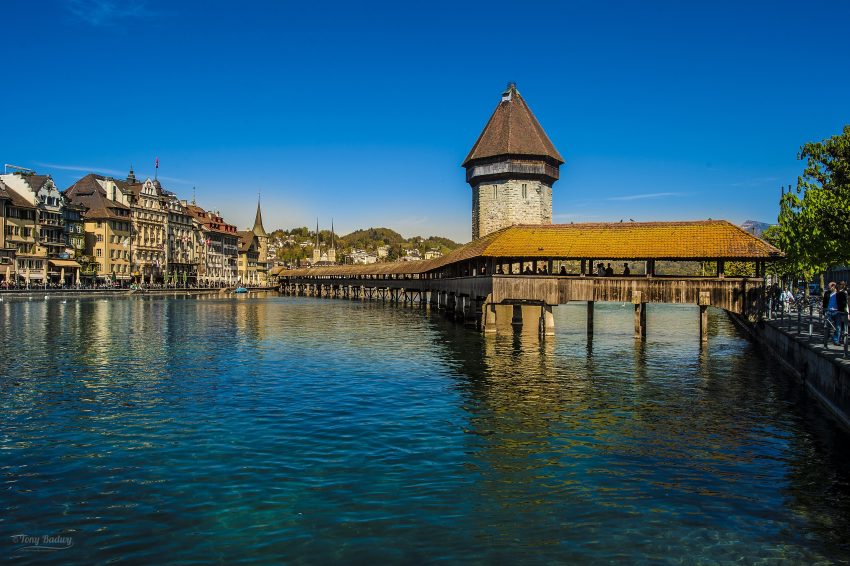
Location: Chapel Bridge, Kapellbrücke, Lucerne, Switzerland | Hours: Chapel Bridge is an open public footbridge accessible at all hours; nearby churches, museums and shops follow standard city opening times. | Price: Free to cross the bridge and admire the tower from outside; budget around €5–€10 if you choose a guided walking tour including the area. | Website | Distance: 0.2km
5. Kornmarkt
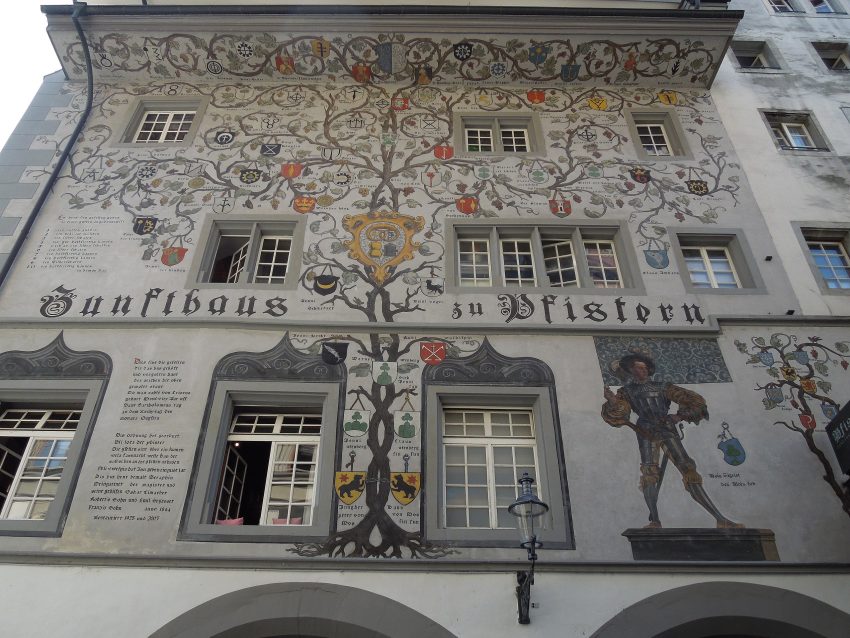
Location: Kornmarkt, Lucerne, Switzerland | Hours: The square is accessible at all times; access to the Rathaus interior depends on council business, events, and occasional tours. | Price: Free — Kornmarkt is a public square, and viewing the tower and Rathaus exterior costs nothing. | Website | Distance: 0.3km
6. Peter's Chapel
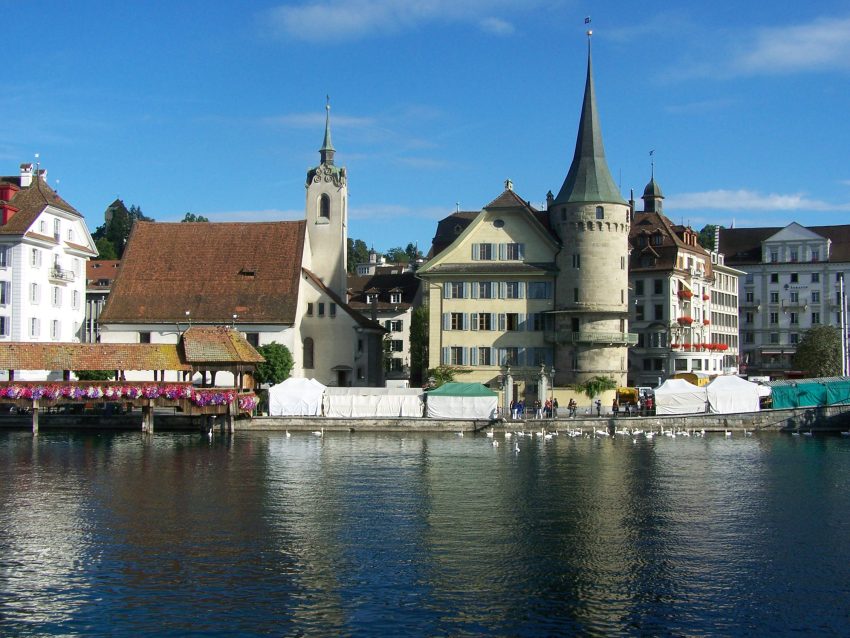
Location: Peterskapelle, Kapellplatz, Lucerne, Switzerland | Hours: Open 8.30am - 6.30pm. | Price: Free; donations for the upkeep of the chapel are appreciated. | Website | Distance: 0.3km
7. Fritschi Fountain
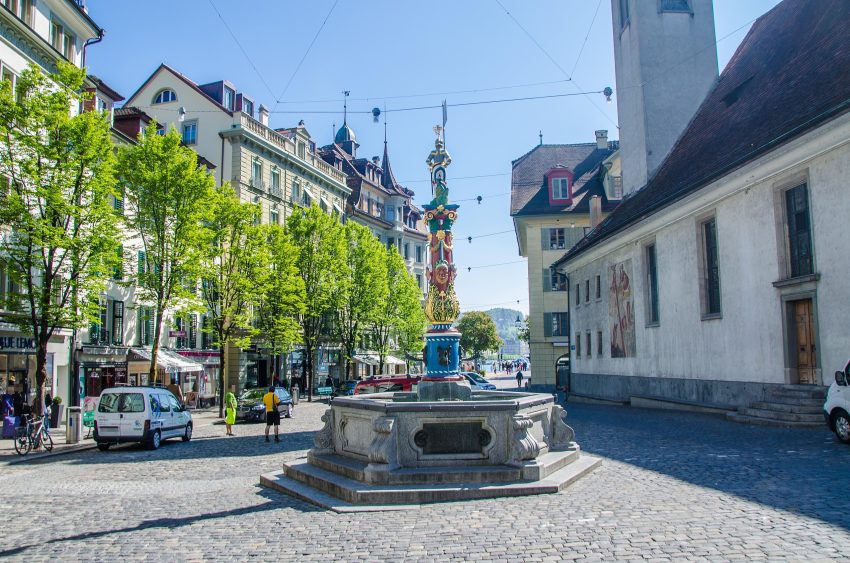
Location: Fritschibrunnen, Kapellplatz, Lucerne, Switzerland | Hours: Accessible at all times; carnival events and parades follow specific seasonal schedules. | Price: Free — the fountain stands in a public square open to everyone. | Website | Distance: 0.3km
8. Lucerne Town Hall
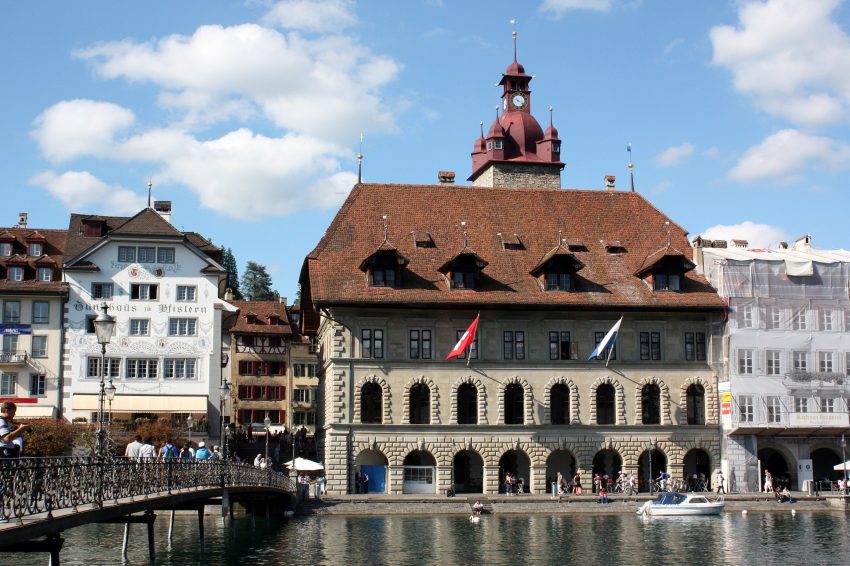
Location: Rathaus Stadt Luzern, Kornmarkt, Luzern, Switzerland | Hours: The building functions as a working town hall; interior spaces such as the Kornschütte and council chambers are generally accessible only during exhibitions, concerts, events or guided tours. | Price: There is no fee to enjoy the exterior or weekly market; access to interior rooms may be by guided tour or special event, sometimes with a modest charge. | Website | Distance: 0.3km
9. Jesuitenkirche
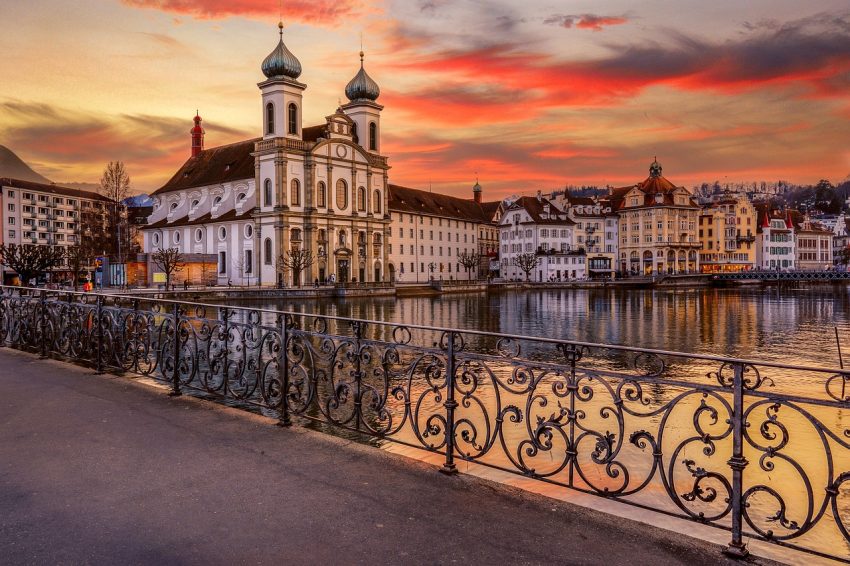
Location: Jesuitenkirche, Bahnhofstrasse, Lucerne, Switzerland | Hours: Generally open daily during daylight hours, with some sections occasionally closed during services, rehearsals or concerts. | Price: Free entry; donations towards maintenance and church activities are appreciated. | Website | Distance: 0.3km
10. Hirschenplatz
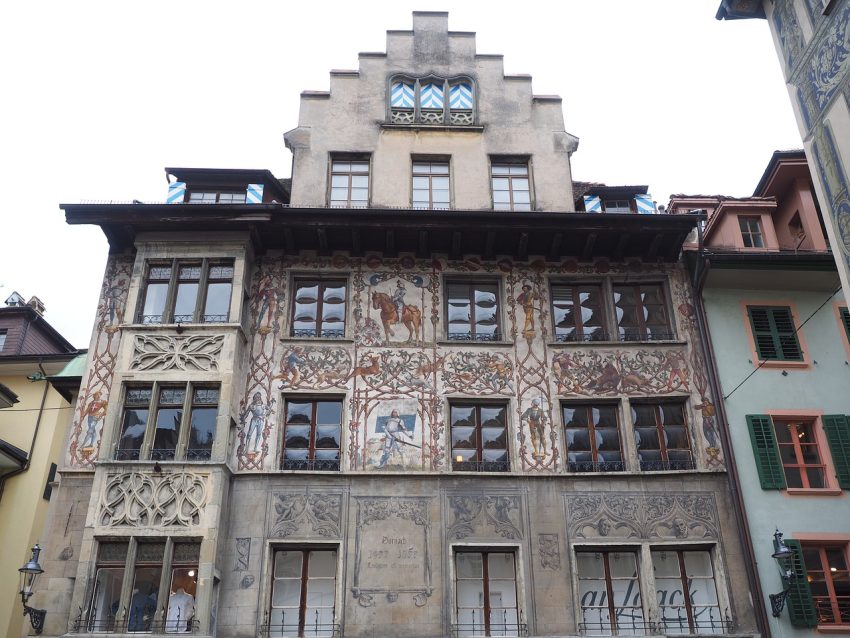
Location: Hirschenplatz, Lucerne, Switzerland | Hours: Accessible at all times; surrounding shops, cafés, and interiors follow their own opening hours. | Price: Free — Hirschenplatz is a public square with no entrance charge. | Website | Distance: 0.4km
11. Ritterscher Palace
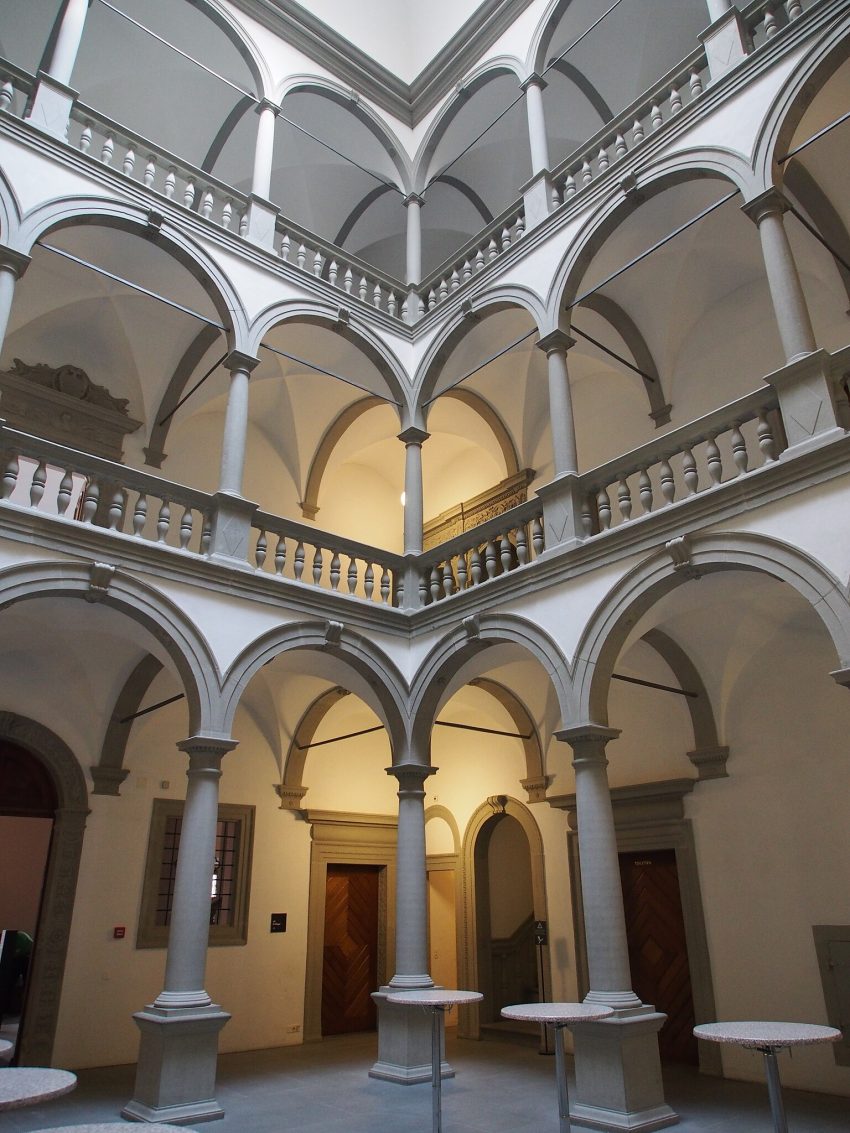
Location: Government Buildings of Canton Lucerne Bahnhofstrasse 15 6003 Luzern Switzerland | Hours: Access typically aligns with cantonal administration business hours on weekdays; the courtyard and interiors are generally closed in the evenings and at weekends. | Price: Free — public access to the courtyard and any visitor areas is generally without charge, though some spaces are restricted. | Website | Distance: 0.4km
12. Weinmarkt
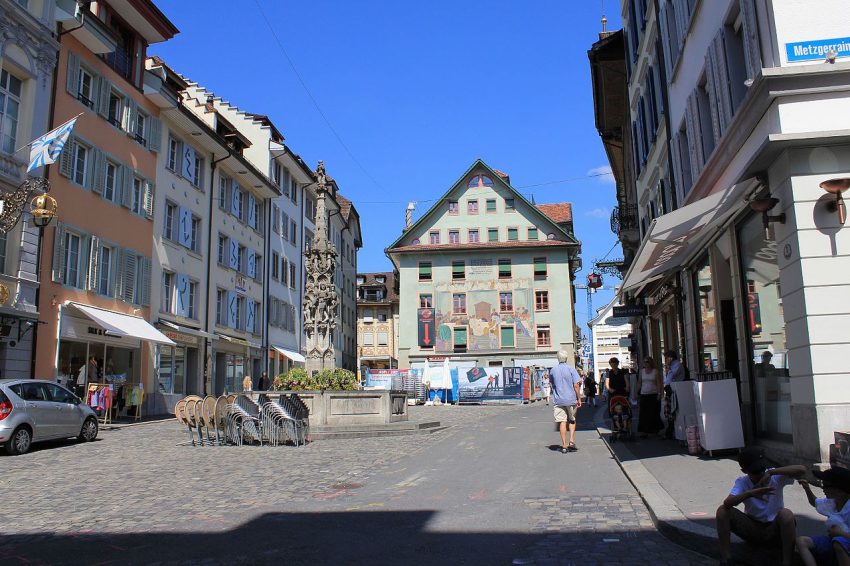
Location: Weinmarkt, Lucerne, Switzerland | Hours: Accessible at all times, though shops and cafés around the square follow their own individual opening hours. | Price: Free — Weinmarkt is a public square open to everyone. | Website | Distance: 0.4km
13. History Museum
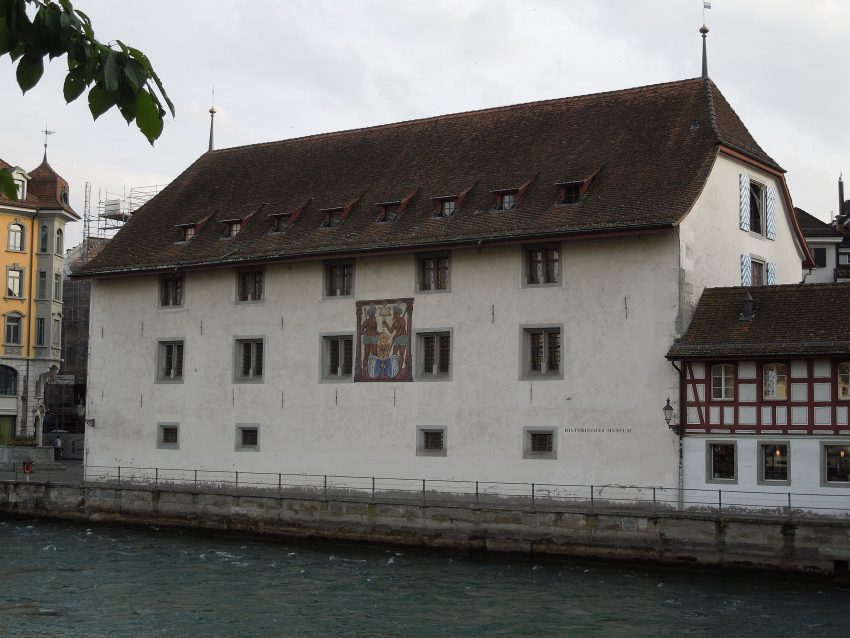
Location: Historisches Museum Luzern, Pfistergasse, Lucerne, Switzerland | Hours: Tuesday to Sunday 10:00 to 17:00, closed on Mondays | Price: Adults: CHF 10.00 | Website | Distance: 0.6km
14. Spreuerbrücke
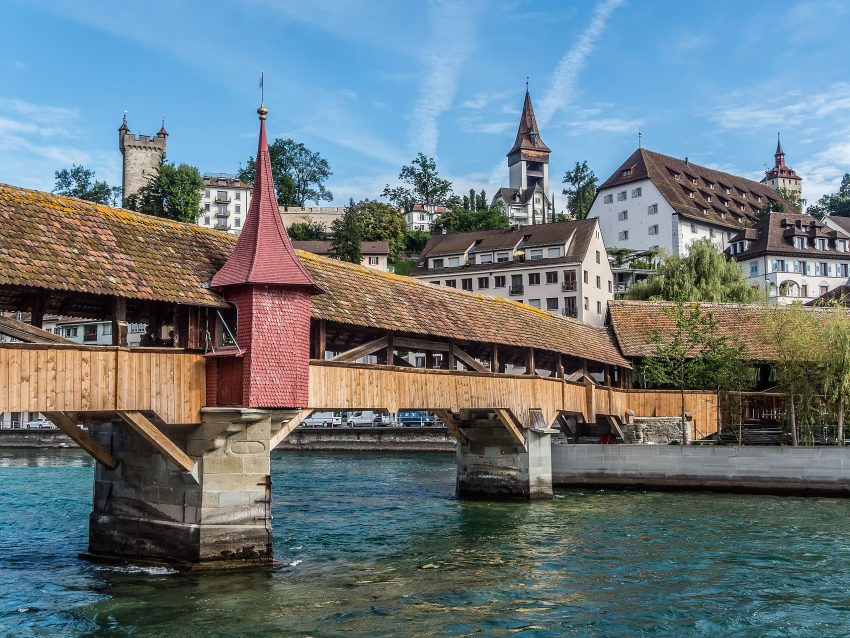
Location: Spreuer Bridge, Spreuerbrücke, Lucerne, Switzerland | Hours: Accessible at all times, though guided tours and nearby museums follow their own schedules. | Price: Free (public footbridge, no entrance charge) | Website | Distance: 0.6km
15. Museggmauer (Musegg Wall)
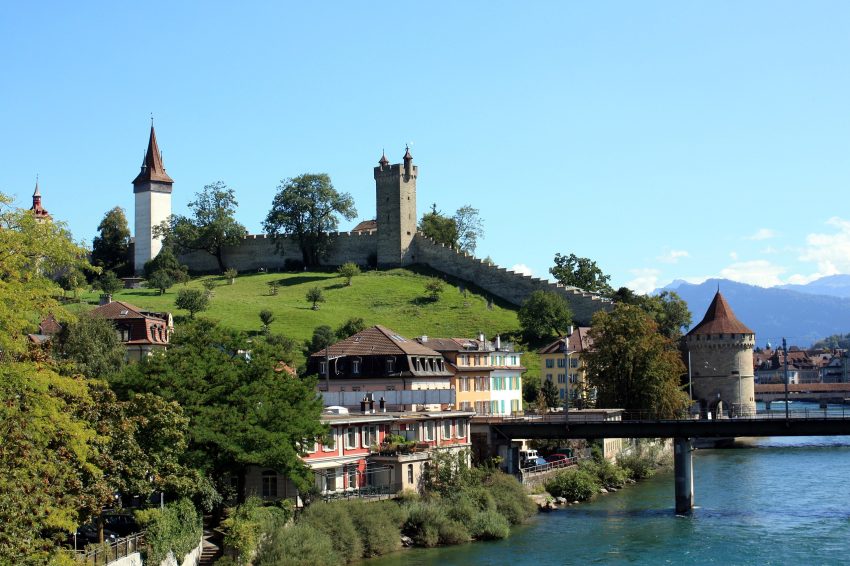
Location: Museggmauer Auf Musegg 6004 Luzern Switzerland | Hours: 8 a.m. to 7 p.m. between 1 April and 1 November | Price: Walking along the Musegg Wall and entering the open towers is generally free; some specialised guided tours may charge from around €10–€20 per person. | Website | Distance: 0.6km
16. Natur-Museum

Location: Natur-Museum Luzern, Kasernenplatz, Lucerne, Switzerland | Hours: Tuesday - Sunday 10am - 5pm; Monday closed | Price: Adult: CHF 10.–; Children (6 - 16 years) CHF 3.– | Website | Distance: 0.7km
17. Hofkirche St. Leodegar
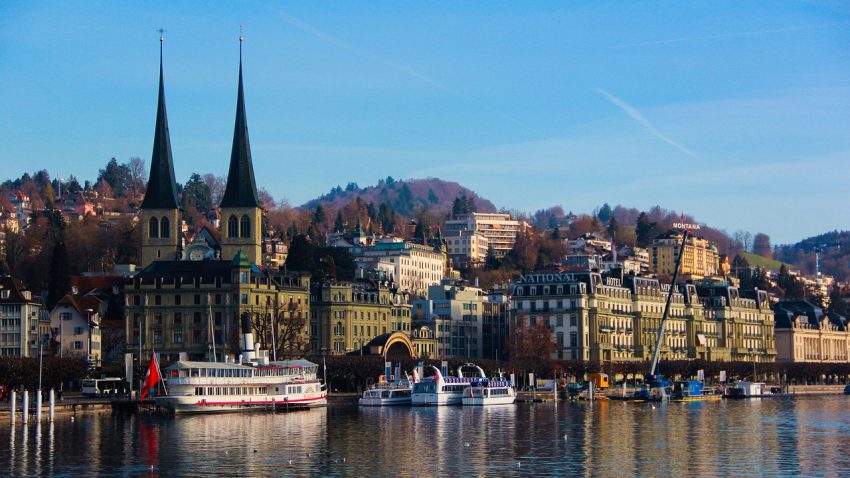
Location: Hofkirche St. Leodegar, Sankt Leodegarstrasse, Lucerne, Switzerland | Hours: Mon - Fri 9am - 12pm & 2pm - 4.30pm | Price: Free entry; donations towards the upkeep of the church and its music are appreciated. | Website | Distance: 0.7km
18. Bourbaki Panorama

Location: Bourbaki Panorama Lucerne, Löwenplatz, Lucerne, Switzerland | Hours: April to October daily 10 a.m. to 6 p.m. November to March daily 10 a.m. to 5 p.m | Price: Adult CHF 15.00 | Website | Distance: 0.8km
19. Lion Monument

Location: Lion Monument, Denkmalstrasse, Lucerne, Switzerland | Hours: The monument is in an open park accessible at all hours, though visiting in daylight is recommended to fully appreciate the sculpture. | Price: Visiting the Lion Monument is free; you only need to budget for transport and perhaps a guided walking tour if you want more context. | Website | Distance: 0.9km
20. Glacier Garden

Location: Gletschergarten Luzern, Denkmalstrasse, Lucerne, Switzerland | Hours: April 1 to October 31 (sommer season) daily 10 am to 6 pm November 1 to March 31 (winter season) daily 10 am to 5 pm | Price: Adults: CHF22 | Website | Distance: 1.0km
21. Richard Wagner Museum

Location: Richard Wagner Museum Lucerne, Richard-Wagner-Weg, Lucerne, Switzerland | Hours: The museum is open from Tue - Sun, 11am-5pm. | Price: Adults: 12.00 CHF | Website | Distance: 1.7km
22. Swiss Museum of Transport

Location: Verkehrshaus der Schweiz, Lidostrasse, Lucerne, Switzerland | Hours: Daily: 10:00 - 17:00 | Price: CHF 35.00 | Website | Distance: 2.1km
Best Day Trips from Lucerne
A day trip from Lucerne offers the perfect opportunity to escape the urban rhythm and discover the surrounding region's charm. Whether you're drawn to scenic countryside, historic villages, or cultural landmarks, the area around Lucerne provides a variety of easy-to-reach destinations ideal for a one-day itinerary.
1. Mt. Pilatus
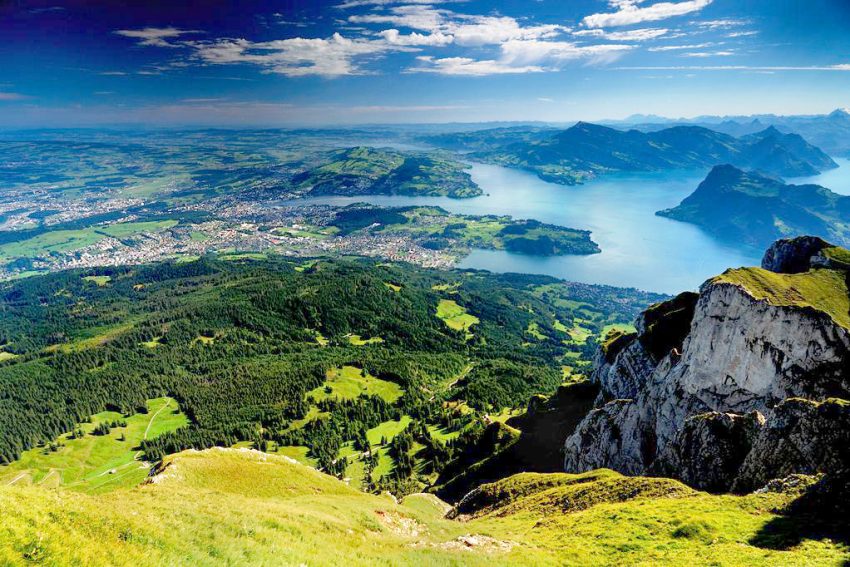
| Hours: Daily: 9:00 AM – 5:30 PM | Price: Adult Return: CHF 84.00; Golden Ticket: CHF 119.80 | Website | Distance: 8.9km
Visiting Mt. Pilatus
2. Lake Lucerne

| Hours: Boat services operate year-round with more frequent sailings in summer; exact departure times vary by route and season, so always check the latest schedule. | Price: Access to the lakeshore is free; expect to pay roughly €25.00–€70.00 per adult for scheduled cruises depending on route length, class of travel and season. | Website | Distance: 9.8km
Visiting Lake Lucerne
3. Schloss Heidegg
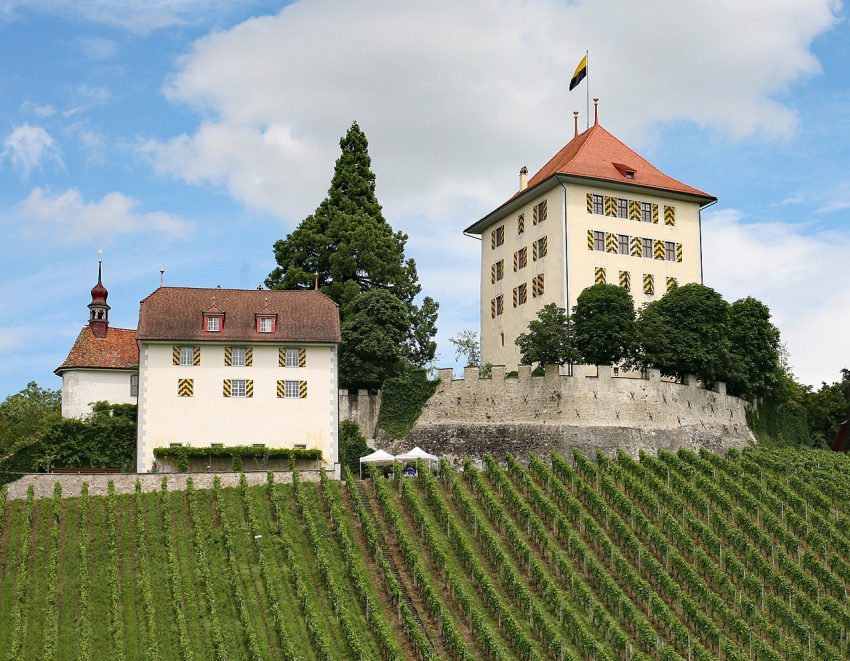
Location: Schloss Heidegg, Heidegg, Gelfingen, Switzerland | Hours: The Castle Museum is open in 2023 from April 1st to October 31st. Tuesday to Friday 1:30 p.m. to 5:00 p.m Saturday, Sunday and Easter Monday, Ascension Day and Whit Monday 10 a.m. to 5 p.m closed on Mondays Last admission 4.30 p.m | Price: Adult CHF 10 | Website | Distance: 18.7km
Visiting Schloss Heidegg
4. Reichenbach Falls
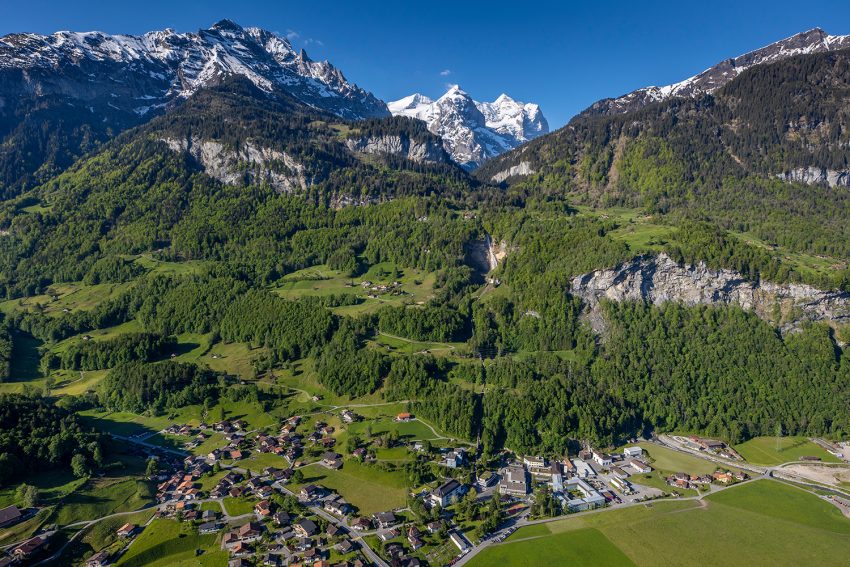
Location: Reichenbachfall Reichenbach 3860 Meiringen Switzerland | Distance: 38.5km
Visiting Reichenbach Falls
5. Bern
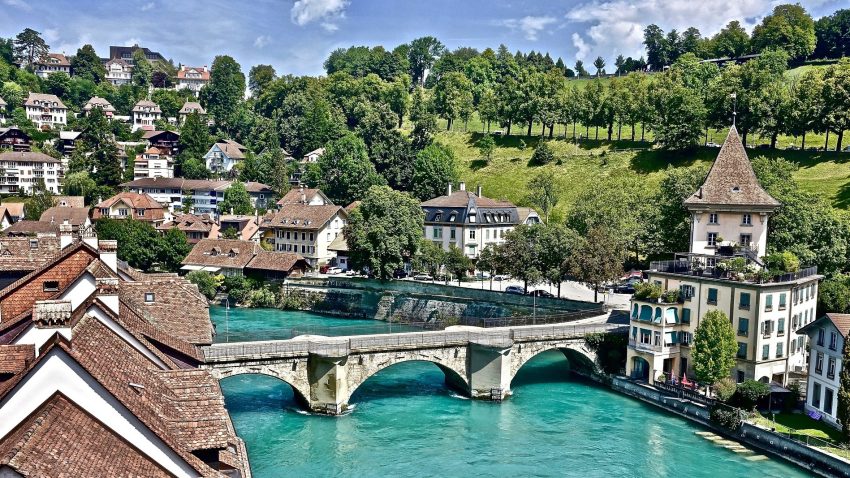
Visiting Bern
6. Freiburg im Breisgau
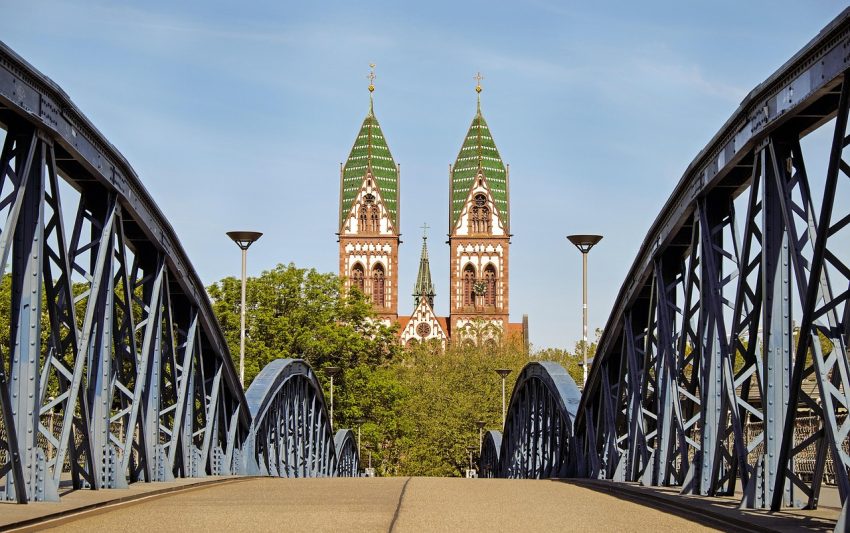
Visiting Freiburg im Breisgau
7. Colmar
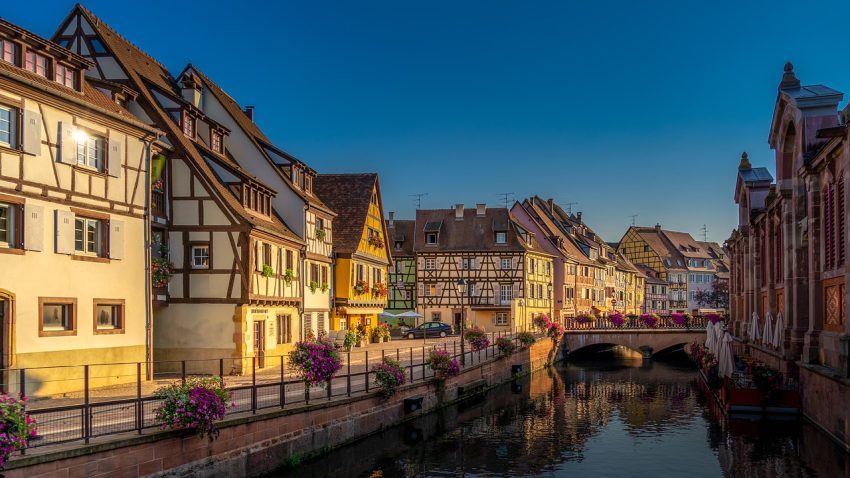
Visiting Colmar
8. Como
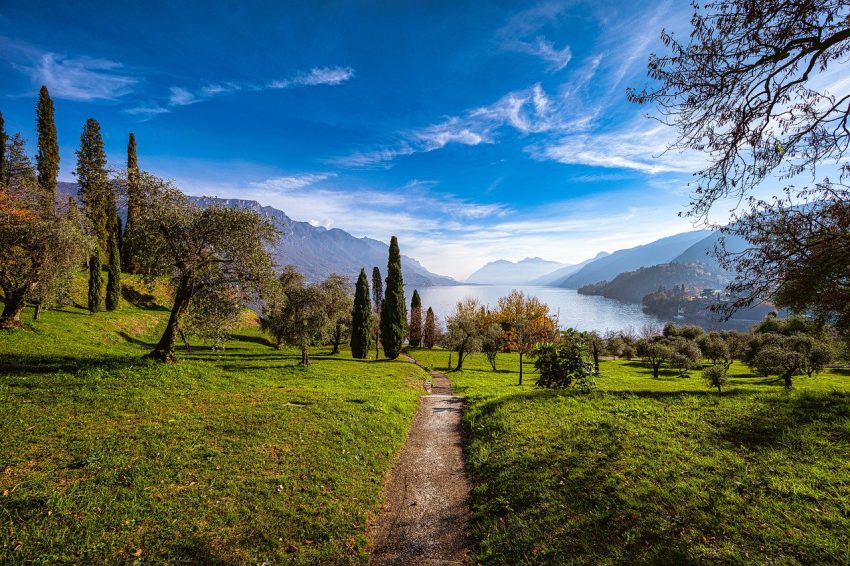
Visiting Como
Where to Stay in Lucerne
The best area to stay is in the Old Town, where boutique hotels and lakeside accommodations offer stunning views of Lake Lucerne and the surrounding mountains. For a more tranquil setting, staying in a lakeside village like Weggis or Vitznau provides a peaceful retreat with easy boat access to the city.
A 2 to 3-day stay is ideal for exploring the Chapel Bridge, visiting Mount Pilatus, and taking a boat cruise on the lake. A 4-day stay allows for side trips to Mount Rigi, Engelberg, or the Swiss Transport Museum.
Using the our Hotel and Accomodation map, you can compare hotels and short-term rental accommodations in Lucerne. Simply insert your travel dates and group size, and you’ll see the best deals for your stay.
Lucerne Accommodation Map
Best Time to Visit Lucerne
Lucerne, nestled in the heart of Switzerland, is renowned for its stunning lakeside setting, well-preserved medieval architecture, and majestic mountain views. Here’s a guide to the best time to visit Lucerne:
- Spring (March to May): Spring is a beautiful time to visit Lucerne as the city awakens from winter and nature comes alive with blooming flowers and lush greenery. This season is ideal for exploring the city’s historic landmarks, such as the Chapel Bridge (Kapellbrücke) and the Water Tower (Wasserturm), as well as taking leisurely walks along the shores of Lake Lucerne. Spring also offers opportunities for outdoor activities such as hiking, cycling, and boat cruises on the lake.
- Summer (June to August): Summer is peak tourist season in Lucerne, with warm temperatures and plenty of sunshine. This is the best time to enjoy outdoor activities such as swimming, paddleboarding, and picnicking in the city’s parks and gardens. Summer also brings a variety of cultural events and festivals to Lucerne, including the Lucerne Festival, which showcases world-class music performances. However, be prepared for larger crowds and higher prices during this time.
- Fall (September to November): Fall is another great time to visit Lucerne, as the weather remains pleasant, and the summer crowds begin to dissipate. This season is ideal for exploring the city’s museums and galleries, such as the Swiss Museum of Transport and the Rosengart Collection, without the long lines. Fall also offers opportunities for scenic drives and hikes in the nearby mountains, where you can enjoy spectacular views of the autumn foliage.
- Winter (December to February): Winter in Lucerne is magical, with snow-capped mountains and festive decorations creating a cozy atmosphere throughout the city. This season offers opportunities for winter sports such as skiing, snowboarding, and ice skating in the nearby resorts and on Lake Lucerne. Winter is also a great time to explore the city’s Christmas markets, where you can shop for handmade crafts, enjoy traditional Swiss treats, and soak up the holiday spirit.
Ultimately, the best time to visit Lucerne depends on your preferences for weather, crowds, and activities. Whether you’re interested in outdoor adventures, cultural experiences, or simply enjoying the stunning scenery, Lucerne has something to offer for every traveler throughout the year.
Annual Weather Overview
- January 6°C 46°F
- February 7°C 49°F
- March 11°C 55°F
- April 16°C 65°F
- May 18°C 69°F
- June 23°C 77°F
- July 24°C 80°F
- August 24°C 79°F
- September 21°C 74°F
- October 18°C 67°F
- November 11°C 55°F
- December 7°C 48°F
How to get to Lucerne
Getting to Lucerne by Plane
Arriving by Plane Lucerne is most conveniently accessed via Zurich International Airport (ZRH), boasting a broader array of international connections compared to the two alternative airports, EuroAirport Basel Mulhouse (BSL) and Airport Bern-Belp (BRN).
Zurich Airport accommodates approximately 700 daily flights to over 170 destinations globally. As you clear customs, you can find ATMs and switzerlandinfo desks at arrivals 1 and arrivals 2. The airport features an extensive public shopping area with most stores open from 08:00 to 21:00. You can enjoy free Wi-Fi for the initial 2 hours; just connect your device to ‘ZurichAirport’ and follow the instructions provided by your browser.
Getting to Lucerne by Train
Direct trains to Lucerne depart from Zurich Airport every hour and take approximately 70 minutes. Slightly quicker connections are available if you make a brief transfer at Zurich HB. Notably, the train station is conveniently situated within the airport on level -2 of the airport center, where you’ll also find the primary shopping area and check-in 3. Train tickets can be purchased at the counters or from the ticket machines, which can be switched to English on the first screen, located next to the stairs leading down to the platforms.
Arriving by Train Lucerne’s primary train station is positioned right in the city centre, with the lake and KKL on one side and the old town merely a few minutes’ walk away. Both international and domestic connections arrive and depart from this station. Within the station, you’ll find ticket offices, tourist information, and shopping facilities. Buses and taxis operate directly in front of the station. Among the suburban train stations, the one at the Transport Museum (Verkehrshaus) is likely to pique your interest. Train tickets, along with tickets for Lucerne’s public transport and currency exchange services, can be acquired at the ticket office in the main hall. For timetables and tickets, refer to www.sbb.ch.
Getting to Lucerne by Bus
Arriving by Bus Lucerne has some international long-distance bus connections available. Since June 2018, Switzerland introduced domestic intercity buses, offering cost-effective but slower connections. Presently, only Basel and Ticino are well-connected to Lucerne. You can find buses arriving and departing at Inseliquai 10, located just east of the primary train station.
Driving to Lucerne
Arriving by Car Lucerne is conveniently accessible by car via the Swiss motorway A2, connecting to the Gotthard region and Italy to the south, as well as Bern to the north. The A14 motorway comes from Zurich. Traveling to Lucerne by car is straightforward, but it's essential to note that parking can be limited and relatively expensive. For overnight parking, you may attempt to find a spot in the designated blue zone within residential areas. Parking in these areas is free from 19:00 to 08:00; remember to indicate your arrival time on your parking disk. In car parks, the daily parking costs range from approximately 20 to 50 Swiss Francs.
Driving in Switzerland is generally hassle-free. If you use the motorways, you’ll need to purchase a vignette for 40 Swiss Francs, which is available at petrol stations and post offices. Keep in mind that pedestrians at zebra crossings without traffic lights always have the right of way, as do trams. It’s mandatory for cars to have their headlights turned on at all times.