Como, Italy: The Ultimate Travel Guide 2026
Como
Como

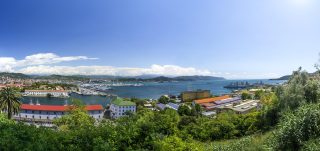
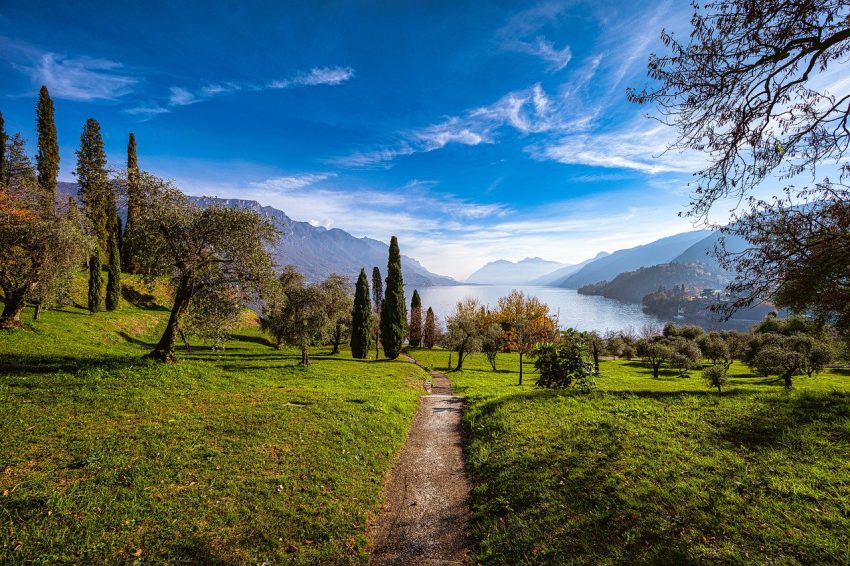
Como, a stunning city in northern Italy, offers a perfect blend of natural beauty and historical charm. Nestled on the shores of Lake Como and surrounded by the foothills of the Alps, Como is renowned for its breathtaking scenery. The lake itself, one of the deepest in Europe, is the centerpiece, drawing visitors with its crystal-clear waters and picturesque shoreline dotted with elegant villas and lush gardens. The historic town center is equally captivating, with its narrow streets, medieval architecture, and the impressive Como Cathedral, a Gothic masterpiece that stands as a testament to the city's rich heritage.

Beyond its scenic allure, Como is a hub of cultural and recreational activities. The city serves as a gateway to exploring the lake's many charming villages, such as Bellagio and Varenna, which can be reached by ferry. The funicular ride to Brunate offers panoramic views of the lake and the surrounding mountains, making it a must-do for visitors. Whether you're interested in exploring historical sites, enjoying water sports on the lake, or simply relaxing in a lakeside café, Como provides a serene yet vibrant experience that encapsulates the essence of Italian elegance and beauty.

History of Como

Ancient Origins of Como

Como, located in the Lombardy region of northern Italy, has a history that stretches back to ancient times. Originally inhabited by the Celts, the area around Como became a significant settlement under the Romans. The town, known as “Novum Comum,” was founded by Julius Caesar in the 1st century BC. As a Roman colony, Como flourished, becoming an important center for trade and military activities. The strategic location of the town, near the Alps and along key trade routes, helped it grow in prominence during the Roman Empire.

Como in the Middle Ages

During the Middle Ages, Como became a key player in the power struggles of northern Italy. The town was fortified with walls and towers, remnants of which can still be seen today. Como was involved in the long-standing conflict between the Guelphs and the Ghibellines, two factions that represented the interests of the Pope and the Holy Roman Emperor, respectively. This period also saw the rise of Como as a center of wool and silk production, industries that would play a significant role in its economy for centuries. The construction of the Como Cathedral, which began in 1396, marked the city’s growing importance as a religious and cultural center.

Renaissance and Modern History of Como

The Renaissance brought a period of cultural and economic prosperity to Como. The town became known for its fine silk production, which continues to be a hallmark of the region. Como’s strategic location made it a contested site during various European conflicts, but it largely maintained its autonomy and continued to develop as a commercial hub. In the 19th century, Como became part of the Kingdom of Italy, and the city experienced industrial growth while preserving its historical character. Today, Como is a vibrant city that combines its rich historical heritage with modern amenities, attracting visitors from around the world to its stunning lakeside setting.

Moira & Andy
Moira & Andy

Hey! We're Moira & Andy. From hiking the Camino to trips around Europe in Bert our campervan — we've been traveling together since retirement in 2020!

Read our full story here

Visiting Como for the first time and wondering what are the top places to see in the city? In this complete guide, I share the best things to do in Como on the first visit. To help you plan your trip, I have also included an interactive map and practical tips for visiting!

This website uses affiliate links which earn a small commission at no additional cost to you.
Powered by GetYourGuide

19 Best places to See in Como

This complete guide to Como not only tells you about the very best sights and tourist attractions for first-time visitors to the city but also provide insights into a few of our personal favorite things to do.

This is a practical guide to visiting the best places to see in Como and is filled with tips and info that should answer all your questions!

1. Statua di Alessandro Volta
Como piazza volta
Como piazza volta
CC BY-SA 3.0 / Sailko
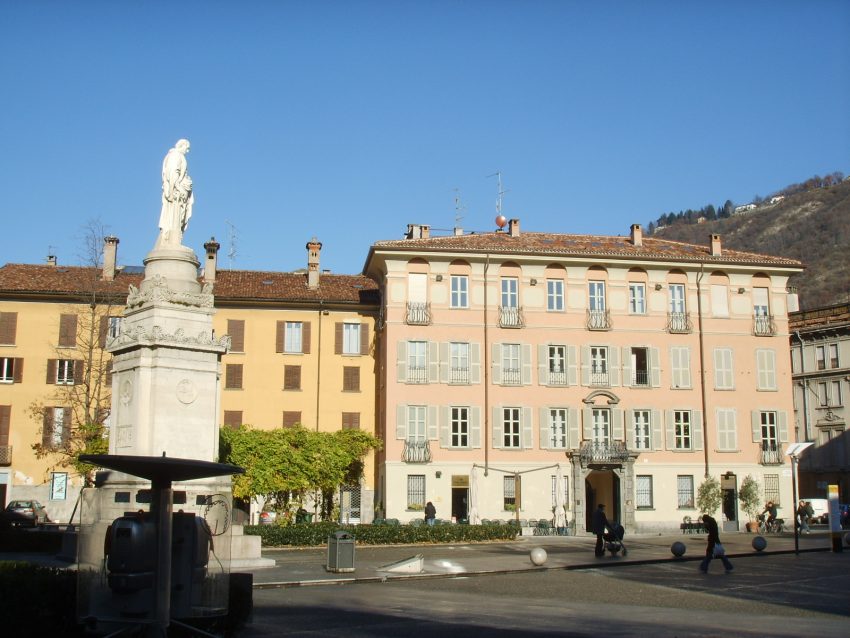
The Statua di Alessandro Volta is a neoclassical monument honoring the scientist who created the Voltaic Pile, the first battery to deliver a steady electric current. Sculpted by Pompeo Marchesi and unveiled in 1838, it shows Volta in a Roman-style toga, a book in his left hand and his right resting on a stylized pile of metal discs. The pedestal bears the inscription “A VOLTA / A PATRIA / MDCCCXXXVIII,” a crisp, civic dedication in Roman numerals. Set in a calm, green-framed square, it rewards close looking for its drapery, thoughtful expression, and the small scientific symbol that changed modern life.
Location: Statua di Alessandro Volta, Piazza Alessandro Volta, Como, Province of Como, Italy | Distance: 0.1km

We recommend to rent a car in Italy through Discover Cars, they compare prices and review multiple car rental agencies. Book your rental car here.

2. Piazza Cavour

Piazza cavour como
Piazza cavour como
Public Domain / Qazxsw
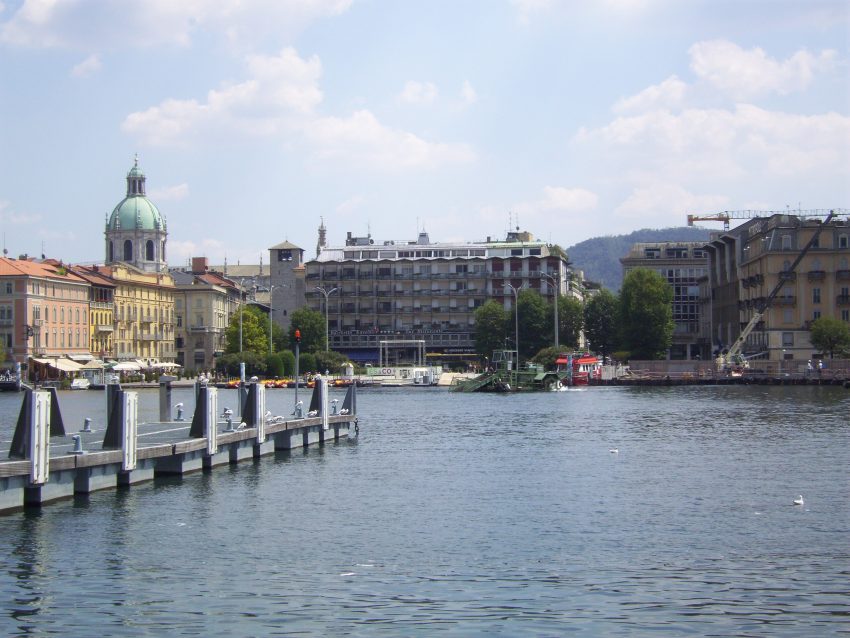
Piazza Cavour is the lakefront square where the town’s energy meets open water, with three sides framed by buildings and the north edge spilling onto the promenade. Reclaimed from marshy ground and reshaped in the 19th century, it became the civic living room—still best experienced by lingering on benches in the breeze and watching boats and people drift past. The western side is anchored by the 1846 Hotel Metropole Suisse, while the opposite edge is lined with cafés and gelato stops that keep the foot traffic constant. On clear days you can spot the Faro Voltiano above Brunate, and in winter the square often fills with market stalls and lights.
Location: Piazza Cavour, Como Province of Como, Italy | Distance: 0.2km

Here is a complete selection of hotel options in Como. Feel free to review each one and choose the stay that best suits your needs.

3. Broletto di Como

Orta San Giulio   Palazzo Communale
Orta San Giulio Palazzo Communale
CC BY-SA 3.0 / Wolfgang Sauber
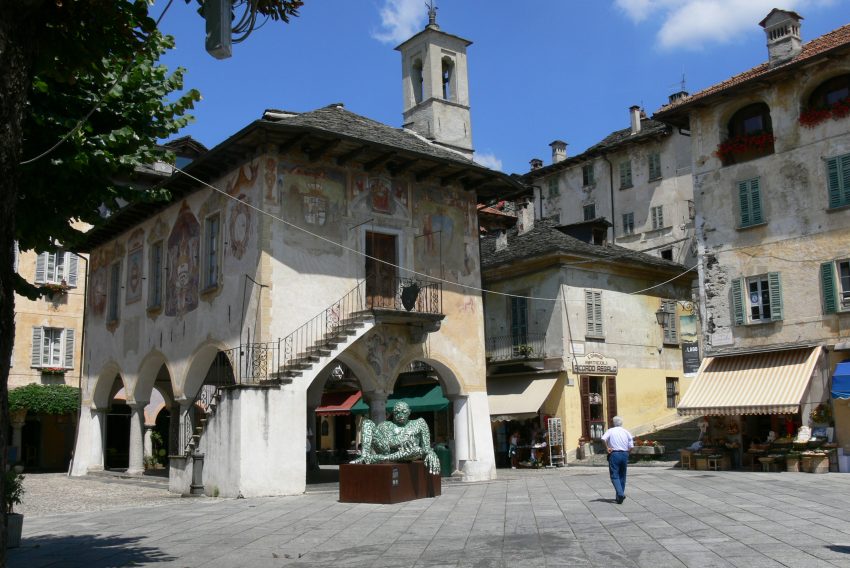
Built in 1215 as the medieval town hall, the Broletto stands shoulder-to-shoulder with the cathedral on Vittorio Emanuele II Street, a reminder of when civic power was announced by a bell from its tower. The facade is what most visitors remember: a patchwork of local white, grey, and pink marble that reads as Gothic at a glance, with later Renaissance touches layered in. Look for the plaque that records its original construction, then linger to compare the rusticated civic tower to the church’s ornament next door. The interior hall is often used for temporary exhibitions, and even when closed, the exterior signage helps decode what you’re seeing.
Location: Broletto - Como, Piazza del Duomo, Como, Province of Como, Italy | Distance: 0.2km

Traveling to a country with a different currency? Avoid ATM transaction fees and pay in local currency with a Wise Card. Having used it for over 5 years, we've saved loads on fees!

4. Como Cathedral

Como Cattedrale di Santa Maria Assunta Esterno Facciata
CC BY-SA 4.0 / Zairon
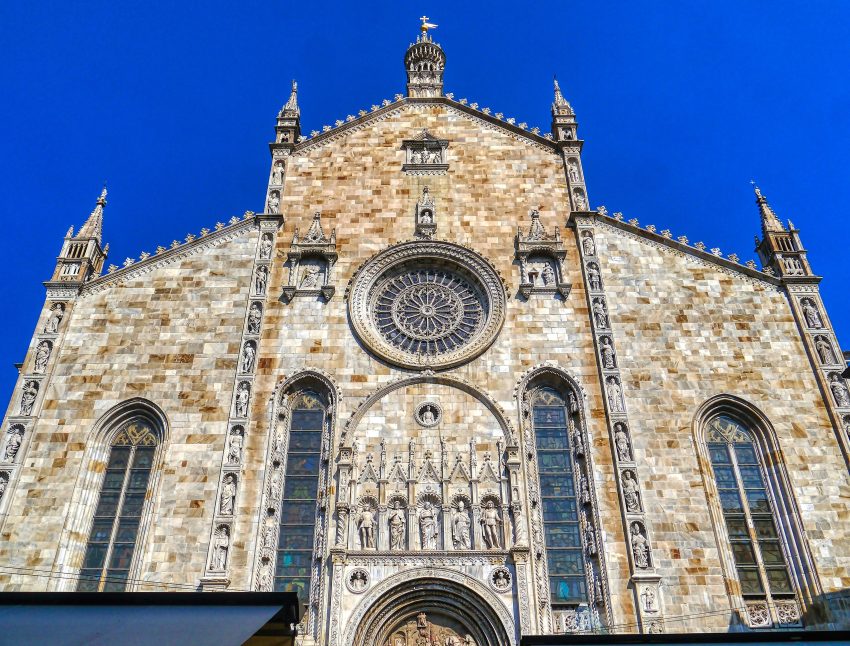
Rising over Piazza Duomo, the Duomo di Como is a monumental cathedral whose long construction (begun in 1396 and finished with Filippo Juvarra’s dome in 1770) left a rare blend of Gothic structure, Renaissance harmony, and later Baroque touches. Visitors linger on the sculpted façade, where two roundels show Adam and Eve and niches hold statues of Pliny the Elder and Pliny the Younger—unexpected civic figures on a church exterior. Inside, the stone space is softened by large tapestries from Florence, Ferrara, and Antwerp, and by Renaissance paintings by Bernardino Luini and Gaudenzio Ferrari. Look for the north-side “Door of the Frog,” a tiny frog catching a butterfly tied to local luck and flood legends.
Location: Cattedrale di Santa Maria Assunta - Duomo di Como, Piazza del Duomo, Como, Province of Como, Italy | Hours: Weekdays from 10.30am to 5.00pm, and holidays from 13.00pm to 4.30pm. | Price: Free | Distance: 0.2km

Explore Como at your own pace with our self-guided walking tour! Follow our curated route to discover must-see sights and local secrets that makes Como one of the best places to visit in Italy.

Powered by GetYourGuide

5. Basilica di San Fedele

Pizza san fedele Chiesa
CC BY-SA 4.0 / Prestinari79
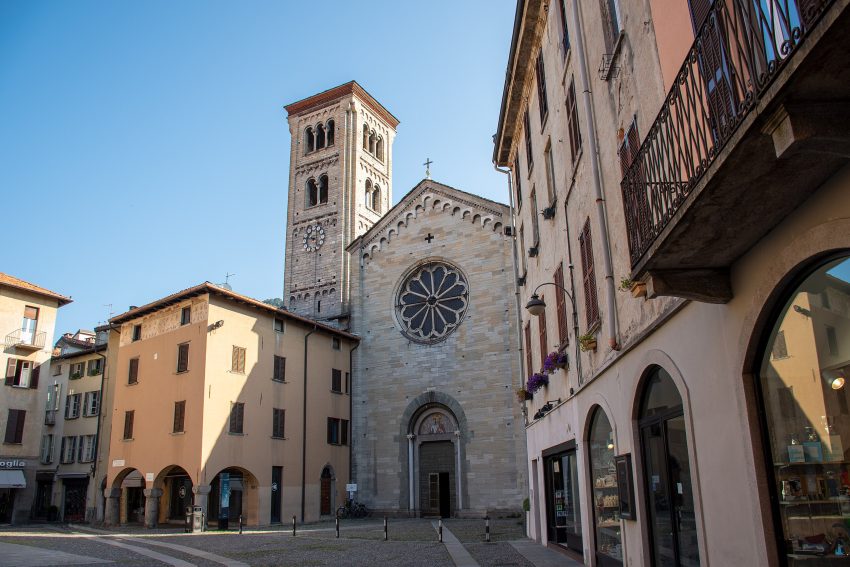
Set on Piazza San Fedele amid cafés and market bustle, the Basilica di San Fedele is a Romanesque church built in 1120 over an earlier 7th‑century sanctuary, long tied to the cult of the martyr Saint Fidelis. The exterior’s Neo‑Romanesque face, rebuilt in 1914, is marked by a strong rose window, while the square bell tower carries scars of rebuilds after an earthquake and later restoration. Inside, three naves rest on heavy columns and lead to three apses and a domed area with a medieval ambulatory, where votive frescoes still cling to the walls. Baroque and Renaissance additions stand out, including Isidoro Bianchi’s 1623 Crucifix chapel fresco and a 1504 Madonna-and-Child triptych by Giovanni Andrea De Magistris.
Location: Basilica di San Fedele, Piazza San Fedele, Como, Italy | Distance: 0.3km

6. Social Theater
Teatro Sociale Como
Teatro Sociale Como
CC BY-SA 3.0 / JoJan
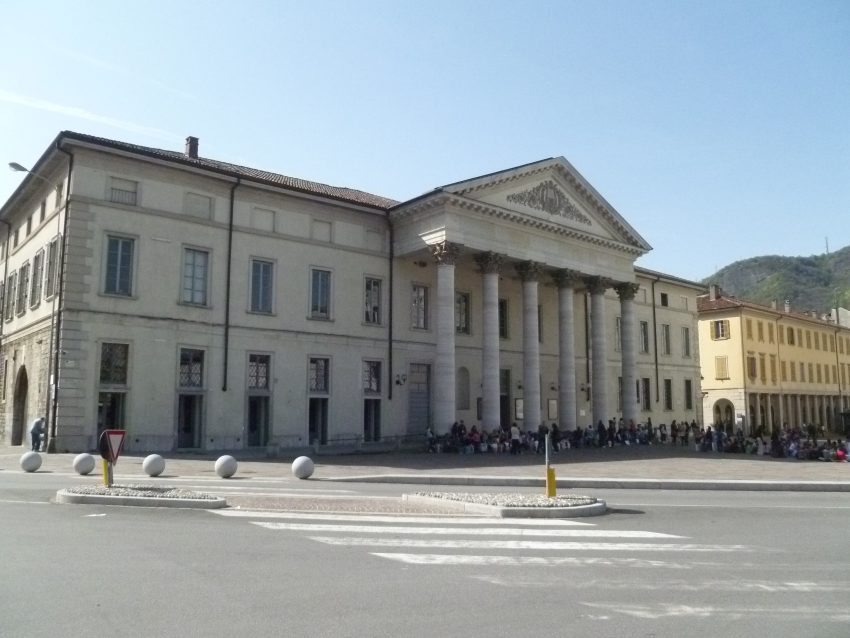
Como’s Teatro Sociale is a neoclassical opera house built in 1812–13 by the city’s aristocracy on the site of a ruined medieval Round Tower, and it still anchors local performing arts. From the street you notice the portico held by six free-standing Corinthian columns before stepping into a cello-shaped auditorium dressed in red velvet. Look up for Eleuterio Pagliano’s ceiling painting of muses descending from Olympus, and watch for the main curtain designed by Alessandro Sanquirico, depicting Pliny the Elder’s death during Vesuvius. The stage has hosted virtuosos such as Niccolò Paganini (1823) and Franz Liszt (1837), and summer programs often spill outdoors into the reopened Arena.
Location: Teatro Sociale, Via Vincenzo Bellini, Como, Province of Como, Italy | Distance: 0.3km

7. The Life Electric
Como   Life Electric
Como Life Electric
CC BY-SA 2.0 / SteTaglia
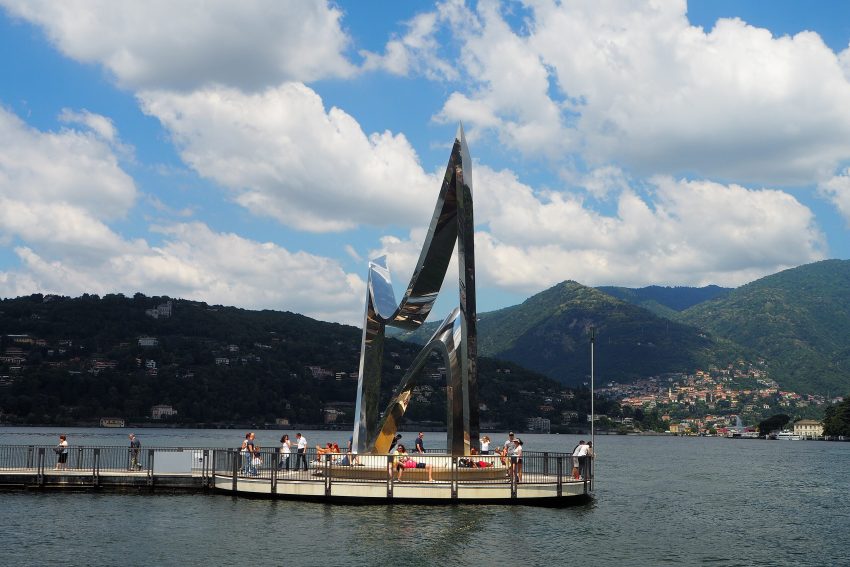
Life Electric is a 16.5-meter stainless-steel sculpture by Daniel Libeskind, set at the very end of the harbor breakwater where the pier meets open water. Unveiled in 2015 as a tribute to Alessandro Volta, its twisting form suggests electrical flow and tension, linking local scientific heritage with contemporary design. The long walk out along the pier is part of the experience, with the piece gradually shifting as it catches reflections of lake, sky, and mountains. In calm weather it becomes a mirror for the water; at sunset and after dark, soft illumination sharpens its curves and makes the surrounding lights shimmer.
Location: Life Electric, Diga foranea Piero Caldirola, Como, Province of Como, Italy | Distance: 0.4km

8. Monumento alla Resistenza Europea
Monumento resitenza europea
Public Domain / Qazxsw
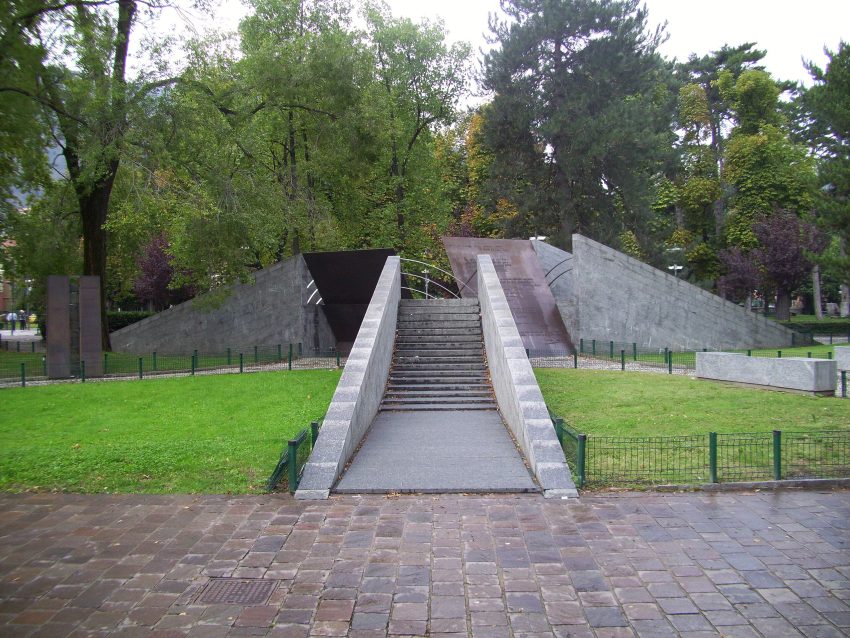
Monumento alla Resistenza Europea is a contemporary World War II memorial designed by artist Gianni Colombo and inaugurated in 1983, built to be physically experienced rather than simply viewed. Three slightly misaligned staircases lead upward toward an intentionally “missing” center, creating a subtle sense of imbalance that mirrors the monument’s theme of rupture and loss. Around the void, tilted metal tablets carry excerpts from the last messages of people condemned in concentration camps, with translations provided on nearby marble slabs in seven languages. Look, too, for stones incorporated from multiple camps and from Hiroshima, a stark link between European resistance and global catastrophe. Set in a lakeside park, it feels quiet and minimal—though some visitors note the site can appear poorly maintained.
Location: Monumento alla Resistenza Europea, Viale Guglielmo Marconi, Como, Province of Como, Italy | Distance: 0.4km

9. Como’s Ancient City Walls
Como City Walls
Como City Walls
CC BY-SA 4.0 / WeRoof
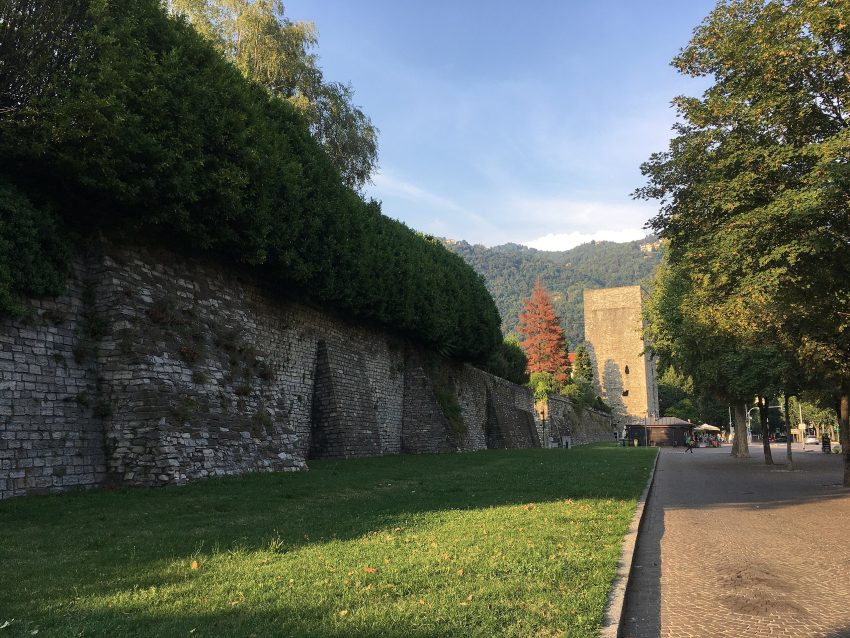
These ancient city walls trace the old town’s former defensive ring, with surviving medieval stretches that still read as a working fortification rather than a decorative relic. The most memorable section is Porta Torre on Piazza Vittoria: a severe Romanesque gate-tower begun in 1192, rising roughly 34–40 meters and built to control the main entrance after conflict with Milan. Look for thick stone curtain walls, rectangular towers, and the way modern streets press right up against the masonry, making the scale feel immediate. A few traces of earlier Roman defenses linger near the gate, hinting at layers that began with Caesar’s 1st-century BCE fortifications and culminated in the 12th-century rebuild commissioned by Federico Barbarossa.

10. Museo Archeologico Paolo Giovio

Museo archeologico Paolo Giovio
CC BY-SA 4.0 / Itseden14
Museo Archeologico Paolo Giovio occupies Palazzo Paolo Giovio, a late-medieval residence later reshaped with Lombard Baroque touches, including an 18th-century loggia and enlarged facade windows. The visit pairs atmospheric frescoed halls—such as the Perrone and Barelli rooms—with a chronological route from prehistory through the Roman period and the Middle Ages. Roman-era material from Novum Comum stands out in mosaics, inscriptions, ceramics, and architectural fragments that make everyday life feel tangible. A smaller collectibles section adds surprises like Egyptian and Greek objects, bronze statuettes, and carved gems. Travelers often describe it as a quiet, welcoming “hidden gem,” though English labels can be limited.
Location: Museo archeologico Paolo Giovio, Piazza Medaglie d'Oro Comasche, Como, Province of Como, Italy | Hours: The building is closed to the public until further notice. | Price: € 5 | Distance: 0.5km

11. Museo Storico Giuseppe Garibaldi
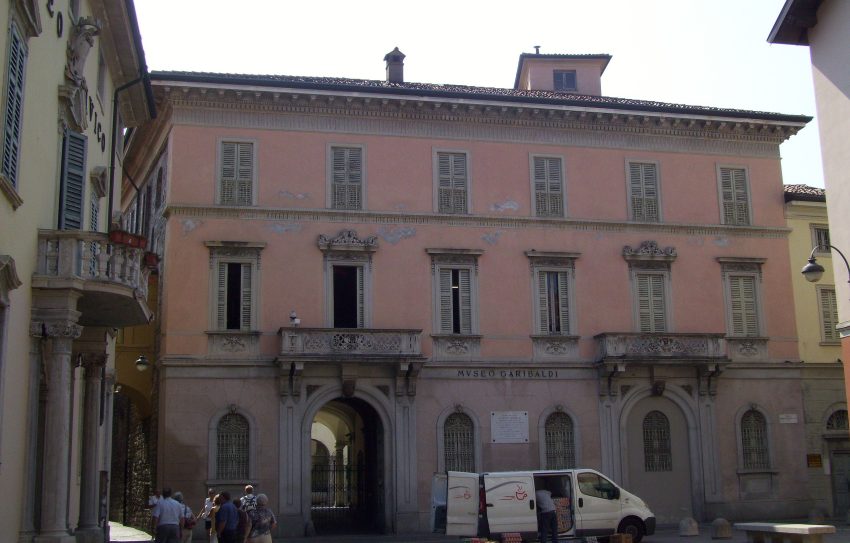
Museo garibaldi
Museo garibaldi
Public Domain / Qazxsw
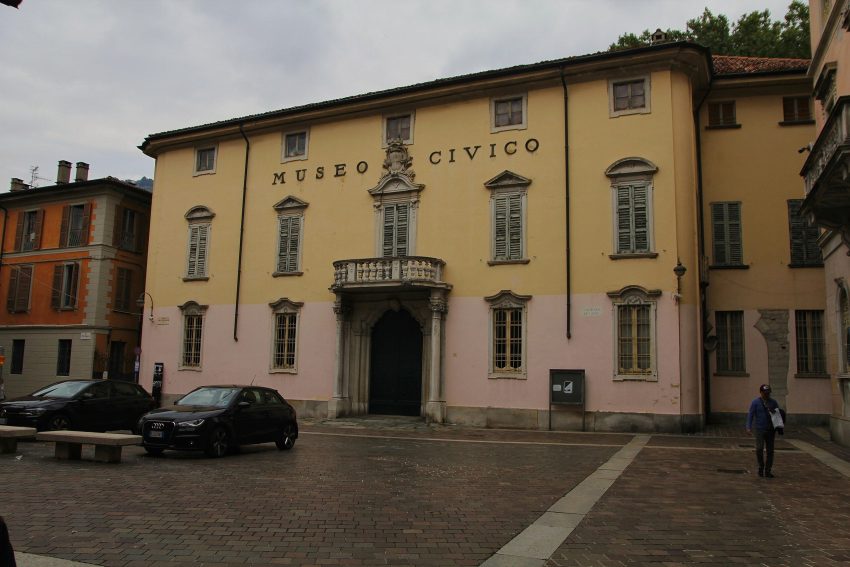
Housed in the 15th-century Palazzo Olginati, Museo Storico Giuseppe Garibaldi explores the Risorgimento through a distinctly local lens, centering on Garibaldi and the 1859 Battle of San Fermo. Rooms display uniforms, weapons, maps, and personal objects that make the clash at the San Fermo pass feel immediate rather than abstract. A second section shifts from battlefield drama to everyday life, with textiles, clothing, furnishings, and domestic artifacts spanning the 17th to 20th centuries. The palace setting adds atmosphere—stone corridors and a quiet courtyard garden—though some visitors note occasional closures, so it’s worth checking hours before you go.
Location: Museo Storico Giuseppe Garibaldi, Piazza Medaglie d'Oro Comasche, Como, Province of Como, Italy | Price: € 5 | Distance: 0.5km

12. Terme di Como Romana
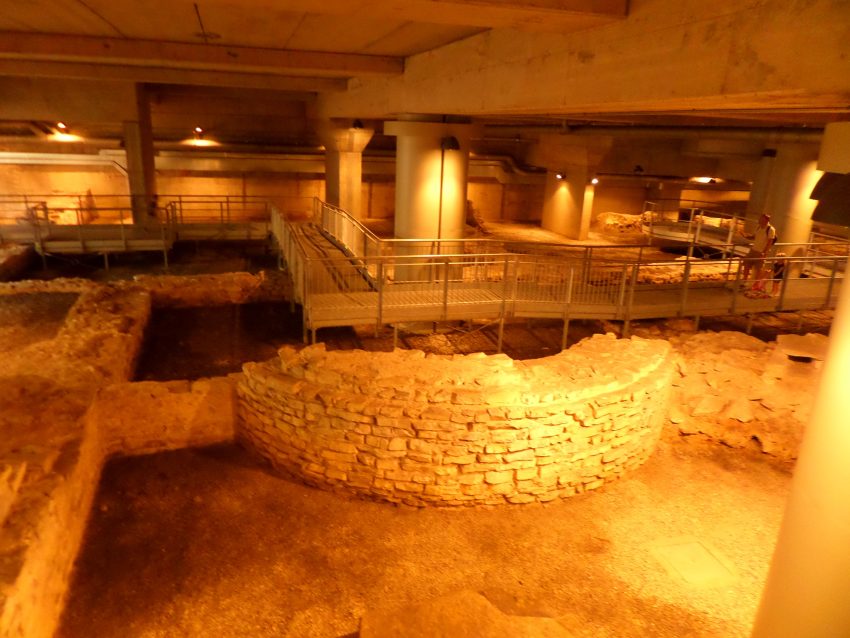
Terme Como
Terme Como
CC BY-SA 4.0 / Riccardo Ortelli
Terme di Como Romana are the fragmentary remains of a 1st‑century AD Roman bath complex from Novum Comum, revealing how public bathing shaped daily life in the early city. Visitors move around low stone foundations that trace the sequence of rooms—frigidarium, tepidarium, and caldarium—making the ritual progression from cold to warm to hot easy to picture. Look for evidence of Roman engineering in the hypocaust system, where heated air once circulated beneath floors and through wall spaces. Rediscovered during late‑20th‑century redevelopment, the small site feels like an archaeological pocket tucked into modern Como, best appreciated by lingering over textures and construction details rather than expecting towering ruins.
Location: Terme di Como Romana, Viale Lecco, Como, Province of Como, Italy | Hours: Tuesday and Thursday: 10.00 to 14.00 Saturday: 10.00 – 18.00 | Price: Free | Distance: 0.5km

13. Tempio Voltiano

Tempio Voltiano
Tempio Voltiano
CC BY-SA 4.0 / Bettina Musatti
A neoclassical lakeside temple built in 1927 to honor Alessandro Volta, it doubles as a small museum devoted to the inventor of the first electrical battery. The design nods to the Pantheon, with a circular hall about 12 meters across and a domed ceiling punctured by a central skylight that washes the exhibits in soft daylight. Inside, you’ll see Volta’s original instruments, models, and papers—objects that make the leap from early experiments to the Voltaic Pile feel tangible. Outside, the calm first basin of the lake, park paths, and pockets of beach create a quiet pause between water and stone.
Location: Tempio Voltiano, Viale Guglielmo Marconi, Como, Province of Como, Italy | Distance: 0.6km

14. Porta Torre
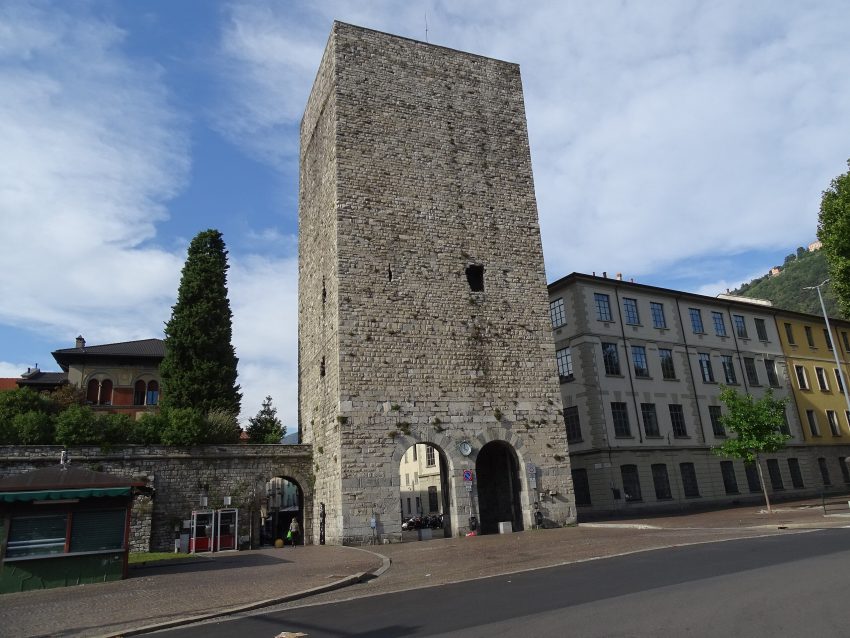
Area di Porta Torre a Como
CC BY-SA 4.0 / Marimari52
Rising over Piazza Vittoria, Porta Torre is a massive Romanesque gate-tower built in 1192 to control the southern entrance through the medieval walls. Its sheer stone faces, thick masonry, and narrow slit openings make its defensive purpose feel immediate, and the tower’s roughly 40-meter height still dominates the square. What makes the spot especially memorable is the layering of eras: it stands near the site of the much older Roman Porta Prætoria, whose surviving remnants hint at the city’s 1st-century BCE gateway and street alignment. Visitors mostly circle the base for photos—especially when the façade warms in late light—and take in the everyday café bustle around it.
Location: Porta Torre, Piazza Vittoria, Como, Province of Como, Italy | Distance: 0.6km

15. Torre San Vitale
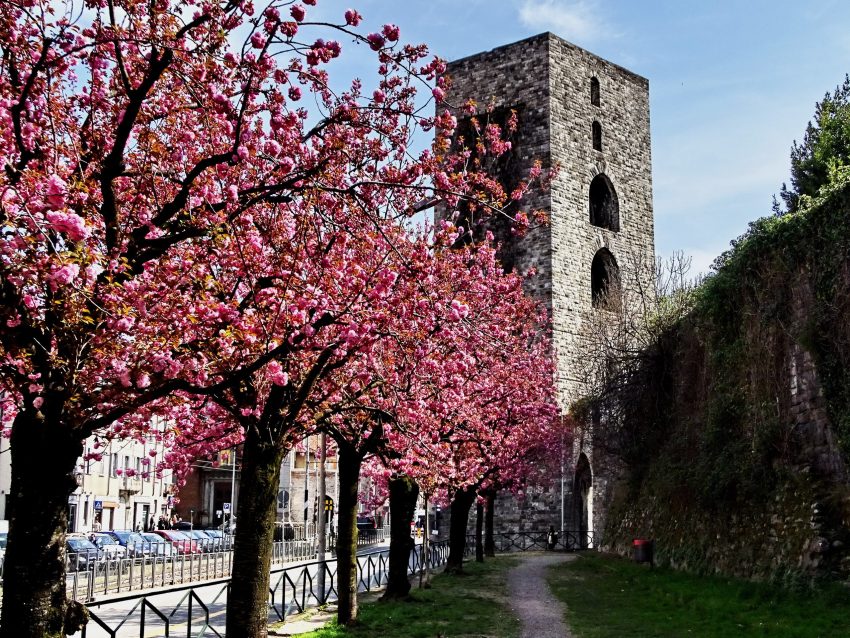
Torre San Vitale como
CC BY-SA 4.0 / Marimari52
Rising at the southeastern corner of the old defensive perimeter, Torre San Vitale is a surviving 12th-century fortification linked to Emperor Federico Barbarossa’s expansion of the city walls during clashes with Milan. Built from rugged Moltrasio stone, its square, thick-walled form reads as pure military engineering—simple lines, heavy masonry, and a watchtower presence that still feels protective. You can’t go inside, but standing close you notice the textured stone blocks and the way modern streets press up against the medieval geometry. It’s especially memorable when you frame it with the remaining wall fragments nearby, which make its original role in the larger fortification system easy to picture.
Location: Saint Vitale Tower, Viale Cesare Battisti, Como, Province of Como, Italy | Distance: 0.7km

16. Torre Gattoni
Como Torre Gattoni
Como Torre Gattoni
CC BY-SA 4.0 / Daniela Manili Pessina
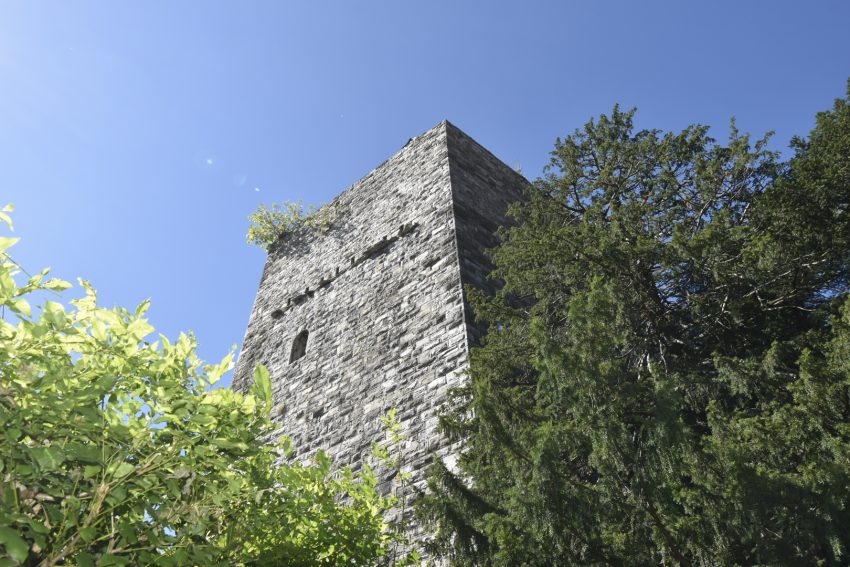
Torre Gattoni is a modest medieval tower set against the line of the old defensive walls, tucked between Viale Varese and Viale Carlo Cattaneo. Its importance is surprisingly scientific: Jesuit naturalist Giulio Cesare Gattoni kept a physics lab and natural history cabinet here and gave the young Alessandro Volta access for his earliest experiments. That backstory makes the plain stone exterior feel charged, especially knowing Volta’s later work would reshape the study of electricity. In the 1930s the tower was repurposed as an electrical substation to light the city, and traces of that equipment can still be spotted. Many visitors simply view it from outside, often combining it with a quiet stroll—or, on Saturdays, the nearby flea market bustle.
Location: Torre Gattoni, Viale Varese, Como, Province of Como, Italy | Distance: 0.7km

17. Funicular Como-Brunate
Como Brunate funicular
CC BY-SA 3.0 / Andrzej Otrebski
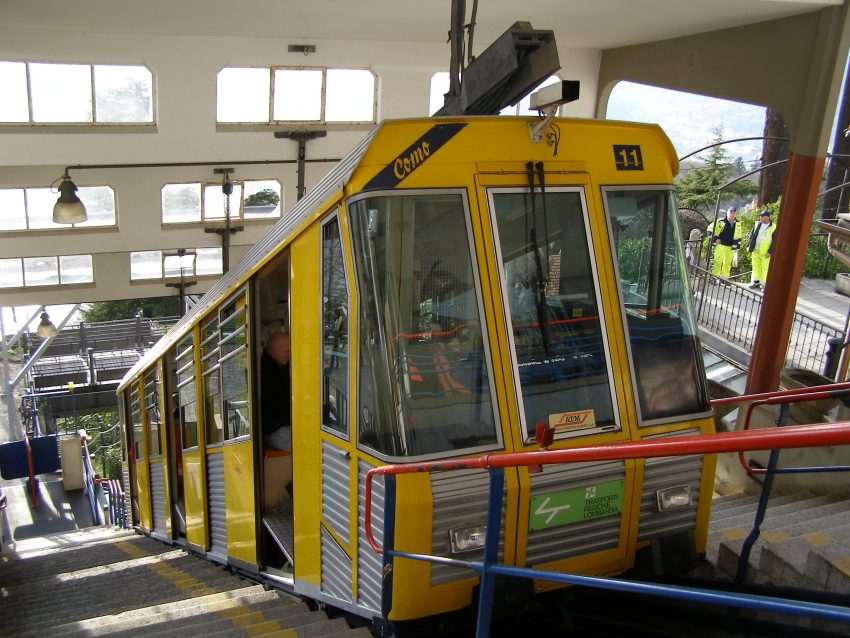
Funicular Como–Brunate is a historic hillside railway linking Como’s lakeside with the quieter village of Brunate, turning a steep climb into a memorable seven-minute ascent. Opened in 1894, it now runs with modern 2011 cars about 39 feet long that carry up to 81 passengers, combining old infrastructure with a smooth, efficient ride. The line climbs roughly 3,556 feet, including a striking 427-foot tunnel, before bursting into daylight with wide views over Lake Como, terracotta rooftops, and—on clear days—the Alps. At the top, Brunate’s lanes and viewpoints invite an easy wander. Travelers note the straightforward ride and that tickets are around €6.60 return.
Location: Como-Brunate funicular, Province of Como, Italy | Price: Return €6.10 | Distance: 0.7km

18. Brunate
Brunate
Brunate
CC BY-SA 3.0 / Luca Casartelli
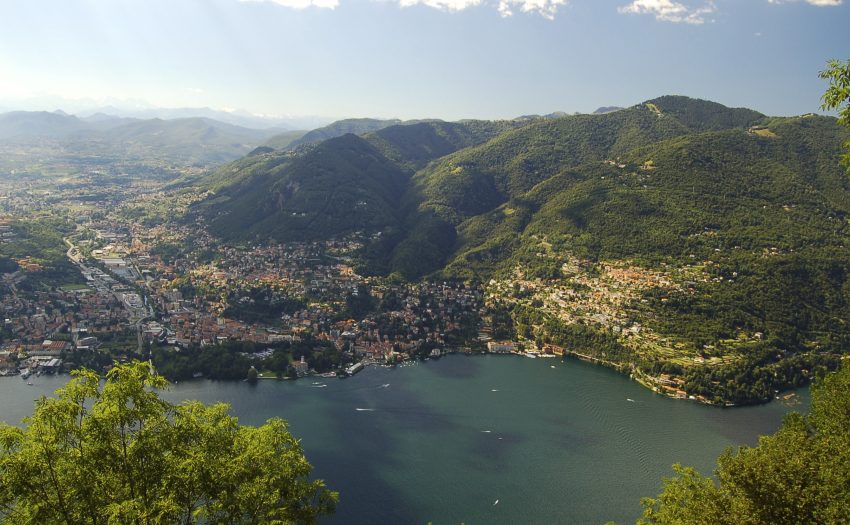
Brunate is a hilltop village perched about 715 meters above the lake, reached in roughly seven minutes on the historic Como–Brunate Funicular (running since 1894). The first impression is airier and quieter: winding lanes, elegant early-1900s villas with Art Nouveau details, and sudden viewpoints that open over the water and distant mountains. A favorite walk climbs through woods and terraces to the Faro Voltiano, a 29-meter octagonal lighthouse built in 1927 to honor Alessandro Volta, with a broad panorama from its terrace. Brunate also feels like a trailhead, with routes branching toward Monte Boletto and other ridges for longer hikes.
Location: Brunate, Como | Distance: 1.6km

19. Faro Voltiano

Brunate   Faro Voltiano
Brunate Faro Voltiano
CC BY-SA 4.0 / SteTaglia
Faro Voltiano is a 29-meter, octagonal lighthouse-memorial built in 1927 for scientist Alessandro Volta, perched on San Maurizio above Brunate. A spiral stair leads to a terrace with sweeping 360° views—Lake Como’s branching shoreline below, the Pre-Alps close at hand, and, on clear days, distant Alpine peaks. Even if the tower is closed, the open terraces around the base still deliver the big panorama that visitors rave about, especially at sunset. After dark, the beacon cycles white, red, and green light, a tricolor signal that turns the hilltop into a quiet, glowing landmark.
Location: Faro Voltiano, Faro Voltiano, Brunate, Province of Como, Italy | Distance: 2.2km

Best Day Trips from Como

A day trip from Como offers the perfect opportunity to escape the urban rhythm and discover the surrounding region's charm. Whether you're drawn to scenic countryside, historic villages, or cultural landmarks, the area around Como provides a variety of easy-to-reach destinations ideal for a one-day itinerary. If you are looking to rent a car in Italy I recommend having a look at Discover Cars, first, as they compare prices and review multiple car rental agencies for you.

1. Milan

Milan
Milan
CC BY-SA 1.0 / https://www.pexels.com/u/ghostpresenter/
Milan holds the distinction of being either Italy's second or, according to some, its primary city, depending on who you ask. Although Rome serves as the administrative capital, Milan stands as the nation's financial epicentre, housing Italy's stock exchange and positioned in the prosperous and industrious northern region. In several aspects, Milan bears a stronger resemblance to cities like Paris…
Visiting Milan
Powered by GetYourGuide

2. Bergamo

bergamoItaly
bergamoItaly
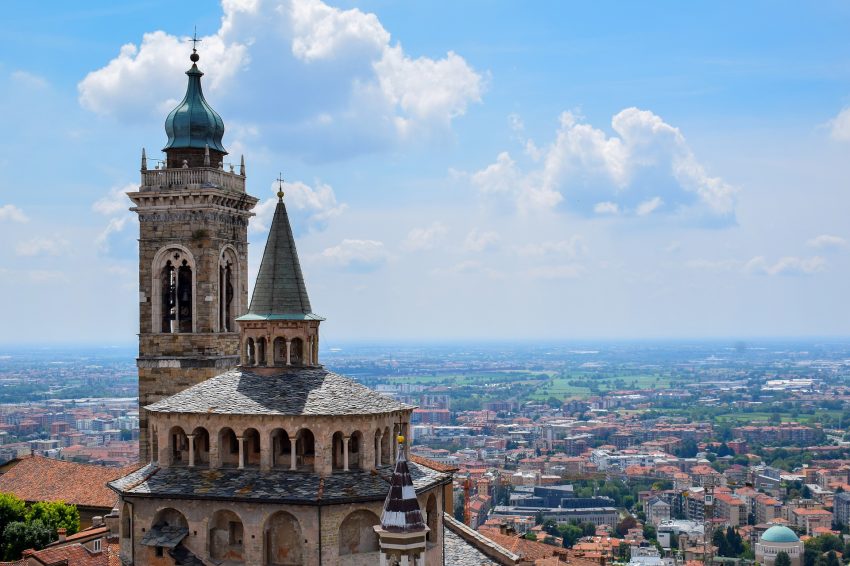
Bergamo is a small town in Lombardy to the east of Italy’s northern city of Milan and Lake Como. Nestled up against the southern foothills of the Bergamo Alps, the town is laid out into two tiers: the upper, older città alta, and the lower, modern città bassa. Bergamo Bassa, the city centre on the plain, seamlessly combines medieval cobbled quarters…
Visiting Bergamo
Powered by GetYourGuide

3. Brescia

Brescia
Brescia
CC BY-SA 3.0 / Luca Giarelli
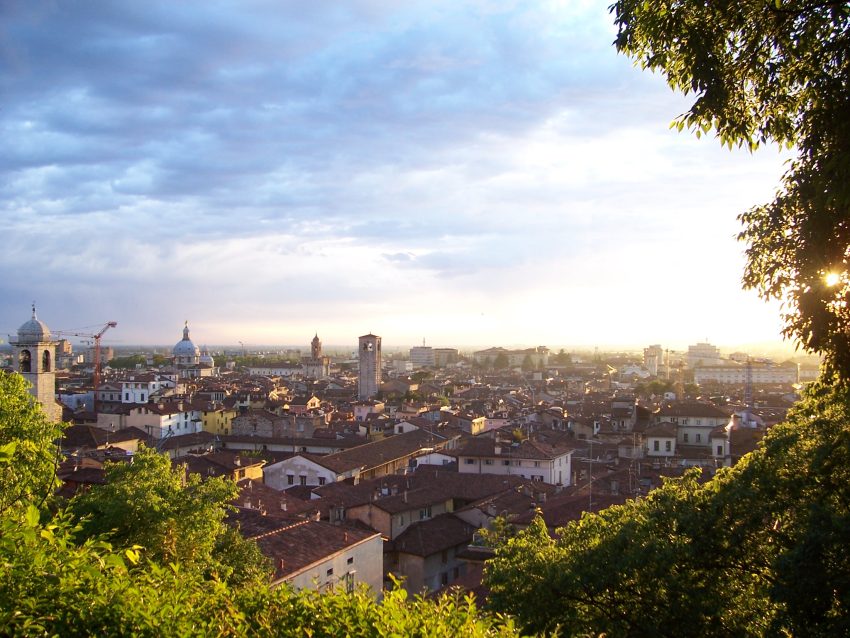
Brescia, nestled in the region of Lombardy in northern Italy, is a city that balances industrial might with a rich cultural heritage. Located at the foot of the Alps and close to both Lago di Garda and Lago d’Iseo, it serves as both a vibrant urban hub and a gateway to some of northern Italy’s most scenic landscapes. While it’s…
Visiting Brescia
Powered by GetYourGuide

4. Turin

italy turin
italy turin
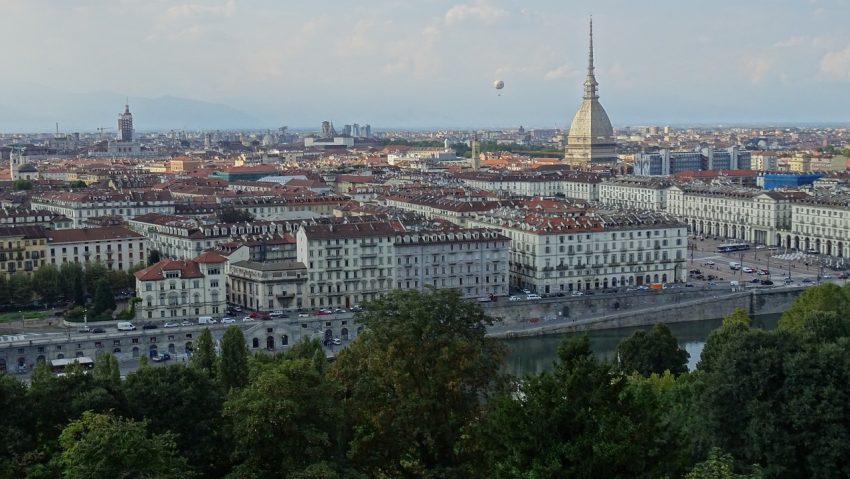
Visiting Turin, the elegant capital of the Piedmont region in northern Italy, offers a unique blend of history, culture, and innovation. Often overshadowed by more famous Italian cities, Turin is a hidden gem known for its grand boulevards, baroque architecture, and rich cultural heritage. The city's royal past is evident in its stunning palaces, such as the Palazzo Reale and…
Visiting Turin
Powered by GetYourGuide

5. Parma

Parma
Parma
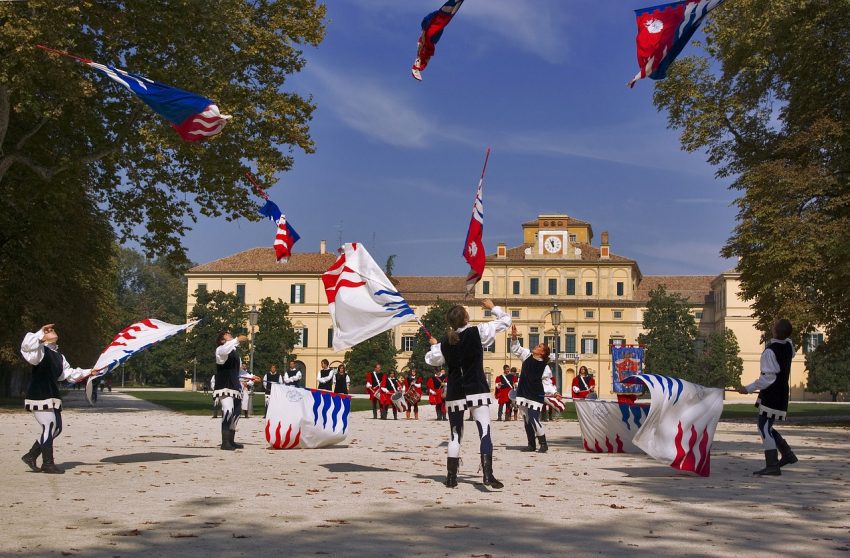
Parma's early history as a Roman colony along the Via Aemilia has left little visible trace in the city today. The province of Parma, in Emilia-Romagna is known for its grand palaces, elegant squares, and its role as the seat of the powerful Farnese dukes. The city also bears a French legacy due to its ownership by Napoleon's wife, Marie…
Visiting Parma
Powered by GetYourGuide

6. Lucerne

lucerne
lucerne
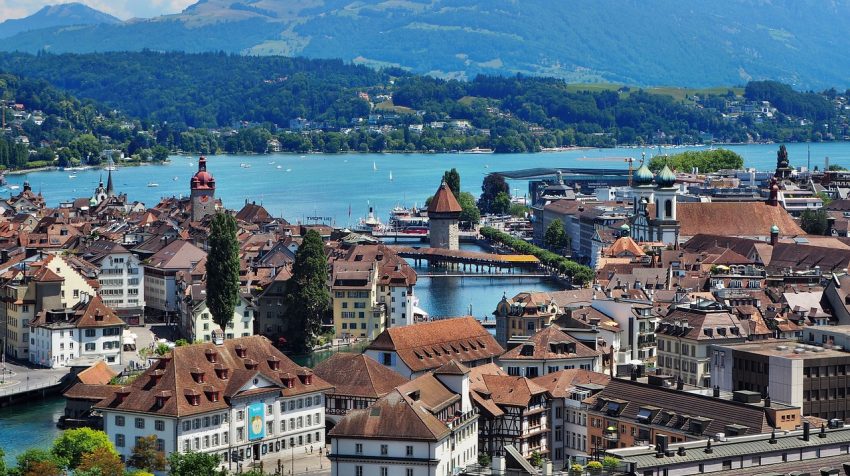
Luzern (loot-SAIRN, “Lucerne” in English) has served as Switzerland's premier destination for tourism for an extensive period. Nestled along the shoreline of a lake (also known as Vierwaldstätter See), and set against the stunning backdrop of the Alps, Luzern held a regular spot on the European Grand Tour circuit during the Romantic era. It welcomed illustrious visitors such as Mark…
Visiting Lucerne
Powered by GetYourGuide

7. Verona

verona skyline
verona skyline
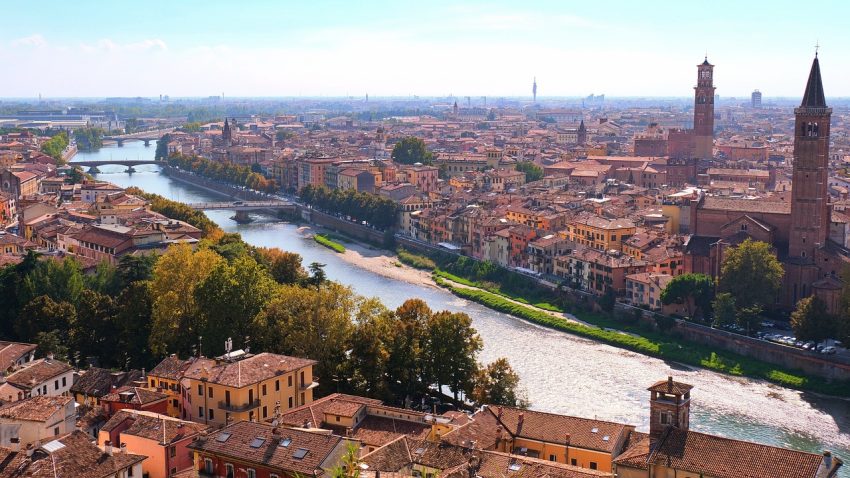
Verona stands out in the Veneto region, rivalling even Venice in its abundance of Roman sites and picturesque streets adorned with pink-hued medieval buildings. This laid-back city offers a wealth of attractions, surpassing other places in the region in terms of sheer sights. While the city's allure extends beyond tourism, drawing strength from its economic success as a pivotal crossroads.…
Visiting Verona
Powered by GetYourGuide

8. Genoa

Visitng Genova
Visitng Genova
CC BY-SA 4.0 / Andreasspot
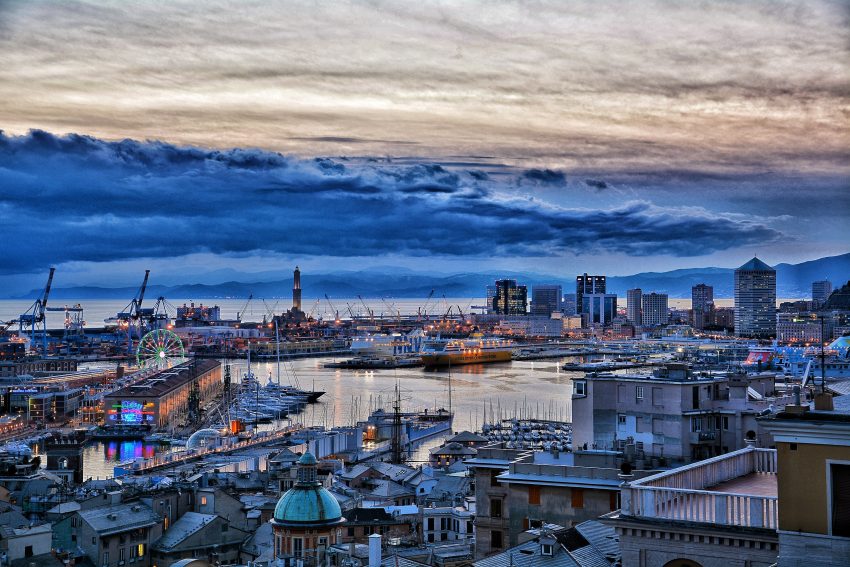
Genoa, known as Genova in Italian, is a significant port city located in the north-western part of Italy. Serving as the regional capital of Liguria, it occupies a central position within this extensive coastal region at the upper portion of Italy's geographical "boot." With a history steeped in maritime importance spanning centuries, Genoa's legacy as a potent republic endures. Presently,…
Visiting Genoa
Powered by GetYourGuide

Where to Stay in Como

Como offers a wide range of places to stay, and choosing the right area can shape your entire experience of the city. For travelers who want to be right in the heart of the action, the Historic Center is an excellent choice. This pedestrian-friendly district places you steps from Como Cathedral, Piazza San Fedele, and the lakefront promenade. It’s ideal if you enjoy wandering cobblestone streets, browsing boutiques, and having cafés just outside your door. Popular options here include the elegant Palace Hotel, perfect for visitors who want lake views without leaving the city center, and the convenient Albergo Firenze, set beside one of Como’s best-loved urban squares.

If you prefer a quieter stay but still want easy access to major attractions, consider the area around Porta Torre and the eastern side of the walled city. This neighborhood feels more residential, with leafy streets, artisan bakeries, and a more relaxed atmosphere. It’s a great spot for travelers who want to blend local life with sightseeing. The traditional and welcoming Hotel Tre Re offers a calm retreat while still being within walking distance of key sights like the cathedral and the funicular.

For lake lovers, the waterfront district near the Tempio Voltiano and the Life Electric sculpture is one of the most scenic areas to stay. Here, you can enjoy early morning walks along the promenade, sunset views over the water, and close proximity to boat terminals for exploring other towns on Lake Como. This area is perfect for travelers who want a picturesque base with easy transport connections. A standout option is Hotel Metropole Suisse, offering lake-facing rooms and immediate access to Como’s busiest and most beautiful square.

If you’re looking for something more elevated—literally—the hilltop village of Brunate is a unique place to stay. Reached in minutes via the Como–Brunate Funicular, Brunate offers cooler air, panoramic views, and a peaceful contrast to Como’s bustling center. It’s ideal for hikers, photographers, and anyone seeking a quiet retreat with unforgettable vistas. Though smaller in selection, accommodations here often feature sweeping balconies and an intimate atmosphere you won’t find anywhere else in the region.

Each area of Como offers its own charm, whether you want the lively energy of the historic core, the calm of residential streets near Porta Torre, the postcard-perfect waterfront, or the lofty beauty of Brunate. Whichever neighborhood you choose, Como provides a comfortable and scenic base for exploring the lake and its timeless surroundings.

Using the our Hotel and Accomodation map, you can compare hotels and short-term rental accommodations in Como. Simply insert your travel dates and group size, and you’ll see the best deals for your stay.

Como Accommodation Map

Best Time to Visit Como

Visiting Como in Spring (Best)

Spring, from March to May, is the best time to visit Como. The weather is mild and pleasant, with temperatures ranging from 10°C to 20°C (50°F to 68°F). The blooming flowers and lush greenery around Lake Como create a picturesque setting, perfect for exploring the town, enjoying boat trips on the lake, and visiting the surrounding gardens and villas. The crowds are smaller compared to the summer months, offering a more peaceful experience.

Visiting Como in Summer

Summer, from June to August, is the peak tourist season in Como. The weather is warm, with temperatures often reaching 30°C (86°F), making it ideal for enjoying water activities on the lake and outdoor dining. However, the town can be quite crowded, and prices for accommodations tend to be higher. Despite the crowds, the lively atmosphere and various festivals make summer an exciting time to experience Como.

Visiting Como in Autumn

Autumn, from September to November, offers cooler temperatures, ranging from 10°C to 18°C (50°F to 64°F), and a quieter atmosphere as the summer crowds begin to disperse. The changing colors of the foliage add a beautiful touch to the landscape, making it a great time for scenic walks and photography. Autumn is also a wonderful time to explore the local food and wine, as the harvest season brings fresh, seasonal produce to the area.

Visiting Como in Winter

Winter, from December to February, is the quietest time to visit Como. Temperatures range from 0°C to 8°C (32°F to 46°F), and while it’s colder, the town takes on a serene and festive atmosphere, especially during the Christmas season. This is a great time to enjoy the local culture without the crowds, and the nearby mountains offer opportunities for skiing and other winter sports. While some attractions may have reduced hours, winter provides a unique and tranquil experience of Como.

Annual Weather Overview

  • January 7°C
  • February 9°C
  • March 14°C
  • April 17°C
  • May 21°C
  • June 27°C
  • July 31°C
  • August 27°C
  • September 22°C
  • October 18°C
  • November 11°C
  • December 6°C

How to get to Como

Traveling to Como by Air

The nearest major airport to Como is Milan Malpensa Airport (MXP), located about 50 kilometers away. Another option is Milan Linate Airport (LIN), which is approximately 70 kilometers from Como. From either airport, you can reach Como by taking a direct train, hiring a taxi, or renting a car. The journey from Malpensa Airport to Como by train or car typically takes about an hour.

Traveling to Como by Train

Como is well-connected by train, making it easily accessible from various parts of Italy and Switzerland. The city has several train stations, with Como San Giovanni being the main station. Direct trains from Milan’s central station to Como run frequently and the journey takes about 40 minutes. There are also connections from other cities like Lugano in Switzerland, making train travel a convenient option.

Traveling to Como by Car

Driving to Como is a straightforward option, especially if you're coming from Milan or other nearby cities. The A9 motorway connects Milan to Como, and the drive takes about 45 minutes to an hour, depending on traffic. Having a car also allows you to explore the beautiful surrounding areas and the scenic roads along Lake Como at your own pace.

Traveling to Como by Bus

Buses are another viable option for reaching Como, especially if you're traveling from Milan or other nearby towns. Regular bus services operate between Milan and Como, with the journey typically taking around an hour. The bus station in Como is centrally located, making it easy to access local attractions upon arrival. Buses also connect Como to other towns around Lake Como, offering convenient transportation within the region.
More from this area