Theth, Albania: The Ultimate Travel Guide 2026
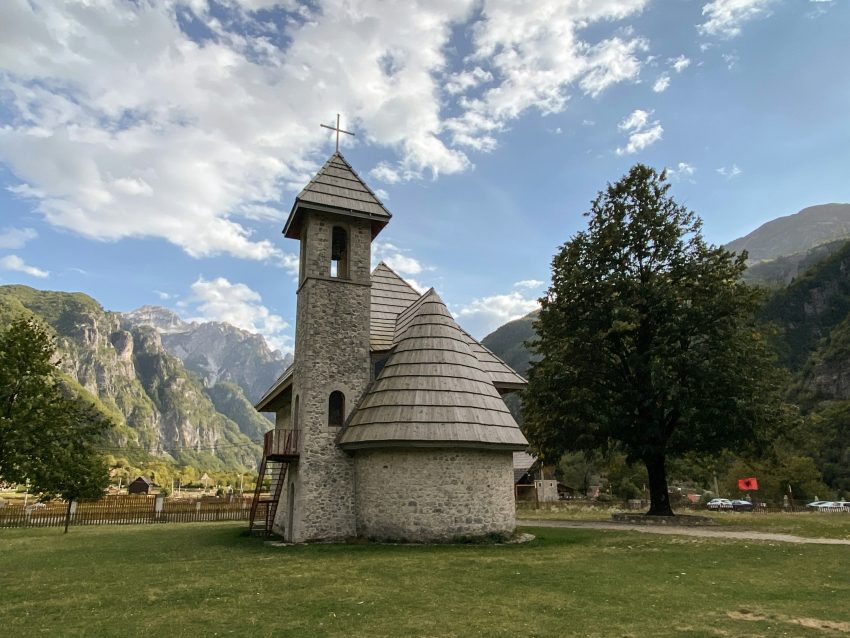
Visiting Theth is like stepping into a hidden world of breathtaking alpine beauty and traditional mountain life. Tucked deep within the Albanian Alps, Theth is surrounded by towering peaks, dense forests, and crystal-clear rivers. The journey to get there, whether via the winding road from Shkodër or through hiking routes, is part of the adventure, offering dramatic views at every turn. Once you arrive, the peacefulness of the village, the stone houses with wooden shingle roofs, and the pure mountain air create a setting that feels far removed from modern life.
Theth is a paradise for outdoor lovers. There are plenty of incredible hikes to enjoy, from the easy walk to the iconic Theth Church and the Grunas Waterfall, to more challenging treks like the Valbona Pass, which connects Theth to the neighboring valley. The National Park offers untouched landscapes that change with the seasons, from lush green summers to golden autumns and snow-dusted winters. Even if you aren't a seasoned hiker, the beauty of the valley itself and short strolls to natural springs and viewpoints make it worth visiting.
Staying in Theth is a special experience on its own. Most visitors stay in family-run guesthouses, where you can enjoy hearty homemade meals and traditional Albanian hospitality. Evenings tend to be quiet and cozy, perfect for sitting by the fire and swapping stories with fellow travelers. The slower pace of life here encourages you to truly unplug and immerse yourself in nature. Visiting Theth offers not just scenic landscapes but also a deeper connection to Albania's highland culture and an unforgettable taste of life in one of Europe's last great mountain refuges.
History of Theth
Early History of Theth
Theth has been inhabited for centuries, with its roots going back to early Illyrian tribes who once roamed the Albanian highlands. Isolated by the rugged peaks of the Albanian Alps, the community developed in near-complete seclusion. The natural barriers around Theth helped preserve its culture, traditions, and social structure, even as the rest of the region experienced various external influences and invasions.
Medieval Period in Theth
During the medieval era, Theth maintained a strong tribal organization based on the Kanun of Lekë Dukagjini, a set of customary laws governing all aspects of life, from property to blood feuds. The people of Theth lived primarily through subsistence farming and livestock herding. Christianity played an important role in the cultural life of the village, with a small but resilient Catholic community maintaining their faith in difficult times. Despite their isolation, the villagers established networks of communication and trade with neighboring valleys.
Theth Under Ottoman Rule
Although the Ottoman Empire ruled over Albania for several centuries, Theth remained largely self-governed due to its remote location. The village’s inhabitants resisted conversion efforts and preserved their Catholic identity. Life during this period was marked by strict adherence to traditional codes of honor and local governance through village elders. The relative independence of Theth during Ottoman rule allowed it to retain many aspects of its ancient social organization.
Modern Era of Theth
In the 20th century, Theth began to draw the attention of travelers, explorers, and researchers fascinated by its untouched way of life. During the communist era in Albania, however, the area became even more isolated as infrastructure projects were deprioritized and movement was heavily restricted. In recent decades, with improvements in accessibility and growing interest in ecotourism, Theth has slowly opened up to the outside world. Today, it stands as a treasured symbol of Albania’s alpine heritage, attracting visitors who come to experience its natural beauty and traditional highland culture.

Moira & Andy
Hey! We're Moira & Andy. From hiking the Camino to trips around Europe in Bert our campervan — we've been traveling together since retirement in 2020!
Visiting Theth for the first time and wondering what are the top places to see in the city? In this complete guide, I share the best things to do in Theth on the first visit. To help you plan your trip, I have also included an interactive map and practical tips for visiting!
This website uses affiliate links which earn a small commission at no additional cost to you.


8 Best places to See in Theth
This complete guide to Theth not only tells you about the very best sights and tourist attractions for first-time visitors to the city but also provide insights into a few of our personal favorite things to do.
This is a practical guide to visiting the best places to see in Theth and is filled with tips and info that should answer all your questions!
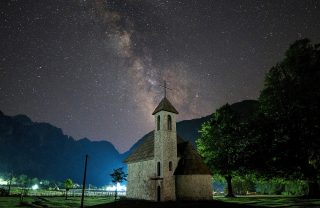
1. Theth Church
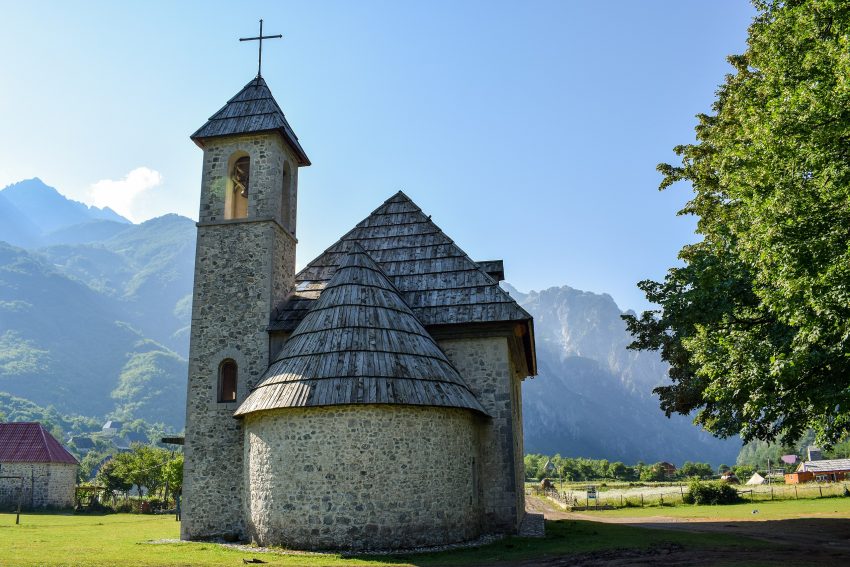
Location: Kisha e Thethit, Fushe -Thethi, Albania | Hours: Usually open on Sundays when the priest is in town; otherwise it may be locked. | Price: Free. | Distance: 2km
2. Ethnographic Museum of Dukagjini
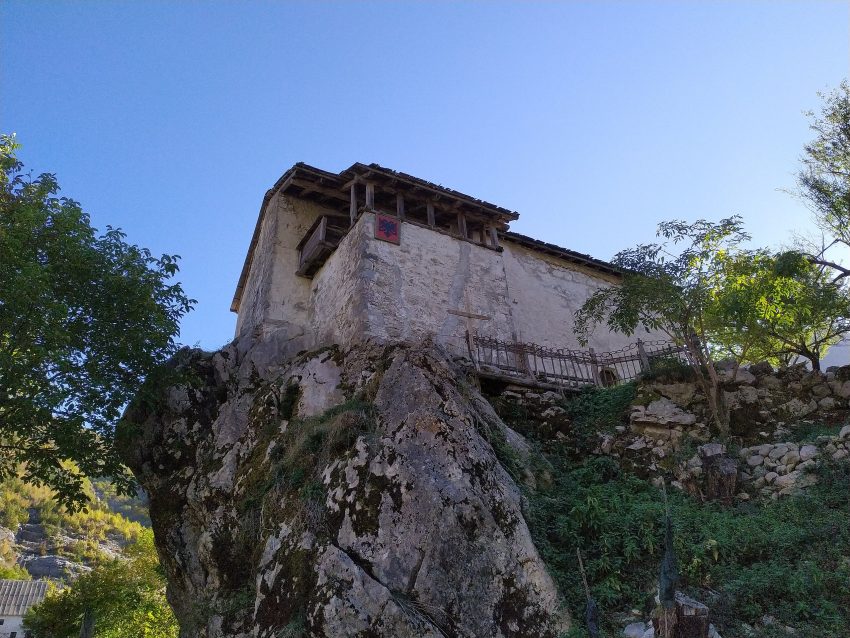
Location: Lulash Keq Boshi, Fushe -Thethi, Albania | Hours: The museum is located in the historic tower house of Lulash Keq Boshi, and visits are often arranged through local guides or guesthouses in Theth. | Price: A few hundred lek (varies; paid on site). | Distance: 2.4km

3. Theth Lock-in Tower
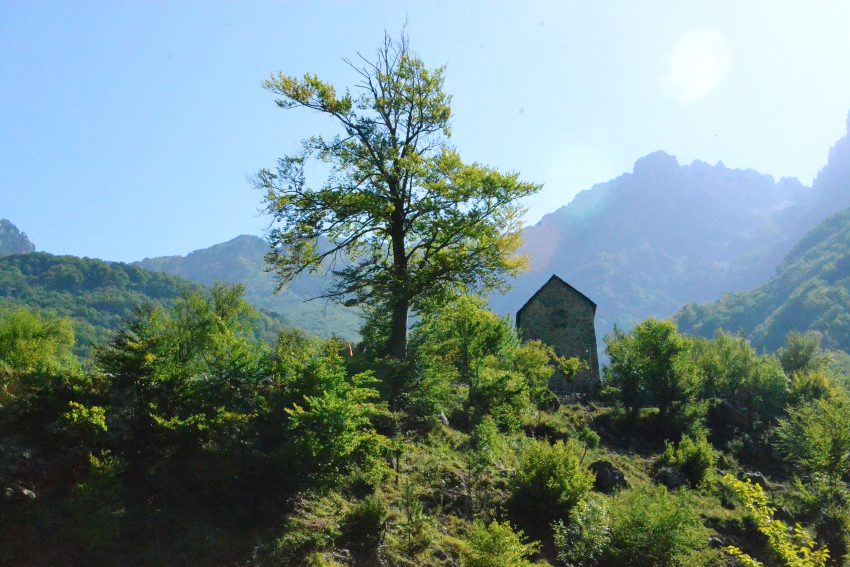
Location: Kulla e Ngujimit, Rruga Fushe e Thethit- Grunas(Shurrqieli ose Ujvara ), Thethe, Albania | Hours: Daily: No set hours (ask at nearby houses to open). | Price: 150 lek (paid to the local caretaker; subject to change). | Distance: 2.4km
4. Grunas Canyon
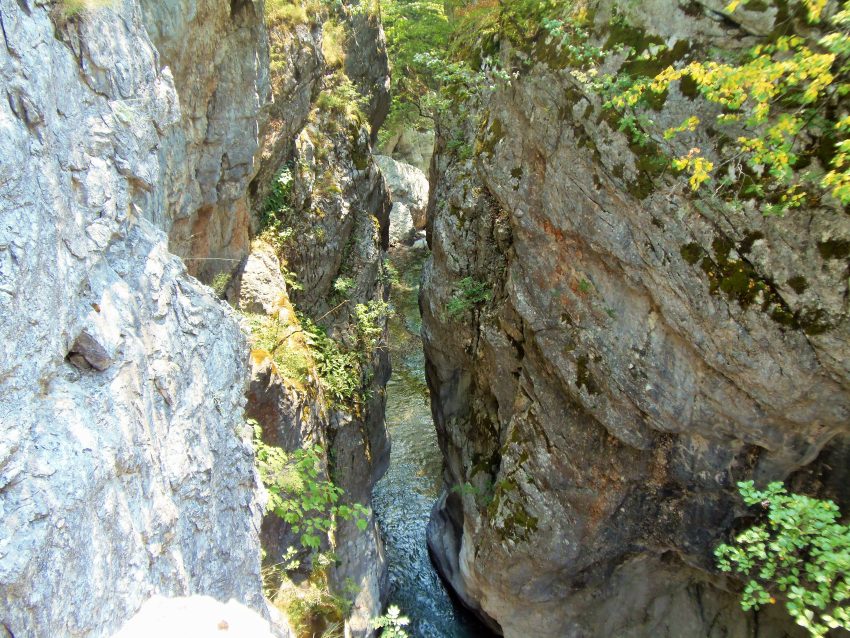
Location: Kanioni i Grunasit, Theth National Park, Albania | Hours: 24 Hours | Price: Free. | Distance: 3.6km
5. Theth Waterfall
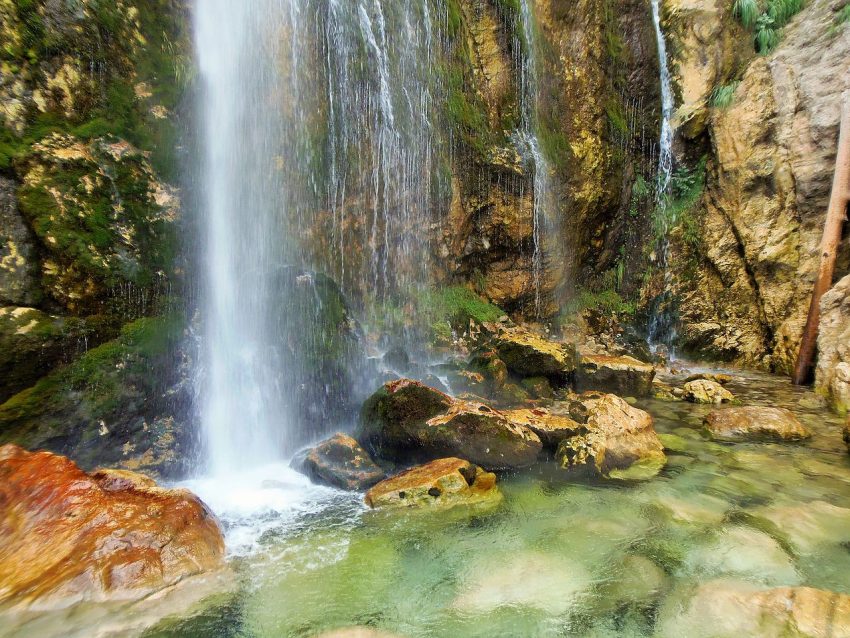
Location: Waterfall Grunas - Theth, Rruga Fushe e Thethit- Grunas(Shurrqieli ose Ujvara ), Shkoder, Albania | Hours: 24 Hours | Price: Free. | Distance: 3.9km
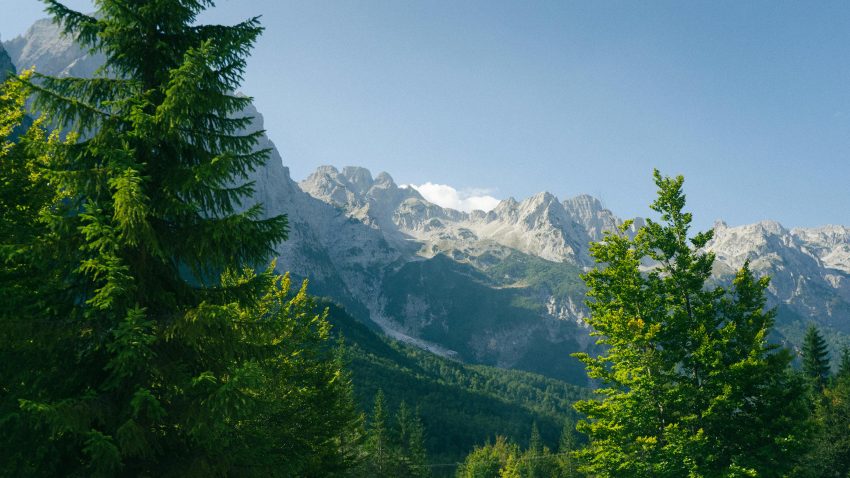
6. Valbona Pass
7. Blue Eye of Theth
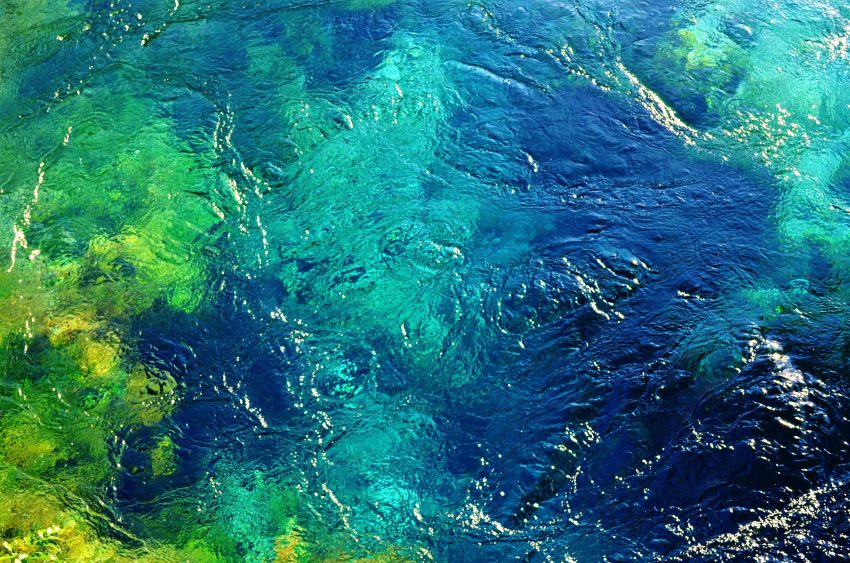
Location: Blue Eye Kaprre, Kaprre e Gimajve, Albania | Hours: 24 Hours | Price: Free. | Distance: 4.8km
8. Nderlysa Village
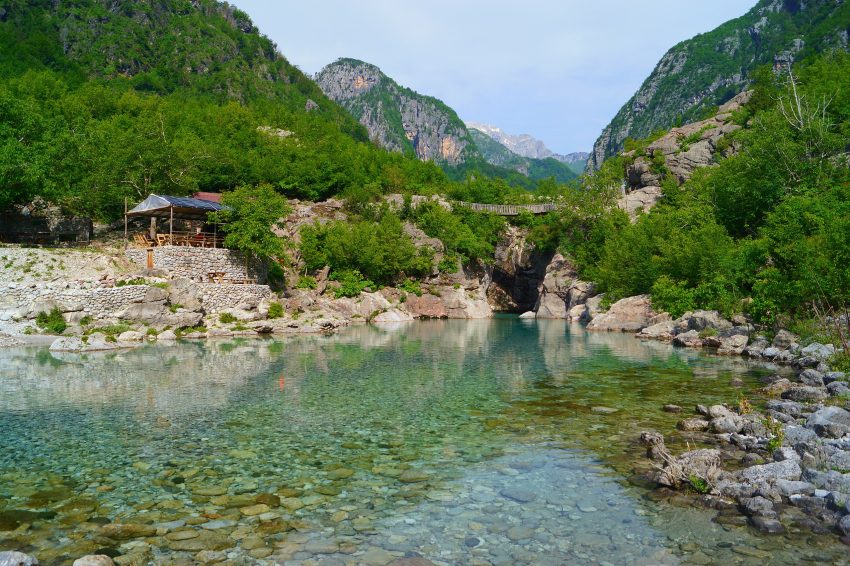
Location: Nderlysaj, Albania | Hours: 24 Hours | Price: Free. | Distance: 5.5km
Best Day Trips from Theth
A day trip from Theth offers the perfect opportunity to escape the urban rhythm and discover the surrounding region's charm. Whether you're drawn to scenic countryside, historic villages, or cultural landmarks, the area around Theth provides a variety of easy-to-reach destinations ideal for a one-day itinerary. If you are looking to rent a car in Albania I recommend having a look at Discover Cars, first, as they compare prices and review multiple car rental agencies for you.
1. Bajram Curri
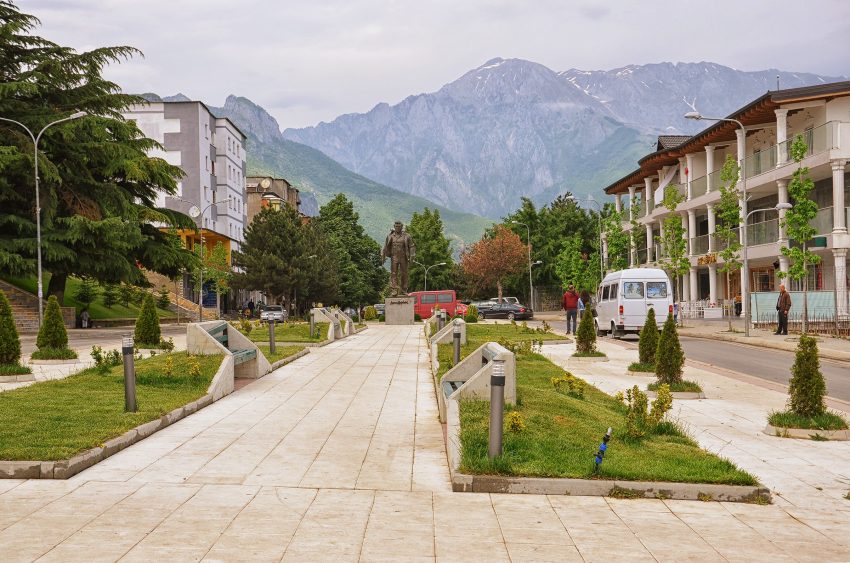
Visiting Bajram Curri
2. Pukë

Visiting Pukë
3. Shkodër
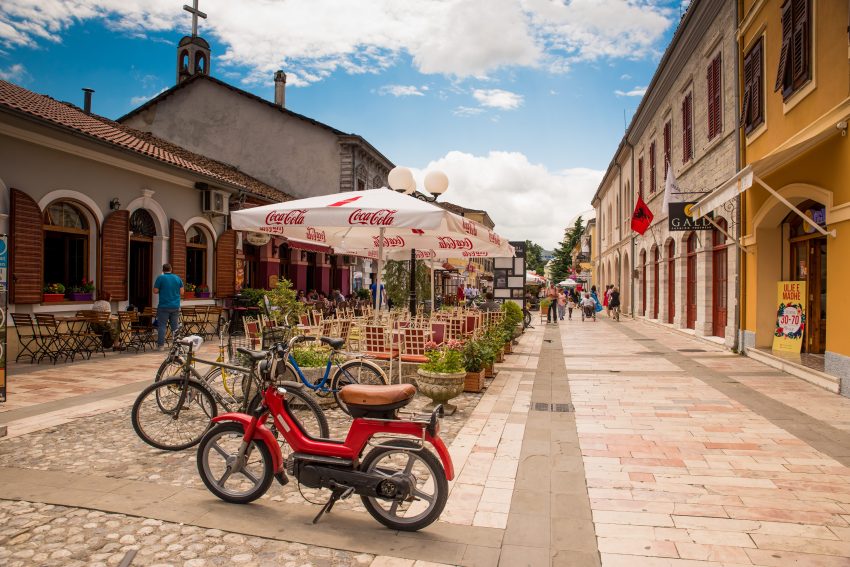
Visiting Shkodër
4. Kukës
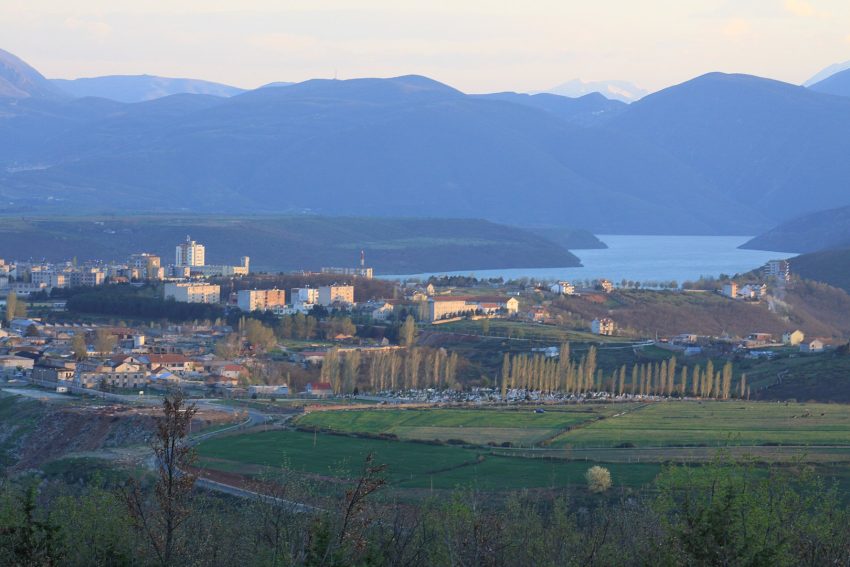
Visiting Kukës
5. Lezhë

Visiting Lezhë
6. Rrëshen (Mirditë)

Visiting Rrëshen (Mirditë)
7. Perast
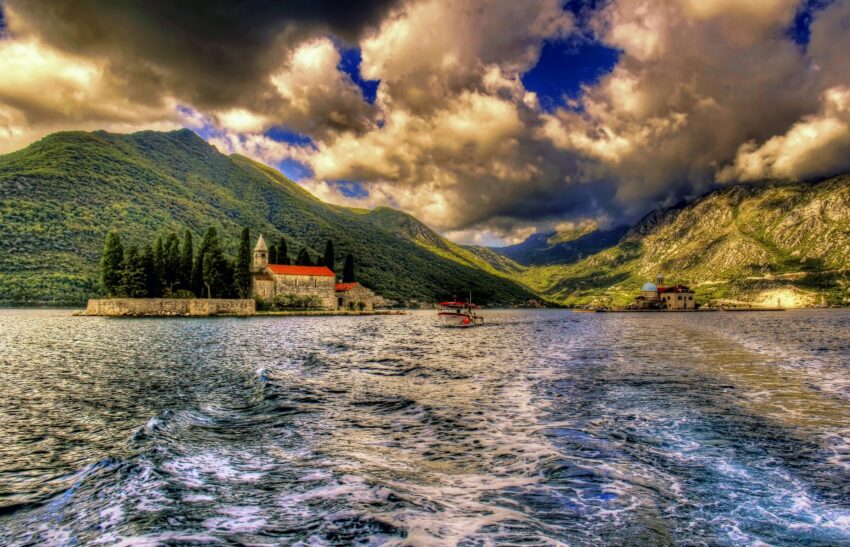
Visiting Perast
8. Burrel

Visiting Burrel
9. Peshkopi

Visiting Peshkopi
10. Kruja

Visiting Kruja
Where to Stay in Theth
Staying in Theth is all about immersing yourself in the stunning natural surroundings and experiencing traditional Albanian hospitality. Most of the accommodation options here are small, family-run guesthouses that offer not only a place to sleep but also homemade meals and a welcoming, personal atmosphere. One highly recommended place to stay is Villa Gjeçaj, a charming guesthouse located near the center of the village. It offers cozy rooms decorated in a traditional style and hearty meals made with local ingredients, making it a comfortable and authentic choice for visitors looking to unwind after a day of hiking.
Another excellent option is Guesthouse Marashi, situated close to the iconic Church of Theth. This guesthouse is known for its friendly service and delicious traditional Albanian dishes, giving guests a true taste of local life. If you prefer a slightly more secluded stay, Bujtina Zici offers a peaceful retreat surrounded by mountains. This family-run guesthouse focuses on sustainability and serves meals prepared with fresh produce sourced from the surrounding valley, creating an experience that feels connected to the land itself.
For travelers who appreciate a combination of rustic charm and a strong connection to nature, Guesthouse Prrockaj is a wonderful choice. It sits in a scenic spot perfect for relaxing after a day on the trails, offering homegrown organic meals and a quiet, laid-back atmosphere. Another great option is Gurra Family Guesthouse, which provides well-appointed rooms, sweeping mountain views, and warm, welcoming service. Wherever you choose to stay, you’ll find that the guesthouses in Theth are not just places to sleep — they are an essential part of experiencing the unique hospitality and natural beauty of Albania’s alpine heartland.
Using the our Hotel and Accomodation map, you can compare hotels and short-term rental accommodations in Theth. Simply insert your travel dates and group size, and you’ll see the best deals for your stay.
Theth Accommodation Map
Best Time to Visit Theth
Visiting Theth in Spring
Spring, from late April to early June, is a wonderful time to visit Theth. As the snow begins to melt, the valley comes alive with colorful wildflowers, vibrant greenery, and roaring waterfalls. Hiking trails reopen gradually, and the famous Grunas Waterfall and the Blue Eye of Theth are at their most spectacular with the extra water flow. Mornings and evenings can still be chilly, so packing warm layers is essential. Spring also offers a quiet, peaceful atmosphere before the busy summer crowds arrive.
Visiting Theth in Summer (Best)
Summer, from late June to early September, is considered the best time to visit Theth. The weather is warm but rarely too hot thanks to the high elevation, making it perfect for outdoor adventures. All the major hiking trails, including the stunning Theth-to-Valbona trail, are fully open and accessible. Local guesthouses are bustling, and the village hosts small gatherings and events where you might hear traditional music and enjoy homemade food. Long daylight hours give you more time to explore the mountains and rivers, and the clear skies provide incredible views over the dramatic landscapes.
Visiting Theth in Autumn
Autumn, particularly from mid-September through October, brings a breathtaking display of fall colors to Theth. The forests and hillsides turn brilliant shades of red, gold, and orange, creating a spectacular backdrop for hiking and photography. The weather remains comfortable during the day but turns crisp at night, adding to the cozy atmosphere of the mountain guesthouses. Autumn is also quieter than summer, allowing for a more peaceful and personal experience of the valley’s beauty before the snows return.
Visiting Theth in Winter
Winter, from November through March, transforms Theth into a remote, snow-covered wonderland. Deep snow blankets the village and surrounding mountains, and access can be very challenging without specialized transport. Only a few guesthouses stay open year-round, catering mostly to adventurous travelers seeking solitude and stunning winter landscapes. While traditional hiking is not possible, visitors in winter can experience a completely different, magical side of Theth — but should be well-prepared for cold conditions and limited services.
Annual Weather Overview
- January 10°C 53°F
- February 13°C 58°F
- March 14°C 61°F
- April 20°C 71°F
- May 23°C 78°F
- June 29°C 87°F
- July 31°C 97°F
- August 31°C 97°F
- September 28°C 86°F
- October 23°C 76°F
- November 15°C 62°F
- December 11°C 56°F
How to get to Theth
Getting to Theth by Air
Theth does not have its own airport; the nearest major airport is Tirana International Airport (TIA). From Tirana, you can reach Theth by car or bus. The drive from Tirana to Theth typically takes around 3.5 to 4.5 hours, depending on road conditions and traffic.
Getting to Theth by Train
Albania’s train network is limited and does not provide direct access to Theth. The nearest train station to Theth is in Shkodër, which is connected by a train line to Laç. However, this service operates only once a week on Tuesdays and is subject to change. For the most current schedules and information, you can visit the official website of Hekurudha Shqiptare (Albanian Railways) at hekurudha.al.
Getting to Theth by Car
Driving to Theth is a popular option for travelers seeking flexibility and the opportunity to enjoy the scenic landscapes of northern Albania. The most common route is from Shkodër to Theth, which takes approximately 2.5 to 3 hours. The road is paved up to a certain point, but the final stretch can be challenging, especially during adverse weather conditions. It’s recommended to use a 4×4 vehicle for this journey.
If you are looking to rent a car in Albania I recommend having a look at Discover Cars, first, as they compare prices and review multiple car rental agencies for you.Travelling Around Theth
Once in Theth, the village is best explored on foot. Theth is renowned for its hiking trails, including the popular routes to Grunas Waterfall, Blue Eye (Syri i Kaltër), and the Valbona Pass. Local guesthouses often provide maps and guidance for these hikes. There are no public transportation services within Theth, so walking is the primary mode of getting around.