Graz, Austria: The Ultimate Travel Guide 2026
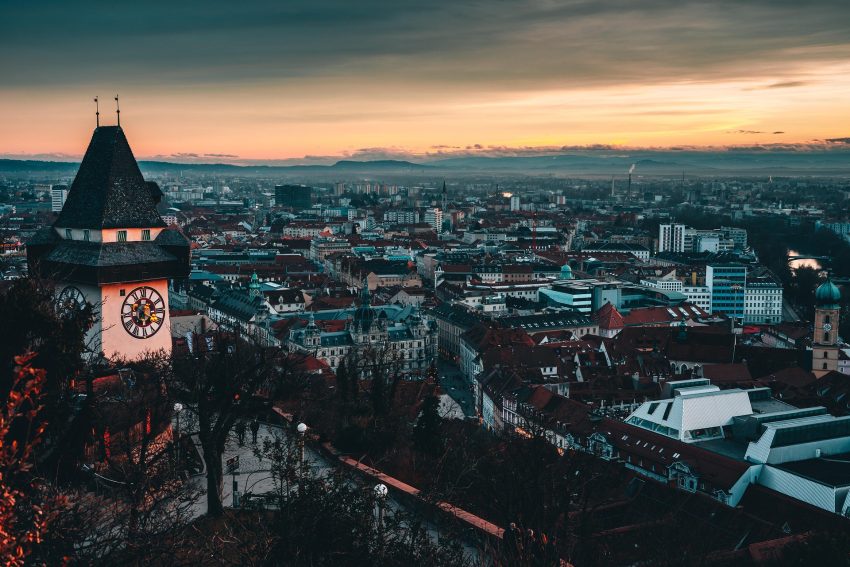
Graz is a lively, walkable city in southeastern Austria, set in the heart of Styria and surrounded by gentle hills, vineyards, and forested viewpoints. It’s a place where everyday local life-cafés, markets, student energy-mixes naturally with striking architecture and a strong food-and-wine culture. The city feels compact and easy to navigate, yet it offers enough variety to fill anything from a weekend break to a longer, slower stay.
A visit to Graz is especially rewarding if you like cities with distinct neighborhoods: a historic core for strolling and people-watching, a riverfront for modern design and evening walks, and hilltop lookouts that make the skyline feel close and dramatic. The culinary scene is a highlight, with Styrian specialties, seasonal produce, and excellent wine bars that make dining feel like part of the sightseeing.
Graz also works well as a base for short trips into the Styrian countryside, whether you're after scenic drives, vineyard visits, or easy hikes. Even if you keep your plans simple-morning market, afternoon museum, sunset viewpoint-you'll get a strong sense of the city's character: relaxed, creative, and quietly confident.
Table of Contents
- History of Graz
- 27 Best places to See in Graz
- Jakominiplatz
- Stadtpfarrkirche
- Herrengasse
- Landhaus
- Landeszeughaus
- Hauptplatz
- St. Catherine's Church and Mausoleum
- Glockenspiel
- Gemaltes Haus
- Rathaus
- Burgtor
- Franziskanerkirche
- Cathedral of St. Giles
- Diocese Museum
- Grazer Burg
- Sporgasse
- Dreifaltigkeitskirche
- Uhrturm
- Murinsel
- Kunsthaus
- City Museum
- The Styrian Folklore Museum
- Schlossbergbahn
- Schlossberg
- Botanischer Garten
- Schloss Eggenberg
- Basilika Mariatrost
- 6 Best Day Trips from Graz
- Where to Stay in Graz
- Best Time to Visit Graz
- How to get to Graz
History of Graz
Graz in the Early Settlement and Medieval Growth
Graz began as a small settlement that developed around a fortified site and river crossing, gradually gaining importance as trade routes and regional administration strengthened. By the Middle Ages, the town had grown into a significant urban center with defensive walls, guild life, and a structured civic identity.
As medieval Graz expanded, churches, monasteries, and merchant houses shaped the street plan that still influences the old town today. The city’s role as a regional hub brought prosperity, but also made it a strategic target in periods of conflict.
Graz in the Habsburg Era and Courtly Influence
From the late medieval period into the early modern era, Graz became closely tied to Habsburg power, benefiting from courtly patronage and administrative prominence. This era saw major building activity, including representative residences and religious institutions that signaled political and cultural ambition.
The city’s fortifications were strengthened and reworked over time, reflecting the military realities of the region. Graz also developed as an intellectual and ecclesiastical center, with education and the arts gaining momentum alongside governance.
Graz in the 18th–19th Centuries: Reform, Industry, and Urban Change
The 18th century brought reforms that reshaped civic administration and influenced religious and educational institutions. Over time, older defensive structures became less central, and the city began to open outward, allowing new districts and public spaces to emerge.
In the 19th century, industrialization and improved transport links accelerated growth. Graz expanded beyond its historic core, with new housing, civic buildings, and cultural venues reflecting a modernizing society.
Graz in the 20th Century: War, Recovery, and Cultural Renewal
The 20th century brought upheaval, including the impacts of war and political change. Like many European cities, Graz experienced periods of hardship followed by reconstruction and social transformation.
In the post-war decades, the city invested in education, culture, and infrastructure, strengthening its role as a university city and regional capital. Architectural experimentation and contemporary design gradually became part of Graz’s identity.
Graz in the 21st Century: Design, Sustainability, and International Profile
In recent decades, Graz has balanced preservation of its historic fabric with confident modern interventions. Cultural institutions, festivals, and a strong creative scene have helped the city build an international reputation.
Today, Graz continues to evolve through urban development, sustainability initiatives, and a growing focus on livability—while keeping the human-scale charm that makes it distinctive.

Moira & Andy
Hey! We're Moira & Andy. From hiking the Camino to trips around Europe in Bert our campervan — we've been traveling together since retirement in 2020!
Visiting Graz for the first time and wondering what are the top places to see in the city? In this complete guide, I share the best things to do in Graz on the first visit. To help you plan your trip, I have also included an interactive map and practical tips for visiting!
This website uses affiliate links which earn a small commission at no additional cost to you.
27 Best places to See in Graz
This complete guide to Graz not only tells you about the very best sights and tourist attractions for first-time visitors to the city but also provide insights into a few of our personal favorite things to do.
This is a practical guide to visiting the best places to see in Graz and is filled with tips and info that should answer all your questions!
1. Jakominiplatz
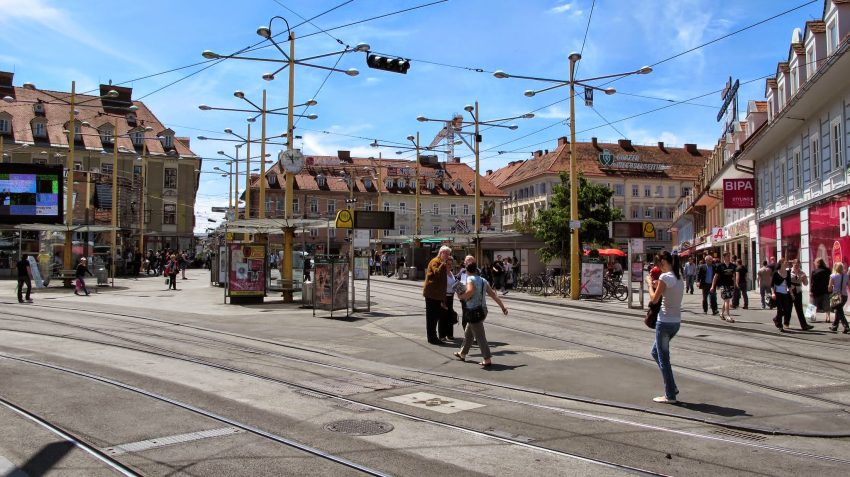
Location: Jakominipl., 8010 Graz, Austria | Hours: 24 Hours. | Price: Free. | Distance: 0.1km
2. Stadtpfarrkirche
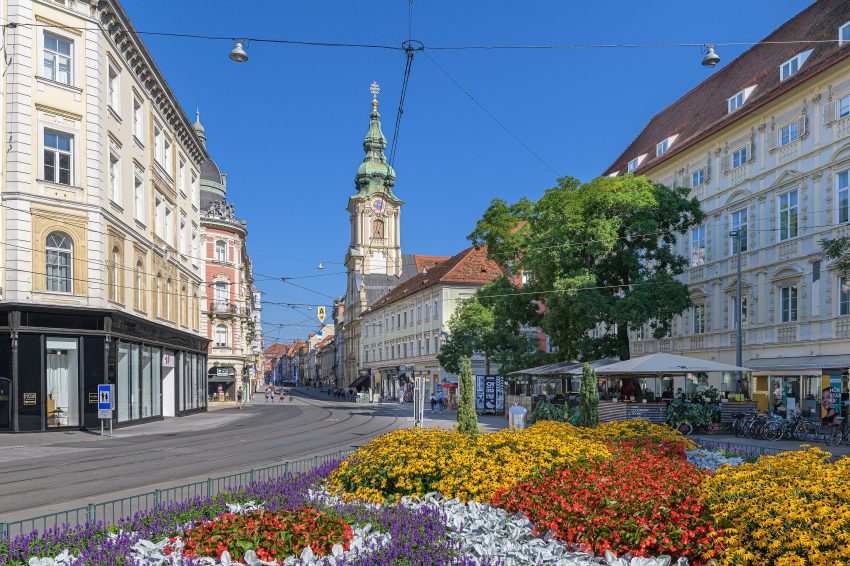
Location: Herrengasse 23, 8010 Graz, Austria | Hours: Daily: 07:00–16:45. | Price: Free; donations appreciated. | Website | Distance: 0.1km

3. Herrengasse
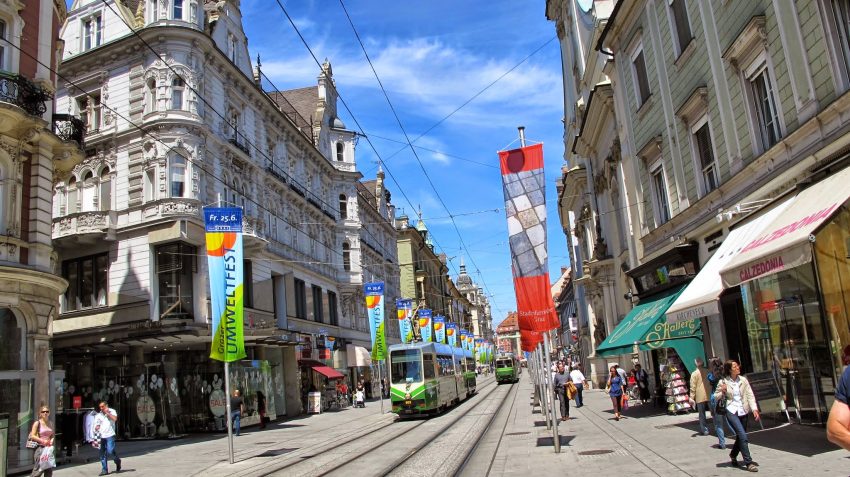
| Hours: 24 Hours | Price: Free. | Website | Distance: 0.2km
4. Landhaus
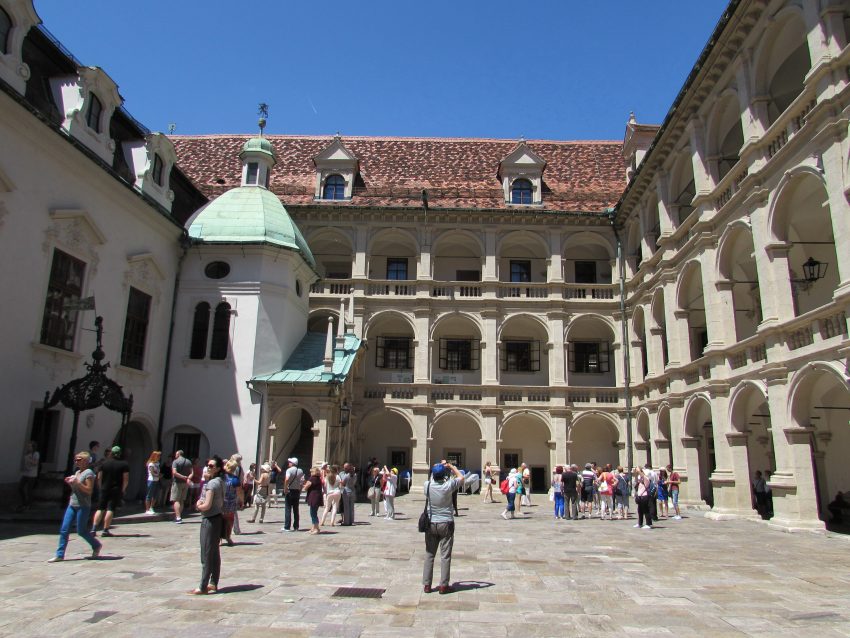
Location: Herrengasse 16, 8010 Graz, Austria | Hours: Monday – Thursday: 08:00–15:00. Friday: 08:00–12:00. Saturday: Closed. Sunday: Closed. | Price: Free. | Website | Distance: 0.3km
5. Landeszeughaus
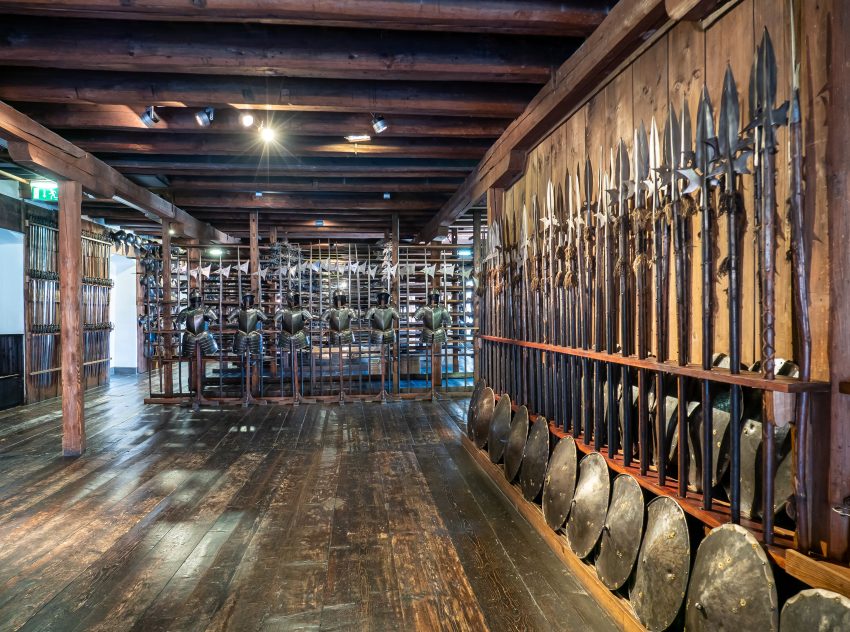
Location: Herrengasse 16, 8010 Graz, Austria | Hours: Winterschließzeit (January 7 – March 31, 2026): Closed. (Summer) April 1 – October 31, 2026; Tuesday – Sunday: 10:00–18:00. (Winter) November 1, 2026 – January 6, 2027; Tuesday – Sunday: Entry by guided tour only. Guided tours: Tuesday – Sunday: 11:00 (DE) & 12:30 (EN) & 14:00 (DE). | Price: Adults: €13; Seniors/disabled visitors/groups (12+): €11; Ages 19–25 (students/apprentices): €6.50; Ages 6–18: €3; Under 6: free; Family (2 adults + up to 2 children under 14): €26. | Website | Distance: 0.3km
6. Hauptplatz
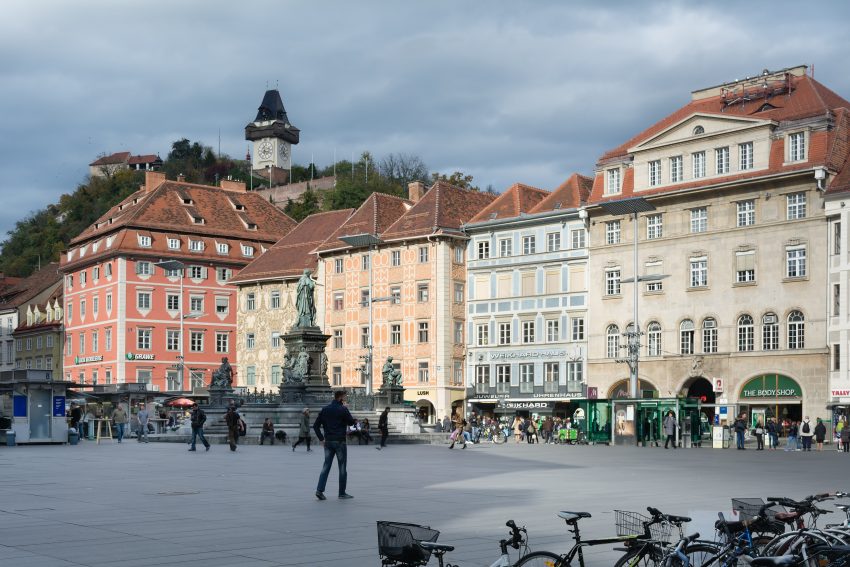
Location: Hauptpl., 8010 Graz, Austria | Hours: 24 Hours. | Price: Free. | Distance: 0.4km
7. St. Catherine's Church and Mausoleum
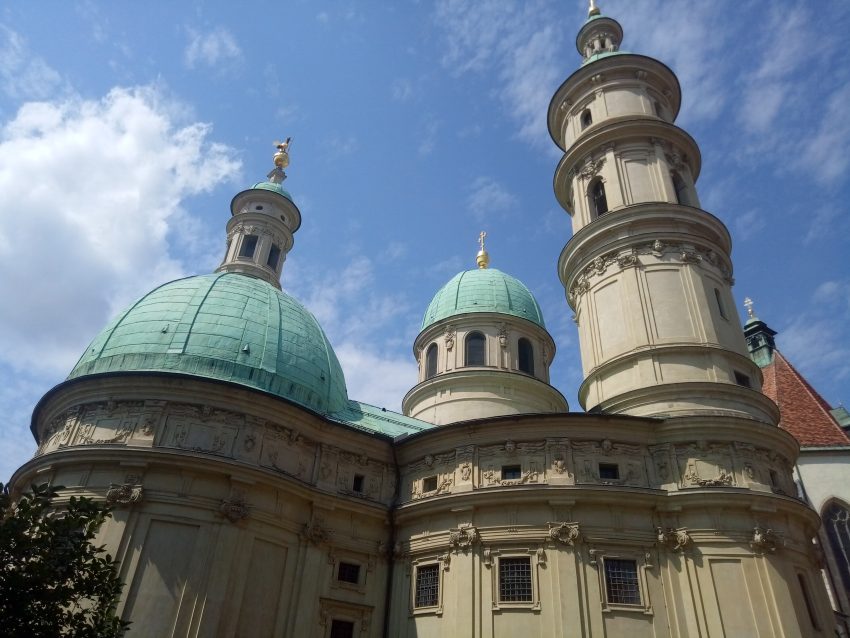
Location: Burggasse 3, 8010 Graz, Austria | Hours: (Summer) April 1 – October 31; Tuesday – Sunday: 09:00–18:00. (Winter) November 1 – March 31: Closed. | Price: Free. | Website | Distance: 0.4km
8. Glockenspiel
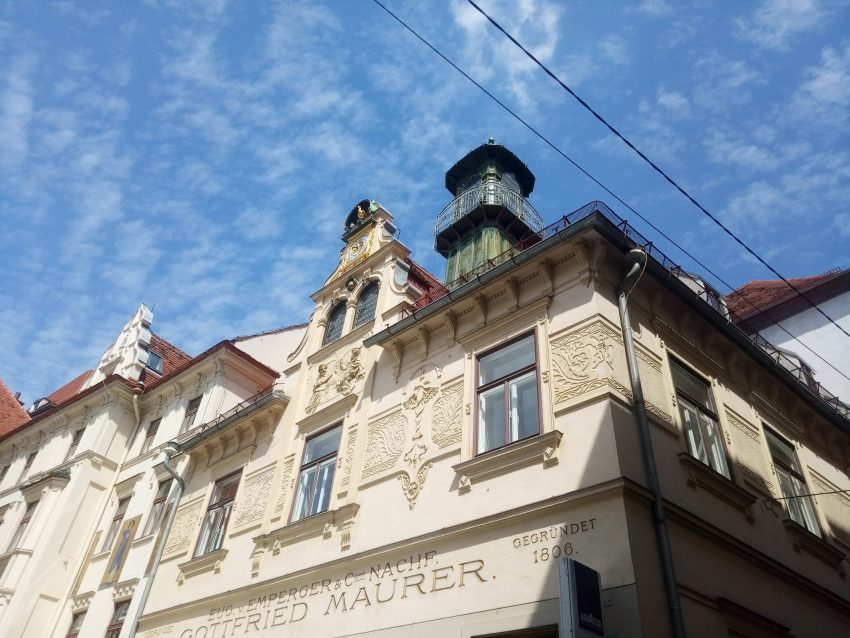
Location: Glockenspielpl. 4, 8010 Graz, Austria | Hours: 24 Hours. | Price: Free. | Distance: 0.4km
9. Gemaltes Haus
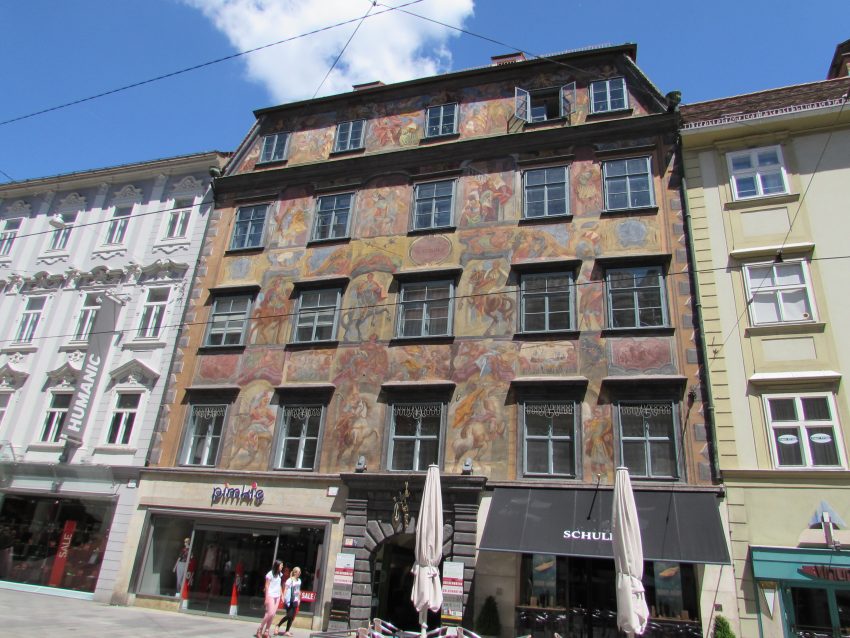
Location: Herrengasse 3, 8010 Graz, Austria | Hours: 24 Hours. | Price: Free. | Distance: 0.4km
10. Rathaus
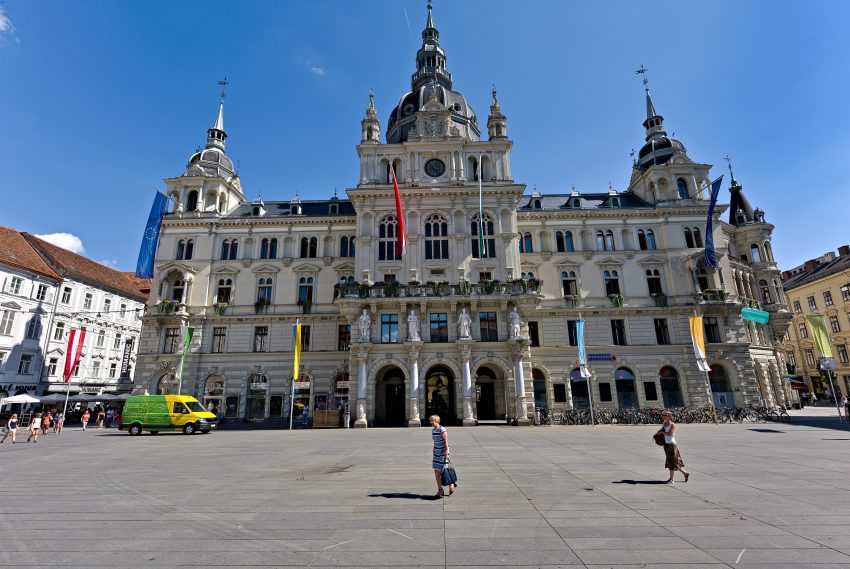
Location: Rathaus, Hauptpl. 1, 8010 Graz, Austria | Hours: Monday – Thursday: 08:00–15:00. Friday: 08:00–12:30. Closed on Saturday, Sunday. | Price: Free. | Website | Distance: 0.4km
11. Burgtor
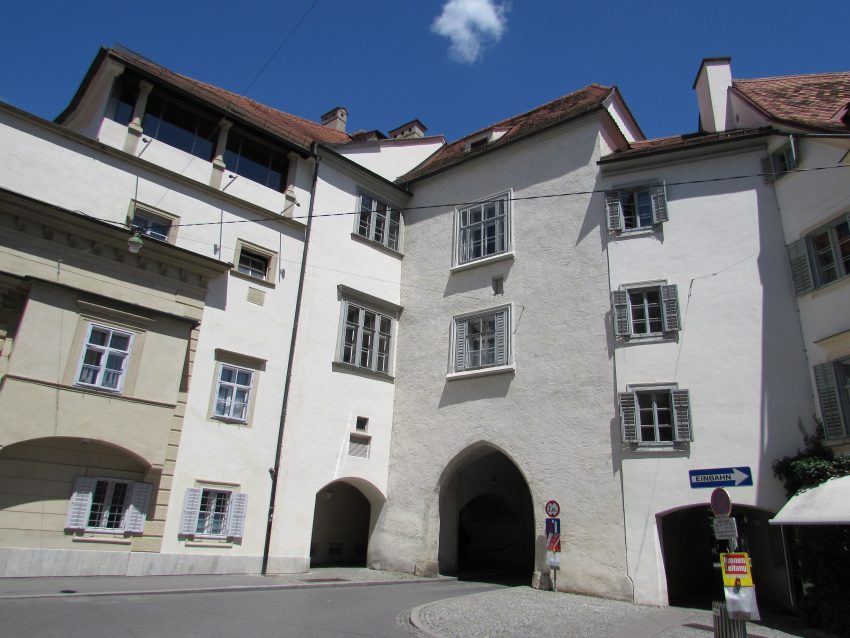
Location: Burgtor, Erzherzog-Johann-Allee, Graz, Austria | Hours: 24 Hours | Price: Free | Website | Distance: 0.5km
12. Franziskanerkirche
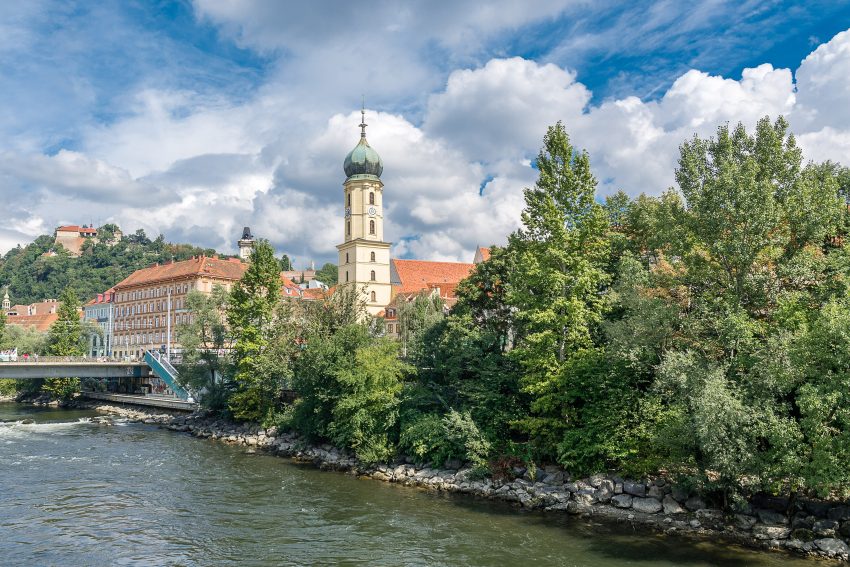
Location: Franziskanerpl. 14, 8010 Graz, Austria | Hours: Check official website. | Price: Free; donations appreciated. | Website | Distance: 0.5km
13. Cathedral of St. Giles
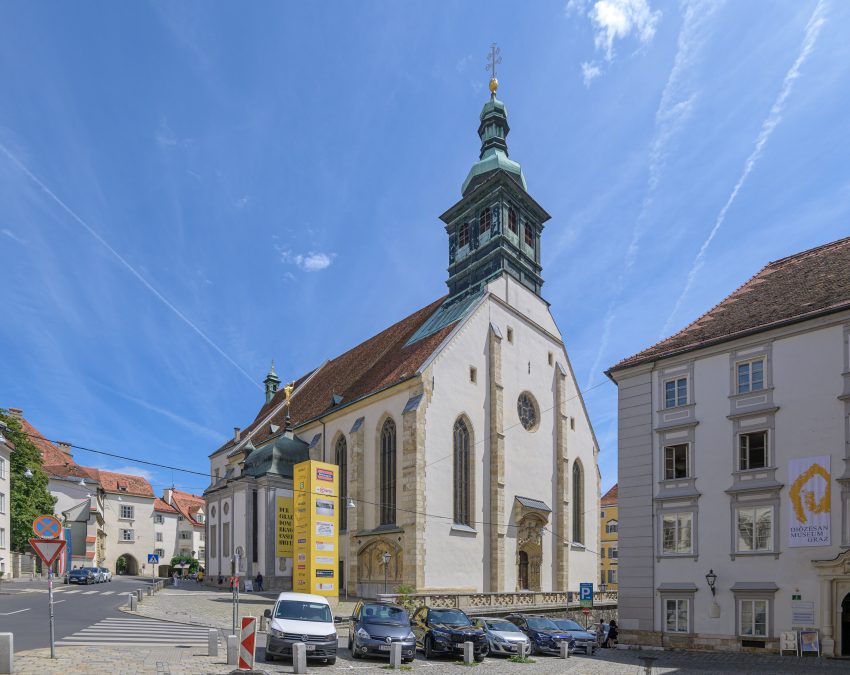
Location: Bürgergasse 1, 8010 Graz, Austria | Hours: Check official website. | Price: Free; donations appreciated. | Website | Distance: 0.5km
14. Diocese Museum
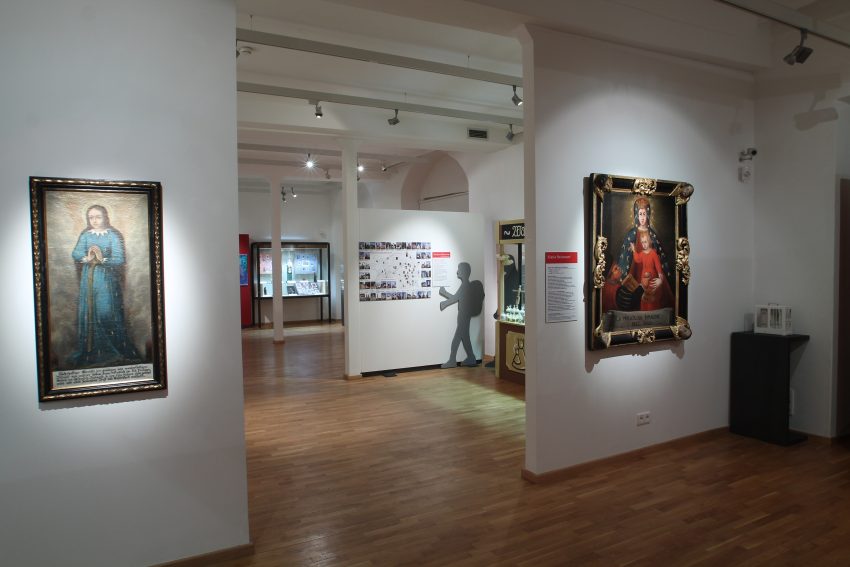
Location: Bürgergasse 2, 8010 Graz, Austria | Hours: Tuesday – Friday: 09:00–17:00. Saturday: 11:00–17:00. Closed on Sunday, Monday. | Price: Adults: €6; Reduced: €5.50; Children: €2; Students (up to 25): €2; Family (2 adults + children): €11; Family (1 adult + children): €5.50. | Website | Distance: 0.5km
15. Grazer Burg
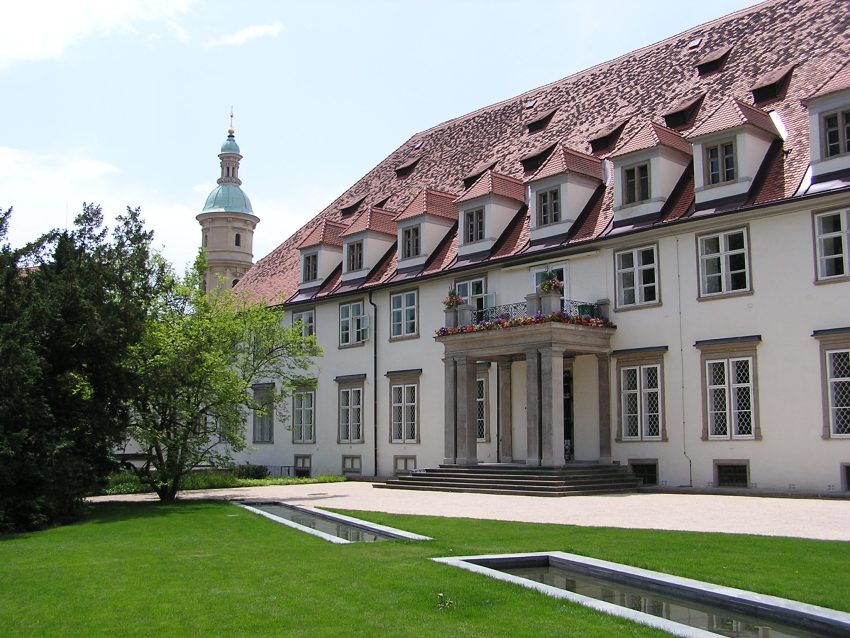
Location: Hofgasse 15, 8010 Graz, Austria | Hours: Daily: 07:30–20:00. | Price: Free. | Distance: 0.5km
16. Sporgasse
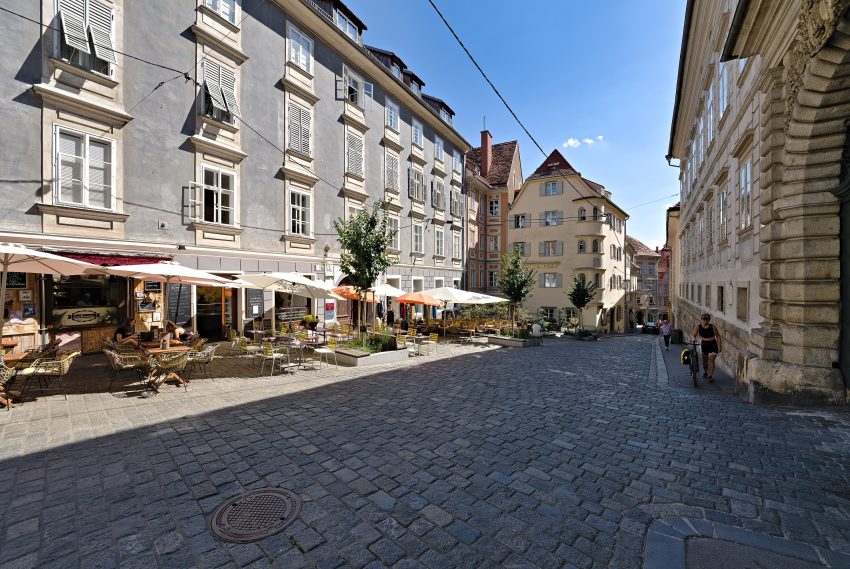
Location: Sporgasse, 8010 Graz, Austria | Hours: 24 Hours. | Price: Free. | Distance: 0.6km
17. Dreifaltigkeitskirche
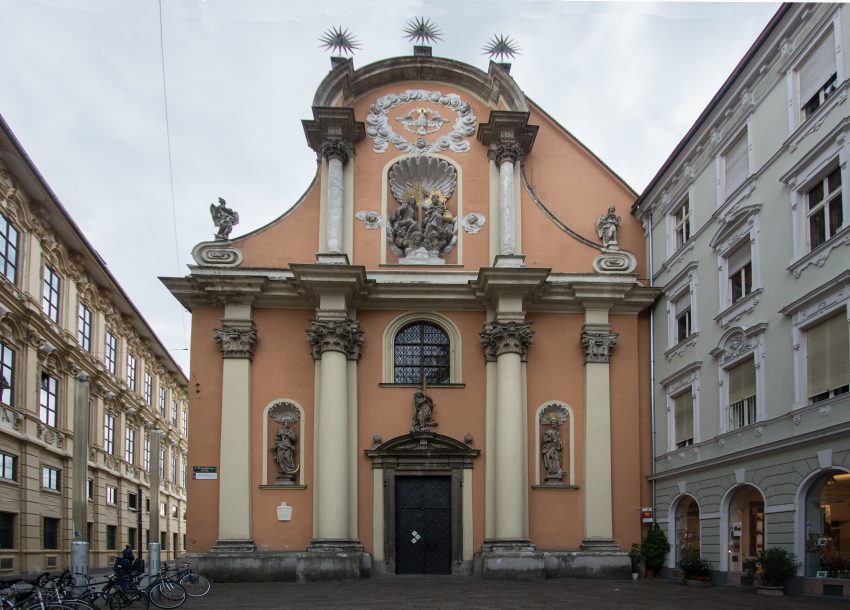
Location: Schloβbergplatz, 8010 Graz, Austria | Hours: Check official website. | Price: Free; donations appreciated. | Website | Distance: 0.7km
18. Uhrturm
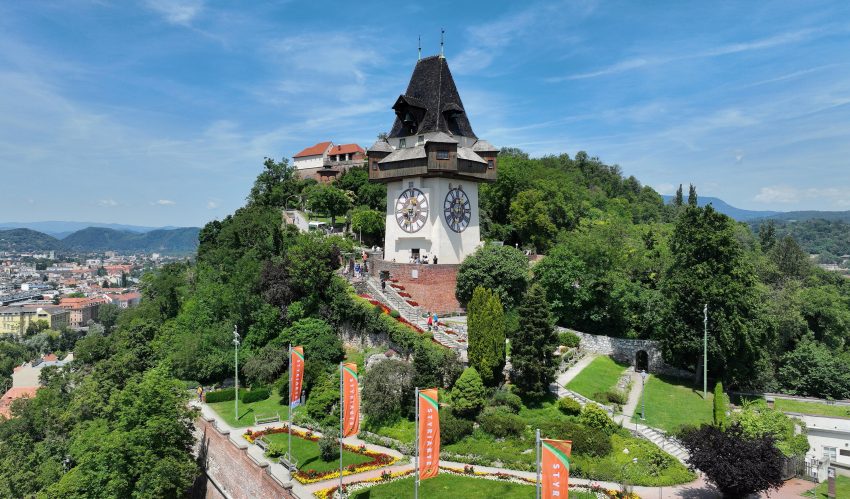
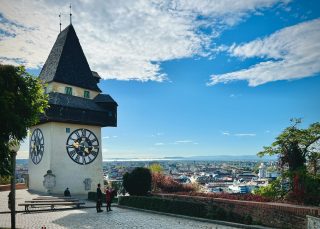
Location: Am Schlossberg, 8010 Graz, Austria | Hours: 24 Hours. | Price: Free. | Website | Distance: 0.7km
19. Murinsel
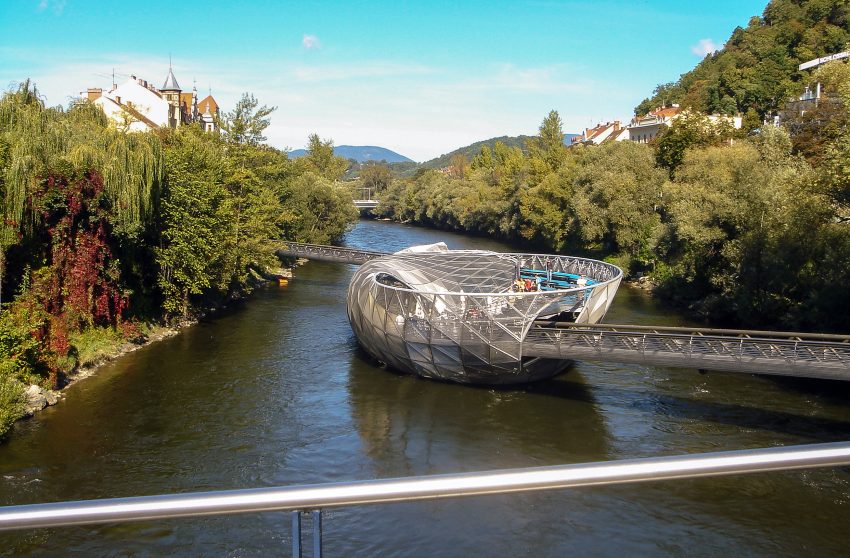
Location: Lendkai 19, 8020 Graz, Austria | Hours: Tuesday – Sunday: 10:00–20:00. Closed on Monday. | Price: Free. | Website | Distance: 0.7km
20. Kunsthaus
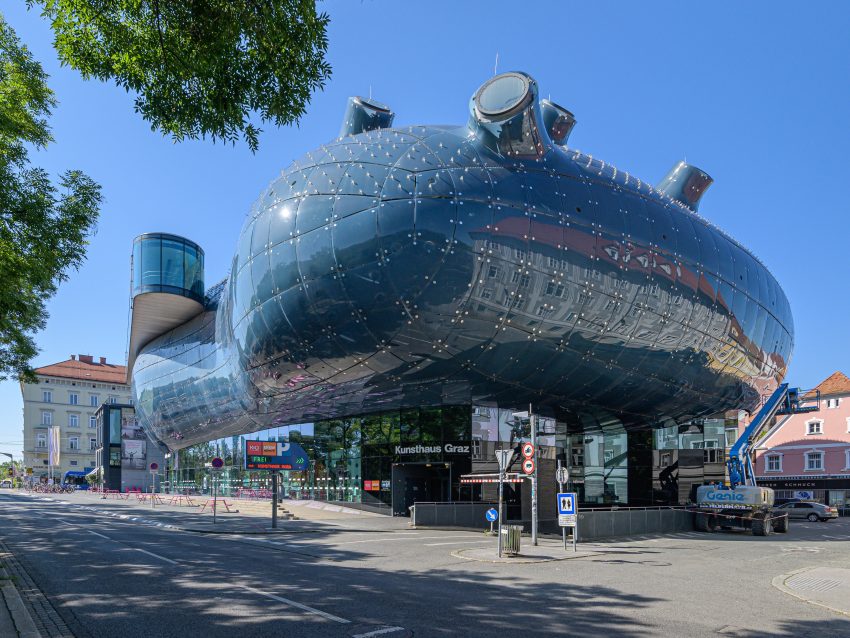
Location: Lendkai 1, 8020 Graz, Austria | Hours: Tuesday – Sunday: 10:00–18:00. Closed on Monday. | Price: Adults: €13; Seniors/people with disabilities/groups (12+): €11; Ages under 19: free; Students/apprentices (19–25): €6.50. | Website | Distance: 0.7km
21. City Museum
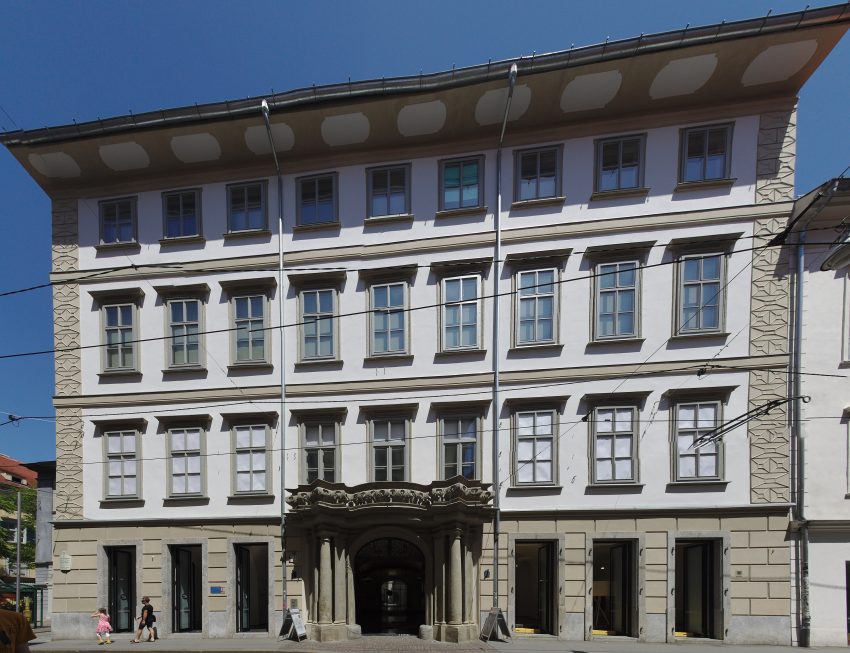
Location: Sackstraße 18, 8010 Graz, Austria | Hours: Daily: 10:00–18:00. | Price: Adults: €9; Concessions: €7; Under 19: free. | Website | Distance: 0.7km
22. The Styrian Folklore Museum
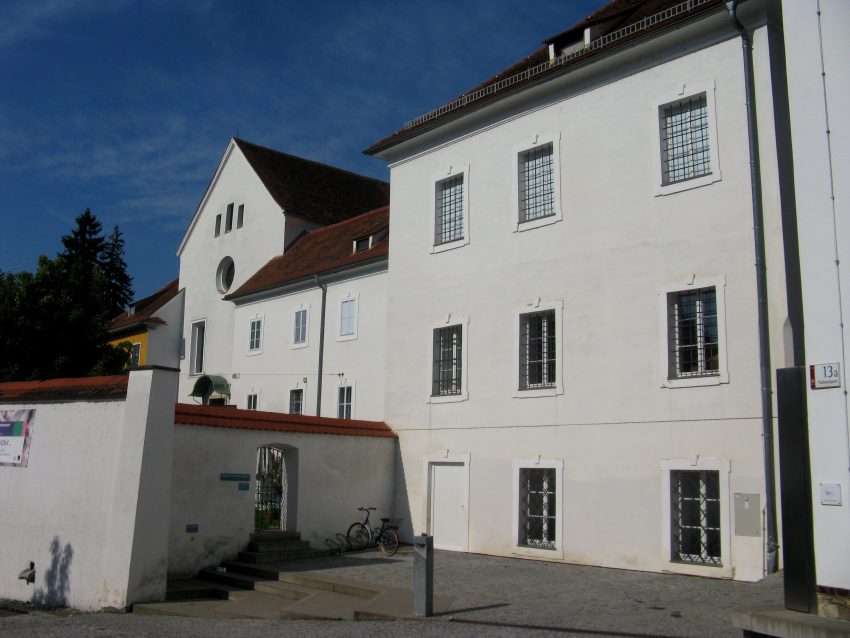
Location: Paulustorgasse 11, 8010 Graz, Austria | Hours: Wednesday – Sunday: 10:00–18:00. Closed on Monday, Tuesday. | Price: Adults: €11; Seniors, people with disabilities, groups (12+): €9; Ages 6–18: €2.50; Under 6: free. | Website | Distance: 0.8km
23. Schlossbergbahn
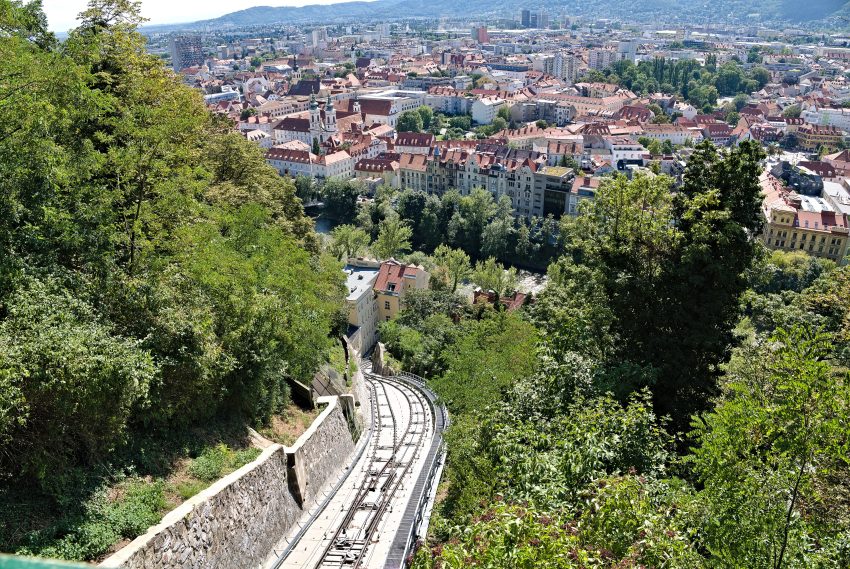
Location: Schloßbergbahn, 8010 Graz, Austria | Hours: (Summer) 1 April – 30 September; Sunday – Thursday: 09:00–24:00. Friday – Saturday: 09:00–02:00. (Winter) 1 October – 31 March; Sunday – Thursday: 10:00–24:00. Friday – Saturday: 10:00–02:00. | Price: From €3.20 (adult single ride with a Zone 101/Graz Linien 1-hour ticket); Combined Schlossberg ticket (funicular + lift) from €4.70. | Website | Distance: 0.9km
24. Schlossberg
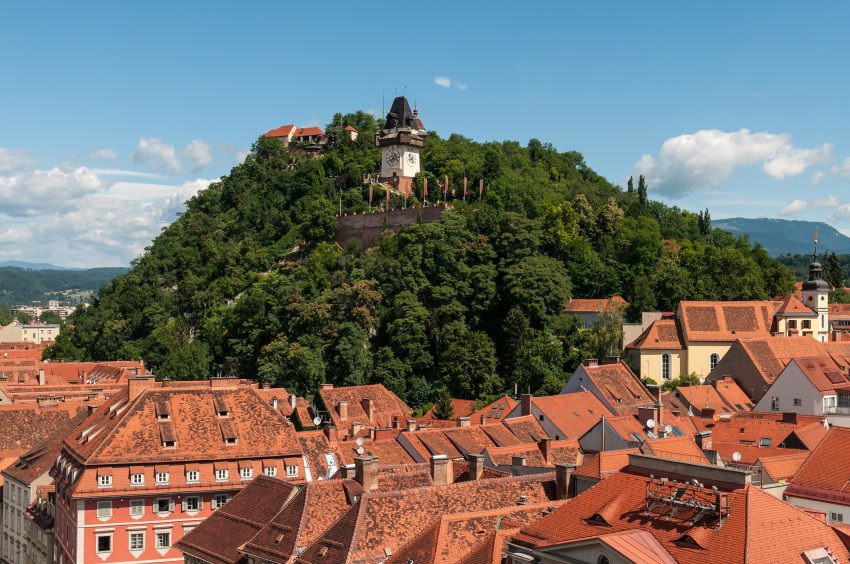
Location: Am Schlossberg, 8010 Graz, Austria | Hours: 24 Hours. | Price: Free. | Website | Distance: 1.0km
25. Botanischer Garten
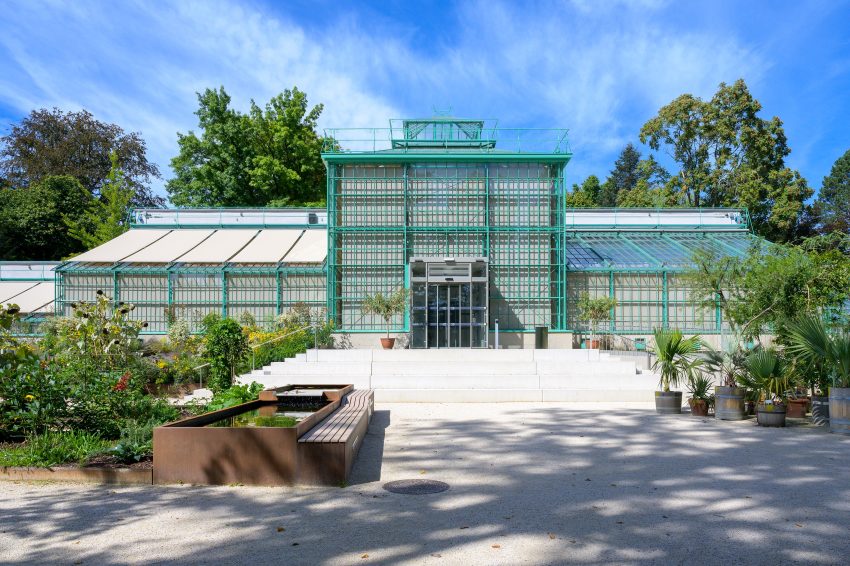
Location: Schubertstraße 59, 8010 Graz, Austria | Hours: (Summer) May 15 – September 15: Daily: 08:00–16:30. (Winter) September 16 – May 14: Daily: 08:00–14:30. Closed: December 24 – January 6. | Price: Free. | Website | Distance: 1.9km
26. Schloss Eggenberg
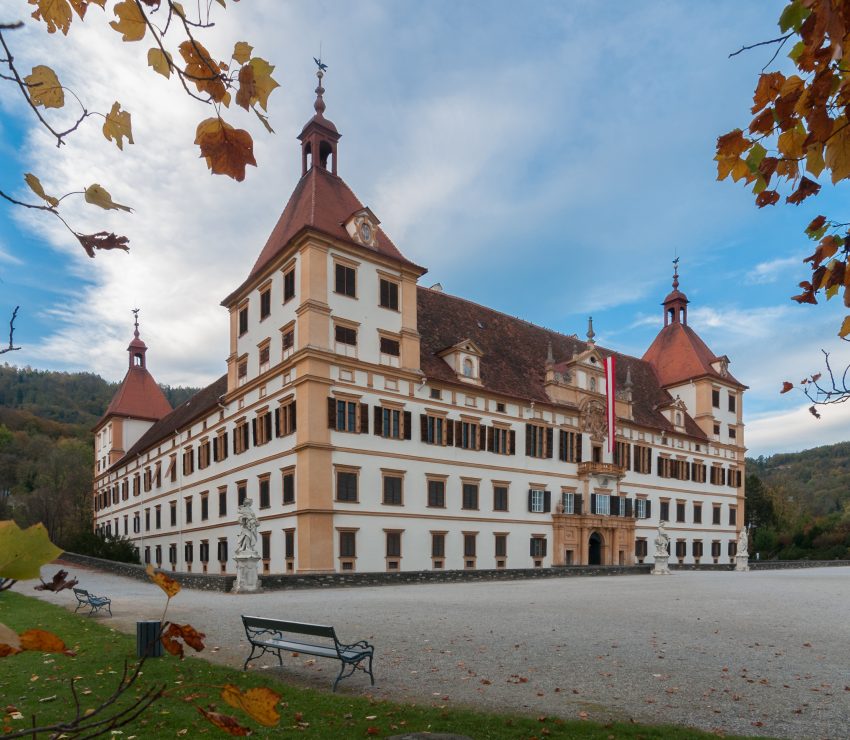
Location: Eggenberger Allee 90, 8020 Graz, Austria | Hours: (Summer) March 28 – October 31; Tuesday – Sunday: 10:00–18:00. Park and gardens: Daily: 08:00–19:00 (March 15 – October 31) & 08:00–17:00 (November 1 – March 14). | Price: State rooms (incl. guided tour): Adults: €20; Seniors/disabled/groups (12+): €17; Ages 6–18: €5; Under 6: free; Family (2 adults + up to 2 children under 14): €40. Park and gardens: Adults: €3; Seniors/disabled/groups (12+): €2.50; Ages 6–18: €0.50; Under 6: free; Family: €6. | Website | Distance: 3.8km
27. Basilika Mariatrost
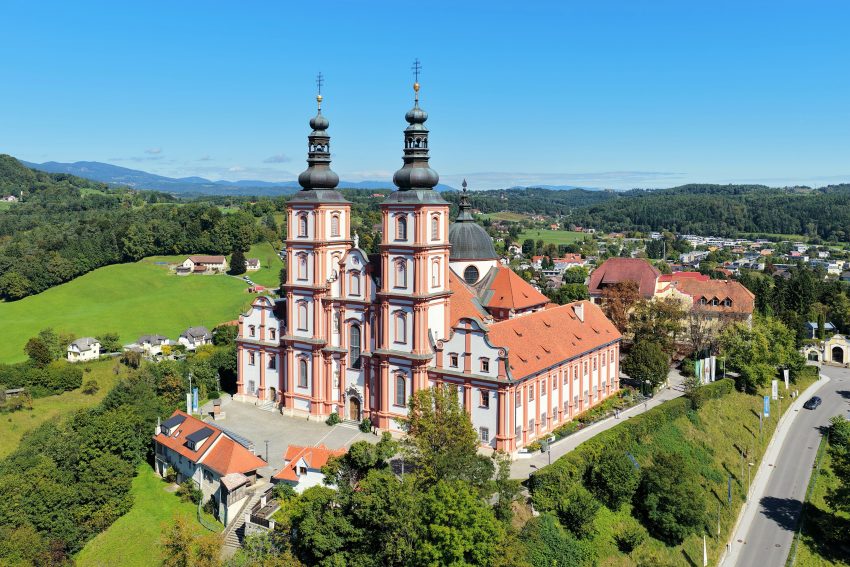
Location: Kirchpl. 8, 8044 Graz, Austria | Hours: Daily: 07:00–19:00. | Price: Free; donations appreciated. | Website | Distance: 5.7km
Best Day Trips from Graz
A day trip from Graz offers the perfect opportunity to escape the urban rhythm and discover the surrounding region's charm. Whether you're drawn to scenic countryside, historic villages, or cultural landmarks, the area around Graz provides a variety of easy-to-reach destinations ideal for a one-day itinerary. If you are looking to rent a car in Austria I recommend having a look at Discover Cars, first, as they compare prices and review multiple car rental agencies for you.
1. Gösting Castle ruine
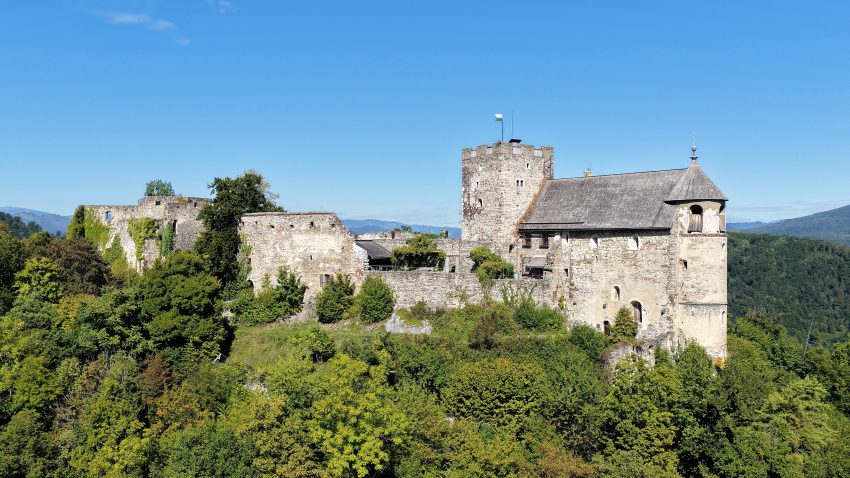
Location: Schloßpl. 7, 8051 Graz, Austria | Hours: Check official website. | Price: Check official website. | Website | Distance: 6.1km
Visiting Gösting Castle ruine
2. Maribor
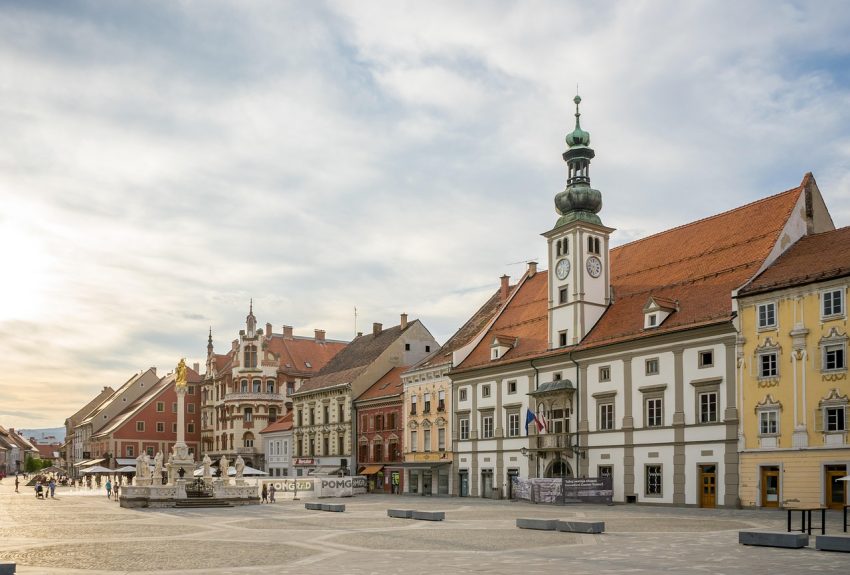
Visiting Maribor
3. Melk
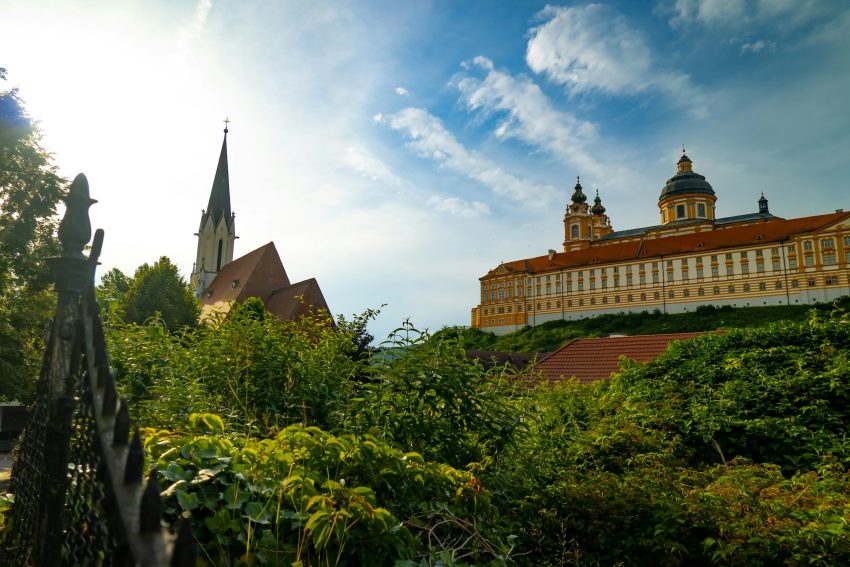
Visiting Melk
4. Ljubljana

Visiting Ljubljana
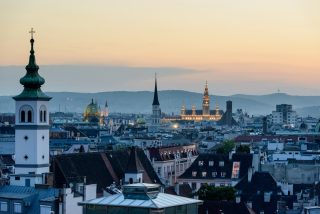
5. Vienna
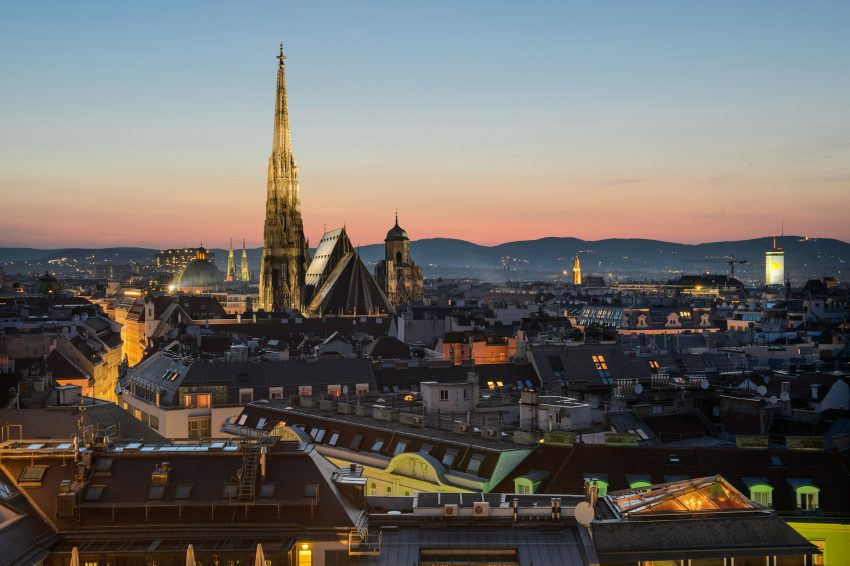
Visiting Vienna
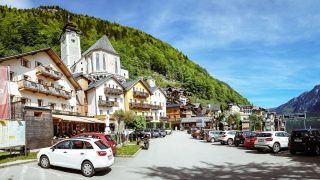
6. Hallstatt
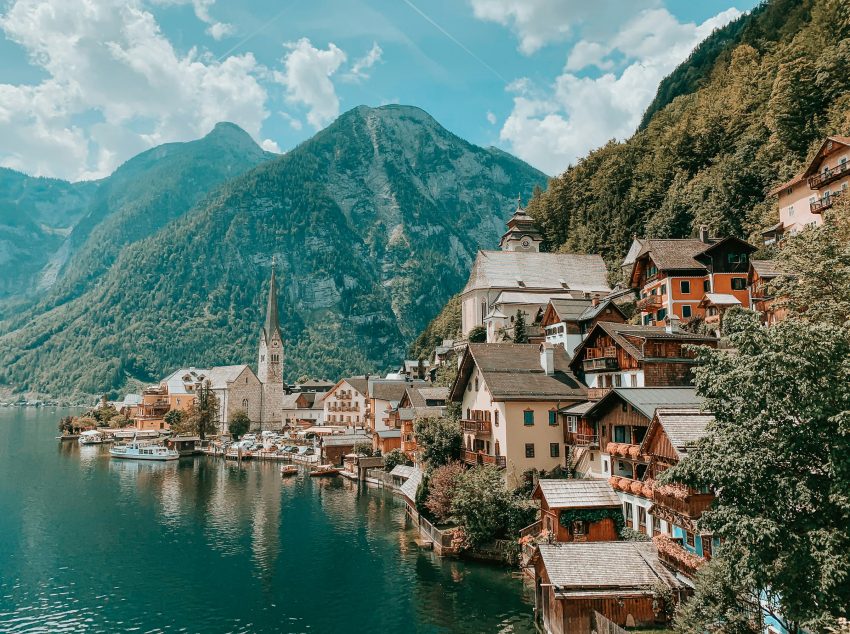
Visiting Hallstatt
Where to Stay in Graz
For first-time visitors, staying in Graz’s Old Town (Innere Stadt) is the most convenient choice because you can walk to major sights, cafés, and evening dining without relying on transport. A strong central option is Erzherzog Johann Palais Hotel, which suits travelers who want classic style and immediate access to the historic core. Another well-located pick is Hotel Weitzer Graz, ideal if you like being near the Mur riverfront with an easy stroll into the old town and good connections for getting around.
If you prefer a slightly quieter base with a local neighborhood feel while still being close to everything, consider the Lend district near the river and Kunsthaus area; it’s great for contemporary culture, casual dining, and a more residential vibe. For a modern, design-forward stay that matches this atmosphere, Lendhotel is a good fit, offering a creative feel and quick access to both the riverfront and the center.
For travelers arriving by train or planning day trips, the area around Graz Hauptbahnhof is practical and often better value, with straightforward tram connections into the center. A reliable choice here is IntercityHotel Graz, which works well for short stays focused on efficient transport, early departures, and easy check-in/check-out.
Using the our Hotel and Accomodation map, you can compare hotels and short-term rental accommodations in Graz. Simply insert your travel dates and group size, and you’ll see the best deals for your stay.
Graz Accommodation Map
Best Time to Visit Graz
Graz in Spring
Spring (roughly March to May) is a great time for Graz if you want mild temperatures, blossoming parks, and comfortable walking conditions for the old town and river promenades. Days lengthen quickly, café terraces start to fill, and the surrounding hills turn green, making viewpoints and short hikes especially appealing.
Graz in Summer (Best)
Summer (June to August) is ideal for long evenings, outdoor dining, and events, with the city at its most energetic. This is the prime season for open-air culture and festival atmosphere—highlights often include major music and arts programming such as Styriarte and other summer concert series, plus lively nightlife around the center.
Graz in Autumn
Autumn (September to November) is excellent for food-and-wine travelers, as Styrian harvest season brings seasonal menus and a cozy wine-bar vibe. The weather is often pleasantly crisp, and the city’s parks and hill paths take on warm colors that suit relaxed sightseeing.
Graz in Winter
Winter (December to February) is colder and quieter, but it’s a charming time for museums, cafés, and seasonal markets. If you enjoy festive lights and a slower pace, Graz’s Advent period can be a highlight, with Christmas markets and winter events creating a cozy city-break feel.
Annual Weather Overview
- January 5°C 45°F
- February 9°C 52°F
- March 12°C 58°F
- April 18°C 68°F
- May 20°C 72°F
- June 26°C 83°F
- July 26°C 83°F
- August 28°C 86°F
- September 22°C 76°F
- October 17°C 66°F
- November 10°C 55°F
- December 5°C 45°F
How to get to Graz
Getting to Graz by air
Nearest airports: Graz Airport (GRZ) is the closest option for direct access. Vienna Airport (VIE) is a major international hub and often the best choice for long-haul flights, with onward rail connections.
From Graz Airport to the city: Use local public transport (S-Bahn/bus) or taxis/ride services for a quick transfer.
Getting to Graz by train
Main station: Graz Hauptbahnhof is the primary rail gateway.
Train operators and tickets: For Austrian rail services and schedules, use ÖBB: https://www.oebb.at/en/ . For cross-border connections, you may also see services sold via Deutsche Bahn: https://www.bahn.com/en .
Getting to Graz by Car
Driving routes: Graz is well connected by Austrian motorways, making it straightforward to arrive from Vienna, Salzburg, or neighboring countries. Expect faster travel on main routes, with slower approaches during peak commuter hours.
Parking tips: Use garages near the center for convenience, and check whether your accommodation offers parking. In many central areas, street parking is limited and regulated.
If you are looking to rent a car in Austria I recommend having a look at Discover Cars, first, as they compare prices and review multiple car rental agencies for you.Travelling around Graz
Public transport: Trams and buses cover the city efficiently, and most key sights are reachable without a car.
On foot and by bike: The center is very walkable, and cycling is a practical option for river paths and neighborhoods just outside the core.
Regional day trips: For nearby towns and countryside, regional trains and buses are useful; start planning with ÖBB: https://www.oebb.at/en/ .