Villa Reale di Marlia, Lucca
Historic Building in Lucca
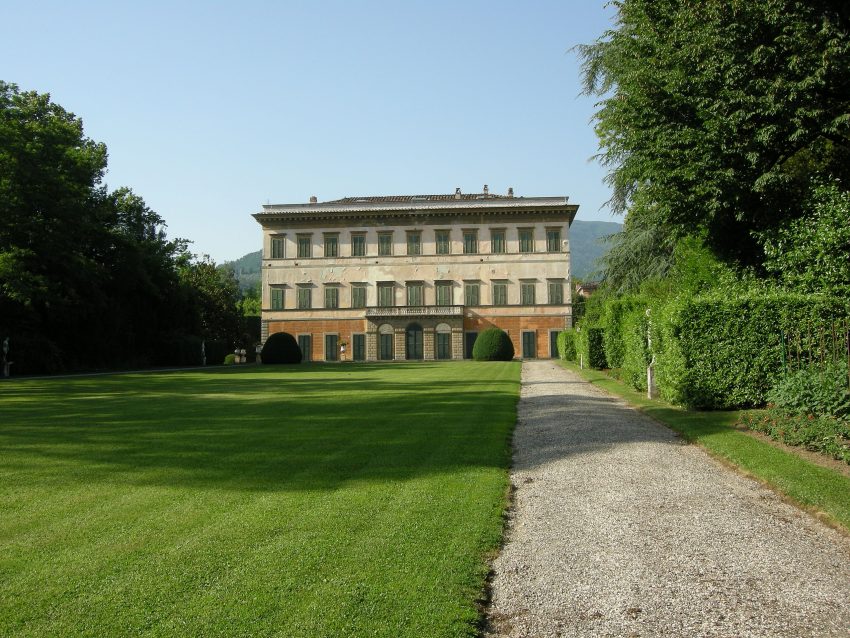
Just a short hop from Lucca's city walls, Villa Reale di Marlia feels like stepping into a different world: one of Napoleonic princesses, Baroque theatres of greenery, and long avenues framed by centuries-old trees. This grand estate in Capannori became “Reale” (Royal) in the early 1800s, when Elisa Baciocchi, Napoleon's sister and sovereign of Lucca and later Tuscany, transformed it into her country residence. She restored and reimagined the Renaissance palace of the Orsetti family, more than doubled the size of the park, and linked the main villa with the nearby Villa del Vescovo, turning the property into a statement of power and taste.
Today, the carefully restored complex is open to visitors, with the majestic Villa Reale, the Palazzina dell'Orologio, the Villa del Vescovo, and 16 hectares of parkland laid out in a mosaic of historic gardens. You can wander along gravel paths between evergreen hedges that still follow the 17th-century plan, discover the Green Theatre where Niccolò Paganini once played, and stroll past more than 200 citrus trees in the Lemon Garden. With its mix of formal Baroque spaces, romantic corners, water features, and Art Deco touches, Villa Reale di Marlia is one of the top attractions in Lucca's countryside and often visited on walking tours of Lucca that focus on historic villas and gardens.
Table of Contents
- History and Significance of Villa Reale di Marlia
- Things to See and Do in Villa Reale di Marlia
- How to Get to Villa Reale di Marlia
- Practical Tips on Visiting Villa Reale di Marlia
- Where to Stay close to Villa Reale di Marlia
- Add a Is Villa Reale di Marlia Worth Visiting?
- FAQs for Visiting Villa Reale di Marlia
- Nearby Attractions to Villa Reale di Marlia
History and Significance of Villa Reale di Marlia
The roots of Villa Reale di Marlia go back to the noble Orsetti family, who owned the Renaissance palace that formed the core of the estate. For centuries, this was a prestigious Lucchese villa in the countryside, surrounded by productive land and ornamental gardens. Its real transformation, however, came in the early 19th century, when Elisa Baciocchi chose Marlia as one of her key residences. As Napoleon's sister and ruler of the Principality of Lucca and Piombino (and later Grand Duchess of Tuscany), Elisa wanted a home that reflected both her political status and her refined tastes.
Under her direction, the villa was enlarged, remodelled, and given the epithet “Reale.” The park was extended to more than twice its previous size, and new avenues and vistas were created to frame views of the surrounding hills and neighbouring Villa del Vescovo. The result was a residence that seamlessly blended Lucchese villa tradition with French-influenced notions of royal display and leisure. The Green Theatre, laid out in 1652 using yew hedges, became a stage not only for operatic fantasies but for real performances, including those by virtuoso violinist Niccolò Paganini, who occasionally played here under the open sky.
Over time, the estate's fortunes rose and fell, but its core layout survived. Careful restoration in recent years has brought both interiors and gardens back to life, preserving the 17th-century structure of the park while celebrating later additions like the Water Theatre, the Spanish Art Deco Garden, and the Camellia Walkways. Today, Villa Reale di Marlia is a rare example of a historic residence where you can read centuries of design trends in a single landscape, making it one of the must-see places in Lucca's wider region for anyone who loves villas, gardens, and Napoleonic history.
Things to See and Do in Villa Reale di Marlia
A visit usually begins with the park, where the structure of the 17th-century layout is immediately clear in the linear paths and clipped evergreen shapes. The Green Theatre is one of the standout features: a stage and “auditorium” sculpted entirely in yew hedges, planted in 1652. It is easy to imagine musicians and actors performing here while aristocratic guests watched from the surrounding terraces; knowing that Paganini himself once played in this green amphitheatre adds a thrill for music lovers.
The Lemon Garden is another highlight, with more than 200 terracotta vases of citrus trees arranged in orderly ranks. In the right season, the fragrance of blossom and the sight of glossy leaves and fruit give this part of the garden a particularly Mediterranean charm. Elsewhere, the Garden of Villa del Vescovo offers a more intimate atmosphere, while the Water Theatre wraps around a large basin with waterfalls, mascarons, and statues that create a playful, theatrical display of water and stone.
As you explore further, you encounter the Art Deco Spanish Garden, with its geometric motifs and exotic plantings, the Camellia Walkways that burst into colour when in bloom, a tranquil fish pond reflecting trees and sky, and the Grotto di Pan, where mythological references and cool stonework evoke another era of garden fashion. Inside the complex, the restored rooms of the main villa and the Palazzina dell'Orologio allow you to glimpse period interiors and decorations that match the elegance outside. With so many corners to discover, Villa Reale di Marlia feels like one of the best places to see in Villa Reale di Marlia's countryside setting if you enjoy getting lost in layers of design and atmosphere.
How to Get to Villa Reale di Marlia
Villa Reale di Marlia is located in the municipality of Capannori, a short distance northeast of Lucca. From Lucca's historic centre, it is an easy trip by car, taxi, or local bus, making it a popular half-day or full-day excursion. The estate has its own visitor entrance and parking area, signposted from the main roads once you leave the city.
If you are arriving by air, Pisa International Airport and Florence Airport are the most convenient gateways to the region. For the best deals and a seamless booking experience, check out these flights to Lucca on Booking.com. From either, you can reach Lucca first and then continue to Marlia by car, taxi, or regional bus.
Lucca's train station, just outside the city walls, is well connected to Pisa, Florence, and other Tuscan towns.Use Omnio to easily compare schedules, book train tickets, and find the best prices all in one place for a hassle-free journey across Italy. From the station or the city centre, local buses and taxis can take you toward Marlia and Villa Reale; ask for current bus routes and stops, as services may vary by season and day.
For drivers, reaching Villa Reale di Marlia is straightforward.If you are looking to rent a car in Italy I recommend having a look at Discover Cars, first, as they compare prices and review multiple car rental agencies for you. From Lucca, follow the roads toward Capannori and Marlia, where signs point to the villa and its dedicated car park. Having a car allows you to combine the visit with other countryside stops, but even without one, public transport and taxis make the villa accessible from Lucca.
Practical Tips on Visiting Villa Reale di Marlia
- Suggested tips: Wear comfortable shoes, as you will be walking on gravel paths and lawns, and bring water, especially on warm days when you’ll want to linger in the gardens.
- Best time to visit: Spring and early summer are ideal for blossoms and lush greenery, while autumn offers softer light and changing colours; mornings and late afternoons are often more pleasant in high summer.
- Entrance fee: Park: €12 / Park and Museums: €18
- Opening hours: 19 December – 03 February: Closed for maintenance and restoration works. 04 February – 26 February: Weekends only from 10am to 6pm. 01 March – 05 November: Park opening hours every day from 10:00 to 18:00
- Official website: https://villarealedimarlia.it/
- How long to spend: Plan at least 2-3 hours to explore the park, themed gardens, and villa interiors at a relaxed pace; garden enthusiasts may happily spend longer.
- Accessibility: Many garden paths are level but unpaved; wheelchair and stroller access may be easier in some areas than others, so it’s best to check current information on accessible routes.
- Facilities: Expect on-site ticketing, restrooms, and possibly a café or refreshment area; picnic policies may vary, so check whether bringing your own food is permitted.
- Photography tip: Use the long axes of the gardens to frame the villa, and try capturing reflections in the Water Theatre basin; in the Green Theatre, focus on the sculpted hedges and stage-like layout.
- Guided tours: At certain times, guided visits or themed tours (for example, focusing on Elisa Bonaparte or the gardens’ history) may be available and can add depth to your visit.
- Nearby food options: You'll find local trattorie and restaurants in the surrounding countryside and villages, as well as abundant dining choices back in Lucca, just a short drive or bus ride away.
Where to Stay close to Villa Reale di Marlia
For a countryside feel close to the estate, Villa La Principessa offers a historic-villa atmosphere in parkland just outside Lucca, making it easy to drive or taxi to Villa Reale di Marlia while still being near the city walls. If you prefer to stay inside Lucca's historic centre and make a day trip out to the villa, Palazzo Alexander provides characterful rooms in a restored palazzo, perfect for combining city strolls with countryside excursions. A comfortable middle ground is Hotel Ilaria, which gives you quick access to Lucca’s ramparts and easy road links out toward Capannori and Marlia, ideal if you’re planning to explore several villas and gardens in the area.
Add a Is Villa Reale di Marlia Worth Visiting?
Villa Reale di Marlia is very much worth visiting, especially if you enjoy historic villas, landscaped gardens, and the stories of the people who shaped them. The combination of Elisa Bonaparte's royal residence, centuries of garden design from Baroque to Art Deco, and the sheer variety of spaces-from the Green Theatre and Lemon Garden to the Water Theatre and Camellia Walkways-makes for a rich, varied experience. It offers a different perspective on the Lucca area than you get inside the city walls, and for many visitors it becomes one of the standout memories of their time in northern Tuscany.
What Other Travellers Say...

Villa Reale di Marlia, on Via Fraga Alta in Marlia (Lucca), is a glamorously restored villa set within extensive, carefully tended gardens where visitors enjoy long, peaceful walks and surprising interior details; reviewers praise the tranquil atmosphere, friendly staff, an on-site café offering sandwiches, salads, cakes, coffee and drinks, family-friendly paths (mostly pram-accessible though some gravel and steps near the café and pool), and highlights such as doll rooms, a 1920s outdoor pool and models of the buildings, making it a rewarding escape from busier nearby towns and reachable by a single bus from Lucca.


FAQs for Visiting Villa Reale di Marlia
Nearby Attractions to Villa Reale di Marlia
- Lucca's Historical Walls - The complete tree-lined Renaissance walls encircling Lucca, perfect for a walk or bike ride before or after your villa visit.
- Basilica of San Frediano - Ancient church in Lucca with a striking golden façade mosaic and rich interior chapels.
- Palazzo Pfanner - Elegant villa with Baroque gardens and views of San Frediano's bell tower, just inside Lucca's walls.
- Guinigi Tower - Iconic brick tower in Lucca topped with a rooftop garden of holm oaks, offering expansive views over the city and countryside.
- Piazza dell'Anfiteatro - Unique oval piazza in Lucca built on the footprint of a Roman amphitheatre, ringed with cafés and colourful façades.
The Villa Reale di Marlia appears in our Complete Guide to Visiting Lucca!

Moira & Andy
Hey! We're Moira & Andy. From hiking the Camino to trips around Europe in Bert our campervan — we've been traveling together since retirement in 2020!
This website uses affiliate links which may earn a commission at no additional cost to you!
Planning Your Visit
19 December - 03 February: Closed for maintenance and restoration works.
04 February - 26 February: Weekends only from 10am to 6pm.
01 March - 05 November: Park opening hours every day from 10:00 to 18:00
Park: €12 / Park and Museums: €18
Nearby Attractions
- Villa Mansi (3.7) km
Historic Building and Museum - Lucca City Walls (7.0) km
City Walls - Villa Guinigi National Museum (7.1) km
Museum - Via Fillungo (7.3) km
Street - Basilica of San Frediano (7.3) km
Church - Piazza dell Anfiteatro (7.3) km
Amphitheatre - Villa Bottini (7.3) km
Historic Building - Guinigi Tower (7.4) km
Tower - Palazzo Pfanner (7.4) km
Gardens and Historic Building - Domus Romana (7.5) km
Historic Site