Risorgimento Museum in Lucca
Museum in Lucca
Tucked inside the grand Palazzo Ducale on Piazza Napoleone, the Risorgimento Museum in Lucca offers a powerful, human-scale look at how Italy became a unified nation. Rather than focusing only on famous names, it tells the story from the ground up, using documents, uniforms, weapons, and personal testimonies tied to Lucca and its people. The result feels less like a dry history lesson and more like walking through a series of scenes, each one revealing another layer of the hopes, sacrifices, and everyday realities behind the Risorgimento. It may be compact, but it's one of the things to do in Lucca that leaves a lasting impression.
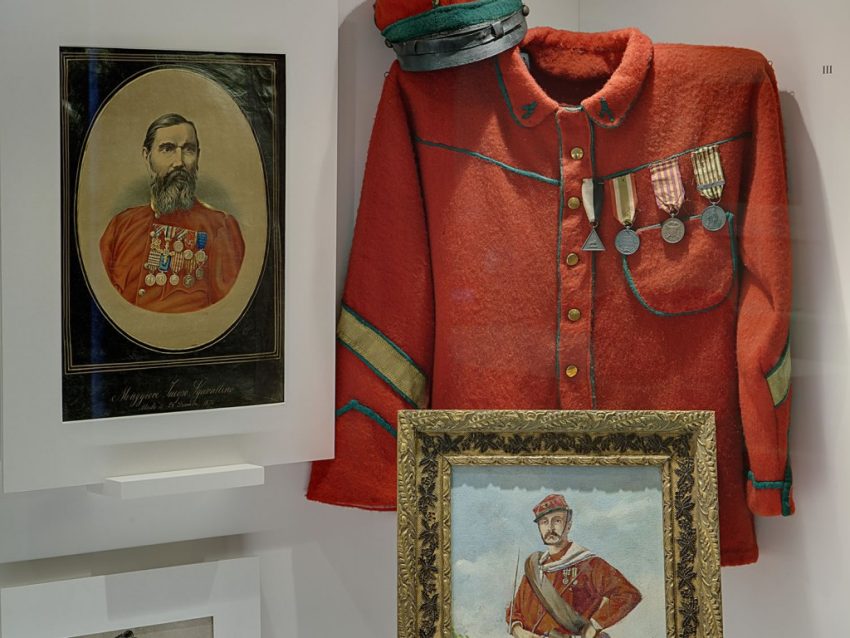
The museum grew out of the tireless work of local veterans who collected letters, prints, memorabilia, and objects connected to the unification process. In the main exhibition hall, these items are arranged chronologically like a visual timeline, guiding you from early stirrings of revolt to the final steps of unification. Etchings, paintings, and illustrations bring the era to life, while red jackets worn by local Garibaldi supporters and the weapons they carried remind you that real people stood behind the big historical milestones. With its blend of original artifacts and modern storytelling, it is often visited on walking tours of Lucca that explore the city's political and civic history.
Table of Contents
- History and Significance of Risorgimento Museum in Lucca
- Things to See and Do in Risorgimento Museum in Lucca
- How to Get to Risorgimento Museum in Lucca
- Practical Tips on Visiting Risorgimento Museum in Lucca
- Where to Stay close to Risorgimento Museum in Lucca
- Is Risorgimento Museum in Lucca Worth Visiting?
- FAQs for Visiting Risorgimento Museum in Lucca
- Nearby Attractions to Risorgimento Museum in Lucca
History and Significance of Risorgimento Museum in Lucca
The Risorgimento Museum was born from a desire to honour and preserve the memory of those in and around Lucca who played a part in Italy's unification. Local veterans took the lead, seeking out documents, images, and objects that recorded the contributions of ordinary citizens as well as soldiers, activists, and lesser-known leaders. Their efforts turned what might have been a small collection into a rich archive of local perspectives on a national story.
Housed in Palazzo Ducale-a building that has itself witnessed centuries of political change-the museum gains extra resonance from its setting. The palace was once the seat of power for various rulers, from local lords to Napoleonic administrators, and later the Bourbon duchy. Today, stepping into the museum's main room feels like stepping into a time capsule: events are arranged in order, and you follow Italian history through revolts, campaigns, and political shifts, all filtered through the experiences of Lucchesi who lived them. It's one of the best places to visit in Lucca if you want to connect the city's elegant façades with the struggles and ideals that shaped modern Italy.
Things to See and Do in Risorgimento Museum in Lucca
The heart of the museum is its main exhibition hall, where the story of the Risorgimento unfolds chronologically through objects and images. Etchings, paintings, and illustrations set the scene, showing battlefields, political gatherings, and symbolic moments in the unification process. Alongside them, you’ll find weapons carried by those who fought for Italy’s freedom-tangible reminders of the risks they took-and the red jackets worn by local Garibaldi supporters, instantly recognisable as a symbol of the volunteer fighters who helped change the course of history.
What sets this museum apart is its focus on local and lesser-known figures. Labels and panels highlight not just the big names, but also people from the region whose stories might otherwise have faded into obscurity. This emphasis on individual experiences gives the museum an intimate feel, making it easier to imagine what unification meant for ordinary families in Lucca and the surrounding countryside.
One of the most engaging spaces is the multimedia room, where video presentations and dramatized accounts immerse you in the emotions and debates of the mid-1800s. Some central characters are fictionalised composites, but they draw on real testimonies and historical situations to convey the hopes, fears, and values of the time. Finally, the classroom and workshop area shows the museum's educational side: here, school groups and visitors can delve deeper into specific themes, work with documents, or participate in activities that connect past and present. This combination of objects, stories, and interactive elements makes the Risorgimento Museum in Lucca one of the must-see places in Lucca for travellers who enjoy thoughtful, narrative-led museums.
How to Get to Risorgimento Museum in Lucca
The Risorgimento Museum in Lucca is located inside Palazzo Ducale on Piazza Napoleone, right in the centre of the walled city. Once you're within the historic centre, it's an easy, well-signposted walk from key streets like Via Fillungo or from landmarks such as the cathedral and Piazza San Michele.
If you are flying into Tuscany, the most convenient airports are Pisa International Airport and Florence Airport, both with regular flights from major European cities. For the best deals and a seamless booking experience, check out these flights to Lucca on Booking.com. From there, you can continue by train or car to Lucca and then walk into the old town to reach Palazzo Ducale and the museum.
Lucca's train station lies just outside the southern side of the city walls and is connected by frequent regional trains to Pisa, Florence, and other Tuscan destinations.Use Omnio to easily compare schedules, book train tickets, and find the best prices all in one place for a hassle-free journey across Italy. From the station, walk through Porta San Pietro and follow signs toward Piazza Napoleone; the stroll takes around 10-15 minutes and leads you through some of the most atmospheric streets in the city.
If you're travelling by car, Lucca is easily reached via the A11 motorway and well-marked regional roads.If you are looking to rent a car in Italy I recommend having a look at Discover Cars, first, as they compare prices and review multiple car rental agencies for you. Because the historic centre is a limited traffic zone, it's best to park in one of the car parks outside or just inside the walls and then walk to Piazza Napoleone. From most parking areas, Palazzo Ducale-and the Risorgimento Museum in Lucca-is only a short and pleasant walk away.
Practical Tips on Visiting Risorgimento Museum in Lucca
- Suggested tips: Spend a few minutes at the start getting your bearings in the main room; following the displays in order makes the historical timeline much easier to understand.
- Best time to visit: Late morning or mid-afternoon on weekdays tends to be quieter, giving you space to read panels and watch the multimedia content without rushing.
- Entrance fee: Free entry
- Opening hours: Monday to Friday: from 10.00 to 13.00 Tuesday and Thursday also open in the afternoon from 15.00 to 18.00 (last admission at 17.30) Saturday and Sunday there are guided tours by appointment
- Official website: https://museodelrisorgimento.lucca.it/en/
- How long to spend: Plan on 60-90 minutes to see the main room, multimedia section, and classroom spaces at a comfortable pace.
- Accessibility: As part of Palazzo Ducale, access may involve some steps or level changes; visitors with reduced mobility should check ahead for lifts, ramps, and accessible entrances.
- Facilities: Basic facilities such as restrooms are available within the palace complex; cafés and shops are located just outside around Piazza Napoleone.
- Photography tip: Focus on contrasts between objects and their stories-close-ups of red jackets, weapon details, and document fragments can be more evocative than wide gallery shots; always respect any no-photo signs.
- Guided tours: When available, guided visits or themed tours of Palazzo Ducale that include the museum can provide valuable context about Lucca's political history and its role in the unification process.
- Nearby food options: Piazza Napoleone and the surrounding streets are filled with cafés, gelaterie, and trattorie, making it easy to pair your visit with a coffee break or a meal.
Where to Stay close to Risorgimento Museum in Lucca
Staying near Palazzo Ducale and Piazza Napoleone puts you right at the heart of Lucca's cultural and political history, just steps from the Risorgimento Museum in Lucca. For a charming base within the walls, Palazzo Alexander offers atmospheric rooms in a historic building within walking distance of the square and the main shopping streets. If you prefer to be slightly closer to the cathedral while remaining just a short stroll from the museum, Albergo San Martino is a cosy and well-situated option. Another comfortable choice near the eastern walls is Hotel Ilaria, which combines a tranquil setting with easy access across the old town to Piazza Napoleone and Palazzo Ducale.
Is Risorgimento Museum in Lucca Worth Visiting?
Yes, the Risorgimento Museum in Lucca is definitely worth visiting, especially if you want to understand Italy beyond its art and architecture. It offers a focused, emotionally engaging look at the 19th-century struggle for unification, seen through local eyes. The combination of original artifacts, personal stories, and multimedia presentations makes the history feel immediate and relatable, even if you arrive knowing little about the Risorgimento. Because it's compact and centrally located, it fits easily into a wider day of sightseeing, yet it often becomes one of the most thought-provoking stops in the city.
What Other Travellers Say...

Museo del Risorgimento, tucked into the Cortile degli Svizzeri in Lucca, offers a compact but informative look at Italian history with artwork and artifacts and an inventive educational video room; visitors note it can be easy to miss, is free, often has staff or a docent on hand to open and explain exhibits (though staff may not speak English), and features interactive touches like a Risorgimento-themed board game and an accessible mobility platform.


FAQs for Visiting Risorgimento Museum in Lucca
Nearby Attractions to Risorgimento Museum in Lucca
- Piazza Napoleone - Wide, elegant square framed by palaces and trees, often hosting concerts, markets, and cultural events.
- Palazzo Ducale - Historic palace complex surrounding the museum, once the seat of political power in Lucca.
- Cathedral of San Martino - Lucca's duomo, known for the Volto Santo and the exquisite tomb of Ilaria del Carretto.
- San Michele in Foro - Striking Romanesque church set on the site of the ancient Roman forum, with a richly sculpted façade.
- Lucca's Historical Walls - Fully preserved Renaissance walls encircling the city, perfect for a leisurely walk or bike ride with views over rooftops and countryside.
The Risorgimento Museum in Lucca appears in our Complete Guide to Visiting Lucca!

Moira & Andy
Hey! We're Moira & Andy. From hiking the Camino to trips around Europe in Bert our campervan — we've been traveling together since retirement in 2020!
This website uses affiliate links which may earn a commission at no additional cost to you!
Planning Your Visit
Monday to Friday: from 10.00 to 13.00
Tuesday and Thursday also open in the afternoon from 15.00 to 18.00 (last admission at 17.30)
Saturday and Sunday there are guided tours by appointment
Free entry
Nearby Attractions
- Palazzo Ducale in Lucca (0.0) km
Historic Building and Museum - Piazza Napoleone (0.1) km
Square - Teatro del Giglio (0.2) km
Theatre - Puccini Museum (0.2) km
Historic Building and Museum - Church and Baptistery of Santi Giovanni e Reparata (0.3) km
Church and Museum - San Michele in Foro (0.3) km
Basilica - Torre delle Ore (0.4) km
Tower - Cathedral of San Martino (0.4) km
Cathedral - Domus Romana (0.5) km
Historic Site - Church of St Maria della Rosa (0.5) km
Church