Palazzo Pitti, Florence
Gallery and Palace in Florence
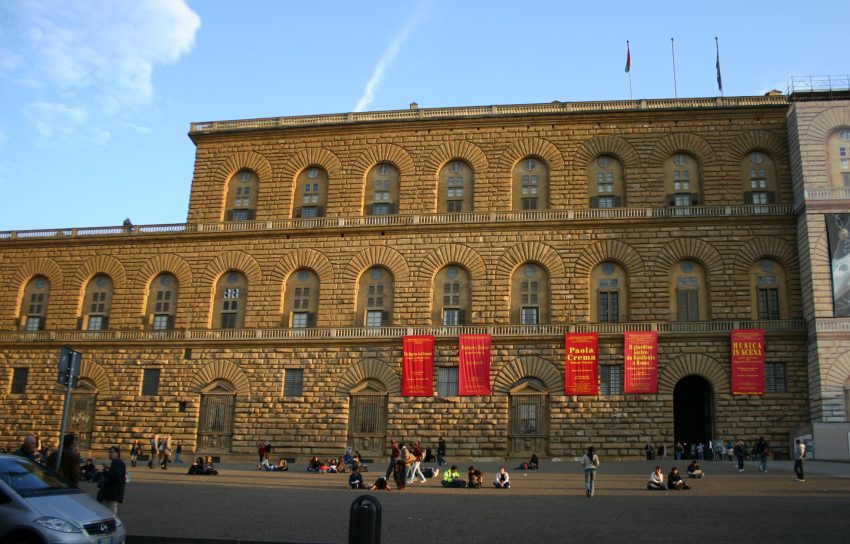
Palazzo Pitti is one of the top attractions in Florence, a vast Renaissance palace whose formidable façade rises above the Oltrarno district. Originally built for the ambitious banker Luca Pitti in 1440, the palace was later purchased by Eleonora di Toledo, wife of Cosimo I de' Medici, who transformed it into a ducal residence. With additions such as the famous Vasari Corridor and extensive interior renovations, the palace soon became a symbol of Medici prestige. Today, visitors come to explore its princely halls, superb galleries, and stunning collections, making it one of the best places to visit in Florence. It is also a great place to visit on a walking tour of Florence, particularly for those interested in the Medici dynasty's artistic legacy.
The palace now houses multiple museums, including the Treasury of the Grand Dukes, the Galleria Palatina, the Imperial and Royal Apartments, the Museum of Russian Icons, the Galleria d’Arte Moderna, and the Museo della Moda e del Costume. Together, they offer an immersive journey through the splendour of Florence’s ruling families and their commitment to art, luxury, and cultural expression.
History and Significance of Palazzo Pitti
Palazzo Pitti began as the bold dream of Luca Pitti, a wealthy banker seeking to rival the Medici in grandeur. Although traditionally attributed to Filippo Brunelleschi, the building's exact architect remains unknown. Following economic difficulties, the Pitti family eventually sold the palace to Eleonora di Toledo in 1549, marking a turning point in its history.
Under Cosimo I and Eleonora, the palace expanded significantly. The Vasari Corridor, built in 1565, connected Palazzo Pitti to Palazzo Vecchio across the Arno, allowing the Medici to move securely between their residences. Later additions, including grand staircases and lavish interior decoration, reinforced its status as the primary Medici residence.
Over the centuries, the palace belonged to successive dynasties-the Medici, the Lorraine, and the Italian royal family. Each contributed to its artistic and architectural development. Today, Palazzo Pitti is a monumental museum complex reflecting centuries of political power and cultural patronage.
Things to See and Do in Palazzo Pitti
On the ground and mezzanine levels, the Treasury of the Grand Dukes displays exquisite objects once owned by the Medici, Lorraine, and Savoy families. Gems, ivories, engraved crystals, goldwork, and precious curiosities illuminate the opulent lifestyles of Florence’s rulers. The adjacent Museum of Russian Icons, opened in 2022, houses 78 rare icons collected over centuries, forming Italy’s oldest and largest collection of Russian religious art.
The first floor is home to the Galleria Palatina, an extraordinary picture gallery featuring masterpieces by Titian, Raphael, Rubens, and other great Renaissance and Baroque artists. The sumptuous Imperial and Royal Apartments adjoin the gallery, offering fourteen chambers filled with period furnishings, rich textiles, and royal décor that bring the palace’s courtly life to life.
The second floor hosts the Galleria d’Arte Moderna, where artworks from the late 18th to early 20th centuries trace the evolution of modern Italian art. These rooms once served as living quarters for the Lorraine grand dukes, and their elegant interiors form a fitting backdrop for the collection.
In the Palazzina della Meridiana, fashion enthusiasts can explore the Museo della Moda e del Costume, home to over 6,000 garments, accessories, and theatrical costumes. This museum provides a fascinating journey through the history of fashion, showcasing everything from Renaissance court dress to 20th-century couture.
How to Get to Palazzo Pitti
Florence Airport, Peretola, offers easy access to the city centre via tram and taxi services. For the best deals and a seamless booking experience, check out these flights to Florence on Booking.com.
Visitors arriving by train will reach Santa Maria Novella station, followed by a scenic 20-25 minute walk across the river to Palazzo Pitti. Use Omnio to easily compare schedules, book train tickets, and find the best prices all in one place for a hassle-free journey across Italy.
Driving in the historic centre is restricted due to ZTL regulations, but paid parking outside the zone allows visitors to continue on foot or by taxi. If you are looking to rent a car in Italy I recommend having a look at Discover Cars, first, as they compare prices and review multiple car rental agencies for you.
Practical Tips on Visiting Palazzo Pitti
- Suggested tips: Plan to visit early in the day if you intend to combine Palazzo Pitti with the Boboli Gardens.
- Best time to visit: Late morning or early afternoon for quieter museum rooms.
- Entrance fee in Euros: €10-€16 depending on exhibitions and combined tickets.
- Opening hours: Typically daily except Mondays; seasonal variations may apply.
- Official website: Gallerie degli Uffizi official site.
- How long to spend: 2-3 hours to explore the main museums; longer if visiting the gardens.
- Accessibility: Generally accessible, with lifts to most areas; some rooms may have thresholds.
- Facilities: Restrooms, café, bookshops, and ticket office.
- Photography tip: Capture the palace’s imposing façade from Piazza de’ Pitti for an iconic shot.
- Guided tours: Museum-guided and third-party tours available for deeper insights.
- Nearby food options: Numerous cafés, trattorias, and wine bars fill the Oltrarno district.
Where to Stay close to Palazzo Pitti
For those wishing to stay in the charming Oltrarno district, Villa Cora offers luxurious accommodations just a short walk from the palace. Boutique travellers may enjoy SoprArno Suites, known for its artistic interiors and welcoming atmosphere. Another excellent choice is Hotel Lungarno, offering elegant riverfront rooms within easy reach of Palazzo Pitti.
Is Palazzo Pitti Worth Visiting?
Absolutely. Palazzo Pitti is far more than a single museum-it is a vast cultural world unto itself. Its extraordinary art collections, lavish state rooms, fashion museum, and deep connections to Florence's ruling dynasties make it a memorably rich experience. Whether you're drawn by Renaissance painting, fashion history, royal architecture, or Medici lore, the palace offers something exceptional for every visitor.
What Other Travellers Say...

Palazzo Pitti, on Piazza de' Pitti in Florence, is a vast Renaissance palace turned gallery complex where visitors wander lavishly decorated rooms and royal apartments filled with Italian and European masterpieces from the Renaissance through the Baroque; highlights mentioned include the Palatine Gallery with richly ornamented halls and ceilings, the Green Hall and the Royal Apartments, and the Museum of Fashion and Costume, while the adjacent Boboli Gardens offer expansive, sculpture- and fountain-filled grounds and panoramic views — bring time to explore, consider buying tickets in advance, and pause at the courtyard café.


FAQs for Visiting Palazzo Pitti
Nearby Attractions to Palazzo Pitti
- Boboli Gardens - Vast landscaped gardens behind the palace.
- Ponte Vecchio - Historic bridge lined with goldsmith shops.
- Santo Spirito Basilica - A serene Oltrarno church designed by Brunelleschi.
- Bardini Gardens - Peaceful hillside gardens with panoramic views.
- Casa Guidi - The former Florence home of poets Robert and Elizabeth Barrett Browning.
The Palazzo Pitti appears in our Complete Guide to Visiting Florence!

Moira & Andy
Hey! We're Moira & Andy. From hiking the Camino to trips around Europe in Bert our campervan — we've been traveling together since retirement in 2020!
This website uses affiliate links which may earn a commission at no additional cost to you!
Planning Your Visit
From Tuesday to Sunday from 8.15am to 6.30pm
Full €11 (Pitti + Boboli: €15)
Nearby Attractions
- Piazza Santo Spirito (0.3) km
Square - Boboli Gardens (0.3) km
Gardens - Forte Belvedere (0.4) km
Castle - Ponte Vecchio (0.4) km
Bridge - Uffizi Gallery (0.5) km
Gallery and Historic Building - Brancacci Chapel (0.5) km
Church - Galileo Museum (0.6) km
Museum - Bardini Villa (0.6) km
Gardens and Museum - Palazzo Davanzati (0.6) km
Historic Building and Museum - Loggia della Signoria (0.6) km
Historic Building and Museum


