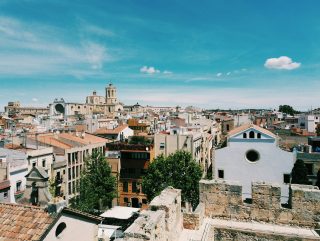
Museu Diocesa de Mallorca, Palma de Mallorca
Museum in Palma de Mallorca
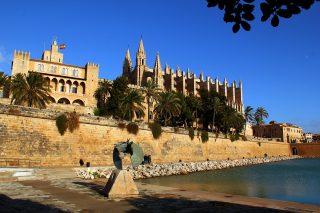
Tucked into a wing of the former episcopal palace just behind Palma's soaring cathedral, the Museu Diocesa de Mallorca is the kind of place you might easily walk past, but stepping inside feels like entering a quieter, more contemplative side of the city. The palace itself dates back to the 13th century and still carries a distinctly Gothic feel, even though later renovations have softened its original lines and blended in elements from different eras. It is intimate, peaceful, and one of the things to do in Palma de Mallorca if you enjoy smaller, characterful museums that do not overwhelm you.
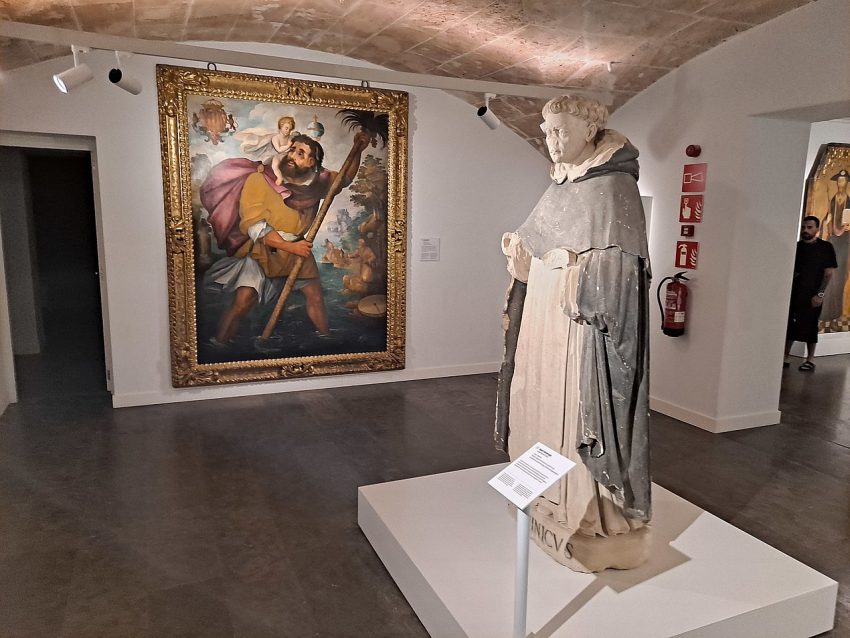
Inside, you wander through a series of calm rooms filled with paintings, pulpits, prayer books and devotional objects, many of them linked directly to the island's parishes and religious communities. Arab tapestries with intricate patterns, ceramics spanning five centuries and a poignant 17th century painting of the infant Jesus bearing a cross all tell stories of belief, craftsmanship and daily life. The portrait of St George (Sant Jordi) set against medieval Palma is especially memorable, giving you a glimpse of how the city once looked and making this museum often visited on walking tours of Palma de Mallorca as a reflective counterpoint to the busy cathedral.
Table of Contents
- History and Significance of the Museu Diocesa de Mallorca
- Things to See and Do in the Museu Diocesa de Mallorca
- How to Get to the Museu Diocesa de Mallorca
- Practical Tips on Visiting the Museu Diocesa de Mallorca
- Where to Stay close to the Museu Diocesa de Mallorca
- Is the Museu Diocesa de Mallorca Worth Visiting?
- FAQs for Visiting Museu Diocesa de Mallorca
- Nearby Attractions to the Museu Diocesa de Mallorca
History and Significance of the Museu Diocesa de Mallorca
The Museu Diocesa de Mallorca is housed within the old episcopal palace, which has anchored church power in Palma since the 1200s. This complex was originally built in the Gothic style, with pointed arches, ribbed vaults and austere stone walls that reflected both the spiritual authority and the political influence of the Mallorcan bishops. Over the centuries, the palace was altered and expanded, so what you see today is a layered structure where medieval bones sit beneath later renovations.
The creation of the diocesan museum within this space was a way to safeguard and showcase religious art from churches and chapels across the island. Rather than leaving valuable and fragile works exposed to humidity, theft or neglect, pieces were gathered here, catalogued and displayed for both the faithful and curious visitors. This gives the museum an important conservation role as well as a cultural one, preserving objects that might otherwise have disappeared from view.
Beyond its collection, the museum is significant because it adds depth to a visit to the cathedral complex. You are not just seeing the grand public face of Mallorcan Catholicism, but also the intimate objects that shaped personal devotion: prayer books, liturgical textiles, carved wood and ceramics that sat in sacristies and side chapels. Together with the setting of the episcopal palace, the Museu Diocesa de Mallorca helps you understand how power, faith and art have intersected in this corner of Palma for hundreds of years.
Things to See and Do in the Museu Diocesa de Mallorca
As you walk through the museum, take your time with the paintings, many of which reward a closer look. The 17th century depiction of the infant Jesus carrying a cross is striking for its emotional weight, while the St George portrait, with the saint set against a backdrop of medieval Palma, invites you to compare the historic skyline with the one you saw outside just moments before. These works are not just religious images; they are windows into the city’s past, its fears, and its hopes.
The collections of Arab tapestries and ceramics are another highlight. The tapestries, with their intricate motifs and rich colours, recall the island's earlier Islamic influences and the long history of cultural exchange in the western Mediterranean. The ceramics span five centuries, showing how styles, glazes and shapes evolved, from simple domestic pieces to more ornate works intended for ecclesiastical settings or wealthy patrons. Spotting these differences as you move from cabinet to cabinet is one of the best places to visit in Palma de Mallorca if you enjoy making connections between art and everyday life.
Do not rush the smaller details: carved pulpits, illuminated manuscripts, ornate frames and quiet corners of the palace where the light falls softly on old stone and wood. If you can, try to visit when it is not too busy, so you can enjoy the museum's hushed atmosphere and let your imagination wander. This spot is one of the best places to see in Museu Diocesa de Mallorca if you are looking for a gentler cultural experience away from the crowds surging through the main nave of the cathedral next door.
How to Get to the Museu Diocesa de Mallorca
Most visitors arrive in Palma via Palma de Mallorca Airport, the island's main international gateway with frequent flights from across Europe and the Spanish mainland. For the best deals and a seamless booking experience, check out these flights to Palma de Mallorca on Booking.com. From the airport, you can reach the city centre by airport bus, taxi or prearranged transfer, all of which bring you into Palma within a relatively short time.
If you are staying elsewhere on the island, regional trains connect Palma with towns like Inca, Sa Pobla and Manacor, arriving at the central Estació Intermodal, from where it is an easy walk or short bus ride to the cathedral area and the museum.Train schedules and bookings can be found on Omio. Numerous buses also link resorts and inland towns with Palma, often stopping near or at the same transport hub, making it straightforward to continue on foot through the old town streets.
For those travelling by car, main roads funnel traffic towards Palma and signposts direct you to central car parks on the edge of the historic core, from which you walk through the old streets to the cathedral and the episcopal palace.If you are looking to rent a car in Spain I recommend having a look at Discover Cars, first, as they compare prices and review multiple car rental agencies for you. Once you are in front of the cathedral, the Museu Diocesa de Mallorca is just behind it, clearly signposted and easy to reach on foot along narrow lanes.
Practical Tips on Visiting the Museu Diocesa de Mallorca
- Suggested tips: Combine the museum with a visit to Palma Cathedral and a stroll along the seafront, and try to go when you are not rushed so you can linger over the details.
- Best time to visit: Late morning or mid afternoon on weekdays is ideal, when tour groups are fewer and the museum tends to be quieter.
- Entrance fee: Adults: €4.00
- Opening hours: April, May and October 10am to 5.15pm June to September 10am to 6.15pm November to March 10 am to 3.15pm
- Official website: https://www.museuartsacredemallorca.org/en
- How long to spend: Around 45-90 minutes is usually enough to see the highlights without feeling rushed, especially if you also spend time in the cathedral.
- Accessibility: The museum is housed in a historic palace, so expect some uneven floors and possible stairs; visitors with mobility issues should check access information in advance.
- Facilities: Facilities are limited to basic services such as ticketing and possibly toilets; for cafés and shops, head back out into the nearby streets of the old town.
- Photography tip: Look out for soft natural light in the galleries and be respectful about flash; outside, use the narrow lanes and cathedral façades to frame the museum building.
- Guided tours: If available, a short guided visit or audio guide can help you understand pieces that might otherwise seem obscure and make sense of the different periods in the collection.
- Nearby food options: There are plenty of cafés, tapas bars and bakeries within a few minutes’ walk, perfect for a coffee or light meal before or after your visit.
Where to Stay close to the Museu Diocesa de Mallorca
Staying near the cathedral and the episcopal palace puts you right in the historic heart of Palma, with the Museu Diocesa de Mallorca practically on your doorstep. A comfortable central choice is Hotel Almudaina, which offers easy access to both the old town and the shopping streets. For something more intimate and atmospheric, Boutique Hotel Posada Terra Santa combines stylish rooms with a historic setting just a short walk from the cathedral. If you prefer a slightly more contemporary feel close to the waterfront, Hotel Basilica gives you a smart base within walking distance of the museum, the seafront and the main sights of the city.
Is the Museu Diocesa de Mallorca Worth Visiting?
If you enjoy smaller museums with a strong sense of place, the Museu Diocesa de Mallorca is definitely worth adding to your Palma itinerary. It is not a blockbuster attraction, but that is part of its charm: you get close to the art, you can move at your own pace, and you come away with a richer understanding of the island's religious and artistic history. As a calm, reflective counterpoint to the grandeur of the cathedral and the buzz of the old town, it feels like a quiet gem that rewards those who take the time to step inside.
What Other Travellers Say...

Museu Diocesà, set in a 13th-century bishop's palace on Carrer del Mirador in Palma's centre, presents a compact, well-organised collection of sacred art — sculptures, medieval paintings, ceramics and relics — with multilingual explanations that make the displays easy to follow; visitors note traces of Antoni Gaudí's renovation work and a Gaudí-focused exhibit with audio/VR options, family-friendly staff and free entry for children, a pleasant view toward the harbour from the upper levels, and the option to use a combined ticket with the nearby cathedral for entry.


FAQs for Visiting Museu Diocesa de Mallorca
Nearby Attractions to the Museu Diocesa de Mallorca
- Palma Cathedral La Seu: The iconic Gothic cathedral overlooking the bay, famous for its soaring nave and dramatic seafront setting.
- Parc de la Mar: A seafront park with a large reflecting pool, ideal for relaxed strolls and views back to the cathedral and old town walls.
- Royal Palace of La Almudaina: The historic royal residence beside the cathedral, blending Moorish and Gothic elements and offering guided visits.
- La Lonja de Palma: A beautiful late Gothic merchants' hall near the harbour, often hosting exhibitions and surrounded by bars and restaurants.
- Passeig des Born: A tree-lined boulevard with elegant buildings, shops and cafés, perfect for people-watching and a leisurely coffee after sightseeing.
The Museu Diocesa de Mallorca appears in our Complete Guide to Visiting Palma de Mallorca!

Moira & Andy
Hey! We're Moira & Andy. From hiking the Camino to trips around Europe in Bert our campervan — we've been traveling together since retirement in 2020!
This website uses affiliate links which may earn a commission at no additional cost to you!
Planning Your Visit
April, May and October 10am to 5.15pm
June to September 10am to 6.15pm
November to March 10 am to 3.15pm
Adults: €4.00
Nearby Attractions
- Bishop's Garden (0.1) km
Gardens - La Seu: the Cathedral of Palma (0.1) km
Cathedral - Museo de Mallorca (0.1) km
Museum - Banys Arabs (Arab Baths) (0.2) km
Baths - Royal Palace of La Almudaina (0.2) km
Palace - Centre Maimó ben Faraig (0.2) km
Museum - Palau March Museum (0.2) km
Historic Building and Museum - Puerta de los Judios (0.2) km
City Gate - Royal Gardens of La Almudaina (0.3) km
Gardens - Iglesia de Montesión (0.3) km
Church