Museo Casa Natal, Málaga
Historic Building and Museum in Málaga
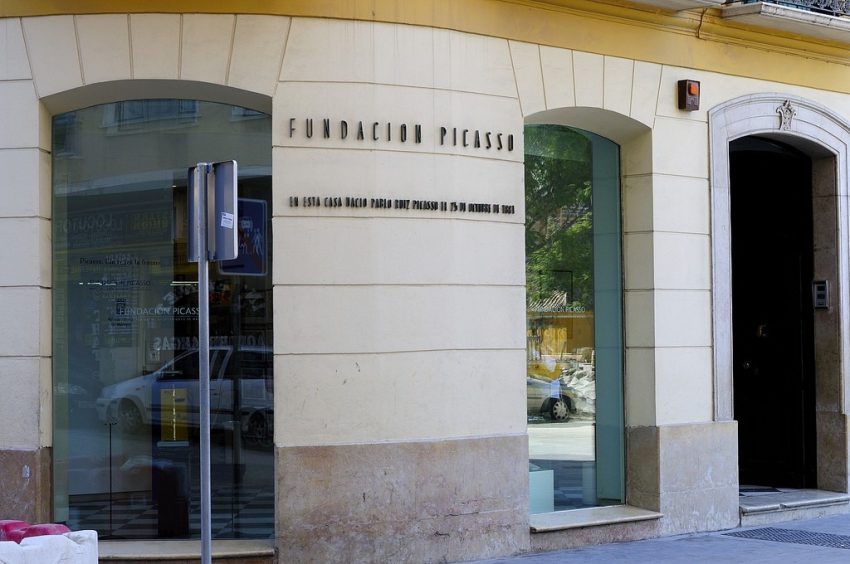
Set on the sunny Plaza de la Merced, the Museo Casa Natal Picasso is one of the best places to visit in Málaga if you want to understand where the 20th century's most famous artist really began. This modest corner building is where Pablo Picasso was born in 1881 and where he spent the first years of his life, long before Paris studios and global fame. Today it's both a house-museum and a small gallery, filled with personal objects, family photographs, and early works that trace the roots of his creativity.
Inside, each floor offers a different angle on Picasso's story: the ground floor mixes temporary exhibitions with evocative artifacts from his childhood, the first floor showcases works by Picasso and his father José Ruiz Blasco, and the upper levels house a specialist library and research centre. Because it's compact and central, the Museo Casa Natal Picasso is a highlight of any walking tour of Málaga, easy to combine with the nearby Museo Picasso Málaga, the cathedral, and the lively tapas bars that spill out into the squares.
Table of Contents
- History and Significance of the Museo Casa Natal Picasso
- Things to See and Do in the Museo Casa Natal Picasso
- How to Get to the Museo Casa Natal Picasso
- Practical Tips on Visiting the Museo Casa Natal Picasso
- Where to Stay close to the Museo Casa Natal Picasso
- Is the Museo Casa Natal Picasso Worth Visiting?
- FAQs for Visiting Museo Casa Natal Picasso
- Nearby Attractions to the Museo Casa Natal Picasso
History and Significance of the Museo Casa Natal Picasso
The building at number 15 Plaza de la Merced looks, at first glance, like many others in Málaga's historic centre: a traditional townhouse with balconies facing the square. But in 1881, on its first floor, José Ruiz Blasco and María Picasso López welcomed their son Pablo into the world here - a child who would go on to revolutionise modern art. José, an art teacher and painter himself, rented the floor from 1880 to 1883, filling the home with canvases, sketchbooks, and the atmosphere of a working studio.
Picasso lived in the house until 1884, after which the family moved to other addresses around the square, staying in this same neighbourhood until 1891 when José was offered a post as an art teacher in La Coruña. Those early Málaga years, spent between Plaza de la Merced and the nearby streets, shaped the boy's first impressions of light, colour, and daily life in Andalusia. It was only much later, after further moves and the explosive evolution of his style, that the city and this house would fully embrace their connection to him.
The building was declared an official heritage site in 1983, recognising both its architectural value and its cultural importance as Picasso's birthplace. The Museo Casa Natal was created to preserve that legacy: not as a grand gallery of masterpieces, but as an intimate space where visitors can sense the world that surrounded him as a child. Today it functions as a museum, documentation centre, and research hub, ensuring that Picasso's bond with Málaga remains a living, evolving story rather than just a plaque on the wall.
Things to See and Do in the Museo Casa Natal Picasso
Your visit typically begins on the ground floor, where temporary exhibitions introduce themes connected to Picasso, his circle, or broader currents in modern art. Alongside these changing shows, you’ll often find objects and documents that evoke life in the house during the 1880s: period furniture, household items, and photographs that help you imagine the artist as a toddler in these same rooms. It’s a gentle, human-scale introduction before you move on to the artworks themselves.
The first floor is the heart of the Museo Casa Natal Picasso. Here you'll see works by both Pablo and his father, José Ruiz Blasco, which together trace an artistic dialogue across generations. José's academic paintings hint at the training and discipline that underpinned Picasso's early years, while Pablo's pieces show how quickly he pushed beyond convention. Personal mementos - letters, family photographs, and intimate objects - bring the family story to life, turning the museum into a kind of visual biography.
Higher up, the third floor houses a library and research centre, an invaluable resource for scholars and enthusiasts interested in Picasso, his contemporaries, and modern art history. Even if you're not here to study, knowing that this quieter, more academic layer exists adds depth to the museum's role: it's not just a tourist stop, but an active participant in ongoing research. Before or after your visit, take time to enjoy Plaza de la Merced itself, perhaps sitting at a café terrace and reflecting on how this lively square has transformed since the days when a young Pablo looked down on it from his family's balcony.
How to Get to the Museo Casa Natal Picasso
The Museo Casa Natal Picasso stands on Plaza de la Merced in Málaga's old town, an easy walk from most central sights. If you are arriving via Málaga-Costa del Sol Airport, you can be in the city centre in around 15-20 minutes by train, bus, taxi, or hire car, then stroll through the historic streets to the square. For the best deals and a seamless booking experience, check out these flights to Málaga on Booking.com.
From Málaga María Zambrano train station, it's about a 15-20 minute walk to Plaza de la Merced, or a short ride on local buses that stop near the old town; line 1 to Plaza de la Merced and line 3 to Paseo del Parque by the Ayuntamiento are particularly convenient. Train schedules and bookings can be found on Omio.
If you're travelling by car, it's best to park in one of the public car parks around the centre and continue on foot, as Plaza de la Merced and the surrounding streets are largely pedestrianised and narrow. If you are looking to rent a car in Spain I recommend having a look at Discover Cars, first, as they compare prices and review multiple car rental agencies for you.
Practical Tips on Visiting the Museo Casa Natal Picasso
- Suggested tips: Combine your visit with the nearby Museo Picasso Málaga and a stroll through Plaza de la Merced for a full “Picasso in Málaga” experience.
- Best time to visit: Late morning or mid-afternoon are ideal; the museum is relatively small, so arriving outside peak times helps avoid feeling crowded.
- Entrance fee: Birthplace Museum (Plaza de la Merced, 15): €3. Temporary exhibition (Exhibition hall at Plaza de la Merced, 13): €3. Combined ticket: €4
- Opening hours: 9:30 a.m. to 8:00 p.m
- Official website: http://fundacionpicasso.malaga.eu/
- How long to spend: Allow 45-60 minutes for a relaxed visit, a little longer if you’re also exploring a temporary exhibition or browsing the library resources.
- Accessibility: The historic building has been adapted with lifts and accessible routes, but some areas may still have steps or narrower spaces; ask at reception for the best routes if you have mobility needs.
- Facilities: Expect a ticket desk, small shop or information area, and nearby cafés and restrooms in and around Plaza de la Merced.
- Photography tip: Capture the façade and balconies from the middle of the square, then focus on details like stairways, tiles, and period furniture inside to convey the house’s intimate atmosphere.
- Guided tours: Occasional guided visits and educational activities add extra context about Picasso’s childhood and family life; enquire in advance if you’re particularly interested.
- Nearby food options: Plaza de la Merced is ringed with bars, cafés, and restaurants, making it easy to grab breakfast before your visit or linger over tapas afterwards.
Where to Stay close to the Museo Casa Natal Picasso
If you want to be just steps from Picasso's birthplace and the heart of Málaga's old town, look for accommodation around Plaza de la Merced and the nearby streets. A stylish option within easy walking distance is Palacio Solecio, a beautifully restored palace hotel that puts you close to both museums and the cathedral. For a more contemporary stay with great views and a rooftop pool, AC Hotel Málaga Palacio offers modern comfort between the old town and the port. Travellers who prefer a smaller, characterful base might choose Hotel Boutique Teatro Romano, set beside the Roman Theatre and Alcazaba, and only a short stroll from Plaza de la Merced and the Museo Casa Natal Picasso.
Is the Museo Casa Natal Picasso Worth Visiting?
Yes, the Museo Casa Natal Picasso is definitely worth adding to your Málaga itinerary, especially if you're already planning to see the larger Picasso museum. Here you don't just admire finished masterpieces; you step directly into the atmosphere of his earliest years, surrounded by family keepsakes, early works, and the everyday objects of a 19th-century Málaga home. It's a more intimate, personal experience that complements the broader artistic overview you get elsewhere.
Because it's compact, centrally located, and easy to pair with other sights, a visit here fits naturally into a half-day exploring the old town. Standing in the rooms where Picasso took his first steps, then looking out over the same square he once knew as a child, adds a human dimension to his story that stays with you long after you leave. For anyone curious about how great artists begin, this small museum is a quiet but powerful stop and a highlight of any walking tour of Málaga.
What Other Travellers Say...

Museo Casa Natal de Picasso at Plaza de la Merced 15 is the painter's childhood home turned small museum, with rooms that showcase early sketches, lithographs, ceramics and family photographs across two floors and displays that trace his formative years and family background; visitors praise the intimate, sunlit atmosphere and friendly multilingual staff, note that the museum is compact so a quick visit can suffice but can also be rewarding for understanding Picasso's early development, and mention occasional temporary exhibitions, reasonable entry cost, free Sunday hours in the evening, and that lines can form so booking ahead may be wise.


FAQs for Visiting Museo Casa Natal Picasso
Nearby Attractions to the Museo Casa Natal Picasso
- Museo Picasso Málaga - Larger Picasso museum in the Palacio de Buenavista, showcasing an extensive collection of his works across five decades.
- Málaga Cathedral (La Manquita) - Impressive Renaissance and Baroque cathedral with a distinctive unfinished tower, a short walk from Plaza de la Merced.
- Alcazaba of Málaga - Moorish palace-fortress with gardens, courtyards, and great views over the Roman Theatre and harbour.
- Roman Theatre - Open-air Roman site at the foot of the Alcazaba, offering a glimpse into Málaga's ancient past.
- Castillo de Gibralfaro - Hilltop fortress overlooking the city and bay, perfect for panoramic views and sunset photos after a day in the old town.
The Museo Casa Natal appears in our Complete Guide to Visiting Málaga!

Moira & Andy
Hey! We're Moira & Andy. From hiking the Camino to trips around Europe in Bert our campervan — we've been traveling together since retirement in 2020!
This website uses affiliate links which may earn a commission at no additional cost to you!
Planning Your Visit
9:30 a.m. to 8:00 p.m
Birthplace Museum (Plaza de la Merced, 15): €3. Temporary exhibition (Exhibition hall at Plaza de la Merced, 13): €3. Combined ticket: €4
Nearby Attractions
- Plaza de la Merced (0.1) km
Monument, Square and Statue - Teatro Cervantes (0.1) km
Theatre - Iglesia de Santiago (0.2) km
Church - Picasso Museum (0.3) km
Museum - Church of San Agustin (0.3) km
Church - Roman Theatre (0.3) km
Historic Site and Theatre - Alcazaba (0.4) km
Castle - Museo del Vidrio y Cristal (0.4) km
Museum - Málaga Cathedral (0.5) km
Cathedral - Museo de Málaga (0.5) km
Museum