Musée Thomas Dobrée, Nantes
Museum in Nantes
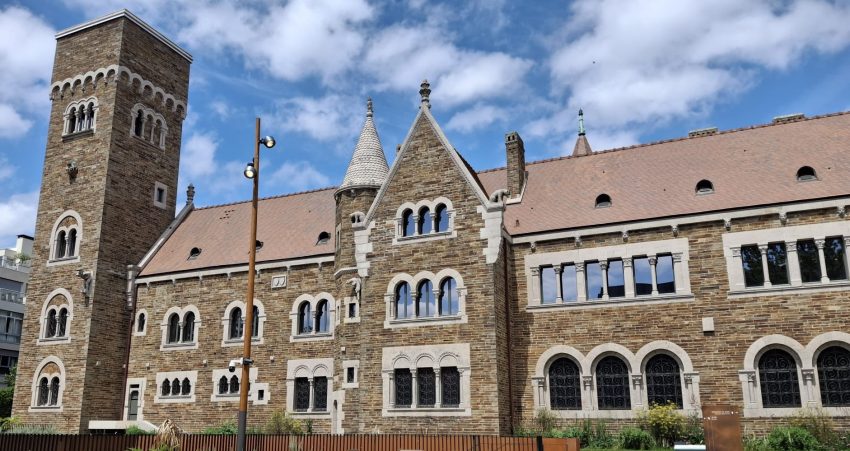
Tucked just a short stroll from central Nantes, the Musée Dobrée is one of the best places to visit in Nantes if you love the feeling of stepping into a collector's private world. This remarkable museum grew out of the passion of Thomas Dobrée, a 19th-century shipowner's son who dedicated his life to amassing manuscripts, coins, sculptures, and artworks from across the globe. In 1862 he bought the 15th-century Manoir de la Touche and later built a neo-medieval palace beside it, creating a fairy-tale setting for his growing collection.
Today, the museum complex feels like a storybook in stone: the original manor, Dobrée's turreted palace, and sleek contemporary extensions are all wrapped in an Anglo-Norman garden. Fresh from a major restoration completed in 2024, the site now combines carefully preserved heritage with modern, visitor-friendly spaces and multimedia displays. It is a highlight of any walking tour of Nantes for travellers who enjoy drifting between centuries and continents in a single afternoon.
Table of Contents
History and Significance of the Musée Dobrée
Thomas Dobrée was born into a wealthy ship-owning family but chose to dedicate his fortune and energy not to commerce, but to collecting. Medieval manuscripts, ancient coins, religious art, exotic objects from far-flung places-he gathered them all with the single-minded enthusiasm of a true 19th-century antiquarian. When he acquired the Manoir de la Touche in 1862, he gained not only a home for himself but also a stage for his treasures.
Wanting something more than a simple manor, Dobrée commissioned a neo-medieval palace to rise alongside the 15th-century house. The result is a romantic, castellated residence that looks as if it stepped straight out of one of the Gothic tales then in fashion. When Dobrée died in 1895, he left his estate and collection to the Département de Loire-Atlantique, and by 1899 the museum had opened, allowing the public into what had once been a private wonderland.
Over the decades, the Musée Dobrée became increasingly important as a repository of regional and global heritage. The recent restoration, completed in 2024, carefully conserved both the manor and neo-medieval palace while adding contemporary extensions and updated exhibition spaces. This balance of old and new respects Dobrée's original vision-a place where the past is lovingly preserved-while making the collections more accessible, engaging, and comfortable for today's visitors.
Things to See and Do in the Musée Dobrée
Inside, the numbers are impressive: around 135,000 objects spanning roughly 500,000 years and five continents. Yet the experience never feels overwhelming, because the exhibits are thoughtfully arranged into themes that reflect Dobrée’s curiosity-medieval devotion, ancient civilisations, numismatics, travel, and more. You might move from an illuminated manuscript to a case of coins, then turn a corner and find yourself in front of a finely carved medieval sculpture or a delicate decorative object from another part of the world.
One of the museum's most famous pieces is the reliquary containing the heart of Anne of Brittany, an object that encapsulates the region's deep historical ties to its former duchess and queen. Elsewhere, you will find cases filled with jewellery, weaponry, ceramics, and rare documents that each open a small window on a different time and place. Interactive displays and multimedia installations help bring context to these treasures, making it easy for visitors of all ages to connect with the stories behind the objects.
Do not overlook the buildings themselves. Wandering through the Manoir de la Touche and Dobrée’s neo-medieval palace is part of the fun: staircases, towers, and historic rooms reveal the collector’s taste for drama and historical revival. Between wings, large windows and cleverly placed viewpoints showcase the Anglo-Norman garden outside, inviting you to step out for a break under the trees before diving back into another gallery.
How to Get to the Musée Dobrée
The Musée Dobrée sits within easy walking distance of central Nantes, not far from the Loire and the main historic districts, so it is simple to combine with visits to the château, cathedral, or Bouffay quarter. Most international visitors arrive via Nantes Atlantique Airport, which lies just southwest of the city and is linked to the centre by shuttle buses and other public transport in roughly 20-30 minutes. For the best deals and a seamless booking experience, check out these flights to Nantes on Booking.com.
If you are travelling by train, Nantes station is a major hub in western France, served by TGV and regional lines from cities such as Paris, Rennes, and Bordeaux.You can use SNCF Connect to check schedules, compare routes, and purchase tickets for National (SNCF ) and regional trains (TER). For a more streamlined experience, we recommend using Omio, which allows you to easily compare prices, schedules, and book tickets for both National and Regional travel across all of Europe, all in one place. From the station, you can reach the museum by tram, bus, or a pleasant walk through the centre, depending on how much time and energy you have.
Travelling by car, follow signs for Nantes centre and use one of the city's car parks near the historic core; from there, it is a short walk to the museum's grounds through attractive streets.If you are looking to rent a car in France I recommend having a look at Discover Cars, first, as they compare prices and review multiple car rental agencies for you. Once you arrive, the Anglo-Norman garden and distinctive architecture make it clear you have stepped into Dobrée’s carefully curated world.
Practical Tips on Visiting the Musée Dobrée
- Suggested tips: Start your visit with a slow wander around the garden and exterior buildings to appreciate the architecture, then head inside to explore the collections with fresh eyes.
- Best time to visit: Weekday mornings or early afternoons are ideal for a calmer experience, especially if you want to linger at interactive stations and read detailed labels.
- Entrance fee: Adults: €9.00
- Opening hours: Open Wednesday to Sunday: 10:00 am – 6:00 pm; July/August, 10:00 am – 7:00 pm
- Official website: https://www.musee-dobree.fr/
- How long to spend: Plan for at least 1.5-2 hours to explore the highlights; dedicated art and history enthusiasts could easily spend half a day.
- Accessibility: Recent renovations have improved access, with lifts, ramps, and adapted routes in many areas, though some historic spaces may still involve stairs or uneven floors.
- Facilities: On-site you will usually find a reception, cloakroom or lockers, toilets, a bookshop, and sometimes a café or vending area for a break between galleries.
- Photography tip: Capture the neo-medieval palace and manor from the garden to show their relationship, then focus on close-ups inside-like the Anne of Brittany reliquary or illuminated manuscripts-if photography is permitted.
- Guided tours: Check for guided visits or themed tours that dive deeper into Dobrée's life, the architecture, or specific parts of the collection such as medieval art or numismatics.
- Nearby food options: After your visit, head toward the nearby riverside, Bouffay, or city centre streets, where plenty of cafés, crêperies, and bistros offer an easy spot for lunch or a drink.
Where to Stay close to the Musée Dobrée
Staying near the Musée Dobrée puts you within comfortable walking distance of the museum, the river, and many of Nantes' main sights. A stylish central choice is L'Hôtel - Face au Château, which places you by the Château des Ducs de Bretagne and a pleasant stroll from the museum. For a contemporary, design-forward option, Hôtel La Pérouse Nantes offers modern comfort close to tram lines and the historic core, making it simple to reach the Dobrée area on foot or by public transport. If you prefer a quieter, neighbourhood feel while staying within reach of the museum and central attractions, Hôtel Chateaubriand provides a cosy, good-value base with easy access to both the city centre and the riverfront.
Is the Musée Dobrée Worth Visiting?
The Musée Dobrée is absolutely worth visiting, particularly if you are drawn to eclectic collections and atmospheric buildings. It offers the rare pleasure of seeing how one person's passion for art and history grew into a museum that now spans half a million years and five continents. From the reliquary of Anne of Brittany's heart to far-flung artefacts and medieval manuscripts, the mix of objects is endlessly intriguing, and the freshly restored setting makes the experience even more enjoyable. For anyone exploring Nantes beyond the obvious landmarks, the museum is one of the things to do in Nantes that adds real depth and personality to your trip.
What Other Travellers Say...

Musée Dobrée, housed in a 19th-century palace at 1 Pl. Jean V in Nantes, displays Thomas Dobrée's varied collection of art, books and coins within an elegant, wood‑panelled building; visitors praise its many interesting and unique exhibits, multilingual information and included audio guide, note the accessible facilities and family-friendly multimedia, and suggest allowing several hours to explore while warning that bag-handling procedures at entry can feel disorganized.


FAQs for Visiting Musée Dobrée
Nearby Attractions to the Musée Dobrée
- Château des Ducs de Bretagne: A former ducal fortress turned city history museum, with ramparts, courtyard, and immersive exhibits on Nantes' past.
- Cathédrale Saint-Pierre-et-Saint-Paul de Nantes: The city's striking Gothic cathedral with a soaring nave and historic ducal tomb.
- Musée d'Arts de Nantes: A major fine arts museum between the cathedral and the Jardin des Plantes, showcasing works from the 13th to the 21st century.
- Quartier Bouffay: The lively medieval quarter packed with narrow lanes, half-timbered houses, bars, and restaurants.
- Machines de l'Île: A creative, steampunk-style attraction on the Île de Nantes, home to the famous mechanical Great Elephant and other fantastical machines.
The Musée Thomas Dobrée appears in our Complete Guide to Visiting Nantes!

Moira & Andy
Hey! We're Moira & Andy. From hiking the Camino to trips around Europe in Bert our campervan — we've been traveling together since retirement in 2020!
This website uses affiliate links which may earn a commission at no additional cost to you!
Planning Your Visit
Open Wednesday to Sunday: 10:00 am - 6:00 pm; July/August, 10:00 am - 7:00 pm
Adults: €9.00
Nearby Attractions
- Natural History Museum of Nantes (0.1) km
Museum - Place Graslin (0.3) km
Square - Mémorial de l'Abolition de l'Esclavage (0.3) km
Monument - Passage Pommeraye (0.5) km
Historic Building - Place Royale (0.6) km
Historic Building - Les Machines de l'Île (0.7) km
Attraction - Eglise Sainte-Croix (1.0) km
Church - Jungle Intérieure (1.0) km
Gardens - Nantes History Museum (1.3) km
Museum - Cathédrale Saint-Pierre-et-Saint-Paul de Nantes (1.4) km
Cathedral